
Reviewed · HISTORICAL TOURS
Private Guided Historical Sightseeing Tour in Kyoto
Kyoto in four hours is a good sprint. This private tour strings together key East Kyoto sights with a local guide, mixing shrine-and-temple moments with market and river-alley time.
I especially like the stop-by-stop structure—you get to see Fushimi Inari-taisha, Kiyomizu-dera, Kennin-ji, Yasaka Shrine, Nishiki Market, Pontocho, and Gion without spending half the day figuring out how to connect it all. And I like that guides have a track record of real storytelling and adapting to your pace; names that came up include Riccardo, Robert, Oscar, Andrea, and Johannes.
One thing to consider: there have been serious communication problems reported, including a few no-show situations and confusion around meeting time/details. If you book, you’ll want to confirm your meeting point clearly and keep your phone or messaging method ready the day of the tour.
In This Review
- Key highlights that make this tour worth considering
- A 4-hour private run through East Kyoto that actually makes sense
- Stop-by-stop: what you’re likely to experience and why each one fits
- Stop 1: Fushimi Inari-taisha at the base of Mount Inari (about 30 minutes)
- Stop 2: Kiyomizu-dera UNESCO temple time (about 30 minutes)
- Stop 3: Kennin-ji Temple Zen calm in the middle of a busy day (about 30 minutes)
- Stop 4: Yasaka Shrine spiritual heritage and atmosphere (about 30 minutes)
- Stop 5: Nishiki Market shopping for food ideas (about 30 minutes)
- Stop 6: Pontocho Alley by the Kamogawa River (about 1 hour)
- Stop 7: Gion district stroll and geisha-culture streets (about 30 minutes)
- Price and logistics: does $85 buy you real value?
- The guide matters: what you can hope for (and how to get it)
- How to avoid the most common problems in Kyoto day tours
- Who this tour fits best
- Should you book this private Kyoto sightseeing tour?
- FAQ
- How long is the Private Guided Historical Sightening Tour in Kyoto?
- How much does the tour cost?
- Is this tour private or shared with other groups?
- Which stops are included in the tour?
- Are admission tickets included?
- Is pickup offered?
- What happens if the weather is poor, or I need to cancel?
Key highlights that make this tour worth considering
- A tight East Kyoto route: shrines, temples, Nishiki Market, then Pontocho and Gion
- Private group experience: only your group joins, so you can move at a comfortable pace
- Short guided visits at each major site: about 30 minutes at most stops, with longer time for Pontocho
- Guides praised for clear English and history/culture explanations (names include Diego, Julian, and Ken)
- Market-to-streets time: Nishiki Market plus an evening-feeling walk in Pontocho
- Pickup option plus mobile ticket: helps reduce stress in a big, busy city
A 4-hour private run through East Kyoto that actually makes sense
Kyoto can eat your time. Streets loop, signage is in Japanese, and one wrong turn can cost a chunk of your day. This tour is built for a simple goal: see the famous places and understand what you’re looking at, without turning your trip into a scavenger hunt.
The format is private, so you’re not squeezed into a giant herd. You also have the option of pickup, which matters more than it sounds. A wrong station or a confusing meeting point can turn a great plan into a stressful hour. When pickup is offered, you’re starting the tour with less uncertainty.
Price is $85 per person for about 4 hours. That’s not cheap, but it can be good value if you’re comparing it to the real cost of “time spent getting there.” The tour also includes admission tickets for the main stops on the itinerary, which helps justify the total—just make sure you know what’s covered for each site before you arrive at the gates.
Other Kyoto tours and experiences to compare


Stop-by-stop: what you’re likely to experience and why each one fits
This itinerary runs like a classic East Kyoto flow: shrine and temple first, then culture streets and food. Most stops are about 30 minutes, so think of each one as a guided “chapter,” not a full museum visit.
Also, your guide’s job is not just to walk you to a doorway. It’s to explain the meaning of what you’re seeing, and to help you move through crowded areas without wasting time.
Stop 1: Fushimi Inari-taisha at the base of Mount Inari (about 30 minutes)
Fushimi Inari-taisha is the kind of place that forces your eyes to pay attention. You’re visiting a shrine set at the base of Mount Inari in Kyoto, which gives the area a strong sense of place and direction.
With only about 30 minutes, I’d treat this as your “get oriented” stop. You’ll want to arrive ready to look slowly—details matter here, and the guide’s explanation is what turns it from photos to understanding.
Possible drawback: because time is short, don’t plan on doing anything that turns into a long detour. If you want extra time here, build it in before or after the tour, not during it.
Stop 2: Kiyomizu-dera UNESCO temple time (about 30 minutes)
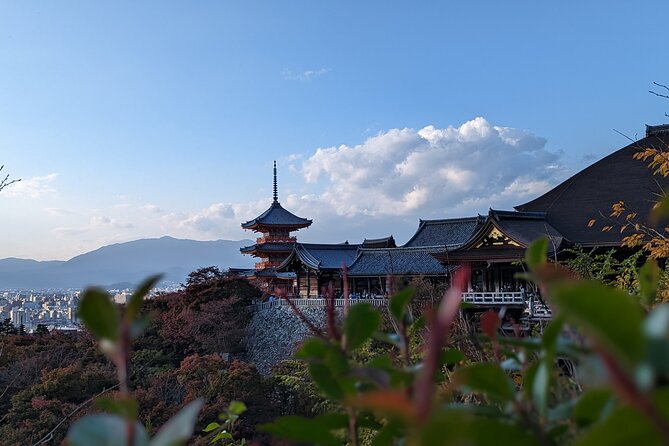
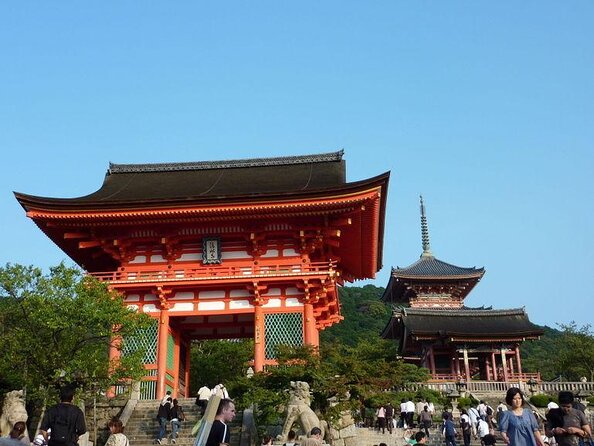
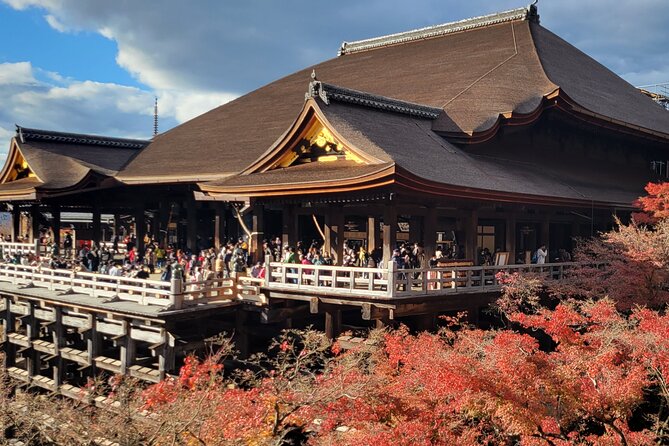
Next is Kiyomizu-dera, one of Kyoto’s best-known temples and a UNESCO World Heritage site. The highlight is the chance to walk up to the temple’s ancient wooden terrace area and see it with context from your guide.
This stop is ideal if you’re the type who likes to understand why a place became famous in the first place. Your guide should be able to connect the temple to Kyoto’s larger religious and cultural patterns, not just give you surface facts.
Small practical tip: 30 minutes goes fast when there are steps, crowds, and photo stops. If you care about a specific view, tell your guide early so you don’t feel rushed at the end.
Stop 3: Kennin-ji Temple Zen calm in the middle of a busy day (about 30 minutes)
Then the tour shifts gears to Kennin-ji Temple, described as a Zen Buddhist sanctuary. This is a smart pacing choice. After shrine-and-terrace energy, the atmosphere here can feel calmer, and it gives your brain a break.
This is also a good stop for questions. Several guides were praised for being strong at explaining the history and cultural importance of shrines/temples, and Kennin-ji is the kind of place where those explanations can really land.
Consideration: because the tour moves quickly from stop to stop, you won’t get long quiet time. If you want silence and slow walking, treat this as a meaningful taste and plan additional time on your own.
Other Kyoto tours and experiences to compare


Stop 4: Yasaka Shrine spiritual heritage and atmosphere (about 30 minutes)
Yasaka Shrine adds another layer of spiritual life to the day. The stop is framed as a visit to Kyoto’s revered shrine traditions, with time to take in the atmosphere and see what’s happening around the area.
What I like about having Yasaka after Kennin-ji is contrast. One is Zen sanctuary energy, and the other is shrine heritage energy. Even in 30 minutes, that change helps you understand how different Kyoto religious sites can feel.
Practical expectation: this is not the place to expect a long sit-down experience. Come ready to walk, look, and absorb.
Stop 5: Nishiki Market shopping for food ideas (about 30 minutes)
Then you switch from sacred spaces to Kyoto’s food streets with Nishiki Market. This is described as a culinary haven in the heart of Kyoto, and this is where your tour becomes useful for planning your meals—not just sightseeing.
Even with only 30 minutes, you can walk the market lanes with purpose: decide what you want to try later, figure out what looks good, and get a sense of what’s typical in Kyoto market culture.
Possible drawback: market time can be stressful if you’re hungry and crowds build. Keep your expectations realistic. This stop is about quick discovery, not a full shopping spree.
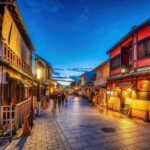
Stop 6: Pontocho Alley by the Kamogawa River (about 1 hour)
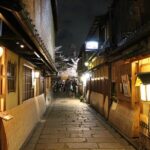
Pontocho is given the longest time on the itinerary—about 1 hour—and that’s telling. The tour treats Pontocho Alley as atmospheric and highlights its location alongside the Kamogawa River.
This is the stop where you’ll likely feel like you’re seeing Kyoto the way many people picture it: narrow lane energy, river-side views, and a street layout that rewards slow walking. If you only have four hours total, this is the time to slow down a bit and let the place sink in.
Why the extra hour matters: you’ll have room for a few photos, a short snack pause, and a calm stroll without feeling like you’re stealing time from the guide.
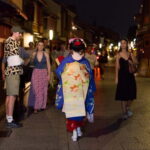
Stop 7: Gion district stroll and geisha-culture streets (about 30 minutes)
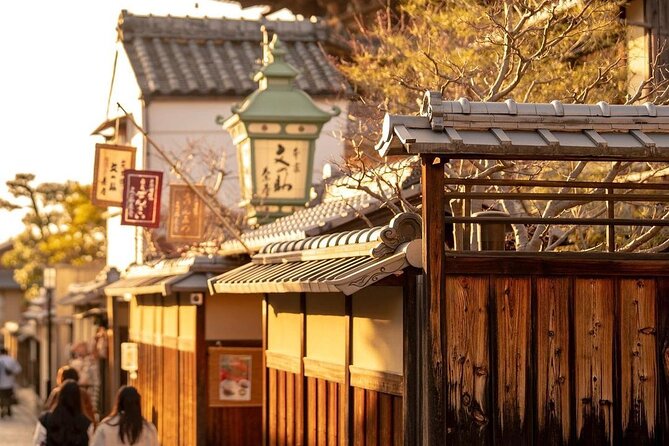
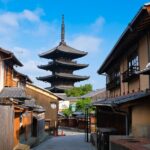
Gion closes out the tour. It’s described as Kyoto’s historic district known for graceful geisha culture and timeless allure, and the time here is about a simple guided stroll through the atmospheric streets.
I like this ending because it’s a “people-and-streets” finale. You leave the temples and shrines behind and see how Kyoto’s culture shows up in neighborhoods.
Consideration: 30 minutes in Gion is enough for orientation and a first look, but not enough for deep exploration. If you want to do more, plan your after-tour time nearby so you can return when it feels right.
Price and logistics: does $85 buy you real value?
At $85 per person for about 4 hours, the value depends on what you bring to the table.
If you’re a first-timer who wants the main East Kyoto hits in one controlled flow, the price can feel fair because:
- you don’t have to plan the connections yourself,
- you get explanations at each site,
- you get market and street time, not just temples.
Admission tickets are listed as included for the main stops, which can make the total more reasonable. That said, one report mentioned confusion around entry costs being included or not. I can’t prove how it works every time, so I’d handle this like a smart traveler: confirm what’s covered before you step up to any gate.
Logistics are also part of the price. The tour says pickup offered and near public transportation, plus mobile ticket delivery. That’s helpful. The real risk is not the ticket method—it’s day-of communication and meeting-point clarity. Keep your confirmation details handy, and don’t assume the meeting point is obvious.
The guide matters: what you can hope for (and how to get it)
The best part of this kind of tour is usually the person guiding you. In the feedback tied to this experience, guides were repeatedly praised for:
- strong English,
- explaining why sites matter culturally and historically,
- keeping the pace comfortable (including for older visitors),
- giving practical suggestions like places to eat.
Names that came up include Julian, Riccardo, Oscar, Robert, Andrea, Johannes, Diego, and Ken. That’s a good sign: this isn’t just “walk here, see that.” The strongest versions are storytelling plus pacing plus smart routes.
How to get the best guide experience:
- Ask one question early, like what a stop is trying to teach you.
- Tell them how you want the day to feel: quick photos and big impressions, or more time at each location.
- If you have mobility limits, say it upfront so they can manage the pace and the walking.
How to avoid the most common problems in Kyoto day tours
This is the part I care about, because Kyoto day tours can go sideways for boring reasons: a missed meeting point, a dead phone number, or a mismatch between what you think “start time” means and what the operator planned.
Here’s what I’d do if you book:
- Reconfirm the meeting point and time the day before.
- Keep a backup way to contact the operator/guide (the tour setup mentions mobile ticketing and pickup options, and some communication issues have been reported elsewhere).
- Arrive a bit early to your meeting spot, even if pickup is involved.
- If you’re using messaging apps, don’t delete the message thread you rely on. That kind of simple mistake can make it hard to fix problems fast.
If you want a low-stress experience, this matters more than anything else. A great route can still feel terrible if the first 20 minutes go wrong.
Who this tour fits best
This tour makes the most sense for:
- First-time visitors who want major Kyoto landmarks without planning every transit step.
- People who like short, guided chapters rather than long stays.
- Small groups who value private pacing and the chance to ask questions.
- Travelers who want a mix of sacred sites and street culture, including Nishiki Market, Pontocho, and Gion.
It might not fit if:
- you want long, quiet time in one temple or shrine,
- you hate crowds and want wide-open flexibility,
- you’re the type who prefers to wander without a set sequence (this itinerary is structured and time-boxed).
Should you book this private Kyoto sightseeing tour?
I’d book it if you want a guided East Kyoto highlights sampler in four hours, and you’re comfortable moving fairly quickly from stop to stop. The route makes sense, the stop mix hits both temples and neighborhoods, and a good guide can turn it into more than checkboxes—especially with history/culture explanations and pacing help.
I would hesitate if you’re the kind of traveler who gets flustered by communication glitches or if your day is tight with other plans you can’t reschedule. Because there have been reports of serious no-show and coordination failures, you’ll want to take meeting-time confirmation seriously and keep a reliable contact method.
If you go in prepared—especially on meeting details—this can be a solid way to get your bearings and leave Kyoto with more than photos. You’ll also know which areas deserve your next, slower walk.
FAQ
How long is the Private Guided Historical Sightening Tour in Kyoto?
The tour duration is approximately 4 hours.
How much does the tour cost?
The price is $85.00 per person.
Is this tour private or shared with other groups?
This is a private tour/activity. Only your group participates.
Which stops are included in the tour?
The tour includes: Fushimi Inari-taisha Shrine, Kiyomizu-dera Temple, Kennin-ji Temple, Yasaka Shrine, Nishiki Market Shopping District, Pontocho District, and Gion.
Are admission tickets included?
The tour’s stop details list admission tickets included for the sites on the itinerary.
Is pickup offered?
Yes, pickup is offered.
What happens if the weather is poor, or I need to cancel?
This experience requires good weather. If it’s canceled due to poor weather, you’ll be offered a different date or a full refund. You can cancel for a full refund up to 24 hours in advance of the experience’s start time.
More Guided in Kyoto
More Tours in Kyoto




More Tour Reviews in Kyoto


Just added: more Kyoto tours to browse








Historical Tours, compared.
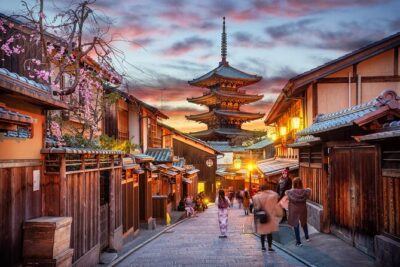 ★ 5.0Kyoto Gion: 2-Hour Geisha Culture & History Walking TourFrom $231,186 reviews
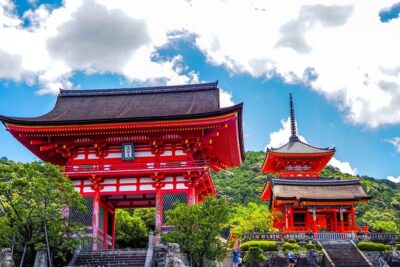 ★ 5.0Kyoto Gion Historical Walking TourFrom $40188 reviews
 ★ 5.0Historical Kyoto E-Bike TourFrom $99181 reviews
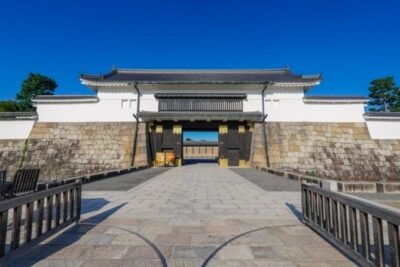 ★ 5.0Nijo Castle World Heritage Guided Tour with AdmissionFrom $39128 reviews
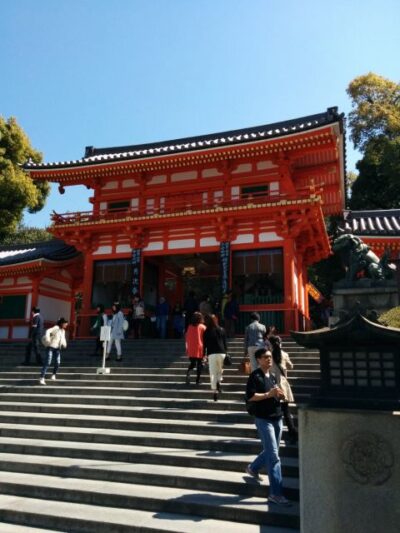 ★ 4.9Private 2.5 Hour Historical Walking TourFrom $80121 reviews
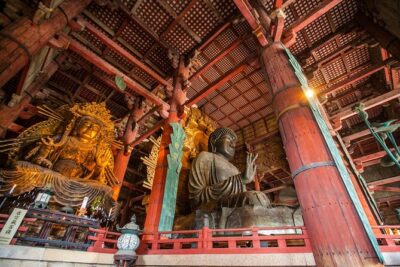 ★ 4.8From Kyoto: Nara History Guided Half Day Bus Tour with LunchFrom $77114 reviews
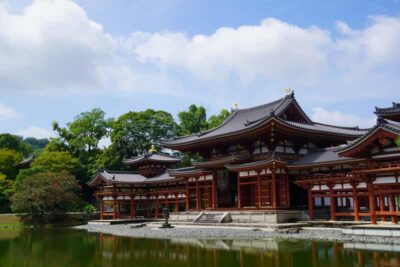 ★ 4.6Uji: UNESCO Heritage & Tea Ceremony Walking TourFrom $6654 reviews
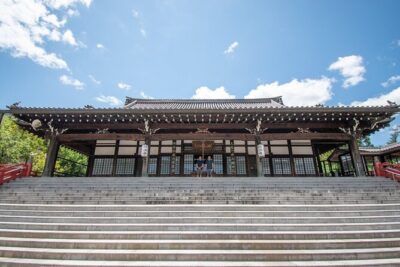 ★ 5.0Private car tour Let’s uncover secrets of majestic Kyoto historyFrom $10845 reviews
Browse the lists this tour appears in