
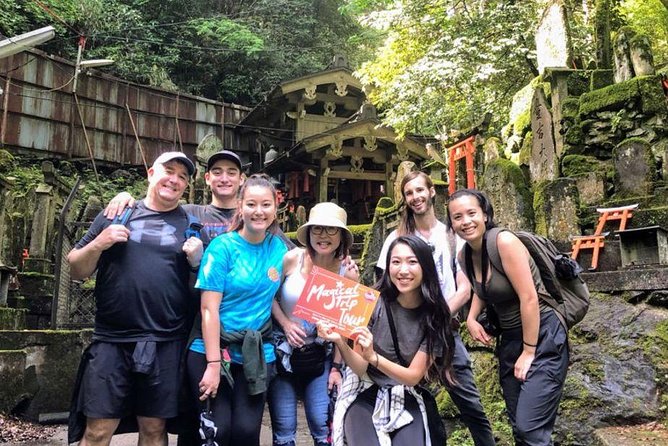
Reviewed · FUSHIMI INARI SHRINE TOURS
Fushimi Inari Hidden Hiking Tour (Private Option Available)
Skip the crush, hike the torii. This Fushimi Inari Hidden Hiking Tour trades the usual straight-to-the-gates plan for quieter forest paths and a calmer approach to one of Kyoto’s most famous shrine areas. I like that you get an expert guide who handles the route, so you’re free to enjoy the scenery instead of stress-walking with a map.
Two things I really love here are the chance to walk through a natural bamboo forest and the way the hike sets you up for a different view of Fushimi Inari—often with far fewer people until the final stretch. The route also adds a rewarding stop that connects the shrine area to the broader landscape around it, including viewpoints tied to Fushimi-Momoyama Castle.
One thing to consider: this isn’t a casual stroll. It’s about 7 km total with uphill effort and uneven, sometimes slippery ground, so you’ll want decent shoes and a moderate fitness level.
In This Review
- Key highlights
- Why this “back-side” Fushimi Inari route feels so different
- From FamilyMart Nakai Tofukuji to Fushimi Inari via Tofuj i area
- Fushimi Inari-Taisha: the hidden trail hike up the mountain
- Bamboo forest time: your best chance for real photos and real quiet
- The small Inari shrine stop: why side places beat main stops
- Fushimi-Momoyama Castle views: the mountain payoff
- What 3 hours feels like in real life (distance, pace, and stops)
- Your guide experience: small-group attention and photo help
- Price and value: what $63.14 buys you in Kyoto
- What to bring: slippery paths, mosquitoes, and hot-humid Kyoto
- Who this tour is best for (and who should choose another plan)
- Should you book the Fushimi Inari Hidden Hiking Tour?
- FAQ
- How long is the Fushimi Inari Hidden Hiking Tour?
- About how far do we walk?
- Is the hike difficult?
- Is it a small group tour?
- What’s included in the price?
- What is not included?
- Do I need to pay an admission fee for Fushimi Inari-Taisha?
- Where do we meet and where does the tour end?
- What should I wear or bring?
- What happens if the weather is bad?
Key highlights
- Hidden trail approach that helps you dodge the busiest Fushimi Inari crowds
- Bamboo forest and side-shrine moments off the typical tourist line
- Small group (max 7) for quick questions and a more personal pace
- Scenic view from the mountain, including a look toward Fushimi-Momoyama Castle
- Tour photos included, plus guides who help you capture the best angles
Why this “back-side” Fushimi Inari route feels so different
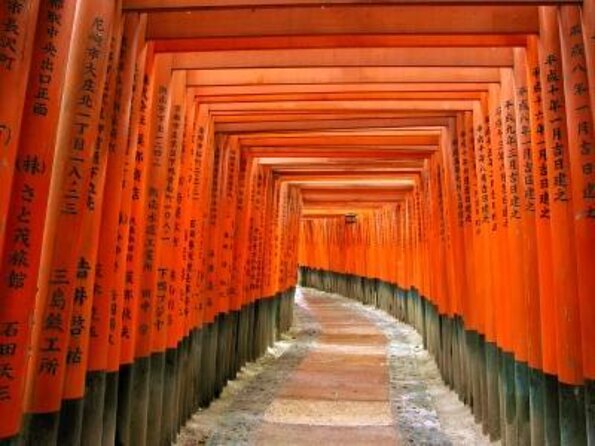
Fushimi Inari-Taisha is famous for its orange torii gates and fox imagery. But if you arrive at the wrong time (or walk the standard path), you can spend a lot of your day stuck behind moving lines of people.
This tour aims to fix that with a simple idea: start with the quieter hiking trails first, then meet the shrine area as the day progresses. Even when you do run into crowds near the gates, you’ll often feel like you’ve already had your main experience—walking, breathing, and noticing details—before the busiest part.
You also get a more “Kyoto” feel. The hike passes through zones that don’t look like a theme park: forest edges, stairy uphill sections, and small shrines tucked away from the main flow. You’re not just moving from photo spot to photo spot. You’re hiking through the layers of place.
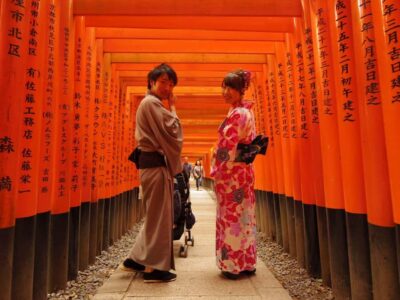
More walks up through the vermilion torii of Fushimi Inari


From FamilyMart Nakai Tofukuji to Fushimi Inari via Tofuj i area
Your tour meeting point is FamilyMart Nakai Tofukuji (12-chōme-232 Honmachi, Higashiyama Ward, Kyoto). From there, you head toward the Fushimi Inari area with a stop that goes by the Tofuj i direction on the way.
That “warm-up” transition matters more than it sounds. Starting with a local-feeling route gives you momentum before the uphill begins. It also helps you spot your surroundings—what the neighborhood feels like, how the paths funnel toward the shrine, and where the real start of the mountain hike begins.
This part is also a gentle reminder about timing. If you like calm mornings, you’re setting yourself up well for that. If you’re coming from sightseeing already tired, the short walk to the first landmark helps you get your legs ready before the climbing starts.
Fushimi Inari-Taisha: the hidden trail hike up the mountain
The heart of the experience is the climb from the shrine area toward the gates via a hidden trail. The goal is to help you experience Fushimi Inari less like a stamp-collecting stop and more like a hike through sacred space.
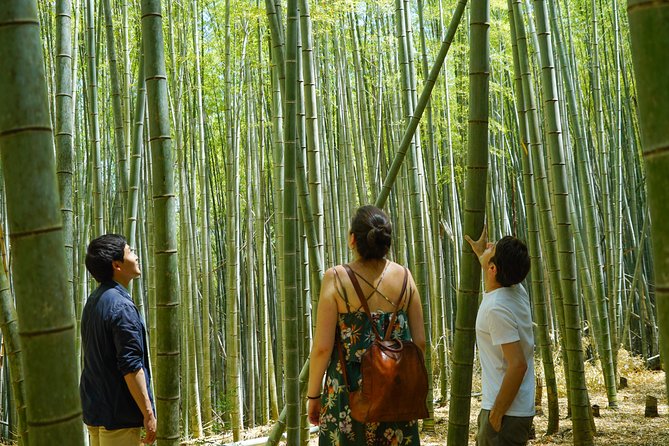
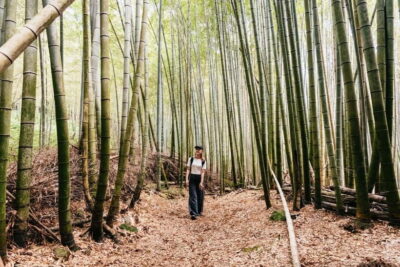
You’ll cross a narrow mountain path and then reach one of the most praised parts: a natural bamboo forest. This is where the mood shifts. Instead of orange torii repeating in your line of sight, you get height, shade, and that quiet forest rhythm that makes Fushimi Inari feel less crowded than the postcards.
Along the way, you’ll also visit a smaller Inari shrine hidden from the main tourist trail. That matters because Fushimi Inari isn’t just one big viewpoint. It’s a system of places—links, offerings, and symbolism—stretching across the mountainside. Seeing a side shrine makes the whole place feel more grounded.
In terms of pacing, you should expect uphill walking plus some stair work near the shrine zones. It’s manageable for many people with a normal ability level, but it’s still work. If you’re the kind of traveler who hates feeling winded, you’ll want to slow down and use your guide’s pace.
And yes, this is still Kyoto famous-sight territory. As you get closer to the torii gates and main shrine areas, you’ll encounter more people. The smart part is that you’re often reaching those busier sections after you’ve had your quieter hiking time.
Bamboo forest time: your best chance for real photos and real quiet
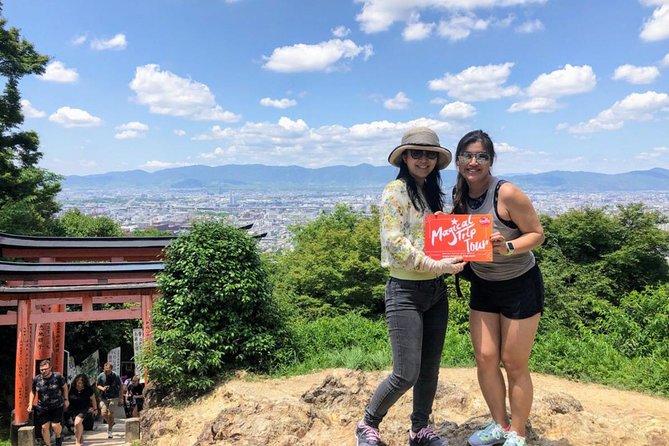
The bamboo forest section is one of those travel moments that feels instantly different from the street scenes. It’s not just pretty. It changes how you move and what you notice.
In reviews, this part gets mentioned again and again as a highlight, and for good reason. The guide help here isn’t only route navigation. It’s also about spotting things you would miss on your own—small shrine details, inscriptions, and the fox motifs that tie into Inari beliefs.
Guides on this tour have included people like Naru, Shin, Matt, Hina, Yuha, and Yuko. Different guides bring their own energy and explanations, but the common thread is that you’re moving through the forest with context. That can turn “nice trees” into “oh, I see why this matters.”
Also, you don’t arrive here as a sprinting selfie mob. You tend to hit the forest portion when it’s still calm enough to enjoy it. That’s a big quality-of-experience advantage.
The small Inari shrine stop: why side places beat main stops
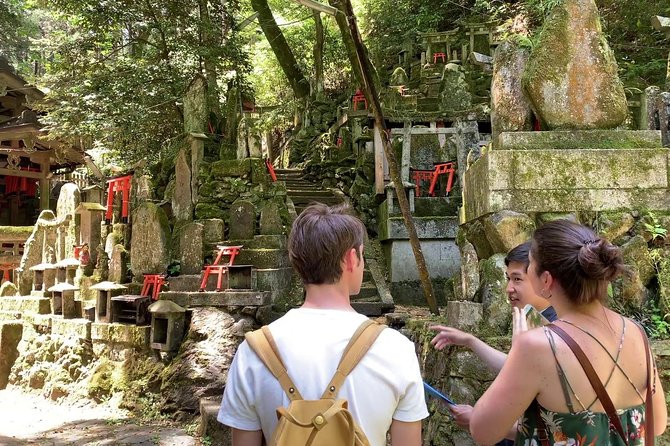
The main torii gates get all the attention, but the tour’s standout value is the detour energy—those off-tourist-trail moments.
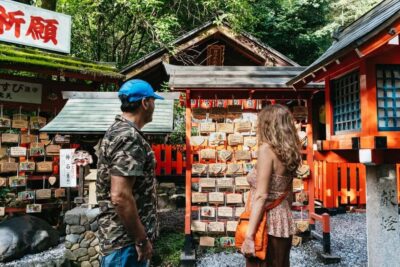
A small, hidden Inari shrine is a perfect example. It gives you a break from the repeating orange pattern and lets you slow down. It’s also a chance to see the shrine system as something built for worship and offerings, not just sightseeing lines.
Guides sometimes read or point out inscriptions and explain customs connected to the gates and fox imagery. If you care about why certain things are arranged the way they are, this kind of stop turns your hike into something you’ll actually remember beyond the photos.
If you’re traveling with family, this is also where kids often do better. It’s still a hike, but you’re getting pauses that feel meaningful rather than just “wait here while the group catches up.”
Other Kyoto tours and experiences to compare





Fushimi-Momoyama Castle views: the mountain payoff
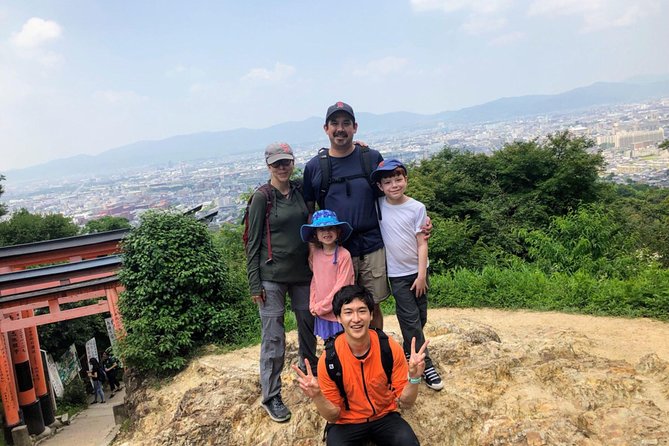
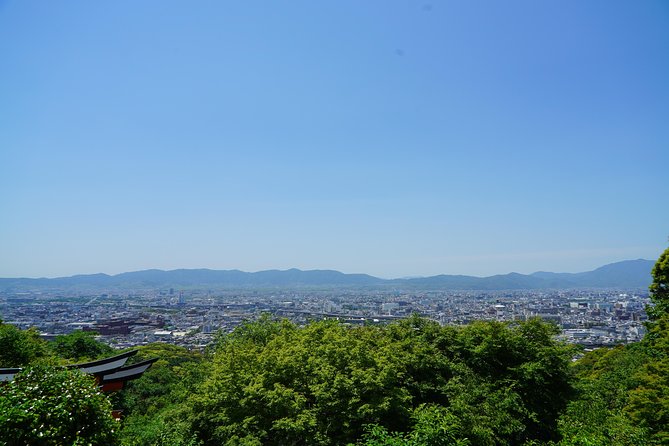
After you’ve enjoyed the forest and side-shrine sections, the tour shifts toward the payoff view. You stop to see the castle from the top of the mountain.
This is the kind of addition that makes the hike feel like more than just reaching the torii gates. Fushimi-Momoyama Castle is part of the broader historical story of the area, and the viewpoint helps connect the shrine landscape to the mountain geography that shapes how Kyoto neighborhoods sit.
The best way to think about this segment is as a “reset” for your brain. You’ve spent time moving through sacred paths and shaded woods. Then you look out and see scale—the city’s layout, the way the mountains frame views, and how this area became so important.
When your feet feel tired, that view is what helps justify the effort.
What 3 hours feels like in real life (distance, pace, and stops)
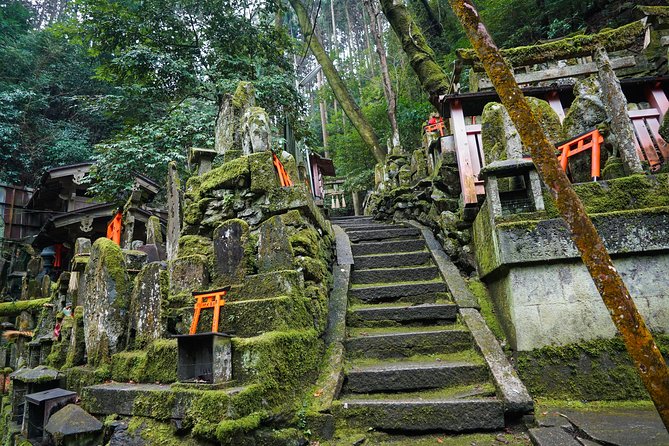
The tour runs about 3 hours and includes roughly 7 km total of walking. It’s not a long distance compared to all-day treks, but it’s also not a simple walk. You’ll have uphill sections and stair climbs, plus the ground can be slippery, especially after rain.
The operator sets expectations clearly: if you have trouble walking or aren’t in regular hiking condition, this may not be a good fit. For many visitors, it lands in a moderate zone—doable, but you’ll feel it in your legs.
Pacing helps. The group takes regular stops, and you can get extra stops if needed. That’s worth paying attention to if you’re traveling with someone who needs breaks to stay comfortable.
Shoes are non-negotiable. Wear footwear with good grip. The trail surfaces can be slick, and there’s no reason to gamble on comfort when you can prevent problems with the right soles.
Your guide experience: small-group attention and photo help
This is a max 7 travelers tour, and that small group size shows. It’s not just about comfort; it’s about control. When you can ask questions without shouting, you get more from the stops.
Guides also do practical things that make the hike smoother:
- helping you navigate so you don’t end up lost on side trails
- sharing context for what you’re seeing at shrines and gates
- taking tour photos during the hike, so you don’t spend the best parts juggling a camera
You’ll hear different guide styles, too. Some guides like Emi are known for routing that helps avoid building crowds (including approaches that start from the end of the trail so you meet the busiest areas later). Others like Duncan focus on local perspective and easy conversation. Some, like Naru, get called out for explaining customs, including details connected to fox motifs and gate meanings.
There’s also a quiet benefit: your group moves as a unit. That reduces the stress of managing time on your own in a complex area like Fushimi Inari.
If you want a private option, you can choose it. That can be a good fit for couples or small families who want a more flexible pace and less coordination.
Price and value: what $63.14 buys you in Kyoto
At $63.14 per person, this tour sits in the “worth it if it saves your time and energy” category.
Here’s what you’re really paying for:
- Guided navigation through less obvious trails near a crowded landmark
- Time efficiency: you’re not wandering, guessing, or doubling back
- A small group (max 7), which keeps the experience calmer
- Tour photos included, which reduces hassle when you’re hiking
If you tried to DIY this, you’d likely spend time on maps, trial-and-error routing, and figuring out where the “quiet approach” actually starts. And with Fushimi Inari, timing is everything. A guided plan helps you hit the right feeling earlier in the hike.
You still bring your own water and food (not included), and you should plan for effort. But if you want a Fushimi Inari visit that feels like walking through Kyoto, not just surviving a crowd, the price starts to make sense.
What to bring: slippery paths, mosquitoes, and hot-humid Kyoto
This tour heads into the mountain area, so you need a small packing checklist.
The essentials:
- Good grip shoes (because the ground can be slippery)
- Long sleeves and long pants (mosquitoes and bugs are expected)
- Water and a hat, especially in summer heat and humidity
In practical terms, bring bug protection. A few guides can even carry reminders, but you shouldn’t rely on that. If you’re sensitive to bites, add insect repellent to your day pack.
If rain shows up, you can still go. But come prepared with a layer that works for hiking. Even light rain can make trails more slippery, and the bamboo and forest areas can stay damp longer.
One more thing: the tour does not include drink and food, so plan a snack or purchase before or after. You’ll feel better if you don’t wait until you’re tired to solve the hunger problem.
Who this tour is best for (and who should choose another plan)
This tour fits best if you:
- like hiking more than just wandering
- want a calmer approach to Fushimi Inari’s torii gates
- enjoy bamboo-forest scenery and side-shrine details
- want a guide so you can ask questions and not get lost on mountain paths
It may not fit if you:
- struggle with stairs or steep uphill walking
- hate uneven ground or slippery trails
- need a fully flat, easy route
If you’re a first-time Kyoto visitor and Fushimi Inari is on your “must” list, this is one of the smarter ways to see it. You get the famous gates, but you also get the quieter Kyoto around them—which is where most people wish they had more time.
Should you book the Fushimi Inari Hidden Hiking Tour?
Book it if you want Fushimi Inari to feel like a walk with meaning, not a crowd queue. The small group size, the hidden trail approach, and the bamboo forest + side shrine stops add up to a trip that feels different from the usual self-guided plan.
Skip it (or choose a gentler option) if you’re not comfortable with moderate effort. Around 7 km total and slippery sections are not the kind of “it’ll be fine” situation where you can wing it.
If you go, you’ll likely love the payoff: approaching the torii area with a calmer start, then ending with bigger views—plus photos handled for you.
FAQ
How long is the Fushimi Inari Hidden Hiking Tour?
It’s about 3 hours.
About how far do we walk?
The hike is approximately 7 km total.
Is the hike difficult?
It’s not super difficult, but it’s not a simple walk. It takes some effort, includes uphill sections, and the ground can be slippery.
Is it a small group tour?
Yes. The maximum group size is 7 travelers.
What’s included in the price?
A certified guide by MagicalTrip and tour photos during the tour are included.
What is not included?
Drink and food are not included.
Do I need to pay an admission fee for Fushimi Inari-Taisha?
Admission is listed as free for the stop at Fushimi Inari-Taisha.
Where do we meet and where does the tour end?
You meet at FamilyMart Nakai Tofukuji (12-chōme-232 Honmachi, Higashiyama Ward, Kyoto). The tour ends in front of the main shrine of Fushimi Inari Taisha.
What should I wear or bring?
Wear shoes with good grip. Bring long sleeves and long pants for mosquitoes/bugs, plus water and a hat for heat and humidity.
What happens if the weather is bad?
This activity requires good weather. If it’s canceled due to poor weather, you’ll be offered a different date or a full refund.
More Tours in Kyoto




More Tour Reviews in Kyoto


Fushimi Inari, a Few More Ways



Just added: more Kyoto tours to browse








Fushimi Inari Shrine Tours, compared.
 ★ 4.8Fushimi Inari, Kinkakuji, Bamboo Grove 1 Day Bus TourFrom $1224,316 reviews
 ★ 4.7Kyoto/Osaka: Nara, Fushimi Inari Taisha, Arashiyama Bus TourFrom $521,275 reviews
 ★ 4.4Osaka/Kyoto: Arashiyama, Nara & Fushimi Inari Shrine w/LunchFrom $61754 reviews
 ★ 4.7Nijo Castle, Kiyomizu & Fushimi Inari Guided TourFrom $54700 reviews
 ★ 5.0Nijo, Kinkaku-ji, Arashiyama, Kiyomizu & Fushimi InariFrom $51699 reviews
 ★ 5.0Kyoto Fushimi-Inari Night Walking TourFrom $43320 reviews
 ★ 4.93-Hour Fushimi Inari Shrine Hidden Hiking TourFrom $72270 reviews
 ★ 5.0Kyoto Early Bird English Tour: Fushimi-Inari and ArashiyamaFrom $96198 reviews
Browse the lists this tour appears in