
Reviewed · KYOTO PRIVATE GUIDED TOURS
Kyoto 4hr Private Tour with Government-Licensed Guide
Kyoto can feel big fast, but this tour keeps it manageable. You get a government-licensed English guide and the freedom to shape a half day around the Kyoto sites you actually want. I like that the focus stays on understanding what you’re seeing, not just checking off photo spots.
Two things I especially like: you choose 2–3 stops from the highlights list, and the tour is built for real movement through the city with a guide who helps with logistics. I’ve seen guides like Yuri, Maya, Mizu, and Nabet get praised for smooth transit, clear explanations, and even helping with the best angles for photos.
One drawback to plan for: it’s a walking tour, and entrance fees and transit costs aren’t included. If you hate walking, or if you’re hoping for a low-effort day where everything is paid for upfront, you’ll want to think twice.
In This Review
- Key things to know before you go
- Why this Kyoto private tour feels better than a rigid group plan
- The guides: what you get from a government-licensed local pro
- Fushimi Inari and Nijo Castle: shrine drama, then shogun-era power
- Gion, Nishiki Market, and Pontocho: Kyoto’s everyday texture
- Kiyomizu-dera, Kyoto Imperial Palace, and Higashiyama: the classic trio
- Temple-hopping without wasting time: from Ginkakuji to Toji
- Golden Pavilion and Arashiyama: iconic sights plus scenic walking
- How transport and timing really work in a 4-hour private day
- Price and value: is $109.43 per person worth it?
- Practical tips I’d use to get the best 4 hours
- Should you book this Kyoto 4-hour private tour?
- FAQ
- How long is the Kyoto private tour?
- Is this a walking tour?
- Does the tour include hotel pickup?
- Can I customize the itinerary?
- Are entrance fees included?
- Is transportation included?
- Is the guide English-speaking?
- What is included in the price?
- Are there group discounts?
- Can I cancel for a full refund?
- Is it private or shared?
Key things to know before you go
- Government-licensed English guide who can explain the why behind each stop
- Pick your own combo of 2–3 sites instead of being locked into a fixed route
- Hotel pickup on foot in a designated area, with an option to use taxis more often
- Entry fees are extra, so the final cost depends on what you select
- Built for short time in Kyoto: 4 hours that targets the essentials without long detours
Why this Kyoto private tour feels better than a rigid group plan
Kyoto is famous for being dense with temples, shrines, and neighborhoods that look similar until someone points out the differences. This tour helps because you’re not stuck with a one-size-fits-all route. You tell your guide what you care about, then you build a compact day around 2–3 key sites.
That matters when you’re short on time, first-timers, or traveling with people who don’t all want the same things. Want shrine energy first, then a castle and a stroll through an old street? That’s doable. Prefer temple gardens and Zen atmosphere? Your guide can steer the day that way. The tour also stays private for your group, so you’re not negotiating pace with a crowd.
If you’re the type who wants to ask questions in real time, this structure is perfect. People frequently highlight the way their guide answered questions, helped with translations/signage, and adjusted timing when conditions changed (like heat or rain).
Have a local lead the way on more Kyoto tours


The guides: what you get from a government-licensed local pro
The biggest value here is the person leading you. A government-licensed guide means you’re not relying on guesswork. And the reviews emphasize a pattern: guides who connect stories to places, and who help you navigate without stress.
You’ll see guide names come up again and again:
- Yuri gets praised for making transit easy and coordinating taxis when needed, including for families with kids and even when schedules shifted.
- Maya is noted for friendly, high-detail insights and for finding strong photo spots.
- Hiro-san is described as engaging and fun, turning the sites into something you can understand, not just walk through.
- Mizu is highlighted for clear materials and helping people move around Kyoto by subway with less confusion.
- Nabet is repeatedly praised for organizing the day up front and tailoring it to what the group wanted to see.
What I’d take from that if you’re deciding: the best use of your time in Kyoto is getting the context while you’re standing there. You get a guided read on the signs, the architecture, and the customs you’d likely miss on your own.
Fushimi Inari and Nijo Castle: shrine drama, then shogun-era power
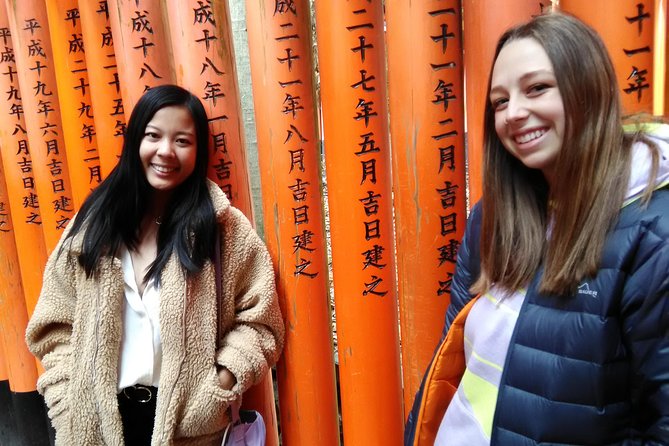
Most people start with Fushimi Inari-taisha Shrine, and it’s easy to see why. Yes, you get the famous torii gate tunnels. But what makes this stop special on a guided plan is that it’s more than a photo hallway. A good guide focuses on the stories and the meaning behind what you’re walking through, so the place lands as a living shrine system rather than a single landmark.
A quick practical detail: admission for Fushimi Inari is free, so it’s a great anchor stop if you want to keep costs controlled.
Then comes a totally different mood with Nijo Castle. This UNESCO site was built in 1603 as the Kyoto residence of Tokugawa Ieyasu. Even if you don’t know the Edo Period dates, you can feel the shift from religious space to political and defensive architecture. The castle is also a reminder that Kyoto’s power story is not only about emperors and religion; it’s about shoguns and governance too.
Tradeoff to be aware of: Nijo Castle is one of the places where you should expect additional admission fees, since entry isn’t included.
Gion, Nishiki Market, and Pontocho: Kyoto’s everyday texture
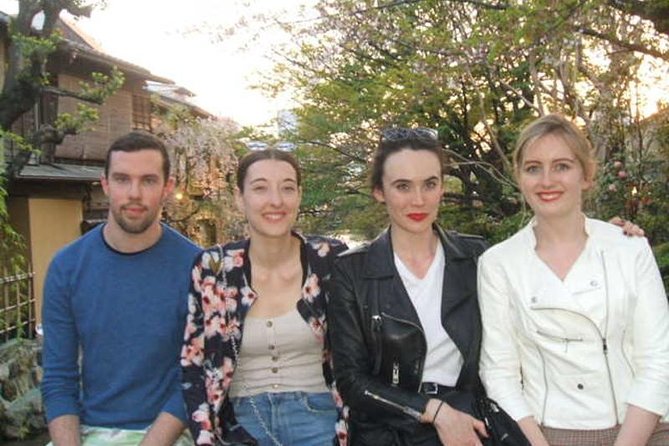
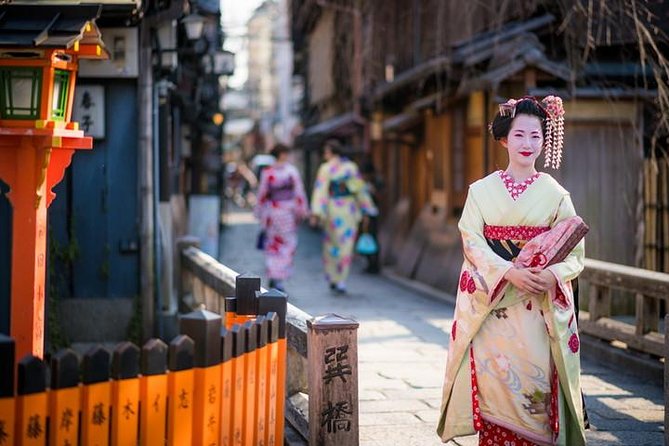
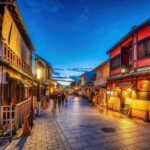
If you pick a Kyoto day that includes neighborhoods, you’re choosing the side of Kyoto that people remember after the temples fade from memory. That’s where Gion comes in. The Geisha district can be confusing at first, especially if you’re trying to find the right streets without walking in circles. A guide helps you move confidently and explains the cultural cues along the way.
A strong add-on is Nishiki Market, often called Kyoto’s Kitchen for a reason. This is where you slow down. It’s a narrow shopping street with lots of small shops and food stalls, so your guide can help you spot what’s worth trying and keep you from missing the best lanes.
Then there’s Pontocho, one of Kyoto’s most atmospheric dining alleys, running from Shijo-dori to Sanjo-dori just west of the Kamogawa River. Even if you don’t plan a long dinner, the walk-through is worth it. It’s the kind of place that makes Kyoto feel cinematic without trying too hard.
Cost note: these neighborhood stops don’t have the same admission-fee structure as big temple tickets, which makes them helpful for building a 4-hour day that doesn’t balloon.
Kiyomizu-dera, Kyoto Imperial Palace, and Higashiyama: the classic trio
If your goal is Kyoto’s signature views, this is where the tour can land well.
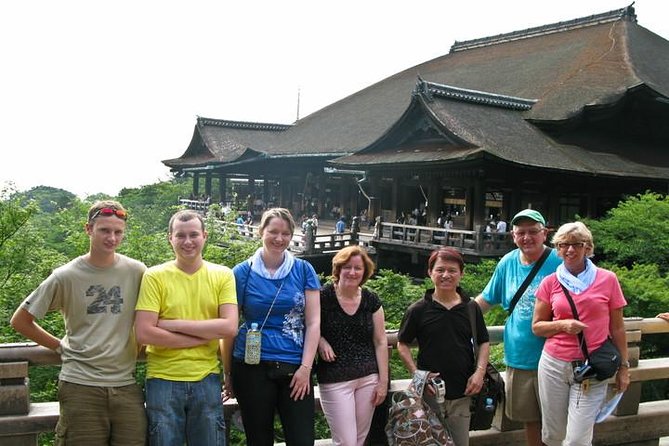
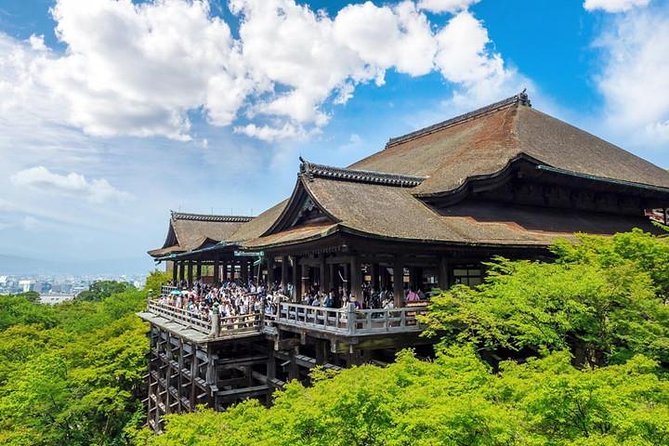
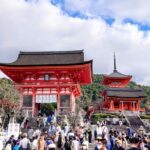
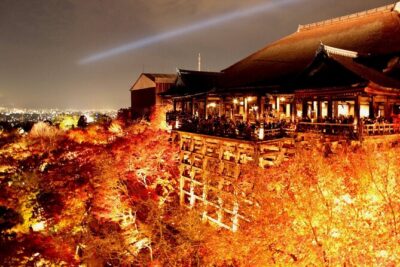
Kiyomizu-dera Temple is one of the most popular stops in the city. With a guided visit, you spend less time wondering what you’re looking at and more time learning why the place matters. Your guide can also help you understand the local religious context while you walk through the grounds. Admission is not included, and the tour description suggests a guided stay around an hour, so it takes a meaningful chunk of your 4 hours—choose this if it’s a priority.
Kyoto Imperial Palace is different. It’s the former residence of Japan’s Imperial Family until 1868, when the emperor and the capital moved to Tokyo. If you like the political side of history, this is a good anchor because it adds a layer beyond temples and shrines.
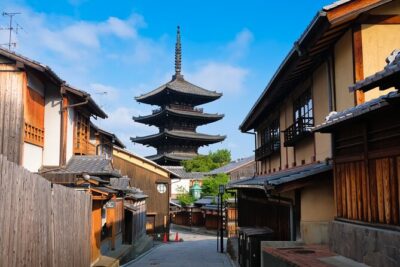
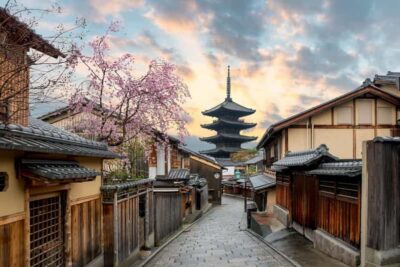
And Higashiyama is the historic district vibe that makes first-time Kyoto feel real. The slopes east of the city center are known for being one of Kyoto’s best preserved old areas, and walking here helps you understand why people travel specifically for atmosphere.
One consideration: classic stops can be crowded, and Kyoto’s terrain includes hills and steps. If you’re going in warm months, you’ll want to plan for heat and pacing.
Other Kyoto tours and experiences to compare

Temple-hopping without wasting time: from Ginkakuji to Toji
Kyoto’s temples aren’t just repeat scenery. You’ll notice differences in setting and style, especially when a guide frames the theme of each stop.
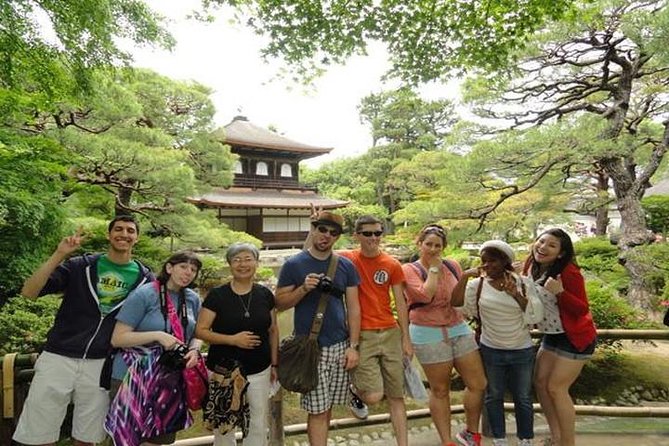
Ginkakuji (Silver Pavilion) is a Zen temple on the eastern mountain side of Kyoto (Higashiyama). It was built in 1482 as a retirement villa by shogun Ashikaga Yoshimasa, modeled after earlier influence. A guided stop is useful here because you can connect the architecture setting to the story of leadership, retirement, and Zen aesthetics.
Nanzenji Suirokaku is another Zen highlight, known for spacious grounds at the base of the forested mountains. Again, a guide helps you read the area as more than a single object—this is a temple complex where scale and quiet matter.
Tofuku-ji Temple is famous for spectacular autumn colors, which is helpful context even if you’re not visiting in fall. And Toji Temple (East Temple) is linked to the early Heian Period right after the capital moved to Kyoto. It’s a useful stop if you want a sense of Kyoto’s long timeline.
Watch your admissions: several of these temples have entry fees not included, so your final day cost depends on which picks you choose.
Golden Pavilion and Arashiyama: iconic sights plus scenic walking
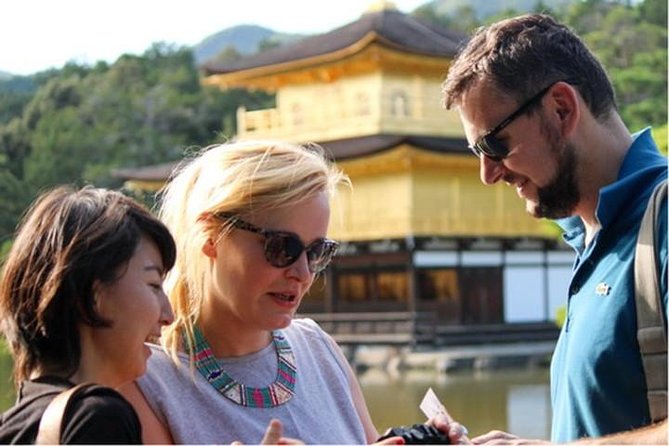
Kyoto’s most famous Zen temple experience often starts with Kinkakuji (Golden Pavilion). The top two floors are covered in gold leaf, and it’s tied to shogun Ashikaga’s retirement villa period. Even if you’ve seen photos before, the guided value is understanding why the place is designed the way it is and what it represents historically.
Then you can shift to Arashiyama, which is in western Kyoto and a popular destination since Heian Period nobles enjoyed its natural setting. Arashiyama is especially good for a half-day tour because you can mix big landmark moments with walking time.
You can build Arashiyama around:
- Togetsukyo Bridge, the iconic “Moon Crossing Bridge” (reconstructed in the 1930s)
- Bamboo groves, where the walking paths through the bamboo create an easy, scenic rhythm
- Tenryu-ji Temple, described as one of Kyoto’s five great Zen temples and the most important in Arashiyama
- Okochi Sanso Garden, the former villa of actor Okochi Denjiro, tucked behind bamboo
Some optional adds in the same region include quiet hillside temples like Jojakkoji, Nisonin, Gioji, and the Otagi/Adashino Nenbutsu-ji stone statue areas. These can be a nice contrast if you want one or two “less crowded-feeling” moments to balance the famous stops.
What to keep in mind: you still only have 4 hours, so picking Arashiyama plus another distant east-side temple might mean longer transit and more walking than you expect. Your guide can help you avoid that trap by choosing a cluster of locations that make sense together.
How transport and timing really work in a 4-hour private day
This is a walking tour, even with private guidance. Pickup is on foot within a designated meeting area near public transportation. You’ll move using public transportation or taxi, and you can upgrade to include a private vehicle for an additional cost.
In practical terms, this tour works best when you’re realistic about pacing:
- Expect walking between sights and walking within areas
- Plan for hills and steps, especially in the eastern districts
- If someone in your group needs breaks, a good guide will manage timing (Yuri’s coordination and flexibility came up in multiple strong reviews)
One review also called out the importance of using subway systems without getting lost, and that’s exactly the kind of “small logistics” benefit that saves your day. A guide can help with where to enter, which exits matter, and how to interpret signage quickly.
Price and value: is $109.43 per person worth it?
At $109.43 per person for about 4 hours, you’re paying for something that’s hard to DIY quickly in Kyoto: accurate context plus efficient movement.
Here’s what’s included:
- Licensed local English-speaking guide
- A customizable tour for 2–3 sites
- Meet up with your guide on foot in the designated Kyoto area
What’s not included:
- Transportation fees
- Entrance fees
- Lunch and personal expenses
- Private vehicle (optional upgrade)
- Guide entry fees are only covered for sights listed as part of what you choose
So the true cost depends on your selections. If you pick a lot of ticketed temples and paid attractions, the total you spend that day will rise. But for many first-time itineraries, the guide value still holds because you’re buying speed, clarity, and confidence.
This price is most worth it if:
- You have only a day (or half-day)
- You want a real explanation, not just photos
- You’d rather pay for guidance than spend your time figuring out routes and translations
It’s less worth it if you already know your Kyoto targets well and you’re comfortable building your own plan quickly.
Practical tips I’d use to get the best 4 hours
Based on the common guidance style from guides and the practical tips shared, here are smart moves:
- Wear comfy shoes. One review mentioned cracking 20,000 steps in a short tour, so you should assume serious walking.
- Bring some cash (yen). Some places won’t love credit card-only habits, especially smaller stalls.
- Grab a Suica card ahead of time if you use trains/subways. It can make the transit part faster and less stressful.
- Plan for weather. One guide was praised for staying helpful during rain, but your best experience still comes from dressing for it.
- Pick your must-dos early. With only 4 hours, your second and third choices matter a lot.
If you’re a photographer, you’ll probably get extra value from photo spot suggestions. People consistently mention guides finding good angles and helping with picture timing.
Should you book this Kyoto 4-hour private tour?
Book it if you want Kyoto to feel understandable and organized in a short time. This is especially good for first-time visitors who feel overwhelmed by the city’s layout and by the difference between shrines, castles, and Zen temples. The licensed guide + customizable 2–3 sites combo is what makes it work.
Skip it (or plan carefully) if you’re hoping for a fully ticket-included day, or if you want minimal walking. Since entrance fees and transport aren’t included, your budget can shift depending on what you choose.
If you’re deciding between a generic tour and something tailored, this one leans toward tailoring. That’s the point. You’ll spend your 4 hours seeing the right places in the right order, with someone who can explain them while you’re there.
FAQ
How long is the Kyoto private tour?
It’s about 4 hours.
Is this a walking tour?
Yes. It’s described as a walking tour, and pickup is on foot in a designated area.
Does the tour include hotel pickup?
The tour offers front-door pickup on foot at the front of your hotel area within the designated meeting area.
Can I customize the itinerary?
Yes. You can build your own itinerary by choosing 2–3 sites from the listed expectations.
Are entrance fees included?
No. Entrance fees are not included (including items like Nijo Castle, Kiyomizu-dera, and other temples where admission is not marked as free).
Is transportation included?
Transportation fees are not included. The tour uses public transportation or taxi, with an optional upgrade to arrange a private vehicle.
Is the guide English-speaking?
Yes. It includes a licensed local English-speaking guide.
What is included in the price?
The tour includes the licensed guide and the customizable 2–3 site experience, plus meeting your guide on foot in Kyoto’s designated meeting area.
Are there group discounts?
Yes, the experience lists group discounts.
Can I cancel for a full refund?
Free cancellation is available if you cancel at least 24 hours in advance of the experience start time.
Is it private or shared?
It’s private. Only your group participates, and the tour specifies you cannot combine multiple tour groups.
More Tours in Kyoto


More Tour Reviews in Kyoto
More Private Tours of Kyoto
Just added: more Kyoto tours to browse





Kyoto Private Guided Tours, compared.
 ★ 5.0Private Kyoto Tour with a Local, Highlights & Hidden Gems, PersonalisedFrom $1021,543 reviews
 ★ 5.0Kyoto 6hr Private Tour with Government-Licensed GuideFrom $1551,369 reviews
 ★ 5.010 Must-see Spots in Kyoto One Day Private Tour (up to 7 people)From $1791,108 reviews
 ★ 4.8Private Tour with Local Licensed GuideFrom $106463 reviews
 ★ 5.0Private Kyoto Tour with Licensed Guide & Vehicle (Max 15 persons)From $634417 reviews
 ★ 5.0Kyoto Customized Private Tour: See Top Attractions in 1 DayFrom $132342 reviews
 ★ 4.6Kyoto/Osaka: Kyoto and Nara Customized Private Guided TourFrom $477258 reviews
 ★ 4.5Explore Kyoto | Private Tour – Local English Driver(guide option)From $530203 reviews
Browse the lists this tour appears in