
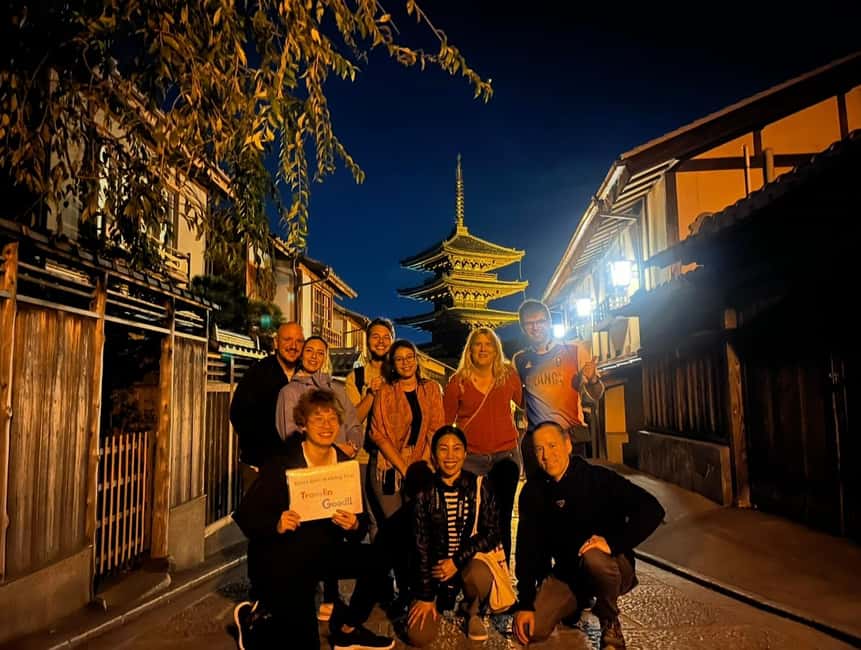
Reviewed · GION & GEISHA DISTRICT TOURS
Kyoto: Gion Magical Night Walking Tour with Geisha Trivia
Gion gets loud in daylight. At night, it turns thoughtful and you can actually read the atmosphere. I love that this is a small group (up to 10), so you can ask questions, not just listen. I also love the mix of practical geisha culture trivia and real nighttime landmarks, including an illuminated pagoda and a shrine that’s over 1,000 years old.
One drawback: the route has stairs, so it isn’t a good fit if you use a wheelchair or have limited mobility. If you’re prone to sore feet, plan for a steady walking pace on uneven lanes.
In This Review
- Key points at a glance
- Why Gion at night feels like Kyoto (not just a photo spot)
- From Minamiza Theatre to Hanamikoji: the night walk’s first cue
- Geisha trivia on the street: what the guide actually helps you notice
- Matchmaking shrine + an illuminated pagoda: the night stops you’ll remember
- Hidden pathways, shrine rituals, and the 1,000+ year finish
- Pace, stairs, and who should plan around the terrain
- Photography service: how to get better night photos without slowing down
- Value check: $24 for 100 minutes in Gion makes sense when you use the guide
- What it’s like in February: a 3pm winter option
- Who this Gion magical night walk is best for
- Should you book this Kyoto Gion Magical Night Walking Tour?
Key points at a glance

- Up to 10 people: easier questions, less rushing, more personal guidance
- Minamiza Theater start in Gion: an easy-to-find launch point in the district
- Geisha rules and trivia on Hanamikoji: fun facts you’ll understand as you walk
- Night-lit stops beyond the main street: a matchmaking shrine and an illuminated Buddhist pagoda
- End at a 1,000+ year shrine: a strong finish that feels more meaningful than a quick photo stop
- Photography service included: helpful for night shots in low light
Why Gion at night feels like Kyoto (not just a photo spot)
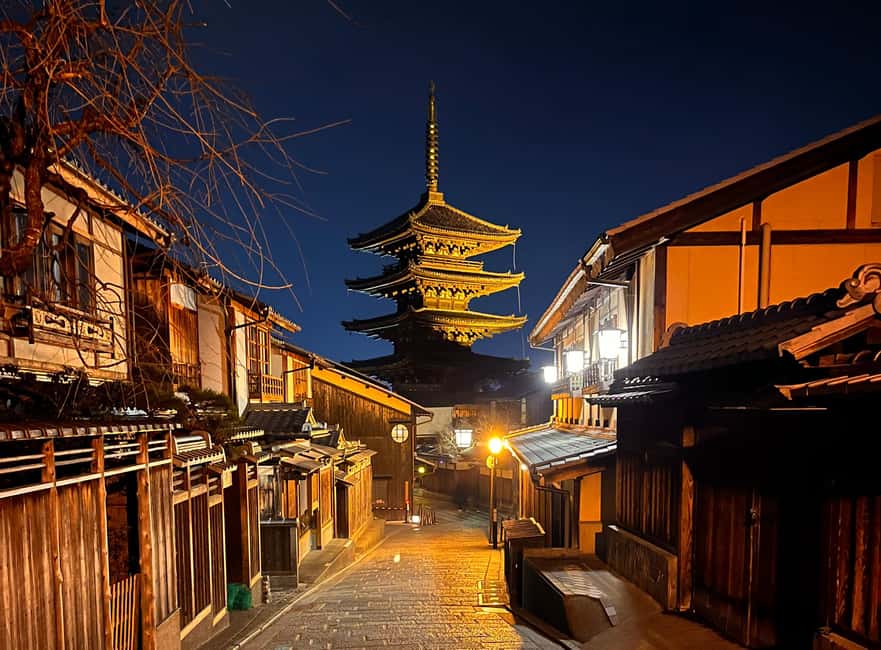
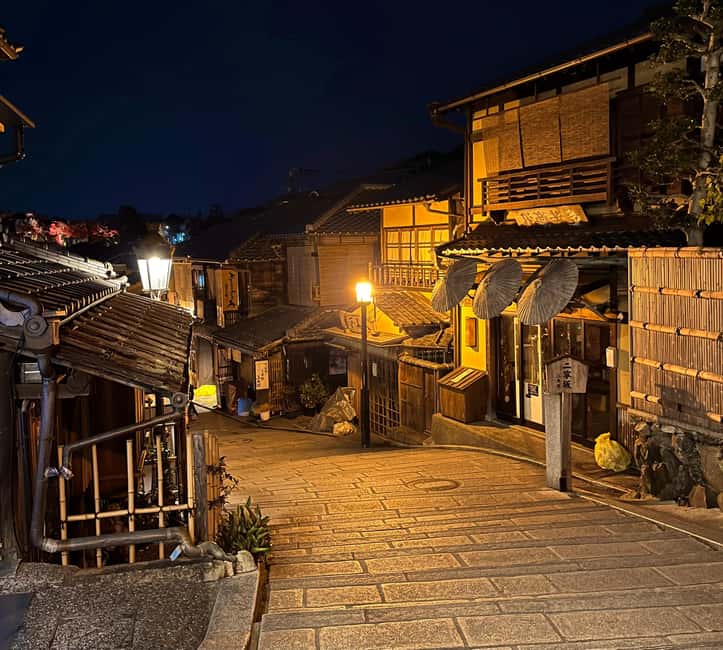
If you’ve been to Gion in the afternoon, you already know the problem: too many people, too much noise, not enough time to notice details. Night flips the script. The streets calm down, lantern light softens the facades, and you get that slow “Kyoto pace” without waiting in crowds.
This tour leans into that. You’re not just walking from one famous sign to the next. You’re learning what you’re seeing—why certain lanes exist, what the rituals mean, and how geisha culture works in everyday life. It’s the difference between looking at buildings and understanding why those buildings matter.
And because it’s timed from when the group leaves (not when you first meet), you get the momentum right away. You start walking while the night glow is doing its best work.
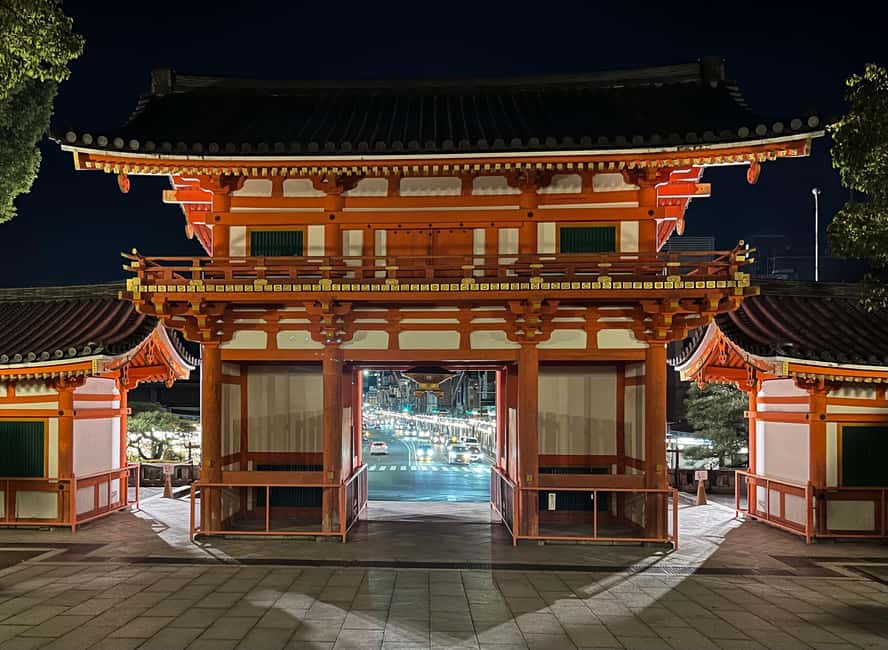
More evenings along the lantern-lit lanes of Gion


From Minamiza Theatre to Hanamikoji: the night walk’s first cue
The tour starts at the front of Minamiza Theatre in Gion. Your guide holds a sign that says TravelinGood, and you’ll want to be there at least 5 minutes early. One timing thing matters: the listed time is the start time, meaning the group leaves from the meeting point then—not later.
From there, you head straight toward Hanamikoji, the geisha district street most visitors recognize. But here’s the trick: the tour doesn’t treat Hanamikoji like a theme park. It treats it like a living neighborhood. You’ll walk the traditional streets, then you’ll stop to understand the geisha culture layer that most people miss when they rush through.
You might even have luck with sightings. More than one guide experience on this route has included people spotting a geisha or geisha-in-training (maiko) moving through the area. Just keep expectations realistic: the tour isn’t designed to force a meeting. If you see someone, it feels like a bonus, not the main event.
Geisha trivia on the street: what the guide actually helps you notice
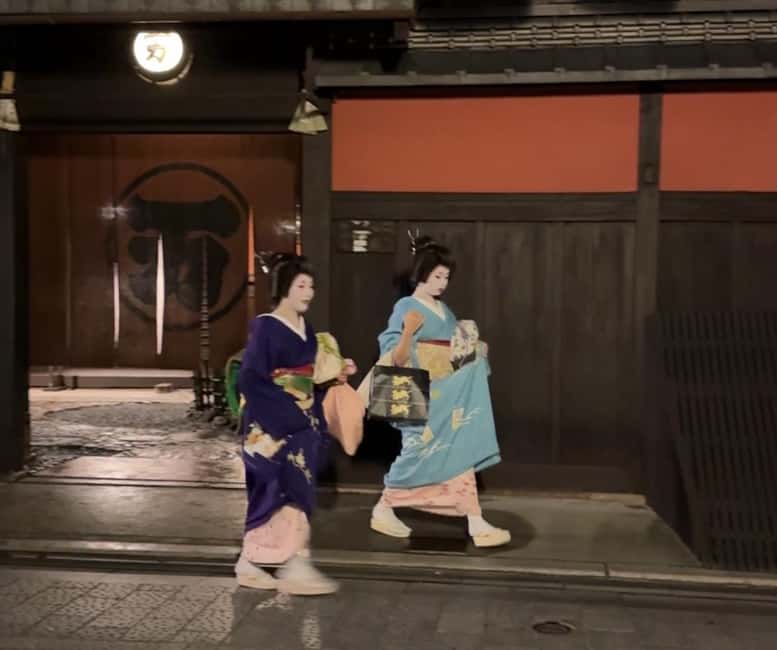
The headline here is geisha trivia, but the payoff is how it changes what you see. The guide walks you through the mysterious-sounding rules of geisha culture in a way that makes sense while you’re standing in the lanes of Gion.
Expect a mix of practical and respectful context. You’ll learn about how roles work in the geiko (geisha) world and how tradition shows up in small details. If you’ve ever wondered why certain behaviors are so formal, or why the culture is so full of etiquette, this is where the answers land.
It also helps that the guides often bring local perspective. On past tours, English-speaking guides have included people like Wasabi (from Kyoto, sharing background in a clear, story-based way) as well as Hina, Shino, Sho, Yuri, Kevin, and Masami. You may not get the exact same guide, but the common thread is that they explain the culture with care—and they make time for questions as you go.
A smart way to use this tour: pay attention to what changes between the main street and the side lanes. The trivia gives you a lens, and suddenly those quiet corners feel less random.
Matchmaking shrine + an illuminated pagoda: the night stops you’ll remember
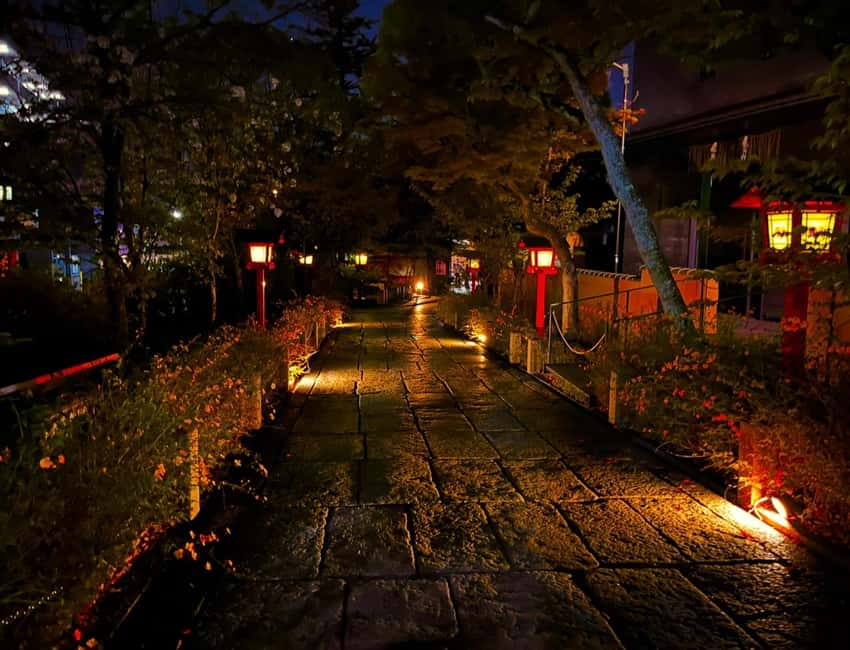
After Hanamikoji, the route shifts to places that feel slightly off the standard tourist radar—still in the Gion orbit, but with more calm.
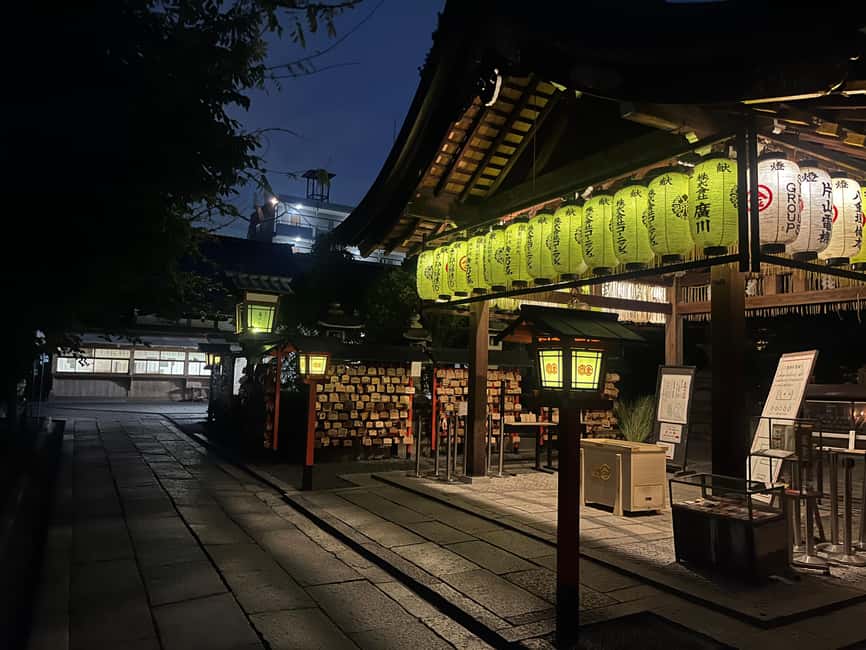
First, you’ll see a matchmaking shrine connected to the area. This isn’t just a pretty photo stop. You’ll get the sense of how the spiritual side of Kyoto blends into daily life, especially here, where tradition is visible even when you’re not looking for it.
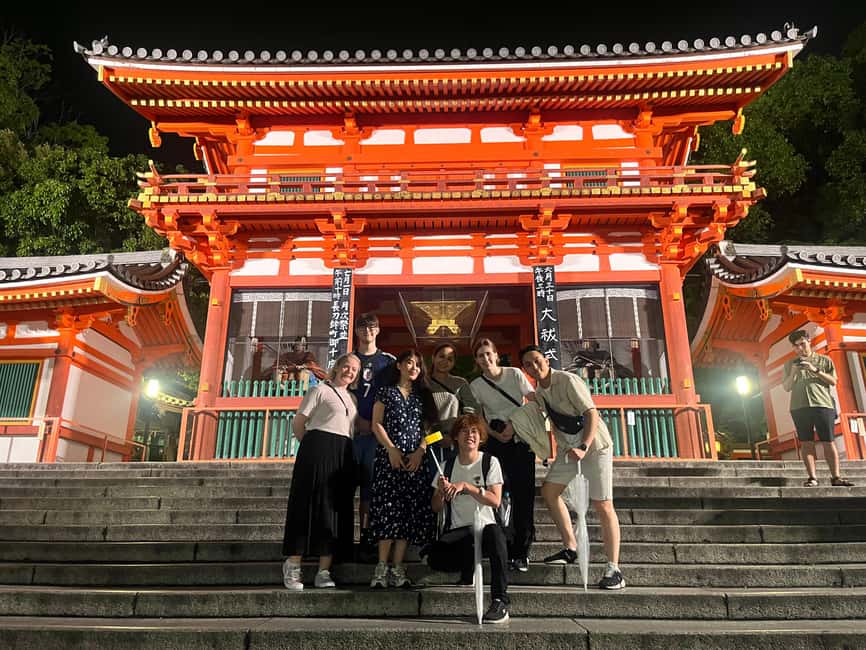
Then comes one of the most memorable moments: a beautiful Buddhist pagoda outside the geisha district, lit up at night. That illumination is doing more than making the scene photogenic. It marks the boundary between the refined entertainment lanes and the quieter sacred spaces around them.
This is where the tour’s nighttime timing really pays off. Daytime crowds can flatten the mood. At night, light and shadow create depth, and the pagoda reads as a structure with presence—not just another landmark.
Hidden pathways, shrine rituals, and the 1,000+ year finish
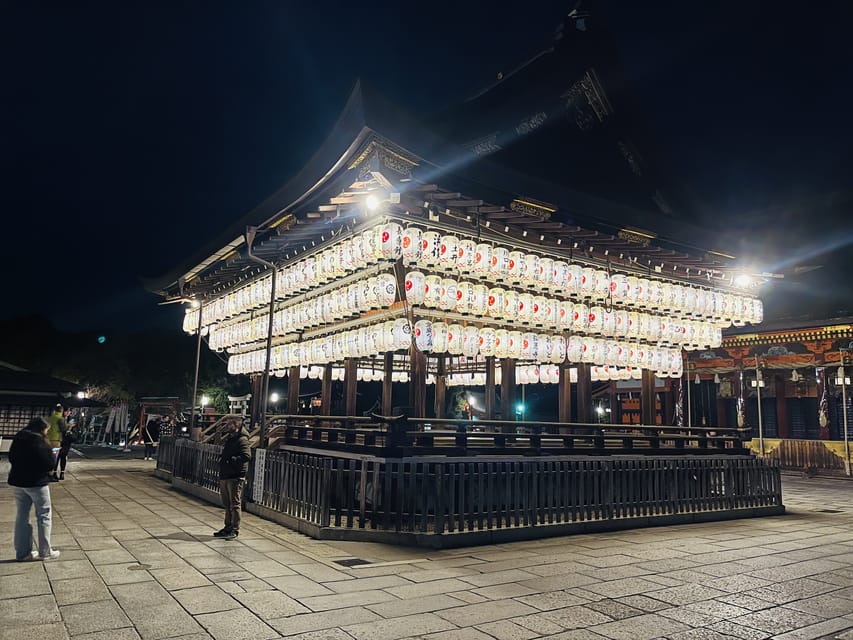
Once you leave the brightest main streets, you’ll follow hidden pathways and side routes that make Gion feel lived-in. That’s one reason this tour is rated so highly: it’s not only about seeing the main icons. It’s about walking the lanes that help you understand the neighborhood’s layout.
Near the end, you visit a shrine over 1,000 years old. A stop like that changes the tone of your last stretch. Instead of ending on another commercial-feeling lane, you end in a place that feels grounded and old in a good way—somewhere Kyoto’s long continuity becomes obvious.
If your guide includes hands-on explanation, you may also get help understanding how to pray at a Shinto temple (or at least the basic ritual flow). On some tour experiences, guides have even encouraged participation so you don’t just watch from the sidelines.
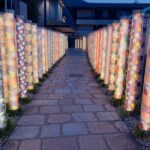
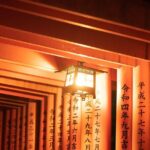
See how Kyoto shifts after dark


Pace, stairs, and who should plan around the terrain
This is a 100-minute walking tour, small group, and generally not described as an overly fast march. People with normal walking ability usually handle it fine. Still, there’s an important real-world consideration: the tour has stairs along the route.
That means it’s not suitable for:
- Wheelchair users
- People with limited mobility
- People who may struggle with steps
Also, there’s one other “take care of yourself” rule: it’s listed as not suitable if you have a cold. So if you’re traveling with a sniffle, skip the tour and rest up—your fellow walkers will thank you.
My practical advice: wear shoes you can trust on uneven stone and wet lanes. Nights in Kyoto can feel cooler than you expect, even in seasons when you think you’re fine.
Photography service: how to get better night photos without slowing down
One included item is photography service. That’s a big deal on a night walk, because you’ll see low-light scenes—lanterns, pagoda lighting, and narrow streets—where smartphone shots often come out shaky or too dark.
The guide’s help doesn’t mean you’ll stop constantly. It’s more like: you’ll get guidance at the moments that matter, and you won’t spend the whole walk fiddling with settings while the group moves on.
If you’re someone who likes photos but hates feeling like a backup tripod, this strikes a nice balance. You’ll still walk, still look around, and you’ll come away with images that actually match what it felt like.
Value check: $24 for 100 minutes in Gion makes sense when you use the guide
At $24 per person for about 100 minutes, this tour is priced like a “solid add-on,” not a major splurge. The value comes from what you get for that time:
- A small group (up to 10) means you’re not stuck waiting for the guide’s attention
- English live guidance turns nighttime scenery into something you can explain after the walk
- Photography help saves you time and improves results
- Route planning matters: you’re not just wandering Hanamikoji; you’re hitting shrines, quieter lanes, and that illuminated pagoda stop
This is the kind of experience that pays off most when you lean in. If you treat it like a casual stroll, you’ll still enjoy it. But if you’re curious about what you’re seeing—why people do what they do, and what the lanes and shrines suggest—then $24 becomes a bargain.
What it’s like in February: a 3pm winter option
There’s also a winter-specific setup: in February, the tour can run starting at 3pm (a limited offer). That’s useful if:
- you have evening plans later
- you’d rather explore with daylight first and still catch night lighting as you go
Even if you pick the 3pm start, the concept stays the same: you’re designed to experience Gion’s atmosphere with enough time for night scenes, without being trapped in peak crowd hours.
Who this Gion magical night walk is best for
This tour fits best if you want:
- A night-focused Gion experience with less crowd pressure
- Explanations of geisha and maiko culture, including rules and trivia you’ll remember
- A route that includes shrines and a 1,000+ year-old finish, not just entertainment district streets
- A guide who will answer questions, not just read facts into the air
It also works well for families when kids can handle walking and stairs. In past experiences on this route, families with kids have enjoyed it, partly because it’s not only history—it’s also stories, rituals, and street-level context that feels like a living game.
Skip it if you:
- need wheelchair access
- want a very short, flat, minimal-walking option
- are currently dealing with a cold
Should you book this Kyoto Gion Magical Night Walking Tour?
If your goal is to see Gion after the crowds thin out—and to understand what you’re walking past—this is a strong booking. The combination of small group size, geisha culture trivia, and a route that goes past the main street into shrines and a lit pagoda makes the 100 minutes feel purposeful.
Just be honest with your body about the terrain. If stairs are a deal-breaker, find another option. If you’re comfortable walking uneven lanes and want a night atmosphere that feels truly Kyoto, I’d book it, then dress for cooler temperatures and bring good shoes.
More Tour Reviews in Kyoto



More of Kyoto After Dark
Still in Gion? Keep Going

Just added: more Kyoto tours to browse








Gion & Geisha District Tours, compared.
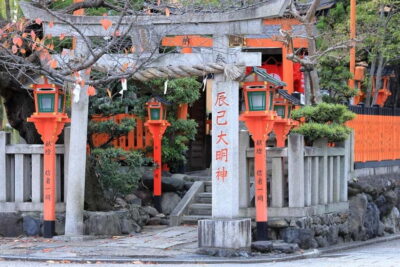 ★ 4.7Kyoto Geisha Walking Tour: Gion District & Hidden GemsFrom $253,273 reviews
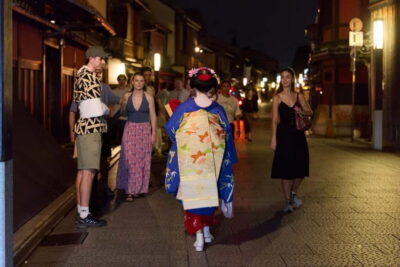 ★ 4.7Gion Geisha District Walking Tour – Stories of GeishaFrom $202,187 reviews
 ★ 4.9Best of Kyoto: Gion, Geisha, Pagodas & CobblestonesFrom $242,058 reviews
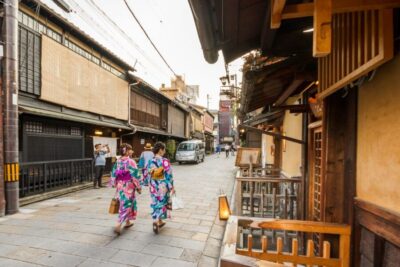 ★ 4.5Night Walk in Gion: Kyoto’s Geisha DistrictFrom $212,003 reviews
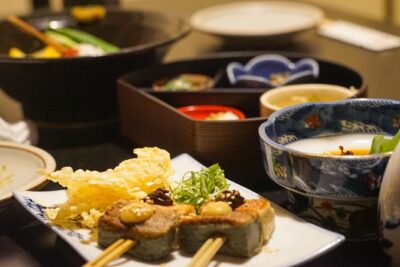 ★ 5.0Kyoto Night Foodie Tour in Gion (9+ dishes + 6 Sake tastings)From $1631,762 reviews
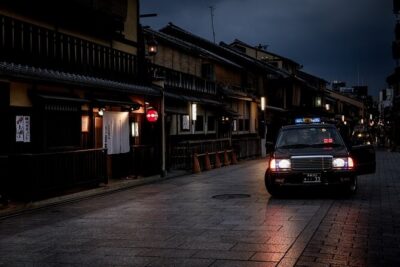 ★ 5.0Kyoto Gion Geisha District Walking Tour – The Stories of GeishaFrom $251,441 reviews
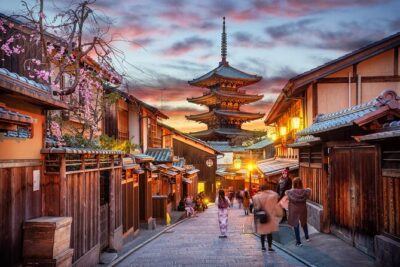 ★ 5.0Kyoto Gion: 2-Hour Geisha Culture & History Walking TourFrom $231,186 reviews
 ★ 5.0Chopsticks Making Workshop in Gion with Engraving OptionFrom $15958 reviews
Browse the lists this tour appears in