
Reviewed · MORNING
Kyoto Early Morning Tour with English-Speaking Guide
Kyoto feels different before 9 a.m. This early morning Kyoto tour lets you see the big sights with fewer people, better photos, and an English-speaking guide who keeps the day smooth. You start early enough that the city is still waking up, not maxing out.
What I like most is the way the tour turns famous stops into real moments. Fushimi Inari early gives you the classic red-gate walk with breathing room, and guides like Haruki and Aya use that quiet time to share the background you’d miss on your own. I also love the practical payoff of learning how to move around by public transit during the tour, so you can keep exploring afterward.
One thing to plan for: it’s not all-in. Kinkaku-ji has an entrance fee, and you’ll also budget for public transport (about 1240 yen). Plus, it’s a walking morning, so moderate fitness helps.
In This Review
- Key takeaways before you go
- Kyoto Before Breakfast: Why This Morning Tour Works
- Small Group Size (Up to 8): The Peace-and-Quiet Advantage
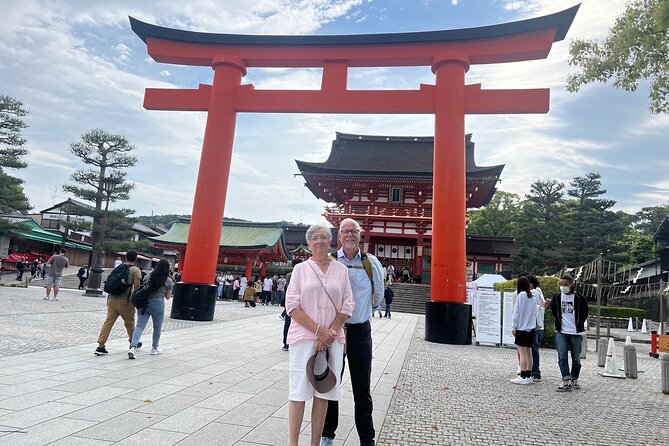
- Fushimi Inari-Taisha at Daybreak: Red Gates Without the Human Traffic Jam
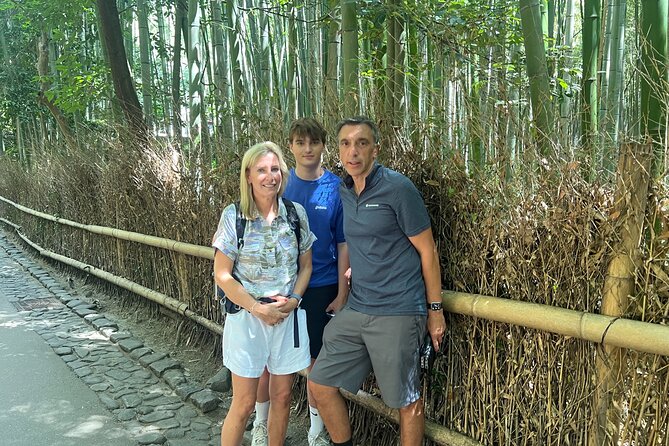
- Arashiyama Bamboo Grove: Calm Steps and Better Timing for Photos
- Kinkaku-ji Golden Pavilion: When the Fee Is Worth It
- The Transit Lesson: Using Buses and Trains Like You Live Here
- Pace and Physical Fit: What Moderate Means in Kyoto
- Price and Value: Is $68.98 a Good Deal?
- What Your Guide Adds (Beyond “Facts”)
- Weather and Rain Plans: Kyoto Keeps Going
- Who Should Book This Early Morning Tour
- Should You Book This Kyoto Early Morning Tour?
- FAQ
- What sites are included in the Kyoto early morning tour?
- Is the tour guided, and what language is offered?
- Are there entrance fees during the tour?
- How long does the tour take?
- What is the group size limit?
- What happens if the tour is canceled due to weather?
Key takeaways before you go
- Early start = fewer people at Fushimi Inari and the bamboo grove for easier photos
- Max group size of 8 keeps it calm, with room to ask questions and adjust pace
- English-speaking guide makes the places make sense, from shrine symbolism to temple details
- Public transit tips during the tour help you feel confident for the rest of Kyoto
- Golden Pavilion entry costs extra (¥500), while other stops are free
Kyoto Before Breakfast: Why This Morning Tour Works
Kyoto’s most famous sights have one problem: timing. If you arrive mid-morning, you’ll often get a crowd wall. This tour solves that with an early AM start, so you experience the city when the atmosphere is quieter and the photos aren’t constantly ruined by a sea of heads.
The other big win is that you’re not stuck spending the whole day on tours. You’re out for about 5 to 6 hours, then you still have the afternoon and evening free. That matters in Kyoto, because the best discoveries are often the small streets and side temples you stumble into after you’ve gotten your bearings.
Other Kyoto tours and experiences to compare

Small Group Size (Up to 8): The Peace-and-Quiet Advantage
A group of no more than 8 changes the vibe. The walking feels less like a parade, and it’s easier to pause for photos without the whole line getting impatient.
It also makes your guide’s job more doable. Guides have room to answer questions, explain what you’re looking at, and adjust for your group’s pace. In the feedback I saw, people often praised guides for being attentive with kids too, which is a good sign if you’re traveling with multiple ages in your party.
Fushimi Inari-Taisha at Daybreak: Red Gates Without the Human Traffic Jam
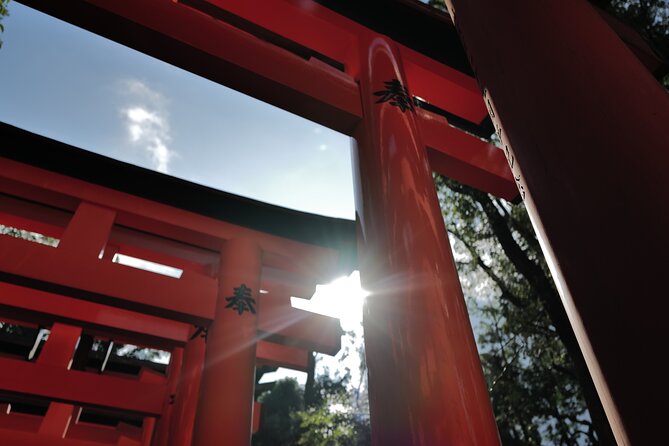
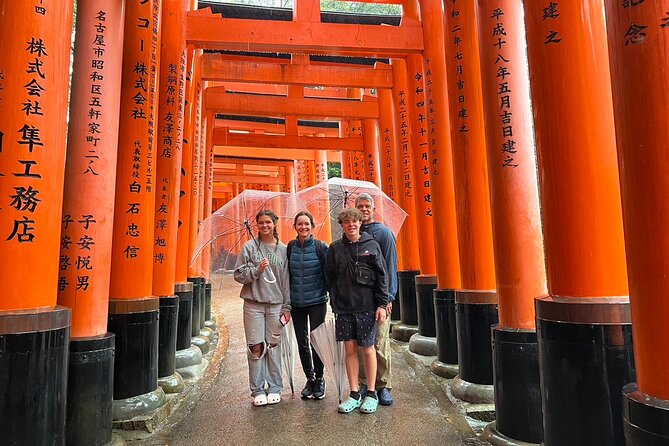
Fushimi Inari-Taisha is one of those places you can’t really understand until you stand under the red torii gates. The beauty of going early is simple: fewer people. That means you get longer stretches where you can walk, stop, and frame a photo without someone blocking your shot.
You also get a more reflective feel to the walk. When the site is crowded, it’s hard to notice the small things, like how the paths curve and how the shrine feels layered. Early on, it’s easier to slow down and actually see the place instead of just checking a box.
Good to know: admission here is free, so you’re paying mostly for the guide and the timing, which is exactly what you want on a morning like this.
Arashiyama Bamboo Grove: Calm Steps and Better Timing for Photos
Arashiyama has a reputation for being magical, and the bamboo grove can still feel unreal even if you’ve seen photos. The difference is how you experience it. At peak hours, you’re often watching people shuffle in one direction. Early, you get more space to breathe, listen, and photograph.
This stop is about one hour, which sounds short until you remember you’re fitting in three major areas. It’s long enough to enjoy the path, take photos, and come away feeling like you didn’t rush through the main moment.
In the feedback I read, people also appreciated having a bit of breathing room after the bamboo area. If that’s built into your group’s flow, it’s a nice chance to stretch your legs, grab a snack nearby if you want one, or just enjoy the quiet transition before the next temple.
Kinkaku-ji Golden Pavilion: When the Fee Is Worth It
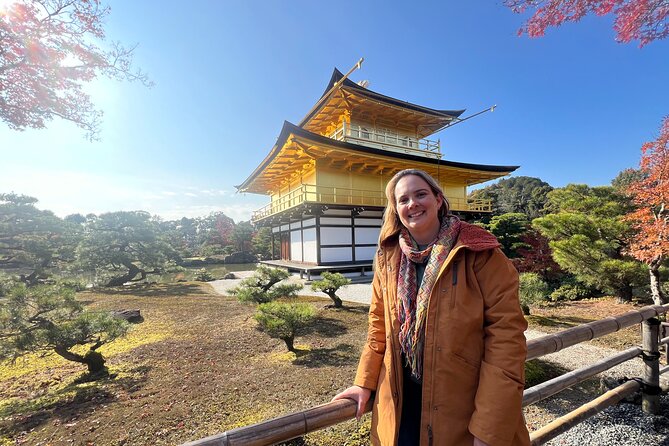
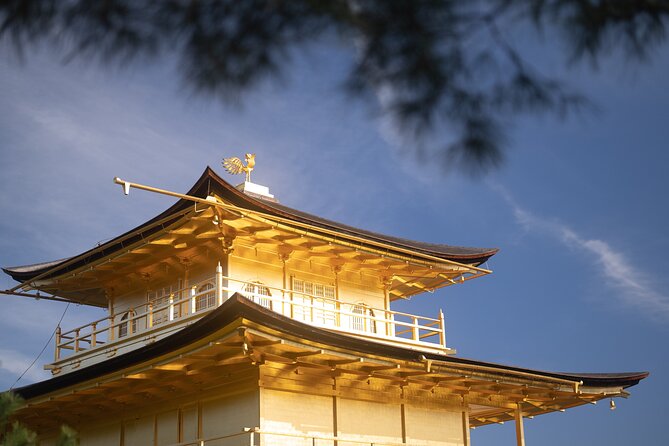
Kinkaku-ji is the Kyoto stop almost everyone puts on their list. The good news: the early timing helps. You’re not fighting as many crowds, which makes it easier to appreciate the gold pavilion against the morning light.
Here’s the practical part: Kinkaku-ji entrance is not included. Plan on ¥500 per person. You can think of it like this: you’re paying separately for the temple entry, while the tour price buys you the guide, timing, and the smooth routing between neighborhoods.
Also, don’t ignore the weather. Kinkaku-ji looks great in clear skies, but rain or clouds can make the scene feel more moody. If Kyoto is wet on your morning, your guide can help you keep things moving without turning the day into chaos.
Other Kyoto tours and experiences to compare




The Transit Lesson: Using Buses and Trains Like You Live Here
One of the smartest parts of this tour is that you’re not only sightseeing. You’re also learning how to navigate Kyoto’s public transportation with your guide. That can be huge, especially if you’re staying around Kyoto Station or farther out and you want to string together multiple neighborhoods after the tour ends.
The tour also emphasizes that travel time is built into the total experience. That’s important because Kyoto distances can be deceptive if you’re only thinking in straight lines. Having a guide help you choose routes (by train or bus) saves time and reduces stress.
You’re also near public transportation, so you’re not stuck in a “walk to nowhere” situation. And because the group is small, it’s easier to follow instructions and keep your place during transfers.
Pace and Physical Fit: What Moderate Means in Kyoto
This tour is active, but not a marathon. You’ll be walking through major sites, moving between neighborhoods, and spending a focused morning seeing highlights.
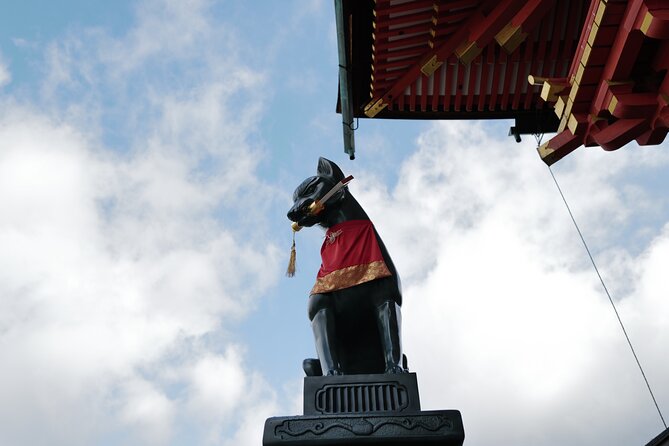
The tour notes moderate physical fitness, which usually translates to: expect sidewalks, stairs or steep patches at shrines, and a good amount of standing for photos. If you’re okay with an early start and a few hours of movement, you’re probably a match.
One more tip: start your day with comfortable shoes and a light layer. Kyoto mornings can feel cooler than you expect, especially in shoulder seasons.
Price and Value: Is $68.98 a Good Deal?
At $68.98 per person, this tour sits in the “mid-range” category for guided experiences in Kyoto. The value is strongest if you care about three things:
- Timing you can’t fake. Early access to quieter moments at Fushimi Inari and the bamboo grove is the core product here.
- An English-speaking guide. You’re not just buying transportation between sights; you’re buying explanations, context, and routing help.
- Small group size. Up to 8 people means less friction and more flexibility.
Now, the extras matter too. You’ll pay for:
- Public transportation fare (about 1240 yen)
- Kinkaku-ji entrance (¥500)
- Food and drinks
If you add those up, the tour becomes more like a guided half-day plus entries, not an all-in package. Still, the math often works out well because you’d otherwise pay for transit anyway, and you’d likely miss some of the best timing and context without a guide.
What Your Guide Adds (Beyond “Facts”)
The best guides don’t just recite history. They connect what you see to why it matters and how to move through the space.
I saw repeated praise for guides being patient, fun, and strong at communicating in English, with names like Haruki, Akira, Aya, Arisa, Genki, Karin, and Soichiro coming up in standout feedback. That pattern is a good sign: the experience seems built around guiding you through the feeling of each location, not just ticking boxes.
Another practical bonus: guides often help with photo positioning and pacing. In a place like Fushimi Inari, where the paths twist and the view lines matter, that advice can save you from wasting half an hour walking the wrong direction for your shot.
Weather and Rain Plans: Kyoto Keeps Going
Kyoto weather can change quickly, and this tour is set to run with weather expectations. If it’s canceled because of poor weather, you’ll be offered a different date or a full refund.
Even if rain happens, the tour format usually helps: you’re moving through major indoor/outdoor hotspots with a clear plan and guide support, which is better than trying to improvise all morning with a crowd of umbrellas and no route.
Who Should Book This Early Morning Tour
This is a great fit if:
- You want the big Kyoto highlights in one focused morning
- You care about less crowded photos and calmer walking
- You like having someone handle routing, so you can explore with less stress later
- You want an easy intro to using public transit in Kyoto
It may be less ideal if:
- You hate group settings and prefer total freedom
- You’re not comfortable with walking and standing for several hours
- You’d rather spend your full day soaking in smaller neighborhoods instead of hitting three major icons
Should You Book This Kyoto Early Morning Tour?
If you’re trying to get value out of limited time in Kyoto, I think this is a smart purchase. The early start is the real engine of the experience: quieter Fushimi Inari, a calmer bamboo grove, and a more enjoyable Golden Pavilion visit. The small group size and English-speaking guide add a lot of confidence, especially if you plan to keep exploring after the tour ends.
If you can handle a morning start, moderate walking, and a couple of extra fees, book it. You’ll set yourself up for a better Kyoto day overall.
FAQ
What sites are included in the Kyoto early morning tour?
The tour focuses on three Kyoto highlights: Fushimi Inari-taisha Shrine, Arashiyama (bamboo grove area), and Kinkaku-ji (Golden Pavilion).
Is the tour guided, and what language is offered?
Yes. The tour includes an English-speaking guide for the full experience.
Are there entrance fees during the tour?
Fushimi Inari-taisha and Arashiyama are listed as free. Kinkaku-ji has an entrance fee of ¥500 per person, which is not included.
How long does the tour take?
It runs about 5 to 6 hours total, including travel time.
What is the group size limit?
The tour has a maximum of 8 travelers.
What happens if the tour is canceled due to weather?
If the experience is canceled because of poor weather, you’ll be offered a different date or a full refund.
More Guided in Kyoto
More Tours in Kyoto




More Tour Reviews in Kyoto


Just added: more Kyoto tours to browse








Morning, compared.
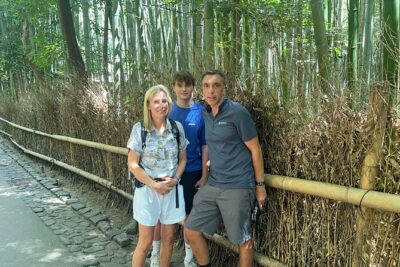 ★ 4.9Early Morning Tour with English-Speaking GuideFrom $1011,128 reviews
 ★ 4.6From Kyoto: Nara Guided Morning TourFrom $77335 reviews
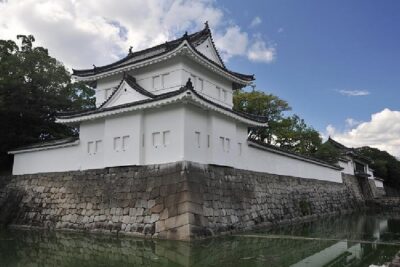 ★ 4.0Kyoto Morning Tour from Kyoto or OsakaFrom $87281 reviews
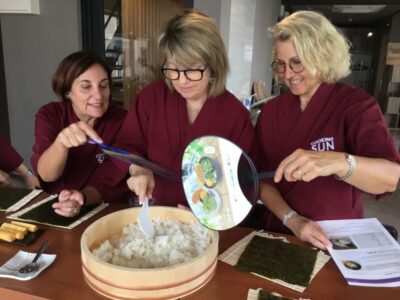 ★ 5.0Morning Japanese Bento Cooking ClassFrom $67149 reviews
 ★ 5.0Arashiyama Bamboo Forest Morning Tour by BikeFrom $103115 reviews
 ★ 5.0Traditional Japanese Washi Papermaking- Kyoto morningFrom $3377 reviews
 ★ 5.0Explore Hidden Alleyway with a Local Expert (Morning tour)From $10361 reviews
 ★ 4.9Early Morning Fushimi Inari Shrine – Beat the CrowdsFrom $7048 reviews