
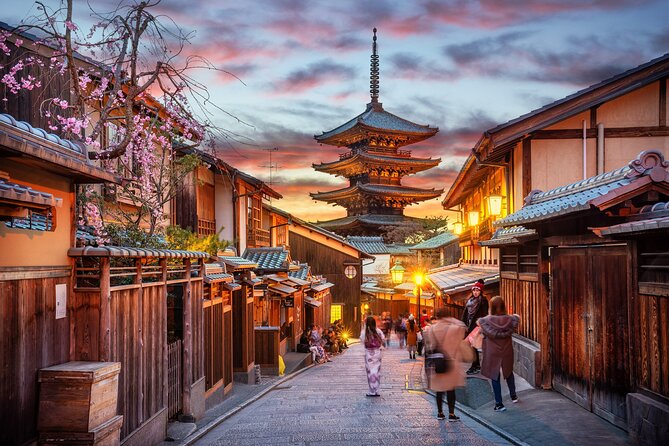
Reviewed · GION & GEISHA DISTRICT TOURS
Kyoto Gion: 2-Hour Geisha Culture & History Walking Tour
Geisha glamour hides in plain sight. This short Gion walking tour is designed to make the district click: you learn how training, craft, and etiquette shaped what you see on the street. I especially love the chance to spot a geisha, and I love the way the walk connects street scenes to real places like Yasaka Shrine and Edo-period houses. The main catch is simple: seeing a geisha isn’t guaranteed.
If you’re the type who enjoys small details—lanes, signs, shrine rituals, wooden facades—this is a great way to get your bearings fast. The tour stays to about 2 hours, keeps the group small (up to 15), and all the stops listed are free to enter. One possible drawback: it’s a steady walk with no listed drink stop, so plan for heat and bring water.
In This Review
- Key highlights you will actually care about
- Price and value for a 2-hour Gion stroll
- Where the walk begins: Shijo-ohashi to the heart of Gion
- Hanamikoji Street: the geisha district’s main stage
- Sannenzaka Ninenzaka: Kyoto’s photo street with a rumor attached
- Yasaka Shrine: the 1,000-year-old reset button
- Hokan-ji Temple: where the photos usually happen
- Pontocho: an old gourmet street with evening charm
- A chill-out stop by the Kamogawa River
- Gion Shirakawa: Edo-period townhouses you can picture
- Yasui-Konpiragu: Shinto worship that completes the story
- What kind of guide experience you should expect
- Best time to go, and how to avoid the common annoyance
- Is this tour worth it for you?
- Should you book this Gion tour?
- FAQ
- How long is the Kyoto Gion walking tour?
- What does it cost per person?
- Where does the tour start and end?
- Do I need to purchase tickets for the stops?
- What ticket format is used?
- How large is the group?
- What should I bring or consider physically?
- What is the cancellation policy if the weather is bad?
Key highlights you will actually care about
- A small group (max 15) so your guide can answer questions and keep you moving at a human pace
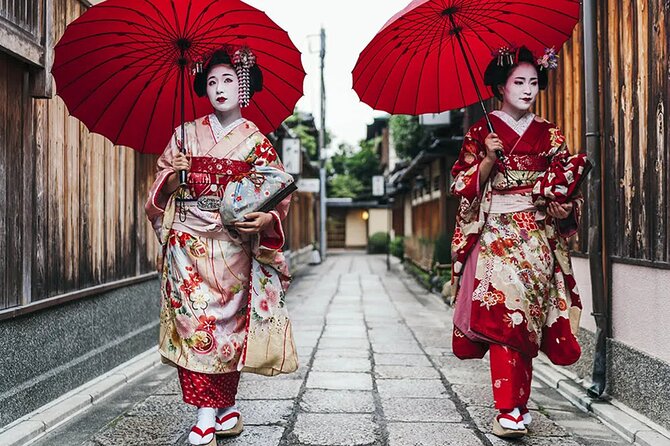
- Hanamikoji Street for geisha culture plus the stories behind what you’re seeing
- Yasaka Shrine, over 1,000 years old for a real pause from the shopping streets
- Hokan-ji Temple and photo time without turning the whole walk into a selfie sprint
- Pontocho + Kamogawa River atmosphere for a calmer, evening-feeling Kyoto
- Edo-period townhouses at Gion Shirakawa to show what old Kyoto residential life looked like
Price and value for a 2-hour Gion stroll
At $23.88 per person for about 2 hours, you’re paying for a guided storyline and a route that makes sense—rather than trying to piece Gion together yourself. The stops you visit are admission-free (based on the tour info for each location), which keeps the cost predictable and gives you more time for walking and learning.
This also isn’t a marathon. It’s long enough to feel you’ve changed from seeing Gion as just postcard streets to understanding it as a working cultural neighborhood. And with a mobile ticket, you can focus on getting to the meeting point and not juggling paper.
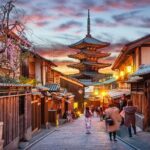
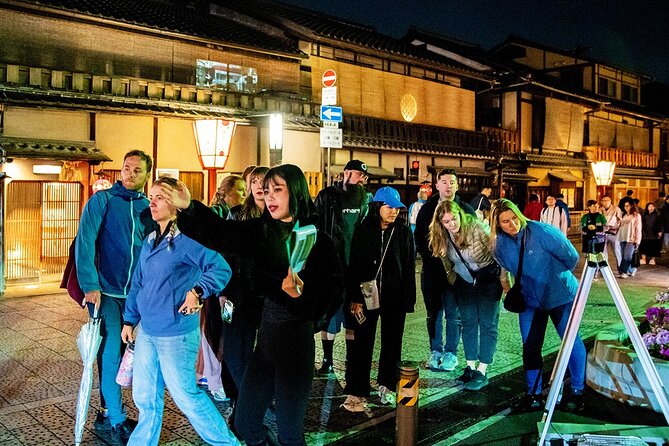
More evenings along the lantern-lit lanes of Gion


Where the walk begins: Shijo-ohashi to the heart of Gion
The tour starts at McDonald’s – Shijo-ohashi Bridge (105-1 Hashimotochō, Shimogyo Ward). That matters more than it sounds. A central, easy-to-find meeting point reduces stress, especially in a city where directions can flip when you turn one street.
Because it’s near public transportation, you can arrive without a lot of extra walking before the tour even begins. You’ll also want to start with the right mindset: this is a walking history experience, so wear shoes you’re comfortable in for city sidewalks and short turns down alleys.
Hanamikoji Street: the geisha district’s main stage
Your first real “you’re here” moment is Hanamikoji Street, often treated like the heart of the geisha district. The value here isn’t only that the street is famous—it’s that your guide explains the logic behind what you notice: training, artistry, and the craft behind kimono details and hairstyles.
If you’re hoping to spot a geisha, this is where that possibility becomes most real. In the feedback I’ve seen from guides like Soyo and Uta, the tone is consistent: watch how people move, notice the mood of the street, and understand why certain looks and behaviors matter in this world.
Practical tip: If your schedule allows it, aim for a time window around early evening (about 5–6 pm). The goal is fewer crowds and a better chance of seeing someone pass by, without the street being overwhelmed.
Sannenzaka Ninenzaka: Kyoto’s photo street with a rumor attached
Next you’ll walk through Sannenzaka Ninenzaka, one of those streets where if you don’t stop and take a photo, you’ll feel like you missed the whole point of being in Kyoto. The fun part is that your guide doesn’t just let you snap pictures. You’ll also hear about the eerie rumor tied to the street—and, importantly, the guide will explain what’s true and what’s not.
This is also a good stretch to slow down. These slopes and lanes encourage you to notice texture: old storefront fronts, pedestrian rhythms, and how the buildings shape views. The trade-off is that it’s still a popular area, so if you want quiet, you may feel the crowd energy here more than elsewhere.
Yasaka Shrine: the 1,000-year-old reset button
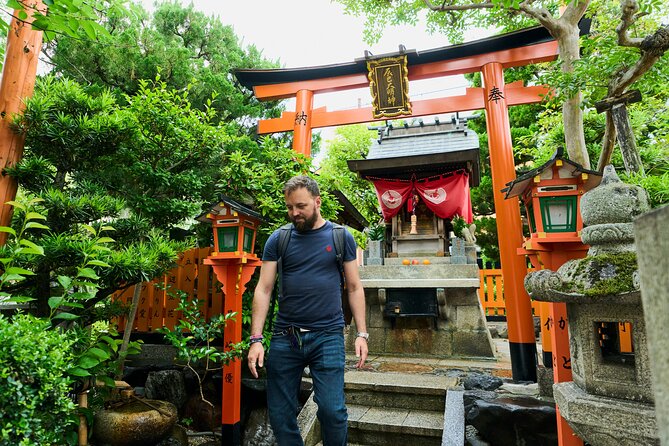
At Yasaka Shrine, you get a different kind of Kyoto moment—one that feels less like a set and more like a place where people still come for Shinto life. The tour frames it as a 1,000-year-old site, and that age shows in how the space feels layered, not brand new.
This stop is valuable because it changes your perspective. After geisha district stories and street-lane visuals, you’ll be reminded that Kyoto’s traditional culture isn’t just about costumes and performances—it also lives in ongoing religious practice. It’s also a helpful “reset” break in the route rhythm, giving you a moment to breathe and look upward before the next walk.
Other Kyoto tours and experiences to compare
Hokan-ji Temple: where the photos usually happen
Then comes Hokan-ji Temple, described as the most photogenic stop in Kyoto on this route. If you like pictures, this is a good place to plan your timing. Expect a view-heavy stop where you’ll want a few minutes to step back, adjust your angle, and let the scene settle.
The drawback? Photo moments can turn into slow traffic. The tour keeps it to around 20 minutes, so if you’re the type who needs extra time for lighting and angles, you may want to be ready to move on when the group does.
Still, for first-time visitors, this is often where the tour gives you the “okay, I get why people post this” feeling—without sacrificing the rest of the walk.
Pontocho: an old gourmet street with evening charm
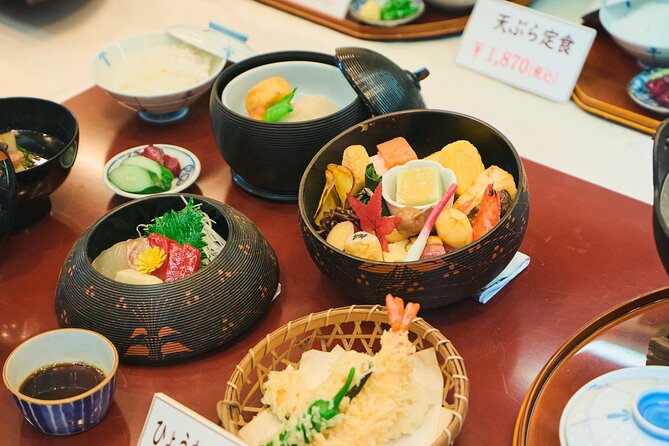
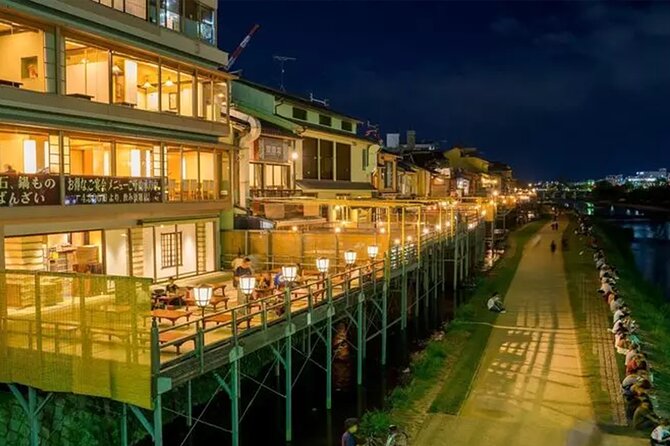
After the temple, you’ll reach Pontocho, a historic street known for food culture. The practical magic of Pontocho is that it’s more atmospheric than it looks on a map. Even when you’re not stopping to eat, the narrow lanes and the evening vibe help you understand why this part of Kyoto has held onto its identity.
This stop is also great for people who like to make a plan for later. Pontocho helps you spot what kind of meal and night-out mood fits Gion: casual stroll + good food streets + lantern-level ambiance.
A chill-out stop by the Kamogawa River
Somewhere on the route you’ll have time at a local chill-out spot by the Kamogawa River. This part matters because it breaks the “all sights, no pause” pattern. After temples and streets, you’ll get a calmer pocket where you can look at the city without rushing.
Even if you’re traveling with someone who wants more shopping, this stop can be a win. It’s a natural place to slow down, regroup, and decide what you want to do after the tour ends—dinner direction, a nearby viewpoint, or just quiet time before another Kyoto night.
Gion Shirakawa: Edo-period townhouses you can picture
Now you get a very different kind of cultural lesson: Gion Shirakawa, where you’ll see Edo-period townhouses. This is where the tour becomes more than “pretty streets.” Your guide shares stories that help you imagine what daily life may have looked like in old Kyoto, not just how the buildings look in photos.
The benefit for your understanding is huge. When you see traditional townhouse architecture in context, you stop thinking of Gion as only a stage for visitors. You start seeing it as a neighborhood shaped by centuries of design and community patterns.
If you’re a visual learner, this stop is one of the strongest parts of the whole walk.
Yasui-Konpiragu: Shinto worship that completes the story
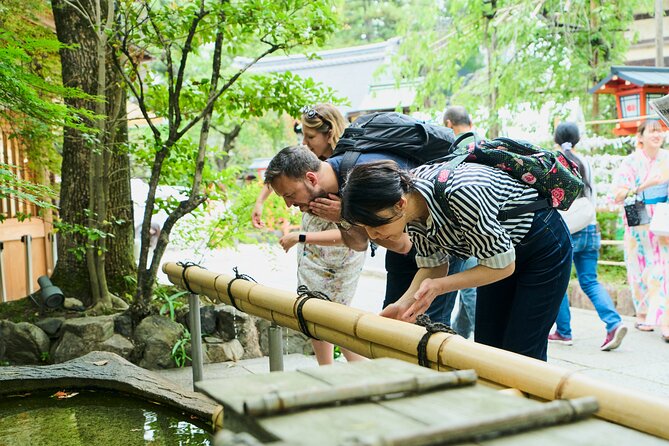
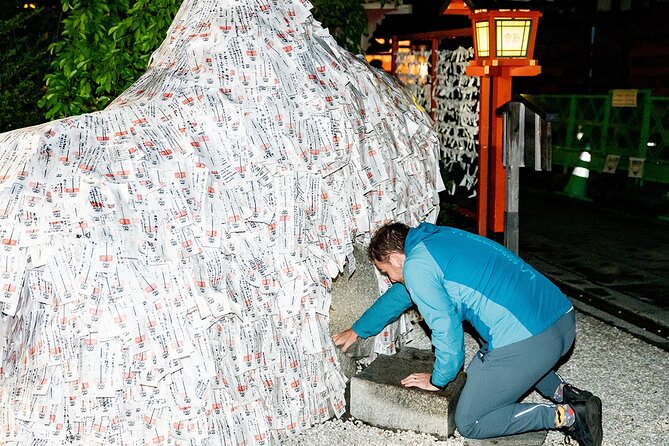
The tour finishes with Yasui-Konpiragu, where you’ll experience Shinto worship. This is a meaningful final note because it ties the walk together. You’ve heard about training and performance culture, you’ve walked shrine and temple spaces, and now you’ll see the living side of tradition through worship.
Even if you don’t know much about Shinto, the guide’s framing helps you look with respect and curiosity instead of treating it like another landmark you “check off.”
What kind of guide experience you should expect
Guides seem to vary by day, but the best theme is consistent: storytelling that keeps you engaged without sounding like a lecture. In the feedback I’ve read, people highlight guides like Dan, Naoya, Oliver, Alex, and Kenta/Ukyo, with Uta and Soyo also mentioned often.
A useful takeaway: if you ask questions, you’ll likely get clear answers and practical tips. The tour can also point you toward food areas and rooftop-bar style viewpoints afterward, which helps you turn the tour knowledge into a good evening plan.
Best time to go, and how to avoid the common annoyance
This tour is weather-dependent. The tour info says it requires good weather, and the cancellation plan includes a weather-based option. When the sky is cooperative, you’ll enjoy the walk more because you won’t be rushing to dodge rain while trying to enjoy the details.
Timing matters, too. More than one piece of feedback suggests doing it earlier in the evening rather than very late. That helps with two things: the chance of seeing someone walking through, and keeping the route comfortable. Also, if you’re baking in summer heat, consider that the walk is short but continuous.
Is this tour worth it for you?
Book this Kyoto Gion: Geisha Culture & History Walking Tour if you want:
- a 2-hour guided route that makes Gion make sense fast
- a chance to see a geisha, plus context for what you’re seeing
- old shrines and Edo-period townhouses, not just street photos
- a small group size that keeps the experience friendly
Skip it (or choose another option) if you:
- hate walking or need frequent breaks
- are looking for a guaranteed geisha sighting (the chance is real, but it’s not controlled)
- want lots of stops for shopping or long restaurant breaks
Should you book this Gion tour?
Yes, if you want a smart, efficient way to experience Gion with context. The combination of Hanamikoji Street, Yasaka Shrine, Hokan-ji Temple, Pontocho, and the Edo-period townhouse segment gives you a wide slice of what makes Kyoto feel like Kyoto. At $23.88 with free-entry stops and a small group, the value is strong.
The only real watch-out is your expectation. Think of this as a guided story walk where the geisha sighting is a bonus, not a guarantee. If you show up ready to pay attention to details—and bring water for a comfortable pace—you’ll leave with Gion that finally feels understandable, not just photographed.
FAQ
How long is the Kyoto Gion walking tour?
The tour runs for about 2 hours.
What does it cost per person?
It costs $23.88 per person.
Where does the tour start and end?
It starts at McDonald’s – Shijo-ohashi Bridge (105-1 Hashimotochō, Shimogyo Ward, Kyoto) and ends back at the meeting point.
Do I need to purchase tickets for the stops?
Admission tickets are listed as free for the stops included in the tour.
What ticket format is used?
The tour uses a mobile ticket.
How large is the group?
The tour has a maximum size of 15 travelers.
What should I bring or consider physically?
You should have moderate physical fitness, since it is a walking tour.
What is the cancellation policy if the weather is bad?
You can cancel for free up to 24 hours in advance for a full refund. If it’s canceled due to poor weather, you’ll be offered a different date or a full refund. If you cancel less than 24 hours before, you won’t receive a refund.
More Tours in Kyoto

More Tour Reviews in Kyoto


Still in Gion? Keep Going

Just added: more Kyoto tours to browse








Gion & Geisha District Tours, compared.
 ★ 4.7Kyoto Geisha Walking Tour: Gion District & Hidden GemsFrom $253,273 reviews
 ★ 4.9Gion Magical Night Walking Tour with Geisha TriviaFrom $242,393 reviews
 ★ 4.7Gion Geisha District Walking Tour – Stories of GeishaFrom $202,187 reviews
 ★ 4.9Best of Kyoto: Gion, Geisha, Pagodas & CobblestonesFrom $242,058 reviews
 ★ 4.5Night Walk in Gion: Kyoto’s Geisha DistrictFrom $212,003 reviews
 ★ 5.0Kyoto Night Foodie Tour in Gion (9+ dishes + 6 Sake tastings)From $1631,762 reviews
 ★ 5.0Kyoto Gion Geisha District Walking Tour – The Stories of GeishaFrom $251,441 reviews
 ★ 5.0Chopsticks Making Workshop in Gion with Engraving OptionFrom $15958 reviews
Browse the lists this tour appears in