
Reviewed · GION & GEISHA DISTRICT TOURS
Kyoto Geisha Walking Tour: Gion District & Hidden Gems
Gion feels like a time machine. This Kyoto walk takes you through Gion’s cobblestone lanes and teahouse streets, with real chances to spot Geiko and Maiko heading to appointments while your guide explains what you’re looking at.
One big reason I like this tour is the guide experience. Many recent outings praise guides like Michael, plus Yuri, Anton, and Ikuro, for clear, friendly storytelling and lots of practical recommendations you can use after the walk, including where to eat and what to see next.
The one thing to plan around is that this is mostly on foot and not made for everyone. It’s not suitable for wheelchair users or people with mobility impairments, and seeing geiko or maiko depends on the day.
In This Review
- Key things that make this tour worth your time
- Why This 2-Hour Gion Walk Fits Kyoto Schedules
- Finding the Tour Fast: Hotel Alza Kyoto and the Red Parasol
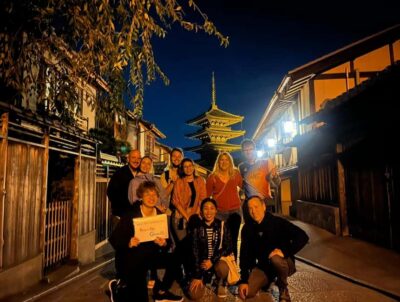
- Gion’s Streets, Teahouses, and Lantern-Time Atmosphere
- Geiko and Maiko Sightings: What You’re Actually Looking For
- Hōkan Ji Pagoda and Kennin-ji Temple: Calm Stops Inside the District
- Chion-in Temple: The Often-Overlooked National-Treasure Visit
- Machiya Townhouses and Teahouse Culture You Can See Without Pretending
- The Small Details That Make the Tour Feel Personal
- Photo Wins: How to Get Great Shots Without Being That Person
- Price, Duration, and Value: Why $25 Feels Fair Here
- Comfort and Weather: What to Plan So It Stays Enjoyable
- Who Should Book This Tour (and Who Might Want a Different Plan)
- Should You Book the Kyoto Geisha Walking Tour in Gion?
- FAQ
- Where is the meeting point?
- How long is the Kyoto Geisha Walking Tour?
- How much does the tour cost?
- Will I definitely see a Geiko or Maiko?
- What sights and temples are included besides Gion streets?
- Is the tour guided in English?
- Is the tour suitable for wheelchair users or people with mobility impairments?
- Do I have to pay right away?
- Can I cancel for a full refund?
Key things that make this tour worth your time
- Meet at Hotel Alza Kyoto using the red parasol landmark
- Spot Geiko and Maiko in motion, not in a staged setting
- Photo stops at off-the-beaten-path lanes and viewpoints
- Temple variety in a short 2-hour loop, including Kennin-ji and Chion-in
- Machiya townhouses, teahouses, and a look at how the district works
- A guide-led Q&A plus tried-and-true food and attraction recommendations after
Why This 2-Hour Gion Walk Fits Kyoto Schedules
At $25 per person for 2 hours, this is one of those Kyoto activities that feels like good value because it does more than point at postcard spots. You’re paying for context: what Gion is, where geisha culture comes from, and how the district and its traditions function in modern Kyoto.
Gion can be overwhelming if you just wander. This tour helps you connect the dots fast, especially if it’s your first time in Kyoto or your first time seeing this side of Japanese culture.
More evenings along the lantern-lit lanes of Gion


Finding the Tour Fast: Hotel Alza Kyoto and the Red Parasol
The meeting point is a side street next to Hotel Alza Kyoto. Look for the red parasol or umbrellas with marble seats underneath.
If you’re going at dusk or in colder months, build in a few extra minutes to arrive, get oriented, and avoid starting the walk rushed. One review even notes that a 3:00 start worked well for daylight and atmosphere, which matters because the streets get even more magical as evening lights up.
Gion’s Streets, Teahouses, and Lantern-Time Atmosphere
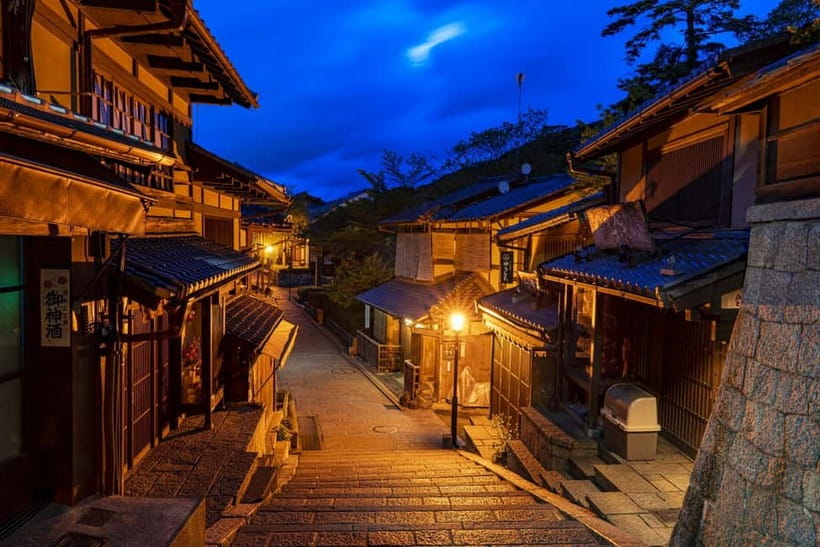
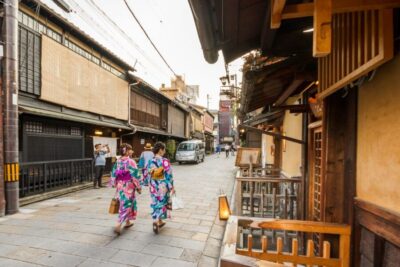
This is a classic Kyoto neighborhood walk: cobblestone streets, carefully maintained teahouses, and that old-district rhythm where you can slow down and actually look. The route is designed to help you move through Gion at the pace where the details show up, not where you’re just trying to survive the next crowd squeeze.
A strong theme in the tour description is timing. As evening falls, Gion shifts into lantern-lit nightlife, which is when the atmosphere really turns up. If your goal is photos, this is the kind of walk where your guide will steer you toward spots that are less obvious and better for pictures.
Geiko and Maiko Sightings: What You’re Actually Looking For
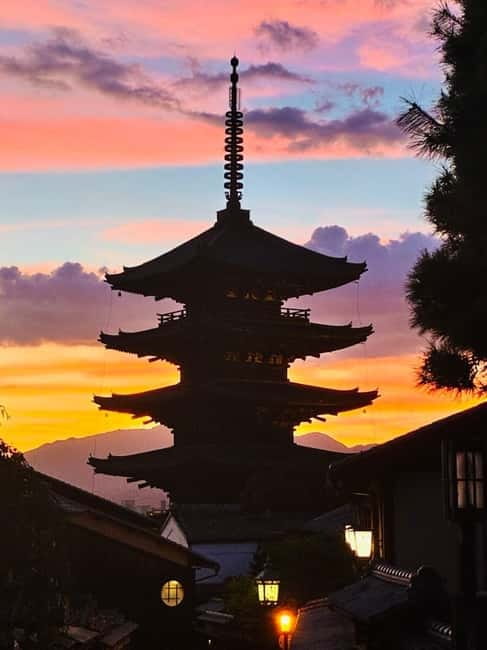
You’ll have an opportunity to spot Geiko and Maiko as they make their way to appointments. The tour doesn’t promise a guaranteed sighting every single day, but the whole experience is built around helping you recognize what’s happening and why it matters.
Where this tour gets especially useful is in the explanation. Instead of treating geiko and maiko as a costume spectacle, the guide shares the history and origins of geisha culture in Kyoto, plus how it fits into modern society. That changes your whole experience because you stop asking only What are they wearing? and start asking What role are they playing, and how does the district support it?
You’ll also get context about Gion itself—why it became known for teahouses and this specific cultural scene, and how the neighborhood’s layout supports daily life and appointments.
Hōkan Ji Pagoda and Kennin-ji Temple: Calm Stops Inside the District
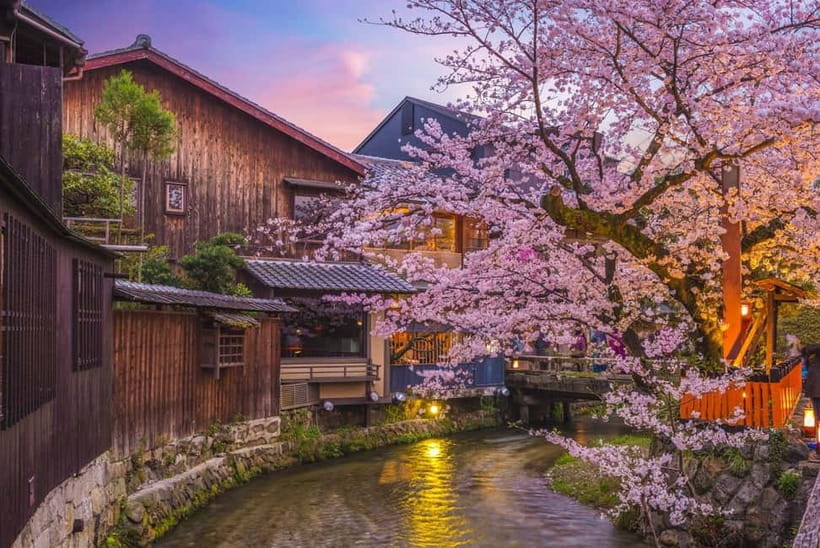
One of the best ways to understand Gion is to mix street life with a quiet pause. This tour does that with two standout spiritual stops: Hōkan Ji Pagoda and Kennin-ji Temple.
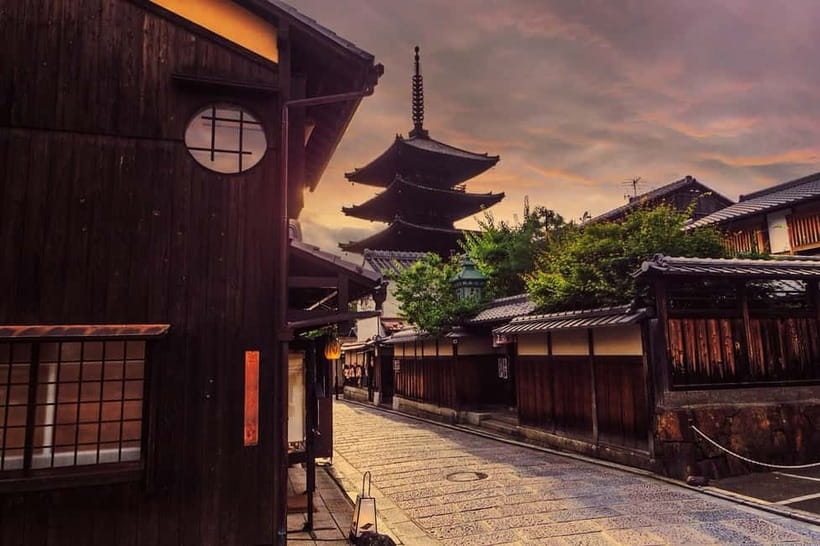
Hōkan Ji Pagoda is described as a symbol of Kyoto’s cultural heritage. The value here is not just seeing a photo-friendly structure—it’s having a guide point out what makes it significant and where it sits in the story of the area.
Then you’ll reach Kennin-ji Temple, highlighted as the oldest Zen temple in Kyoto. This kind of detour is a smart balance: you get the clatter of old Gion streets, then you step into a quieter, more reflective space that helps the whole district make more sense.
If you’re the type who likes history but hates long temple marathons, this structure is a good fit. It gives you variety without turning the entire walk into a multi-hour religious tour.
Other Kyoto tours and experiences to compare





Chion-in Temple: The Often-Overlooked National-Treasure Visit
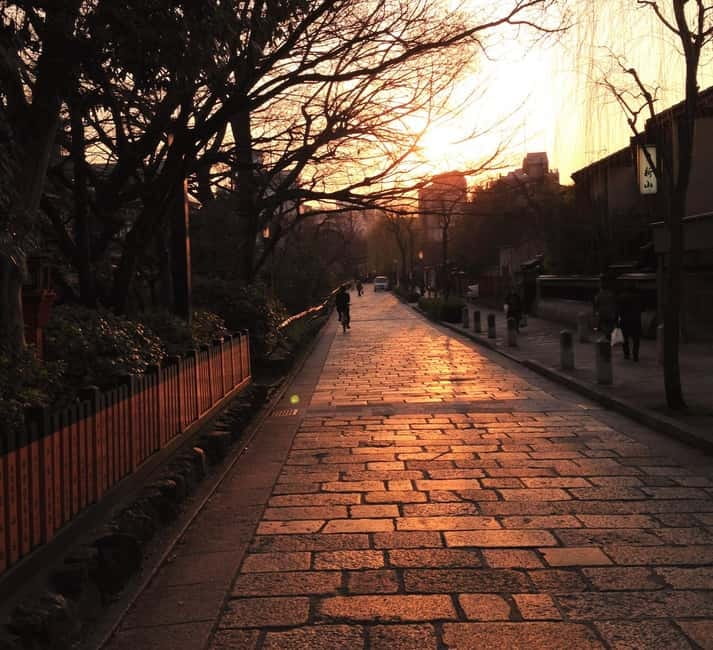
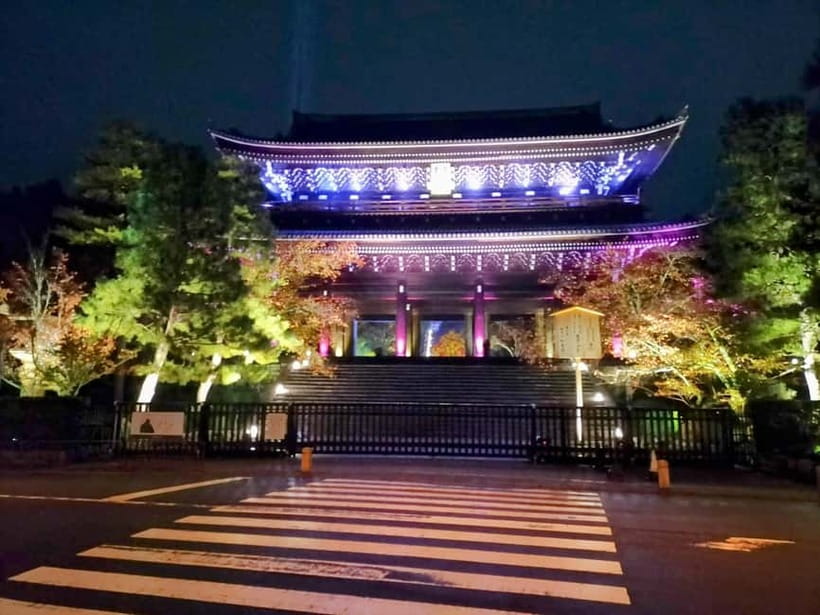
Chion-in is described as an often overlooked stop, and it’s a strong reason to book this specific walking tour instead of doing Gion solo. The tour emphasizes that Chion-in’s grounds include three designated national treasures.
That detail matters. You’re not just checking off another temple name; you’re getting a stop that adds real cultural weight within the short 2-hour window. A guide also helps you slow down enough to appreciate what’s on the grounds, rather than just passing through quickly.
Practical note: because this is still a walking experience, you’ll want good shoes. Temple areas can include uneven ground, and the tour is designed to keep moving.
Machiya Townhouses and Teahouse Culture You Can See Without Pretending
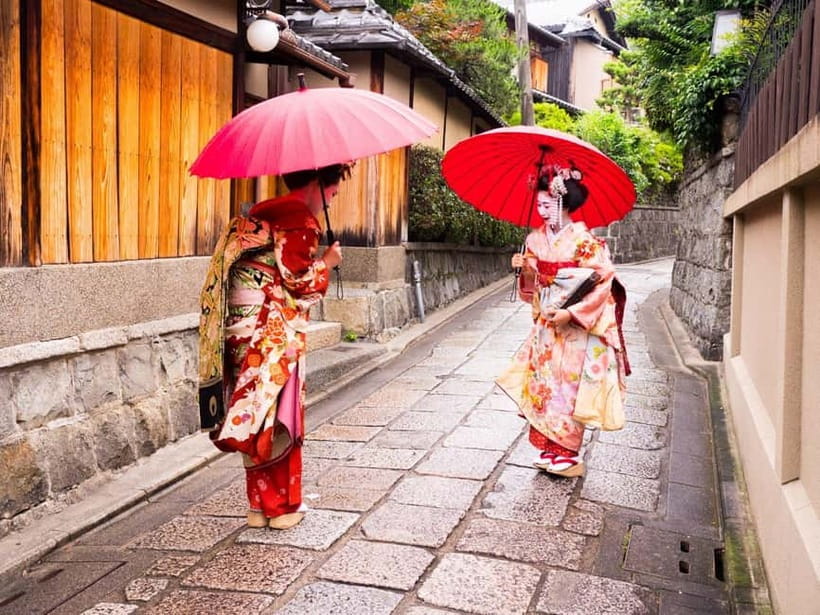
The route includes preserved machiya townhouses and beautifully maintained tea-house style streets. Machiya are a key part of Kyoto’s identity because they show what traditional urban life looked like in a city built for long-term neighborhood living.
You also visit the kind of tea-house atmosphere where geiko and maiko make exclusive private performances for wealthy clientele. Even when you’re not inside for anything staged, the value comes from understanding what those spaces are for and how they connect to appointments and cultural practice.
If your brain keeps going back to etiquette questions, this is where a local guide helps most. You learn what’s appropriate to notice from the street, how to behave respectfully near residential or working areas, and why certain spots feel different than a typical sightseeing street.
The Small Details That Make the Tour Feel Personal
This tour earns a lot of praise for how the guide handles people in real time. Reviews repeatedly mention guides answering questions, staying friendly, and keeping the pace comfortable—not rushing you through stops.
You’ll also see a pattern in guide styles. Michael, for example, is praised for being fun, humorous, and easy to understand, and one review even notes that he speaks English, French, Japanese, and some Arabic. Other guides named in reviews include Yuri, Anton, and Ikuro, and they’re also described as engaging and respectful with strong historical context.
One practical perk: toward the end of the tour, your guide shares a detailed set of tried-and-true recommendations for restaurants, bars, and shops, plus ideas for the rest of your trip. That turns the walk into a planning session, not only a sightseeing circuit.
Photo Wins: How to Get Great Shots Without Being That Person
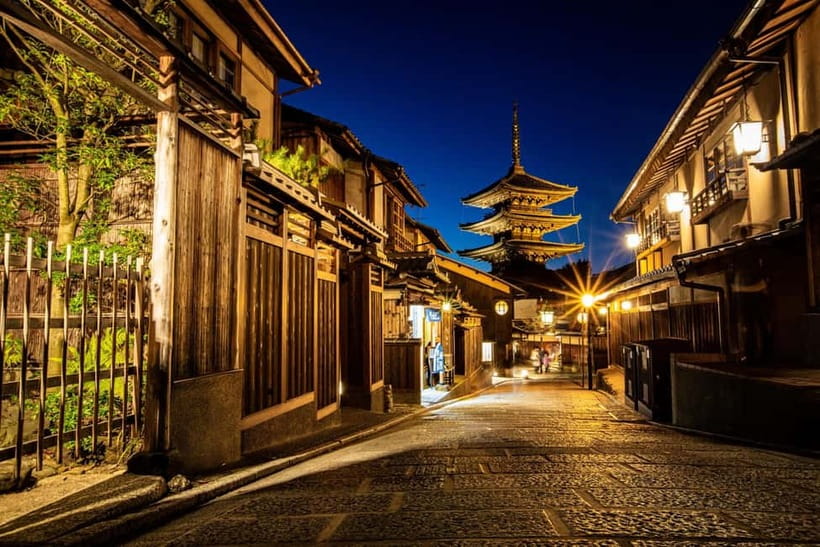
The tour includes photo opportunities at off-the-beaten-path locations along the way, and the operator also promises stunning photos as a souvenir. You’ll get help choosing where to pause for better angles, which is a real time-saver in Gion where the best views can be blocked if you stop in the wrong spot.
For best results, come prepared for low-light moments. If you’re going in late afternoon or early evening, lanterns can create gorgeous lighting, but it also means you’ll want your phone charged and ready. In winter, bring layers too, because this is largely an outdoor stroll.
Price, Duration, and Value: Why $25 Feels Fair Here
Let’s talk value. At $25 for 2 hours, you’re not just buying entry to a couple temples. You’re paying for:
- Live English interpretation
- A guided route that links Gion streets to geisha culture context
- Temple stops that many casual walkers miss, including Kennin-ji and Chion-in
- Practical after-tour recommendations for food and things to do
Most importantly, you’re buying time. If you had to piece this together yourself, you’d likely spend time Googling, second-guessing routes, and still miss the deeper explanations that make the district click. For short Kyoto stays, this kind of guided orientation can be an efficient start.
Comfort and Weather: What to Plan So It Stays Enjoyable
You’re walking through historic streets, and that means comfort matters. Cobblestones and temple approaches are not usually made for easy long-distance strolling without planning.
A review mentions it being freezing cold and the need for a place to warm up or recharge, which is a useful reminder: bring warm layers, gloves if you’re sensitive to cold, and consider carrying a small drink. Even if there isn’t a guaranteed stop, you can still stay comfortable with smart prep.
Who Should Book This Tour (and Who Might Want a Different Plan)
This tour is a great match if you:
- Want a first introduction to Gion and geiko and maiko culture
- Like history but prefer it explained in plain, human terms
- Want a short, high-impact activity that fits into a busy day
- Appreciate photo guidance and off-the-main-street stops
Reviews also mention that it worked well for families, and that even when someone didn’t spot a geisha, the history, route, and guide information were still worth it.
It may not be a good fit if:
- You use a wheelchair or need mobility-friendly accommodations, because it’s not suitable for wheelchair users or people with mobility impairments
- You need a fully guaranteed geiko or maiko sighting, since the tour offers opportunities rather than a promise
- You want a long, slow temple deep-dive instead of a 2-hour overview
Should You Book the Kyoto Geisha Walking Tour in Gion?
If you’re trying to understand Gion fast and you value a good guide, I’d book it. This is the kind of tour that helps you look with better questions in mind, and the after-walk restaurant and attraction recommendations make it pay off even more.
Book it especially if you have a short Kyoto trip or you’re pairing your day with other Gion plans. And if you can, plan to be out during lantern-time; the atmosphere shift is part of why this neighborhood feels special.
One final tip: if you want geiko and maiko sightings, be patient and respectful, and let your guide do the positioning. You’ll get the most from the tour either way because the cultural context and temple stops are built into the route. Free cancellation and reserve-now flexibility can also make it easier to match the day to weather and your schedule.
FAQ
Where is the meeting point?
You meet at a side street next to Hotel Alza Kyoto. Look for the red parasol or umbrellas with marble seats underneath.
How long is the Kyoto Geisha Walking Tour?
The tour lasts 2 hours.
How much does the tour cost?
The price is $25 per person.
Will I definitely see a Geiko or Maiko?
You have an opportunity to spot Geiko and Maiko as they make their way to appointments, but it isn’t described as a guaranteed sighting.
What sights and temples are included besides Gion streets?
The tour includes stops such as Hōkan Ji Pagoda, Kennin-ji Temple, and Chion-in Temple, plus areas with machiya townhouses and teahouses.
Is the tour guided in English?
Yes, it’s a live tour guide with English language support.
Is the tour suitable for wheelchair users or people with mobility impairments?
No. It is not suitable for wheelchair users or people with mobility impairments.
Do I have to pay right away?
No. You can reserve now and pay later.
Can I cancel for a full refund?
Yes. Free cancellation is offered up to 24 hours in advance for a full refund.
More Tours in Kyoto


More Tour Reviews in Kyoto



Still in Gion? Keep Going

Just added: more Kyoto tours to browse








Gion & Geisha District Tours, compared.
 ★ 4.9Gion Magical Night Walking Tour with Geisha TriviaFrom $242,393 reviews
 ★ 4.7Gion Geisha District Walking Tour – Stories of GeishaFrom $202,187 reviews
 ★ 4.9Best of Kyoto: Gion, Geisha, Pagodas & CobblestonesFrom $242,058 reviews
 ★ 4.5Night Walk in Gion: Kyoto’s Geisha DistrictFrom $212,003 reviews
 ★ 5.0Kyoto Night Foodie Tour in Gion (9+ dishes + 6 Sake tastings)From $1631,762 reviews
 ★ 5.0Kyoto Gion Geisha District Walking Tour – The Stories of GeishaFrom $251,441 reviews
 ★ 5.0Kyoto Gion: 2-Hour Geisha Culture & History Walking TourFrom $231,186 reviews
 ★ 5.0Chopsticks Making Workshop in Gion with Engraving OptionFrom $15958 reviews
Browse the lists this tour appears in