
Reviewed · KIYOMIZU-DERA & HIGASHIYAMA TOURS
Kyoto: Tea Ceremony in a Traditional Tea House in Kiyomizu
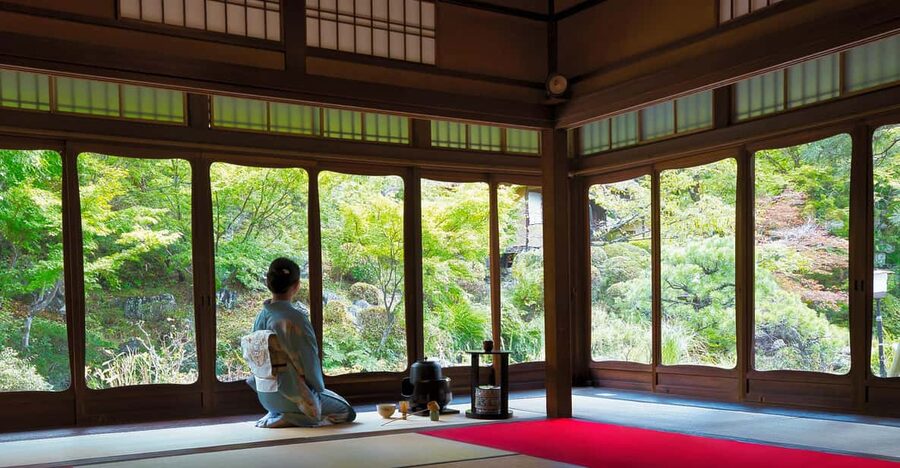
Matcha becomes a moment of calm. In Sannenzaka near Kiyomizu-Dera, you’ll sip tea in a garden made by Ogawa Jihei VII.
You’ll watch a tea master demonstrate the steps, then learn how to mix and whisk your own matcha—right in the tea house setting.
I especially love the quiet garden view from inside the tea room, even though you’re close to a busy street. And I like that the tea master’s performance feels disciplined and graceful, not scripted for tourists.
The main consideration: it’s $49 per person for a 45-minute session, and you’re not getting kimono rental or extra add-ons. Also note you can’t bring luggage or large bags, so travel light.
In This Review
- Key moments you’ll remember
- Finding Sakaguchian in Sannenzaka (and not getting swept up in crowds)
- The tea house garden by Ogawa Jihei VII: why the setting matters
- Watching the tea master: ritual, pace, and etiquette that actually helps
- Brewing matcha yourself: the step-by-step you’ll actually use
- The sweet, the photo, and the small souvenirs of calm
- Price, time, and whether $49 feels fair for this 45-minute ritual
- Who this Kyoto tea ceremony suits best (and who might want to skip)
- Should you book this Kyoto matcha tea ceremony?
- FAQ
- How long is the Kyoto tea ceremony in a traditional tea house?
- What is included in the price?
- Is a kimono rental included?
- Is the instruction offered in English?
- Are children allowed?
- Does it run in the rain?
Key moments you’ll remember
- Ogawa Jihei VII garden: a purpose-built garden setting that does half the relaxing for you
- Tea master demonstration: you watch the ritual closely before you try it yourself
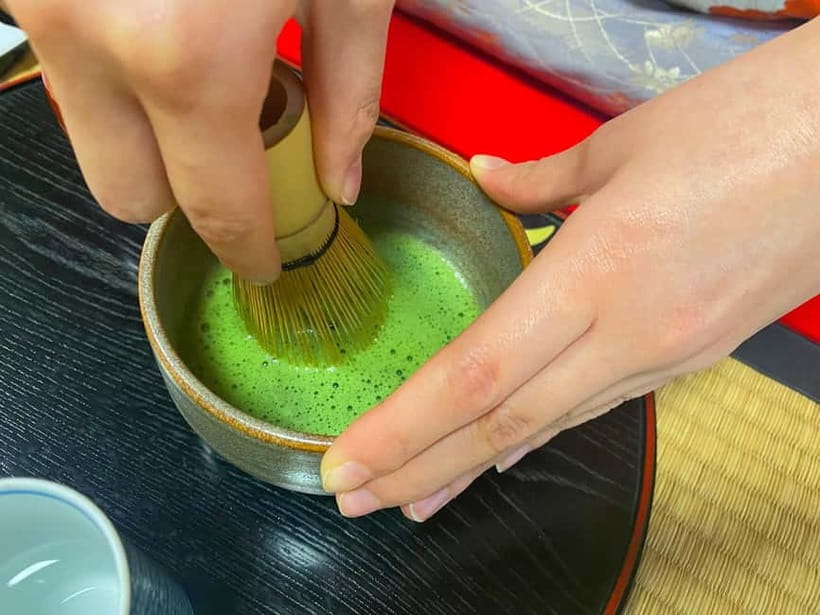
- You brew matcha: you learn the process, not just the tasting
- Two cups of matcha plus sweets: enough to feel like you did something, not just sampled
- 500-year tea history framing: a short story that helps the movements make sense
- Garden photo at the end: your group shot comes with a genuinely pretty backdrop
Finding Sakaguchian in Sannenzaka (and not getting swept up in crowds)
This tea ceremony is based in Sannenzaka, close to Kiyomizu-Dera, which means you’ll be near tourist flow from the moment you step outside. The good news: once you find the entrance, the place itself is calm in a way that feels like someone turned down the volume.
Start at Sanneizaka near Kiyomizu-Dera. Walk about 50 meters downhill and enter a large gate on the right. From that gate, you can actually see the garden, which helps your bearings fast. Then pass through and go straight for about 10 meters, and look for the white gate on your left to reach Sakaguchian.
If you arrive by cab, ask the driver to go toward Kodaiji Temple. Get off at the intersection of Sanneizaka and Ishin-no-michi, then follow the walking approach above. The Japanese address for planning is 京都市東山区清水3丁目334.
A small practical tip: go in with time to slow down. One of the best parts is reaching the tea house through that set-back approach, rather than popping out of the crowd and rushing inside.
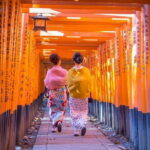
Keep climbing the Higashiyama slopes toward Kiyomizu-dera
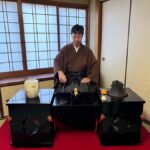
The tea house garden by Ogawa Jihei VII: why the setting matters
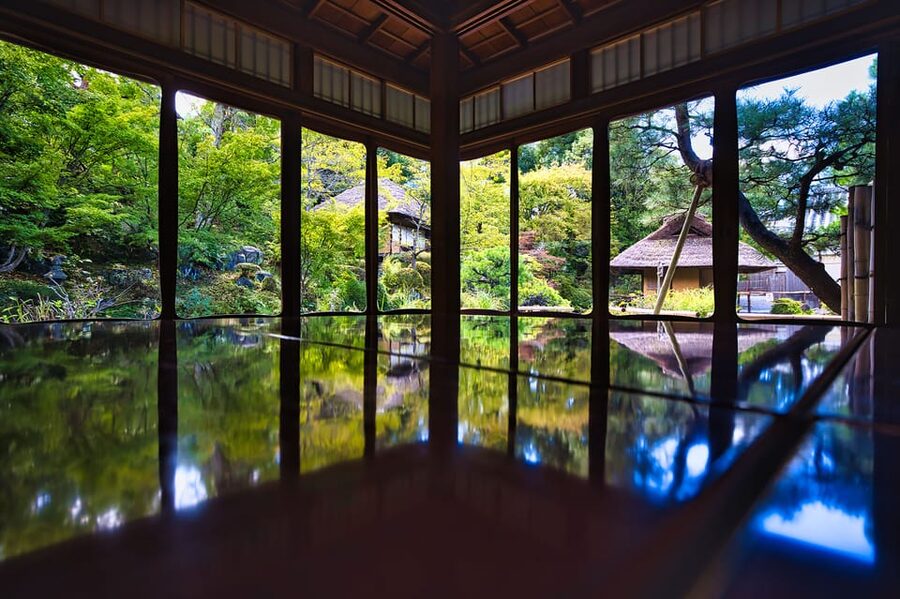
When you arrive, the instructor brings you into the garden area and introduces the setting. This tea house sits in an established garden created by the famous landscape artist Ogawa Jihei VII. That detail isn’t just trivia. It explains why the place feels composed and “made for stillness.”
You’ll get a brief intro, including the 500-year history behind the tea ceremony tradition. The time here is short, but it gives you a framework: why the movements are careful, why the room feels quiet, and why each step is part of a bigger mindset.
Even though you’re in a popular Kyoto area, the garden and tea room design create separation. People describe the contrast strongly: you can sense you’re near action outside, yet the tea space feels peaceful once you’re inside.
This is also where you’ll see the “immaculate” quality many people rave about. The garden view isn’t just pretty wallpaper. It sets expectations for how to behave during the ceremony—slow, respectful, and present.
Watching the tea master: ritual, pace, and etiquette that actually helps
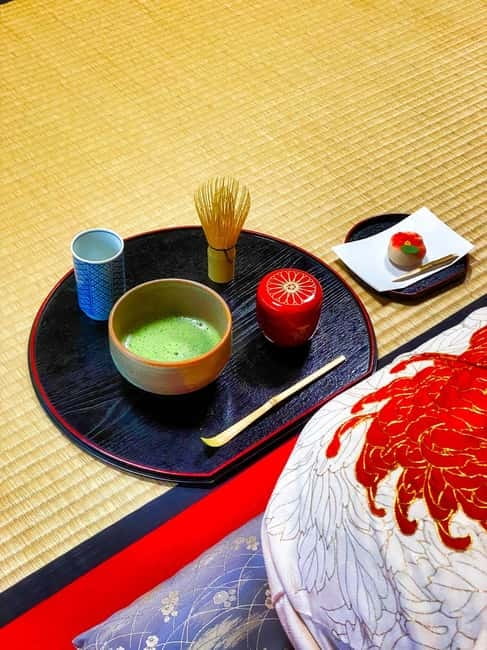
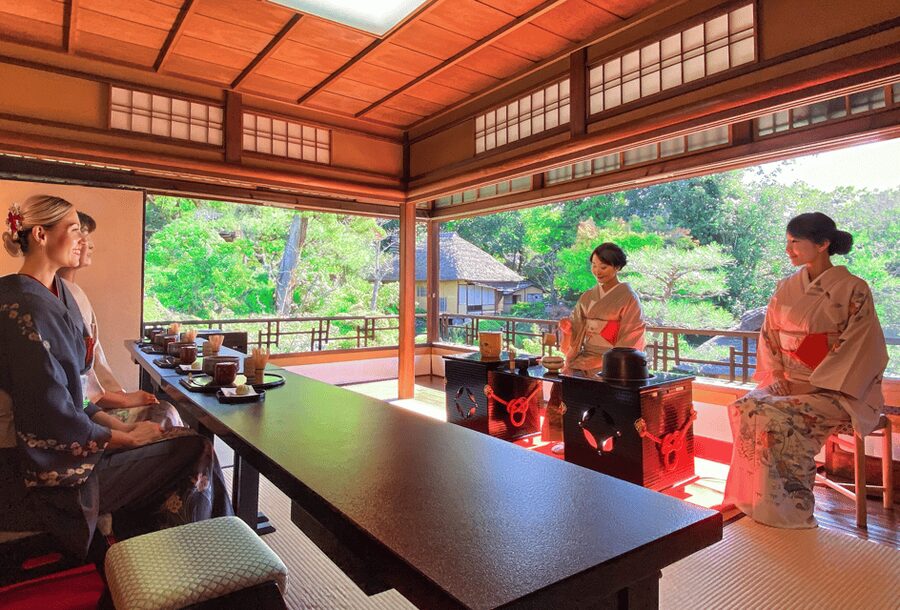
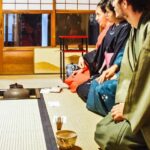
Next comes the part most people picture when they think of a tea ceremony: watching the tea master. In this experience, you’ll see the tea master perform the preparation steps with practiced elegance. The performance matters because it gives you the logic behind what you’ll do next.
Pay attention to two things as you watch. First, the pace. It’s not slow because the teacher is taking their time; it’s slow because every motion has a purpose. Second, the focus. Even if your English isn’t perfect, you’ll feel the rhythm through the way the tea master handles tools and pours.
Your instructor also explains key parts in English, which makes it easier to connect the performance to what it means. Many people highlight that the guide doesn’t just recite facts. They help you understand the philosophy behind the steps and how to approach the experience with the right attitude.
One practical etiquette note: don’t treat it like a quick photo stop while the ceremony is happening. A couple of comments in the experience notes focus on being respectful during the ritual, like not wandering around mid-ceremony. If you want the calm vibe to stay intact for everyone, act like a guest in a formal moment, not a passerby.
Brewing matcha yourself: the step-by-step you’ll actually use
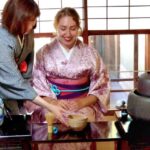
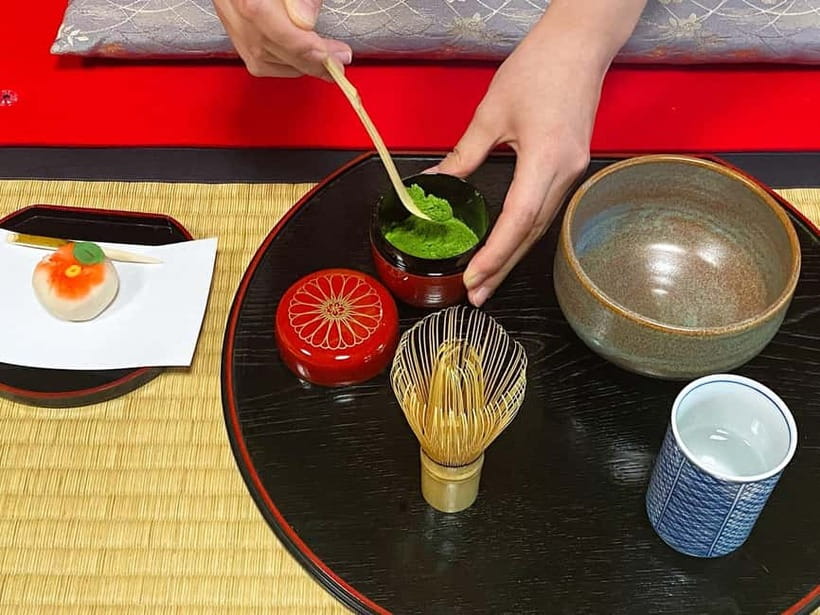
After the tea master shows you how, it’s your turn to brew. This is where the experience becomes more than watching. You learn how to brew matcha and then get to enjoy your bowl.
The session includes 2 cups of matcha, so you’re not just making one tiny sip. You’ll get to experience it from both angles: first as something the tea master prepares, then as something you prepare.
Why this matters for value: matcha can taste harsh if you mix it poorly or rush the process. Several people say the matcha they tasted here was smoother than what they had been making at home. Even if your result isn’t identical, you’ll come away with a better sense of technique and timing.
As you whisk, notice what changes the texture and the aroma. This isn’t a chemistry class, but you’ll feel the difference between watery, rushed mixing and a more intentional approach.
Also, don’t skip the small guidance moments. If the instructor corrects your grip or posture, it’s not about style points. It’s about controlling the whisking motion and keeping the process steady.
The sweet, the photo, and the small souvenirs of calm
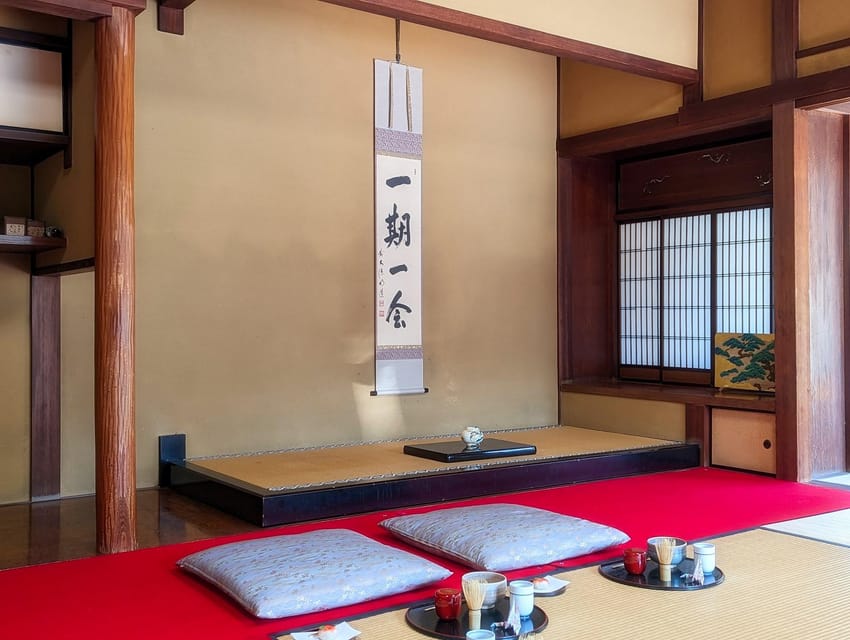
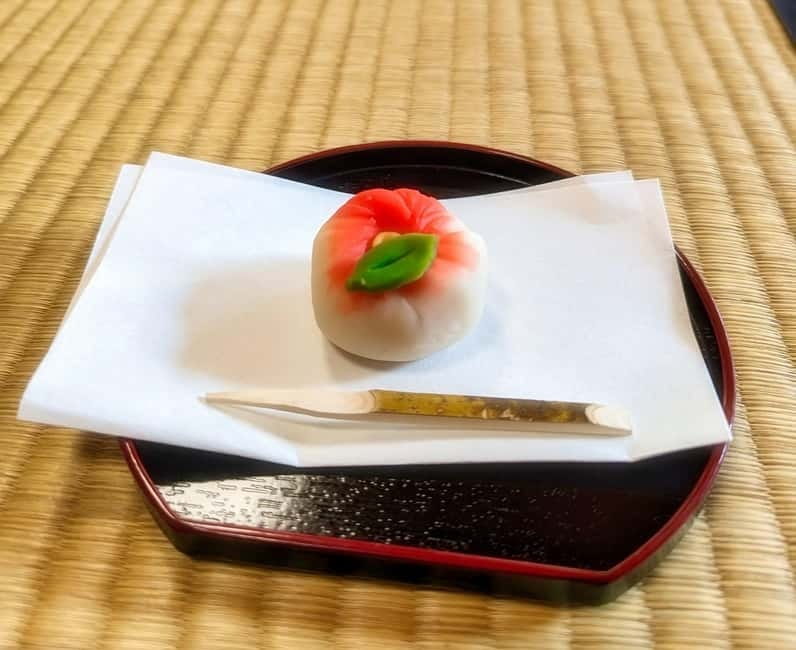
Matcha is only half the story. You’ll also get a customary Japanese sweet to enjoy during or alongside the tea session. It’s part of the balance: the sweetness softens the matcha intensity and gives you something to taste alongside the ritual.
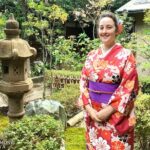
At the end, you pose for a photo with your group. The backdrop is the garden you’ve been enjoying all along. That’s a nice touch in an area full of temples and streetscapes. Here, your photo feels like it belongs to an experience, not just a stop.
What I like most about the wrap-up is that it leaves you with a clear memory of how tea can slow your brain down. Even if you only have one hour between major Kyoto sights, this is a way to reset.
And yes, it’s also a great “Kyoto moment” for people who love cultural details. You’re not just eating or sightseeing. You’re participating in a tradition that’s built around attention.
Sit for another bowl of matcha in a Kyoto tea house
Price, time, and whether $49 feels fair for this 45-minute ritual
This experience costs $49 per person and lasts about 45 minutes. On paper, that can sound pricey because it’s not long and it doesn’t include kimono rental.
But here’s why it can still feel like solid value: you’re paying for guided instruction in English, a tea master demonstration, and hands-on matcha brewing, plus two cups of matcha, traditional sweets, and a photo.
If you’re the kind of traveler who enjoys learning through participation, this pricing makes sense. You’re not buying a cup of tea from a vending machine. You’re learning a technique, hearing the meaning behind the movements, and being shown how the whole routine fits together.
The other value factor is quality control. The best tea ceremonies keep the flow calm and respectful. People repeatedly mention how serene and well organized the experience feels, including small groups and careful pacing.
If you want a bargain in Kyoto, this won’t be it. If you want a memorable cultural practice with guided structure, it often lands as money well spent.
Who this Kyoto tea ceremony suits best (and who might want to skip)
This fits best if you want something cultural, quiet, and hands-on without a long time commitment. It’s also a good choice for couples and solo travelers who like having a guided pace while still getting room to ask questions.
It’s not suitable for children under 7. If you’re traveling with younger kids, you’ll want to look for a different activity.
Also be mindful of luggage rules. Luggage or large bags aren’t allowed, so plan to carry only what you need for a short walk and a photo.
And because it happens rain or shine, bring a plan for weather. If it’s wet, your outfit and shoes matter for staying comfortable on the walk to the gate and through Sannenzaka.
Should you book this Kyoto matcha tea ceremony?
If you’re visiting Kyoto for more than temples and crowds, I’d book it. The combination is unusually good: a tea master performance, hands-on matcha brewing, and a calm garden setting by Ogawa Jihei VII—all in under an hour.
I’d skip it only if you’re mainly looking for a big, high-energy attraction, or if you feel $49 is too much for a short, quiet experience. Also skip if you need kimono rental included, since it’s not part of this package.
If you go, arrive a little early, keep your bag small, and treat the room like a real ritual space. Do that, and you’ll leave with more than a drink—you’ll leave with a calmer way of tasting time in Kyoto.
FAQ
How long is the Kyoto tea ceremony in a traditional tea house?
The experience lasts 45 minutes.
What is included in the price?
You get the tea ceremony, 2 cups of matcha, traditional Japanese sweets, and a photo.
Is a kimono rental included?
No. Kimono rental is not included.
Is the instruction offered in English?
Yes, the instructor speaks English.
Are children allowed?
It’s not suitable for children under 7 years old.
Does it run in the rain?
Yes, it takes place rain or shine.
More Tour Reviews in Kyoto

One More Bowl of Matcha
More Along the Higashiyama Slopes
Just added: more Kyoto tours to browse


Kiyomizu-dera & Higashiyama Tours, compared.
 ★ 4.7Nijo Castle, Kiyomizu & Fushimi Inari Guided TourFrom $54700 reviews
 ★ 5.0Nijo, Kinkaku-ji, Arashiyama, Kiyomizu & Fushimi InariFrom $51699 reviews
 ★ 4.8Kyoto Ninenzaka: Tea Ceremony in Old Townhouse with ChairsFrom $21215 reviews
 ★ 5.0Private Rickshaw Tour of Gion and Higashiyama AreaFrom $51144 reviews
 ★ 5.0Kyoto Tea Ceremony & Kiyomizu-dera Temple Walking TourFrom $109115 reviews
 ★ 5.0Kyoto Kiyomizu Tea Ceremony with Scenic Garden ViewsFrom $50101 reviews
 ★ 4.7Kimono/Yukata Rental 5 Minute from Kiyomizu-deraFrom $1989 reviews
 ★ 5.0Kyoto Ninenzaka : Japanese Calligraphy Class in TownhouseFrom $4959 reviews
Browse the lists this tour appears in