
Reviewed · GION & GEISHA DISTRICT TOURS
Kyoto Gion Historical Walking Tour
Kyoto hits different when you move on foot. This 3-hour walking tour strings together Gion sights, major temples, and classic old-street slopes, with an English-speaking guide who explains the Meiji restoration in plain terms.
I love the tight focus: you see big landmarks like Chion-in and Yasaka Pagoda, plus quieter stops like Maruyama Park and Nene-no-Michi. I also like the guide layer, since groups have been led by English speakers such as Jay, Ben, Tommy, Michel, and Aiyumi/Ayumi, making the stories easy to follow and fun to ask questions about.
One drawback to plan for: it’s a half-day walk with stairs and uneven old-street paths, and not everything you’ll want to see has admission included (Kiyomizu-dera is the main one).
In This Review
- Key highlights worth your attention
- Why this Gion-to-Higashiyama walk is such a smart first move
- Price and value: what $40 buys you in Kyoto time
- Meeting point at Ben’s Cookies Kyoto Shijo and finishing at Kiyomizu-dera
- Tatsumi Bridge and Gion shibashi: the gateway feeling of Kyoto
- Chion-in’s Sammon gate and the temple grounds: scale you can feel
- Maruyama Park and Nene-no-Michi: when the pace softens
- Hōkan-ji (Yasaka Pagoda) to the slope streets: faith plus old-town charm
- Kiyomizu-dera at the finish: where you decide how long to stay
- The Meiji restoration story: why your guide’s context matters
- What to bring: shoes, water, and a simple snack plan
- Small group pacing (max 12) and the guide difference
- Who should book this Kyoto Gion Historical Walking Tour
- Should you book it?
- FAQ
- How long is the Kyoto Gion Historical Walking Tour?
- What does the $40 price include?
- Is lunch included?
- Are temple or attraction admission fees included?
- What places will we see during the tour?
- Where does the tour start and end?
- How many people are in a group?
- Is the ticket digital?
- What happens if the weather is bad?
Key highlights worth your attention
- A half-day route from Gion shibashi to Kiyomizu-dera for an efficient first look at Eastern Kyoto
- English-speaking guides who connect temple sights to modern Kyoto and the Meiji restoration
- Major temple stops with free entry for many parts (but you still need to watch Kiyomizu-dera admission)
- Cobblestone slope streets (Ninen-zaka and Sannen-zaka) where you can slow down for photos and snack stops after
- Small group size (max 12) that keeps the pace manageable on narrow lanes
- Mobile ticket for easier check-in in the field
Why this Gion-to-Higashiyama walk is such a smart first move
If this is your first time in Kyoto, you can waste a day chasing individual must-sees. This tour solves that problem by threading Gion’s famous atmosphere into the quieter temple lanes of Higashiyama, then finishing at Kiyomizu-dera. In a few hours, you get the sense of how districts connect, not just a checklist of photos.
I like that the route feels designed for orientation. You start near Gion shibashi (a classic gateway into the area), then work toward temple-heavy streets and view points, ending at a spot where you can continue on your own. It’s a good way to build a mental map before you choose where to return for longer stays.
Finally, the structure includes the kind of context most people miss when they self-guide. Your guide’s Meiji restoration explanation helps you understand why the city you see today looks the way it does, even when you’re standing in centuries-old spaces.
More evenings along the lantern-lit lanes of Gion
Price and value: what $40 buys you in Kyoto time
At $40 per person, the value comes from two places: time efficiency and guided context. Three hours is long enough to get real momentum on foot, but not so long that you feel trapped when Kyoto gets crowded or the weather shifts.
You’re also paying for an English-speaking guide who can translate the meaning behind what you’re seeing. That matters in Kyoto because signage and temple layouts can be abstract if you don’t know what you’re looking for. When the guide explains the Meiji restoration and the role of major temples, your stops feel connected rather than random.
Do note what you’re not paying for. Lunch is not included, and admission fees are not included. Many temple and shrine stops on this route are listed as free entry, but Kiyomizu-dera is specifically called out as not included—so budget a little extra if you plan to go inside and climb.
Meeting point at Ben’s Cookies Kyoto Shijo and finishing at Kiyomizu-dera
The tour starts at Ben’s Cookies Kyoto Shijo, at 89 Shinchō, Shimogyo Ward. It ends at Kiyomizu-dera, at the entrance at 1-chōme-294 Kiyomizu, Higashiyama Ward. That matters because you’re not walking in a full loop and backtracking—your finish point drops you near one of the biggest viewpoints in Kyoto.
Expect a “walk-first” experience. You’ll spend a lot of the time outside, on pedestrian lanes that can get busy, especially around Gion and the old-street slopes. The good news: with a max of 12 people, you’re less likely to feel swallowed by a huge group.
Also, you’ll want to treat this as a half-day block. There isn’t a built-in lunch stop, so plan to eat before you start or carry a small snack and water. Your guide will keep things moving between sites, and short stop times mean you should arrive ready to look, listen, and take photos quickly.
Tatsumi Bridge and Gion shibashi: the gateway feeling of Kyoto
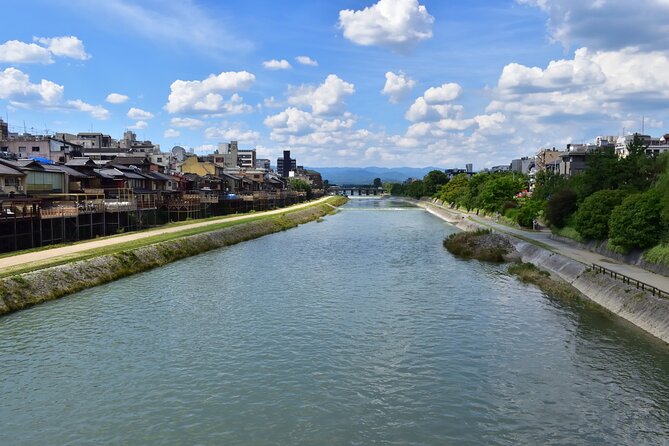
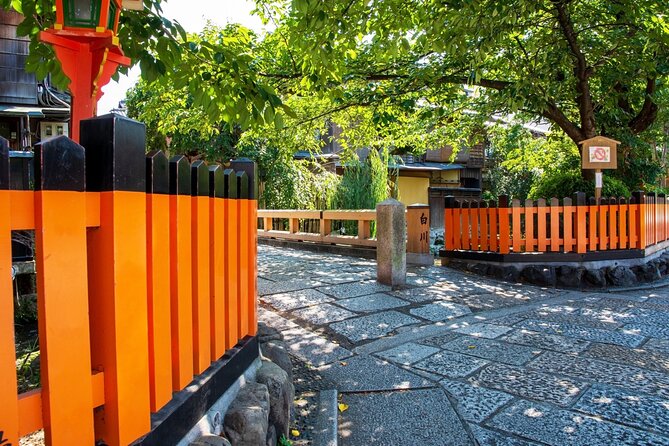
Your first stop is Tatsumi Bridge. From there, you’ll walk through Gion shibashi, described as one of the beautiful spots in Kyoto. This is one of those areas where the streets and river-adjacent scenery set the mood instantly—Kyoto looks theatrical here, in a good way.
This is also a good “camera warm-up” stretch. At about 15 minutes, you can settle into the pace, learn where people tend to cluster, and get your bearings before the day turns more temple-focused. If you’ve ever felt overwhelmed in Gion, starting with a short, scenic connector helps you avoid that panic-scroll feeling later.
One practical note: this early section sets you up for photo stops, but it’s still a public area with foot traffic. Keep moving when asked, and don’t assume you’ll have the street to yourself just because it’s scenic.
Chion-in’s Sammon gate and the temple grounds: scale you can feel
Next up is Chion-in, starting at the Sammon gate. This gate (the Chionin Sanmon) is one of the largest wooden gates in Japan and a clear symbol of the temple’s spiritual significance. When you walk through a massive gate like this, the day stops being a normal stroll and starts feeling like a deliberate cultural visit.
You’ll then spend time at Chion-in Temple itself. The stop timing is short—about 20 minutes for the temple grounds—but it’s enough to get oriented: where you enter, what the main structures represent, and how the space is laid out for worship and reflection.
What makes Chion-in especially useful on a first trip is its contrast. Gion shibashi is famous for atmosphere; Chion-in brings scale and stillness. Together, they show you how Kyoto holds both spectacle and quiet purpose within a few streets of each other.
Other Kyoto tours and experiences to compare

Maruyama Park and Nene-no-Michi: when the pace softens
After Chion-in, the route shifts to a more relaxed outdoor stop at Maruyama Park. It’s described as one of Kyoto’s oldest parks, giving you a breather from temple walls and long lines. Even if you don’t linger long, the park break helps your legs and gives your eyes a rest from stone and wood.
Then you’ll walk along Nene-no-Michi, the Path of Nene. It’s a historic stone-paved path named after Nene, the wife of Toyotomi Hideyoshi. The value here is subtle but real: it turns the day into a story of people and places, not just religious sites and postcard streets.
One thing to keep in mind is footing. Stone-paved paths and older walkways can be uneven, and some stretches can feel slippery when wet. If you’re wearing fashion shoes, this is where your confidence tends to collapse. Walking shoes really do matter on this route.
Hōkan-ji (Yasaka Pagoda) to the slope streets: faith plus old-town charm
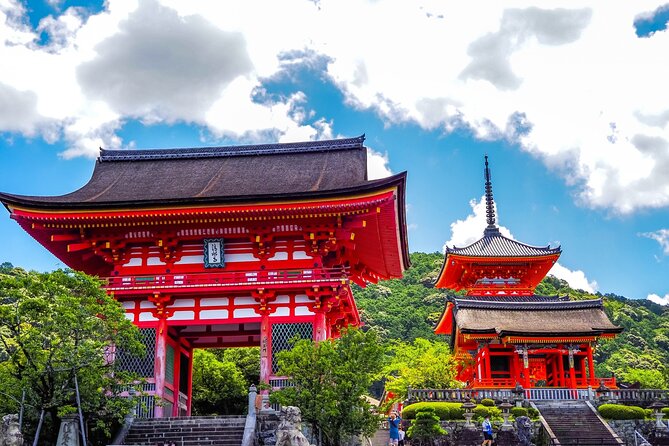
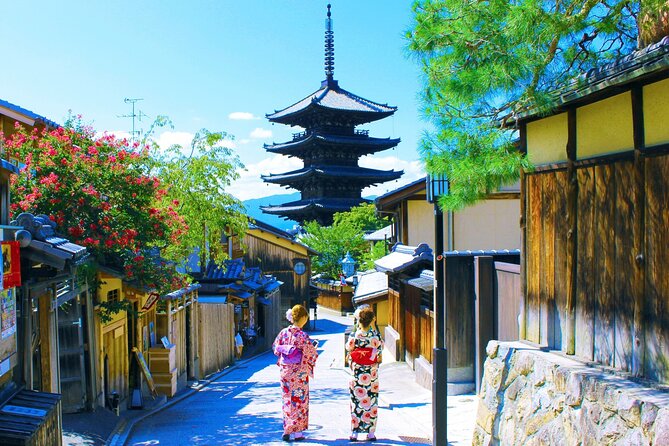
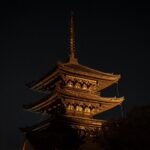
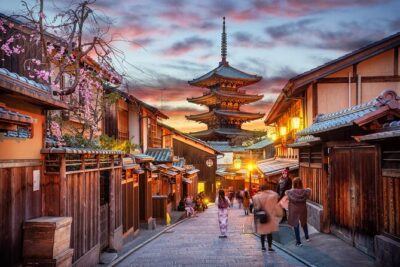
The next anchor stop is Hōkan-ji, also known as Yasaka Pagoda. You’ll see its five-story pagoda, a major landmark in Higashiyama. This is the kind of scene where you’ll understand why Kyoto’s temples dominate people’s memories. Even with a short stop time (about 10 minutes), it’s the visual payoff that makes the walking feel worth it.
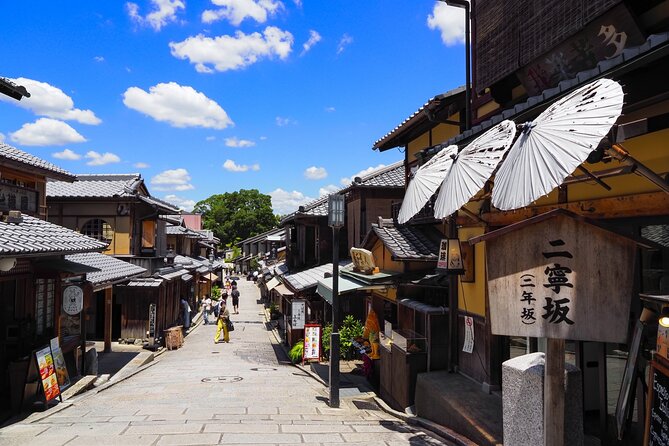
After that, the tour moves into the old-street texture: Ninen-zaka (Two-Year Slope) and Sannen-zaka (Three-Year Slope). These are preserved cobblestone pedestrian paths with traditional architecture, and they’re lined with tea houses and souvenir-style shops. The short stop times (about 5 minutes for Ninen-zaka and 10 minutes for Sannen-zaka) are enough to absorb the look and snag a few photos from angles that work.
Here’s the practical angle: these slopes are fun, but they’re also where people slow down in the middle of the walkway. Your best move is to pause near the edge, look around, then step back into motion when the group moves on.
Kiyomizu-dera at the finish: where you decide how long to stay
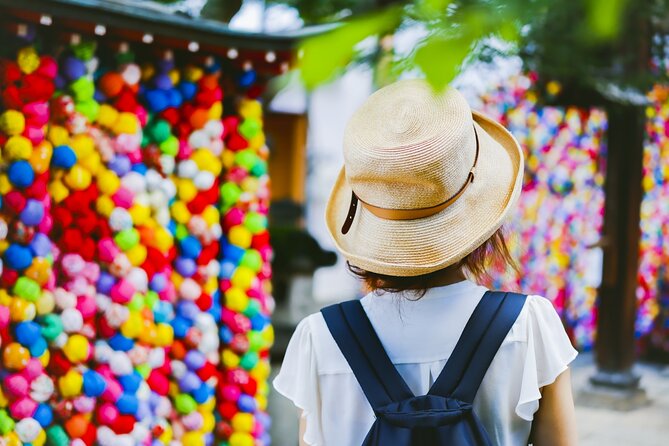
The walk ends at Kiyomizu-dera, a UNESCO World Heritage Site. It’s described as dating back to the 8th century and perched on a hillside overlooking Kyoto. The stop time is about 10 minutes, which means you’ll get highlights, but not a full visit.
The key detail: Kiyomizu-dera admission is not included. Since you finish at the entrance, you’ll be in the right place to decide immediately whether you want to buy a ticket and go deeper. If you plan to, treat this as your cue that the day’s walking portion is basically done, but the sightseeing choice is just beginning.
If you hate rushing, plan your next step carefully. This is the kind of temple complex where you might want more than ten minutes, and finishing here helps you avoid the common problem of ending too far from the biggest viewpoint.
The Meiji restoration story: why your guide’s context matters
One of the tour’s standout features is that your guide explains the Meiji restoration. The value isn’t just dates or facts. It’s the way that modern Japan reshaped institutions, beliefs, and public life, which helps you read Kyoto’s mix of old and new more clearly as you walk.
As you move from Gion to temple gates and slope streets, that historical connection gives your stops a common thread. You start seeing temple spaces not as isolated attractions, but as parts of a long-running story that includes periods of change.
What I’d watch for as you go: when your guide makes a connection, ask a question right then. This is a short tour, and your guide can only answer what you ask in the moment. A good question usually turns a quick stop into one you remember.
What to bring: shoes, water, and a simple snack plan
This tour is built for walking shoes. You’re out for about half a day, and the route includes stairs and older streets. If stairs are an issue for you, take that seriously and consider whether you might struggle on uneven sections and temple approaches.
Bring water. Eat before you go or pack a small snack, because lunch isn’t included and the day’s stops aren’t designed around meal breaks. If you’re trying to photograph and listen at the same time, having a quick snack prevents you from feeling “fine” for 90 minutes and then miserable at the end.
A phone with good battery also helps. With a mobile ticket and a fixed meeting point near Ben’s Cookies, you’ll use your phone for check-in and directions if you split off later near Kiyomizu-dera.
Small group pacing (max 12) and the guide difference
A max group size of 12 is a big deal in Kyoto. It’s not just comfort. It helps the guide keep the pace steady on narrow lanes and gives people enough chance to ask questions without waiting forever.
The tour is also led by an English-speaking guide. Past guides on this route have included Jay, Ben, Tommy, Michel, and Aiyumi/Ayumi, and their style has been described as engaging, with a sense of humor and practical recommendations for what to do next in Kyoto. Even if your guide’s personality differs, the format still gives you the core benefit: you leave with a framework for understanding what you saw, not just a set of names.
One more thing to keep in mind: the tour is about 3 hours, and the stop times are short. That means you should treat each stop like a quick guided highlight, not a self-paced museum visit.
Who should book this Kyoto Gion Historical Walking Tour
Book it if you want an efficient first orientation to Eastern Kyoto. It’s ideal for adults who like history explained in a walkable way and who don’t mind moving at a steady pace between sites like Chion-in, Yasaka Pagoda, and the slope streets.
It also suits travelers who want structure but still want flexibility after the tour ends at Kiyomizu-dera. You’ll be in a great spot to extend your visit based on your energy and interests.
You might skip this tour if you need a very low-stress walking day. There are stairs and older streets, and the experience is information-forward. If you’re traveling with someone who gets tired fast in temple environments, you may prefer a shorter route with fewer stops.
Should you book it?
I think this is a strong value for first-timers because it combines three things that usually cost you extra time: a logical route, an English guide, and context that helps you connect the sights. At $40 for roughly three hours, it’s the kind of trip that can save you from spending your next day backtracking.
Book it if you want Gion-to-Higashiyama in one half-day and you’re ready for walking shoes and quick stop moments. Just plan to handle your own food and any Kiyomizu-dera admission, and you’ll get a smooth, satisfying introduction to Kyoto.
FAQ
How long is the Kyoto Gion Historical Walking Tour?
It lasts about 3 hours.
What does the $40 price include?
The price includes the walking tour itself, with an English-speaking guide and a mobile ticket.
Is lunch included?
No. Lunch is not included.
Are temple or attraction admission fees included?
Admission fees are not included. Kiyomizu-dera admission is specifically marked as not included.
What places will we see during the tour?
You’ll visit Tatsumi Bridge, Chion-in (including the Sammon gate), Maruyama Park, Nene-no-Michi, Hōkan-ji (Yasaka Pagoda), Ninen-zaka, Sannen-zaka, and Kiyomizu-dera. You’ll also see the Statue of Izumo-no-Okuni as part of the route.
Where does the tour start and end?
It starts in front of Ben’s Cookies Kyoto Shijo (89 Shinchō, Shimogyo Ward) and ends at the entrance of Kiyomizu-dera (1-chōme-294 Kiyomizu, Higashiyama Ward).
How many people are in a group?
The maximum group size is 12 people.
Is the ticket digital?
Yes. You receive a mobile ticket, and you get confirmation at the time of booking.
What happens if the weather is bad?
The experience requires good weather. If it’s canceled due to poor weather, you’ll be offered a different date or a full refund.
More Tours in Kyoto

More Tour Reviews in Kyoto
Still in Gion? Keep Going


Just added: more Kyoto tours to browse





Gion & Geisha District Tours, compared.
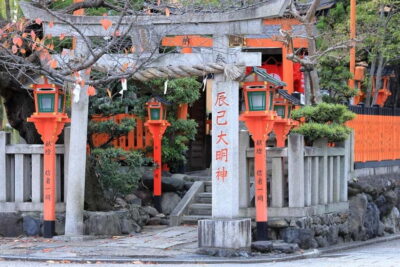 ★ 4.7Kyoto Geisha Walking Tour: Gion District & Hidden GemsFrom $253,273 reviews
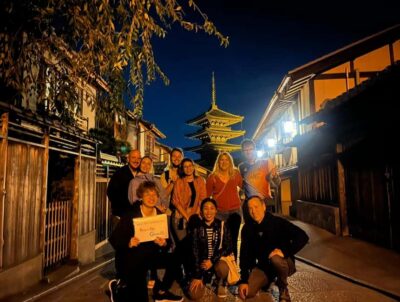 ★ 4.9Gion Magical Night Walking Tour with Geisha TriviaFrom $242,393 reviews
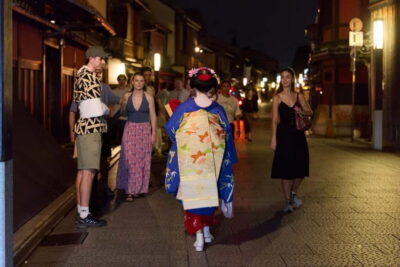 ★ 4.7Gion Geisha District Walking Tour – Stories of GeishaFrom $202,187 reviews
 ★ 4.9Best of Kyoto: Gion, Geisha, Pagodas & CobblestonesFrom $242,058 reviews
 ★ 4.5Night Walk in Gion: Kyoto’s Geisha DistrictFrom $212,003 reviews
 ★ 5.0Kyoto Night Foodie Tour in Gion (9+ dishes + 6 Sake tastings)From $1631,762 reviews
 ★ 5.0Kyoto Gion Geisha District Walking Tour – The Stories of GeishaFrom $251,441 reviews
 ★ 5.0Kyoto Gion: 2-Hour Geisha Culture & History Walking TourFrom $231,186 reviews
Browse the lists this tour appears in