
Reviewed · GION & GEISHA DISTRICT TOURS
Kyoto: Gion Local Food Tour (Taste 15 dishes)
Gion at night is a feast for your senses. This Kyoto: Gion Local Food Tour strings together 15 classic dishes across three neighborhood restaurants, with your guide adding cultural context on what you’re eating and how to enjoy it in the moment. I love that the food choices are practical classics like yakitori and tonkatsu, so you’re not stuck guessing what to order.
I also like the way the walk connects the meals to the streets of Gion, so the experience feels like culture, not just a food stop-and-sprint. One thing to consider: you’ll be eating a lot (15 dishes plus 2 drinks), so if you’re picky with textures or easily full, go in hungry or pace yourself.
In This Review
- Key points you’ll actually care about
- Why a Gion evening food walk beats eating randomly
- Value check: 15 dishes and 2 drinks for $66 in Kyoto
- How the 3-stop tasting walk actually runs (and why it matters)
- Stop 1: Izakaya-style yakitori to start strong
- Stop 2: Tonkatsu where crunch is the main event
- Stop 3: Sushi and tempura with Kyoto-style seasonal feel
- Gion culture, etiquette, and the shrine stop that ties it together
- Who this tour is perfect for (and who should rethink it)
- Practical value tips before you go
- Should you book this Kyoto Gion Local Food Tour?
- FAQ
- How many dishes do you taste on the tour?
- What does the tour include?
- Which food types are part of the tasting?
- How long is the tour?
- Where does the tour start and end?
- Is the tour offered in English?
- Do you stop anywhere besides restaurants?
- Is gratuity included?
- What’s the payment and cancellation setup?
Key points you’ll actually care about

- 15 dishes across 3 restaurants, so you get variety without spending your night hopping around alone
- Includes 2 drinks, which helps the whole tasting feel like a proper evening outing
- Guide-led Gion walk, with etiquette and food-culture stories tied to what you’re eating
- Iconic Kyoto bites like yakitori, tonkatsu, sushi, and tempura are part of the lineup
- Evening in historic Gion, plus a shrine stop along the route (as part of the walk)
Why a Gion evening food walk beats eating randomly
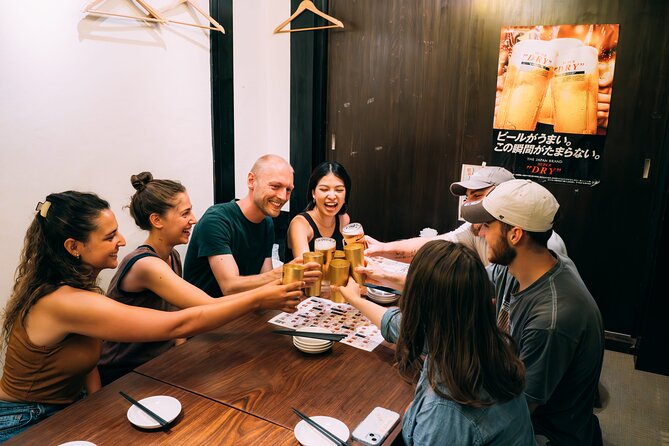
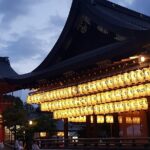
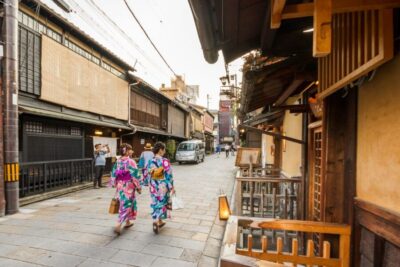
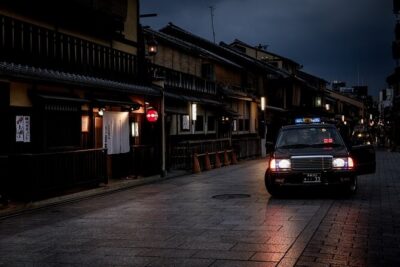
Kyoto has food, then it has Kyoto food with context. In Gion, that context comes from the setting itself: narrow lanes, lantern light, and a neighborhood that people have long associated with performance arts and social etiquette. When you pair that atmosphere with a guided tasting, the meals feel more intentional.
This tour is built for an easy rhythm: eat, walk, learn, repeat. You’re not trying to map restaurants, translate menus, or figure out ordering etiquette under pressure. Instead, your guide handles the restaurant flow and you focus on doing the important part: tasting and enjoying.
I also like that the experience doesn’t treat food as a checklist. The guide shares what matters about Kyoto’s culinary habits—how people eat, how certain foods fit local seasons and preferences, and how to behave in and around these spaces. You’ll get the feeling that Gion food culture is about more than flavor; it’s about respect and timing too.
More evenings along the lantern-lit lanes of Gion


Value check: 15 dishes and 2 drinks for $66 in Kyoto
$66 sounds modest until you remember what’s inside the price. You’re paying for 15 local dishes, 2 drinks, and a local guide who brings you to multiple places without you doing the scheduling work.
On pure food quantity, the math is strong. Fifteen dishes means you’re sampling more than a typical “one dinner” outing. And since drinks are included, it’s not just bread-and-butter tasting with water on the side.
You also gain something you can’t price easily: the guide’s guidance on what you’re looking at. Guides named Jay and Yo came up in reviews for being informative and thoughtful, with stories that make the evening more than just a series of plates. That’s part of the value, because it helps you connect what you’re tasting to Kyoto’s food culture and local etiquette.
One more practical point: this is a walking format, so you’re getting an evening stroll through a famous district at the same time. If you’d otherwise spend your night eating one meal and then wandering, this gives you more structure for the same “time off the map” feeling.
How the 3-stop tasting walk actually runs (and why it matters)
The tour starts in front of DOUTOR and ends back at the same meeting point. That matters more than it sounds, because you avoid the stress of figuring out a final pickup or changing your plans late in the day.
It’s an evening experience, and one review mentioned it feeling like about three hours—the pacing is set up so the time passes quickly. You’ll move between three carefully selected local restaurants, with your guide guiding you in and out and taking care of the flow so you’re not standing around waiting.
The tour is English-language guided. That’s important here because food etiquette and cultural context are part of the point, not an optional bonus. Even if you’re comfortable ordering, you’ll get more from the explanations around how to eat and what to notice.
Also: the tour explicitly includes 2 drinks. That’s useful if you’re trying to experience Kyoto flavors without turning the night into a separate budget exercise for beverages.
Stop 1: Izakaya-style yakitori to start strong

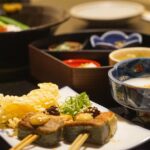
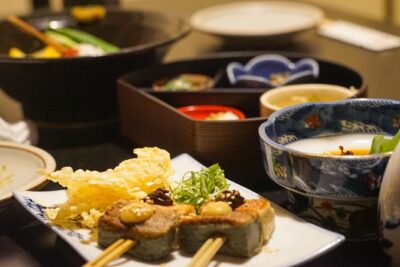
The night’s first meal is grilled yakitori at a casual local izakaya in Gion. This is a smart opening because yakitori is easy to understand quickly: smoky, savory skewers with a grilled aroma that wakes up your appetite fast.
You’ll likely notice a few things that make yakitori feel like more than bar food. First is the grill flavor—this isn’t just “hot and salty.” Second is the way skewers are shared and eaten as a sequence, which fits the walking-tour rhythm. It’s the kind of dish that keeps you comfortable while the rest of the evening ramps up.
Practical tip: go slow at the start. People often get overly excited at the first stop and then find later dishes harder to enjoy. With 15 dishes ahead of you, your goal is not just to eat—it’s to taste what changes from dish to dish.
This first restaurant stop also sets the tone for how the tour works. Your guide leads the group in, helps with the flow of ordering/tasting, and you focus on the food. That’s one reason this format feels low-stress.
Stop 2: Tonkatsu where crunch is the main event
Next comes tonkatsu, a deep-fried pork cutlet known for its crunch and juiciness. If yakitori is about smoky grill flavor, tonkatsu is about texture. The payoff is in the contrast: crispy outside, tender inside, and the sauces that bring it all together.
A tour like this is useful because tonkatsu is one of those foods that can vary a lot by shop. Some places lean richer, some lighter, and the cutlet thickness can change the whole experience. With a guide bringing you to a spot specializing in this, you avoid the guesswork.
How to enjoy it: take a breath, then commit to the bite. With tonkatsu, trying to speed through kills the texture payoff. I’d treat it like the centerpiece moment of the walk rather than a quick intermission.
This stop is also where the tour’s cultural commentary tends to land well. Kyoto etiquette around meals is often about making the experience comfortable for others—when you start, how you handle shared table moments, and how you pay attention rather than treating it like a solo performance. Even if you’re not doing anything complicated, small cues help you fit in.
Still hungry? More tastes of Kyoto

Stop 3: Sushi and tempura with Kyoto-style seasonal feel
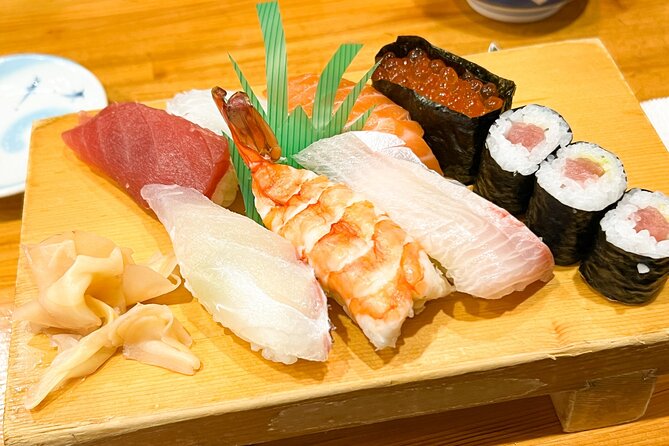
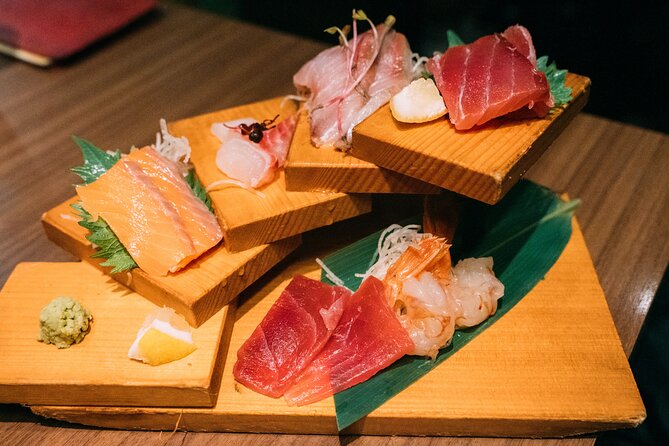
The final restaurant stop mixes sushi and tempura, giving you both clean, vinegared bites and lighter, crisp-fried pieces. This combination is great at the end because it shifts your palate. Instead of the heavier feeling some “fried + fried” evenings can create, tempura brings a lighter crunch, and sushi gives you something fresh and precise.
The tour description mentions seasonal ingredients, and that’s the value of having a guided meal rather than eating randomly. Seasonal changes are what make Japanese food feel alive throughout the year. Here, you’re tasting the menu choices that match the season rather than ordering the same safe items every time.
Practical advice for sushi and tempura: slow down and notice temperature. Sushi is typically served at a different temperature feel than tempura, and that contrast can be part of the enjoyment. If you’re carrying fatigue at this point, focus on one bite at a time. The goal is quality attention, not mechanical sampling.
Also, this final stop benefits from the evening momentum. By now you’ve walked Gion streets, learned a bit about local food culture, and had earlier dishes that prepare your palate. You’ll feel the difference between dishes more clearly.
Gion culture, etiquette, and the shrine stop that ties it together
Food tours can become plate-only affairs. This one tries to connect the bites to the neighborhood. As you explore Gion, your guide shares what Kyoto’s food culture looks like from the inside—how etiquette works, why certain foods matter, and how culinary traditions connect to daily life.
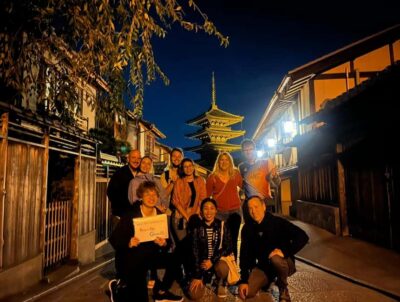
Reviews highlight that the guides—like Jay and Yo—were open to conversation and made the evening feel friendly. That matters because food culture isn’t just facts; it’s also tone. When you ask questions and get real answers, you leave with better understanding instead of just full stomachs.
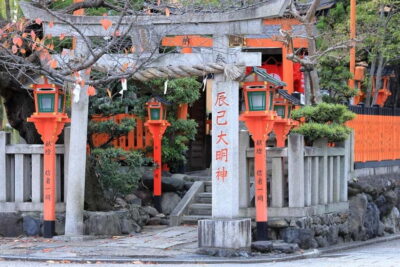
You’ll also experience a shrine stop during the walk. That’s not a random detour; it fits the idea that Gion isn’t only about dining. It’s a place with everyday cultural landmarks, and seeing one in the route helps the evening feel grounded beyond restaurant walls.
What I like about this approach: it teaches you how to travel with awareness. You’re not just eating in a famous district—you’re learning how locals think about food and behavior in that space. That’s the kind of knowledge you can reuse the next time you’re in Japan, even if the menu is different.
Who this tour is perfect for (and who should rethink it)
This tour is a strong match if you:
- want 15 dishes without doing the research or restaurant navigation yourself
- enjoy classic Japanese foods like yakitori, tonkatsu, sushi, and tempura
- like cultural notes tied to real places you’re walking through
- want an English-language guide to smooth over etiquette and interpretation
It’s especially good for first-time Kyoto visitors who feel overwhelmed by the number of restaurant choices. Having a plan removes stress, and you still get variety.
You might rethink it if:
- you hate fried foods or have trouble with large meal volumes
- you prefer slow sit-down dining with long courses rather than a paced tasting flow
- you want a quiet, low-interaction evening (this tour is guided and discussion-friendly)
Practical value tips before you go
Here’s how to get the best experience from a tasting-heavy evening.
1) Eat something light beforehand. Not a full breakfast, not a huge lunch—just enough that you don’t arrive shaky.
2) Go neutral on preferences, but not on allergies. The tour includes multiple meat-and-fried items in the described dishes, but your comfort depends on your own diet needs.
3) Treat Gion like a walking museum at dinner time. You’ll see the historic streets while tasting, so wear shoes you can enjoy for an evening stroll.
4) Ask your guide one good question. Guides like Jay and Yo are described as thoughtful and conversation-friendly—use that.
These are small moves, but they shape your night. With a tour like this, you’re not trying to squeeze in food. You’re trying to enjoy the flow.
Should you book this Kyoto Gion Local Food Tour?
If your goal is an evening that combines iconic Gion atmosphere with a structured tasting of 15 classic Kyoto-style dishes, this is an easy yes. The price makes sense because you’re not just buying food—you’re buying a guide-led plan that handles the restaurant hops, includes 2 drinks, and adds cultural context.
Book it if you want a confident first night in Kyoto: you’ll eat well, walk through a famous district, and leave with a clearer sense of Kyoto’s food habits and etiquette. Pass if you’re likely to be uncomfortable with a lot of tasting or you’d rather do DIY dining at your own pace.
If you’re torn between “one dinner out” and “an evening with structure,” this tour leans firmly toward the second option—and that’s usually the one that creates the best memories.
FAQ
How many dishes do you taste on the tour?
You taste 15 local dishes across three restaurants.
What does the tour include?
It includes 15 local dishes, 2 drinks, and a local guide.
Which food types are part of the tasting?
The tour includes iconic foods such as yakitori, tonkatsu, sushi, and tempura.
How long is the tour?
One review described the experience as about three hours.
Where does the tour start and end?
The tour starts in front of DOUTOR and ends back at the meeting point.
Is the tour offered in English?
Yes, the tour language is English.
Do you stop anywhere besides restaurants?
The route includes exploring Gion and also a shrine stop as part of the walk.
Is gratuity included?
No, gratuity is not included.
What’s the payment and cancellation setup?
You can reserve and pay later. You can cancel up to 24 hours in advance for a full refund.
More Tour Reviews in Kyoto



More Kyoto Food Tours
Still in Gion? Keep Going

Just added: more Kyoto tours to browse








Gion & Geisha District Tours, compared.
 ★ 4.7Kyoto Geisha Walking Tour: Gion District & Hidden GemsFrom $253,273 reviews
 ★ 4.9Gion Magical Night Walking Tour with Geisha TriviaFrom $242,393 reviews
 ★ 4.7Gion Geisha District Walking Tour – Stories of GeishaFrom $202,187 reviews
 ★ 4.9Best of Kyoto: Gion, Geisha, Pagodas & CobblestonesFrom $242,058 reviews
 ★ 4.5Night Walk in Gion: Kyoto’s Geisha DistrictFrom $212,003 reviews
 ★ 5.0Kyoto Night Foodie Tour in Gion (9+ dishes + 6 Sake tastings)From $1631,762 reviews
 ★ 5.0Kyoto Gion Geisha District Walking Tour – The Stories of GeishaFrom $251,441 reviews
 ★ 5.0Kyoto Gion: 2-Hour Geisha Culture & History Walking TourFrom $231,186 reviews
Browse the lists this tour appears in