
Reviewed · KYOTO BIKE & E-BIKE TOURS
Hidden Kyoto E-Biking tour
Kyoto gets a lot of attention, but this tour keeps things calmer on two wheels. You roll past major sights like Kinkakuji and Kitano Tenmangu, then shift into quieter side streets and Zen-garden moments that feel much more local than standard sightseeing.
What I like most is the mix: world-famous temples paired with slower, more intimate places you would never hunt down solo. One thing to consider: this is weather-dependent, and you must be on time for departure to join the ride—miss it, and there’s no refund.
In This Review
- Key points to know before you ride
- Why an e-bike is the smart move for Kyoto hills
- NORU Kyoto Bike Tours: timing, place, and how the day runs
- The route in plain numbers: 7–8 km of highlights and quiet side streets
- Stop-by-stop: from Kinkakuji to Daitoku-ji and Kitano Tenmangu
- Stop 1: Kinkakuji Temple
- Stop 2: Daitoku-ji Temple Complex
- Stop 3: Kitano Tenmangu Shrine
- Stop 4: Koto-in
- Stop 5: Zuihoin
- How the tea stop fits the Kyoto feel
- The guide factor: how storytelling changes what you notice
- Practical comfort: what to wear and how to handle the ride
- Price and value: what you get for $116
- Who should book this Hidden Kyoto e-biking tour
- Should you book this tour?
- FAQ
- How long is the Hidden Kyoto e-biking tour?
- How much does the tour cost?
- What’s included in the tour price?
- What is the minimum age to join?
- Where does the tour start and end?
- Are there different departure times?
- Is food included?
Key points to know before you ride
- E-powered, foldable rental bike + helmet keeps the route fun even with Kyoto hills.
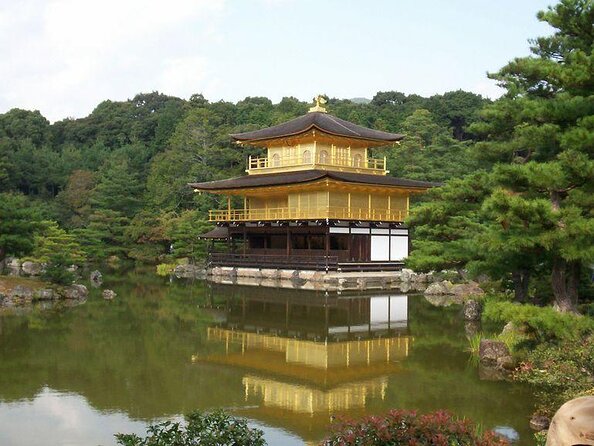
- UNESCO-listed Kinkakuji plus major shrine and temple stops like Daitoku-ji and Kitano Tenmangu.
- Small group size (max 8) means you’re not swallowed by a crowd.
- Quiet back streets and Zen gardens are the real reason this tour feels different.
- An English-speaking route coordinator adds context without turning it into a lecture.
Why an e-bike is the smart move for Kyoto hills
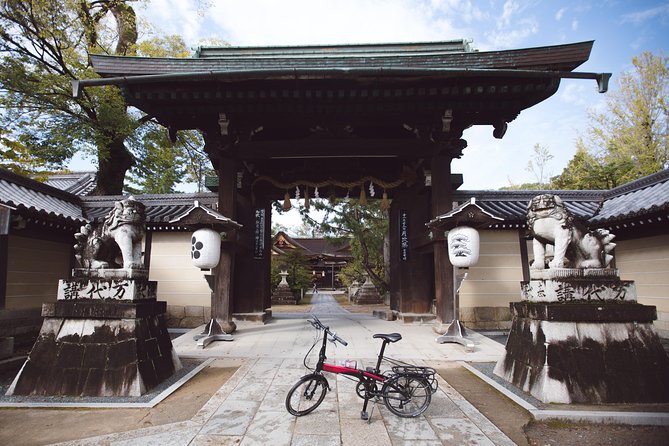
Kyoto’s famous sights are spread out, and many of the nicest temple neighborhoods sit on slopes. On a regular bike (or on foot), you end up either slowing down too much or getting tired fast—especially in summer humidity. This tour solves that with an e-powered rental bike that takes the sting out of steep climbs. You still pedal, but you don’t feel like you’re racing uphill just to stay upright and keep up.
The ride is built to feel easy and safe. It’s the kind of route where you can look around without constantly white-knuckling the handlebars. And because the bike is foldable, it also suggests a practical, shop-based operation rather than a complicated logistics circus.
One more practical bonus: e-bikes make it realistic to enjoy both the big temples and the smaller, tucked-away spaces. If you only walk, you often skip the quieter ones because you run out of energy. Here, the energy goes toward seeing more.
More of Kyoto at handlebar pace
NORU Kyoto Bike Tours: timing, place, and how the day runs
You start at NORU Kyoto Bike Tours at 429-22 Takigahanachō, Kamigyo Ward. It’s described as near public transportation, which matters because Kyoto is not the easiest city to “wander over” on a bike before a tour begins.
Departure times split the day into a few clean options: 8:30, 9:00, 12:30, and 1:00. The tour runs about 3 hours 45 minutes. That timing is a sweet spot. It’s long enough to cover multiple major sites and still get those quieter side-street moments. It’s short enough that you don’t blow half your day planning and traveling between attractions.
The rule that you should take seriously is simple: arrive 15 minutes early. If you’re late and miss the departure, you won’t be refunded. I treat that as a travel lesson in itself—set yourself up for success. If you’re coming by train/bus, build in a buffer. Kyoto always has a way of adding one extra stair, one extra crosswalk, or one extra detour.
Finally, group size is capped at 8 travelers. That tends to create a smoother ride—less stopping, more listening, and more chances for the coordinator to notice if someone needs help.
The route in plain numbers: 7–8 km of highlights and quiet side streets
The ride is described around 4.3 miles (7 km), with the full experience noted as about 4.9 miles (8 km). Either way, you’re looking at a half-day cycling route that keeps things manageable.
What makes that distance feel pleasant is the style of the itinerary: a laid-back pace, stops that matter, and sections through side streets rather than nonstop traffic. You’re not doing a training ride. You’re doing a city-sightseeing ride—temple entrances, back alleys, and garden pauses included.
The other key detail is the “tourist-escape” focus. You start by visiting iconic sites, then you gradually shift into calmer neighborhoods and lesser-known corners. That pacing helps. Early on, you get the big-name anchors like Kinkakuji. Later, you earn the quiet. It’s the difference between checking off temples and actually feeling Kyoto’s rhythm.
Stop-by-stop: from Kinkakuji to Daitoku-ji and Kitano Tenmangu
Stop 1: Kinkakuji Temple
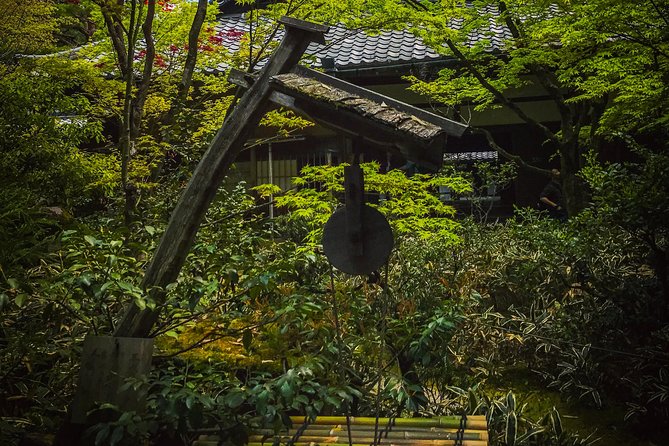
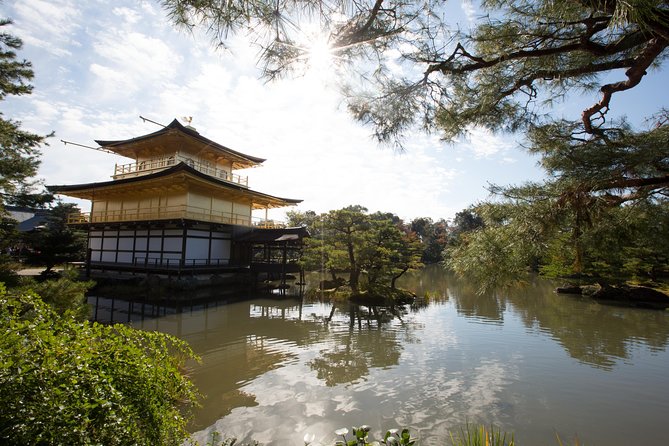
This is the headliner for a reason. Kinkakuji is listed as a UNESCO World Heritage site, and it’s one of Kyoto’s most recognizable temple scenes. What the bike format does is get you there without turning your morning into a slow shuffle through crowds from the moment you arrive.
You’ll have time to experience the temple atmosphere rather than just passing it on a bus window. Still, expect a busy vibe around the main attraction at popular times. The advantage is that the tour doesn’t stop there—it uses Kinkakuji as your starting anchor, then moves you into areas that feel quieter.
Other Kyoto tours and experiences to compare
Stop 2: Daitoku-ji Temple Complex
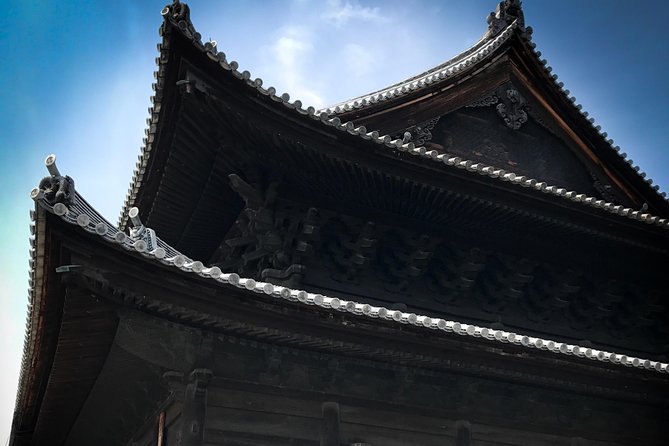
From the big icon, the tour leans into the quieter, contemplative side. Daitoku-ji is presented as one of the key religious stops on the route. It’s also tied to the experience theme: intimate Zen spaces and thoughtful atmosphere.
This part of the tour is where the storytelling matters most. When you understand what you’re looking at—layout, ritual context, and the difference between shrine and temple traditions—it’s easier to appreciate why these places feel so still. If you like learning as you walk, this stop tends to deliver.
Stop 3: Kitano Tenmangu Shrine
Next comes Kitano Tenmangu, another major Kyoto stop, and an important shrine in the city’s religious landscape. The tour’s structure helps here too: you reach it as part of a sequence, not as an isolated checklist item. That makes the day feel connected—one sacred site leads into the next, then the route starts threading toward calmer streets.
Stop 4: Koto-in
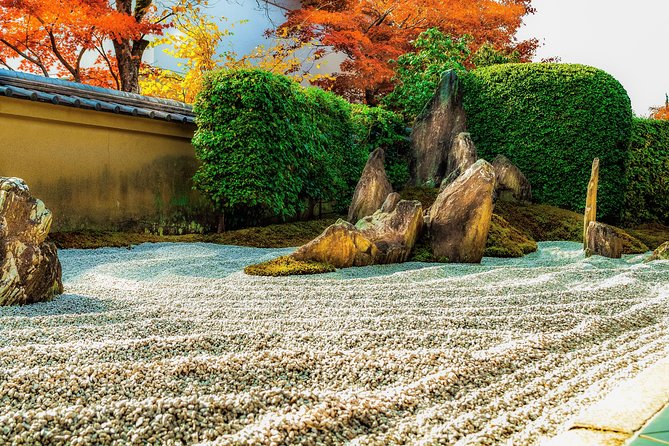
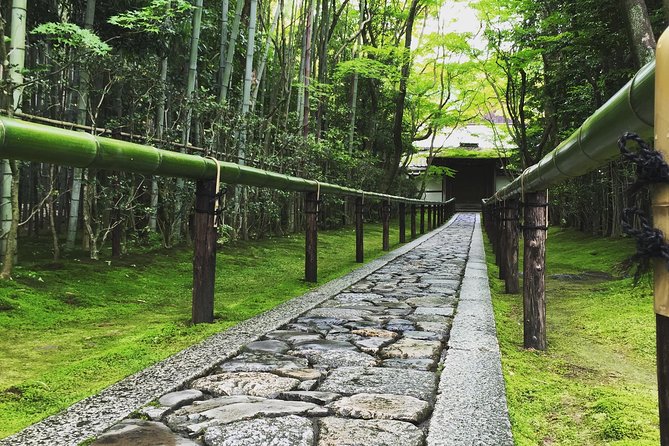
Koto-in is one of the stops that shifts the day from major attractions into more tucked-away spaces. It’s described as part of the route where you encounter quiet Zen gardens and intimate surroundings.
The practical value here: places like Koto-in are hard to find on your own without doing serious map work. On a bike tour with a coordinator, you get the benefit of navigation plus interpretive context.
Stop 5: Zuihoin
Zuihoin rounds out the temple-and-garden side of the ride. Like Koto-in, it fits the theme of slowing down for quieter spaces rather than rushing through only the most famous front gates.
If you’re traveling in a group and want at least one moment where Kyoto feels like Kyoto—less photography-mode, more pause—this is where that happens.
How the tea stop fits the Kyoto feel
Several parts of the experience point to small breaks that make the tour feel human, not mechanical. The tour includes water, and the stops often come with time to rest, look around, and absorb the atmosphere.
In particular, you should expect some kind of tea stop. In past experiences tied to this tour style, the tea break comes with a story, and it’s described as charming. You may also find small sweets paired with the pause. Even if you’re not a big tea drinker, this kind of break is useful: it gives your legs and brain a reset so you enjoy the ride segments afterward.
The guide factor: how storytelling changes what you notice
A good Kyoto guide doesn’t just recite dates. They help you see patterns. That’s a big reason people keep rating this tour so highly.
You’ll hear different English-speaking coordinators named across experiences, including Yuta, Michael, Henry, Sean, and Shizuka. What stands out is the style of explaining: Shinto vs. Buddhism distinctions, Zen themes, and practical etiquette for visiting sacred spaces. Some guides also bring in context for geisha and historical Kyoto culture, which can make the city feel less like a set of monuments and more like a living story.
There’s also a real “ride pacing” element. Because you’re moving between stops, you get a better balance of walking time and in-between riding time. It’s not just one long talk followed by sprinting between temples. It’s more like: ride, learn, pause, look, repeat.
One small caution from the format: on a short day, you’ll want to enjoy both the history and the sites. If your personal style is pure sightseeing with minimal narration, this kind of tour can feel slightly talk-heavy at times. Most people find the stories add meaning. Just know what you’re signing up for.
Practical comfort: what to wear and how to handle the ride
This tour is aimed at anyone age 13+ and described as easy to enjoy with minimal effort. That said, you still need to be comfortable riding a bike in traffic-free-ish conditions, stopping at entrances, and remounting quickly.
A few practical tips keep the experience smooth:
- Bring something weather-ready. The tour is described as requiring good weather, so rain can matter. In wet conditions, I’d plan like a local: rain shell, and consider weatherproof gloves if you run cold or your hands get tired.
- Expect a learning moment on the bike at the start. People mention the coordinator teaching you how to handle the e-bike properly, which is a huge comfort factor if you don’t bike often.
- Wear shoes you can move in. Temple strolls and garden paths are not all flat, and you’ll appreciate being able to walk normally when it’s time to explore inside.
Also, don’t over-plan the rest of your day right after. You’ll likely be a little tired in a good way. Kyoto is walking-heavy even when you’re cycling, and you’ll want a calm buffer afterward.
Price and value: what you get for $116
At $116 per person, the headline price can look high until you break down what’s included. You’re not paying just for access to a temple. You’re paying for a full guided experience that combines:
- an English-speaking route coordinator
- a rental bike
- a rental helmet
- water
- a small-group route focused on both famous and lesser-seen sites
You can absolutely visit Kinkakuji and other major stops on your own, but you’ll still need to solve transportation, navigation, and timing. This tour bundles that work for you and saves you the mental energy of building your own “quiet Kyoto” route.
Is it the cheapest way to see temples? No. But it’s also not priced like an all-day private car charter. For many visitors, it hits the sweet spot: a concentrated half-day that adds context and gets you off the most obvious paths.
Who should book this Hidden Kyoto e-biking tour
This tour fits best if you want one of these outcomes:
- First-timers who want to see major temples and still feel like they got more than the obvious highlights.
- Returning visitors who already did the top list once and now want quieter streets and garden-like moments.
- People who like bikes but hate exhausting climbs. The e-bike makes hills realistic.
- Families with teens (minimum age 13) who can follow instructions and handle short cycling segments with stops.
It’s also a good choice if you’re the type who likes structure. You’ll get a clear route with multiple stops and a coordinator to explain what you’re seeing, without feeling herded constantly.
Should you book this tour?
Book it if you want a half-day in Kyoto that feels more like a local route than a checklist. The combination of Kinkakuji, Daitoku-ji, Kitano Tenmangu, and then the calmer Koto-in and Zuihoin stop gives you variety that’s hard to assemble on your own. Add the e-bike ease and the small group size, and it’s a very strong value for active sightseeing.
Skip it or rethink if your top priority is total silence and minimal talking, or if your trip dates are tight and you can’t handle weather risk. Also, treat the early arrival rule seriously. With tours like this, punctuality is part of the deal.
Overall, this is the kind of Kyoto experience that helps you see both the famous faces and the quieter ways of moving through the city.
FAQ
How long is the Hidden Kyoto e-biking tour?
It lasts about 3 hours 45 minutes.
How much does the tour cost?
The price is $116 per person.
What’s included in the tour price?
You get an English-speaking route coordinator, a rental bike, a rental helmet, and water.
What is the minimum age to join?
The minimum age is 13.
Where does the tour start and end?
It starts at NORU Kyoto Bike Tours (429-22 Takigahanachō, Kamigyo Ward, Kyoto) and ends back at the meeting point.
Are there different departure times?
Yes. The tour departs at 8:30, 9:00, 12:30, and 1:00.
Is food included?
Food and drinks are not included unless specified.
More Tours in Kyoto


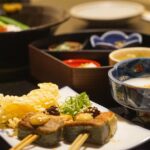
More Tour Reviews in Kyoto
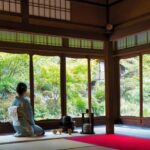

More of Kyoto by Bike
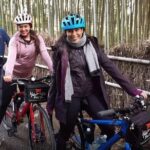
Just added: more Kyoto tours to browse








Kyoto Bike & E-Bike Tours, compared.
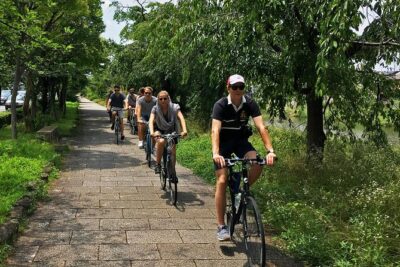 ★ 5.0Bike Tour Exploring North Kyoto plus LunchFrom $1061,087 reviews
 ★ 5.0Arashiyama Bamboo Forest & Hidden Gems Bike Tour (Early Bird)From $106613 reviews
 ★ 5.05 Top Highlights of Kyoto Full Day Bike Tour (E-bike option)From $172511 reviews
 ★ 5.0Full Day Biking Tour Exploring the Best of KyotoFrom $119498 reviews
 ★ 4.8Memory Kyoto E-Bike TourFrom $91297 reviews
 ★ 5.0E-Bike Tours of the highlights of Kyoto!!!From $109291 reviews
 ★ 5.0Afternoon Kyoto Bike Tour: Bamboo Forest, Monkeys & Hidden SpotsFrom $106283 reviews
 ★ 5.0South Kyoto in a Nutshell: Gentle Backstreet Bike Tour!From $79225 reviews
Browse the lists this tour appears in