
Reviewed · KYOTO TEA CEREMONIES
Uji: UNESCO Heritage & Tea Ceremony Walking Tour
Uji feels like Japan with the volume turned down, and that’s the point. In just 3 hours, you’ll move from train-station basics to a UNESCO World Heritage temple, then slow things down with a tea ceremony at Taihoan. It’s a smart mix of history, views, and hands-on tea culture that doesn’t drag.
I especially like the way this tour keeps you moving without rushing—Byodo-in gives you real time to see the architecture and atmosphere. I also really enjoy the tea ceremony portion, because you learn the steps and etiquette, not just watch someone do them. One thing to consider: the walk is still walking, and it isn’t set up for people with mobility impairments or those with heart/respiratory issues.
In This Review
- Key highlights you’ll feel right away
- Uji in 3 hours: why this walking tour works
- From JR Uji Station to Byodo-in: a UNESCO hit without the maze
- Tea ceremony at Taihoan: what you’re actually learning
- Tachibara and Asagiri suspension bridges for views that reset your brain
- Uji Shrine and Ujigami Shrine: balancing Buddhism with Shinto
- Snacks and matcha tasting: how to spend your time well at the end
- Pace, group size, and what to bring (so you don’t feel rushed)
- Price and value: why $66 can make sense in Uji
- Who this tour suits best (and who should skip it)
- Should you book the Uji UNESCO & Tea Ceremony Walking Tour?
- FAQ
- Where is the meeting point?
- How long is the tour?
- How much does it cost?
- How large is the group?
- What’s included in the price?
- What’s not included?
- Can I take photos or video during the tea ceremony?
- Is the tea ceremony in English?
- What should I bring?
- Are there any accessibility or health limitations?
Key highlights you’ll feel right away
- Small group (up to 9): easier questions, less crowd stress, better pacing.
- Byodo-in Temple visit: guided viewing of a UNESCO site that many people come to Uji for.
- Taihoan tea ceremony: a calm, step-by-step introduction to Japanese tea (Japanese only, guide translates).
- Tachibara and Asagiri suspension bridges: quick scenic stretches with strong photo potential.
- Uji Shrine and Ujigami Shrine: Shinto atmosphere that balances the temple side of the day.
- Matcha and local snacks: time set aside to taste Uji’s tea culture with food in hand.
Uji in 3 hours: why this walking tour works
Uji is famous for green tea, but that’s only half the story. What makes Uji interesting is how the tea world connects to temples, shrines, and everyday local life. This tour is built around that idea: you get the big cultural sites, then you finish with the tastes that made the town important in the first place.
The timing is also practical. You’re not spending a whole day shuffling between far-off spots, and you’re not stuck in one place either. Instead, it’s a chain of short guided segments and short walks—easy to follow, and you’ll still have energy at the end when you reach Uji Bridge.
The group size matters more than you might think. With a max of 9 participants, you’re more likely to get answers to your questions (temple etiquette, tea tools, local customs) without waiting for a crowded megaphone-style lecture.
Sit for another bowl of matcha in a Uji tea house
From JR Uji Station to Byodo-in: a UNESCO hit without the maze
You start at JR Uji Station (South Exit), where the guide is easy to spot in a TripGuru shirt or holding a sign. That small detail helps if you’re arriving from Kyoto or Osaka and you don’t want to waste your first 20 minutes figuring out which street “looks right.”
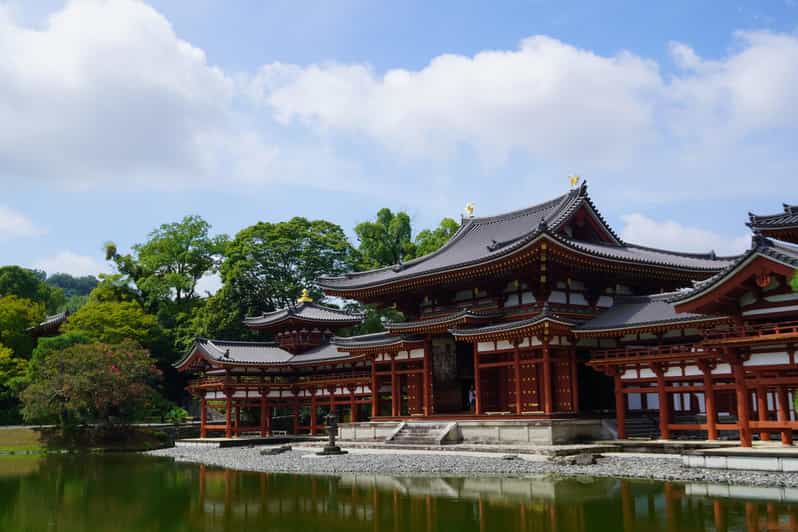
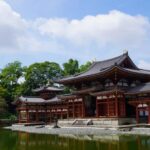
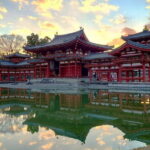
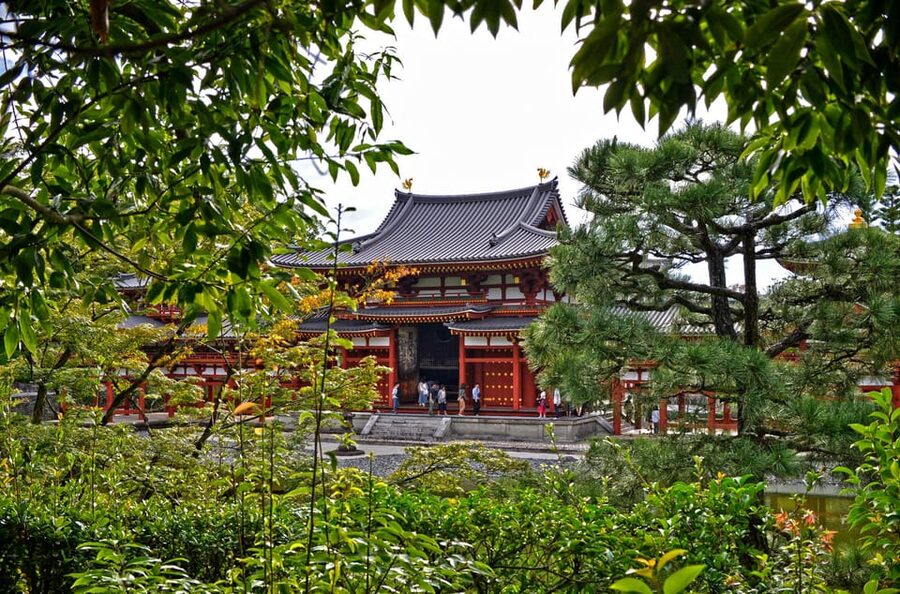
Then it’s off to Byodo-in Temple, the UNESCO World Heritage stop that anchors the tour. You’ll have about 50 minutes here with a guide, which is a good length: long enough to notice the key design elements, but not so long that you burn out. Even if you’re not a temple “collector,” you’ll walk away with a clearer sense of why Byodo-in is so iconic in Japanese religious art.
A practical note: you’ll want comfortable shoes. The day isn’t described as a marathon, but temple grounds still mean real walking on uneven surfaces. If your legs tend to cramp easily, this is the part of the tour to keep your pace steady.
Tea ceremony at Taihoan: what you’re actually learning
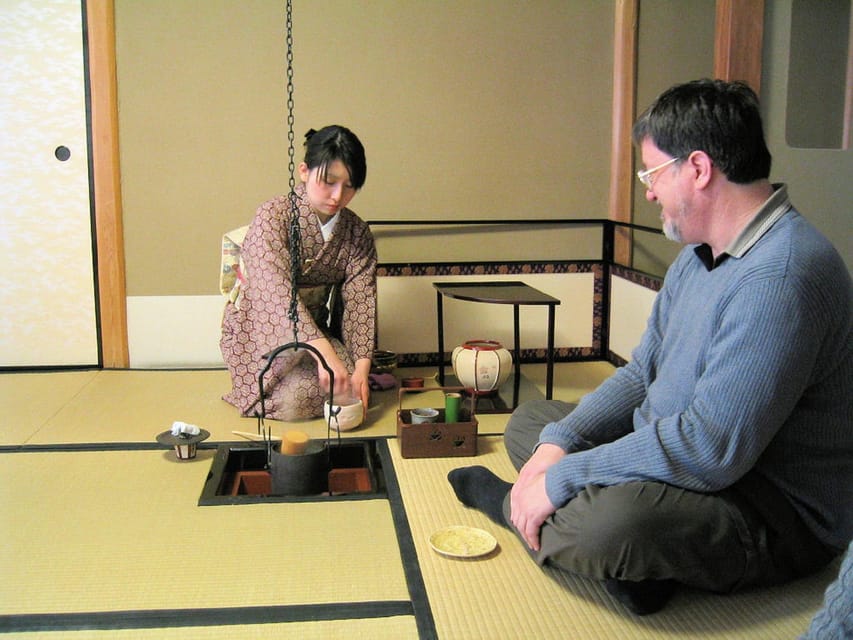
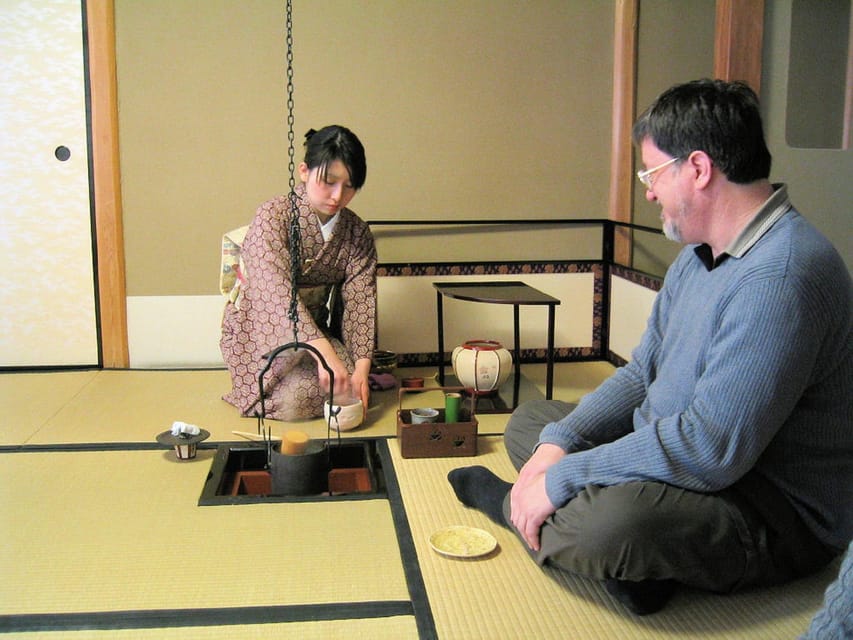
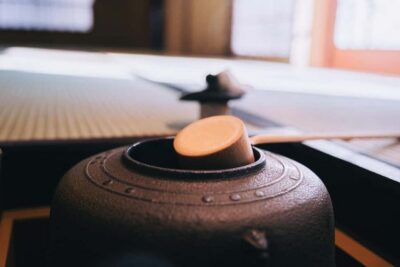
After the temple, the tour slows down for the tea ceremony at Taihoan. The schedule gives you around 30–40 minutes for this, including explanation and participation. This isn’t a performance where you just sit and clap. You’ll be guided through the meaning behind the actions—how gestures and attention work together.
One of the most important logistics points: photo and video recording is prohibited during the tea ceremony. So if you’re the type who documents everything, plan to take photos before or after the ceremony part, and let this section be your “no-screen moment.”
Also, the ceremony is conducted in Japanese only, but your guide translates for you. That matters. Without translation, tea ceremonies can feel like a blur of etiquette rules. With translation, you can understand what the host is doing and why—so you’re not just copying movements, you’re getting the intent.
From past guests, I’m hearing the same theme over and over: hosts and guides focus on making you feel comfortable even if you’re unfamiliar with the ritual. One guest even noted the host was forgiving if something didn’t go perfectly. That’s the right vibe to expect from a good tea experience.
Tachibara and Asagiri suspension bridges for views that reset your brain
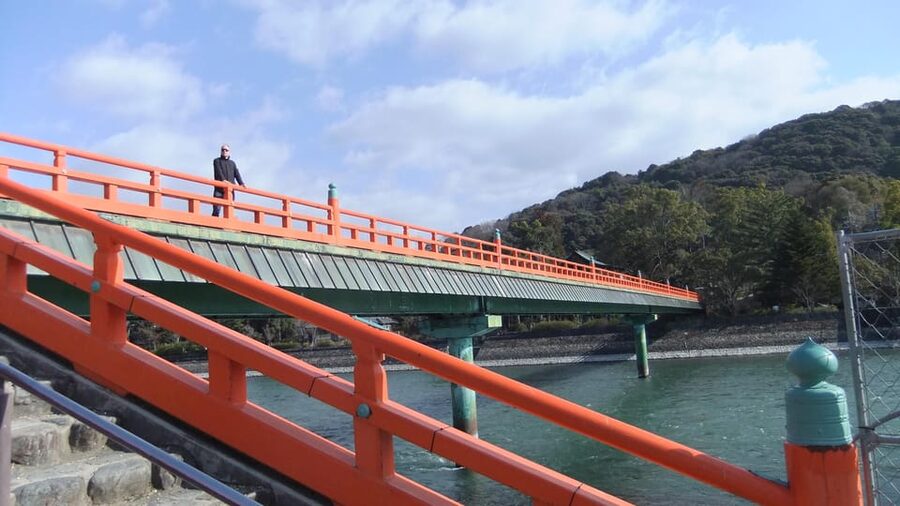
Between the temple and shrine areas, you’ll cross the Tachibara and Asagiri suspension bridges. These bridges aren’t just for photos; they act like a break in the schedule. You get a change of scenery and a chance to see how Uji sits in its wider setting—then you’re back to cultural stops refreshed.
Bridge walking is quick—think “short, scenic stretch,” not “hours on a scenic hike.” But it’s still worth bringing your camera and planning a couple of stops for framing. Past guests loved the view aspect, especially as the day moved from indoor/ritual spaces to open-air ones.
A good tip: keep your pace steady. Suspension bridges can feel bouncy when you slow down or stop suddenly. If you want photos, step aside first, then pose—your ankles will thank you later.
Uji Shrine and Ujigami Shrine: balancing Buddhism with Shinto
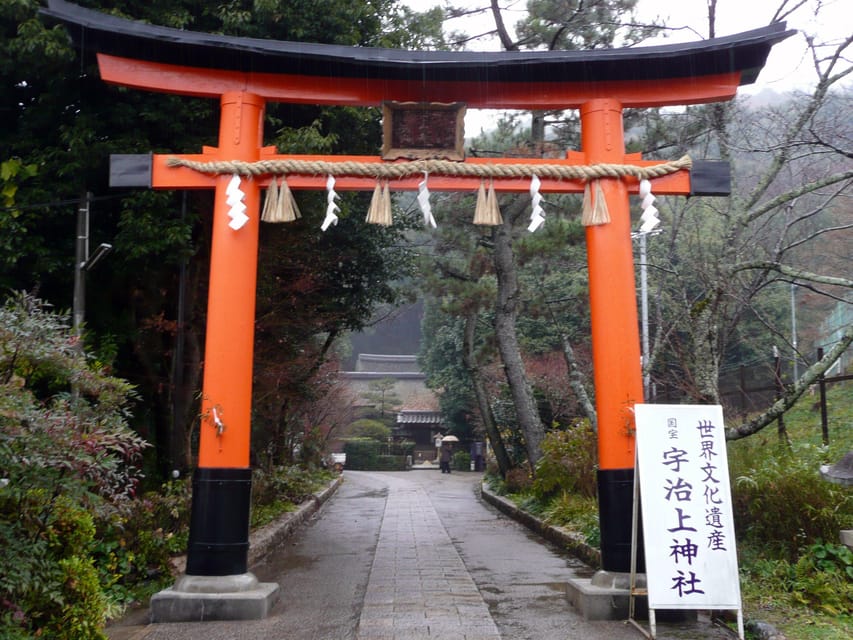
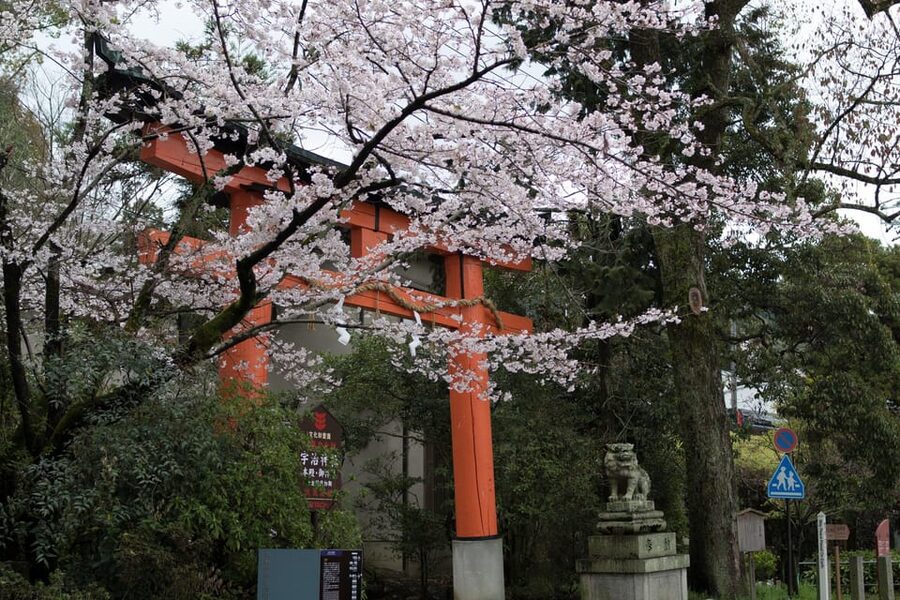
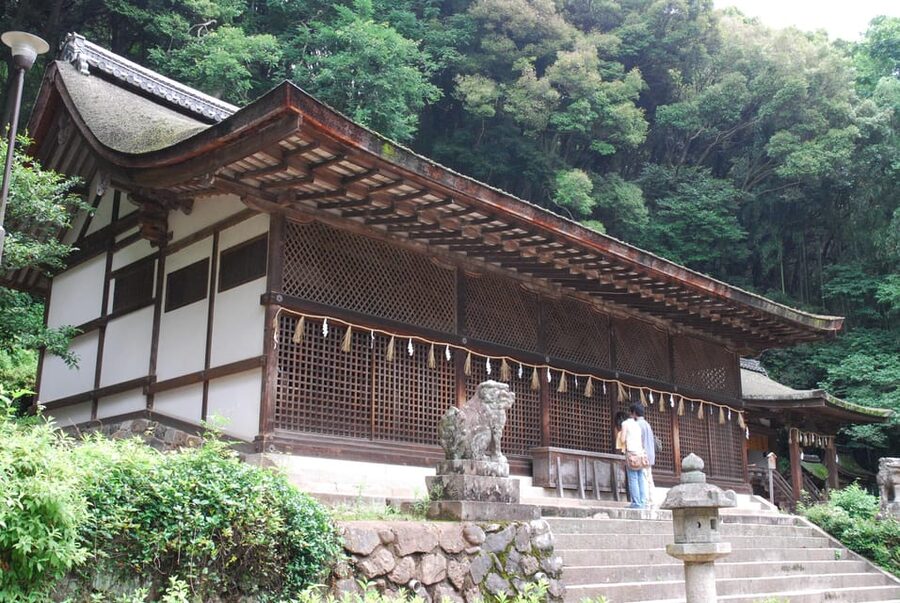
After the bridges, the tour returns to cultural depth with Uji Shrine and Ujigami Shrine, each with guided time (about 20 minutes per shrine). This pairing is smart because it gives you a fuller picture of local belief systems.
At shrines, you’ll get a different kind of focus than what you see at Byodo-in. Temples tend to frame things through Buddhist architecture and art; shrines feel more tied to Shinto practice and the atmosphere of place. Even if you already read up on Japanese religion before arriving, having a guide connect the dots makes the signs, structures, and symbols easier to interpret.
This is also the part of the tour where I think you benefit most from a good guide. You want someone who can explain what you’re looking at in plain language—how the shrine space is meant to be experienced, and what to notice without turning it into a quiz.
Past groups highlighted that guides answered questions patiently and explained ceremony and shrine elements in clear English. That kind of delivery makes the stops feel personal, not like you’re just following a route.
More matcha and riverbank temples out in Uji


Snacks and matcha tasting: how to spend your time well at the end
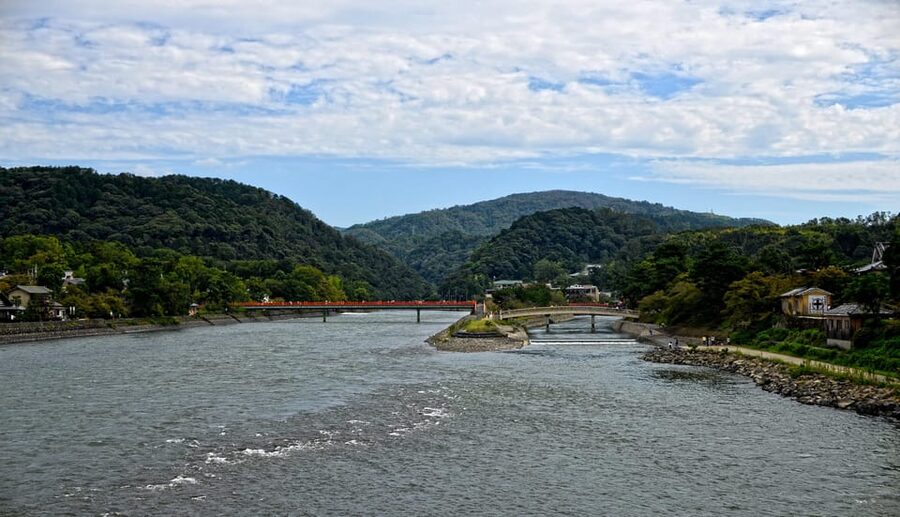
The final stretch is where Uji stops being “tourist education” and starts becoming “food and flavor.” You’ll reach the area for local snacks (about 40 minutes) and finish at Uji Bridge.
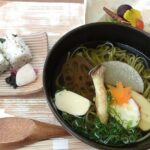
The main reason to care here is that Uji’s reputation for green tea isn’t just marketing. You’re going to taste it in forms like matcha-based sweets and tea-friendly snacks. Based on guest notes, the tea culture recommendations are often a big part of the value—guides point people toward matcha shops and mochi options that fit the tour’s theme.
A practical thing: bring cash. The tour explicitly calls for it, and that’s a strong clue you’ll want it for snacks. If you’re relying on cards only, you might end up making choices that aren’t your first preference.
Also, don’t treat the snack time like a race to try everything. Use it like a mini tasting plan:
- pick one matcha item you’ll remember,
- add one local treat (like mochi or a tea-adjacent sweet),
- and drink something if you’re offered it, so you can reset before the last walk.
Pace, group size, and what to bring (so you don’t feel rushed)
This tour lasts 3 hours, and the structure is built around short segments: temple first, tea ceremony next, then bridges and shrines, then snacks. That rhythm helps you stay engaged without getting tired too early.
With a small group limited to 9, you’ll likely experience the day as calm and orderly. It also makes it easier to hear your guide in quiet spaces like shrine areas, where sound carries differently than on busy streets.
Here’s what you should bring:
- Comfortable shoes (the most important item)
- Camera (but remember the tea ceremony no-photo rule)
- Cash (for snacks and personal purchases)
If you’re sensitive to crowds, you’ll likely appreciate the group limit and the route style. Several guests mentioned the tour wasn’t too packed and that it stayed enjoyable rather than chaotic.
One more timing reality: the tour info warns that morning traffic can vary a lot from what map apps predict. If you’re coming from Kyoto or further, build extra slack into your departure so you’re not sprinting to the South Exit at the last second.
Price and value: why $66 can make sense in Uji
At $66 per person, this tour isn’t priced like a free city walk, and it’s not meant to be the cheapest option either. So here’s the value logic: you’re paying for a guided sequence of major sights plus a tea ceremony that includes instruction and entrance costs.
Specifically, the tour includes:
- an English-speaking guide
- entrance fees to Byodo-in
- a tea ceremony time block at Taihoan
When you add that up, you’re not just buying transportation between stops. You’re buying interpretation—someone to help you understand what you’re seeing in Byodo-in and what’s happening in the tea ceremony, right when it matters.
Guests also repeatedly mentioned guides like Yuko, Katsu, Katsuhiko, Miyake-san, and Nobumasa Miyake (names vary by group) as a reason they felt the tour was worth it—especially for calm, patient explanations and helpful food/shop recommendations afterward.
The one caution is that you’re still walking, and you’re still doing multiple cultural stops in one sitting. If you prefer very slow sightseeing, you might find 3 hours brisk. But if you like a focused day that ties together history and taste, it’s a good match.
Who this tour suits best (and who should skip it)
This tour is a strong fit if you want:
- UNESCO culture without spending a whole day planning logistics
- an actual tea ceremony experience with translation support
- a balanced day covering both temples and shrines
- scenic moments on bridges plus an end with matcha snacks
It’s also a solid choice for first-timers to Uji, since the flow starts from the station and makes the town easier to navigate on foot.
However, it’s not suitable for:
- pregnant women
- people with mobility impairments
- people with heart problems
- people with respiratory issues
That’s less about comfort preferences and more about the physical demands of walking and moving between stops.
If you fit the non-suitable categories, you’d be better off using a more accessible option or a shorter plan that minimizes walking.
Should you book the Uji UNESCO & Tea Ceremony Walking Tour?
I’d book it if you want a structured Uji day that feels complete: Byodo-in, tea at Taihoan, bridge views, then shrine depth, ending with actual tasting time. The small group size and English guidance make it easier to understand what you’re seeing, and that tends to be the difference between a “nice walk” and a meaningful one.
I’d skip it if you’re after a lot of free time, or if you hate rules and timing. Tea ceremonies have etiquette, and there’s a no-photo rule. Also, you need comfortable shoes—you’re not just doing a light stroll.
If you want an efficient, culturally grounded Uji experience that still leaves room for snacks and photos outside the ceremony, this tour is a strong bet.
FAQ
Where is the meeting point?
The tour meets at JR Uji Station (South Exit). The guide will be waiting there wearing a TripGuru shirt or holding a TripGuru sign.
How long is the tour?
The tour lasts 3 hours.
How much does it cost?
The price is $66 per person.
How large is the group?
It’s a small group limited to 9 participants.
What’s included in the price?
The tour includes an English speaking guide, Byodo-in entrance fees, and the tea ceremony portion (30 minutes listed as included).
What’s not included?
Personal expenses are not included, and there is no hotel pick up or drop off.
Can I take photos or video during the tea ceremony?
No. Photo and video recording is prohibited during the tea ceremony.
Is the tea ceremony in English?
The tea ceremony is conducted in Japanese only, and your guide will translate.
What should I bring?
Bring comfortable shoes, a camera, and cash.
Are there any accessibility or health limitations?
The tour is listed as not suitable for pregnant women, people with mobility impairments, and people with heart problems or respiratory issues.
More Tour Reviews in Uji

More of Uji and Its Matcha
One More Bowl of Matcha
Just added: more Uji tours to browse

Kyoto Tea Ceremonies, compared.
 ★ 4.9Tea Ceremony in a Traditional Tea House in KiyomizuFrom $493,519 reviews
 ★ 4.9Tea Ceremony Ju-An at Jotokuji TempleFrom $293,207 reviews
 ★ 4.345-Minute Tea Ceremony Lesson ExperienceFrom $222,378 reviews
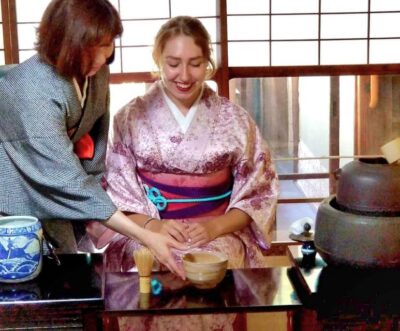 ★ 4.9Table-Style Tea Ceremony at a Kyo-MachiyaFrom $451,211 reviews
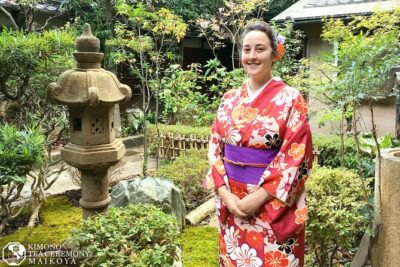 ★ 5.0Kimono Tea Ceremony at Kyoto Maikoya, NISHIKIFrom $65911 reviews
 ★ 5.0Arashiyama Bamboo Forest, Monkeys, Matcha & Temple TourFrom $53759 reviews
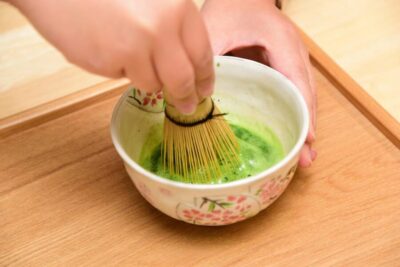 ★ 4.9Tea Museum Tickets and Matcha Grinding ExperienceFrom $23739 reviews
 ★ 4.9Kimono Tea Ceremony at Orizuruya GionFrom $49618 reviews
Browse the lists this tour appears in