
Reviewed · MARKETS
Kyoto Flea Market Cultural Exchange with English Learners
Kyoto markets get personal fast. This Kyoto Flea Market Cultural Exchange brings you to To-ji Temple during the Kobo-ichi and Kotto-ichi market scene, where you can browse antiques with a local guide who is also an English learner. You’ll talk about Japanese customs as you walk, with practical advice on how to shop, chat, and negotiate like you know the rhythm.
I especially like two parts of this setup. First, you get real haggling tips from someone who understands the back-and-forth and can help you keep it friendly. Second, you’re not stuck in a shop-only experience—you also get time in the temple area (the free area), so the market feels grounded in the place, not just stalls on the street.
One thing to consider: this is a short, mostly walking experience that depends on good weather. If rain changes plans, you’ll need to work with the operator’s weather-based rescheduling or refund option.
In This Review
- Key highlights of the Kyoto flea market exchange
- To-ji Temple Kobo-ichi and Kotto-ichi: what you’ll actually see
- How the English-learner guide changes the market experience
- Bargaining help you can use immediately
- Your 1:00 pm walk: pacing, timing, and the route
- Price and value: why $13.01 is a real bargain here
- What to expect at the market stalls (and how to shop smart)
- Who this Kyoto market exchange suits best
- A simple decision: should you book this flea market tour?
- FAQ
- How long is the Kyoto Flea Market Cultural Exchange?
- Where does the tour start and end?
- Is admission included?
- Is public transportation included?
- Is this tour private?
- What happens if it rains or the weather is poor?
Key highlights of the Kyoto flea market exchange
- English-learner guide experience that turns shopping into a conversation about Japanese customs
- Kobo-ichi and Kotto-ichi market setting at To-ji Temple
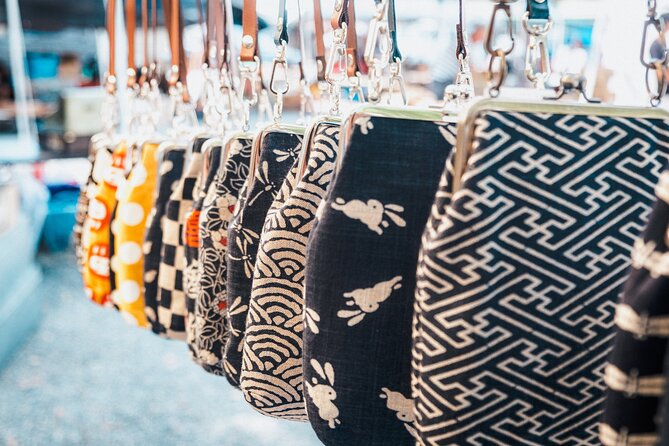
- Antique and vintage browsing with items like ceramics, clothing, old toys, and collectibles
- Guided price negotiation so you know how to talk and what to ask
- Short private group time so the guide can keep the pace comfortable and interactive
To-ji Temple Kobo-ichi and Kotto-ichi: what you’ll actually see
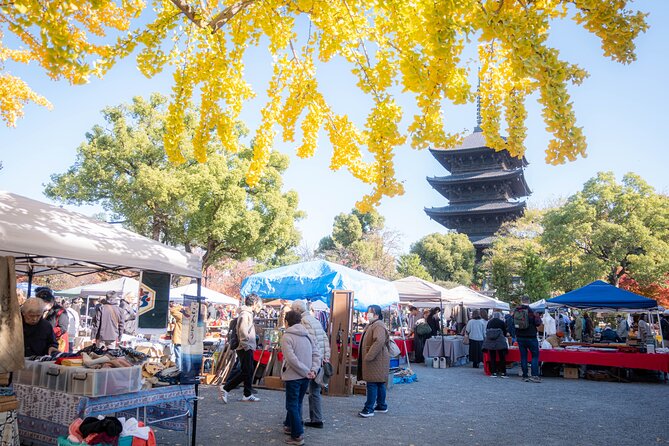
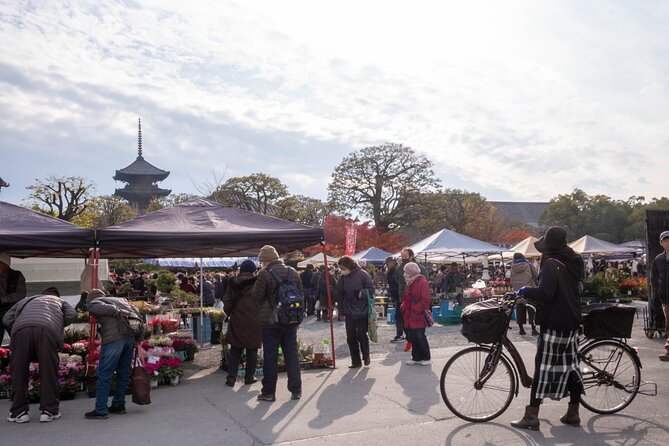
To-ji Temple is a famous Kyoto landmark, and in this tour it becomes your anchor point. Instead of bouncing between random spots, you concentrate on one strong location: the flea market area that runs with Kobo-ichi and Kotto-ichi activity. That matters because you get time to slow down and look properly, not just pass through quickly.
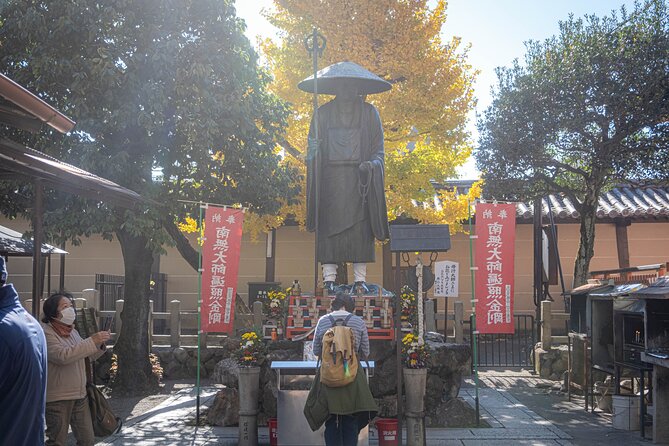
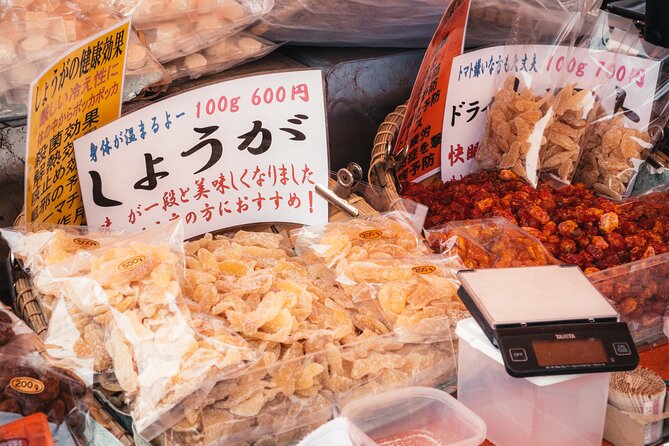
When you arrive, expect a mix of stalls where the “finds” are the point. The kind of items you can run into include antique ceramics, vintage clothing, old toys, and rare collectibles. Even if you’re not planning to buy, the variety helps you understand what people actually bring to these markets—and what collectors tend to hunt for.
Also, you’re not only there for buying. You get to walk around the temple grounds in the free area, which gives your visit a clearer sense of place. Markets can blur together, but standing near the historic temple setting helps the shopping feel connected to Kyoto’s everyday culture, not just tourism shopping.
Other Kyoto tours and experiences to compare
How the English-learner guide changes the market experience
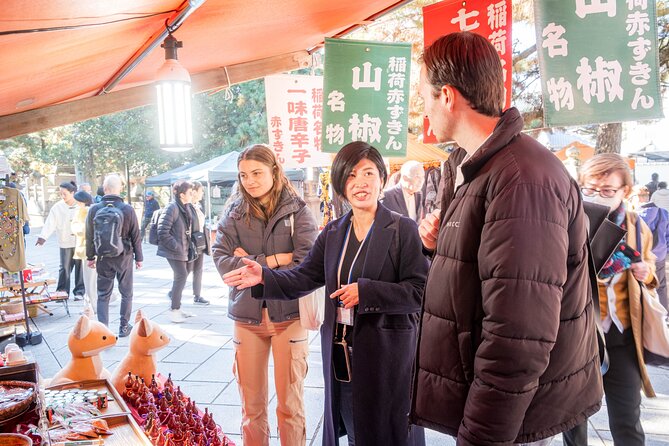
This is where the tour earns its keep. Your guide is a local Kyoto resident who is also an English learner, so the tour is built around conversation. You’ll talk through Japanese customs while you move through the market, which is a different goal than a typical sightseeing walk.
I like that this turns language into a tool instead of a hurdle. You don’t just hear a lecture from a guide who speaks English fluently; you practice alongside someone who is actively learning. That shift makes the interaction more natural, and it also makes your questions easier to bring up.
The tour also includes recommendations and guidance during the walk. That can help if you feel overwhelmed in a market full of clutter and signage. You’ll get help spotting what’s worth a closer look, and you’ll also learn how to approach sellers in a respectful way.
One more practical point: because the guide is focused on English conversation, you can ask for shopping-related explanations without worrying that you’ll fall behind. The goal stays friendly and simple—chat, browse, and learn.
Bargaining help you can use immediately
Haggling in Japan can feel intimidating if you’ve never tried it. This tour takes the fear out of that part by giving you specific support while you’re there. Your guide helps you with friendly price negotiation, so you know what to do and when to back off.
Here’s the practical value: you’re learning the pattern of the interaction, not just being told to bargain. In other words, you’re not hoping for the best when you point at an item. You’re getting guidance so your conversation stays polite and workable.
The guide can also help you interpret the vibe of a stall. Markets move fast, and sellers may offer or explain differently depending on how you approach. With coaching, you’re more likely to get clear responses and avoid awkward misunderstandings.
If you do buy something, you’ll likely feel better about it too. Having help during negotiation can save you from overpaying simply because you don’t know how the conversation usually works.
Your 1:00 pm walk: pacing, timing, and the route
This experience runs about 1 hour 30 minutes to 2 hours. Start time is 1:00 pm, and the tour is private, meaning only your group participates. That private format is underrated value in a market setting because you’re not stuck waiting while a large group squeezes between stalls.
The meeting point is listed in central Kyoto: 544 Yamabushiyamachō, Nakagyo Ward, Kyoto. The tour ends at To-ji Temple (1 Kujōchō, Minami Ward, Kyoto). You’ll also use public transportation as part of the overall plan, but public transport is not included in the price. So you’ll want to budget a little extra time and cost for local transit.
This matters because short tours can feel rushed if you arrive late or your train connection is off. Build in a cushion, especially since you’ll be walking on market sidewalks and along temple-area paths.
Good shoes help. Flea markets mean uneven foot traffic and frequent pauses to look closely. If your plan is to buy, you may also carry small bags during the walk, so pack light if you can.
Price and value: why $13.01 is a real bargain here
At $13.01 per person, this tour sits in the “no big decision needed” category. But the better question is what you get for that price.
Admission for the temple portion is listed as free, and the included offering is a guided experience. You’re paying for someone to show you how to shop and how to talk, plus time in a setting that includes Kobo-ichi and Kotto-ichi market activity. That beats simply wandering around on your own, because you get help in the parts that usually cost you effort: figuring out what matters, what to ask, and how to negotiate.
Gratuities are listed as included too, which takes one small worry off your plate. You still might tip later if you feel like you want to, but the tour price already handles that expectation.
The most valuable part, in my view, is the English exchange angle. You’re not only buying antiques; you’re interacting with people who are actively practicing English while sharing Kyoto culture. That’s a different kind of souvenir—one that doesn’t take up space in your suitcase.
Other Kyoto tours and experiences to compare


What to expect at the market stalls (and how to shop smart)
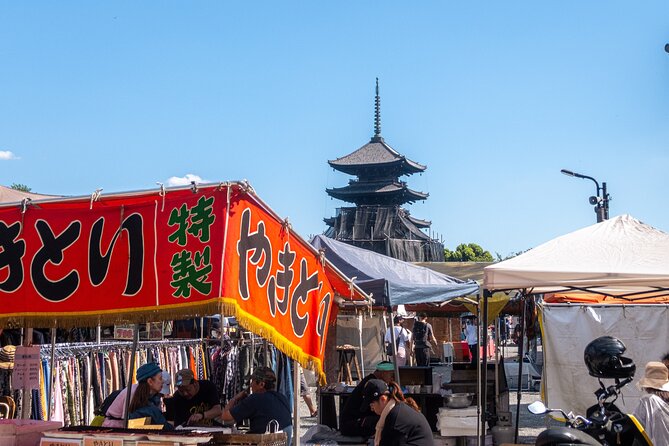
When you’re at To-ji during the market hours, your attention will split between two jobs: browsing and listening. The stalls can be dense with objects, so it helps to go in with a simple goal. For example, decide whether you want ceramics, vintage clothing, small toys, or collectible items. Once you pick a category, the market becomes easier to scan.
Since you’ll have guidance, lean on it. Ask what the market is known for, and ask what sellers might explain if you point or show interest. The guide can help translate the intent behind your questions, which can lead to more meaningful answers.
For negotiation, remember the goal is a friendly exchange. Bargaining works best when you show respect and curiosity. If you’re not sure what to say, the tour is set up so your guide can help you start, continue, and wrap up the conversation.
If you end up buying, plan to carry your items carefully. The tour is short and walking-focused, so avoid purchases that are heavy or fragile unless you’re comfortable handling them on the move.
Who this Kyoto market exchange suits best
This experience is especially good if you like talking to locals and you don’t mind that the conversation part is central. If you’re studying English or you simply enjoy language practice, the English-learner guide setup makes the tour feel like an exchange rather than a performance.
It also fits well if you want a realistic, hands-on shopping experience. You’ll get direct support with negotiation, and you’ll have context for how the market fits into Kyoto’s temple setting.
On the other hand, if you want a high-speed checklist of famous sights with lots of photo stops, this might feel narrow since the tour is concentrated around one main temple-market zone.
A simple decision: should you book this flea market tour?
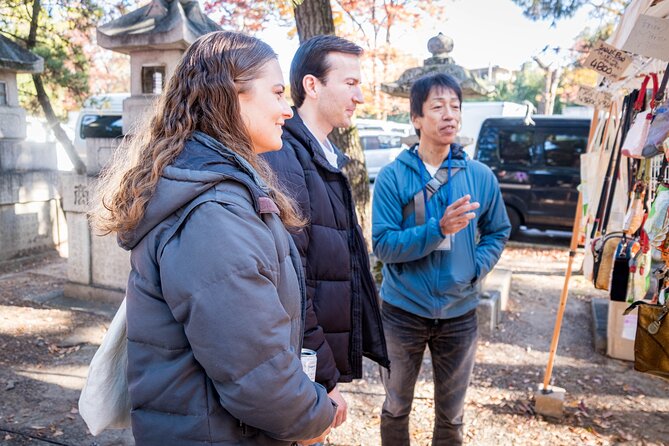
Book it if you want more than browsing. This tour is built for people who want conversation + culture + shopping help in one short block of time. The price is low enough that you’re not taking a big financial risk, and the private format keeps the experience focused on your questions.
Skip it only if you hate walking or you’re traveling on shaky weather days. Since the experience requires good weather, rainy Kyoto could push things around. If that’s a concern, keep your schedule flexible.
If you’re on the fence, treat it like a practical upgrade to independent market time. You’re paying to make the market easier to read, easier to talk through, and easier to shop in—while spending your afternoon in a very Kyoto setting.
FAQ
How long is the Kyoto Flea Market Cultural Exchange?
It runs about 1 hour 30 minutes to 2 hours.
Where does the tour start and end?
The meeting point is at 544 Yamabushiyamachō, Nakagyo Ward, Kyoto, and it ends at To-ji Temple (1 Kujōchō, Minami Ward, Kyoto).
Is admission included?
Yes. The To-ji Temple stop lists an admission ticket as free.
Is public transportation included?
No. Public transportation is not included, even though the experience uses public transportation.
Is this tour private?
Yes. Only your group will participate.
What happens if it rains or the weather is poor?
The experience requires good weather. If it’s canceled due to poor weather, you’ll be offered a different date or a full refund. The experience is otherwise non-refundable and cannot be changed for any reason.
More Markets in Kyoto
More Shopping Tours in Kyoto
More Tour Reviews in Kyoto
Just added: more Kyoto tours to browse




Markets, compared.
 ★ 5.0Nishiki Market Brunch Walking Tour (7 Tastings + Brunch)From $681,355 reviews
 ★ 5.0Kyoto Nishiki Market Food and Culture Walking TourFrom $80412 reviews
 ★ 4.8Nishiki Market Tea Ceremony with Koto PerformanceFrom $56294 reviews
 ★ 4.7Local Food Tasting Tour at the Nishiki MarketFrom $78135 reviews
 ★ 4.7Nishiki Market and Depachika Food Tour with a LocalFrom $4276 reviews
 ★ 4.5Nishiki Market Tour with a Local Foodie & TastingsFrom $6767 reviews
 ★ 5.0Nishiki Market Lunch TourFrom $7247 reviews
 ★ 4.9Nishiki Market Food Tour with Cooking ClassFrom $10942 reviews
Browse the lists this tour appears in