
Reviewed · FUSHIMI INARI SHRINE TOURS
Fushimi Inari & Nara Highlights Walking Tour
Torii gates and temple lanterns in one day. This Fushimi Inari & Nara Highlights Walking Tour strings together Fushimi Inari-taisha and Nara’s top shrines with a private guide, so you skip the map work and spend your time on what matters: the sights and the photos.
I like how the route is planned for one tight day, with a guide handling the navigation while you focus on the architecture and atmosphere. The only thing to watch is cost creep: Todai-ji Temple admission and the public transportation fare aren’t included, so you’ll want to budget those extras up front.
In This Review
- Key things I’d plan for
- Why Fushimi Inari and Nara together makes sense
- Start at Kyoto Station, then head to Fushimi Inari
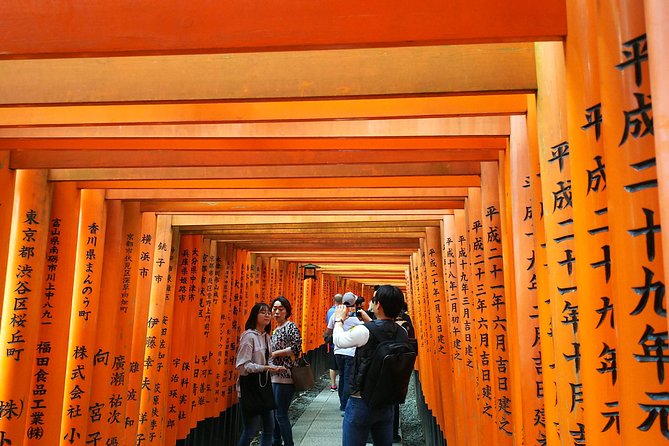
- Fushimi Inari stop: the torii tunnel is the star
- Todai-ji’s giant wooden presence (and the cleansing ritual)
- Kasuga Grand Shrine: lanterns, color, and the Nara mood
- Your guide’s real value: routing you can trust
- Price and logistics: what you pay vs. what you still pay
- Timing and photo planning for a smooth 6-hour day
- Who should book this Fushimi Inari and Nara highlights tour
- Should you book, or DIY it?
- FAQ
- FAQ
- How long is the Fushimi Inari & Nara Highlights Walking Tour?
- Where does the tour start, and where does it end?
- What is included in the tour price?
- What is not included in the price?
- Which main stops are included?
- Is admission free at Fushimi Inari and Kasuga Grand Shrine?
- Do I need to pay for Todaiji Temple admission?
- Is this tour private?
- Is the tour dependent on weather?
- How far in advance is it usually booked?
Key things I’d plan for
- Vermilion torii tunnel at Fushimi Inari-taisha: thousands of gates in a view you’ll keep thinking about.
- Todai-ji’s massive wooden scale: a temple experience built around size and space.
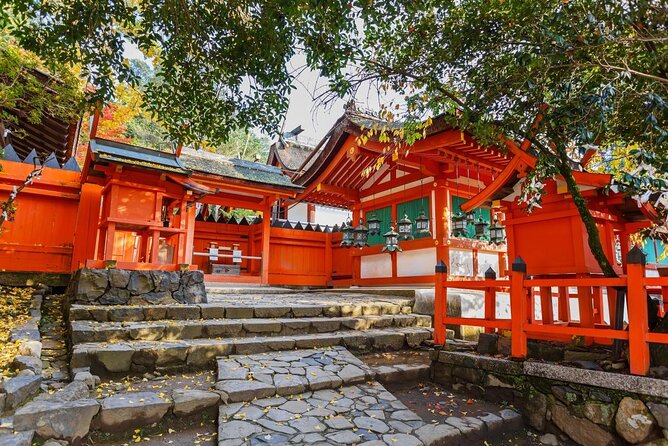
- Kasuga Grand Shrine’s lantern-filled grounds: history plus light-and-color drama for photos.
- One-day pacing: about 6 hours total, so comfy shoes matter.
- A guide who improves the day: routing is the real value when you’re bouncing between Kyoto and Nara.
- Nara’s deer-and-shrine vibe: you’ll get that famous Nara feeling along the way.
Why Fushimi Inari and Nara together makes sense
If your Kyoto trip feels packed, this is the kind of itinerary that reduces stress without flattening the experience. You’re not choosing between Shinto spectacle in Kyoto and major Buddhist landmarks in Nara—you’re doing both in one day, with a guide to keep the flow moving.
I also like the mix of places: Fushimi Inari is all about that red torii tunnel and the sense of devotion you can’t fake with a quick stop. Then Nara shifts the mood to monumental temples and lantern-heavy shrines. It’s a strong day for understanding how Japanese religious spaces can feel totally different while still being deeply connected to local culture.
One more practical point: the tour is built for limited time. If you only have a day to spare, you’ll appreciate that it’s designed as a highlights route rather than a long, wandering free-for-all.
More walks up through the vermilion torii of Fushimi Inari


Start at Kyoto Station, then head to Fushimi Inari
You meet at Kyoto Station at 9:00 am, and the whole day runs about 6 hours. That early start matters because Fushimi Inari-taisha can be busy, and the torii tunnel is a place where timing and pacing make your photos better.
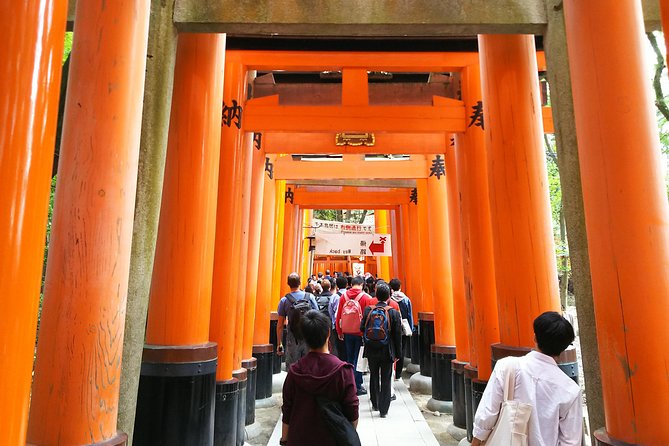
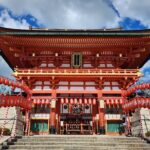
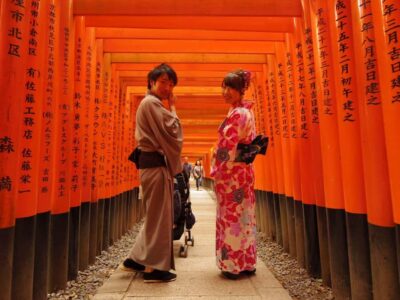
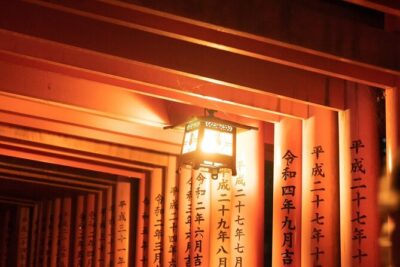
From Kyoto, you’ll go first to Fushimi Inari Taisha Otabisho. This is where the famous torii path delivers its wow factor: a tunnel-like stretch of thousands of vermilion torii gates, donated by worshippers in appreciation of good fortune. Even if you don’t read every sign, the scale does the talking.
Plan to spend about 1 hour here. That’s enough time to see the gates, walk through the main area, and take photos without feeling like you’re racing. With a guide, you also avoid the common problem of walking the “main route” but missing the spots that make your pictures look more interesting.
Fushimi Inari stop: the torii tunnel is the star
This is the kind of place where you can either rush and take a few generic shots—or you can slow down and notice the details that make it feel special. I like that this stop is built around time in the gates, not just a quick photo-and-vanish.
What you can expect:
- A very photogenic corridor of gates in bright red.
- A shrine atmosphere that feels more like walking through a living tradition than visiting a single building.
- Opportunities to frame shots that show depth—those torii lines help your photos look more dramatic even on a basic camera.
A small consideration: Fushimi Inari isn’t a flat stroll. Expect walking and steps, so good shoes are part of the deal. If you’re traveling with limited mobility, the tour info notes accessibility for limited mobility, but you’ll still want to plan with your comfort level in mind.
Todai-ji’s giant wooden presence (and the cleansing ritual)
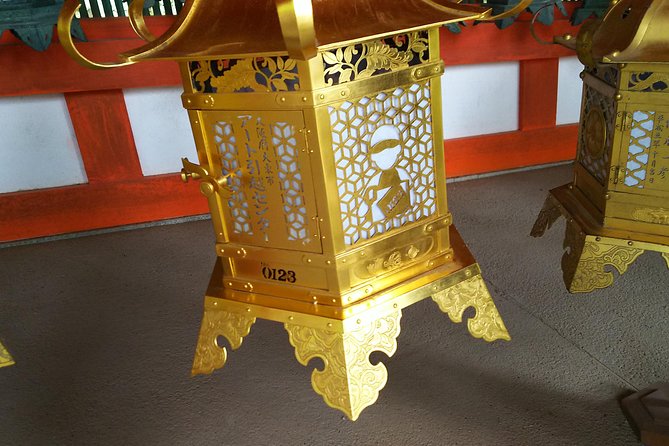
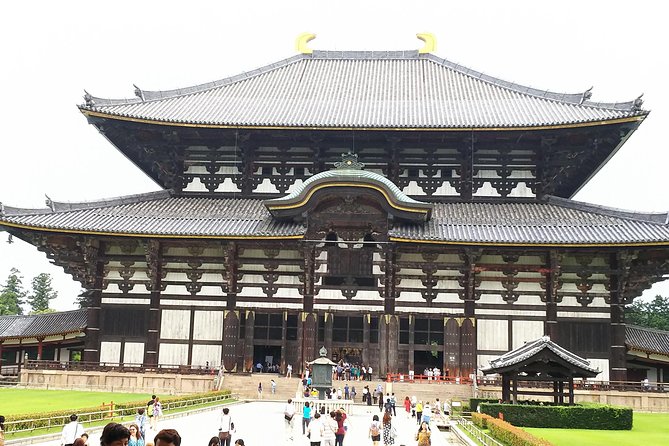
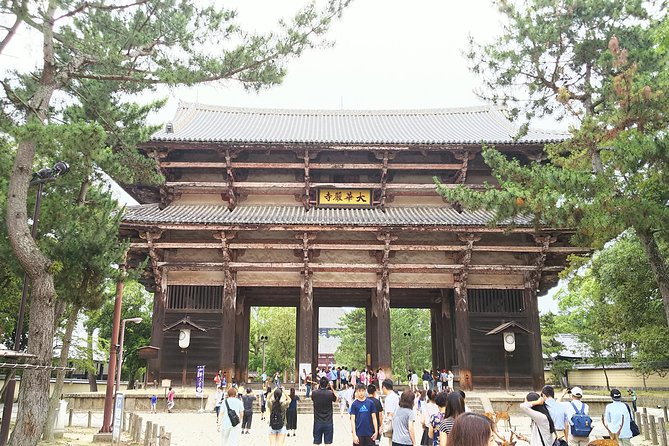
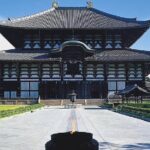
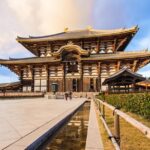
After the torii experience, the day pivots toward one of Nara’s heavyweight landmarks: Todaiji Temple (listed as Todaiji Keidaicho). Your time here is also about 1 hour.
This temple is described as the largest wooden building in the world, and when you enter, the surprise is the scale. The experience isn’t only about what you see. It’s about how your sense of space changes when you’re in a massive interior.
Before you go deeper, you’ll do a traditional purification step—cleansing your hands and mouth at a purifying trough. Even if you’re not sure exactly what you’re doing, following along is easy and adds meaning to the visit. It’s one of those small moments that makes a temple stop feel respectful instead of rushed.
Important for your budget: Todaiji admission is not included. You’ll need to pay the temple entry fee separately. If you’re trying to keep the day smooth, have a plan for this before you arrive so you’re not scrambling with money or phones while the group is waiting.
Kasuga Grand Shrine: lanterns, color, and the Nara mood
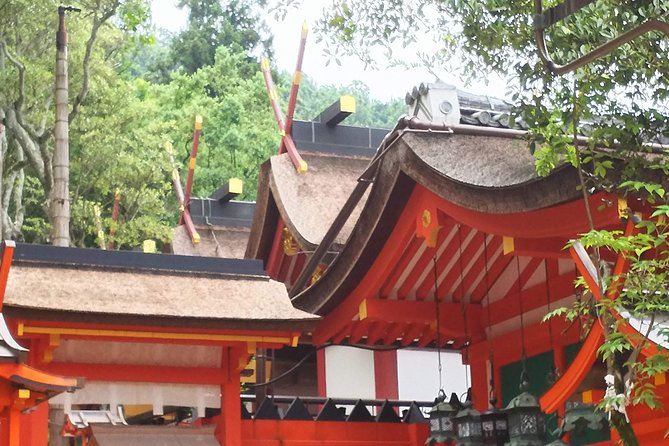
Next up is Kasuga Grand Shrine. Your tour time here is again about 1 hour, and admission is free for this stop.
Kasuga is special because it’s both ancient and specific. The shrine is said to be built around 1,300 years ago and holds about 1,000 branch shrines across Japan. That “network” idea helps you understand why the shrine matters beyond its local setting.
Then there are the lanterns: there are more than 3,000 lanterns in its precincts, and they’re described as the largest in Japan. In other words, this isn’t a shrine where lighting is an afterthought. The lanterns shape the whole visual experience.
Expect:
- Strong photo opportunities, especially if you like shots with repetition (lantern patterns are perfect for this).
- A shrine setting that feels different from the torii tunnel. Less “red archways” and more “lantern glow and shrine grounds.”
- A sense of history you can see in the layout and the scale of the site.
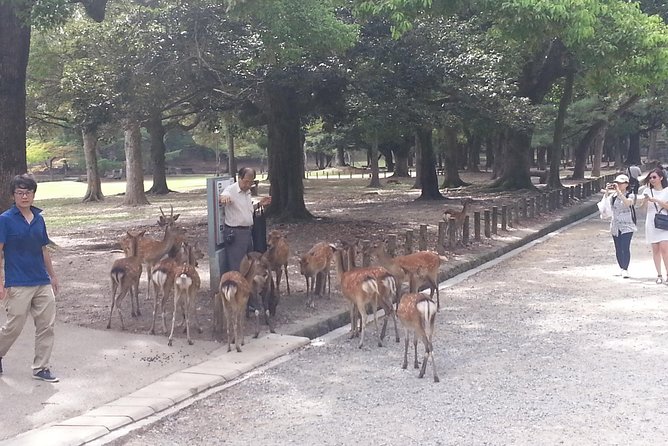
And yes—Nara’s famous deer atmosphere is part of the experience on this route. The day has a lively, memorable energy in those shrine areas, the kind that makes your photos feel more alive than a quiet monument day.
Loop the big Kyoto sights in one run


Your guide’s real value: routing you can trust
This is a walking tour with a key feature: avoid the hassle of studying maps. A private guide navigates you between big points, which sounds simple until you’ve tried doing Kyoto and Nara transitions on your own.
The practical benefits show up fast:
- You don’t waste time figuring out where you are.
- You don’t have to guess which entrances or routes are easiest.
- You’re more likely to hit the right viewing areas for photos without turning your day into trial-and-error.
The tour is provided by KAMNAVI Tours, and the standout theme from the experience reviews is that the guide is both informative and helpful. That matters because when a guide can explain what you’re seeing—like why Kasuga has so many branch shrines or what Todai-ji’s size means—you get more out of the time you spend at each stop.
Also, you’re not stuck with a generic script. A good guide can help you slow down at the right moments. You’ll often feel that shift: the day changes from sightseeing to actually understanding what you’re looking at.
Price and logistics: what you pay vs. what you still pay
The tour price is $106.10 per person and includes guide fare. It also lists a mobile ticket, and there are group discounts indicated in the tour features.
What’s not included is where you should plan ahead:
- Public transportation fare: ¥1,380 per person
- Todaiji Temple admission: ¥800 per person
- Meals: not included
So the value question becomes: does the included guide time feel worth the total? For me, it usually does if you’re trying to compress Kyoto and Nara into one day without losing energy to navigation.
One more logistic detail that helps you plan: the tour runs end-to-end from Kyoto Station (start 9:00 am) to Nara Station. That means you finish in Nara, not back at Kyoto. If your next plan is in Kyoto, you’ll want to arrange that separately.
And the train time between Kyoto and Nara is about an hour, which is a big deal. It keeps the day from feeling like you’re spending your time commuting instead of visiting.
Timing and photo planning for a smooth 6-hour day
This day has a clear rhythm: torii gates first, then Todai-ji, then Kasuga. Each stop is about 1 hour, so you won’t be wandering for hours at a time.
To make your photos look better without slowing the group:
- Give yourself at least a few minutes right when you arrive at each stop. That’s when you get the best first views before the crowd compresses.
- Keep your camera ready during transitions. The most interesting shot angles often happen at edges: gate-to-gate depth at Fushimi Inari, lantern corridors at Kasuga, and interior sightlines at Todai-ji.
- Wear shoes you can move in all day. This tour is “walking tour” territory, not museum-chair time.
Also, note that the experience requires good weather. If weather is bad and the tour is canceled, you’ll typically be offered another date or a full refund. Build your schedule flexibility if you can.
Who should book this Fushimi Inari and Nara highlights tour
I’d point this tour toward travelers who want:
- A one-day highlights plan that covers Kyoto and Nara in the same trip.
- Less stress and fewer map problems, thanks to a private guide.
- Strong photo potential: torii gates at Fushimi Inari, lantern-filled Kasuga, and monumental Todai-ji interior scale.
- A day that teaches while it shows—Japanese religious architecture and shrine patterns get explained as you go.
It’s also a good match if you like structure. Some people love loose wandering; others want a route that hits the big moments without turning the day into decision fatigue. This is the second type.
Should you book, or DIY it?
Book it if you’re short on time, you don’t want to think about transit and routing all day, and you care about seeing the highlights efficiently. The biggest payoff is that you’re paying for mental energy: your guide handles navigation so you can actually enjoy the sites.
DIY it if you love planning your own routes, you’re comfortable figuring out public transit between Kyoto and Nara, and you don’t mind spending extra time sorting out entrances and walking directions.
My take: for most visitors trying to fit in both Fushimi Inari and major Nara landmarks in a single day, the guided plan is good value. You spend your time at the temples and shrine grounds, not stuck in the “where do we go next?” loop.
FAQ
FAQ
How long is the Fushimi Inari & Nara Highlights Walking Tour?
The tour runs for about 6 hours.
Where does the tour start, and where does it end?
It starts at Kyoto Station at 9:00 am and ends at Nara Station (Sanjohonmachi area).
What is included in the tour price?
The guide fare is included. You also get a mobile ticket.
What is not included in the price?
Public transportation fare is not included, and Todaiji Temple admission is not included. Meals are also not included.
Which main stops are included?
You’ll visit Fushimi Inari Taisha Otabisho, Todaiji Temple (Todaiji Keidaicho), and Kasuga Grand Shrine.
Is admission free at Fushimi Inari and Kasuga Grand Shrine?
Yes. Admission for Fushimi Inari Taisha Otabisho and Kasuga Grand Shrine is listed as free.
Do I need to pay for Todaiji Temple admission?
Yes. Todaiji Temple admission is listed as not included.
Is this tour private?
Yes. It is a private tour/activity, so only your group participates.
Is the tour dependent on weather?
Yes. The experience requires good weather. If it’s canceled due to poor weather, you’ll be offered a different date or a full refund.
How far in advance is it usually booked?
The tour is on average booked about 90 days in advance.
More Nara Day Trips

More Kyoto Sightseeing Loops

Fushimi Inari, a Few More Ways
Just added: more Kyoto tours to browse








Fushimi Inari Shrine Tours, compared.
 ★ 4.8Fushimi Inari, Kinkakuji, Bamboo Grove 1 Day Bus TourFrom $1224,316 reviews
 ★ 5.0Fushimi Inari Hidden Hiking Tour (Private Option Available)From $631,750 reviews
 ★ 4.7Kyoto/Osaka: Nara, Fushimi Inari Taisha, Arashiyama Bus TourFrom $521,275 reviews
 ★ 4.4Osaka/Kyoto: Arashiyama, Nara & Fushimi Inari Shrine w/LunchFrom $61754 reviews
 ★ 4.7Nijo Castle, Kiyomizu & Fushimi Inari Guided TourFrom $54700 reviews
 ★ 5.0Nijo, Kinkaku-ji, Arashiyama, Kiyomizu & Fushimi InariFrom $51699 reviews
 ★ 5.0Kyoto Fushimi-Inari Night Walking TourFrom $43320 reviews
 ★ 4.93-Hour Fushimi Inari Shrine Hidden Hiking TourFrom $72270 reviews
Browse the lists this tour appears in