
Reviewed · KYOTO PRIVATE GUIDED TOURS
Kyoto 6hr Private Tour with Government-Licensed Guide
Kyoto feels like a puzzle until you have someone who knows the pieces. This 6-hour private tour pairs a government-licensed English guide with smooth public-transport routing, so you can hit big-name sights and still ask questions as you go.
I love the way the day is built around your pace and your choices, with a custom mix of 3–4 stops from a long menu. I also like the emphasis on “move like a local,” using trains and walking so Kyoto never turns into a bus-only checklist. One thing to consider: it’s a walking tour, and with popular sites in one day, lunch timing and shoe choice matter.
In This Review
- Key things that make this Kyoto private tour work
- Why a government-licensed guide is the best “shortcut” in Kyoto
- Price and value in plain terms
- How the 6-hour format actually plays out
- A heads-up on pacing (important for families and seniors)
- The one drawback to watch
- Your Kyoto stop menu: what each site is good for
- Fushimi + Kyoto classics
- East Kyoto temples and old-street neighborhoods
- North + famous Zen icons
- Mountain-side Kyoto (Kibune + Kurama)
- Rock garden + forested temple compounds
- Kyoto’s big statue and garden-craft stops
- Uji option (extra travel time)
- West Kyoto: Arashiyama without the chaos
- Hillside temples around Arashiyama’s edge
- Preserved streets + stone-figure memorials
- More Sagano and temple compound options
- More western hills temple list
- Timing tips that make the day feel smooth
- Which guide style fits you best
- Who should book this Kyoto private tour
- Should you book this Kyoto 6-hour private tour?
- FAQ
- How long is the Kyoto private tour?
- Can I customize the tour stops?
- What is included in the price?
- Are temple and shrine admission fees included?
- Is pickup available?
- Is lunch included?
- What are the cancellation terms?
Key things that make this Kyoto private tour work
- Licensed English guidance focused on what you’re seeing, not just where to stand for photos
- Public transportation routing that helps you understand Kyoto’s transit rhythms
- Private pacing: your group sets the flow, questions included
- A 3–4 stop format that keeps the day from turning into a sprint
- A huge stop menu spanning Fushimi, Higashiyama, Arashiyama, and even Uji
Why a government-licensed guide is the best “shortcut” in Kyoto
Kyoto’s biggest problem isn’t the distance. It’s the meaning. Temples and shrines can look similar at first glance, and without context you miss why people care. With a licensed local guide leading in English, you get explanations that connect the dots: religion, history, and daily life in Kyoto’s neighborhoods.
You’re also paying for decision-making. A private guide can steer you toward the most efficient order, and that matters when you’re mixing major sites across different parts of the city. This tour is built around that idea: use transit + smart walking instead of hopping between distant attractions on instinct.
Have a local lead the way on more Kyoto tours

Price and value in plain terms
At $155.86 per person for about 6 hours, this isn’t a budget group bus tour. The value comes from three things you can’t easily DIY:
- Time saved figuring out what to see and how to sequence it
- Clarity once you’re on-site (why the place looks the way it does)
- Personal attention so you can keep asking questions instead of hunting for answers
One practical note: lunch isn’t included, and some sites have admission fees. Many stops are free to enter, but temples and gardens often charge. If you’re traveling on a tight schedule, I’d plan on building a meal break into your chosen flow.
How the 6-hour format actually plays out
This is a private tour for your group only. You meet the guide on foot within a designated Kyoto area, and pickup/drop-off is also handled on foot. Since it’s “near public transportation,” you’ll likely combine walking with trains depending on your selected stops.
Also, the tour is designed to be customizable: you choose 3–4 sites from a larger menu. That’s a sweet spot. Too many stops turns a Kyoto day into fatigue and missed details. Too few stops wastes the guide’s advantage.
A heads-up on pacing (important for families and seniors)
The walking is real. Kyoto’s terrain includes steps, uneven stone, and steep temple lanes. If you’re traveling with kids, older adults, or anyone with mobility concerns, tell your guide early that you want a slower pace. Several guides in past tours are known for adjusting pace for seniors and families, and that’s exactly what you want here.
The one drawback to watch
The main downside to any “big sights in one day” plan is timing. One unhappy experience highlighted confusion about staying together and a lack of time for lunch. The fix is simple: agree upfront on pace and confirm when you want a break. If your group needs a true lunch stop (not a quick snack), ask for it while planning your itinerary.
Other Kyoto tours and experiences to compare
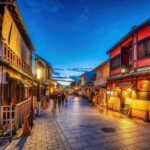
Your Kyoto stop menu: what each site is good for
Here’s the practical way to think about the selection. You won’t see everything in one day. You’ll pick a small set, and each stop brings a different Kyoto flavor—shrines, pure pilgrimage vibes, palace power, Zen gardens, or mountain-side calm.
Fushimi + Kyoto classics
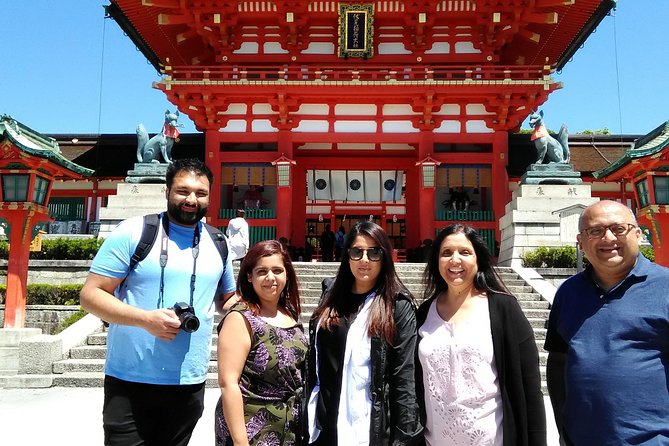
Fushimi Inari-taisha Shrine (1000 torii gates)
Famous for the vermillion-red gates that form tunnel-like paths. It’s free to enter, and the guide helps you understand the stories behind what you’re walking through.
Kiyomizu-dera Temple
A top temple for views and atmosphere. The grounds are worth it, but admission isn’t included, so budget for entry.
Nijo Castle (Nijo-jo Castle)
A strong pick if you want “power” and architecture tied to shogun-era politics. Admission applies, and a guide helps explain what you’re looking at.
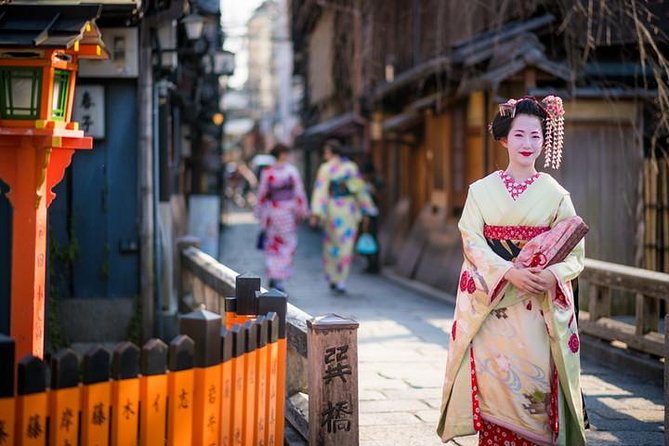
Gion (Geisha District)
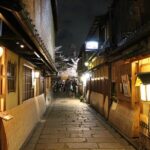
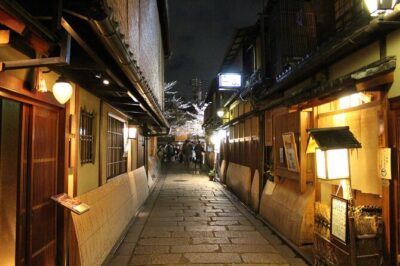
Stroll the narrow lanes with confidence. Gion can be overwhelming for first-timers, and a guide helps you read the streets without constantly checking your map. Entry is free.
Nishiki Market
Think of it as Kyoto’s kitchen in street form—snacks, specialty shops, and easy people-watching. It’s free to enter, and your guide can point you toward what to try.
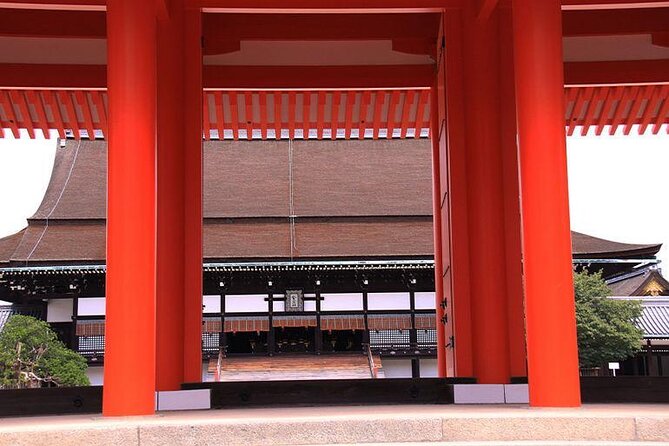
Kyoto Imperial Palace (Kyoto Gosho)
Best for understanding Kyoto’s role as imperial residence before the capital moved to Tokyo. Admission isn’t included.
Pontocho
A photogenic dining alley one block west of the Kamogawa River. It’s free to access, and it gives you a “Kyoto at night” feeling even during the day.
East Kyoto temples and old-street neighborhoods
Higashiyama Ward
A historic-preservation feel on the lower slopes of eastern mountains. Great for traditional Kyoto street mood; access is free.
Ginkakuji (Silver Pavilion)
A Zen temple choice for calmer gardens and iconic temple silhouettes. Admission isn’t included.
Nanzenji Suirokaku
A major Zen temple setting with impressive grounds. Admission isn’t included, but it’s a good anchor stop if you want a more “spacious” temple visit.
Tofuku-ji Temple
A Zen temple known for dramatic autumn colors. If you’re not visiting in fall, it still works for architecture and atmosphere. Admission isn’t included.
Toji (East Temple)
Famous for its big presence in the Heian-period story. It’s listed as free here, which makes it a useful stop when you want a major temple without extra entry fees.
North + famous Zen icons
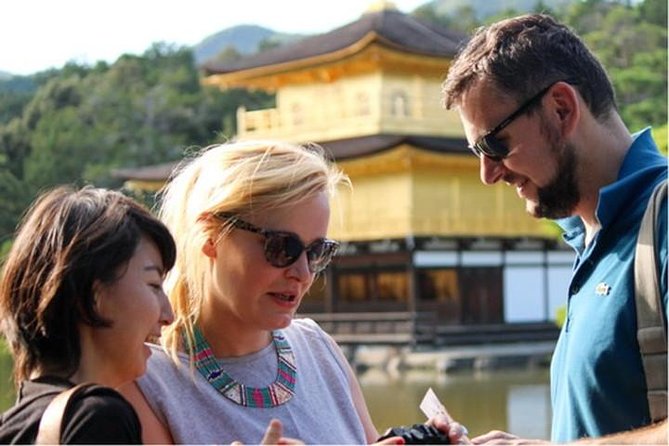
Kinkakuji (Golden Pavilion)
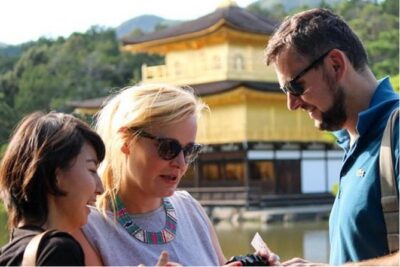
Two floors covered in gold leaf—the classic Kyoto postcard, and still stunning in person. Admission applies.
Ninna-ji Temple
A World Heritage–listed temple and head temple of a Shingon school. Admission isn’t included.
Shugakuin Imperial Villa
An imperial villa complex with upper, middle, and lower villa areas, managed by the Imperial Household Agency. Admission isn’t included; plan for a slower, garden-forward visit.
Mountain-side Kyoto (Kibune + Kurama)
Kibune River
A forest-valley riverside town around Kifune Shrine. Access is free here, and it’s a nice contrast to temple crowds—especially if you like cooler air and shaded paths.
Kurama-dera
A northern-mountains temple stop tied to Kurama’s reputation. Admission isn’t included.
Rock garden + forested temple compounds
Ryoan-ji Temple (rock garden)
This is where Kyoto’s Zen style becomes instantly recognizable. Admission isn’t included, and the experience shines when you take your time at viewing points.
Nanzenji Suirokaku (already covered above)
If you choose Nanzenji, pair it with something quieter after so the day doesn’t feel rushed.
Daitoku-ji Temple
A walled complex with many subtemples. Admission isn’t included. This is for people who like temple compounds more than single landmarks.
Myoshinji Temple
Another large complex with many subtemples. Admission isn’t included, and it’s a good choice if you want less “one-photo-only” sightseeing.
Eikando Zenrinji Temple
Known for autumn colors and evening illumination. Admission isn’t included—worth it if you’re visiting during those seasons or enjoy night lighting setups.
Kyoto’s big statue and garden-craft stops
Sanjusangendo Temple
Famed for 1001 statues of Kannon. Admission isn’t included, and it’s the kind of place where a guide’s explanation helps you understand scale.
Kennin-ji Temple
Near busy streets but with expansive, pleasant grounds and dry landscape gardens. Admission isn’t included.
Uji option (extra travel time)
Byodoin Temple (Phoenix Hall) in Uji
One of Japan’s UNESCO-listed icons. The Phoenix Hall is the star, and it’s a big step up from “Kyoto city stroll.” Admission isn’t included, and the day needs extra travel time since it’s in Uji, outside Kyoto city.
West Kyoto: Arashiyama without the chaos
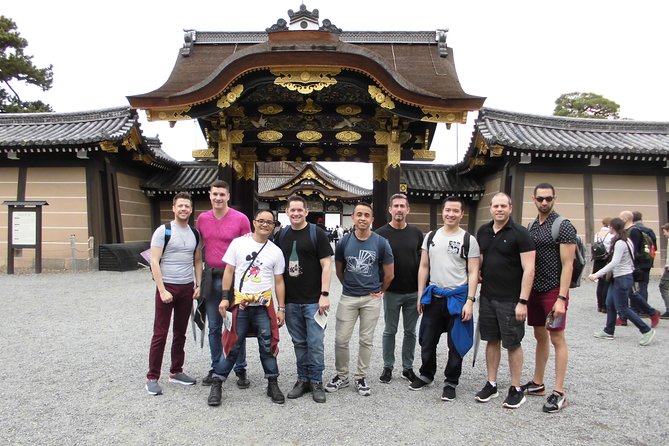
Arashiyama is often on everyone’s list, so going smart matters. A private guide helps you time the walk, read the area, and choose between bamboo-grove sights and temple-spots depending on your interests.
Arashiyama district
A historic area outside central Kyoto with a strong natural-setting draw. Admission depends on exact sites you choose.
Togetsukyo Bridge (Moon Crossing Bridge)
The iconic bridge. It was rebuilt in the 1930s, and it’s a perfect “anchor photo” after you’ve walked the area.
Tenryu-ji Temple
A top Zen temple for Arashiyama, registered as a World Heritage site. Admission isn’t included.
Okochi Sanso Garden
A garden space created around former actor Okochi Denjiro’s villa, tucked behind the bamboo grove. Admission isn’t included.
Hillside temples around Arashiyama’s edge
Jojakkoji Temple
A mountainside temple with small buildings and gates. Admission isn’t included; expect stairs and mossy path moments.
Nisonin
Another hillside temple with understated atmosphere and overhanging trees. Admission isn’t included.
Gio-ji Temple
Known for moss garden punctuated by tall maple trees. Admission isn’t included.
Preserved streets + stone-figure memorials
Adashino Nenbutsu-ji Temple
Located at the end of a preserved street, known for stone statues placed for souls. Admission isn’t included.
Otagi Nenbutsu-ji Temple
Famous for about 1200 stone statues of rakan, each with a different face or form. Admission isn’t included, and it’s a powerful stop if you like unusual, detailed scenes.
More Sagano and temple compound options
Daikaku-ji Temple
A calm temple in Sagano district that traces back to early 800s palace origins. Admission isn’t included.
Katsura Imperial Villa
One of Japan’s finest examples of garden design and architecture. Admission isn’t included, and it’s a great pick if gardens are your thing.
More western hills temple list
Yoshimine-dera
A Tendai-sect temple along the western mountains. Admission isn’t included.
Otagi Nenbutsu-ji and Adashino Nenbutsu-ji
If you choose these, you’re leaning into quiet, human-scale art instead of the big postcard stops. Great for a second half of the day when energy is lower.
Timing tips that make the day feel smooth
Kyoto’s rhythm changes by neighborhood, and by season. Since this tour uses walking and transit, your biggest wins come from smart breaks and clear planning.
- Ask your guide what time to hit each stop. Even within a small area, timing changes the crowd feel.
- Wear shoes you trust on stone steps. Kyoto doesn’t do flat streets.
- Tell your guide your lunch plan early. Lunch isn’t included, and the only serious negative feedback pattern is losing time when meal breaks aren’t built in.
- Bring a question list. That sounds basic, but having 5–10 questions makes the guide feel like a live encyclopedia instead of someone “pointing stuff out.”
Which guide style fits you best
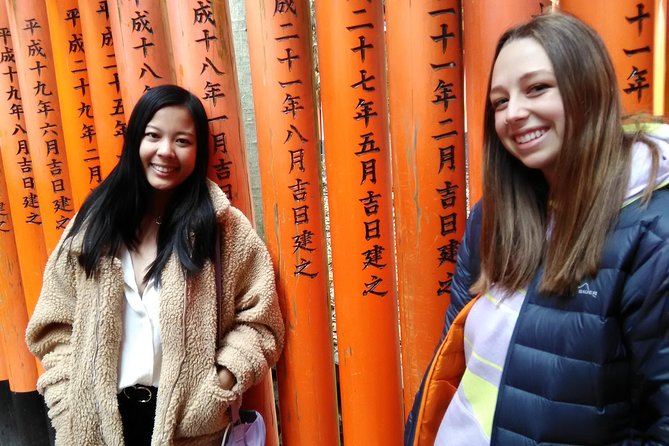
One of the nicest parts of a private tour is that the guide isn’t a generic “walk and talk” robot. In past tours, I’ve seen guides like Yuji and Noriko praised for clear history and helping people feel comfortable with train systems. People also mention guides such as Joy and Kaeko for patience, tailoring the day, and offering food and shopping recommendations.
If you want a tour that helps you understand Kyoto quickly, pay attention to whether your guide talks through the stories and symbolism, not just the locations. If your group includes teenagers or seniors, it helps to choose a guide who’s known for pacing adjustments and patience in crowded areas.
Who should book this Kyoto private tour
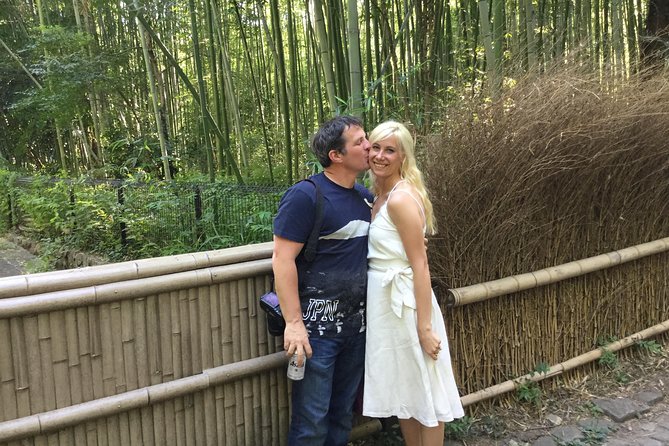
This is a strong fit if:
- You have limited time (one busy day in Kyoto) and want the main sights with context
- You prefer public transport with help navigating instead of car transfers
- You want 3–4 stops rather than rushing through everything
- You like asking questions and getting direct answers in English
It may be less ideal if:
- You want a low-walking day with lots of bus riding and long sit-down breaks
- Your schedule can’t handle temple admission timing and travel time between regions
Should you book this Kyoto 6-hour private tour?
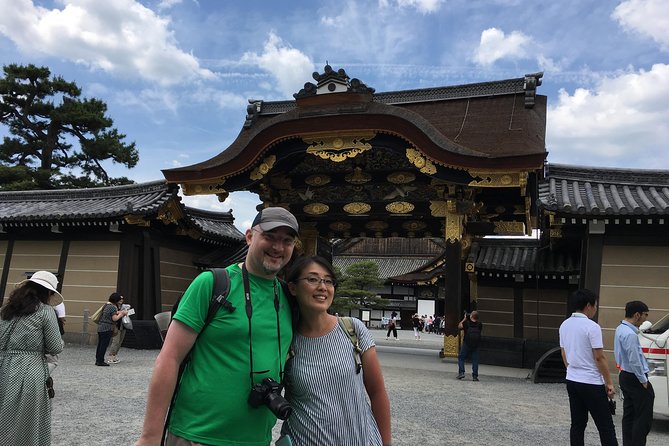
If it’s your first day in Kyoto, and you want to get your bearings fast without turning the trip into a stressful sprint, I’d book this. The licensed guide plus transit-first routing is exactly what makes Kyoto feel doable.
Choose 3–4 stops that match your mood. If you want classic Kyoto, pair Fushimi Inari with Kiyomizu-dera and a neighborhood walk like Gion or Higashiyama. If you want Zen icons, blend Kinkakuji or Ginkakuji with a garden/temple compound. If you’re drawn to nature and atmosphere, dedicate the day to Arashiyama and its surrounding temples and gardens.
Just plan for the walking, build in a lunch break in your chosen flow, and you’ll get a day that feels personal instead of rushed.
FAQ
How long is the Kyoto private tour?
The tour lasts about 6 hours.
Can I customize the tour stops?
Yes. You can choose a customizable tour of your choice of 3–4 sites from the available list.
What is included in the price?
A licensed local English-speaking guide is included, along with the tour itself. You also meet the guide on foot within a designated area of Kyoto. Mobile ticket is included.
Are temple and shrine admission fees included?
Not always. Many listed stops note admission ticket not included. Some areas are listed as free, but you should expect that some stops may require you to pay admission.
Is pickup available?
Pickup is offered, and pickup and drop-off are on foot. You’ll meet the guide within a designated area.
Is lunch included?
No. Lunch is not included.
What are the cancellation terms?
You can cancel for a full refund if you cancel at least 24 hours before the experience’s start time.
More Tours in Kyoto

More Tour Reviews in Kyoto
More Private Tours of Kyoto

Just added: more Kyoto tours to browse





Kyoto Private Guided Tours, compared.
 ★ 5.0Private Kyoto Tour with a Local, Highlights & Hidden Gems, PersonalisedFrom $1021,543 reviews
 ★ 5.010 Must-see Spots in Kyoto One Day Private Tour (up to 7 people)From $1791,108 reviews
 ★ 5.0Kyoto 4hr Private Tour with Government-Licensed GuideFrom $109629 reviews
 ★ 4.8Private Tour with Local Licensed GuideFrom $106463 reviews
 ★ 5.0Private Kyoto Tour with Licensed Guide & Vehicle (Max 15 persons)From $634417 reviews
 ★ 5.0Kyoto Customized Private Tour: See Top Attractions in 1 DayFrom $132342 reviews
 ★ 4.6Kyoto/Osaka: Kyoto and Nara Customized Private Guided TourFrom $477258 reviews
 ★ 4.5Explore Kyoto | Private Tour – Local English Driver(guide option)From $530203 reviews
Browse the lists this tour appears in