
Reviewed · FUSHIMI INARI SHRINE TOURS
Kyoto: Fushimi Inari, Kinkakuji, Bamboo Grove 1 Day Bus Tour
Kyoto’s torii tunnels are pure motion. This full-day bus tour groups major Kyoto sights into one easy plan, with a live English guide and ticketed stops at key World Heritage sites. I especially like the finish at Fushimi Inari Taisha, and I love the practical coach setup with Wi-Fi. The main tradeoff is the day runs full speed, with stairs and hills at several stops.
If you want stories, not just photos, pay attention to the guide. In recent tours I saw names like Den and At-Chan stand out for clear explanations and for helping solo travelers with picture-taking. Do know you’ll be walking more than you think, even if the route is well timed.
In This Review
- Key Points That Make This Kyoto Day Tour Work
- Morning Start: From Tully’s Coffee to Kyoto’s Main Circuit
- Kiyomizudera: Panoramic Views and a Temple with a Date Attached
- Sanjusangen-do: The 1,001 Kannon Statue Hall That Changes How You Look
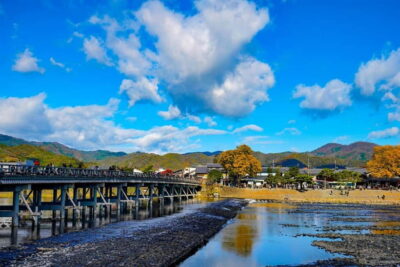
- Arashiyama Lunch by Togetsukyo Bridge: Views While You Reset
- Sagano Bamboo Forest: Green Tunnels and a Short Walk That Packs a Punch
- Tenryuji Temple Garden: Four Seasons Beauty in a Calm World Heritage Pause
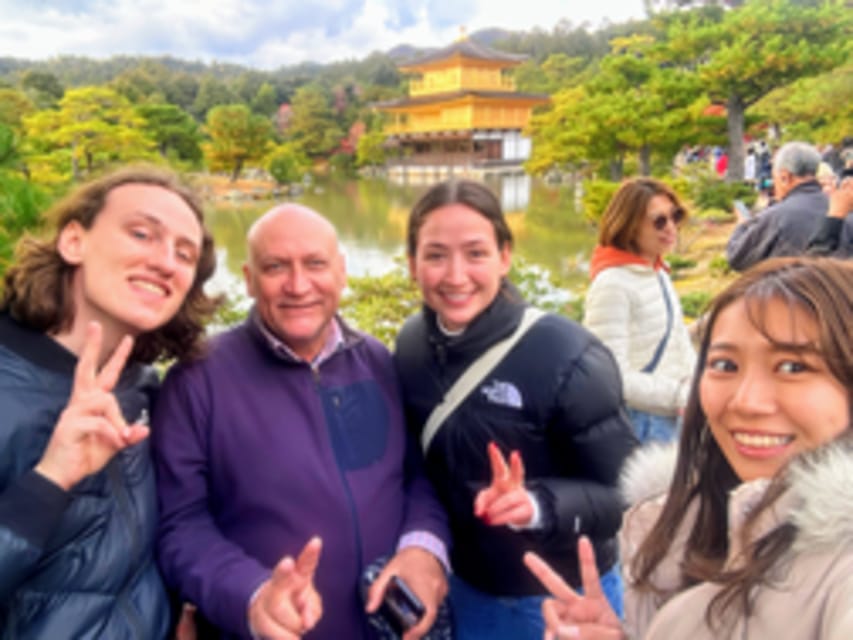
- Kinkaku-ji Golden Temple: A Quick Dose of Shimmer and Symbol
- Nijo Castle Pass-By: A Taste, Not a Full Visit
- Fushimi Inari Taisha: Torii Tunnel Time That Ends the Day Strong
- Bus Comfort and Guide Style: Why This Tour Feels Easy
- Value Check: Is $122 for One Day Too Much?
- Food Reality: Buffet Lunch Options and a Smarter Plan for Dietary Needs
- Pacing and Walking: The One Drawback You Should Take Seriously
- Who Should Book This Kyoto Day Tour
- Final Verdict: Should You Book It?
- FAQ
- What time does the tour start, and where do I meet?
- How long is the tour?
- Is lunch included?
- Are entrance tickets included?
- What languages are provided for the guide and audio?
- Is the tour suitable for wheelchair users or people with mobility impairments?
- What should I bring?
Key Points That Make This Kyoto Day Tour Work
- A true hit list in one day: 7 stops total, including 3 World Heritage sites
- Fushimi Inari last: you get the torii tunnel moment at the end, when the day’s energy is already high
- Temple details that stick: Sanjusangendo’s 1,001 Kannon statues and its long wooden hall feel specific, not generic
- Arashiyama break with views: lunch includes a buffet option while you look toward Togetsukyo Bridge
- Comfort on the move: air-conditioned coach with free Wi-Fi, plus antibacterial coating and regular ventilation
- Food reality check: the included buffet does not list Muslim-friendly, allergy-friendly, lactose-free, or gluten-free options
Morning Start: From Tully’s Coffee to Kyoto’s Main Circuit
This tour begins at 8:00 AM. Check-in is 7:50 AM at Tully’s Coffee Kyoto Avanti Store, right in front of the shop area. The early start matters in Kyoto. You want to beat the day’s first big crowds, and you want daylight for the bigger outdoor walking parts.
You’ll ride an air-conditioned coach with free Wi-Fi, plus an antibacterial coating and regular ventilation. That sounds like marketing, but in practice it’s a real quality-of-life thing when your day is mostly moving between neighborhoods. The schedule is built around that coach routing so you spend less time figuring out trains and more time at temples.
One small note: the day is organized, but the order can change due to traffic, weather, or operations. It’s rare that everything runs perfectly to the minute in Kyoto, so stay flexible.
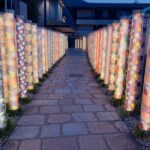
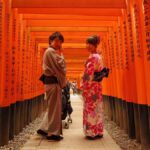
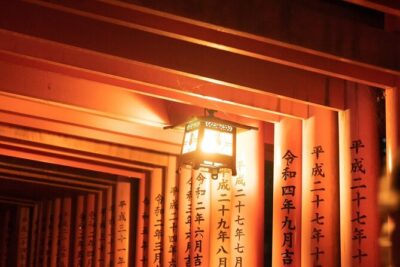
More walks up through the vermilion torii of Fushimi Inari

Kiyomizudera: Panoramic Views and a Temple with a Date Attached
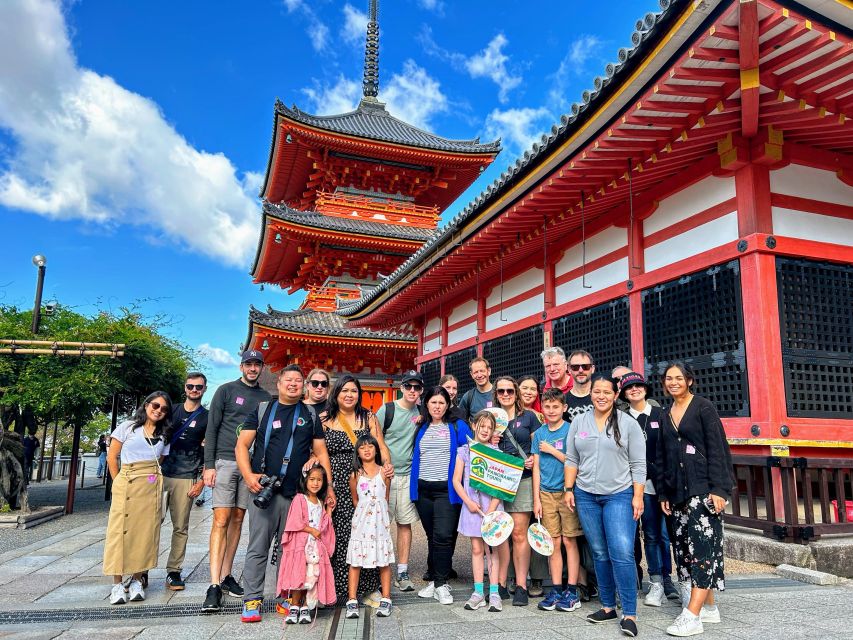
Your first major stop is Kiyomizudera Temple, with about 1 hour on site. This is one of Kyoto’s best-known temple complexes, and it’s also a World Heritage site.
What I like about putting Kiyomizudera early is the vibe shift. You start the morning on a dramatic hillside setting with terraces and viewpoints looking over the city below. The tour framing also gives you a key context point: the temple is reportedly opened in 778, so you’re not just looking at beautiful buildings. You’re looking at a place tied to Kyoto’s long timeline.
Practical tip: wear comfortable shoes. Kiyomizudera is not a place for slippery soles or “cute but questionable” sandals. You’re also dealing with hills and stairs in multiple stops all day, and this one is a good opener for that reality.
Sanjusangen-do: The 1,001 Kannon Statue Hall That Changes How You Look
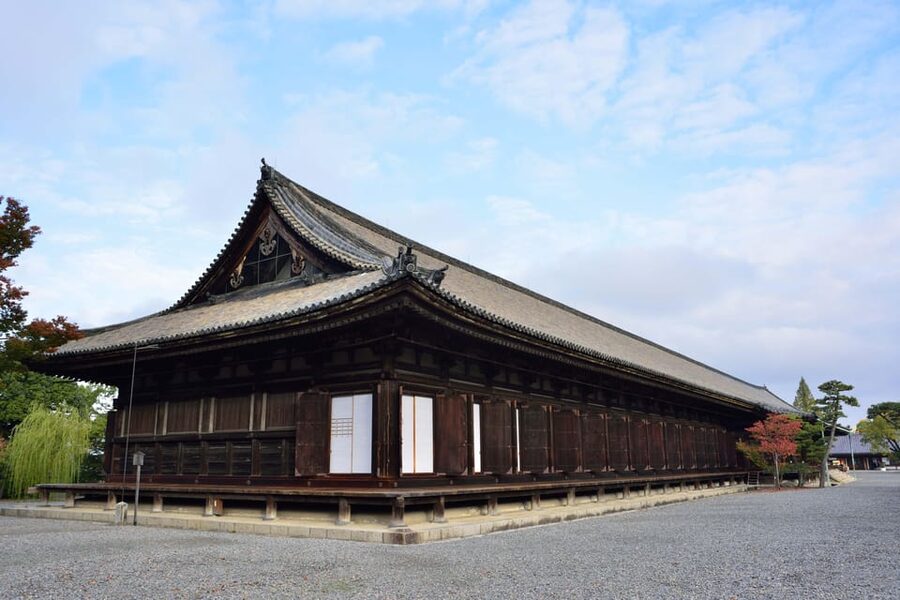
Next up is Sanjusangen-do Temple (also known as Rengo-In). You get about 40 minutes here.
This is a stop with details that feel almost too specific to be touristy. The hall contains 1,001 Kannon statues—and the tour context helps you understand why that number matters. The hall is described as Japan’s longest wooden structure, with 35 columns dividing the building into 33 parts.
If you’ve ever been stuck in a museum where everything looks similar, this is the opposite. The focus is concentrated. You walk into a hall with an overwhelming sense of repetition, rhythm, and devotion, and the guide’s explanations help you make sense of what you’re seeing instead of just standing there scanning for the “main” statue.
Arashiyama Lunch by Togetsukyo Bridge: Views While You Reset
After Sanjusangendo, you head toward the Arashiyama area. Lunch is allotted for about 50 minutes, with time to enjoy the area around Togetsukyo Bridge.
The tour includes a Japanese buffet made with seasonal ingredients when you choose the lunch option. There are vegetarian dishes, which is helpful. But there’s a clear limitation: the buffet is not presented as Muslim-friendly, allergy-friendly, lactose-free, gluten-free, or otherwise specialized for dietary needs. If you have food restrictions, your safest move is choosing the tour option without lunch (more on that later).
My advice for the lunch window: treat it like a reset button. Eat, then take a short stroll near Togetsukyo Bridge if time allows. You’re not trying to cover the entire Arashiyama district—your day is already packed with temples and shrine stops. You just want a calm pause with a Kyoto view before the walking intensifies again.
Sagano Bamboo Forest: Green Tunnels and a Short Walk That Packs a Punch
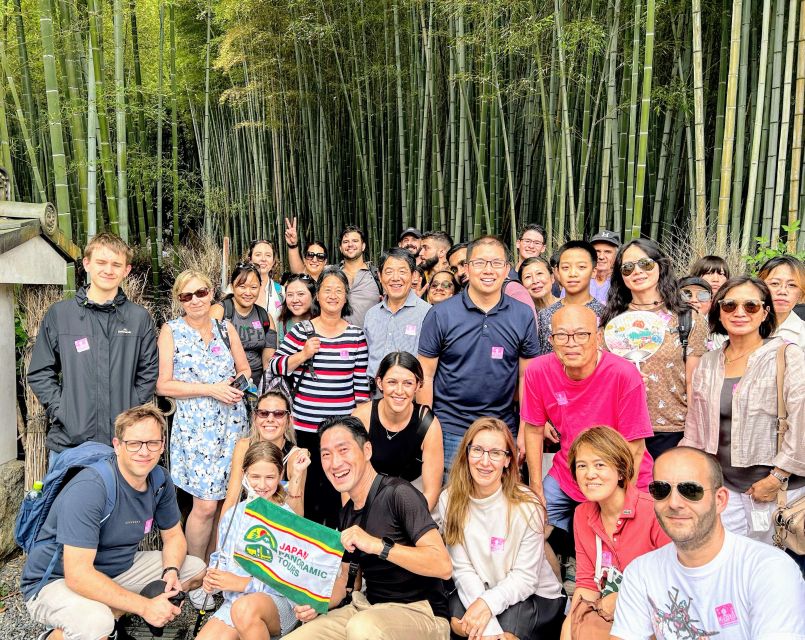
Then comes the Sagano Bamboo Forest section, with about 20 minutes for photo stops and walking.
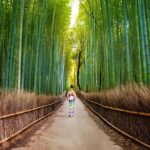
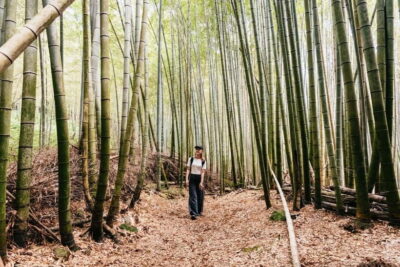
This part is deceptively simple. You’re walking paths through tall bamboo stalks that create that classic tunnel effect. The tour also points out what makes it feel extra special: on light-wind days, the bamboo can sway gently, adding motion to what would otherwise be static scenery.
Because your time is short, don’t overthink it. Pick a point where you can see depth down the rows, then walk far enough to get the framing you want. If you try to “see everything,” you’ll just feel rushed. Keep it focused: bamboo tunnel visuals, then back to the group rhythm.
Deeper into Arashiyama, past the bamboo and the Hozu river

Tenryuji Temple Garden: Four Seasons Beauty in a Calm World Heritage Pause
After bamboo, you visit Tenryuji Temple, with about 30 minutes here.
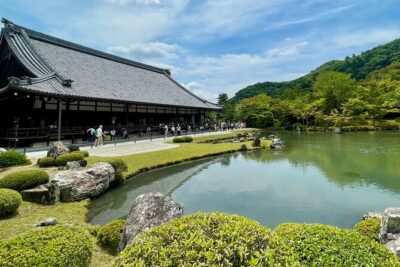
Tenryuji is another World Heritage site, and the tour emphasizes the garden beauty through four seasons. Even if you’re visiting in one season only, that concept matters. It frames the garden as something designed to change. You’ll notice how paths and sightlines are set up for viewing from different angles, like the garden is built for repeated looking, not one quick glance.
This is also a good place in the day to slow down for a minute. After dense crowds at famous spots, Tenryuji can feel like a mental exhale. You’re still moving quickly, but the atmosphere supports standing still, watching, and letting the garden geometry do its job.
Kinkaku-ji Golden Temple: A Quick Dose of Shimmer and Symbol
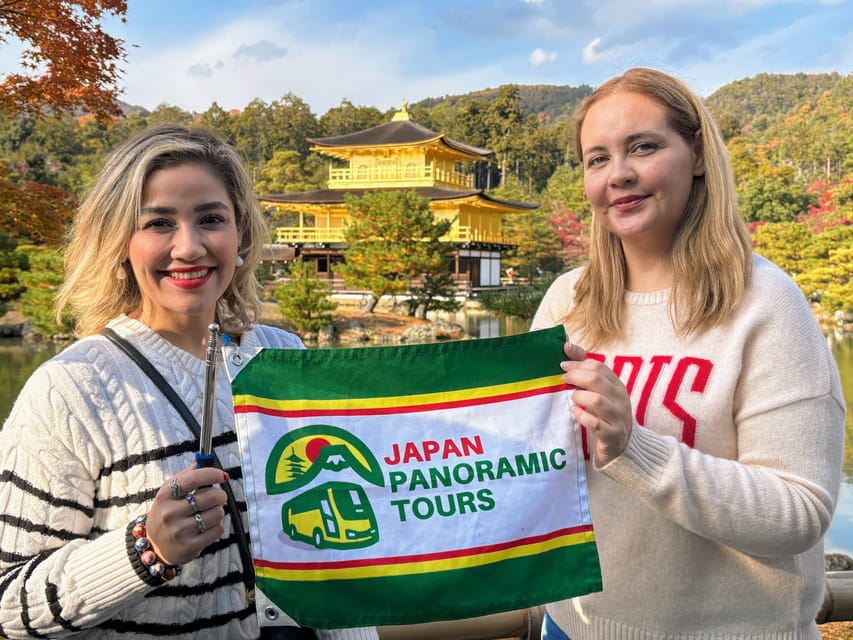
Next is Kinkaku-ji (the Golden Temple), about 40 minutes.
This stop has two jobs in the tour. First, it delivers one of Kyoto’s most iconic images—golden architecture that reads clearly in photos. Second, it helps you understand why Kinkaku-ji fits into Kyoto’s idea of sacred aesthetics: it’s not only a building, it’s a visual statement.
You won’t have time to wander like you would on your own. Still, the time block is long enough to see the overall complex and take in the key viewpoints. If you’re the kind of person who wants to circle and re-circle a site to find the “best angle,” start early in your time slot. Once the group flow builds, it’s harder to step away.
Nijo Castle Pass-By: A Taste, Not a Full Visit
The tour includes a pass-by of Nijo Castle. Since you’re not being dropped for a full visit here, think of it as a roadside history cue. It’s a bonus visual reference that can help if you plan a separate, slower day later.
Fushimi Inari Taisha: Torii Tunnel Time That Ends the Day Strong
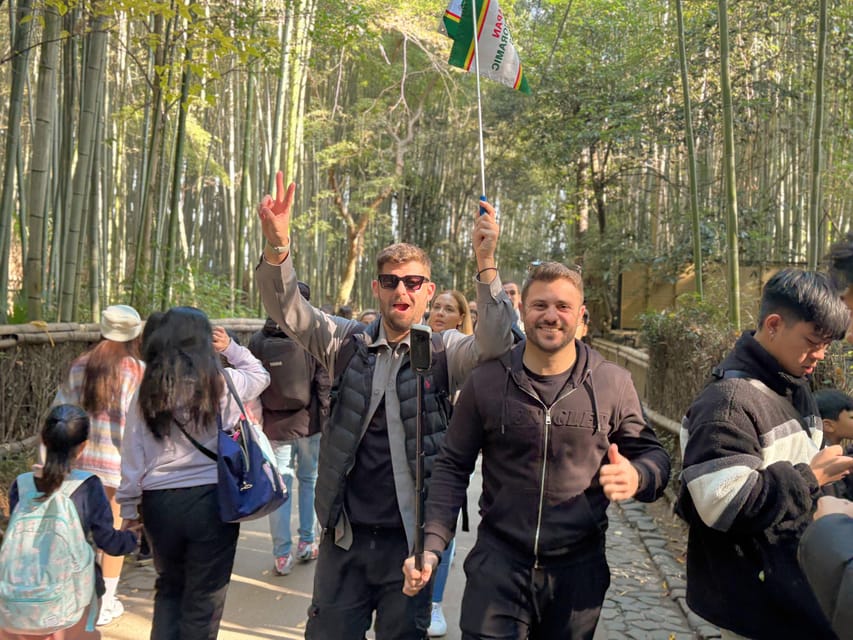
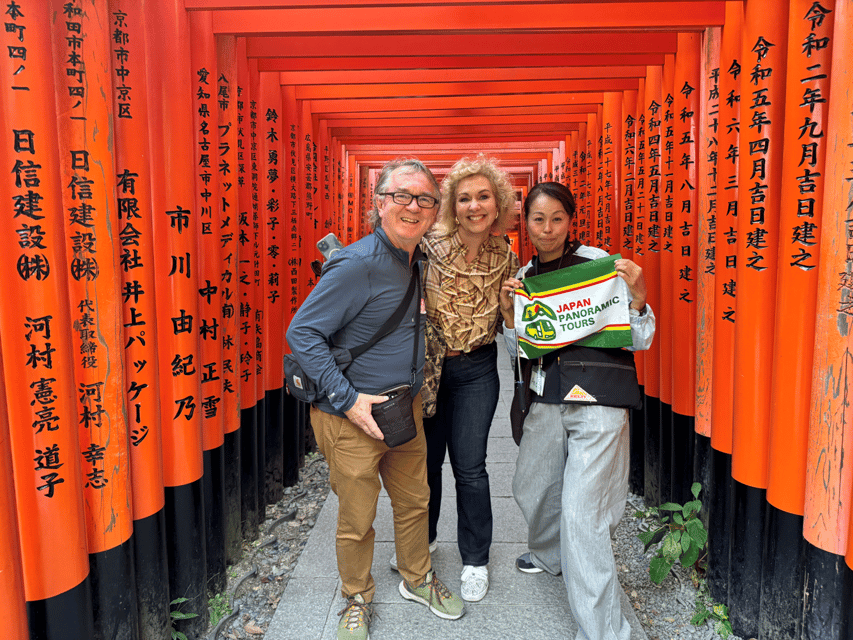
Finally, you reach Fushimi Inari Taisha Shrine, with about 1 hour.
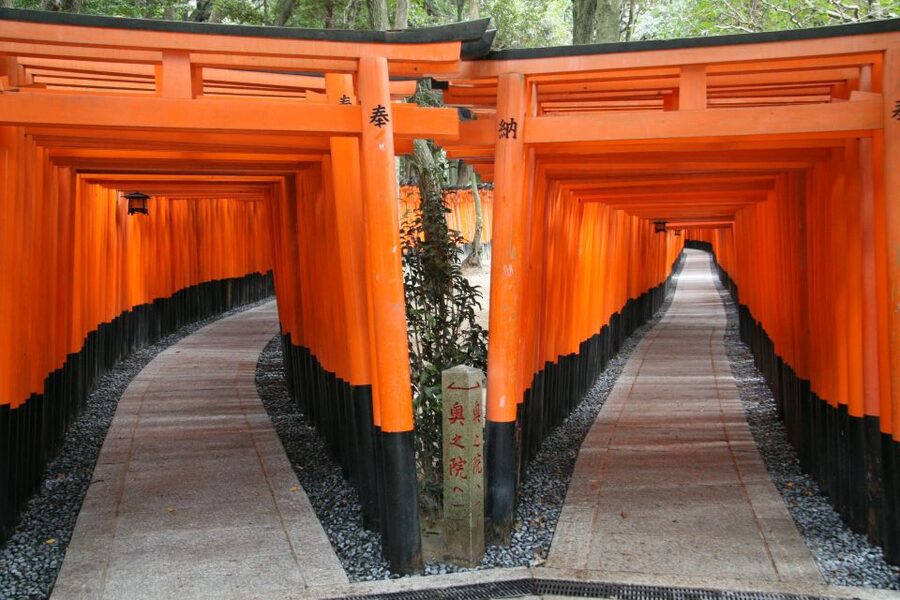
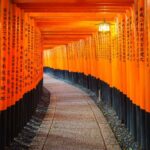
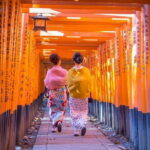
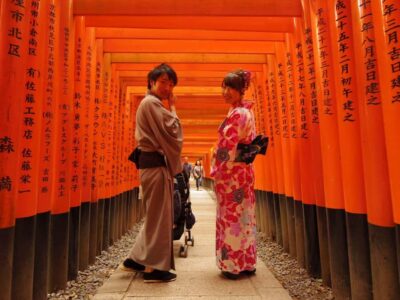
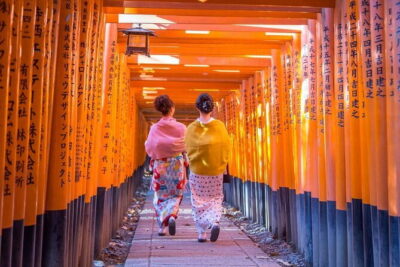
This is the headline moment: walking under thousands of red torii gates. The tour’s framing is spot-on. This isn’t a “walk to one view and back” kind of place. Even in a one-hour window, you feel the tunnel effect as you move between gates—your brain keeps recalibrating the distance.
I like that Fushimi Inari is last. By the time you arrive, you’re already in Kyoto’s temple rhythm. Your legs are tired, yes, but you also know what to look for. You’re not guessing how to experience it—you just follow the gate rhythm and enjoy the changing perspective.
Practical tip: this is a shoes-and-legs moment. If you’re tired at this point, choose a stopping point based on your energy, not on some imaginary rule that you must go all the way.
Bus Comfort and Guide Style: Why This Tour Feels Easy
The success of a big day tour lives or dies with the guide. In the recent experiences I saw repeatedly, guides like Den and At-Chan were praised for clear explanations and for engaging the group. More than once, the guide’s job wasn’t just facts. It was keeping the pace comfortable and helping people—especially solo visitors—get good photos.
You also get audio support. The tour provides audio headsets for multiple languages, including Spanish, French, Italian, German, Portuguese, and Ukrainian. The tour materials also advertise multilingual audio guidance including EN, FR, IT, ES, DE, PT, UK. Either way, it’s helpful when the live guide’s English is going fast and you want to catch a detail again without feeling lost.
Transportation is another quiet win. The coach is air-conditioned, has free Wi-Fi, and is described as having an antibacterial coating with regular ventilation. When you’re on a tight schedule, you notice the comfort, not just the sights.
Also: tickets for key sites are handled for you. The included items list entry tickets for Kiyomizudera, Tenryuji, Kinkakuji, and Sanjusangen-do. That keeps your day from turning into a line-waiting scavenger hunt.
Value Check: Is $122 for One Day Too Much?
At $122 per person, this is not a budget grab. It’s a convenience package for people who want to see a lot without juggling transit plans.
Here’s why the price can make sense. You’re paying for:
- a professional English-speaking guide
- air-conditioned transportation with Wi-Fi
- entry tickets for four major sites
- a structured day that covers multiple distant neighborhoods (Kyoto is spread out)
Then consider what’s not included. Meals beyond the lunch option are extra. Additional food and drinks aren’t covered. Also, if you want special dietary meals (the tour is explicit that it does not offer Muslim-friendly, allergy-friendly, lactose-free, gluten-free, or vegan-friendly meals as a listed option), you may need to plan differently.
My practical take: this is good value if your goal is a first big pass through Kyoto highlights and you hate logistical stress. If you prefer slow wandering and you enjoy trains and finding your own ticket lines, you might get better value going independent.
Food Reality: Buffet Lunch Options and a Smarter Plan for Dietary Needs
Lunch is included only if you select the option. It’s described as a Japanese buffet with seasonal ingredients, and vegetarian dishes are available.
But the important part is the limitations: there are no listed Muslim-friendly, allergy-friendly, lactose-free, or gluten-free choices. If you have a serious allergy, the tour notes you should book the option without lunch.
If you choose the tour option without lunch, you can bring your own lunch, or use Arashiyama free time to purchase your meal. That can be a smart move even if you don’t have allergies, because you’ll have more flexibility over what you eat and where you sit during a short window.
Pacing and Walking: The One Drawback You Should Take Seriously
This is a full-on day. You’ll walk stairs and hills during the tour. It’s also not suitable for wheelchair users or people with mobility impairments, and pets aren’t allowed.
That doesn’t mean it’s impossible for everyone. It means you should pack for comfort. Comfortable shoes are the big requirement. If you’re traveling with kids, it can work if they can handle steady walking and waiting. If your plan includes a lot of sightseeing stops that day, this tour is the main event, not a side quest.
Also note the stop timing. You’ll get limited time at each site, so if you want to sit for a long meditation, sketch, or read every plaque, you may feel rushed. Think of this as a guided sampler that gives you direction for deeper follow-up later.
Who Should Book This Kyoto Day Tour
This tour is a strong fit if:
- you’re short on time and want Kyoto’s biggest icons in one day
- you want an English-speaking guide to explain the symbolism and context
- you’d rather ride a coach and follow a plan than piece together transit between neighborhoods
- you like structure and a clear itinerary rhythm
You might skip it if:
- you need specialized dietary meals beyond what’s offered at the buffet
- you strongly prefer slow travel and long stays at each site
- your mobility limits you from stairs and hills
Final Verdict: Should You Book It?
If you want Kiyomizudera, Sanjusangendo, Arashiyama, Tenryuji, Kinkaku-ji, and Fushimi Inari Taisha in one smooth day, this tour is a practical way to do it. The best part is the balance between big sights and guidance: you’re not just sightseeing, you’re getting a storyline for what you’re seeing.
Book it when your priority is efficient coverage and you’re comfortable with a packed schedule. Skip it when you want a calmer pace, longer time at fewer sites, or you need meal accommodations that the buffet doesn’t list.
FAQ
What time does the tour start, and where do I meet?
You check in at 7:50 AM and depart at 8:00 AM. The meeting point is in front of Tully’s Coffee (Kyoto Avanti Store).
How long is the tour?
The duration is listed as 510 minutes, which is about 9 hours.
Is lunch included?
Lunch is included only if you choose the lunch option. The lunch described is a Japanese buffet with vegetarian dishes.
Are entrance tickets included?
Yes. Entry tickets are included for Kiyomizudera Temple, Tenryuji Temple, Kinkakuji Temple, and Sanjusangen-do Temple.
What languages are provided for the guide and audio?
The live tour guide is in English. Audio headsets are available in Spanish, French, Italian, German, Portuguese, and Ukrainian, and the tour also advertises multilingual audio guidance for several additional languages.
Is the tour suitable for wheelchair users or people with mobility impairments?
No. It is not suitable for wheelchair users or people with mobility impairments.
What should I bring?
Bring comfortable shoes. The tour includes walking up stairs and hills.
More Golden Pavilion and Temple Tours

More of Arashiyama and Sagano
Fushimi Inari, a Few More Ways
Just added: more Kyoto tours to browse








Fushimi Inari Shrine Tours, compared.
 ★ 5.0Fushimi Inari Hidden Hiking Tour (Private Option Available)From $631,750 reviews
 ★ 4.7Kyoto/Osaka: Nara, Fushimi Inari Taisha, Arashiyama Bus TourFrom $521,275 reviews
 ★ 4.4Osaka/Kyoto: Arashiyama, Nara & Fushimi Inari Shrine w/LunchFrom $61754 reviews
 ★ 4.7Nijo Castle, Kiyomizu & Fushimi Inari Guided TourFrom $54700 reviews
 ★ 5.0Nijo, Kinkaku-ji, Arashiyama, Kiyomizu & Fushimi InariFrom $51699 reviews
 ★ 5.0Kyoto Fushimi-Inari Night Walking TourFrom $43320 reviews
 ★ 4.93-Hour Fushimi Inari Shrine Hidden Hiking TourFrom $72270 reviews
 ★ 5.0Kyoto Early Bird English Tour: Fushimi-Inari and ArashiyamaFrom $96198 reviews
Browse the lists this tour appears in