
Reviewed · PRIVATE CAR WITH DRIVER
Private car tour Let’s uncover secrets of majestic Kyoto history
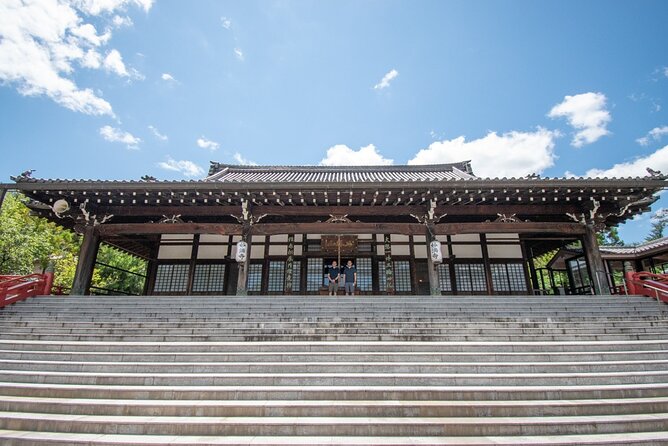
Some Kyoto days feel planned for crowds. This one is built for calm, with a private car and room to steer your own pace. You’ll roll between major sights and quieter spots, without the typical bus-herd feeling.
Two things I especially like: hotel pickup and drop-off (so you’re not solving Kyoto logistics mid-trip) and a small group size of up to 10 in your vehicle. The guide, often Takashi, is known for friendly, clear English and for tailoring the day when your group has different needs or interests.
One possible drawback to plan for: the tour runs about 7 hours with several stops, and while many sites list free entry, there’s also an admission fee of ¥3,000 per person listed as not included—so bring the expectation that not every minute is spent lingering, and you may pay some entries on the day.
In This Review
- Key highlights you’ll actually feel on the ground
- Why a private car changes the whole Kyoto day
- The price and what you’re paying for
- The 7-hour route: what each stop is for (and what to watch)
- Stop 1: Fushimi Inari-taisha Shrine for the torii-gate feeling
- Stop 2: Kennin-ji Temple for the moss-garden calm
- Stop 3: Ryoan-ji Temple for the rock garden order
- Stop 4: Adashino Nembetsu-ji for the unusual origin story
- Stop 5: Kinkakuji Golden Pavilion (described under Yasakanoto)
- Stop 6: Otagi Nenbutsu-ji for art, tea, and quiet details
- Stop 7: Arashiyama Monkey Park area and Kyoto-style dessert
- Stop 8: Kibune Shrine for koi pond vibes
- Food planning: lunch and snacks without ruining the timeline
- The guide factor: why Takashi-style hosting works
- What to pack and how to make the day feel easy
- Should you book this Kyoto private car tour?
- Quick decision help
- FAQ
- How many people are in the private group?
- What’s the duration of the tour?
- Do you get hotel pickup and drop-off?
- Is lunch included?
- Are admission fees included?
- What type of transport is used?
Key highlights you’ll actually feel on the ground
- Private group size (up to 10) means more flexibility and less waiting around
- Hotel pickup and drop-off cuts out Kyoto transport stress
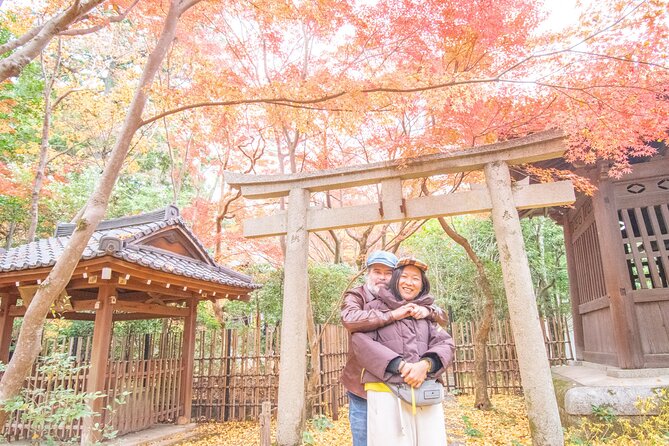
- A mix of famous and lesser-visited stops, including Fushimi Inari and quiet temple gardens
- Secret-temple element: one temple’s name is only disclosed on the tour
- Dessert stop by Arashiyama Monkey Park, including Kyoto-style mochi and yuzu or matcha shaved ice
- Guide-led lunch and food suggestions you can request (lunch isn’t automatically included)
Why a private car changes the whole Kyoto day
Kyoto is beautiful, but it can also feel like a series of lines. This tour is designed to avoid that rhythm. Instead of getting dumped into the same photo spots and rerouted on a fixed bus schedule, you’re in a private vehicle with your chosen travel companions, up to 10 people.
That small-group setup matters in two practical ways. First, you can adjust the order of stops to match your energy level. Second, you spend less time crossing town and more time where it’s worth being: temples, shrine grounds, gardens, and neighborhood streets.
You also get the payoff of local guidance. One-stop-to-the-next is nice, but the real value is having someone help you notice what you’d otherwise miss: why a garden looks the way it does, what a shrine’s setting is telling you, or what a historical detail adds to the atmosphere.
Other Kyoto tours and experiences to compare

The price and what you’re paying for
At $108.58 per person for roughly 7 hours, you’re not just buying access to temples. You’re paying for the structure that makes Kyoto sightseeing easier:
- Private air-conditioned vehicle
- Gas and parking covered up to ¥3,000 per day
- Hotel pickup and drop-off
- Local restaurant and dessert suggestions
- A guide who helps connect the sites so you don’t just see buildings
Now, the important budgeting note: the tour lists an admission fee of ¥3,000 per person as not included. Even though many individual stops are labeled free on the schedule, that overall fee can mean you should still plan for paid entries or park/temple charges depending on timing and exact on-site rules. My advice is simple: bring cash or a card ready for that, and ask the guide early in the day what portions are covered.
If you’re traveling with a group, you’re also getting better value than you would by piecing together private transport plus a separate guide. This is one of those deals that works best when you actually use the time for multiple stops.
The 7-hour route: what each stop is for (and what to watch)
Your itinerary is built like a best-of sampler of Kyoto’s contrasts: iconic shrine gates, moss gardens, rock arrangements, a gold pavilion stop, and a calmer Arashiyama-side finish with dessert and a shrine.
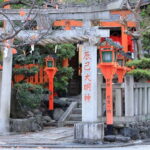
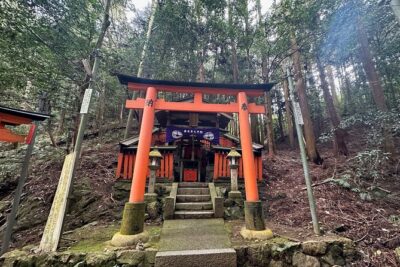
Stop 1: Fushimi Inari-taisha Shrine for the torii-gate feeling
You start at Fushimi Inari-taisha Shrine, famous for its thousands of tri-gates (torii). The schedule gives you about 2 hours, which is the right amount of time to do more than the first photo stretch.
Here’s what to expect: the shrine area feels like a slow walk into a tunnel of color. The grounds include a long mountain stretch plus bamboo forest and quiet bird sounds. That combination is why people remember this stop. Even if you already know the images, the scale on foot lands differently.
Consideration: this is the most crowded stop on many Kyoto itineraries. Plan to go at a calmer pace anyway—let yourself wander rather than sprint for pictures. Also wear shoes you can trust for uneven stone paths.
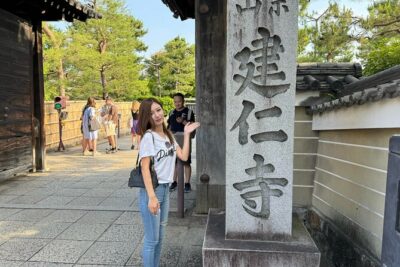
Stop 2: Kennin-ji Temple for the moss-garden calm
Next is Kennin-ji Temple, but here’s the twist: it’s described as a secret temple, with the temple name disclosed only on the tour. You get around 1 hour.
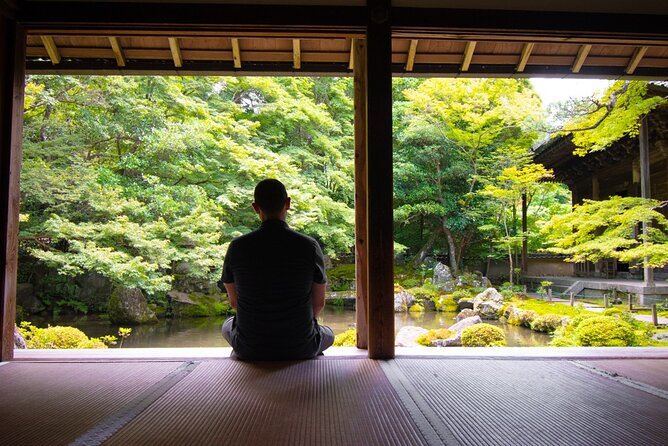
This is the kind of place where Kyoto slows down. You’re there for an especially gorgeous moss garden that many people simply don’t reach because it’s not always on the first-page tourist lists. The garden effect is the point: you’re not trying to conquer it quickly. You’re letting it sink in.
Practical tip: bring patience for quiet moments. If your group tends to rush, remind everyone that the best shots here come from slowing down and letting your eyes adjust.
Other Kyoto tours and experiences to compare
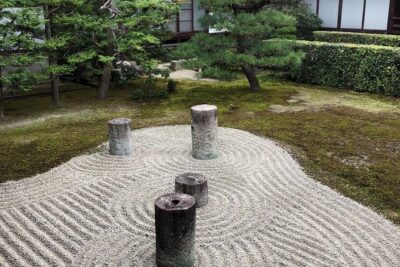
Stop 3: Ryoan-ji Temple for the rock garden order
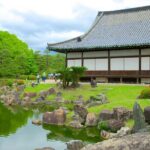
After that, you head to Ryoan-ji Temple, described as a large temple in northern Kyoto. You’ll spend about 1 hour.
The highlight is the rock garden: millions of tiny rocks organized in a way that creates a big sense of structure. The schedule also frames this as a place connected to Buddhist history in Japan, including a theme of major Buddhist development over time.
What makes this stop worth your time: it’s not just a visual. It gives you a feeling for how belief and design can work together—how placement, emptiness, and repetition become part of the story.
Consideration: if you prefer highly guided explanations or lots of signage, lean into the guide’s storytelling here. The rock garden is famous, but the meaning becomes clearer with context.
Stop 4: Adashino Nembetsu-ji for the unusual origin story
Stop four is Adashino Nembetsu-ji Temple, about 30 minutes.
This one is different. The schedule says it was originally erected by a group called Hatashi, described as a Korean-rooted ethnic tribe in the 5th–6th century. It was burned in the 8th century, yet it never vanished after that.
Why I think this stop works: it gives you a Kyoto that isn’t just about the most photographed names. You’re connecting geography, migration, and religious practice across centuries. Even the short timing feels intentional because the story itself carries weight.
Practical tip: keep your group together here. Smaller grounds can still be easy to lose each other in, especially if you’re focused on details.
Stop 5: Kinkakuji Golden Pavilion (described under Yasakanoto)
Next comes Kinkakuji, the Golden Pavilion. On the schedule it’s listed under the name Yasakanoto, with the description matching Kinkakuji.
You get about 1 hour. The background matters: it was the villa of Shogun Yoshimitsu Ashikaga (1358–1408) and became a temple after his death. The top floors are covered with gold leaf, which is part of why it’s instantly recognizable.
What to watch for: this stop is famous, so expect more people. The trick is to enjoy it as an experience of contrast. After quieter temples, the shine and crowd can feel like a hard switch. That switch is part of Kyoto’s texture.
Stop 6: Otagi Nenbutsu-ji for art, tea, and quiet details
Stop six is Otagi Nenbutsu-ji Temple, another short stop at about 30 minutes.
The schedule frames it as connected to an art master who was professional in arts including tea ceremony and calligraphy. You’re there for an “awesome garden” that includes art/tea-related items.
Why it fits the tour: this is where you start noticing the human side behind the architecture—people shaping places with their skills, not just famous rulers leaving names behind.
Consideration: with only about half an hour, you’ll want to know what you’re looking for. Your guide can help you focus on the right areas so you don’t spend your whole time wondering where to stand.
Stop 7: Arashiyama Monkey Park area and Kyoto-style dessert
Now you move toward Monkey Park Iwatayama, and the schedule includes a local dessert shop stop as part of this segment (about 30 minutes total).
You can expect Kyoto-style sweets such as mochifu (pounded rice cake with different textures than regular mochi) and shaved ice flavored with yuzu or matcha. This is a fun pacing reset after temples.
If you’re sensitive to timing: dessert stops can turn into quick sugar-and-go moments. Decide in advance what you want, then let the guide order or direct you so you’re not waiting for everyone to choose.
Stop 8: Kibune Shrine for koi pond vibes
Final stop is Kibune Shrine, about 30 minutes.
The schedule describes it as the biggest shrine erected by the Hatashi-tribe and beloved by local neighborhoods. A standout feature mentioned here: a large koi fish pond, where they allow you to feed the fish.
This is a good ending because it’s interactive and calm. After a day of gates, rocks, and gardens, feeding koi gives you a simple, present-moment memory.
Food planning: lunch and snacks without ruining the timeline
Lunch isn’t automatically included, but the tour says you can request it. The guide is also set up to stop at local restaurant and dessert shops depending on timing.
From the kind of feedback this tour tends to attract, people often end up with satisfying meals that feel local rather than touristy. If you want something specific—like a calmer restaurant atmosphere, or a particular lunch style—this is where the private format pays off.
My practical advice: decide your lunch priority before the day starts. If your group wants a sit-down meal, ask for it early so you don’t end up rushing later. If you prefer snacks and desserts, you can keep meals light and protect your temple time.
The guide factor: why Takashi-style hosting works
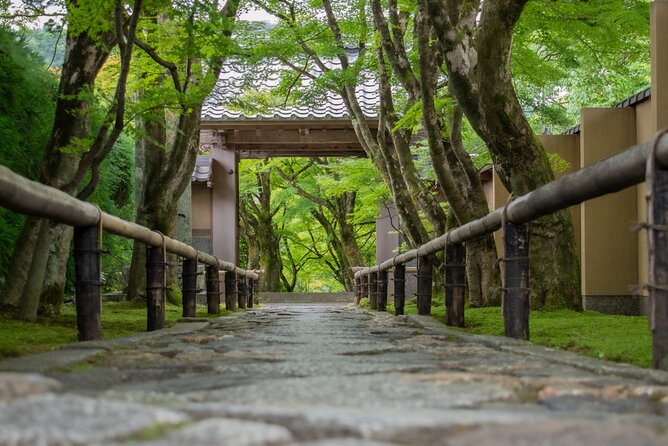
A lot of tours get the route right and then fail at the human part. This one leans hard on guiding. In many experiences, the guide is Takashi, and he’s described as friendly, fluent in English, and flexible.
What you’ll notice with a guide like this is pacing control. When the day starts, you may not get full conversation right away, but once people settle in, the explanations and context often land. That matters because Kyoto rewards attention. If someone helps translate what you’re seeing, you’ll leave with more than photos.
Also, the flexibility isn’t just theoretical. The tour is positioned as customizable for your preferences, and guides in this style have even helped arrange special transport or add-on experiences for certain groups when it fits.
What to pack and how to make the day feel easy
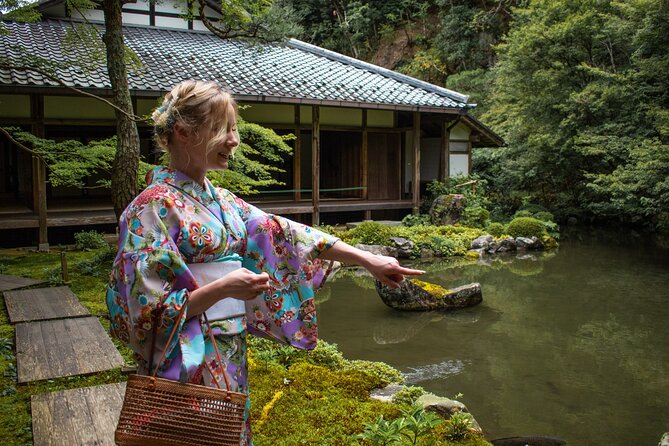
This is a walking + temple day, even with a car between stops. You’re moving from shrine paths to garden paths to rock-view areas.
Bring:
- Comfortable shoes for uneven temple grounds
- A light layer (temples and Kyoto gardens can feel cool even on warm days)
- Some patience for the most famous stop (Fushimi Inari) being busy
And one more thing: you’ll get the most out of short stops if your group agrees on a simple rule. Don’t split off. If someone wants photos, let the guide help position the group rather than chasing angles alone.
Should you book this Kyoto private car tour?
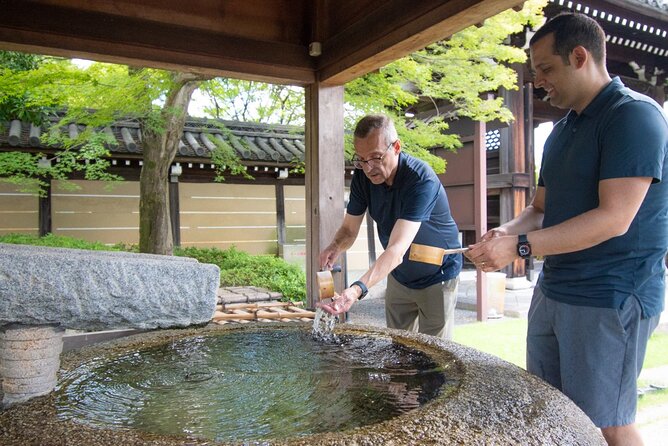
Book it if you want a less crowded, more flexible Kyoto day with the comfort of hotel pickup and a private air-conditioned ride. It’s especially smart if:
- Your group includes different ages or mobility levels
- You don’t want to plan transport between distant temple clusters
- You care about stories, not just ticking boxes (the guide context is the value)
Skip it if you’re chasing a rigid, fully guided-by-signage museum-style experience where every minute is heavily structured. Also be aware that with about 7 hours and many stops, you won’t get unlimited time in every spot.
Quick decision help
If your ideal Kyoto day is: drive less, walk smarter, see famous highlights plus calmer temples, this tour fits. If your ideal day is: linger in one place and never feel rushed, you might want a shorter route instead.
FAQ
How many people are in the private group?
The tour is private and designed for your group only, with up to 10 people.
What’s the duration of the tour?
It runs about 7 hours.
Do you get hotel pickup and drop-off?
Yes, hotel pickup and drop-off are included.
Is lunch included?
Lunch isn’t included, but the guide can stop for lunch during the tour if it works with timing.
Are admission fees included?
An admission fee of ¥3,000 per person is listed as not included, even though some stops note free admission.
What type of transport is used?
You ride in a private air-conditioned vehicle, and gas/parking fees are covered up to ¥3,000 yen/day.
More Private in Kyoto

More Tours in Kyoto
More Tour Reviews in Kyoto
Just added: more Kyoto tours to browse




Private Car with Driver, compared.
 ★ 5.0Kyoto Private Car Tour – Full Day with Local Guide & Nara OptionFrom $170169 reviews
 ★ 5.0Private car tour in Kyoto (up to 4)From $132123 reviews
 ★ 5.0Private car tour in Kyoto (up to 9)From $37574 reviews
 ★ 5.0Kyoto Day Trip using Private Car with English Driver (up to 5)From $54874 reviews
 ★ 5.0Luxury Kyoto 1-Day Private Car Tour with Nara & Osaka OptionsFrom $18561 reviews
 ★ 5.0Kyoto tour with English Speaking ChauffeurFrom $50029 reviews
 ★ 5.0Kyoto Private Customizable Day Trip With English chauffeurFrom $43128 reviews
 ★ 4.5Kyoto Custom Private Car Tour with Local GuideFrom $44826 reviews
Browse the lists this tour appears in