
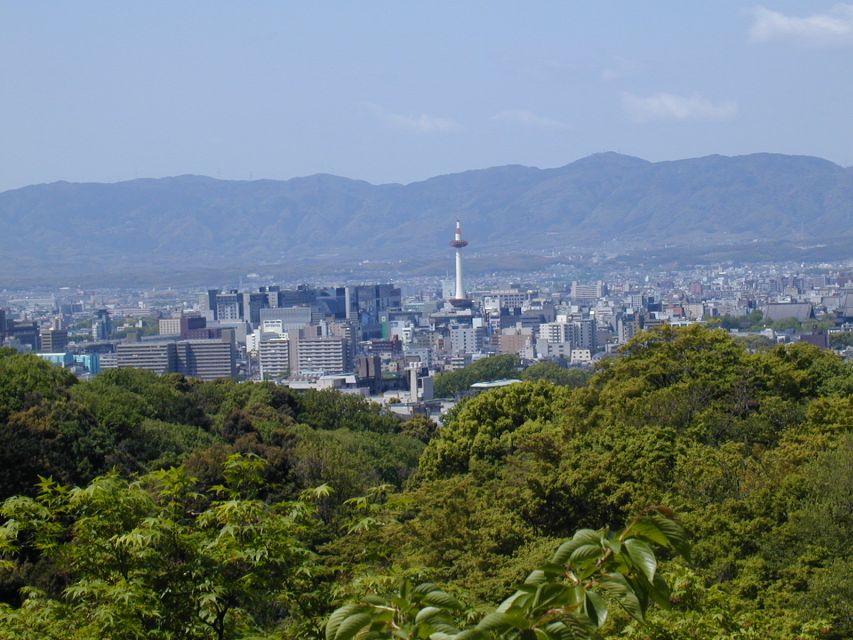
Reviewed · KYOTO PRIVATE GUIDED TOURS
Kyoto: Private Tour with Local Licensed Guide
Kyoto makes sense with a local at your side. This private, walking day tour uses a nationally licensed guide to stitch together the big sights and the practical backstory so you’re not just looking at temples, you’re understanding them. You can also shape the order of your day so it fits what you care about most.
I especially like two things: you get a nationally licensed Tour Guide-Interpreter (English or Japanese), and your route can be adjusted to your interests instead of forcing you into a fixed checklist. Guides such as Kazuo, Naoki, Akira, and Rie show up again and again in the feedback pattern for strong planning and clear explanations that connect Kyoto’s traditions to what you see on the street.
One consideration: this is a walking tour with public transit or taxis可能 for moving between areas. Entrance fees and food are not included, so you’ll want some yen set aside and comfortable shoes ready.
In This Review
- Key highlights worth your attention
- How the 4–8 Hour Private Walk Works in Kyoto
- Choosing Your Stops: Build a Kyoto Day That Fits Your Taste
- Starting Early and Walking Smart Through Crowds
- Fushimi Inari-taisha: Torii Corridor Meaning and Photo Timing
- Adding Nijo Castle and Nishiki Market for Real Kyoto Energy
- Kinkaku-ji Golden Pavilion: The Building and the Mountain Views
- Kiyomizu-dera Veranda to Gion: Panoramas, Shops, and Dinner Choices
- Arashiyama Options: Bamboo Forest Street, Bridges, and Temple Pairings
- Other Sites Your Guide Can Thread Into the Day
- Price and Value: Why $106 Feels Fair for a Private Kyoto Day
- Comfort, Pace, and Real-World Logistics (Walking, Transit, Yen)
- Who This Tour Fits Best (And Who Should Consider Another Plan)
- Should You Book This Kyoto Private Walking Tour?
- FAQ
- How long is the Kyoto private walking tour?
- What sites can you include?
- Is the tour customizable?
- What languages are the guides?
- What’s included in the price?
- Are entrance fees and food included?
- How do you travel between the sites?
- How many people are in the group?
Key highlights worth your attention
- Nationally licensed guide-interpreter for culture and history context, not just directions
- 4, 6, or 8 hours with stop counts that scale (about 2–3, 3–4, or 4–6 places)
- Fushimi Inari’s torii corridor with a meaningful explanation of shrine symbolism
- Geisha film location atmosphere as part of the Kyoto you see and photograph
- Golden Pavilion and Kiyomizu-dera as two different kinds of “wow” in one day
- Gion time for shopping and dining with guide-led recommendations
How the 4–8 Hour Private Walk Works in Kyoto
You’re not signing up for a van-and-ticket sampler. You’re signing up for a private, on-foot day where the guide manages timing and transitions between areas. The duration is flexible on purpose: you choose 4, 6, or 8 hours based on how many stops you want without feeling rushed.
Here’s the practical rhythm: a 4-hour tour usually fits about 2–3 sites, while a 6-hour plan generally lands around 3–4, and an 8-hour day can stretch to roughly 4–6 stops. That matters because Kyoto’s top sights are spread out. If you try to “just do it yourself,” you’ll spend time figuring out transit, entrances, and crowd flow. With a guide, you spend more time actually walking through the places.
This is also a good fit for groups that want variety. One person might want big-photo Kyoto, another might want calm temple time, and someone else might want Nishiki Market snacks. Since it’s private, your route can bend.
Have a local lead the way on more Kyoto tours

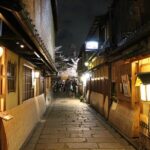
Choosing Your Stops: Build a Kyoto Day That Fits Your Taste
You get a menu of suggested places, and you tell the guide what you want from it after booking. Options include heavy hitters like Fushimi Inari-taisha, Kinkaku-ji, and Kiyomizu-dera, plus add-ons like Nijo Castle, Nishiki Market, Pontocho, Ginkaku-ji, Nanzenji Suirokaku, Ryoan-ji, and Arashiyama-area picks like Tenryu-ji, Togetsukyo Bridge, and bamboo-area stops.
One of the best parts of this setup is that you’re not stuck with only “one correct order.” The guide can assemble a route that makes sense for time, transit, and crowd pressure. In practice, that’s what turns a short visit into a satisfying day instead of a frantic one.
If you’re not sure what to pick, use this simple rule:
- Choose one shrine or gate experience (like Fushimi Inari)
- Choose one iconic temple (like Kinkaku-ji or Kiyomizu-dera)
- Choose one neighborhood payoff (like Gion, Pontocho, or Nishiki Market)
Then let your guide fill the remaining slot(s) based on energy level and walking tolerance.
Starting Early and Walking Smart Through Crowds
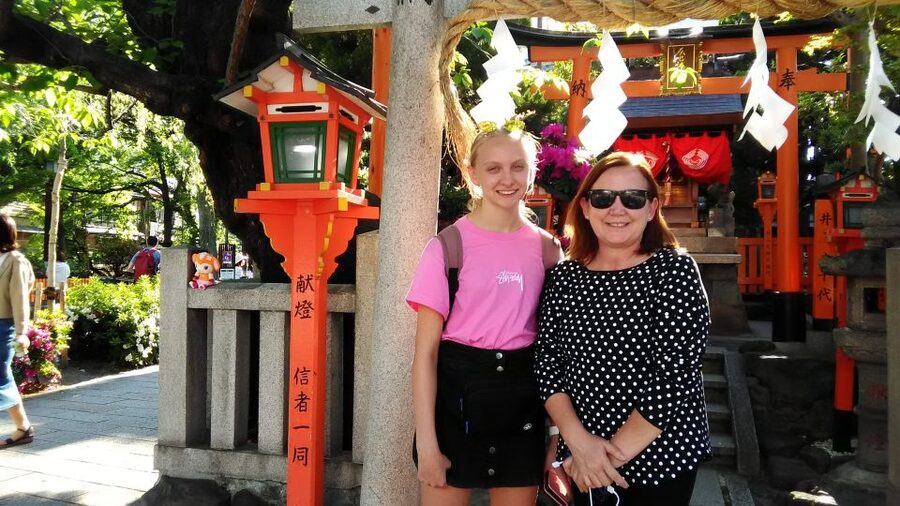
Kyoto crowds can feel like weather. They show up fast, and they change hour to hour. The good news here is that the tour structure supports smart pacing. You’ll walk, and when you need to transfer between areas, you’ll usually do that by public transportation or taxi, with the guide handling the route.
I’d plan your day around early-light priorities. If your route includes Fushimi Inari or the most famous temple corridors, going early helps you actually enjoy the walk instead of only pushing forward. Many guides have been praised for keeping schedules tight while still leaving time to pause, take photos, and ask questions.
Also, rain is part of Kyoto. This experience runs rain or shine, so it’s worth bringing a compact umbrella or rain shell. You’ll still get to the sites, and your guide can typically help you keep the day moving without turning it into chaos.
Fushimi Inari-taisha: Torii Corridor Meaning and Photo Timing
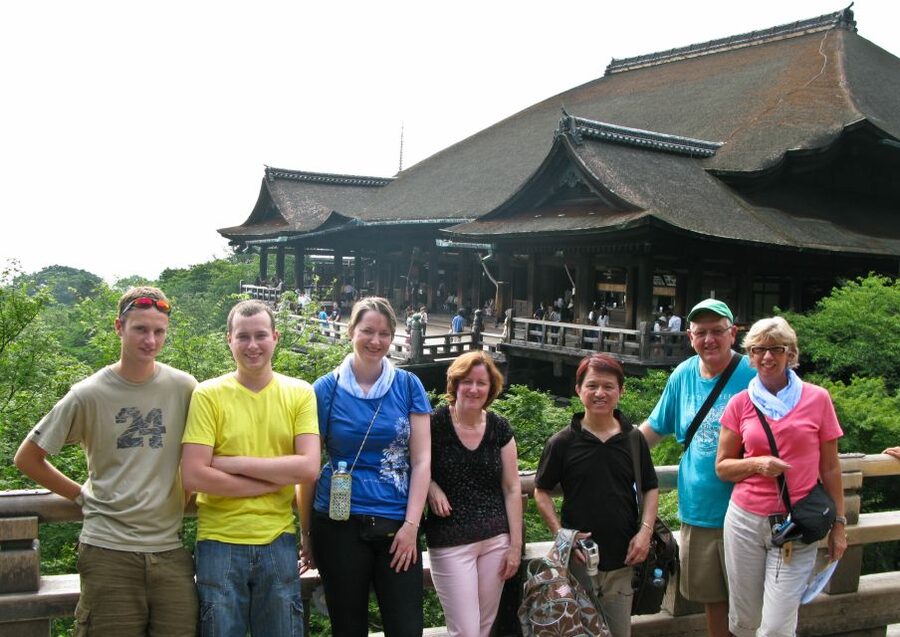
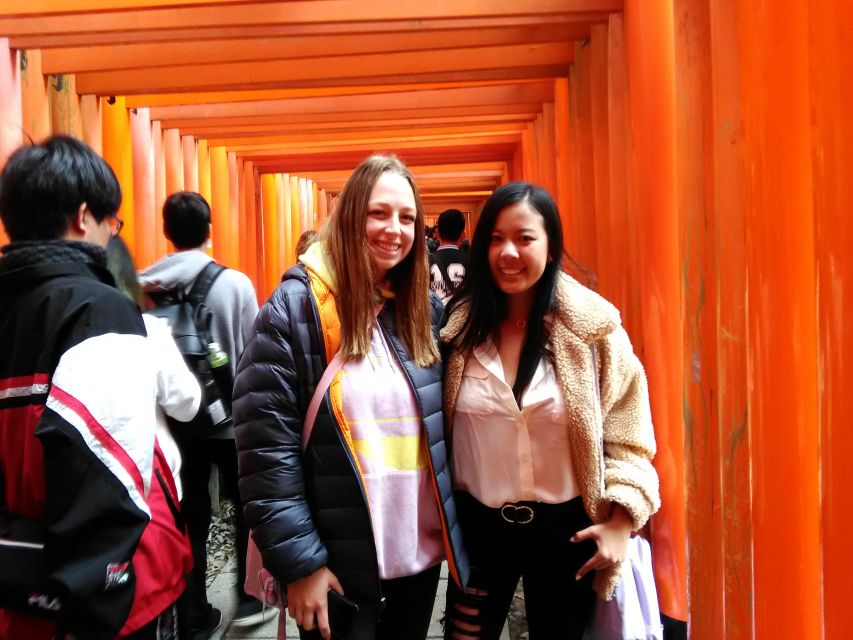
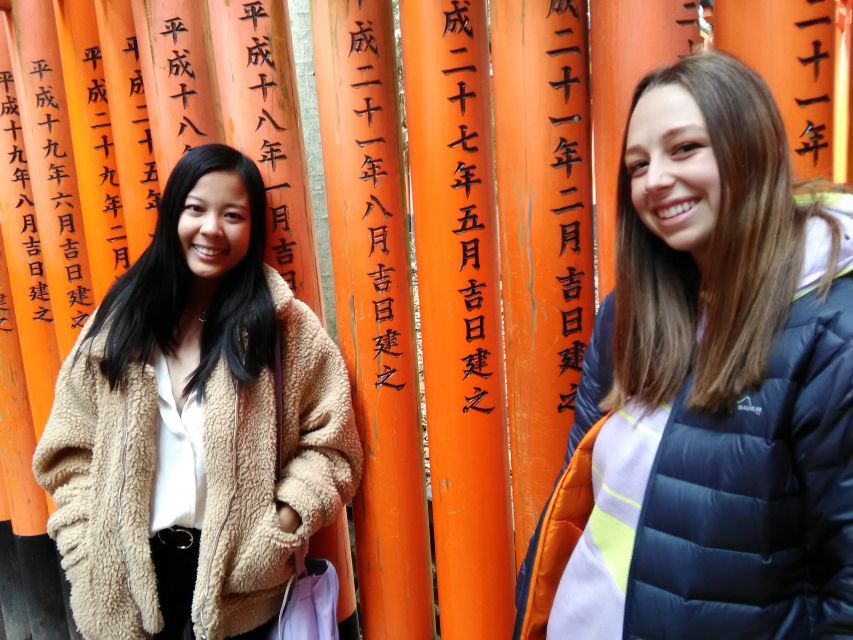
If Kyoto had a signature walk, it would be the torii gate corridor at Fushimi Inari-taisha. The gates don’t just look dramatic; they’re part of shrine symbolism. Your guide will explain how the corridors function as a symbolic continuing gate from the living world toward the world of the dead inhabited by the gods.
What I love about having a guide here is the contrast between what you see and what it means. Without context, you might treat the torii path as scenery. With the right explanation, it becomes something closer to a journey with a religious rhythm.
Practical tip: choose where you pause. If you want a classic gate tunnel photo, you’ll likely stop along the corridor where lines of torii frame the walkway. If you want calmer time, you might walk a bit farther for space. You can ask your guide to match your pace to your photo goals and comfort level.
This tour can also include a nearby stop tied to the Memoirs of a Geisha filming location, described with a colorful crimson atmosphere and a mysterious mood. It’s not just a film reference; it’s a good example of how Kyoto’s visuals travel through pop culture and still connect to place.
Adding Nijo Castle and Nishiki Market for Real Kyoto Energy
Not all great Kyoto is about temples. Some of it is about power, food, and everyday street life.
If you add Nijo Castle, you get a different Kyoto flavor: history expressed through palace architecture and the feeling of a controlled, formal space. It’s the kind of stop that helps you balance the religious sites with a look at Japan’s political story.
Then, Nishiki Market is the practical stomach of Kyoto. Even if you don’t do a full shopping spree, it helps you understand what people actually eat and buy when they’re not sightseeing. A private guide is useful here because you can ask what’s worth trying without spending time comparing dozens of storefronts.
One smart way to plan this: pair a more intense cultural site in the morning with market time midday. You’ll be ready for snacks, and the tour flow stays natural instead of backtracking.
Other Kyoto tours and experiences to compare
Kinkaku-ji Golden Pavilion: The Building and the Mountain Views
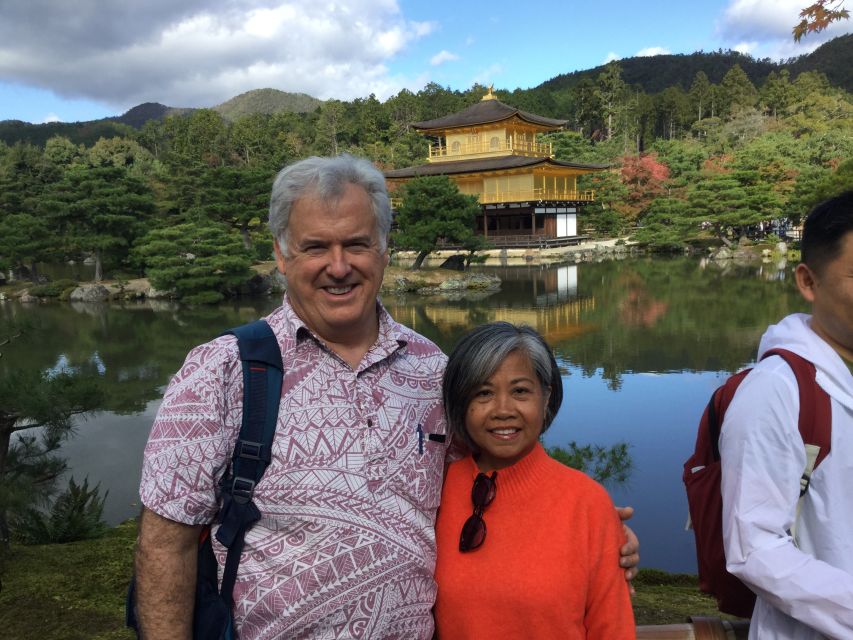
Kinkaku-ji (Temple of the Golden Pavilion) is the kind of stop you either rush through or fall for. With a guide, you’re more likely to slow down at the right moments.
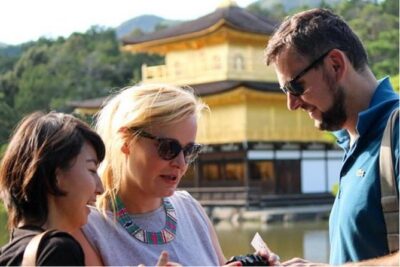
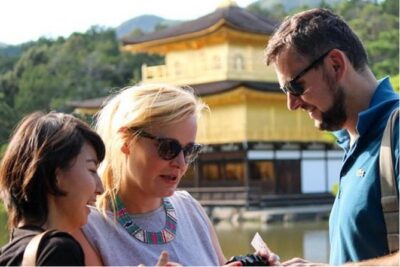
You’ll hear why it’s called the Golden Pavilion: the name comes from the golden color of its reliquary hall. But the really important part isn’t just the gold; it’s the way the simple, bold structure frames the mountain views in the background.
That’s a big reason private walking tours matter in Kyoto. A guide helps you notice where your eyes should go. You’ll get a smoother path through the site areas and better sense of what to look for as light changes.
If your day includes multiple temples, Kinkaku-ji also helps you reset your brain. You go from walking and gate rhythms at earlier stops to a more composed, reflective view here.
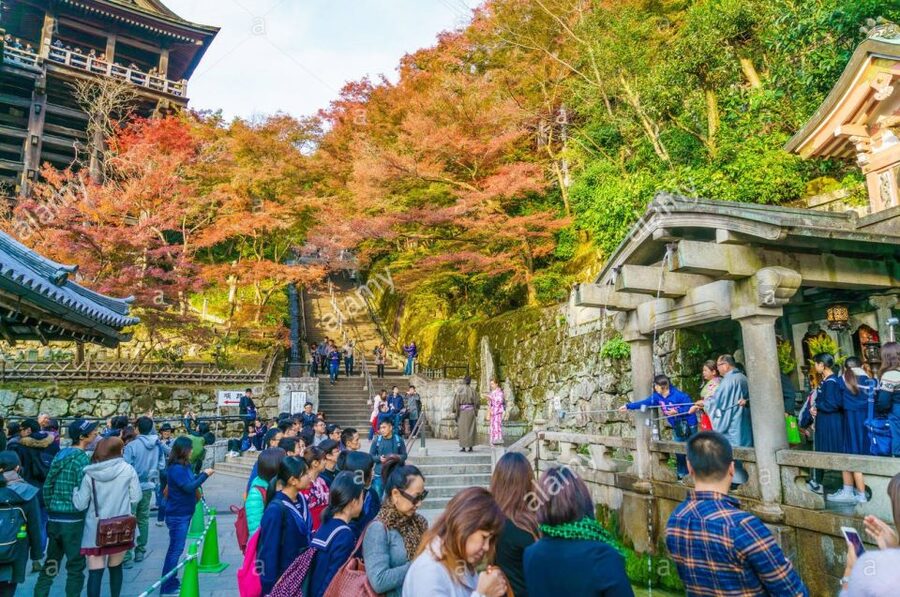
Kiyomizu-dera Veranda to Gion: Panoramas, Shops, and Dinner Choices
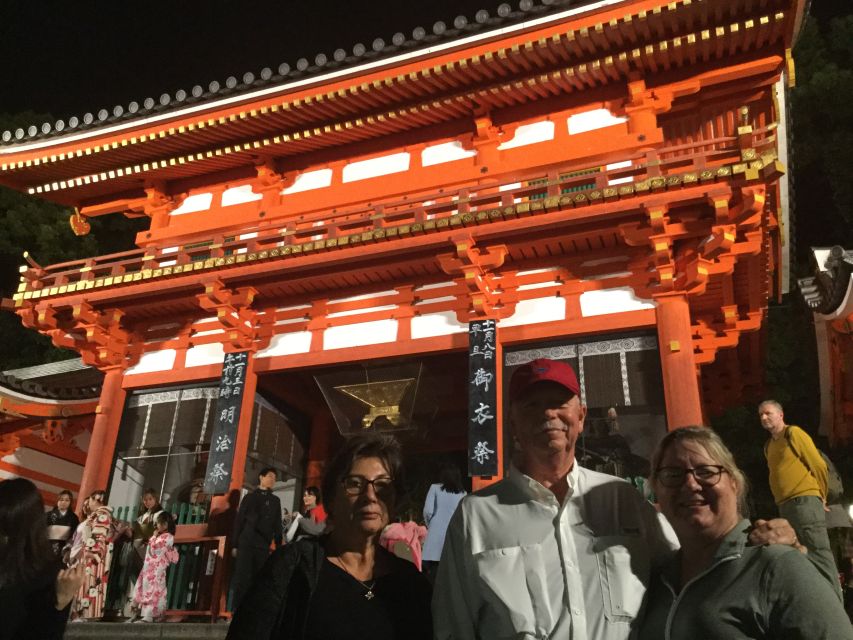
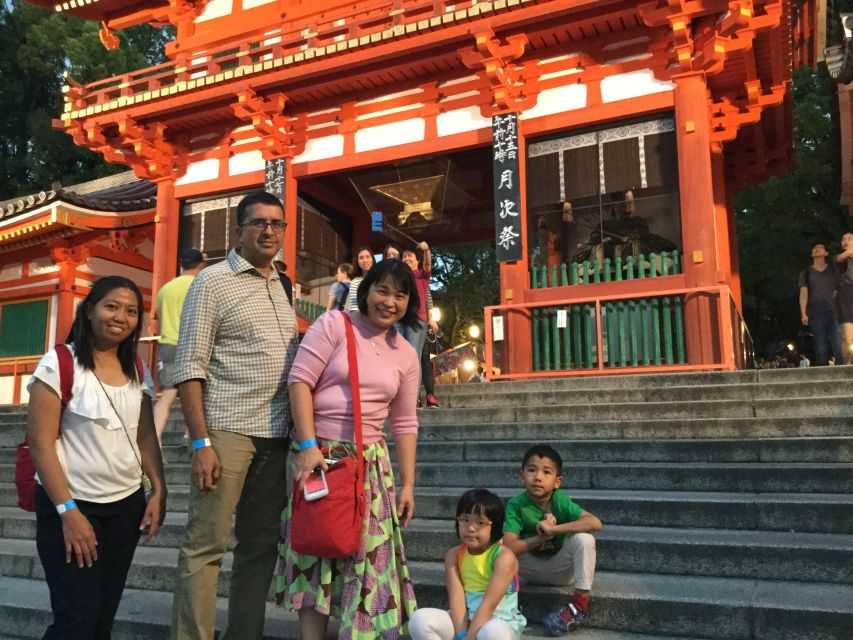
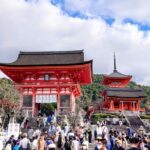
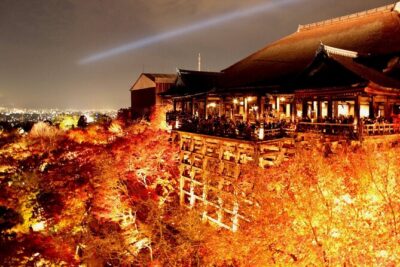
Kiyomizu-dera is a different kind of wow. It’s not only about walls and halls, it’s about the view and the way you experience the temple from a large veranda. The panorama angle is part of the point, and the tour structure helps you reach it without turning it into a frantic stampede.
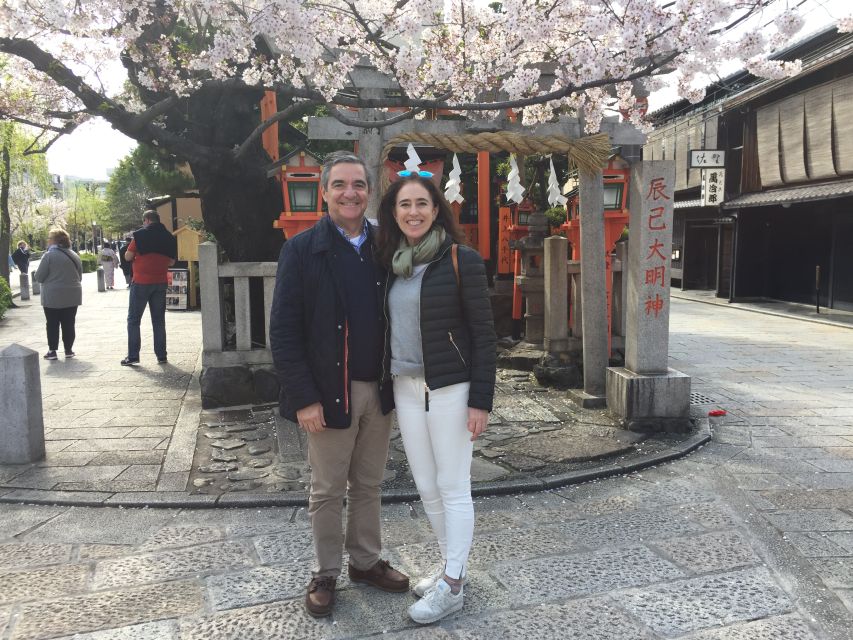
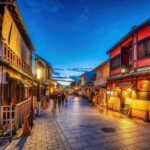
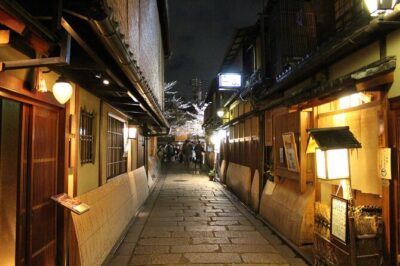
Then comes the fun part: walking onward toward Gion. This is where Kyoto turns into a shopping-and-stroll experience. The path from the temple to Gion takes you through streets where you’ll find many Kyoto-esque shops for souvenirs. A guide can help you avoid spending time in places that don’t match what you want, and instead steer you toward the right kind of browsing.
Gion is also where dinner becomes easier. The tour includes guide recommendations for restaurants in the district, which is genuinely useful when you’re tired and hungry and the menu choices look identical at first glance. People like Yasu have been praised for finishing with specific ramen recommendations, and other guides have helped diners find well-suited spots right in Gion.
If you’re doing this after a full day of walking, prioritize restaurants where you can sit comfortably and recharge. Your guide can help you match the mood of the evening.
Arashiyama Options: Bamboo Forest Street, Bridges, and Temple Pairings
Not everyone wants Arashiyama, but if you do, this tour supports it well. It includes multiple Arashiyama-area picks like:
- Tenryu-ji
- Togetsukyo Bridge
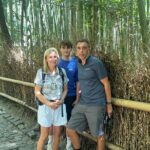
- Bamboo Forest Street
- Temple garden options such as Okochi Sanso Garden (when included in your route)
Arashiyama works because it gives you a break from the dense historical core. You get space, views, and that riverside-feeling calm you can’t fake in a city center walking loop.
Practical note: bamboo areas and bridge photo spots can get busy too. If you want less crowd pressure, bring that preference up when you customize your itinerary. Guides have adjusted routes to reduce unnecessary time in crowded sections while still hitting the recognizable highlights.
If you prefer a gentler pace, you can build your Arashiyama day around temple gardens and viewpoints rather than stacking too many stops.
Other Sites Your Guide Can Thread Into the Day
Kyoto has more “major” sights than most cities. The trick is picking which ones fit your style. The tour’s flexibility helps, because the guide can pair locations by theme and geography.
Here are a few examples of what these site types add to your overall picture:
- Nijo Castle: a political/palace contrast to religious spaces
- Kyoto Imperial Palace: another government-history perspective (when included in your plan)
- Pontocho: evening atmosphere near the river-side lane vibe
- Ginkaku-ji: a different temple aesthetic from Kinkaku-ji
- Nanzenji Suirokaku: a distinct visual structure, good for variety
- Ryoan-ji: a chance to experience the famous Zen garden mood
- Maruyama Park: a more open-air option, depending on your route and season
You also have “step-back” choices farther out from the core, like Kibune River or additional temple area options. Those can be great if you want something quieter and you have enough time to make transit worth it.
Price and Value: Why $106 Feels Fair for a Private Kyoto Day
At $106 per person, the value comes from three places: privacy, interpretation, and planning.
This is a private group with a maximum of 7 people. That alone changes the math versus shared tours because you’re not fighting for hearing time. You can also ask questions without feeling like you’re slowing down strangers.
Then there’s the licensed guide piece. You’re paying for a person who can explain the meaning behind what you’re seeing, including how shrine symbolism works and how historical sites connect to modern Kyoto. In Kyoto, that kind of context can turn the trip from photos into understanding.
Finally, you’re paying for logistics. Kyoto’s top sites are famous, which means crowds and time costs are real. Guides have been praised for handling complex transit and transitions smoothly, helping you cover multiple areas in one day without turning it into a frantic sprint.
One important value note: entrance fees and food are not included. That’s normal for walking tours, but it affects your total budget. Also, you may use public transportation or taxis between sites, and you’ll want yen on hand for that portion.
Comfort, Pace, and Real-World Logistics (Walking, Transit, Yen)
This tour is wheelchair accessible, and it’s a private experience, but it’s still a walking day. Bring comfortable shoes, expect stairs at temple areas, and plan for some uneven surfaces. If anyone in your group has mobility limits, tell the guide early so they can adjust the route and pacing.
Pickup is designed to be easy: the guide will meet you in the hotel lobby or train station you request, about 10 minutes before the pickup time. Pickup is included on foot when you’re within a reasonable walking distance.
Transportation between stops: there’s no private vehicle included. The guide may use public transport or taxis to bridge distance between areas. After you finalize, exact transportation costs can be discussed, and you should bring Japanese yen.
Also, the tour can be personalized to your requests. You’ll want to share what you want to see after booking. Just be aware that the tour is not confirmed until the guide contacts you; most guides will reach out within about a week to confirm logistics.
Who This Tour Fits Best (And Who Should Consider Another Plan)
This Kyoto private walking tour is ideal if you:
- have limited time and want to cover major sites without wasting hours on transit planning
- care about learning the meaning behind shrines and temples, not only taking photos
- want flexibility to swap in or out stops like Gion, Nishiki Market, or Arashiyama depending on your mood
- are traveling with family members who need considerate pacing, since guides have been praised for adapting to different needs
It’s also a smart choice if you’re the type who likes structure but hates strict schedules. You’ll get a route, but you can influence it.
You might consider a different approach if your group hates walking, wants zero transit between areas, or already has a detailed personal plan for every stop. In that case, a self-guided day might be cheaper. But for most people, the private guide value in Kyoto is hard to beat.
Should You Book This Kyoto Private Walking Tour?
I’d book it if you want a Kyoto day that feels intentional. The combination of a nationally licensed guide, a route you can customize, and the ability to focus on both famous highlights and the “how do I experience this better” details is a strong match for first-timers and repeat visitors alike.
Before you commit, do two things:
- Pick your top priorities from the list (even if it’s only 2–3 for a 4-hour plan).
- Tell the guide your preference for crowd levels and walking pace so the day can be planned around you.
If you want a smoother Kyoto experience with less guesswork, this is a solid way to go. Just budget for entrance fees, food, and transit by yen, wear shoes for real walking, and you’ll get much more out of the places you came to see.
FAQ
How long is the Kyoto private walking tour?
You can choose a 4, 6, or 8-hour option. The itinerary is adjusted to fit the time you select, with roughly 2–3 places for 4 hours, 3–4 for 6 hours, and 4–6 for 8 hours.
What sites can you include?
You can request sites from a list that includes Fushimi Inari-taisha Shrine, Nijo Castle, Gion, Nishiki Market Shopping District, Kiyomizu-dera Temple, Kyoto Imperial Palace, Pontocho, Higashiyama Ward, Ginkakuji Temple, Nanzenji Suirokaku, Tofuku-ji Temple, Toji, Kinkakuji Temple, and several Arashiyama-area and other temple options.
Is the tour customizable?
Yes. After booking, you can inform your guide of the sites you want to see from the provided list, and the itinerary can be customized to your route or interests.
What languages are the guides?
The live tour guide is available in English and Japanese.
What’s included in the price?
Included are a private, personalized walking tour, a licensed local guide, and pickup from your accommodation on foot if you’re within a reasonable distance.
Are entrance fees and food included?
No. Entrance fees and food and drinks are not included.
How do you travel between the sites?
This is a walking day tour with no private vehicle included. Public transportation or taxis may be used between sites, and you should have Japanese yen available for those costs.
How many people are in the group?
It’s a private group with a maximum number of passengers of 7.
More Tours in Kyoto
More Tour Reviews in Kyoto
More Private Tours of Kyoto

Just added: more Kyoto tours to browse





Kyoto Private Guided Tours, compared.
 ★ 5.0Private Kyoto Tour with a Local, Highlights & Hidden Gems, PersonalisedFrom $1021,543 reviews
 ★ 5.0Kyoto 6hr Private Tour with Government-Licensed GuideFrom $1551,369 reviews
 ★ 5.010 Must-see Spots in Kyoto One Day Private Tour (up to 7 people)From $1791,108 reviews
 ★ 5.0Kyoto 4hr Private Tour with Government-Licensed GuideFrom $109629 reviews
 ★ 5.0Private Kyoto Tour with Licensed Guide & Vehicle (Max 15 persons)From $634417 reviews
 ★ 5.0Kyoto Customized Private Tour: See Top Attractions in 1 DayFrom $132342 reviews
 ★ 4.6Kyoto/Osaka: Kyoto and Nara Customized Private Guided TourFrom $477258 reviews
 ★ 4.5Explore Kyoto | Private Tour – Local English Driver(guide option)From $530203 reviews
Browse the lists this tour appears in