
Reviewed · KYOTO PRIVATE GUIDED TOURS
Private Kyoto Tour with Licensed Guide & Vehicle (Max 15 persons)
Kyoto can feel like a puzzle on foot. This private setup uses a vehicle plus a licensed guide so you can hit major sights without fighting confusing bus and subway routes.
Two things I like a lot: door-to-door pickup that saves time the moment you step out of your hotel, and the 3–4 site customization that lets you build a day around what you actually want to see (not what fits on a crowded group bus). You’ll also get real explanations as you walk, not just drop-offs and map screenshots.
One caution: 6 hours goes fast once you add walking and stairs, and entrance fees are not included (lunch also isn’t). If you try to cram too many must-sees, you’ll feel the squeeze.
In This Review
- Key highlights at a glance
- Why a private Kyoto vehicle saves your day
- Price and value for up to 2 people
- How the 6-hour flow works (pickup, driving, walking)
- The big practical advantage
- Picking your 3–4 sites from the Kyoto menu
- Fushimi Inari-taisha Shrine
- Nijo Castle
- Gion (Geisha District)
- Nishiki Market Shopping District
- Kiyomizu-dera Temple
- Kyoto Imperial Palace
- Pontocho
- Higashiyama Ward
- Ginkakuji (Silver Pavilion)
- Nanzenji Suirokaku
- Tofuku-ji Temple
- Toji (East Temple)
- Kinkakuji (Golden Pavilion)
- Ninna-ji Temple
- Shugakuin Imperial Villa
- Kibune River
- Kurama-dera
- Ryoan-ji Temple
- Arashiyama
- Katsura Imperial Villa
- Daikaku-ji Temple
- Tenryu-ji Temple
- Yoshimine-dera
- Kennin-ji Temple
- Where the best guides make the difference
- Managing crowds and walking without losing the fun
- Who this tour is best for
- Should you book this private Kyoto highlights tour?
- FAQ
- How long is the Kyoto private tour?
- How many sights can we visit during the tour?
- Is this tour private for our group only?
- Do you offer hotel pickup in Kyoto?
- Are entrance fees included?
- Is lunch included?
- What about car seats or booster seats for kids?
- Are service animals allowed?
- Can I get a full refund if I cancel?
Key highlights at a glance
- Private vehicle time-savers: ride between neighborhoods instead of navigating transfers
- Licensed local English guide: history and practical context while you walk
- Choose 3–4 sights: build your ideal Kyoto route from a long menu
- Crowd-smart pacing: guides often steer you to better photo spots and calmer corners
- Classic Kyoto variety: temples, markets, and atmospheric streets in one day
- Comfort-focused logistics: fewer logistics headaches with hotel pickup and a driver
Why a private Kyoto vehicle saves your day
Kyoto’s transit system works, but it can be mentally exhausting when you’re juggling stops, transfers, and walking connections. With a private vehicle, you spend your energy looking up at temples and streets—not checking schedules and directions.
I love how this format makes the day feel simple. The guide handles the “how do we get there” problem, while you focus on “what do we do when we arrive?”
Have a local lead the way on more Kyoto tours

Price and value for up to 2 people
This tour is priced at $634.72 per group (up to 2) for about 6 hours. That sounds like a splurge until you compare what you’re actually getting: a licensed English-speaking guide, a private vehicle with driver, and a route you can shape around your preferences.
Where the value really shows up:
- You avoid spending hours on transit and line-juggling across multiple areas.
- You get a guided walking experience at several top stops instead of self-navigating everything.
- You can pick only the sites that matter to you, so you don’t pay for “maybe” stops that don’t match your interests.
If you’re traveling solo, the per-person value depends on what else you’d otherwise spend on taxis and guided time. If you’re traveling with a partner (or a small family group), it often feels more fair because you split the cost across more people.
How the 6-hour flow works (pickup, driving, walking)
Expect a full, day-long rhythm: hotel pickup, vehicle transfers between neighborhoods, then short guided walking/experiencing blocks at your chosen sights. The tour is designed as a “tick off highlights” day, but with customization, so it doesn’t feel like a cookie-cutter circuit.
You’ll also get a mobile ticket, and booking confirmation is provided at the time of booking. The tour is private, so it’s only for your group, not a mixed shared experience.
The big practical advantage
A lot of Kyoto frustration comes from timing: the moment you lose time to transit, you lose time to temples and photos. With a guide and driver managing routing, your schedule stays tighter.
Picking your 3–4 sites from the Kyoto menu
Your guide lets you choose 3–4 sites from the available list. That choice matters because these areas aren’t close to each other—Kyoto is a bunch of distinct districts that feel like different worlds.
Here’s how to think about the selection, plus what each stop feels like and one trade-off to watch for.
Other Kyoto tours and experiences to compare

Fushimi Inari-taisha Shrine
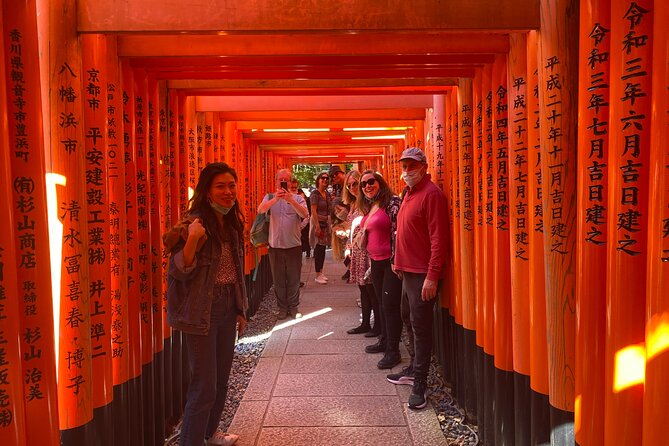
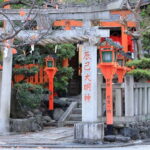
This is the torii-gate maze that defines Kyoto for many first-time visitors. You’ll appreciate having a guide for orientation and route choices. Trade-off: it’s popular, and some sections can get crowded even early.
Nijo Castle
A UNESCO-listed Edo-period palace residence tied to Tokugawa Ieyasu. Great if you want the power-and-politics side of Japanese history. Trade-off: tickets typically cost extra, so plan for entrance fees.
Gion (Geisha District)
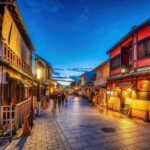
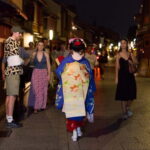
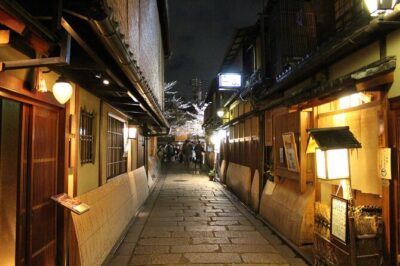
Gion’s lanes feel like Kyoto by night or Kyoto in a movie—narrow streets, traditional mood. It’s an easy win for atmosphere when you’re short on time. Trade-off: it can be busy, especially near major viewpoints and streets.
Nishiki Market Shopping District
Nishiki is described as Kyoto’s kitchen: a narrow shopping street with more than 100 shops and restaurants. It’s excellent for snacks and browsing without a big time commitment. Trade-off: it’s a shopping area, so if you hate crowds, keep it short and go earlier.
Kiyomizu-dera Temple
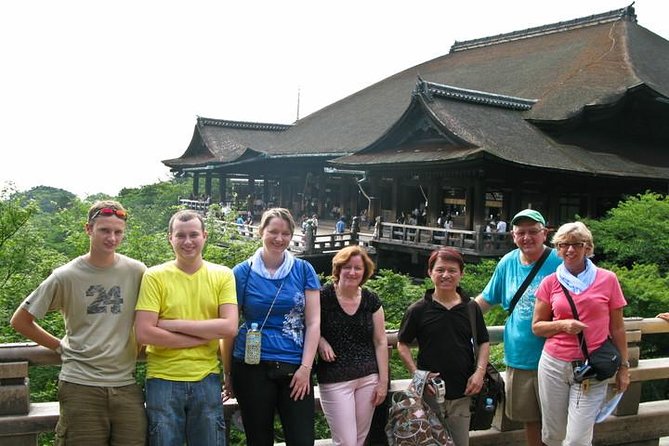
One of Kyoto’s most iconic temples, and a strong “first Kyoto temple” pick. A guide helps you move through the area efficiently and understand what you’re seeing. Trade-off: it can be packed, and there’s a fair bit of walking and uneven ground.
Kyoto Imperial Palace
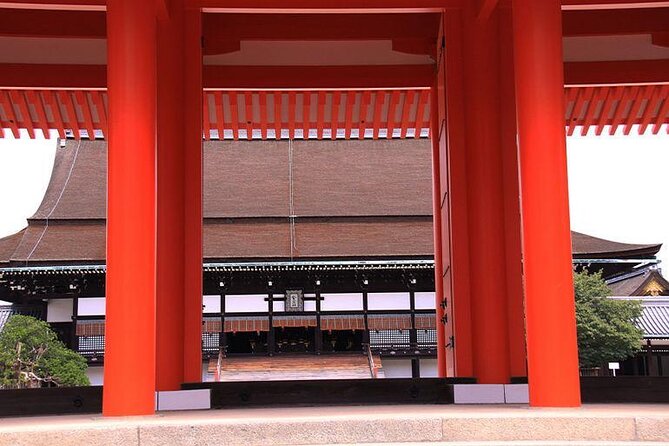
If you want something quieter and more formal, the former imperial residence is a smart choice. It gives you a different Kyoto lens than the temple circuits. Trade-off: tickets typically aren’t included, so entrance fees apply.
Pontocho
Pontocho is an atmospheric dining alley near the Kamogawa River. This is a nice pairing after temple time—great for a relaxed stroll and dinner vibes. Trade-off: dining areas skew busy at peak hours, so timing matters.
Higashiyama Ward
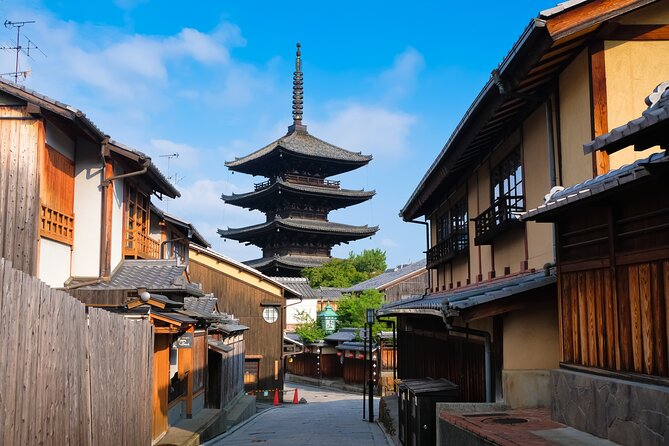
This is classic preserved old Kyoto on the eastern slopes. It’s a good backdrop for photos, small walks, and feeling the city’s character. Trade-off: like many historic districts, it rewards patience and steady pace.
Ginkakuji (Silver Pavilion)
A Zen temple with elegance and calm, especially if you enjoy gardens and quiet viewing areas. Trade-off: top viewpoints can be crowded, and you’ll still be moving through temple grounds on foot.
Nanzenji Suirokaku
Nanzenji’s large Zen grounds feel more spacious than some of the tighter temple sites. It’s a solid pick when you want scale and a slower atmosphere. Trade-off: tickets aren’t included for some parts of this stop, so budget entrance fees.
Tofuku-ji Temple
A major Zen temple known for dramatic autumn colors. Even if you’re not traveling in fall, the setting helps you feel the seasonal rhythm of Kyoto. Trade-off: it takes time to appreciate the grounds, so it works best as one of your main stops.
Toji (East Temple)
Toji is a major temple associated with the Heian period move to Kyoto. It’s a strong “history anchor” if you want deeper context. Trade-off: plan for paid admission if that particular area charges.
Kinkakuji (Golden Pavilion)
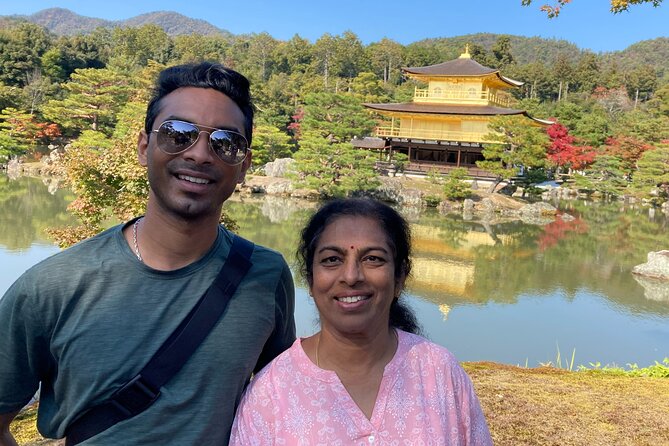
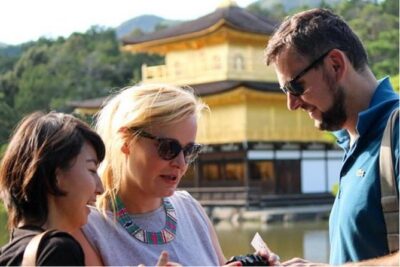
This is the Kyoto name-brand sight for a reason—two floors covered in gold leaf. It’s also the stop that most people want to see first. Trade-off: crowd levels can be high, so a guide who knows photo timing can help.
Ninna-ji Temple
Another World Heritage listed temple tied to the Shingon sect. It’s a good choice when you want a major temple without focusing only on the most famous ones. Trade-off: entrance fees may apply.
Shugakuin Imperial Villa
A former imperial villa managed by the Imperial Household Agency. It can feel more “palace-in-the-gardens” than a busy temple district. Trade-off: tickets are typically not included.
Kibune River
Kibune is a smaller mountain town in a forested valley connected to Kifune Shrine. It’s a nice change of pace from city-center temples. Trade-off: it’s not as quick to reach as central sights, so it works best if your itinerary includes northern areas.
Kurama-dera
A rural mountain stop known for its temple and a hot spring association. This is for you if you want nature and quieter surroundings. Trade-off: it’s more of a day-trip feel than a downtown stroll.
Ryoan-ji Temple
Famous for the rock garden (the one that makes people go quiet). This is a great pick if you love Zen gardens and visual puzzles. Trade-off: crowds gather—arriving and moving with your guide helps.
Arashiyama
Arashiyama gives you that Kyoto-West scenery connection: riverside atmosphere and classic views. Trade-off: it’s touristy, so you’ll want your time managed tightly.
Katsura Imperial Villa
An important Japanese architecture and garden design site. Great if you care about how gardens and buildings work together. Trade-off: it involves paid admission.
Daikaku-ji Temple
A large temple in the Sagano district, originally built as a detached palace of Emperor Saga. Trade-off: you’ll need to budget time so you don’t rush through too quickly.
Tenryu-ji Temple
Tenryuji is one of Arashiyama’s key Zen temples and a registered World Heritage site. Trade-off: it’s popular, so you’ll want to be strategic with timing.
Yoshimine-dera
A Tendai sect temple built along the mountain slopes. This one is for the “I want fewer crowds” side of your brain. Trade-off: it may be shorter on time compared to the biggest icons.
Kennin-ji Temple
Kenninji is close to the bustle of Hanamikoji and Shijo streets, with expansive grounds and dry landscape gardens. Trade-off: it sits near active areas, so the surrounding streets can feel less quiet.
Where the best guides make the difference
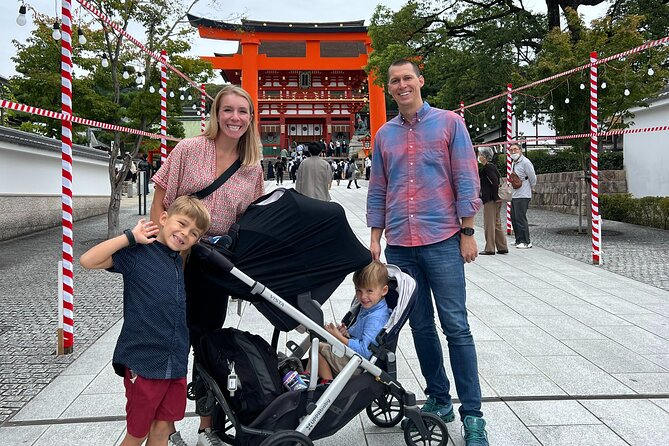
The guide is the whole point of a private tour. Even with the same sights, the day can feel totally different depending on how your guide explains what you’re seeing and how they handle your group’s pace.
From the experiences shared with me through real tour accounts, several patterns repeat:
- Guides often tailor the route to keep you from rushing. People mention guides like Haru and Yuka adjusting on the fly.
- Many guides bring extra context and humor, which helps a long day feel lighter. That showed up with Michi, Hiroko, and others.
- Flexibility with family needs matters. One group with active kids found Hiroko could match their energy, while another guide (Noriko) was attentive to someone who didn’t want too many stairs.
- In at least one case, the guide (Shuji) preplanned for a wheelchair, which is a great reminder to tell them what you need up front.
One note from the less-perfect side of the experience: one group felt the storytelling wasn’t engaging. If that matters to you, message your priorities in advance (more culture, more photo spots, fewer history lectures, whatever fits your style).
Managing crowds and walking without losing the fun
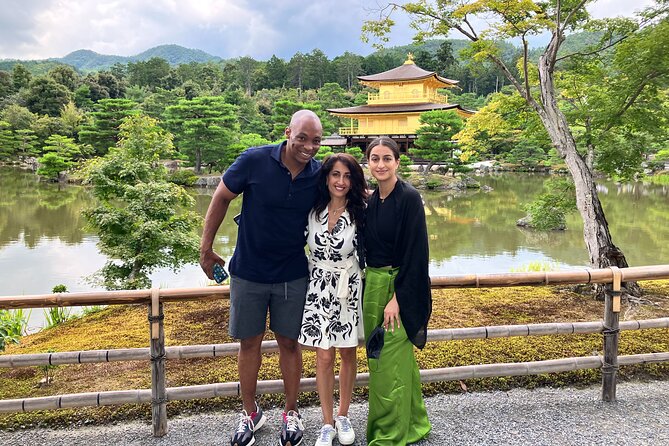
Even with private transport, you still have to walk temple grounds and historic streets. The trick is choosing how much movement you can handle and letting the guide manage the sequence.
A smart move: be clear about your walking preferences. In multiple accounts, guides helped by choosing route options and steering people toward better spots for photos—especially when famous sights like Kinkakuji get packed.
Also, be practical with money. One guide tip that came up: bring a small amount of cash for entrance fees to attractions. Entrance fees aren’t included, and it can help when you’re dealing with on-site ticket counters.
Who this tour is best for
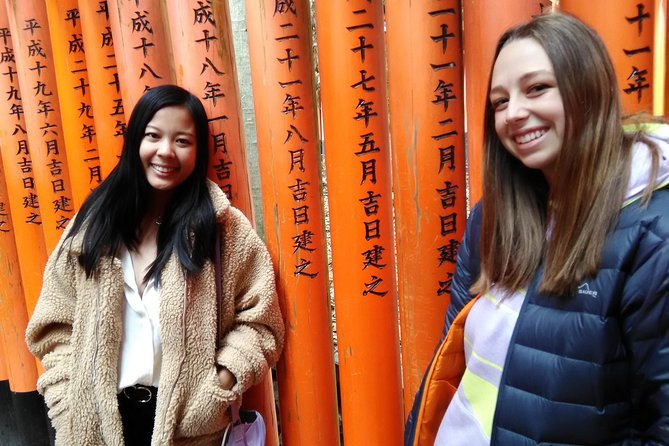
This private Kyoto tour works especially well if:
- you want to see several top sights in one day without wrestling transit
- you prefer personalized pacing over a fixed-group schedule
- you’re traveling as a couple and want real value from private time
- you have kids, limited mobility, or a specific preference and want route adjustments
It may be less ideal if you love slow, self-guided wandering with zero structure. In that case, you might prefer public transit plus a DIY plan.
Should you book this private Kyoto highlights tour?
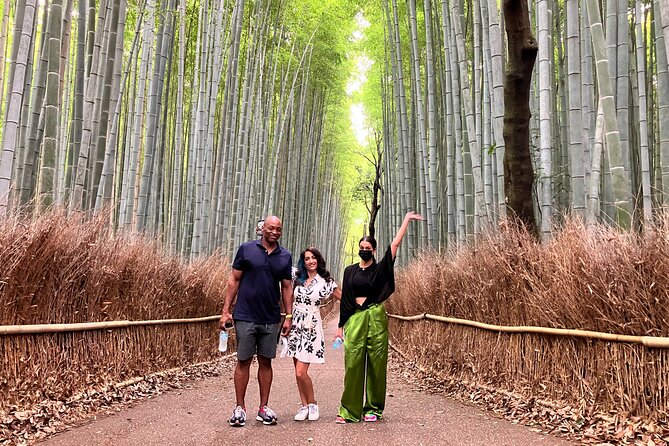
I’d book it if you want Kyoto highlights with less stress and more guidance. The core value is simple: private vehicle + licensed guide + a pick-what-you-want structure that lets you maximize a short time window.
Hold off (or plan differently) if you dislike paying on-site entrance fees or if you tend to want ultra-deep time at one place only. This is built for a strong overview day—so choose your 3–4 stops carefully.
If you book, do one thing that pays off: decide which sights matter most to you before you arrive, then communicate walking limits and interests. That’s how you turn a great day into a perfect one.
FAQ
How long is the Kyoto private tour?
The tour runs for about 6 hours.
How many sights can we visit during the tour?
You can choose a customizable walking tour of 3–4 sites from the available list.
Is this tour private for our group only?
Yes. It’s a private tour/activity, and only your group participates.
Do you offer hotel pickup in Kyoto?
Pickup is offered, and door-to-door hotel transfers are included.
Are entrance fees included?
No. Entrance fees are not included, and you’ll pay on-site for sights that require admission.
Is lunch included?
Lunch is not included.
What about car seats or booster seats for kids?
There are only limited car seats and booster seats, and rear-facing car seats are not available. You need to contact the provider directly if you need them.
Are service animals allowed?
Yes, service animals are allowed.
Can I get a full refund if I cancel?
Yes. You can cancel up to 24 hours in advance for a full refund. If you cancel less than 24 hours before the start time, the amount paid is not refunded.
More Tours in Kyoto
More Tour Reviews in Kyoto
More Private Tours of Kyoto

Just added: more Kyoto tours to browse





Kyoto Private Guided Tours, compared.
 ★ 5.0Private Kyoto Tour with a Local, Highlights & Hidden Gems, PersonalisedFrom $1021,543 reviews
 ★ 5.0Kyoto 6hr Private Tour with Government-Licensed GuideFrom $1551,369 reviews
 ★ 5.010 Must-see Spots in Kyoto One Day Private Tour (up to 7 people)From $1791,108 reviews
 ★ 5.0Kyoto 4hr Private Tour with Government-Licensed GuideFrom $109629 reviews
 ★ 4.8Private Tour with Local Licensed GuideFrom $106463 reviews
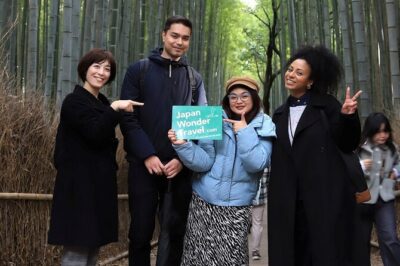 ★ 5.0Kyoto Customized Private Tour: See Top Attractions in 1 DayFrom $132342 reviews
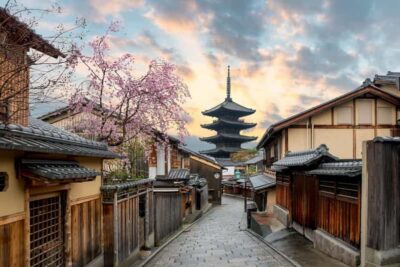 ★ 4.6Kyoto/Osaka: Kyoto and Nara Customized Private Guided TourFrom $477258 reviews
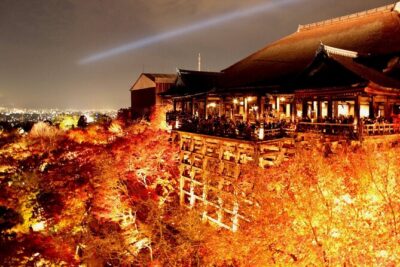 ★ 4.5Explore Kyoto | Private Tour – Local English Driver(guide option)From $530203 reviews
Browse the lists this tour appears in