
Reviewed · WALKING TOURS
Kyoto: Private 2.5 Hour Historical Walking Tour
Kyoto gets personal on a guided walk. This private 2-hour stroll connects the dots between Shinto worship, Zen calm, and the big sights at Kiyomizu-dera, with a guide who explains what you’re seeing as you go. I especially like the Zen pause at Entoku-in and the way you get a real sense of Kyoto’s religious and political layers, not just photos. One consideration: it’s mostly on foot and includes stairs around Gion and the temple area, so comfortable shoes matter.
What makes it work is the human touch. The guides behind the scenes include folks like Hisako, Hiroshita, and Hiroko, and they tend to bring clear notes and drawings that help you follow the stories even when the sites are crowded. You’ll finish at Kiyomizu-dera with a view from the wooden stage and a few hands-on moments people don’t always find on their own.
In This Review
- Key Points You’ll Want to Know Before You Go
- Entering Kyoto Through Yasaka Shrine’s West Gate
- Maruyama Park to Nene-no-michi: Hidden History in Plain Sight
- Entoku-in Zen Temple: Dry Gardens and Traditional Rooms
- Yasaka Kōshin-dō and the Five-Storied Pagoda Photo Moment
- Kiyomizu-dera: The Wooden Stage, Kannon, and Pure Water
- The Pure-Water Stream and the Iron Claw Challenge
- Jishu Shrine Matchmaking: What the Guide Covers Before You Leave
- Price and Value: Why $80 Per Group Can Be a Good Deal
- Who This Private Historical Walk Is For
- Should You Book This Kyoto Historical Walking Tour?
- FAQ
- Where is the meeting point for the tour?
- How long is the tour?
- What’s included in the price?
- Are temple admission fees included?
- Is the tour private?
- Can I cancel for a refund?
- Is pay later available?
Key Points You’ll Want to Know Before You Go
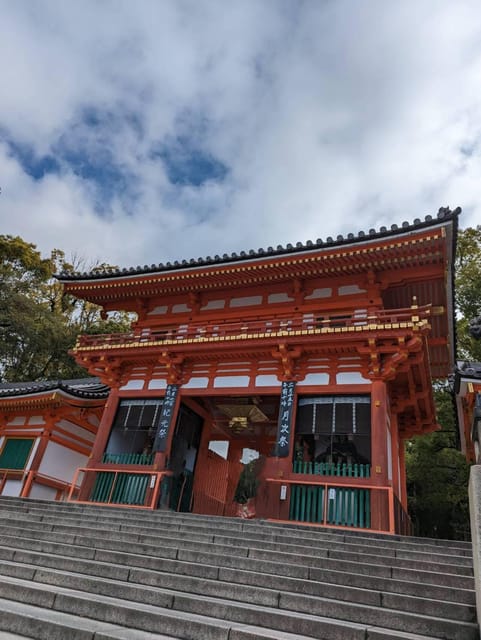
- Start at Yasaka Shrine’s west gate (Nishiromon Gate) so the tour begins with the right context
- Entoku-in’s Zen dry garden (kare-sansui) offers a quiet reset from the busy streets nearby
- Nene-no-michi ties today’s lanes in Gion to Toyotomi Hideyoshi’s era
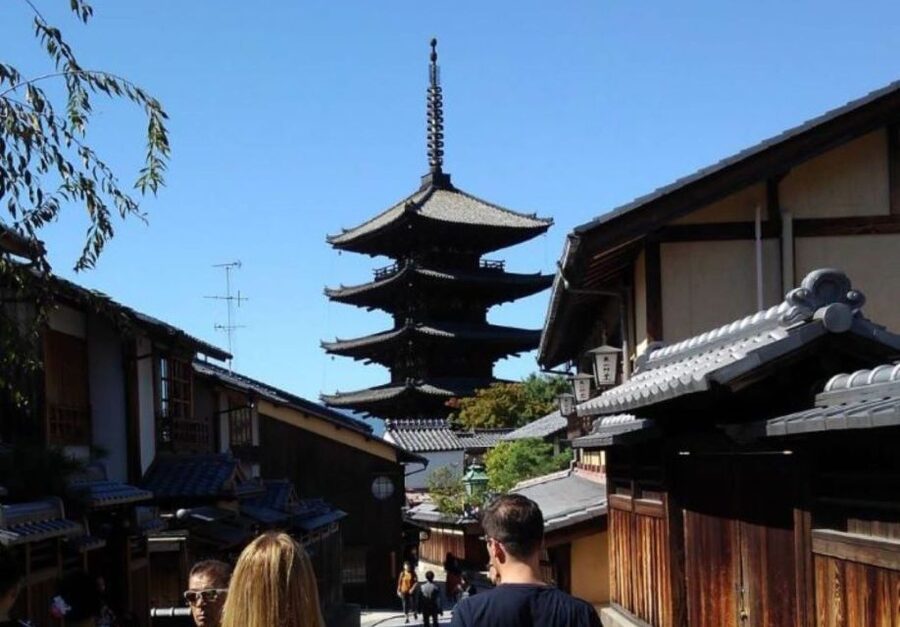
- A five-storied pagoda view (Yasaka-no-to) gives you a classic Kyoto photo moment from street level
- Kiyomizu-dera’s wooden stage and the pure-water stream add the wow factor beyond the main hall
Entering Kyoto Through Yasaka Shrine’s West Gate
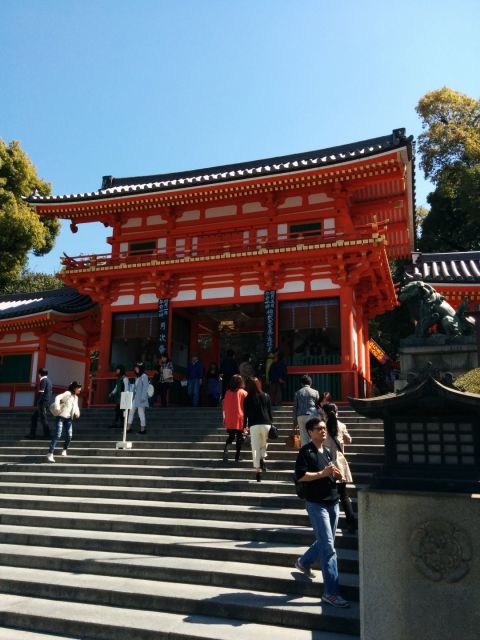
Your day starts at Yasaka Shrine, at the west gate (the red Nishiromon Gate). This is a smart pick. Yasaka Shrine sits right on the edge of the famous Gion zone, but it also sets the tone for how Kyoto works: you’re not just sightseeing, you’re learning how worship is performed in a place that still uses its rituals.
Right at the meeting point, the guide typically orients you with a map of Kyoto and frames the larger story: what Kyoto became, why certain families and temples mattered, and how Shinto beliefs shaped daily life. Then you move into the shrine area with an explanation of how to worship there. Even if you’ve visited shrines before, this kind of walkthrough helps you notice details you’d normally rush past, like how people approach offerings and what the visitors are actually doing.
There’s also a practical win here. Starting at the shrine gate means you’re already in the right part of town, with an easy route to the next stops without zigzagging around tourist crowds. Just don’t forget the basics: wear shoes you can walk in for a couple of hours, and plan to climb a bit.
Other Kyoto tours and experiences to compare
Maruyama Park to Nene-no-michi: Hidden History in Plain Sight
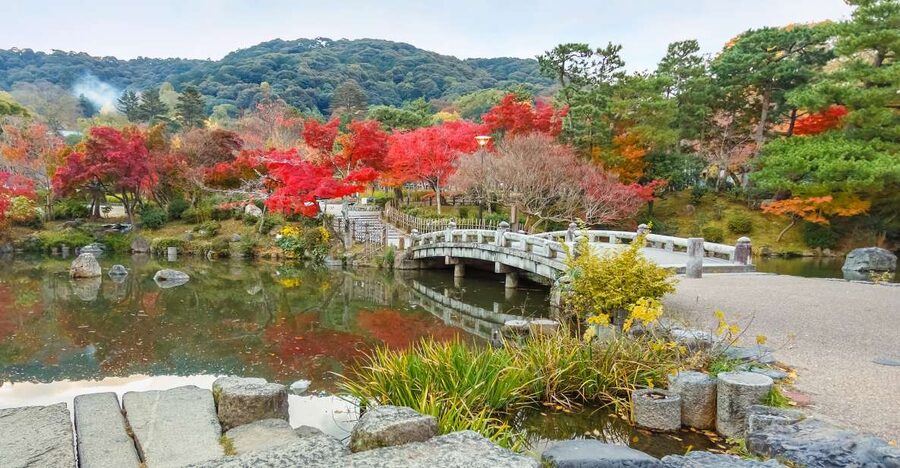
After Yasaka Shrine, you head through Maruyama Park, which sits right next to the shrine. In good weather it can feel like a calm buffer—until you reach the busy street that comes next: Nene-no-michi.
This is where the tour earns its keep. Nene-no-michi isn’t just a name; it’s a thread to the late 1500s. Nene was the wife of Toyotomi Hideyoshi, one of Japan’s most powerful political figures of that era. The guide connects her to Entokuin, a temple associated with Nene, so the area starts to feel like more than a pleasant lane.
And you’ll likely notice something else: this part of Gion is where modern foot traffic meets old names. That contrast can be annoying if you’re walking without context. With a guide, it becomes part of the story—Kyoto’s past hasn’t disappeared; it’s just busy.
Entoku-in Zen Temple: Dry Gardens and Traditional Rooms
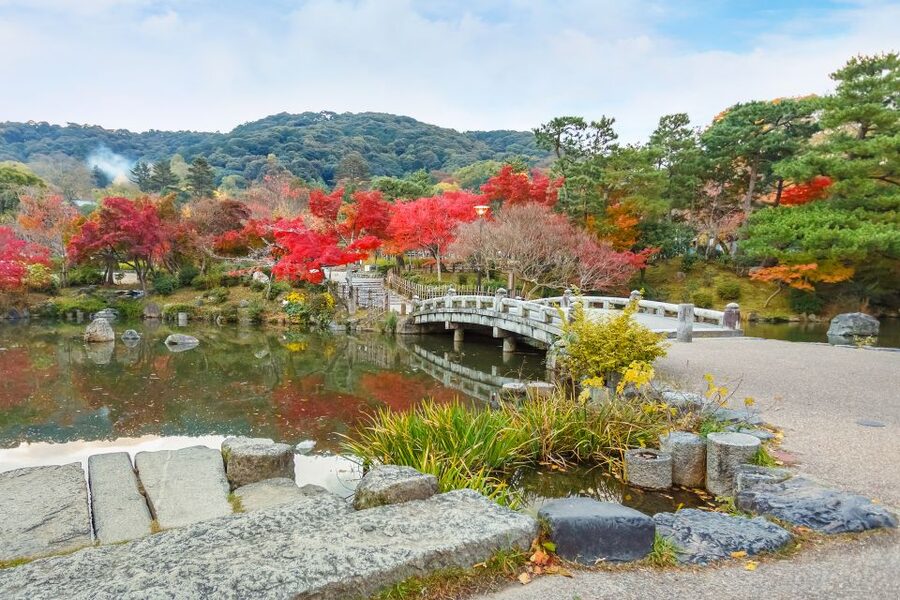
Next up is Entoku-in, the stop most people remember for its tone. The tour spends about 40 minutes here, long enough to actually slow down instead of snapping a couple of quick shots and rushing away.
Entoku-in is a Zen temple connected to Nene, and it’s best known for its Zen dry gardens (kare-sansui)—the rock-and-sand style of landscape-as-thought, designed to encourage stillness and focus. You also get a peek at traditional Japanese rooms. On sliding doors, there are famous pictures depicted on the doors, and the guide helps you read what you’re seeing.
Here’s the real value for you: this is the moment where the tour shifts from “Kyoto trivia” to atmosphere. When you’ve just been walking through streets near Yasaka Shrine and Maruyama Park, stepping into Entoku-in feels like air changing. It’s also one of the best places to see how religious spaces in Kyoto are meant to be experienced slowly, with silence and space doing some of the work.
If you love calm corners, this is your favorite stop. If you’re here only for big landmarks, you might wonder why you’re spending so much time on a quieter garden. But that contrast is exactly why this tour feels different from a simple shrine checklist.
Yasaka Kōshin-dō and the Five-Storied Pagoda Photo Moment
After Entoku-in, you continue on foot to Yasaka Kōshin-dō Temple. This stop is shorter—around 15 minutes—but it matters because it reinforces how different temple spaces layer together in Kyoto. You’re not just bouncing between unrelated buildings; you’re seeing clusters of faith, tradition, and local practice.
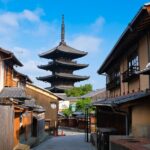
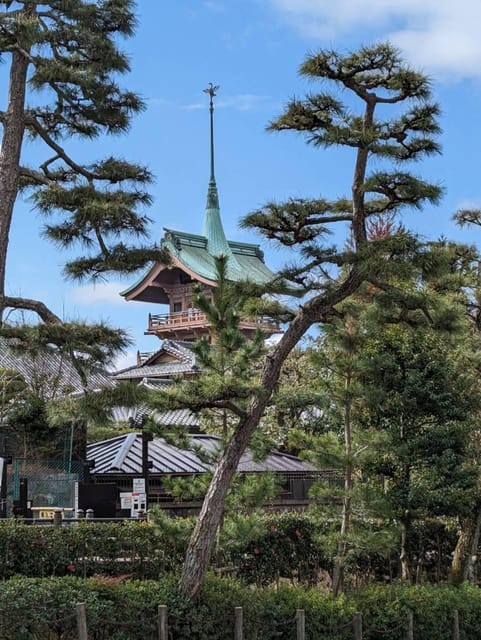
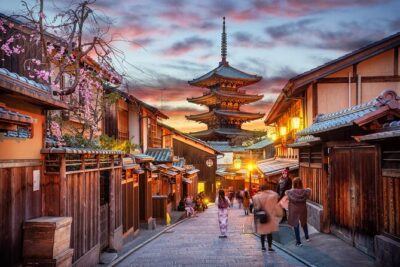
Then comes a highlight many people love: the view of a five-storied pagoda, commonly called Yasaka-no-to (pagoda). It’s located close to Koshindo, and you’ll see it from outside rather than doing a deep interior visit. That said, there’s a famous photo spot on the street nearby, so you get that classic Kyoto framing without turning this into a long detour.
This is also a good time to reset your expectations. A lot of Kyoto landmarks are famous because you can see them from specific angles, not because you spend hours inside. This tour plays that game well. You get the look, you get the context for why it’s there, and you move on before you burn time fighting crowds.
Kiyomizu-dera: The Wooden Stage, Kannon, and Pure Water
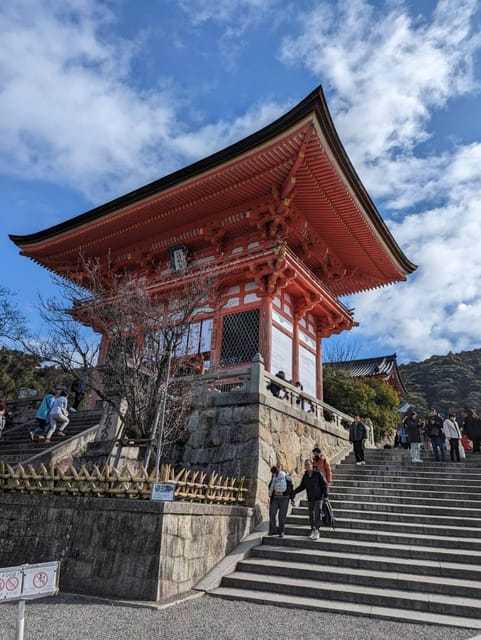
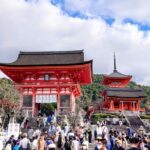
Your final and biggest stop is Kiyomizu-dera, one of Kyoto’s best-known temples. The guide gives you the essentials right away: it was originally built in the 8th century, and it draws huge numbers of visitors—about five million a year from around the world. That level of attention can make people impatient, but with a guide, you learn what to focus on as you move through the main areas.
At the heart of Kiyomizu-dera is worship of Kannon Bodhisattva. You’ll see Buddhist statues, including Kannon Bodhisattva. The tour also highlights the wooden stage attached to the main hall. This stage is a wooden structure made without the use of nails, which adds a layer of craft you might miss if you’re only thinking about the view.
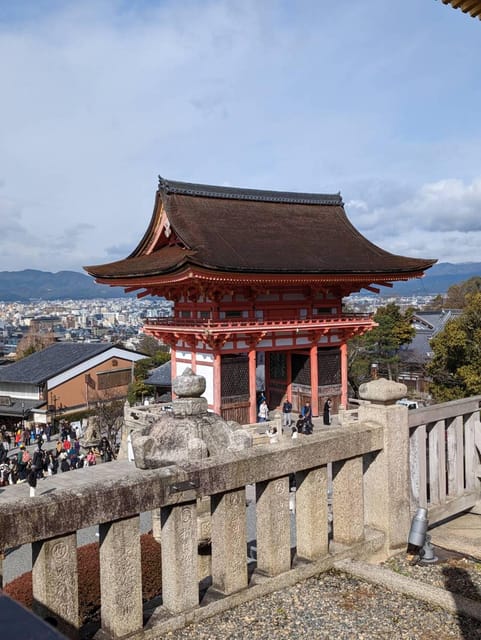
And yes, the view is a major payoff. From the stage, you can see a three-storied pagoda called the Koyasu Pagoda. The name connects to the idea of easy birth, and you’ll notice women visit it with prayers tied to that wish. Even if you’re not participating in the same tradition, it helps you understand what these places mean to people—not just what they look like.
Other Kyoto tours and experiences to compare



The Pure-Water Stream and the Iron Claw Challenge
One of Kiyomizu-dera’s most distinctive features is what the name hints at: Kiyomizu means pure water. There’s a stream of water running down from the mountain behind the temple, and it has never been dried up. On-site, you’ll see visitors standing in line to drink the water, and the guide explains why this water matters.
Two other details add a hands-on feel inside the precincts: there are iron stick and iron clogs on display as donated items. The iron stick is very heavy, and the guide points out that you can try lifting it. It’s not about strength for most people. It’s about connecting to the temple’s physical traditions—something you can feel in your body, not just read about.
These moments are also a good break from the visual overload. When Kyoto is loud—signs, crowds, camera shutters—Kiyomizu-dera can still feel meaningful because you’re doing small, deliberate actions in a sacred space.
Jishu Shrine Matchmaking: What the Guide Covers Before You Leave
Before the tour fully wraps up at Kiyomizu-dera, the guide briefly explains Jishu Shrine, a shrine known for matchmaking. This matters because many visitors pass Jishu Shrine-related ideas without knowing what they’re looking for, or why people pray there.
The big takeaway is that the tour doesn’t stop at “temple facts.” It gives you a way to interpret what you’ll see afterward—especially if you keep wandering around eastern Kyoto. When you know how shrines are used for specific hopes and life moments, you can move through the streets with more understanding and less guesswork.
Price and Value: Why $80 Per Group Can Be a Good Deal
This tour is priced at $80 per group up to 5 people, with a duration listed at about 2 hours. The route timing you’ll experience works out to roughly a 2-to-2.5-hour walk when you include visit time at each site.
Here’s how I think about the value:
- You’re paying for a real guide, not a phone app or audio narration.
- You’re getting help with customs and worship style, which is hard to piece together on your own if you’re not reading Japanese signs closely.
- You’re visiting a Zen temple stop (Entoku-in) plus the huge Kiyomizu-dera payoff, without having to plan the best sequence.
One extra cost to plan for: admission fees to temples are not included. You should also expect to pay your own way to and from the meeting point. If you’re using transit, the info provided is clear: you can get off at Gion Shijo Station (Keihan Line) or Kawaramachi Station (Hankyu Line), then walk along Shijo Street. If using a bus, get off at the Gion stop and follow the steps toward the red gate.
This private format is also a quiet quality-of-life improvement. With up to five people, the guide can adjust pacing and answer questions without the stress of a big group shuffle.
Who This Private Historical Walk Is For
I think this tour fits best if you fall into one of these groups:
- You want the religious and political context behind Gion and Kiyomizu-dera, not just a checklist of sights.
- You like quieter places as part of your sightseeing day—Entoku-in is the built-in calm moment.
- You’re traveling with family or a small group and want fewer surprises and more explanations.
It might feel less ideal if you want a long, stop-every-10-minutes photo session. This is structured and timed. The goal is understanding and flow, not lingering all day in one courtyard.
Should You Book This Kyoto Historical Walking Tour?
If you want Kyoto that feels coherent, not random, I’d book it. The strongest reason is the balance: shrine etiquette at Yasaka, a meaningful political-to-spiritual connection on Nene-no-michi, a Zen garden that actually slows you down, and then the big Kiyomizu-dera highlights with the wooden stage, Kannon worship, and the pure-water stream.
My only caution is practical: wear comfortable shoes and expect some stair steps and walking. Also budget a little for temple admissions since they aren’t included.
If that sounds like your kind of Kyoto, this private historical walk is a smart use of a morning or afternoon.
FAQ
Where is the meeting point for the tour?
You meet at the west gate (the red gate) of Yasaka Shrine.
How long is the tour?
It runs for about 2 hours.
What’s included in the price?
A live English-speaking guide is included.
Are temple admission fees included?
No. Admission fees to the temples are not included.
Is the tour private?
Yes. It’s a private group experience (up to 5 people).
Can I cancel for a refund?
Yes. You can cancel up to 24 hours in advance for a full refund.
Is pay later available?
Yes. The tour offers a reserve now & pay later option, so you can reserve your spot without paying immediately.
More Walking Tours in Kyoto


More Tours in Kyoto

More Tour Reviews in Kyoto


Just added: more Kyoto tours to browse








Walking Tours, compared.
 ★ 4.7Kyoto Geisha Walking Tour: Gion District & Hidden GemsFrom $253,273 reviews
 ★ 4.9Gion Magical Night Walking Tour with Geisha TriviaFrom $242,393 reviews
 ★ 4.7Gion Geisha District Walking Tour – Stories of GeishaFrom $202,187 reviews
 ★ 4.5Night Walk in Gion: Kyoto’s Geisha DistrictFrom $212,003 reviews
 ★ 5.0Kyoto Gion Geisha District Walking Tour – The Stories of GeishaFrom $251,441 reviews
 ★ 5.0Nishiki Market Brunch Walking Tour (7 Tastings + Brunch)From $681,355 reviews
 ★ 5.0Kyoto Arashiyama Walking Tour: Bamboo, Monkeys, Gardens & SecretsFrom $651,216 reviews
 ★ 5.0Kyoto Gion: 2-Hour Geisha Culture & History Walking TourFrom $231,186 reviews
Browse the lists this tour appears in