
Reviewed · KYOTO BUS & SIGHTSEEING TOURS
10 Must-see Spots in Kyoto One Day Private Tour (up to 7 people)
Ten famous Kyoto stops in one day sounds intense.
That’s exactly the appeal here: you get a private guide who handles the order and connections, so you can focus on sights instead of schedules. You’ll hit Kinkaku-ji, Arashiyama highlights, Fushimi Inari, Kiyomizu-dera, and end in Gion, with stories along the way and lots of photo opportunities.
I especially like the pacing choices. You get built-in time at the big hits, plus short chances to grab the classic views (like the torii gates at Fushimi Inari and the balcony at Kiyomizu-dera). The main drawback is also the biggest tradeoff: this is an action-packed day, and you should expect a lot of walking plus separate costs for entrances and transit.
In This Review
- Key highlights at a glance
- Morning logistics: Kitaoji Station start, Gion finish
- Price and value: what you pay vs. what you add
- Stop 1: Kinkaku-ji Golden Pavilion and its shogun past
- Arashiyama Bamboo Forest Street and Tenryu-ji timing
- Togetsukyo Bridge and the Kimono Forest cylinder photo stop
- Fushimi Inari Taisha torii gates: the one-hour highlight
- Kiyomizu-dera balcony views and the steep street wander
- Sannenzaka and Ninenzaka: shopping streets with atmosphere (and hills)
- Yasaka-no-to from the outside, then Gion’s old alleys
- Transport, money, and the comfort checklist for 8 hours
- Weather, hot-day Plan B, and dietary notes
- Who this tour fits best (and who should skip it)
- Should you book the 10 Must-see Spots in Kyoto one-day private tour?
- FAQ
- What’s included in the tour price?
- Where does the tour start and end?
- How long is the tour?
- What’s the schedule like for visiting so many places in one day?
- Are entrance fees included for temples and shrines?
- Do I need money for public transportation and taxis?
- What time does the tour begin?
- Is lunch included?
- What happens if the weather is bad or it’s extremely hot?
- Is this tour available to cruise ship guests?
- What’s the cancellation policy?
Key highlights at a glance
- A true private day for just your group (up to 7 people)
- 10 major Kyoto sights packed into about 8 hours
- English-speaking professional guide to keep you oriented and on time
- Photo-famous stops like Kinkaku-ji, Fushimi Inari, and Kiyomizu-dera
- Finish in Gion so you can continue the night on your own
- Bring yen: credit cards aren’t reliable at many temples and taxis
Morning logistics: Kitaoji Station start, Gion finish
The tour starts at 9:00am near Kitaoji Station (Kita Ward) and ends in the Gion area (Higashiyama Ward). That end point matters. It’s not just a random drop-off—you finish near the old-street zone where you can keep walking, window-shop, or grab dinner without hopping back across town.
You’ll be moving across Kyoto by public transport and sometimes taxi, depending on timing and what your group needs. The format is built for people who want a day that runs like clockwork: you can’t swap out stops, and the plan won’t change for lunch or different interests. If you’re the type who likes flexibility hour-to-hour, this may feel more structured than you want.
Still, for a first full day, that structure is a win. You get a fast map of what Kyoto looks like from different angles—temples, shrines, river views, and atmospheric streets—without having to figure out the route yourself.
Have a local lead the way on more Kyoto tours

Price and value: what you pay vs. what you add
The price is $179.07 per person for a private tour (up to 7 people). On paper, it’s not cheap, but the value comes from two things: (1) you’re buying time, and (2) you’re buying navigation help.
Two key costs are not included:
- Temple/monument entrance fees: listed as ¥1,500 per person
- Public transportation: listed as ¥1,000 per person
Taxi is also not included. The info you’re given notes taxi rides can run about ¥7,000–¥9,000 per cab for all rides, and if you have 4+ people, you’ll need two taxis (noted as ¥8,000 per booking). In other words: you should budget extra cash even if you plan to rely on transit most of the day.
Here’s the practical takeaway: if you’re traveling with 3–7 people, the private format often feels better. Everyone shares the guide, and you’re not stuck with a loud group tour schedule. If you’re traveling solo or as a couple, it’s still a strong way to compress “must-see Kyoto” into one day—you just want to go in knowing you’ll add yen for entrances and transport.
Stop 1: Kinkaku-ji Golden Pavilion and its shogun past
You begin with Kinkaku-ji (Golden Pavilion). The headline is obvious: that shiny golden exterior is one of Kyoto’s most photographed sights. What’s less obvious until you hear it is the context—this site was once tied to power, described here as the political center of the shogun.
What I’d do when you arrive: slow down your camera. Don’t just shoot the building straight-on. Look for how the pavilion sits against the reflections and nearby gardens, because that’s where the “golden moment” really lands. You’ve got about 40 minutes, and that’s enough time to take pictures, read a bit, and not feel rushed.
Entrance isn’t included, so have yen ready. Also, this is typically a high-traffic area, so being there early in the morning is part of the value of the tour’s start time.
Arashiyama Bamboo Forest Street and Tenryu-ji timing
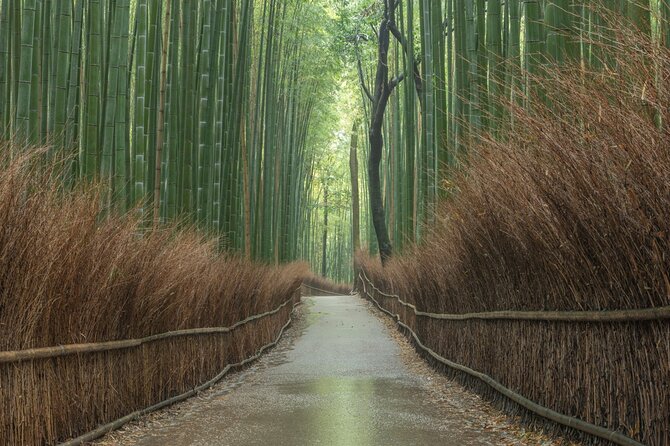
Next you head to Arashiyama, starting with the bamboo forest street. This is the classic Kyoto image—tall bamboo standing like a photo corridor. Your time here is shorter (about 20 minutes), which is exactly right for a place like this. You want to get in, get your shots, and avoid spending your whole day standing still.
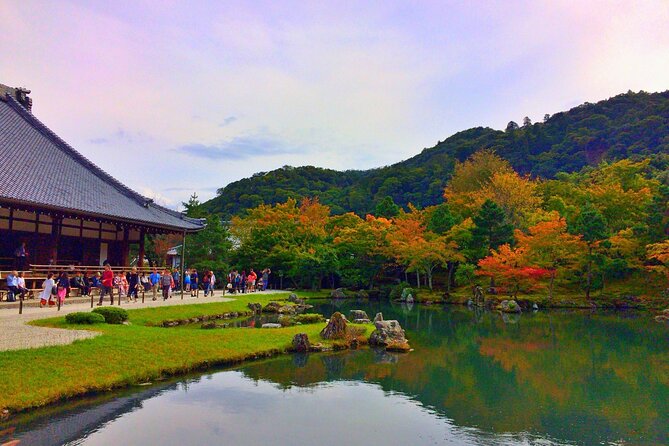
Then comes Tenryu-ji Temple, famous here for its pond garden and for being tied to one of Japan’s great gardeners. You get around 30 minutes. Tenryu-ji rewards quiet attention: you’ll likely notice how the garden is designed to be viewed from specific angles, not just walked through randomly.
A practical note: gardens and temples can have uneven walking surfaces. Bring shoes that don’t hate you by midday. This tour repeatedly nudges you from “look up at the view” to “walk for the view,” so comfort matters more than fashion.
Togetsukyo Bridge and the Kimono Forest cylinder photo stop
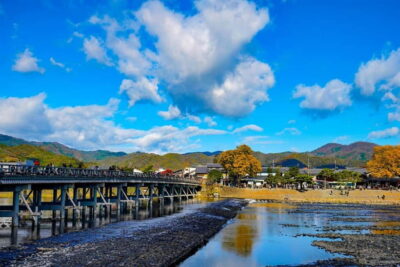
At Togetsukyo Bridge, you’re there mainly for the view. It’s listed as about 10 minutes, and that fits the purpose: quick framing, one or two angles, and you move on. If you’re into photography, this is one of the moments where you can get a real sense of Arashiyama’s river-and-mountains feel.
Then you’ll see Arashiyama Kimono Forest Kyoto, described as 600 cylinders decorated with kimono designs. It’s an installation, not a traditional temple, and that’s why it works. It gives you a different visual texture in the middle of a very “historic sites” kind of day. Expect about 10 minutes here—enough for multiple angles without eating your schedule.
Both of these stops are short, which is the tour’s secret strength. It keeps the day from turning into a slow crawl. You’re collecting Kyoto snapshots rather than living inside one location.
Loop the big Kyoto sights in one run

Fushimi Inari Taisha torii gates: the one-hour highlight
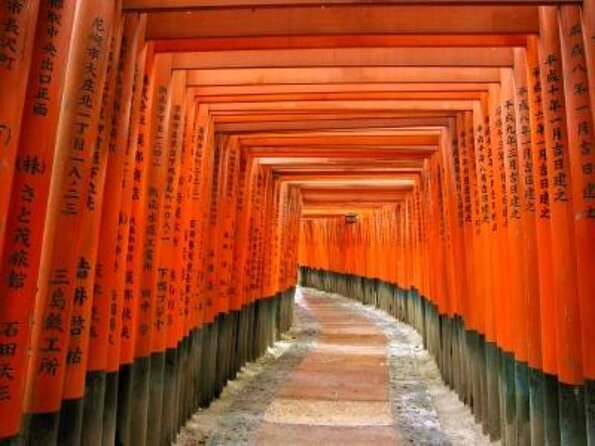
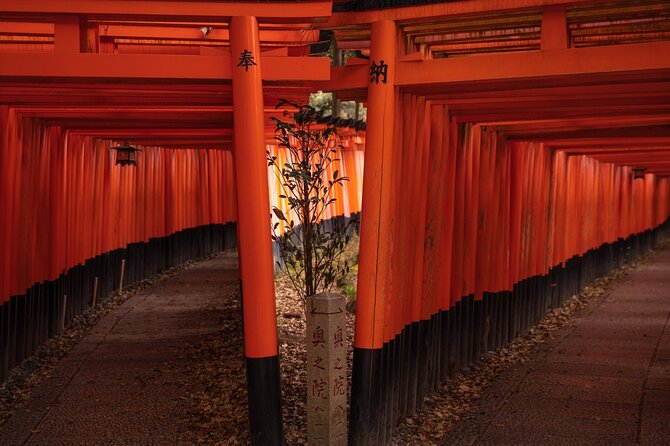
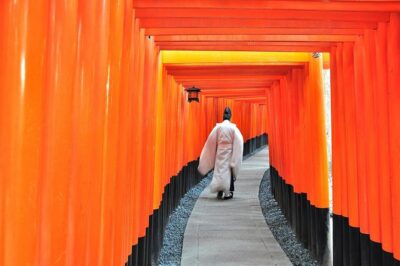
Now for the famous one: Fushimi Inari Taisha. Your schedule gives you about 1 hour, and that’s the right chunk of time because the place has momentum. You enter through the torii gates and the path pulls you deeper in stages.
This is also where you should manage your expectations. You’ll want pictures, sure. But the more important part is the walk itself. The torii gates create a tunnel effect, and the light changes as you move forward. If you only stop for a couple of photos at the front, you’ll miss the best part of the experience.
Admission is free at Fushimi Inari (as listed), which helps. Still, you’ll want yen for nearby stalls and snacks if you take breaks. Also, remember the tour isn’t allowing you to rework the sequence—so use your hour wisely: decide early how far you want to go, then pace yourself.
Kiyomizu-dera balcony views and the steep street wander
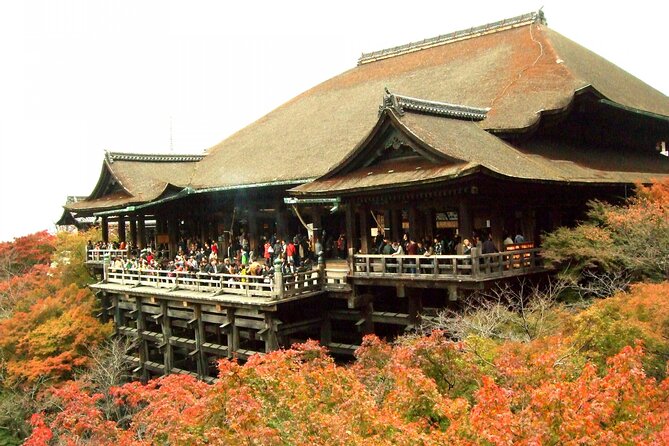
Next is Kiyomizu-dera Temple, listed as World Heritage and famous here for its vast balcony and panoramic views. Your time is about 1 hour, and that’s enough to enjoy the main viewing area and still have time to reset before the later streets.
This is one of those Kyoto moments where the architecture does the work. You’re standing where people have stood for generations, looking out over the city. Don’t just rush to the balcony and snap one photo. Walk slowly around the viewing areas, because you’ll see different framing lines depending on where you stand.
After Kiyomizu-dera, the schedule shifts to the nearby slopes:
- Sannenzaka
- Ninenzaka
You get about 1 hour here for independent exploring. This is a good place to slow down. The streets are lined with traditional wooden buildings and shops, and it’s where you can handle souvenirs without feeling like you’re shopping between checkpoints.
Entrance to Kiyomizu-dera is not included. It’s one of those days where cash matters. Even when you think you’ll pay with a card, it’s smart to keep yen in hand.
Sannenzaka and Ninenzaka: shopping streets with atmosphere (and hills)
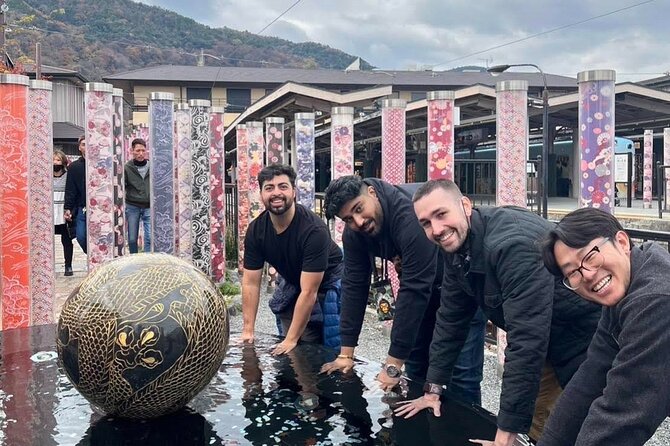
Sannenzaka and Ninenzaka are more than postcard lanes. The real value is the texture: old-style streets, small storefronts, and the sense that you’re moving through an older Kyoto layer rather than just a temple circuit.
Since your time is unstructured here, I’d use a simple plan:
- Do a slow walk first, just to absorb the vibe and find your best angles.
- Then shop only after you know what you actually want to buy.
- Take a short rest if you need it. This area’s streets are comfortable if you’re ready for slopes.
The tour notes that these spots are lined with souvenir shops, which means you’ll likely see familiar things: local snacks, small crafts, and Kyoto-themed items. If you’ve got dietary needs, you should flag them when booking (you’re told to inform the provider if there’s food you can’t eat). That’s especially relevant if you plan to snack along the street instead of waiting for a sit-down meal.
Yasaka-no-to from the outside, then Gion’s old alleys
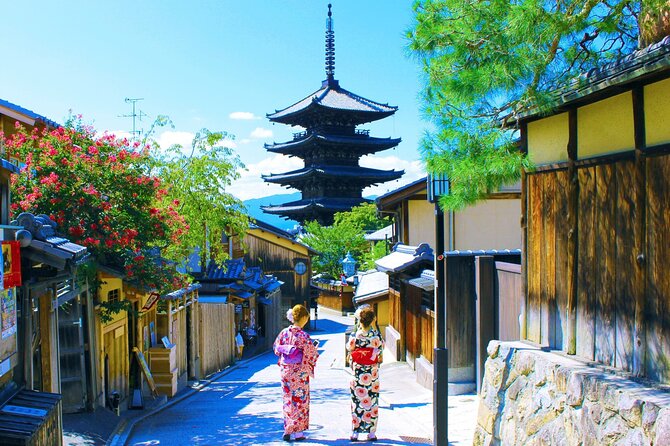
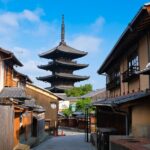
Near the end, there’s a quick stop at Yasakanoto (the five-story pagoda landmark of Kyoto). Your listed time is about 5 minutes, and that’s intentional. It’s a look-and-picture moment from outside rather than a deep dive inside.
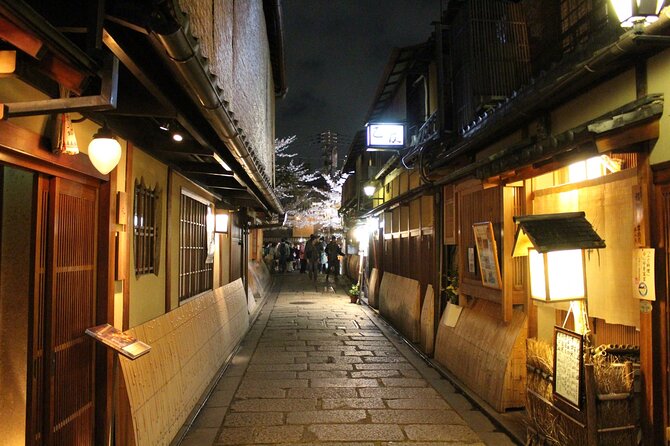
Then the tour finishes with Gion, including about 20 minutes to stroll the geisha district. This is where you can feel Kyoto’s “evening mode” shift. Your time is short, but it’s enough to walk an alley or two and see the traditional street character.
If you’re hoping to catch a glimpse of maiko or geiko, your best move is simple: walk respectfully, stay patient, and don’t crowd people. Even with the short time window, Gion is one of the best ways to end a day like this, because it gives you atmosphere after all the major landmark sightseeing.
Transport, money, and the comfort checklist for 8 hours
This tour runs on logistics. You’ll be moving between neighborhoods, and the pace can feel brisk even though it’s structured. The provided guidance says you should wear comfortable shoes, and that isn’t small advice. One traveler reported walking around 20,000 steps on a day like this, and that matches what the schedule suggests: short stops plus repeated moving time.
Here’s your money checklist:
- The tour explicitly warns that many temples and taxis do not accept credit cards.
- So bring enough Japanese yen for entrance fees and likely transit/taxi extras.
Also, plan for the fact that you can’t just pop into an ATM everywhere. You’ll enjoy the day more if you’re not constantly thinking about payment options.
One more practical thing: the meeting point details matter. Start at Kitaoji Station. If you miss the guide at the beginning, you can lose valuable time that you won’t be able to make up later.
Weather, hot-day Plan B, and dietary notes
The tour is described as requiring good weather. If the weather is poor, you should expect the provider to offer a different date or a refund.
On very hot summer days, there’s a Plan B mentioned: instead of the heavier walking route, the day may shift to Chishakuin Temple (described as an indoor hidden gem) and Sanjusangendo Temple (noted for its forest of Buddhist statues). That’s valuable to know because it shows the tour can adapt the steps rather than forcing you through an oven of a day.
Diet-wise, you’re told to inform the provider at booking if there’s food you can’t eat. That doesn’t mean you’ll never encounter food, but it does suggest your guide should be able to steer you toward options that won’t break your rules.
Who this tour fits best (and who should skip it)
This tour is a great fit if you want to:
- See a stack of Kyoto’s best-known sites in one day
- Get help with navigation and timing
- Avoid the stress of coordinating transit across multiple neighborhoods
It’s especially good for first-time Kyoto visitors who only have a short window, like a day between trains or a tight itinerary.
It may not fit you if:
- You want lots of free time at each site
- You prefer to wander without a schedule
- You dislike walking hills and stepping between concentrated locations
One neat detail from the guide feedback: people name guides like Tammy, Akemi, Kumi, Hiro, Yoshi, Chihiro, Meiko, and Hiromi. Since guides shape the feel of a private tour, it’s worth checking that the guide style matches what you like (some travelers focus on history, others love street-level Kyoto details). Either way, the format is built to keep you moving smoothly rather than leaving you to figure things out.
Should you book the 10 Must-see Spots in Kyoto one-day private tour?
I’d book this tour if you’re optimizing for coverage and convenience. The price makes sense when you compare it to the cost of time lost to transit confusion, waiting for crowded lines, and trying to stitch together ten separate “best places in Kyoto” by yourself.
Skip it if you’re planning a slow, artsy Kyoto day with long breaks in cafés and minimal walking. This tour is more “see the essentials” than “live the city for the day.”
If you book, do two things to make it feel great: bring enough yen, and commit to comfortable shoes. With that, you’ll likely end the day knowing Kyoto’s main shapes—Golden Pavilion, Arashiyama vibes, torii gates, and Gion streets—without missing the big hits.
FAQ
What’s included in the tour price?
You get an English-speaking professional guide. Infants under 3 years old are free of charge. Entrance fees and transportation costs are not included.
Where does the tour start and end?
It starts at Kitaoji Station in Kita Ward and ends in the Gion area (around 571 Gionmachi Minamigawa).
How long is the tour?
The duration is listed as about 8 hours.
What’s the schedule like for visiting so many places in one day?
The tour includes 10 major stops with set time windows. There is also independent exploring time at Sannenzaka and Ninenzaka.
Are entrance fees included for temples and shrines?
No. Entrance fees are listed as ¥1,500 per person for temples.
Do I need money for public transportation and taxis?
Yes. Public transportation is listed as ¥1,000 per person, and taxi rides are not included. The tour info also warns that many places may not accept credit cards.
What time does the tour begin?
Start time is listed as 9:00am.
Is lunch included?
Lunch is not listed as included. You should plan for your own meal breaks during the day.
What happens if the weather is bad or it’s extremely hot?
The tour requires good weather. If canceled due to poor weather, you’ll be offered another date or a full refund. On very hot summer days, a Plan B route may use Chishakuin Temple and Sanjusangendo Temple.
Is this tour available to cruise ship guests?
The tour is restricted to cruise ship guests who can independently reach Kyoto Station. Pick-up service is not included.
What’s the cancellation policy?
You can cancel for free up to 24 hours in advance for a full refund. If you cancel less than 24 hours before the start time, the amount paid will not be refunded.
More Tour Reviews in Kyoto
More Kyoto Sightseeing Loops

More Private Tours of Kyoto

Just added: more Kyoto tours to browse




Kyoto Bus & Sightseeing Tours, compared.
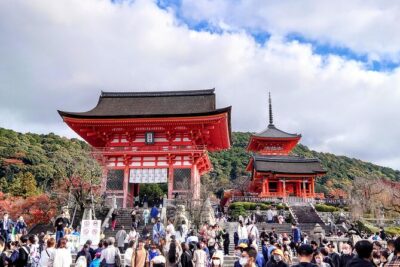 ★ 5.0PERFECT KYOTO 1-Day Bus TourFrom $12913,518 reviews
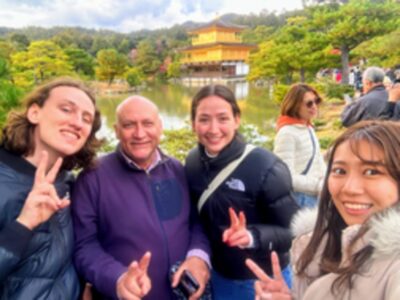 ★ 4.8Fushimi Inari, Kinkakuji, Bamboo Grove 1 Day Bus TourFrom $1224,316 reviews
 ★ 4.9Best of Kyoto: Gion, Geisha, Pagodas & CobblestonesFrom $242,058 reviews
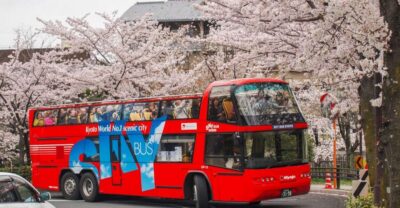 ★ 3.9Hop-on Hop-off Sightseeing Bus TicketFrom $272,034 reviews
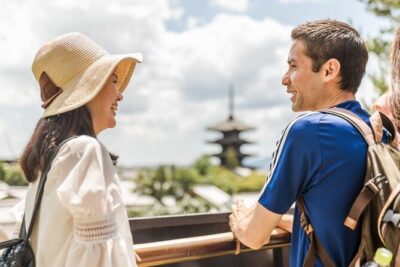 ★ 5.0Private Kyoto Tour with a Local, Highlights & Hidden Gems, PersonalisedFrom $1021,543 reviews
 ★ 4.7Kyoto/Osaka: Nara, Fushimi Inari Taisha, Arashiyama Bus TourFrom $521,275 reviews
 ★ 4.5One-Day Tour of Kyoto’s Highlights from Osaka/KyotoFrom $661,092 reviews
 ★ 5.05 Top Highlights of Kyoto Full Day Bike Tour (E-bike option)From $172511 reviews
Browse the lists this tour appears in