
Reviewed · GION & GEISHA DISTRICT TOURS
Kyoto Gion Night Walk & Geisha District Guided Tour
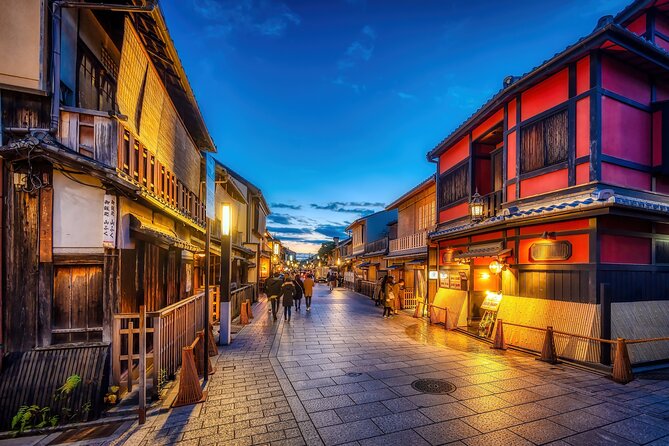
Gion looks different after dark. This guided evening walk focuses on the lantern-lit streets of Kyoto’s famed geisha district, with time for off-the-beat temples and shrines that most people skip. If your timing is right, you might even spot a maiko or geisha.
What I like most is the small group size (up to 9 per outing). I also like that you get an English-speaking guide with stories and practical on-the-ground context, and I’ve seen guides like Zied, Guillaume, Shingo, Jasmine, and Naoki praised for making the walk feel personal and easy to follow.
The main thing to watch is that this is a walking-focused 3 hours with limited breaks, and the schedule can overlap dinner time. Also, the meeting spot can feel busy and confusing since you’re starting near a lively area with many tour groups.
In This Review
- Key things that make this Gion night walk worth your time
- Gion after dark: why the lanterns change everything
- Small-group format: how you avoid the loud, slow herd
- Price and what you’re really buying for $18
- Where you start and finish: the route in plain terms
- Stop 1: Gion at night—lanterns, teahouses, and the rhythm of the district
- Stop 2: Hanamikoji Street—why this lane feels preserved
- Stop 3: Yasaka Shrine (Gion Shrine)—history you can actually see
- The guide factor: when the night feels like a conversation
- Walking logistics: what to wear, how fast it feels, and dinner timing
- Should you book this Kyoto Gion night walk?
- FAQ
- How long is the Kyoto Gion Night Walk & Geisha District Guided Tour?
- How big is the group for this tour?
- Is there an English-speaking guide?
- Where do we meet and where does the tour end?
- Are entrance tickets included for the stops?
- Is a snack included?
- Is hotel pickup and drop-off included?
- What about cancellation and bad weather?
- Is this tour near public transportation?
Key things that make this Gion night walk worth your time
- Small group cap (no more than 9 per outing) means less waiting and more chances to ask questions.
- English-speaking guides with strong storytelling skills, including standouts like Zied, Shingo, Jasmine, and Naoki.
- Lantern-lit Gion at night gives you the atmosphere you come to Kyoto for, when the district actually feels like itself.
- Easy, stop-by-stop route: Gion area → Hanamikoji Street → Yasaka Shrine (Gion Shrine), finishing at Sanjō Ōhashi Bridge.
- A snack and water are offered on premium/private options, which helps when the walk runs through dinner hours.
- It’s built for good weather, so you’ll enjoy it more if skies cooperate.
Gion after dark: why the lanterns change everything
Gion’s best trick is timing. In daylight, the streets are pretty, but at night the whole district shifts into slow mode: paper lanterns glow, shopfronts dim, and you notice details you would miss while sightseeing during peak hours. That’s why this kind of night-focused walk is such good value. You’re paying for the atmosphere plus the local context that helps you understand what you’re looking at.
You’ll also walk into the parts of Gion that feel quieter. The tour route is designed to take you through narrow back streets and past places most people don’t automatically find on their own. That difference matters because Gion isn’t just one landmark—it’s a network of small lanes, shrine corners, and architectural details.
One more reality check: you’re in a living neighborhood. Even if you come with hopes of seeing geisha or maiko, it’s not a performance. It depends on schedules, timing, and luck. The point of the tour isn’t a guarantee—it’s that your guide helps you notice the cues.
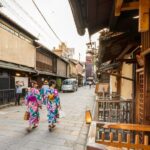
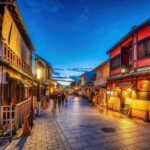
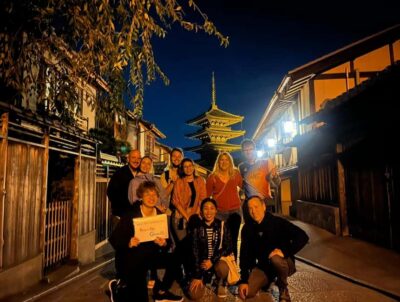
More evenings along the lantern-lit lanes of Gion
Small-group format: how you avoid the loud, slow herd
The tour is set up so you’re not stuck in a massive crowd. Each outing is kept to no more than 9 people, which makes a big difference when you’re walking tight streets. Smaller groups also help your guide manage pace, keep everyone together, and answer questions without rushing you.
There’s another subtle benefit: with fewer people, you can actually have a conversation. In the guide feedback, the standouts aren’t just people who list facts—they’re people who chat naturally about Japanese culture and what you’re seeing. Guides named in past experiences include Zied, Nobu Miyaki, Guillaume, Shingo, Jasmine, Naoki, Vincent, Eloise, and Raphael. That pattern shows the same strength: a tour that feels like a guided walk with a real person, not a script you can hear from far away.
Worth noting: the overall activity can have up to 25 travelers, which can feel like a lot if you’re the type who hates crowds. The good news is that the “up to 9” cap per outing is the key measure that keeps your actual walking group manageable.
Price and what you’re really buying for $18
At about $18 per person for roughly 3 hours, this is priced like a light-to-mid commitment. You’re not paying for a huge museum-style itinerary. Instead, you’re paying for three things that are hard to assemble solo:
- Timing and route sense for night streets (when you’re not sure where to go or what matters).
- An English-speaking guide who can explain the why behind shrines, street layouts, and customs.
- A guided walking flow that keeps you from spending half the time figuring out what you’re looking at.
Compared to hiring a private guide for the same area, the small-group setup is the sweet spot. And if you do upgrade to a private walking tour, you’re getting the same neighborhood focus without the group dynamics.
My practical advice: if you’re only in Kyoto for a short window, an evening Gion walk is a smart way to “get your bearings” in the culture of the district. You’ll understand what you’re seeing later when you come back on your own.
Where you start and finish: the route in plain terms
The meeting point is near Kyoto Kawaramachi Garden, at 68 Shinchō, Shimogyo Ward. Your tour ends at Sanjō Ōhashi Bridge.
Why this matters: starting in the Kawaramachi area puts you close to transit lines and keeps the walk from feeling isolated. Ending near Sanjō Ōhashi Bridge also helps you connect back to other parts of Kyoto without having to backtrack across the city.
One caution from experience-based feedback: the meeting spot can be confusing because there may be several guides and groups in the same general area. If you’re arriving early, take a moment to confirm the guide’s presence and group.
Also, the walking route is dense. Expect to move up and down through lanes and side streets for the full 3 hours.
Stop 1: Gion at night—lanterns, teahouses, and the rhythm of the district
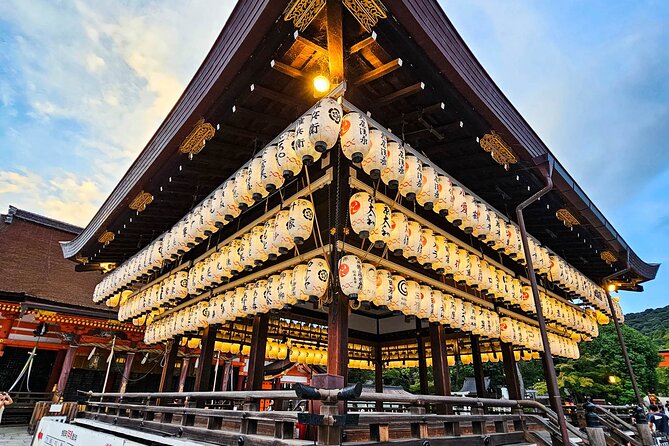
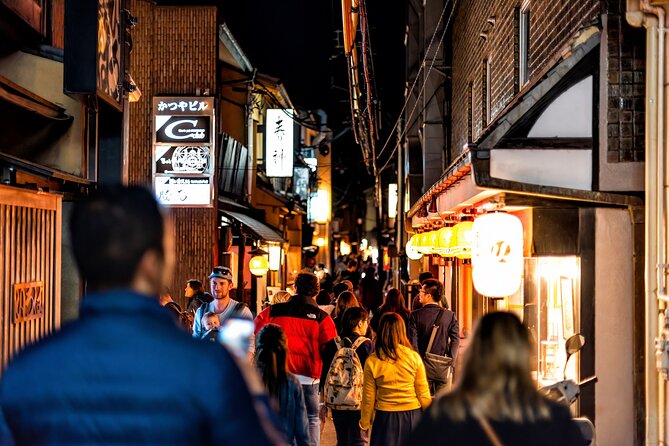
This is the core experience: Gion in the evening, when illuminated lanterns and the glow from traditional storefronts turn ordinary streets into stage sets. You’ll pass along the kinds of places people associate with Kyoto—restaurants, traditional teahouses, and old-street atmosphere—while your guide gives you the context that turns it from scenery into story.
Here’s what I think you should look for during this part:
- The way side streets branch off main lanes.
- Architecture choices—wooden facades, signs, and small garden-style details.
- Shrine and temple cues you might otherwise ignore.
A realistic note: some evenings feel quieter because restaurants and related spots may close early depending on the day. That’s not a problem. It just means your best “wow factor” is the streets and the lighting, not indoor dining scenes.
See how Kyoto shifts after dark


Stop 2: Hanamikoji Street—why this lane feels preserved
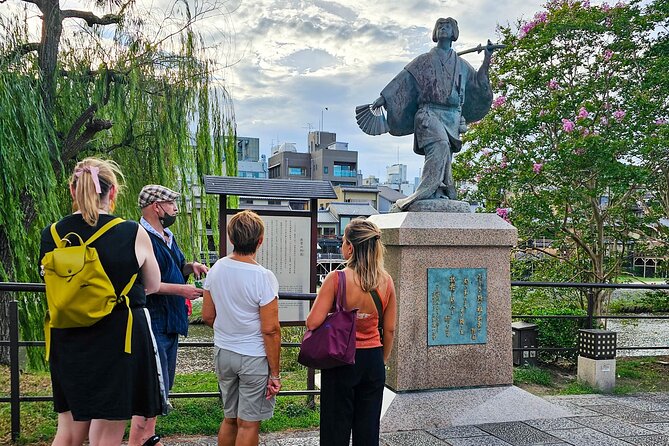
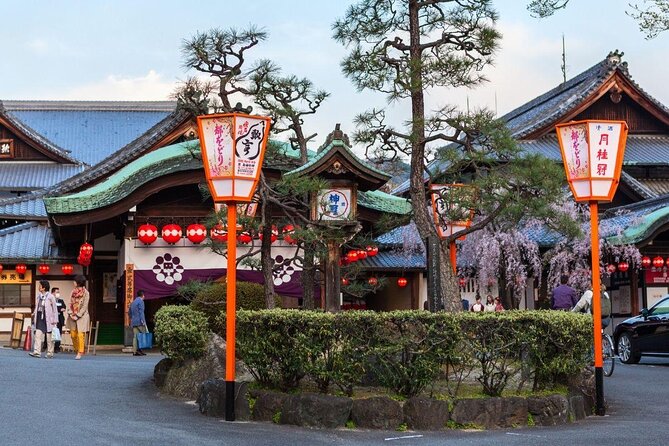
After you settle into the Gion atmosphere, you’ll head to Hanamikoji Street, one of the best-preserved historic streets in the district. The tour gives you a focused look at the street’s character rather than treating it like a quick photo stop.
This is a great area for noticing “micro” details: signage, street layout, and the way pedestrians move through the space. It’s also a good moment to ask your guide about etiquette and what you might be expected to do when you’re passing traditional venues.
Time here is short (about 30 minutes), so use it efficiently. If you want photos, try to plan them around movement. You’ll get better results walking at a steady pace than trying to stop abruptly in the middle of the lane.
Stop 3: Yasaka Shrine (Gion Shrine)—history you can actually see
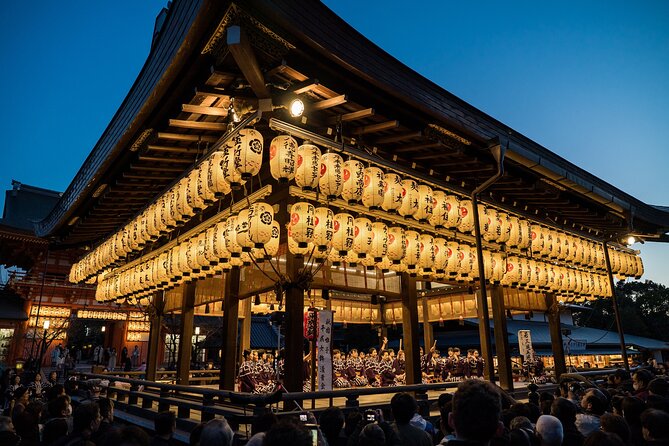
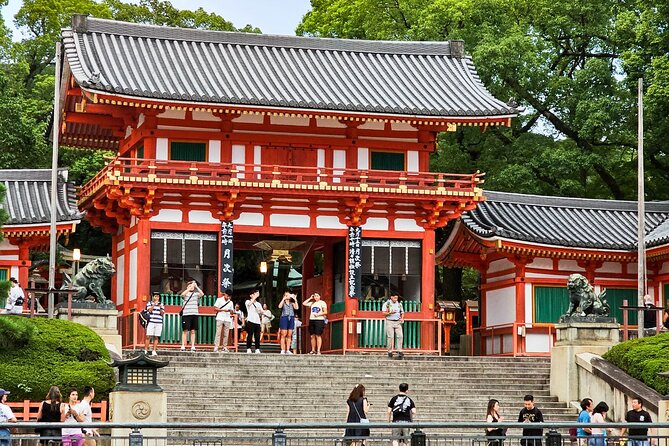
Next up is Yasaka Shrine, also known as Gion Shrine. This stop adds a different kind of Kyoto feeling: less street-glow, more ceremonial space. Your guide ties the architecture and customs of the area to what you’ve already seen in the streets.
Even with a shorter stop time (about 30 minutes), this kind of shrine visit helps you understand that Gion isn’t only about nightlife. It’s also shaped by local religious practice and long-standing community rhythms.
What to watch for:
- The way the shrine grounds feel compared with the surrounding streets.
- Any small customs or visual cues your guide points out.
- How the shrine’s presence changes the mood as you move through the area.
If you like context—why places exist and what people do there—this is usually the stop that makes the evening feel “real,” not just pretty.
The guide factor: when the night feels like a conversation
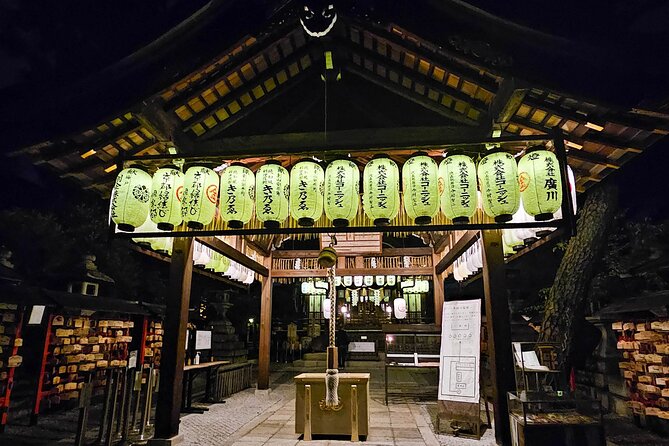
This tour lives or dies by the guide. In the experiences shared for this activity, certain names pop up again and again—Zied, Nobu Miyaki, Guillaume, Shingo, Jasmine, Naoki, Vincent, Eloise, Raphael, and Alex. The praised qualities aren’t just about facts. People describe guides who are patient, engaging, and willing to answer questions clearly.
That shows up in a few practical ways:
- You get directions and explanations fast enough that you don’t spend the evening confused.
- You get cultural context tied to what you’re physically seeing.
- You may receive extra suggestions like where to eat afterward, so your tour doesn’t end at the last stop.
I’d also treat guide personality as part of the value. If you’re the type who enjoys chatting and learning, the small-group size helps you get that time. If you prefer quiet sightseeing, you’ll still benefit from the structure—you just might need to keep your questions short and save deep ones for later.
Walking logistics: what to wear, how fast it feels, and dinner timing
This is a walking tour. Be ready for up-and-down lanes and a pace that stays active for about 3 hours. One piece of feedback signals that the route can run close to dinner hours, leaving you hungry at the end—especially in winter, when it gets cold quickly.
If you’re bringing family or anyone with shorter legs, go in with a plan: comfortable shoes, breathable layers, and a snack before you start might save you from feeling grumpy later. On premium/private options, a snack and water help, but don’t assume it will fix the whole dinner problem.
Also, go in knowing that you’re in a district that changes its vibe by day and by season. Even if you don’t see a maiko or geisha, Gion at night is still worth it because the streets themselves are the main attraction.
Should you book this Kyoto Gion night walk?
Book it if you want:
- Small-group energy rather than a crowded, slow line of people.
- A guided way to enjoy Gion’s lantern-lit streets with actual context.
- An evening plan that’s about atmosphere and culture, not big-ticket attractions.
- An English-speaking guide with a track record of clear explanations and friendly answers.
Skip or reconsider if:
- You hate walking for 3 hours with limited breaks.
- You need a perfectly timed dinner plan and don’t want the tour to overlap it.
- You expect guaranteed sightings of geisha or maiko. Your odds are never under 100 percent luck, and this tour doesn’t operate like a show.
If you do book, I suggest arriving early enough to locate the meeting point calmly. Then dress for the weather and focus on the street details. If you do that, you’ll come away understanding why Gion feels special after the sun goes down.
FAQ
How long is the Kyoto Gion Night Walk & Geisha District Guided Tour?
The tour lasts about 3 hours.
How big is the group for this tour?
The tour is designed with no more than 9 people per outing, and the overall activity has a maximum of 25 travelers.
Is there an English-speaking guide?
Yes. The tour includes an English-speaking tour guide.
Where do we meet and where does the tour end?
You start at Kyoto Kawaramachi Garden (68 Shinchō, Shimogyo Ward) and end at Sanjō Ōhashi Bridge.
Are entrance tickets included for the stops?
Admission is free for the Gion stop. Tickets are included for Hanamikoji Street and for Yasaka Shrine (Gion Shrine).
Is a snack included?
A snack is included for the Premium Group and Private Tour options. Water is mentioned in the tour overview.
Is hotel pickup and drop-off included?
No. Hotel pickup and drop-off are not included.
What about cancellation and bad weather?
You can cancel for a full refund up to 24 hours in advance. The experience requires good weather, and if it’s canceled due to poor weather, you’ll be offered another date or a full refund.
Is this tour near public transportation?
Yes, the meeting area is described as near public transportation.
More Tour Reviews in Kyoto

More of Kyoto After Dark
Still in Gion? Keep Going

Just added: more Kyoto tours to browse





Gion & Geisha District Tours, compared.
 ★ 4.7Kyoto Geisha Walking Tour: Gion District & Hidden GemsFrom $253,273 reviews
 ★ 4.9Gion Magical Night Walking Tour with Geisha TriviaFrom $242,393 reviews
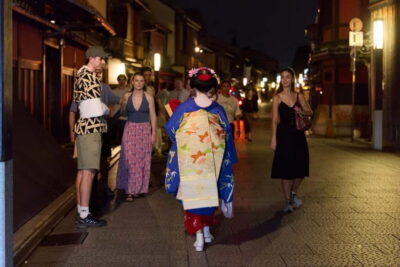 ★ 4.7Gion Geisha District Walking Tour – Stories of GeishaFrom $202,187 reviews
 ★ 4.9Best of Kyoto: Gion, Geisha, Pagodas & CobblestonesFrom $242,058 reviews
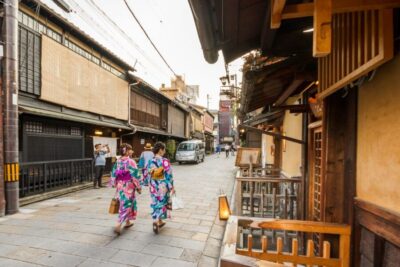 ★ 4.5Night Walk in Gion: Kyoto’s Geisha DistrictFrom $212,003 reviews
 ★ 5.0Kyoto Night Foodie Tour in Gion (9+ dishes + 6 Sake tastings)From $1631,762 reviews
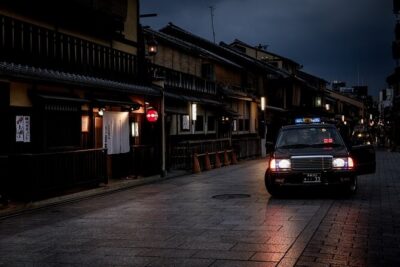 ★ 5.0Kyoto Gion Geisha District Walking Tour – The Stories of GeishaFrom $251,441 reviews
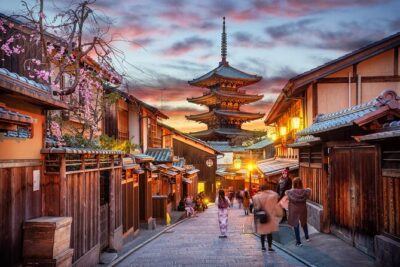 ★ 5.0Kyoto Gion: 2-Hour Geisha Culture & History Walking TourFrom $231,186 reviews
Browse the lists this tour appears in