
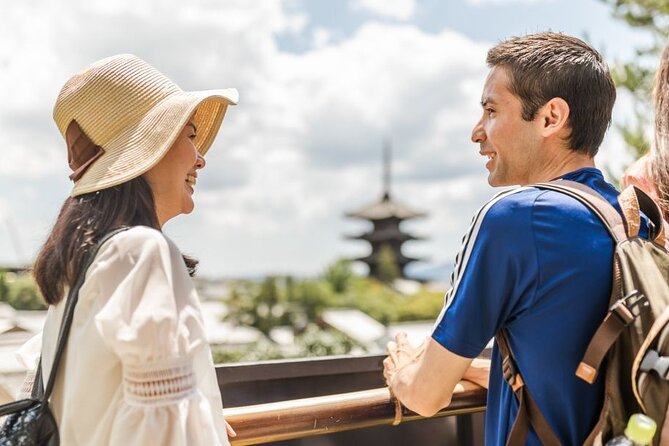
Reviewed · KYOTO BUS & SIGHTSEEING TOURS
Private Kyoto Tour with a Local, Highlights & Hidden Gems, Personalised
Kyoto feels personal on a custom walk. This private, local-led route lets you shape the day with a pre-tour questionnaire and a flexible plan that can speed up or slow down as you go—so the city feels less like a checklist and more like a conversation (private and custom are the point).
I especially like the mix of big-name landmarks and quieter street-level Kyoto. Think Pontocho Alley for that old wooden-street atmosphere, plus stops like Kennin-ji with its twin dragon mural and wind-and-thunder screens, and then onward to classic districts like Gion. I also like the human factor: guides such as Amy and Kokoro have a way of answering real questions about everyday life in Japan, and some even add practical help like photo/video time or making sure you know how to get to the next station.
The main drawback is that it’s a walking tour. Entry fees, food, and any extra transit costs aren’t included, and some stretches involve steps and hills—so it’s worth wearing comfy shoes and moving at your own pace.
In This Review
- Key things that make this tour work
- A private Kyoto route that feels like a real day out
- Price and value: what you’re really paying for
- Getting started at Sanjo-Ohashi: the meeting point you’ll remember
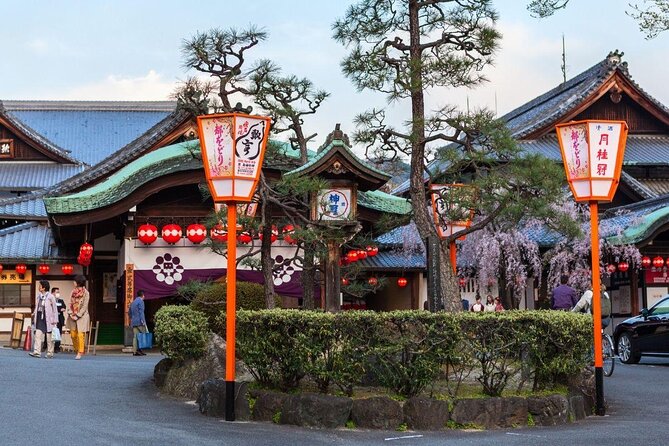
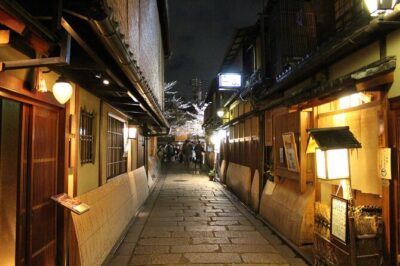
- Pontocho Alley: picture-perfect without the museum vibe
- Kennin-ji: Zen art details you’ll miss on your own
- Gion stroll: Hanami-koji and the tea-house atmosphere
- Yasaka Shrine and Maruyama Park: spiritual space plus a breather
- Sannenzaka and Ninenzaka: old Kyoto streets for crafts and snacks
- Kiyomizu-dera: the view stop and the Otowa Waterfall moment
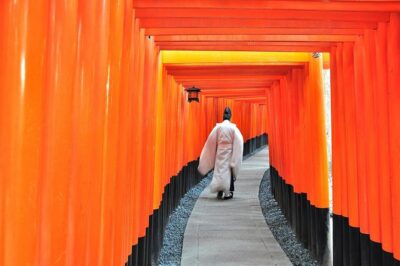
- Fushimi Inari-taisha: torii gates and a smart way to enjoy the climb
- Kiyamachi Street: the easy, lively ending
- Walking-only logistics: how to prepare without overplanning
- Who should book this tour
- Should you book this private Kyoto highlights-and-neighborhood walk?
- FAQ
- What length is the tour?
- Is this a private tour or shared?
- Does the price include food, drinks, or entrance fees?
- Is transportation included?
- Where do we meet?
- Can I cancel for a refund?
Key things that make this tour work
- Pre-tour questionnaire means your route is built around your interests, not a fixed script
- Private walking format keeps the pace personal and flexible for 2 to 5 hours
- Iconic + side streets: Fushimi Inari torii gates, Kiyomizu-dera views, plus neighborhood streets like Pontocho and Kiyamachi
- Local host contact before you meet makes the day smoother from stop one
- Meeting at Sanjo-Ohashi area (Starbucks Kyoto Sanjo-ohashi Bridge) makes it easy to start without stress
- Transport may be used between sites and you’ll coordinate the cost with your host
A private Kyoto route that feels like a real day out
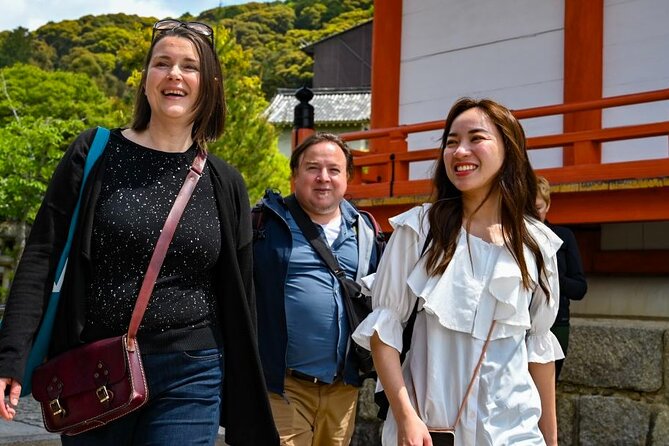
There’s a big difference between seeing Kyoto and understanding it. This tour is designed for the kind of experience where you can ask, pause, and change direction without the whole group needing to match your pace. You’ll get a local host who’s focused on how things connect—shrines to neighborhoods, temples to local customs, and the “why” behind the scenery.
And because it’s private, you’re not stuck with someone else’s priorities. You can lean history-heavy, culture-heavy, or just “show me what’s special today.” The pre-tour questionnaire helps your host set the tone early, so you’re not starting from scratch once you meet.
One of the best outcomes is that you end up with practical context, not just site descriptions. In guides’ own styles, you’ll often get explanations tied to rituals, festivals, and how people move through the city—plus concrete suggestions for what to do next after the tour.
Have a local lead the way on more Kyoto tours

Price and value: what you’re really paying for
At $102.03 per person for a 2 to 5 hour private walk, the value depends on how you travel. If you’re trying to hit multiple top sights on your own, you’ll likely spend time figuring out logistics, which can cost you an afternoon. Here, you pay for someone to shape a route, set expectations, and help you keep momentum.
It also helps that the itinerary is flexible. Instead of “you must do everything,” you can do what matters most to you—maybe prioritizing Fushimi Inari and Kiyomizu-dera, or focusing more time on Gion and the old-street areas. That flexibility is where the price starts to feel justified.
One more value point: direct communication with your host before the experience. That can mean less confusion on the day and more time actually seeing Kyoto. Some guides also take on practical tasks like pointing out the best angles for photos or helping with transit so you don’t lose time afterward.
Getting started at Sanjo-Ohashi: the meeting point you’ll remember
You’ll meet at Starbucks Coffee – Kyoto Sanjo-ohashi Bridge (Nakajimamō, near the Sanjo-Ohashi Bridge area). The tour ends back at the meeting point, so you’re not left figuring out how to retrace your steps.
If pickup is available where you’re staying, your host can coordinate that too. But the key is simple: you start in a central area with easy transit access nearby. That matters when you’re walking between neighborhoods where timing can shift based on crowds and where you want to linger.
Pontocho Alley: picture-perfect without the museum vibe
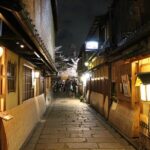
The tour’s route often includes Pontocho Alley, known for its car-free, old-street feel. What I like about starting (or at least threading in) an area like this is that it sets the tone fast: wooden storefronts, narrow lanes, and intimate restaurant fronts.
Practical tip: this is a place to slow down and look up. Screens, signage, and the way buildings step along the street tend to tell you more about Kyoto’s design than a quick photo-and-go approach.
Potential drawback: it can be busy, and narrow lanes can feel tight when you’re moving with a guide who wants everyone to stay together. The upside of a private format is you can pause when you want, without worrying about holding up a group bus.
Kennin-ji: Zen art details you’ll miss on your own
Next up is Kennin-ji, Kyoto’s oldest Zen temple. The standout visuals here are the twin dragon mural and the gilded screens associated with the wind and thunder gods. These are the kinds of details that sound straightforward until you’re standing in front of them—then you realize how much meaning is packed into the design.
Why this stop works: it isn’t just a pretty photo. It’s an entry point into Kyoto’s artistic language, where spiritual spaces often double as visual storytelling.
Consideration: temple visits can involve quiet rules and slower movement. If you’re the type who wants to rush, you may feel slightly slowed down here. On the other hand, if you like structure and context, your host can turn a short visit into a meaningful one.
Loop the big Kyoto sights in one run
Gion stroll: Hanami-koji and the tea-house atmosphere
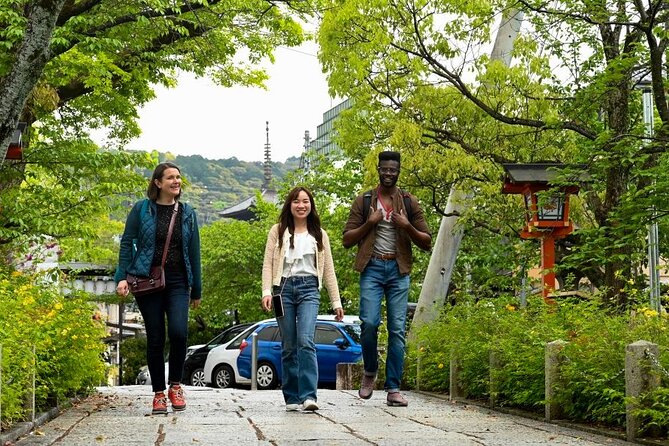
The tour can take you through historic Gion, including Hanami-koji Street and often the area connected by Tatsumi Bridge, where you’ll see elegant old buildings and tea-house streets around Shimbashi.
I love Gion as a neighborhood rather than as a single landmark. Walking it with a host helps because you get to understand how the district works—what you’re looking at, and why it has stayed so visually consistent.
Practical note: Gion photography is all about angles. Side streets and doorways matter. If your host has the photo habit that some guides show (Amy is one example from guide styles), you can also get help timing photos so you don’t end up stuck behind someone’s shoulder.
Yasaka Shrine and Maruyama Park: spiritual space plus a breather
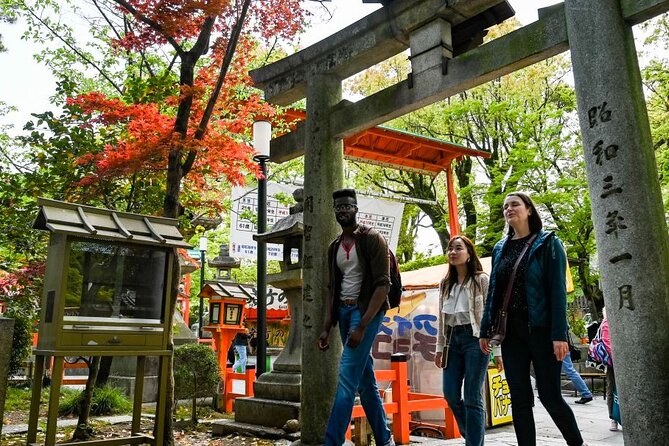
The route may include Yasaka Shrine, with its reported 1,350-year history and a connection to the Gion Matsuri festival. This stop tends to land well because it mixes spiritual significance with a calm sense of place.
Then you can shift to Maruyama Park, which is a good pause point—especially if you need a break from walking. You might appreciate the seasonal change too, with cherry blossoms in spring and quieter scenery in other months.
Drawback to consider: if you dislike crowds, shrine areas can feel packed at peak times. A private host can help you manage the timing by controlling where you pause, which side you approach from, and when you move on.
Sannenzaka and Ninenzaka: old Kyoto streets for crafts and snacks
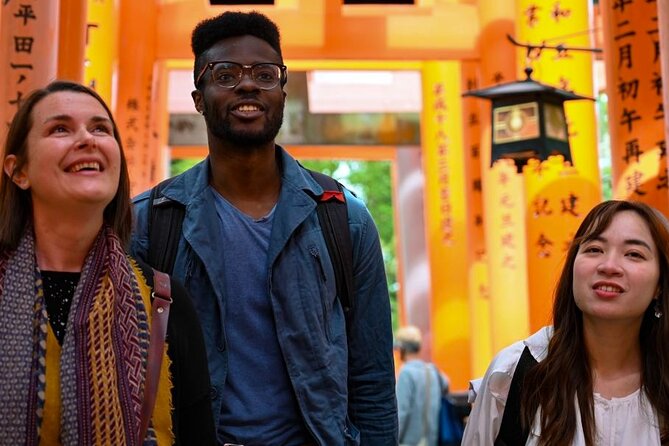
For a taste of “old Kyoto” street life, the tour can route you through Sannenzaka and Ninenzaka—the narrow lanes lined with wooden buildings, traditional shops, and craft-focused stores. This is a solid place to browse for small souvenirs like pottery and local sweets without feeling like you’re in a generic market.
What makes this stop valuable: it connects the big cultural sights to everyday street commerce—because Kyoto isn’t only temples. It’s also the small objects people live with, gift, and trade.
Consideration: this area is made for foot traffic, which is good if you want to walk and browse. If you’re short on time, you’ll still want to keep moving so you don’t lose your later highlights.
Kiyomizu-dera: the view stop and the Otowa Waterfall moment
Kiyomizu-dera is a highlight for a reason: the view from here is famous, and the temple’s historic wooden stage sets a particular atmosphere. If your day includes the Otowa Waterfall, you’ll get the story behind it—its association with blessings for longevity, success, and love.
Why it’s worth having a guide: your host can point out what to notice so you don’t just stand in front of a camera-ready scene. You’ll often understand what you’re seeing through the shrine-temple logic of the site.
Drawback: it can involve stairs and uneven walking paths. If mobility is a concern, tell your host early. A good host can often adjust the route to match your energy.
Fushimi Inari-taisha: torii gates and a smart way to enjoy the climb
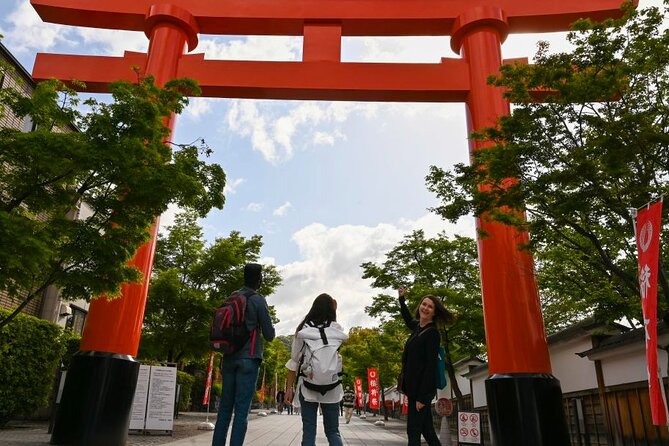
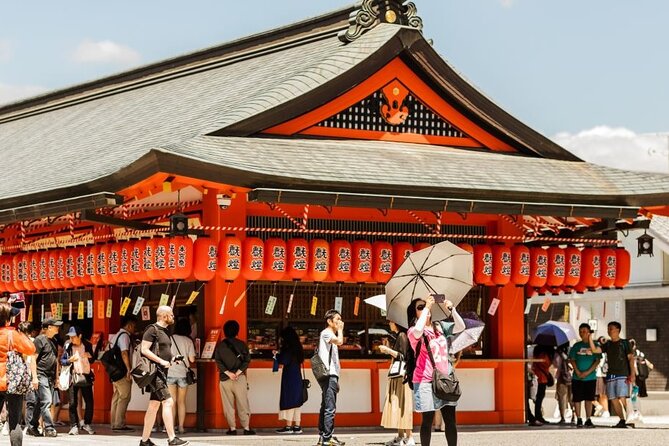
No Kyoto tour feels complete without Fushimi Inari-taisha and its iconic vermilion torii gates. The route can include hiking partway for views, and it’s also an excellent place to focus on the small details like the fox statues and the feeling of walking through repeated gates.
Here’s what I like about this stop in a private format: you can control your effort. If you want a shorter experience, you can admire the gates without turning the day into an all-day climb. If you want the hike, you can do it with context instead of guessing where you’re going next.
Consideration: Inari areas can be popular. If avoiding long waiting matters to you, a host who plans the route with timing in mind (some guides are praised for this approach) can help you keep the day moving.
Kiyamachi Street: the easy, lively ending
To wrap things up, the tour may head to Kiyamachi Street, known for cozy cafes, bars, and restaurants. This is a nice end because it feels like real Kyoto nightlife in small doses—good for grabbing a drink or a casual meal based on what your host recommends.
Why this ending works: after temples and shrines, you’re ready for normal-life Kyoto again. And because food and drinks aren’t included, you get to choose what fits your budget.
Practical tip: ask your host what’s nearby that matches your tastes. One of the most useful parts of having a local guide is that they can steer you toward places that make sense for the time you have.
Walking-only logistics: how to prepare without overplanning
This is a private walking experience, and a private vehicle is not included. Public transport or local taxis may be used to transfer between sites, with transportation costs discussed with your host after booking.
So what should you do to make it easy?
- Wear shoes you can handle for a few hours on uneven pavement.
- Bring a bottle of water and plan for breaks when the day requires it.
- If you have mobility limits or you’re traveling with kids, tell your host early so the pacing and stop order can match your energy.
Also, the tour is flexible and not a fixed itinerary. That’s great, but it means you’ll get the most from the questionnaire and your pre-meeting message. If there’s one thing you really care about—like Inari gates over another temple—say it clearly.
Who should book this tour
I’d recommend this tour if you want:
- A Kyoto day shaped around your interests (not a rigid stamp-collection route)
- Temple and neighborhood storytelling with real context
- A guide who can help with photo moments and practical navigation between areas
It’s less ideal if you want a driver, a “sit down often” schedule, or if you dislike walking and stairs. Since food, drinks, and entry fees are not included, you’ll also want to budget a bit for those add-ons based on what you choose that day.
Should you book this private Kyoto highlights-and-neighborhood walk?
If you’re doing Kyoto for the first time, I think this is a strong way to get your bearings fast—because the route blends iconic sites with the street-level texture that makes Kyoto feel like itself. The private, questionnaire-led setup is what makes the day feel tailored, not generic.
Book it if you like the idea of walking with a local host like Amy, Alex, Kokoro, or Hiro—guides who are praised for connecting history to daily life and adjusting the pace when plans change. Skip it (or at least be cautious) if you need lots of vehicle time or you’re expecting entry fees and meals to be covered.
If you’ve got 2 to 5 hours and you want your Kyoto day to make sense beyond the guidebook photos, this is an easy yes.
FAQ
What length is the tour?
It runs for about 2 to 5 hours, and the route can be adjusted based on your pace and interests.
Is this a private tour or shared?
It’s private. Only your group participates.
Does the price include food, drinks, or entrance fees?
No. Food, drinks, and entry fees are not included. You can choose them together with your host on the day if you want.
Is transportation included?
The experience is primarily a walking tour, so a private vehicle is not included. Public transport or local taxis may be used to transfer between sites, and the transportation cost can be discussed with your host.
Where do we meet?
The meeting point is Starbucks Coffee – Kyoto Sanjo-ohashi Bridge, in Kyoto (Nakagyo Ward, Nakajimacho). The tour ends back at the meeting point.
Can I cancel for a refund?
Yes. There is free cancellation, with a full refund if you cancel at least 24 hours before the experience starts.
More Tour Reviews in Kyoto
More Kyoto Sightseeing Loops

More Private Tours of Kyoto

Just added: more Kyoto tours to browse





Kyoto Bus & Sightseeing Tours, compared.
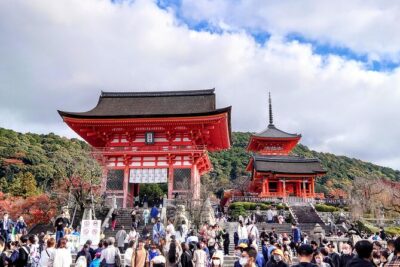 ★ 5.0PERFECT KYOTO 1-Day Bus TourFrom $12913,518 reviews
 ★ 4.8Fushimi Inari, Kinkakuji, Bamboo Grove 1 Day Bus TourFrom $1224,316 reviews
 ★ 4.9Best of Kyoto: Gion, Geisha, Pagodas & CobblestonesFrom $242,058 reviews
 ★ 3.9Hop-on Hop-off Sightseeing Bus TicketFrom $272,034 reviews
 ★ 4.7Kyoto/Osaka: Nara, Fushimi Inari Taisha, Arashiyama Bus TourFrom $521,275 reviews
 ★ 5.010 Must-see Spots in Kyoto One Day Private Tour (up to 7 people)From $1791,108 reviews
 ★ 4.5One-Day Tour of Kyoto’s Highlights from Osaka/KyotoFrom $661,092 reviews
 ★ 5.05 Top Highlights of Kyoto Full Day Bike Tour (E-bike option)From $172511 reviews
Browse the lists this tour appears in