
Fushimi Inari feels like a maze with meaning. This small-group Kyoto walking tour helps you read the shrine instead of just walking through torii gates, and I especially like the focus on Inari worship and the stories behind the fox statues. The one thing to plan for is the uphill, mountain-trail walking, so comfortable shoes are a must and it may not fit everyone’s mobility needs.
You meet in a simple, easy-to-find spot near the shrine area, then your guide leads you along quieter paths most people miss. The guide’s English is live, the group stays capped at 10 people, and that tight size makes it easier to ask questions about shrine rituals and the fox messengers of Inari. Recent feedback also praised the guide named Nayeen for making the walk fun and smoothly timed, including a great sunset moment with fewer crowds.
In This Review
- Key things I’d bet you’ll notice right away
- Fushimi Inari Kyoto: What changes when you get the story
- Where you start near 93 Fukakusa Inarionmaechō (and the meeting-point tip)
- The 2-hour guided tour: Inari worship, fox messengers, and shrine rituals
- Ascending mountain trails and finding Kyoto views without losing the plot
- What the small group really buys you (besides fewer people)
- Comfort, pace, and who this tour fits best
- Price and value: is $38 for a local guide worth it?
- Practical tips for a smoother Fushimi Inari walk
- Should you book this Kyoto Fushimi Inari shrine walking tour?
- FAQ
- Where is the meeting point?
- How long is the Kyoto Fushimi Inari Shrine Walking Tour?
- What is the price per person?
- Is the tour guide available in English?
- Is it a small group tour?
- What should I bring?
- Will there be uphill walking?
- Is this tour suitable for wheelchair users?
- Is it suitable for baby strollers?
- Can I cancel for a refund?
- Is reserve now and pay later available?
Key things I’d bet you’ll notice right away
- A guide-led way to understand Inari worship instead of treating it like a photo stop
- Fox statue meaning explained clearly, so details don’t feel random
- Quiet trails and hidden spots that reduce the usual crush
- View breaks over Kyoto that feel earned after the climb
- Small-group attention (limited to 10) for better pacing and questions
- Good timing can matter, and one group specifically mentioned an excellent sunset with lighter foot traffic
Fushimi Inari Kyoto: What changes when you get the story
Fushimi Inari Taisha is famous for its torii gates, but the real attraction is the belief system behind them. With a guide, the shrine stops being just scenery. You get a clearer sense of who Inari is in worship, why foxes show up so often in the imagery, and what the fox messengers are meant to represent.
I like how the tour doesn’t treat the shrine as a checklist. You’re guided through the “why” of shrine rituals, so you can look at details with context. That means when you see fox statues, you’re not guessing what you’re looking at.
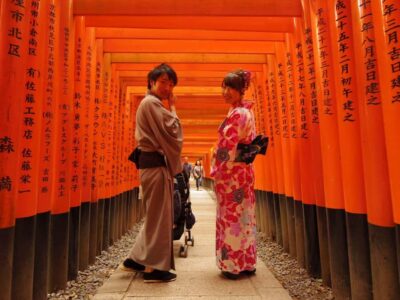
More walks up through the vermilion torii of Fushimi Inari



Where you start near 93 Fukakusa Inarionmaechō (and the meeting-point tip)
The tour starts at 93 Fukakusa Inarionmaechō. Practically, you’ll meet in front of a Daily Yamazaki Convenience Store. If the storefront area feels crowded, you can wait next to the fox statue across the road to get a calmer meet-up spot.
This kind of start matters more than it sounds. If you’re arriving from downtown Kyoto, you’ll want your meeting point to be simple and visible, and this one is. It also keeps your first minutes from turning into a stress-fest while everyone tries to locate each other.
The 2-hour guided tour: Inari worship, fox messengers, and shrine rituals
The core experience is a guided walk at Fushimi Inari Taisha for about 2 hours, led by a live English-speaking local guide. The walking isn’t presented as a race. It’s set up so you can pause, look closely, and connect what you’re seeing with what you’re being told.
Here’s what you should expect the guide to focus on, based on how this tour is described:
- History and significance of Inari worship, so the shrine’s popularity feels understandable
- Fox statues and their meaning, explained in a way that makes the symbolism stick
- Fox messengers of Inari, so the imagery starts to feel coherent
- Hidden meanings behind shrine rituals, so you notice more than just the major sightlines
One nice detail from a top review: the guide helped the timing feel right, and the group had an especially enjoyable experience with the light shifting toward evening. That’s a small thing, but it can make a huge difference at Inari, where you’re walking through long lines of gates and the atmosphere changes quickly.
Ascending mountain trails and finding Kyoto views without losing the plot
The tour involves ascending mountain trails, so plan for steady uphill walking. You’ll be moving through areas that feel less like an open plaza and more like paths climbing through the shrine grounds.
As you go, you’ll have chances for breathtaking views over Kyoto. That’s not just a reward for effort. It also helps you understand the shrine’s setting and why people treat this place as more than a corridor of torii. When you can look out over the city, the scale clicks.
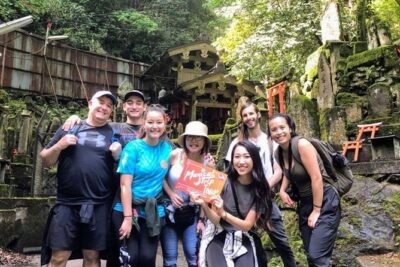
The best part is that the tour aims to take you to hidden spots and quieter trails. That matters because Fushimi Inari can get crowded, and crowd pressure can flatten the experience into pure photo time. With a guide, you’re more likely to keep momentum and see less-obvious corners where the shrine feels calmer.
What the small group really buys you (besides fewer people)
This is limited to 10 participants, which is a big deal at a place where lines can form fast. A smaller group tends to mean:
- you can move at a human pace
- it’s easier to hear explanations
- you spend less time waiting around
I also think it affects how the tour feels emotionally. A place like Fushimi Inari can seem overwhelming at first, because it’s visually repetitive. When the group stays small, the guide can slow down and help you notice the subtle differences that explain the symbolism and the worship practice.
In a recent review, the group credited their guide (Nayeen) with making the walk both enjoyable and well matched to the time. That’s the kind of small-group advantage that shows up in the details, like pacing and when you arrive in certain light.
More temples and shrines to slow down in across Kyoto






Comfort, pace, and who this tour fits best
Let’s talk practical constraints up front, because they’re important here.
Bring comfortable shoes. The route includes uphill trail walking, and the ground can be uneven. If you’re used to strolling flat streets, treat this as an active walk, not a gentle sightseeing promenade.
It’s not suitable for baby strollers and it’s not suitable for wheelchair users. It’s also listed as not suitable for visually impaired people. If you fall into any of those categories, you’ll want to look for a different format that matches your mobility and support needs.
Who tends to enjoy this tour most:
- people who like understanding religion, symbolism, and local tradition
- travelers who want more than photos and a quick walk-through
- anyone comfortable with uphill walking and wanting quieter trails
Price and value: is $38 for a local guide worth it?
At $38 per person for a 2-hour guided experience, you’re paying for three things: live interpretation, a curated route through quieter areas, and the cultural context behind what you see.
If you walk Fushimi Inari on your own, you’ll still get the famous torii views. But you’ll probably spend a lot of time wondering what certain details mean, especially around fox imagery and the specific ways shrine worship is expressed. This tour’s value is that it gives you that meaning while you’re standing in front of the symbols.
I’d call it good value if you’re the type of traveler who likes to learn while moving. If you only want the broadest, most obvious photo angles and you’re fine reading signs at your own pace, you might not need a guide. But if you want to walk away with a sense of connection to the spiritual side of Kyoto, the guide-led format is the point.
Practical tips for a smoother Fushimi Inari walk
These are the basics that matter most for this specific experience:
- Wear comfortable shoes with good grip.
- Expect uphill walking on trail-like paths.
- Keep your expectations realistic: the tour is built for walkers, not stroller pushes.
- If you’re aiming to catch the light, understand that timing can change your experience, and at least one group specifically mentioned a great sunset and fewer visitors.
Also, plan your day so you’re not rushing. Two hours goes quickly when you’re stopping to look, listen, and walk. If you try to stack this right before something else that needs you to be elsewhere immediately, you’ll feel it in your legs.
Should you book this Kyoto Fushimi Inari shrine walking tour?
Book it if you want Fushimi Inari to feel readable. This tour is designed for travelers who care about Shinto beliefs, the Inari connection, and why fox statues show up everywhere. With an English-speaking local guide, a small group size, and hidden trails plus Kyoto views, you’re set up to have a more meaningful visit than the typical photo-only route.
Skip it or rethink it if uphill trail walking is a problem for you, or if you need accessibility options beyond what’s supported here. Since the tour isn’t suitable for wheelchair users, visually impaired people, or baby strollers, it’s best to match the format to your needs rather than hoping for exceptions.
If you’re on the fence, I’d decide based on one question: do you want the shrine’s symbolism explained while you’re there? If yes, this is the kind of experience that tends to stay with you.
FAQ
Where is the meeting point?
You meet in front of the Daily Yamazaki Convenience Store. If it’s crowded, you can wait next to the fox statue across the road.
How long is the Kyoto Fushimi Inari Shrine Walking Tour?
It lasts about 2 hours.
What is the price per person?
The price is $38 per person.
Is the tour guide available in English?
Yes, the live guide speaks English.
Is it a small group tour?
Yes. The group is limited to 10 participants.
What should I bring?
Wear comfortable shoes.
Will there be uphill walking?
Yes. The tour involves ascending mountain trails, so be prepared for uphill walking.
Is this tour suitable for wheelchair users?
No, it’s not suitable for wheelchair users.
Is it suitable for baby strollers?
No, it’s not suitable for baby strollers.
Can I cancel for a refund?
Yes. You can cancel up to 24 hours in advance for a full refund.
Is reserve now and pay later available?
Yes. You can reserve now and pay later, with no payment due today.
More Tour Reviews in Kyoto




More Kyoto Temples and Shrines
Fushimi Inari, a Few More Ways


Just added: more Kyoto tours to browse








Fushimi Inari Shrine Tours, compared.
 ★ 4.8Fushimi Inari, Kinkakuji, Bamboo Grove 1 Day Bus TourFrom $1224,316 reviews
 ★ 5.0Fushimi Inari Hidden Hiking Tour (Private Option Available)From $631,750 reviews
 ★ 4.7Kyoto/Osaka: Nara, Fushimi Inari Taisha, Arashiyama Bus TourFrom $521,275 reviews
 ★ 4.4Osaka/Kyoto: Arashiyama, Nara & Fushimi Inari Shrine w/LunchFrom $61754 reviews
 ★ 4.7Nijo Castle, Kiyomizu & Fushimi Inari Guided TourFrom $54700 reviews
 ★ 5.0Nijo, Kinkaku-ji, Arashiyama, Kiyomizu & Fushimi InariFrom $51699 reviews
 ★ 5.0Kyoto Fushimi-Inari Night Walking TourFrom $43320 reviews
 ★ 4.93-Hour Fushimi Inari Shrine Hidden Hiking TourFrom $72270 reviews
Browse the lists this tour appears in