
Reviewed · KYOTO TEMPLE & SHRINE TOURS
Kyoto: Tea Ceremony Ju-An at Jotokuji Temple
Tea ceremony time at Jotokuji can feel like a reset button. At Jotokuji Temple, Kyoto’s Ju-An workshop blends temple sightseeing with a real Chanoyu style matcha lesson in a small group.
I love the setting: the walk through the grounds and the atmosphere around the Grand Tearoom make the whole thing feel grounded, not scripted. I also love that you don’t just watch—you get hands-on guidance to make and drink matcha, with English support from hosts like Kate and Yaki in some sessions, and sometimes Taka alongside them.
One thing to consider: the temple is wheelchair accessible, but the tearoom has three steps, so wheelchair users may have difficulty inside.
In This Review
- Key highlights you’ll care about
- Why Jotokuji Temple makes this Kyoto tea ceremony feel real
- Finding Tea Ceremony Juan and getting oriented at the main hall
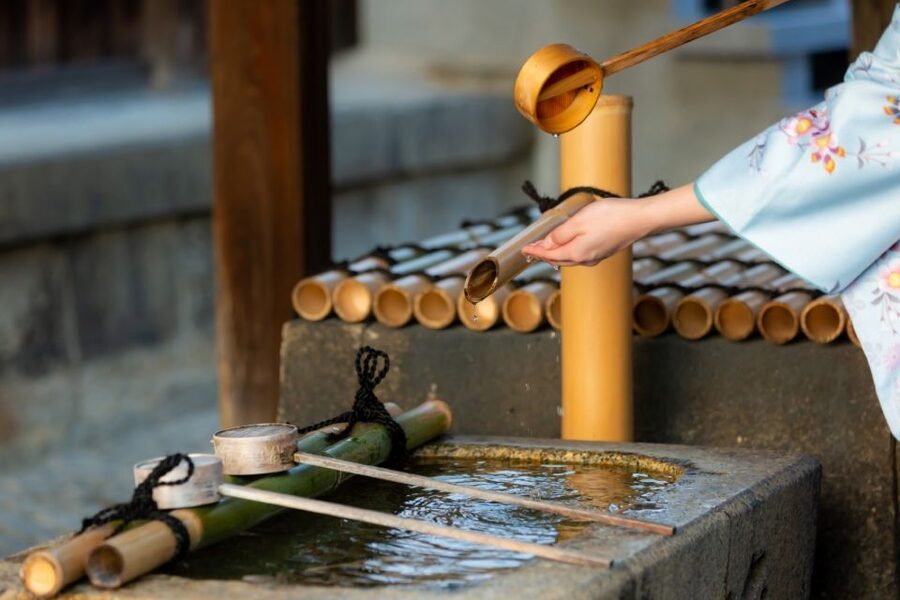
- Temple walk: main gates, architecture time, and the purification fountain moment
- The pre-ceremony ritual: why purification sets the tone
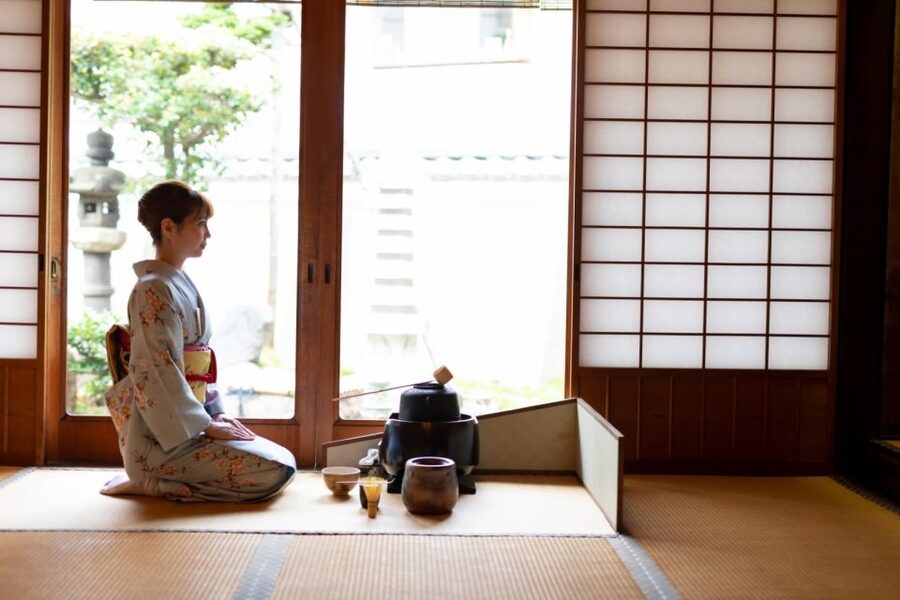
- Inside the Grand Tearoom: shoes off, seating choices, and what to expect
- Matcha time: the Tea Master’s step-by-step instruction
- Making your own cup: learning Chanoyu through participation
- Japanese etiquette, in real time (without the embarrassment)
- Price and value: what you actually get for $29 in 70 minutes
- Who this Kyoto tea ceremony is best for
- Practical tips to help you enjoy every minute
- Should you book this Ju-An tea ceremony at Jotokuji?
- FAQ
- How long is the Kyoto Tea Ceremony Ju-An workshop?
- Where does the tea ceremony meet?
- Is the ceremony wheelchair accessible?
- Do I need to wear a kimono?
- Will I have to sit on the floor?
- What language is the instruction in?
Key highlights you’ll care about
- Ju-An at Jotokuji Temple: a Kyoto tea ceremony tucked inside a real temple complex.
- Purification first: you start with a traditional ritual before you touch the tea.
- Red-benches orientation: you begin with a temple intro and a breather if weather allows.
- Grand Tearoom rules: shoes off, floor seating, and a calm, focused pace.
- Make matcha yourself: the Tea Master teaches each step, then helps you practice.
- Small group (max 10): more time for questions and personal guidance.
Why Jotokuji Temple makes this Kyoto tea ceremony feel real
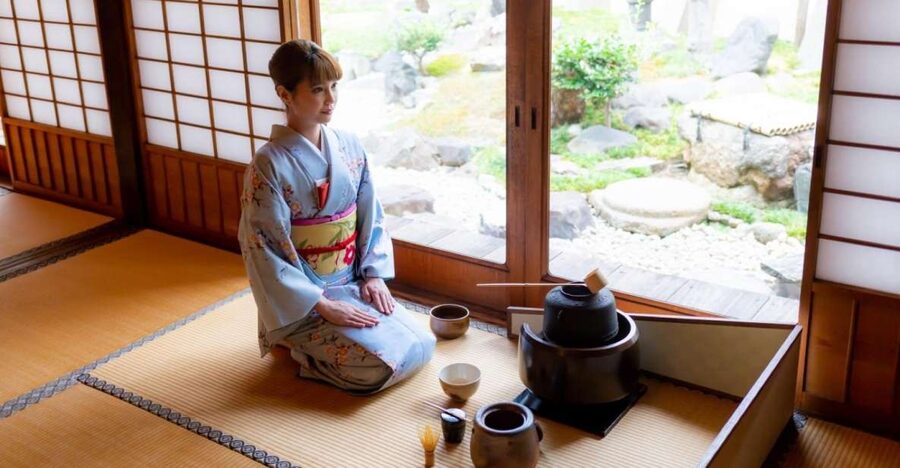
Kyoto has plenty of tea experiences that feel like a performance. This one has the opposite vibe. You’re in a temple setting, moving through the grounds first, then stepping into the Grand Tearoom where the ceremony actually happens.
What you’re really paying for is the combination: you get the visual beauty of the temple, plus a structured matcha lesson led by a Tea Master. If you’ve been on the go all day, this gives you a clear “slow down” moment that doesn’t feel forced.
Also, the Ju-An format is friendly for Western visitors. It’s short enough to fit into a sightseeing day, but still detailed enough that you understand what you’re doing and why your gestures matter.
More temples and shrines to slow down in across Kyoto

Finding Tea Ceremony Juan and getting oriented at the main hall
You’ll meet at Tea Ceremony Juan, 556 Gojo-sagaru, Tominokoji Dori, Shimogyo-Ku, Kyoto. Once you enter the temple area, your orientation point is based on the main hall: you’ll face the Main Hall, then look left to find a few steps that lead to the tea room area.
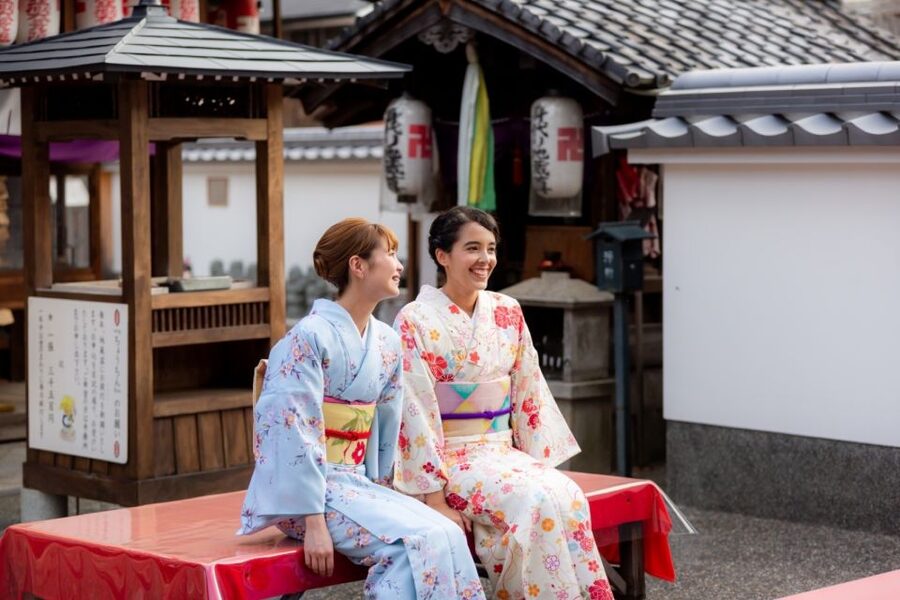
Before you ever sit, the group typically gathers near red benches where your guide awaits. That’s a small but helpful detail. You get a clear place to regroup, and it also sets the tone: less rushing, more arrival.
If you’re wondering whether you’ll feel lost, the answer is usually no. The activity is set up around guided movement through the temple, and the meeting instructions are specific about where to look once inside.
Temple walk: main gates, architecture time, and the purification fountain moment
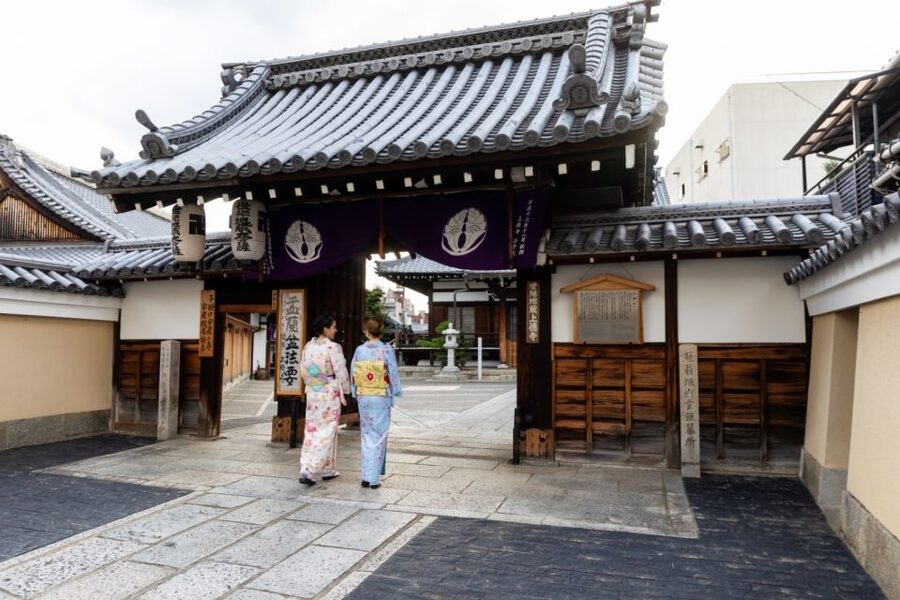
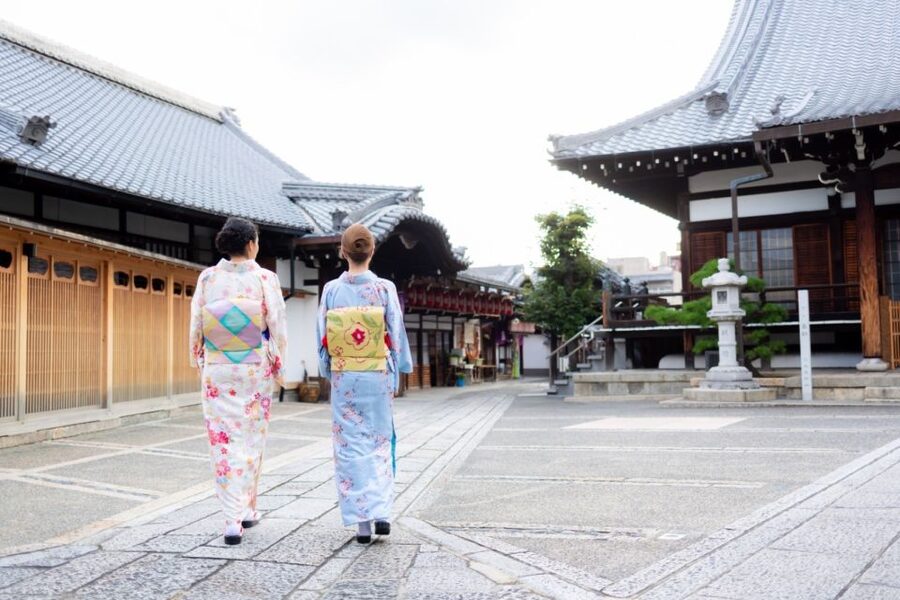
Your experience begins as you enter through the temple’s main gates. You’ll pass a section associated with the Grand Tearoom area on the left, and a parish shop nearby, before you settle with the group at the red benches.
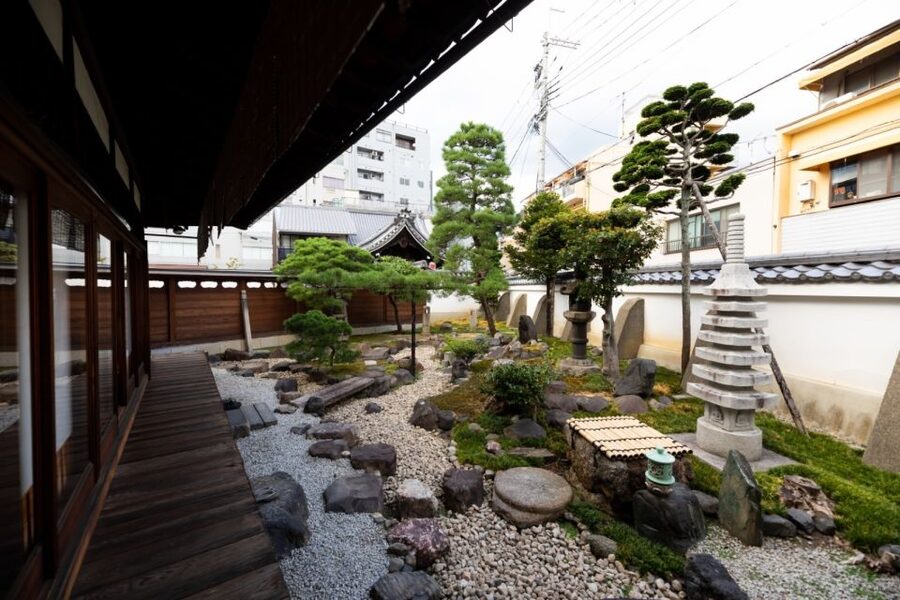
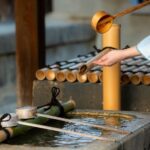
From there, you’re free to explore a bit at your own pace. You can admire the temple architecture, and you’ll also have time to stand by the purification fountain. This is more than a scenic stop. It’s part of the cultural logic of the place—before you do anything formal, you get yourself “ready” in a physical and mental way.
Weather matters in Kyoto. If it’s dry, you can sit and rest at the benches. If it rains, you’ll have options like standing under the shop gable or waiting inside the Grand Tearoom area. Either way, you’re not left standing in the open hoping it stops.
The pre-ceremony ritual: why purification sets the tone
Once you’re done perusing the temple grounds and gathered back with the group, the ceremony begins with a traditional purification ritual. This is one of those steps that can feel unfamiliar at first, but it’s usually the part people remember most clearly.
The point isn’t mysticism for mysticism’s sake. It’s a reset: you slow your breathing, you pay attention to your actions, and you recognize that tea isn’t just a drink. It’s a moment built around respect and focus.
And this is exactly where the guide and Tea Master coaching helps. The instruction is in English, and the Tea Master walks you through what you’re doing and what the ceremony is trying to express.
Inside the Grand Tearoom: shoes off, seating choices, and what to expect
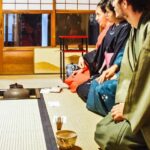
After the purification ritual, you enter the Grand Tearoom. You’ll remove your shoes at the entrance, then follow your group inside and take your seat.
Be ready for traditional seating. The tearoom includes floor seating, but there’s a practical option: if you’re not comfortable sitting in the traditional position, seats and stools can be provided. That detail matters because the ceremony’s calm pace can be hard to enjoy if you’re focused on your knees the whole time.
Wheelchair access is a mixed picture. The temple itself is wheelchair accessible, but the tearoom is not, because there are three steps. So if you rely on a wheelchair for mobility, you’ll want to reconsider or ask in advance whether you can participate fully.
The good news: the ceremony is designed for a small group (up to 10), and that makes it easier for staff to manage seating changes and explanations without turning it into a rushed assembly line.
Sit for another bowl of matcha in a Kyoto tea house
Matcha time: the Tea Master’s step-by-step instruction
Now you hit the part that most people come for: matcha. You’ll sample matcha at its best, and the Tea Master guides you throughout so you understand each stage.
Think of it like learning a craft. You’ll see how the tea is prepared, and you’ll learn the logic behind the steps. It’s not only about drinking. You’ll learn about the importance of the ceremony and what the gestures are meant to communicate.
Many people love this stage because it’s both educational and calm. You get explanations without a heavy lecture feel. The atmosphere supports it: the room is quiet, and the pace invites you to watch carefully.
Making your own cup: learning Chanoyu through participation
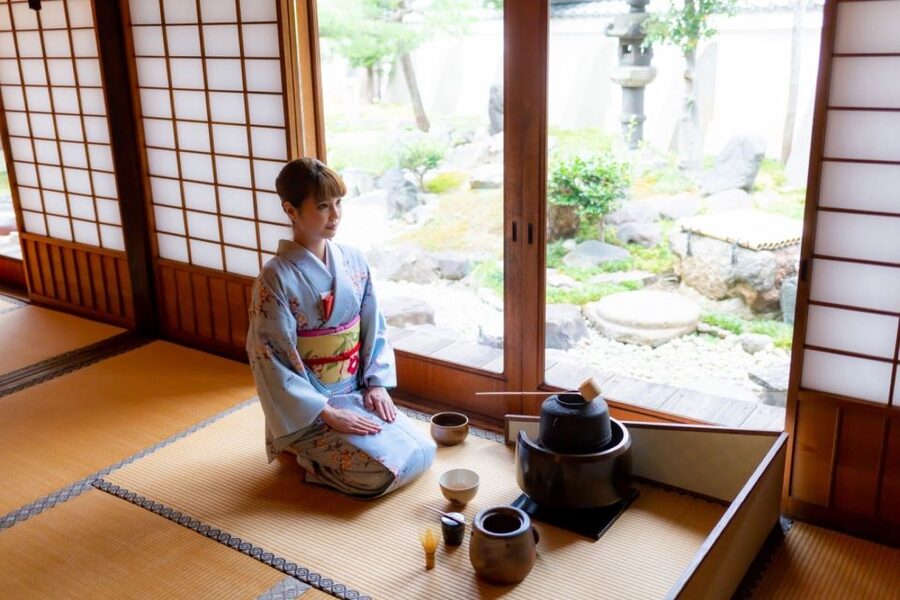
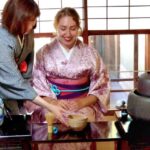
The ceremony isn’t just spectator-friendly. After the Tea Master demonstrates, you typically get the chance to prepare tea yourself under guidance.
That hands-on moment is a big part of the value. It’s one thing to watch matcha whisking on a screen. It’s another to hold the tools, feel the rhythm, and understand what the Tea Master is aiming for with consistency and texture.
Once you’re done, you’ll drink and reflect. Several people describe leaving with a calmer headspace, which makes sense. When you slow your pace and focus on small steps, the rest of the day tends to feel less chaotic afterward.
If you’re the type who learns by doing, you’ll likely enjoy this more than a passive tasting. The guides are also on hand to answer questions, which is great if you’re curious about cultural meaning rather than just process.
Japanese etiquette, in real time (without the embarrassment)
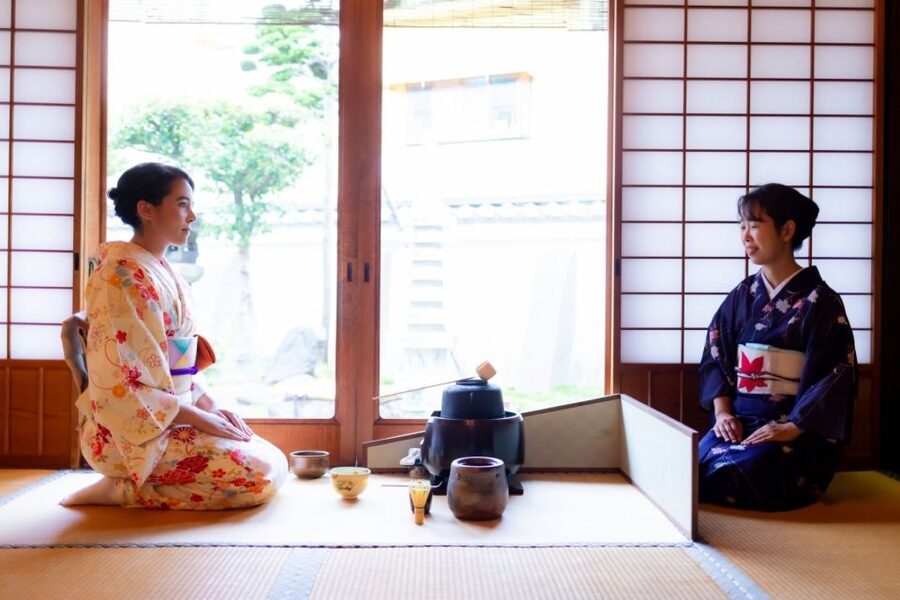
A lot of Western visitors worry about messing up. The tone here is usually patient, because the goal is education, not performance.
You’ll be guided on basics that are easy to overlook until you’re in the room—like how to move once inside, how to handle the tea-related steps, and how to drink in a way that matches the ceremony’s rhythm. If you’re given seats or stools, that’s usually part of making sure you can participate comfortably without forcing floor sitting.
And because the group size is limited, staff can include everyone. That means you’re less likely to feel like a number in a schedule.
Price and value: what you actually get for $29 in 70 minutes
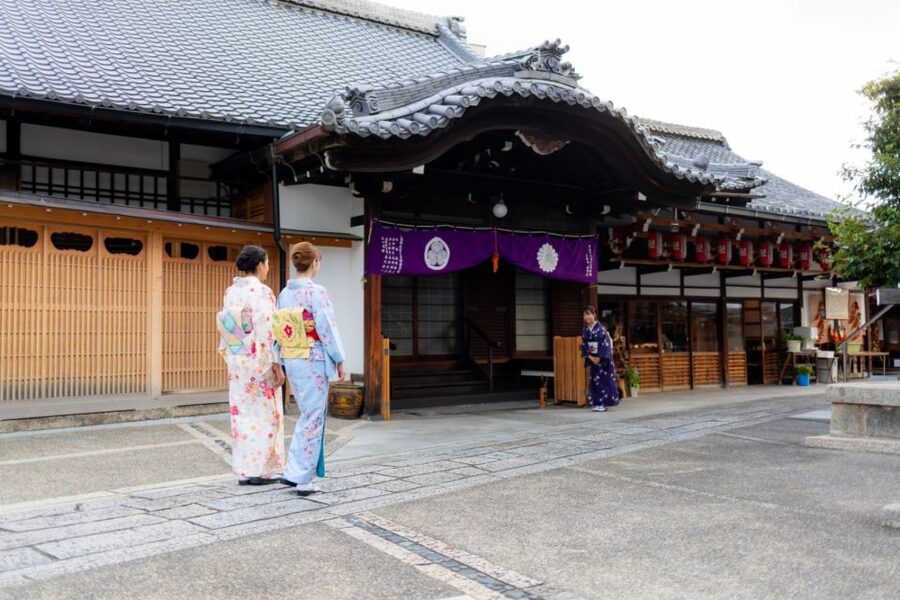
At $29 per person for about 70 minutes, this isn’t a long, full-day tea experience. But you’re not paying for hours. You’re paying for a well-focused introduction that fits into a Kyoto itinerary.
Here’s why the value makes sense:
- You get the temple setting, including a bit of time around architecture and the purification fountain.
- You get an actual Chanoyu workshop format, with step-by-step guidance in English.
- You get to taste matcha and also make your own cup, instead of just observing.
- You’re in a small group capped at 10, which usually means more attention to your questions.
Some guests note that the most traditional, formal tea ceremonies can run longer (often around half a day). This workshop is a practical entry point. You get the essentials without stealing too much time from your Kyoto day.
Who this Kyoto tea ceremony is best for
This is a strong pick if you want something calmer and more meaningful than the typical checklist of temples and shopping streets. It’s also a great choice if you like structured, teachable experiences where you can ask questions and practice instead of just taking photos.
It’s especially good for:
- First-timers to Japanese tea culture
- Couples or solo travelers who want quiet time
- People who enjoy hands-on learning and don’t mind floor-style seating (or can use stools)
It may be less ideal if:
- You need wheelchair access to the tearoom (three steps block entry)
- You’re very uncomfortable with kneeling or sitting low, even with stool options
Practical tips to help you enjoy every minute
A few small things can make the experience smoother.
- Wear comfortable clothes. You’ll be moving through the temple and then sitting indoors for a set period.
- Bring a calm mindset. The ceremony works best when you slow down and follow the rhythm rather than multitasking with your phone.
- If you’re sensitive to rain, plan for flexibility. The guide provides options like waiting inside the Grand Tearoom area when weather shifts.
- If you’re curious about meaning, ask questions. This is the kind of workshop where staff can explain what the steps represent, not just what to do.
- Know the seating reality. If you want stool seating, ask or indicate your needs early so you’re not dealing with discomfort mid-ceremony.
Also, keep your expectations realistic: this is a 70-minute workshop. It won’t replace a multi-hour formal ceremony, but it can absolutely give you the basics you’ll remember later when you see matcha on menus or in tea shops.
Should you book this Ju-An tea ceremony at Jotokuji?
Yes, if you want an authentic, peaceful Kyoto break that still teaches you something concrete. For the price, you’re getting a temple-based setting, English instruction, a purification ritual, and hands-on matcha preparation with a Tea Master.
Skip or reconsider if you can’t manage the tearoom’s three-step access, or if sitting low is a deal-breaker for you. Otherwise, this is one of those experiences that makes Kyoto feel less like a marathon and more like a place you can actually absorb.
FAQ
How long is the Kyoto Tea Ceremony Ju-An workshop?
The experience lasts about 70 minutes.
Where does the tea ceremony meet?
The meeting point is Tea Ceremony Juan, 556 Gojo-sagaru, Tominokoji Dori, Shimogyo-Ku, Kyoto.
Is the ceremony wheelchair accessible?
The temple is wheelchair accessible, but the tearoom is not because there are three steps.
Do I need to wear a kimono?
Kimono rental is not included. You can rent one separately.
Will I have to sit on the floor?
The ceremony uses traditional seating, but seats and stools can be provided for those who are not comfortable sitting in the traditional position.
What language is the instruction in?
The instructor and guidance are in English.
More Tour Reviews in Kyoto

One More Bowl of Matcha
More Kyoto Temples and Shrines
Just added: more Kyoto tours to browse




Kyoto Temple & Shrine Tours, compared.
 ★ 4.8Arashiyama Bamboo, Temple, Monkeys, or Secret Sake BreweryFrom $87886 reviews
 ★ 5.0Arashiyama Bamboo Forest, Monkeys, Matcha & Temple TourFrom $53759 reviews
 ★ 4.4Osaka/Kyoto: Arashiyama, Nara & Fushimi Inari Shrine w/LunchFrom $61754 reviews
 ★ 4.7Imperial Palace & Nijo Castle Guided Walking TourFrom $49453 reviews
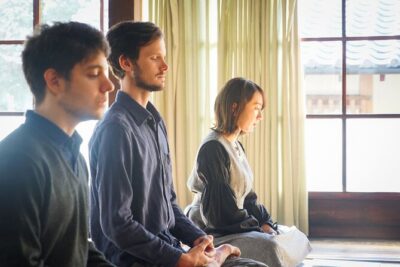 ★ 5.0Kyoto Zen Meditation & Garden Tour at a Zen Temple with LunchFrom $110441 reviews
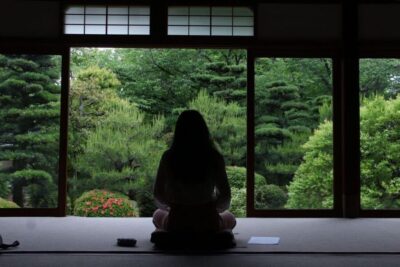 ★ 5.0Zen Experience in a Hidden TempleFrom $109437 reviews
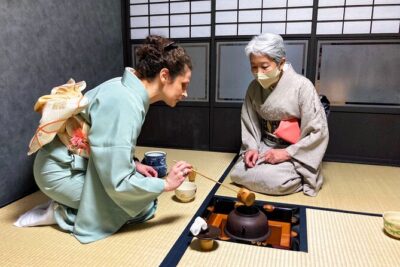 ★ 5.0KYOTO Tea Ceremony with kimono near by Imamiya Jinjya ShrineFrom $99343 reviews
Arashiyama Bamboo, Matcha, Monkeys & Temple TourFrom $51291 reviews
★ 5.0KYOTO Tea Ceremony with kimono near by Imamiya Jinjya ShrineFrom $99343 reviews
Arashiyama Bamboo, Matcha, Monkeys & Temple TourFrom $51291 reviews
Browse the lists this tour appears in