
Reviewed · 3-HOUR EXPERIENCES
Kyoto: Private Flexible 3 hours tour with a local guide
Kyoto on your schedule beats a rigid checklist. This private flexible 2 to 3 hour tour lets you pick up to three highlights, and a local guide handles navigation plus the stories that make the sights click. You also avoid the group shuffle, so your walk pace and priorities stay yours.
What I love most is the freedom to shape the route on the fly, from temple-morning energy to wandering Gion streets. I also like the human layer: guides such as Nanako, Teppei, Steven, and Toshiki are there to explain what you’re seeing, help with local customs, and even solve practical problems fast (including heat-management tips like cooling wipes in brutal weather). One thing to consider: this style works best when you’re clear about what you want and when you’re okay with walking—Fushimi Inari is a real uphill hike.
In This Review
- Key things to know before you go
- How the private flexible format works (and why it matters)
- Setting your 2–3 hour route: what you can realistically fit
- Fushimi Inari Taisha: red gates, uphill breathing, and the good stops along the way
- Kiyomizu-dera: the big temple, the city view, and ticket planning
- Gion: old-street wandering where details matter
- Why the local guide experience feels different in Kyoto
- Walking pace, heat, and keeping the day comfortable
- Price and value: is $131.38 per person worth it?
- Quick reality check: the one risk with flexible tours
- Who should book this private flexible Kyoto tour?
- Should you book this tour?
- FAQ
- FAQ
- How long is the Kyoto private flexible tour?
- Is this tour private, or do I share it with others?
- Can I customize which places we visit?
- What are the typical stops on the itinerary?
- Are entrance fees included?
- Is pickup available?
- Do I need to arrange a private car with a driver?
- What does the local guide help with besides sightseeing?
- What is the cancellation policy?
- Can I bring a service animal?
Key things to know before you go
- Pick 1–3 locations so you’re not stuck with someone else’s priorities
- Your guide does the navigating so you spend less time figuring out routes
- No other group joins your experience stays just your party
- Admission varies by stop: Fushimi Inari and Gion are free, Kiyomizu-dera isn’t included
- Logistics help is included, like taxi ideas and SIM-card support
- Guides tailor more than just sights, from kid-friendly pacing to adding requested side trips when possible
How the private flexible format works (and why it matters)
Kyoto can feel like a choose-your-own-adventure city—if you plan poorly, you end up backtracking, missing the quiet corners, or wandering without context. This tour is built to prevent that. You choose one to three locations, then your guide shapes the order and pace around you.
That flexibility is not just a nice perk. It’s the difference between:
- seeing places like they’re on a map, versus
- understanding why those exact places matter in Kyoto’s daily life and belief system.
It’s also why the “private” part matters. You’re not waiting for other people’s photos, not negotiating where to stop, and not forced to cut a favorite street short. In real life, that translates into a smoother time, especially if your group includes kids, slower walkers, or anyone trying to dodge midday crowds.
Other Kyoto tours and experiences to compare


Setting your 2–3 hour route: what you can realistically fit
The tour is designed around a short window: about 2 to 3 hours total. Most versions of the itinerary run roughly one hour per main stop—three stops is common, but you’re not required to do all three.
Here’s the practical way to think about it: with Kyoto’s walking and stair-level changes, you can burn time fast. So your best strategy is to pick places that complement each other.
A typical combo works like this:
- Start with a big visual anchor (Fushimi Inari’s torii gates)
- Add a landmark with a view (Kiyomizu-dera)
- Finish with neighborhood texture (Gion’s streets and shops)
If you love photos and atmosphere, consider ending in Gion so you can linger. If you want the biggest wow-factor early, do Fushimi Inari first while you still have energy for the climb.
Also, remember: private car and driver are not included, and transportation fees aren’t included either. The guide supports navigation and logistics, but you’ll still be responsible for transit costs and whatever transport you choose.
Fushimi Inari Taisha: red gates, uphill breathing, and the good stops along the way
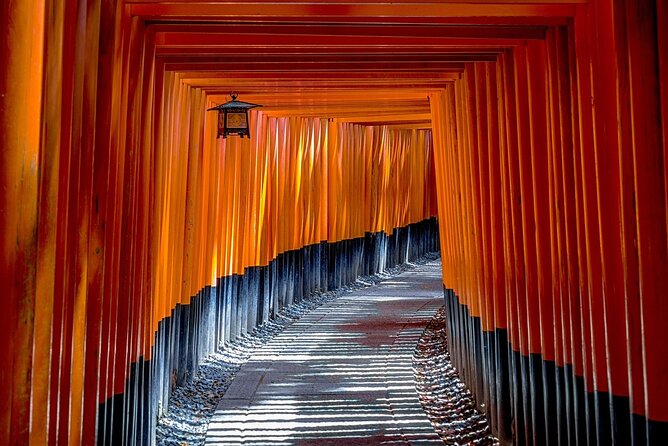
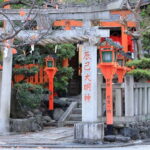
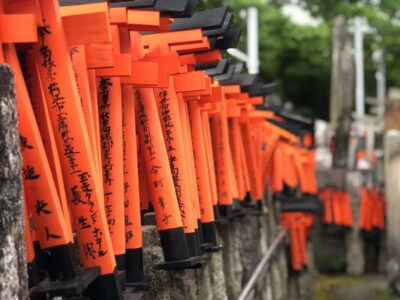
Fushimi Inari Taisha is the kind of Kyoto sight that looks famous from a mile away—and then becomes even more striking when you’re actually moving through it. This stop is on a mountain, and you’ll hike upward through thousands of red torii gates. The route is active, so wear shoes you can trust.
What’s special here isn’t just the gates. It’s how the place changes as you climb. At the start, everything feels open and bright. Higher up, the pathways narrow, the atmosphere turns quieter, and the views start to frame Kyoto’s layers.
Good to know:
- The stop is about 1 hour.
- Admission ticket is free for this visit.
- Expect uneven ground and stairs, not a flat stroll.
If you’re planning to do this in warm weather, build in mental room for sweat and slower pauses. One guide’s experience with heat included bringing cooling wipes, which is a great reminder: bring your own comfort plan too. Even if you’re fit, the climb can still catch you off guard.
Kiyomizu-dera: the big temple, the city view, and ticket planning
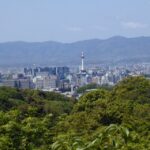
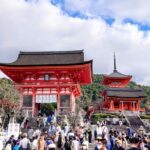
Kiyomizu-dera is often the stop people talk about after they’ve left Kyoto. This is where you get that classic “Kyoto from above” feeling. You’ll see a large temple complex with views over Kyoto city, and you’ll have time to walk around the area both before and after your main viewing moment.
A few practical notes:
- Plan about 1 hour here.
- Admission ticket is not included, so you’ll pay on your end.
- The experience includes walking around the temple grounds and nearby areas, not just a quick photo stop.
Why this stop works well in a short tour: it’s a concentrated landmark. In a couple of hours, you go from a hillside shrine climb to an iconic temple vista. The flow makes Kyoto feel like a living place with different “moods,” not a checklist.
If your group is sensitive to crowds or long lines, you’ll appreciate having a guide who can manage timing while keeping your schedule realistic. The tour’s flexibility is meant for exactly that kind of pressure.
Gion: old-street wandering where details matter
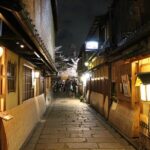
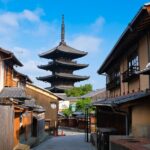
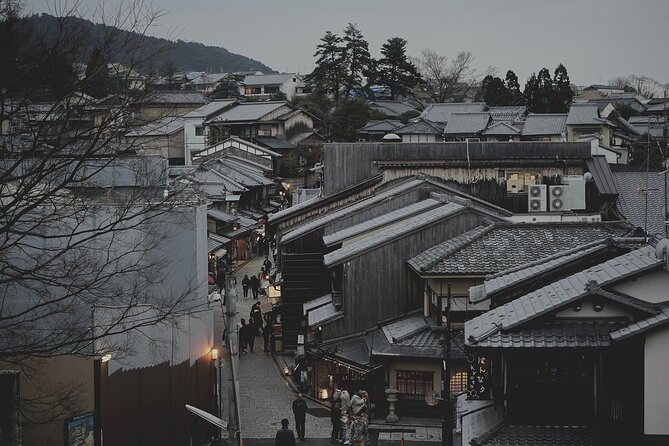
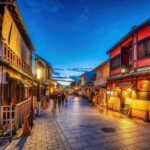
Gion is where Kyoto turns into something you can almost hear: footsteps on stone, shopfront signs, and traditional streets that feel designed for slow walking. This stop is about 1 hour, and you’ll spend it roaming.
You’ll look at:
- traditional buildings
- small shops
- photo-ready corners
- the neighborhood feel of Kyoto’s older district
Admission here is listed as free, which is a nice plus when you’re budgeting in a short time.
The main “value” of Gion on a guided tour is not just that you get there—it’s that someone points out what you’re looking at. Guides from this experience have helped with practical photo moments and pacing, and they’re also a natural source for etiquette basics at shrines and temples when your route includes those.
If you love atmosphere and street life, treat this as your landing zone. The best use of your final hour is to slow down, not sprint toward the next photo location.
Other Kyoto tours and experiences to compare


Why the local guide experience feels different in Kyoto
Kyoto rewards people who pay attention. The guide turns your visit from sightseeing into understanding—without dragging you through a lecture.
Here’s what the guides in this experience are doing well, based on the patterns from the experience:
- Storytelling tied to what you see right now, not generic background
- Navigation support so you’re not stuck using your phone every five minutes
- Assistance with local customs at shrines and temples, which makes the visits feel more respectful
- Help with photos and communication—some guides like Toshiki were praised for patient, friendly guidance and extra help such as translation
One of the most useful perks is how guides handle real-time constraints. A guide name you might hear in this tour context is Steven, who tailored a route to interests and even worked in a meal stop when it matched the day. Another guide, Kyoichi (Mark), is mentioned for making a tour worthwhile during extreme heat with practical items like cooling wipes.
Even one more flexible detail shows the spirit of this tour: one guide joined a visitor for a church service during a tailored itinerary request. That’s not guaranteed for every booking, but it tells you how some guides respond to what a person actually wants that day.
Walking pace, heat, and keeping the day comfortable
This tour is short, but it’s not necessarily easy-flat walking. Fushimi Inari involves uphill movement through many steps, and that means energy management matters.
A simple way to plan:
- Expect a mix of stairs and walking across the route
- Wear shoes that grip
- Bring a layer for temperature shifts
- If you go in summer heat, use a cooling plan (and don’t skip it just because you paid for a tour)
The heat angle came up strongly in guide feedback. Kyoto can hit brutal temperatures, and a good guide can help you slow down at the right moments and keep the experience enjoyable.
If your group includes kids (one guide was specifically noted for accommodating children around elementary school age), you’ll want a route that doesn’t require marathon pacing. The private format makes that possible—your guide can adjust where you linger and where you keep moving.
Price and value: is $131.38 per person worth it?
At $131.38 per person for a 2 to 3 hour private-guided experience, the price lands in the “convenience + expertise” category. You’re paying for:
- a local guide
- route customization (up to one to three locations)
- no sharing with other groups
- pickup offered (when arranged)
- extra support like help booking a taxi or buying a SIM card
What’s not included is also part of the equation:
- private car and driver are not included
- transportation fees aren’t included
- food and beverages aren’t included
- Kiyomizu-dera admission isn’t included
So the value math depends on you. This tour is usually worth it when:
- you’re short on time and want the day to run smoothly
- you’d rather pay for guidance than spend energy figuring out routes
- you want interpretation, not just photos
- you’re traveling with kids or anyone who benefits from pacing and context
If you already know your route perfectly and you’re comfortable navigating Kyoto without help, you could DIY. But most people buy this kind of tour because Kyoto’s most rewarding moments often come from knowing where to look and when to move.
Quick reality check: the one risk with flexible tours
Flexible tours are great—until timing gets messy. Since this is a walking-and-transit style experience, you should be clear about:
- where you’ll start
- what pace you want
- whether you plan to use trains/buses between stops
There’s at least one unhappy experience tied to missed train timing in the broader set of feedback, which is a reminder that communication matters. Your best defense is simple: confirm start times, agree on the order of stops, and tell your guide how sensitive your schedule is.
Who should book this private flexible Kyoto tour?
This is a strong match for:
- first-time Kyoto visitors who want the big hits without rigid scheduling
- people who hate “group pacing” and prefer a personal rhythm
- families and mixed-age groups who need adjustments
- anyone who wants cultural context—how to behave at shrines, what you’re actually looking at, and why it matters
It’s also a good option if you have a short window. You can still hit multiple major areas in a few hours, and the guide keeps the route logical.
If your priority is deep, day-long immersion with lots of stops, this may feel short. But for a focused half-day plan, it can be a very efficient way to get Kyoto’s highlights with less stress.
Should you book this tour?
I’d book it if you want Kyoto with less friction. The private format, plus the chance to customize your stops up to three locations, is exactly the kind of structure that helps a short trip feel complete.
I’d think twice if you’re on a super tight budget and already plan to DIY every detail. Also, if your group hates walking or cannot handle uphill climbs, you’ll need to design your route carefully—because Fushimi Inari is built on that mountain hike.
If you do book, ask yourself one question: do you want a guide to handle the practical stuff and explain what you’re seeing? If yes, this tour is likely to make your Kyoto time feel easier and more meaningful.
FAQ
FAQ
How long is the Kyoto private flexible tour?
It runs about 2 to 3 hours.
Is this tour private, or do I share it with others?
It’s private. Only your group participates.
Can I customize which places we visit?
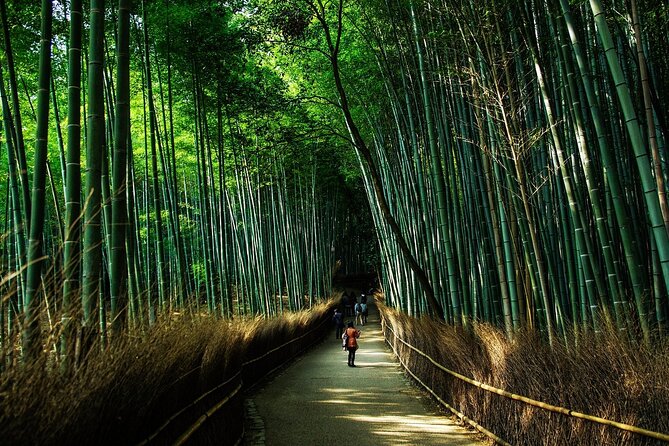
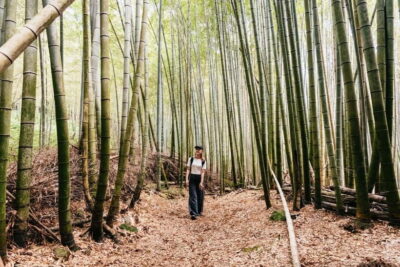
Yes. You can choose one to three locations, such as Fushimi Inari Taisha, Gion, or Arashiyama Bamboo Forest.
What are the typical stops on the itinerary?
The sample itinerary includes Fushimi Inari-taisha Shrine, Kiyomizu-dera Temple, and Gion.
Are entrance fees included?
Fushimi Inari-taisha Shrine and Gion are listed as free. Kiyomizu-dera Temple admission is not included.
Is pickup available?
Pickup is offered.
Do I need to arrange a private car with a driver?
No. A private car and driver are not included, and transportation fees are not included.
What does the local guide help with besides sightseeing?
The guide provides support such as booking a taxi and buying a SIM card, along with local guidance during the tour.
What is the cancellation policy?
Free cancellation is available up to 24 hours in advance for a full refund. Less than 24 hours before start time is not refunded.
Can I bring a service animal?
Yes, service animals are allowed.
More Guided in Kyoto
More Tours in Kyoto

More Tour Reviews in Kyoto
Just added: more Kyoto tours to browse





3-Hour Experiences, compared.
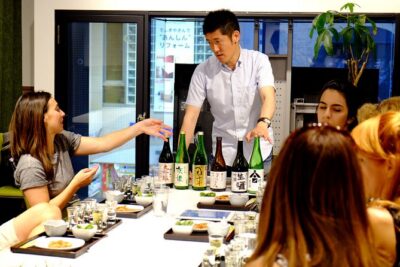 ★ 5.03-Hour Kyoto Insider Sake Brewery Tour with Tastings & PairingsFrom $84917 reviews
 ★ 4.93-Hour Fushimi Inari Shrine Hidden Hiking TourFrom $72270 reviews
 ★ 4.5Kyoto Imperial Palace & Nijo Castle Guided Walking Tour – 3 HoursFrom $55106 reviews
 ★ 4.9Personalize, private tour (3h, 5h, 8h) [W/Car Option]From $7624 reviews
 ★ 5.03 Hours Kyoto Insider Sake Experience | Tasting KontekiFrom $9224 reviews
 ★ 4.5Flexible 3 hours Tour with a English Speaking guide.From $9110 reviews
 ★ 5.0Kyoto’s Arashiyama Bamboo Grove: 3-Hour Guided TourFrom $289 reviews
 ★ 5.0Private 3-hour Kyoto Arashiyama Rickshaw TourFrom $2365 reviews
Browse the lists this tour appears in