
Reviewed · NIJO CASTLE TOURS
Kyoto Imperial Palace & Nijo Castle Guided Walking Tour – 3 Hours
Two Kyoto sites, one guided afternoon. I like the small-group size (max 9) and the English-speaking guide who explains what you’re looking at as you move between places. The trade-off is simple: Nijo Castle and the Kyoto Imperial Palace aren’t next door, so some of your 3 hours is spent getting from one to the other.
If you want Kyoto beyond a photo stop, this tour gives you that. It also makes the ticket part easy since entrance fees are handled as part of the experience, not as a scramble on your own. One more plus: guides often build in time to ask questions and grab photos at good viewpoints.
In This Review
- Key highlights to look for
- Nijo Castle and Kyoto Imperial Palace, together
- Timing: where the 3 hours actually go
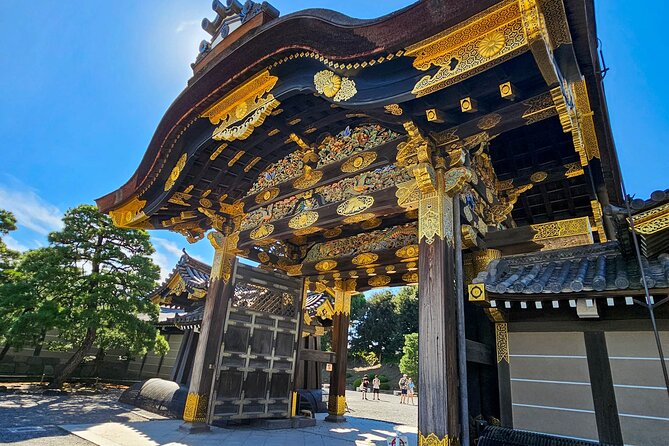
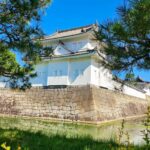
- Stop 1: Nijo Castle for shogun-era details you’ll recognize
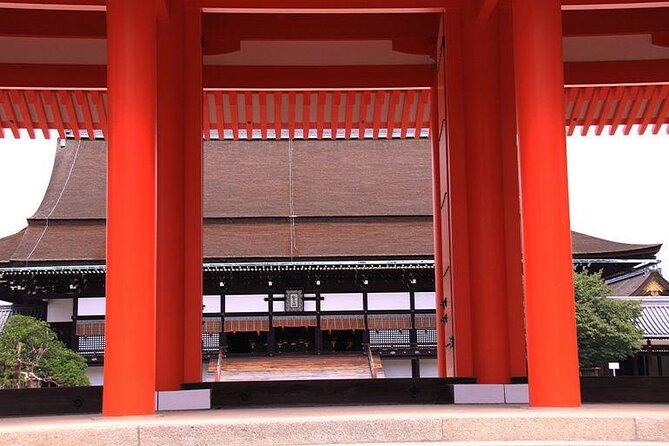
- Stop 2: Kyoto Imperial Palace and the feel of an active historic residence
- The guide really is the product
- Tickets included: why that’s a bigger deal than it sounds
- Getting between Nijo Castle and the palace: plan for regrouping time
- Pacing and breaks: heat is real in Kyoto
- Photo time and how to get better results
- Who this tour is best for
- Should you book?
- FAQ
- How long is the Kyoto Imperial Palace & Nijo Castle guided walking tour?
- What does the tour cost?
- What’s included in the tour price?
- Are admission tickets included for both Nijo Castle and the Kyoto Imperial Palace?
- How big is the group?
- Where do I meet the tour, and where does it end?
- Do I get hotel pickup and drop-off?
- What’s the cancellation window for a full refund?
Key highlights to look for
- Max 9 people means you can actually hear your guide and ask questions
- English-speaking guides cover architecture, gardens, and political symbolism in plain language
- Tickets included at both sites saves time and reduces logistics stress
- Two 1.5-hour visits so you’re not rushed through either palace complex
- Regrouping matters because the transfer between locations takes real time in a 3-hour tour
- Guide-led photo moments show up in the best reviews, not just in marketing
Nijo Castle and Kyoto Imperial Palace, together
Kyoto’s top sites can feel overwhelming if you plan them alone. This tour is a smart pairing because Nijo Castle and the Kyoto Imperial Palace tell different sides of power in Japan’s past.
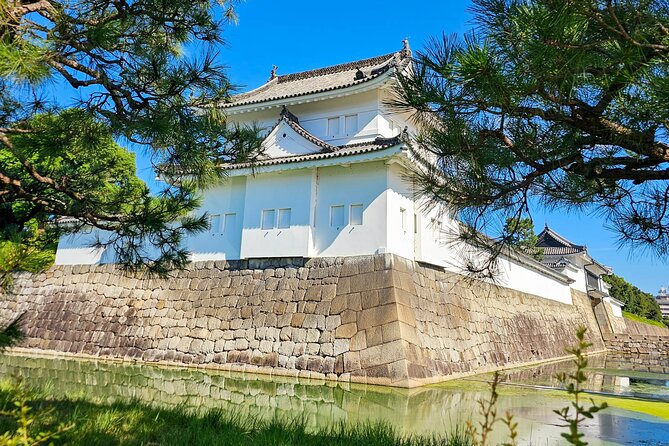
At Nijo Castle, you’re looking at the shogun-era world—how authority showed up in architecture and interior details. At the Imperial Palace, you shift to the imperial household, with its own style of ceremony and design. The best part is that the guide links the dots, so you’re not just collecting buildings—you’re understanding why they look the way they do.
More of shogun-era Kyoto, starting at Nijo Castle
Timing: where the 3 hours actually go
The tour runs about 3 hours, with two main blocks of about 1 hour 30 minutes each. That structure is nice because you don’t feel like you have to choose which place gets your “real” attention.
The one thing to plan for is the gap between the sites. They’re not adjacent, so expect some transfer time. I’d treat the tour like a walking day with one navigation challenge, not like two buildings on the same street.
Stop 1: Nijo Castle for shogun-era details you’ll recognize
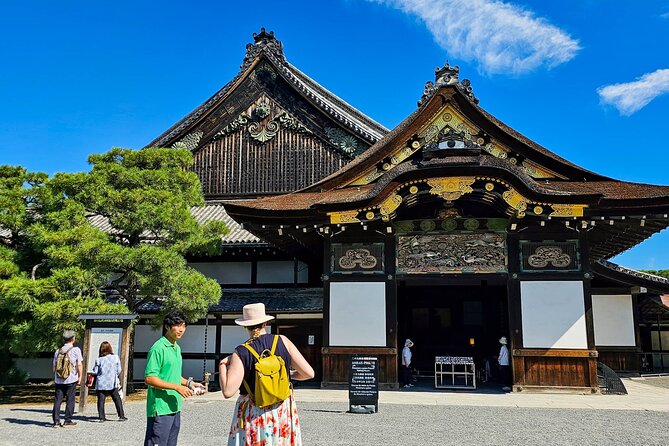
Nijo Castle is the first stop, and it’s the type of place where a guide changes everything. Yes, the architecture and gardens are impressive on their own. But your payoff comes from the way a good guide points out what the design is doing and what it was meant to communicate.
I especially like this stop for people who enjoy “wait, look at that” moments. In the strong reviews, guides such as Jasmine and Vincent are praised for explaining the castle grounds with clear structure and lots of context. Another guide, Taku, is noted as a local, certified guide with well-honed ways of making the shogun period feel concrete rather than vague.
Here are the best reasons to choose Nijo Castle with a guide:
- You get help reading the interiors and layout without needing to hunt for background yourself
- You learn the meaning behind cultural symbolism, not just dates and facts
- You get time for photos at spots your guide suggests
One practical note: this is a walking tour. Wear shoes you can move in comfortably, because you’ll cover more ground than you would if you only did the highlights.
Stop 2: Kyoto Imperial Palace and the feel of an active historic residence
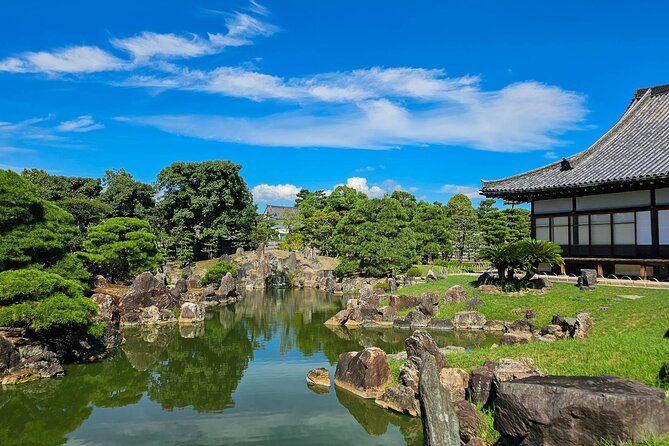
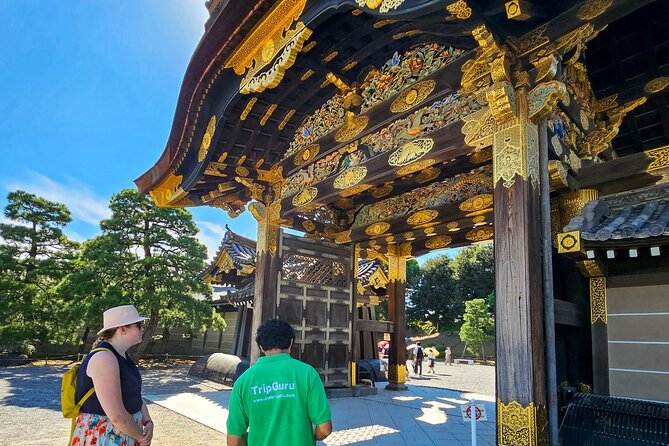
The second half is the Kyoto Imperial Palace, and the vibe shifts from shogun power to imperial residence. Like Nijo Castle, the palace complex has stunning structures and gardens, but the emotional tone is different—more formal, more ceremonial, more about tradition.
Your guide takes you around the impressive palace structure and gives you time to take in the architecture and gardens at a relaxed pace. The best reviews repeatedly mention how guides guide your attention, including Cecilia for cultural symbolism and Raphael for patience with lots of questions.
A nice detail: some guides explicitly help with practical sightseeing flow—moving at a good pace, pausing when needed, and even stepping in with photo help for family groups. That matters because palace grounds can create bottlenecks near popular viewpoints. A guide helps you avoid wasting time doing the “where are we supposed to go next” shuffle.
The guide really is the product
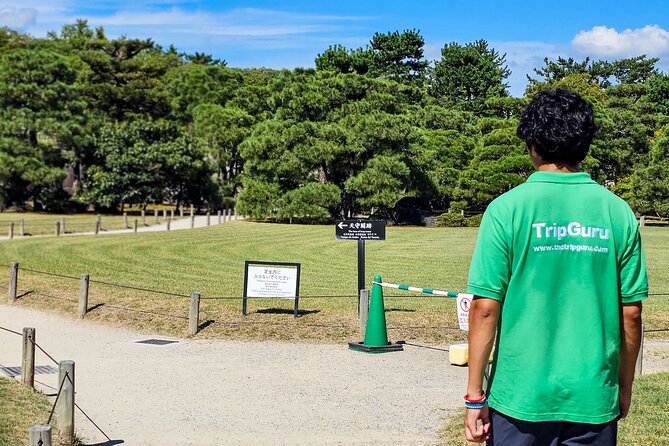
This is one of those tours where the guide quality shows up fast. In the reviews, multiple guides get singled out by name, which is a good sign that the experience isn’t cookie-cutter.
Here’s what I’d watch for when you see your guide’s name:
- Jasmine: praised for very clear English, lots of answers, and a friendly style that works even with children. I also like the way she’s described as taking photos for the group and keeping the tour moving on hot days.
- Vincent: highlighted for a detailed overview of both castle and grounds, with an easy, informative approach.
- Atsushi: credited with strong storytelling and making the sites feel vivid rather than static.
- Kata and Katsuhiko: noted for thoughtful pacing and deep knowledge tied to architecture and history.
- Alex: mentioned for the right amount of information and good movement through the highlights.
One more human detail I appreciate: at least one guide is praised for admitting uncertainty instead of guessing. That’s how you know the tour values accuracy, not just confident-sounding answers.
More temples and shrines to slow down in across Kyoto



Tickets included: why that’s a bigger deal than it sounds
At $55 per person, you’re paying for more than a walk. You’re also paying for an English-speaking guide, entrance fees for both sites, and a structured visit across about 3 hours.
If you were DIY-ing this, you’d need to manage:
- two separate entrances
- the timing between sites
- route planning that doesn’t break your momentum
With this tour, the entrance fees are included, and the guide helps you handle the visit smoothly at each location. In practical terms, that’s value because it reduces wasted time and decision fatigue. And in Kyoto, those minutes add up fast.
Also, you get a mobile ticket, which makes check-in simpler. Just make sure you have your phone charged enough for the day.
Getting between Nijo Castle and the palace: plan for regrouping time
This is the part that can make or break the day’s flow. The sites aren’t right next to each other, so you’ll spend time moving between them. If you’re hoping to maximize time inside buildings only, this is where you’ll feel the limits of a fixed 3-hour schedule.
One review also points out how a transfer issue can cause confusion when groups split between taxis. I can’t predict how your day will go, but I can tell you what helps: stay close to the group during transfers, and if you’re unsure where the meeting point is, ask your guide right away.
Bottom line: the tour works best if you’re comfortable with a structured, guided pace and you treat transfers as part of the experience—not an inconvenience to race.
Pacing and breaks: heat is real in Kyoto
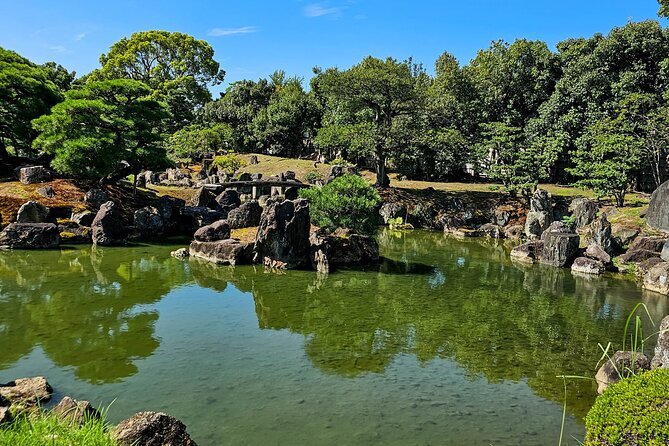
Kyoto weather can be intense, especially in warmer months. Good guides handle this by adjusting the pace and making time for short breaks.
In the reviews, one guide is praised for frequent water and air-conditioning breaks despite the heat. Another theme is that guides keep the group moving while still managing to answer questions and stay friendly. That’s the sweet spot: not a speed-run, not a slow drift.
If you’re going on a hot day, bring water if you can, and wear breathable layers. Even with breaks, you’ll still be outdoors for portions of the walk.
Photo time and how to get better results
You’ll likely take plenty of photos here, and the best guided tours help you do it smarter.
Several reviews mention that guides built in time for photos at good spots, and some even helped take family pictures. That’s practical because:
- crowds can hide the best angle
- you might miss framing details without guidance
- regrouping is easier when you know where to stand
So instead of treating photography as a distraction, treat it like a mini assignment: ask your guide where the best photo viewpoints are and when it’s worth pausing.
Who this tour is best for
This is a strong fit if you want:
- guided context that connects architecture to politics and culture
- a small group where you can hear your guide
- tickets handled for two major sites
- a set pace that keeps you from getting lost in planning
It’s also a good choice for families and mixed groups. Multiple reviews call out guides being patient with questions and helpful with kids.
You might skip this tour if:
- you want total freedom to linger at one site for much longer than the allotted time
- you’re very independent and already know how you’ll handle transfers smoothly
- you prefer audio-guide or self-guided pacing only
Should you book?
I’d book this tour if you want a straightforward way to experience two Kyoto power centers with an English guide and ticket convenience built in. The small-group size and strong guide feedback stand out, especially for people who like architecture and symbolic details explained in clear language.
I wouldn’t book it if your top priority is maximum time alone inside one complex. The transfer between sites takes real time in a 3-hour format, so you’ll feel that structure.
If you’re the type who enjoys understanding what you’re seeing—and you want to get it done without logistics headaches—this is a solid value at $55.
FAQ
How long is the Kyoto Imperial Palace & Nijo Castle guided walking tour?
It’s approximately 3 hours.
What does the tour cost?
The price is $55.00 per person.
What’s included in the tour price?
The tour includes an English-speaking tour guide, entrance fees, and a 3-hour guided walking tour.
Are admission tickets included for both Nijo Castle and the Kyoto Imperial Palace?
Yes. Entrance fees are included for the visits to both sites.
How big is the group?
The tour has a maximum of 9 travelers.
Where do I meet the tour, and where does it end?
You start at Nijojo-mae Station (Nijo-jo Castle) and the tour ends at Imadegawa Station.
Do I get hotel pickup and drop-off?
No. Hotel pickup and drop-off are not included.
What’s the cancellation window for a full refund?
You can cancel up to 24 hours in advance of the experience for a full refund.
More Tour Reviews in Kyoto





More Kyoto Temples and Shrines
More of Castle-Era Kyoto
Just added: more Kyoto tours to browse








Nijo Castle Tours, compared.
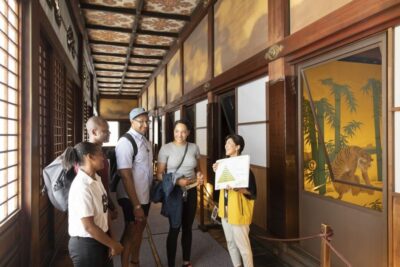 ★ 4.7Nijo-jo Castle and Ninomaru Palace Guided TourFrom $161,020 reviews
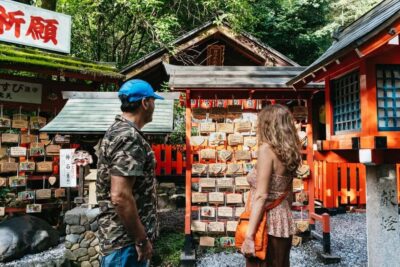 ★ 4.7Nijo Castle, Kiyomizu & Fushimi Inari Guided TourFrom $54700 reviews
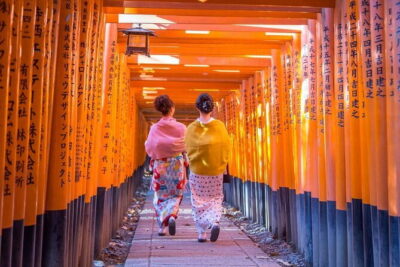 ★ 5.0Nijo, Kinkaku-ji, Arashiyama, Kiyomizu & Fushimi InariFrom $51699 reviews
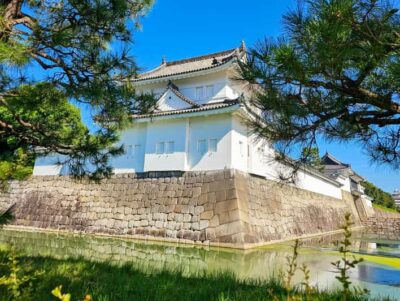 ★ 4.7Imperial Palace & Nijo Castle Guided Walking TourFrom $49453 reviews
 ★ 5.0Nijo Castle World Heritage Guided Tour with AdmissionFrom $39128 reviews
 ★ 4.6Nijo Castle and Kyoto Imperial Palace Guided TourFrom $6398 reviews
 ★ 5.0Nijo Castle and Imperial Palace Visit with GuideFrom $7953 reviews
 ★ 5.0Golden Pavilion, Nijo Castle, & Nishiki Market Half day tourFrom $9029 reviews
Browse the lists this tour appears in