
Reviewed · 3-HOUR EXPERIENCES
Kyoto : Flexible 3 hours Tour with a English Speaking guide.
Kyoto feels big, but this tour keeps it manageable. You get a local guide who can take you to the places you actually want, with the freedom to swap stops as your interests unfold. Two things I like a lot are the pick-your-own itinerary style and the chance to learn cultural context from real people, not a script. One consideration: food, entrances, and transport aren’t included, and you’ll also cover tour-related expenses during the outing.
You can start from Kyoto Station or Gion-Shijo Station, then end up back at one of those areas. In practice, that makes it easier to fit into a day already planned around trains, meals, or other Kyoto sights. A possible drawback is that it’s not done by private car, so you should be ready to move on foot and by local transit depending on your chosen route.
In This Review
- Key points to know before you go
- A Kyoto Tour That Actually Matches Your Day
- Picking Your Stops: From Icons to “Okay, Let’s Go There”
- What to tell your guide (so they can build the day fast)
- Meeting Points That Reduce Stress: Kyoto Station vs. Gion-Shijo
- Why this matters more than it sounds
- The Real Value: A Local Perspective You Can Ask Questions About
- How the Tour Feels During the 3–4 Hours
- Stop Planning: What Each Classic Stop Is Good For
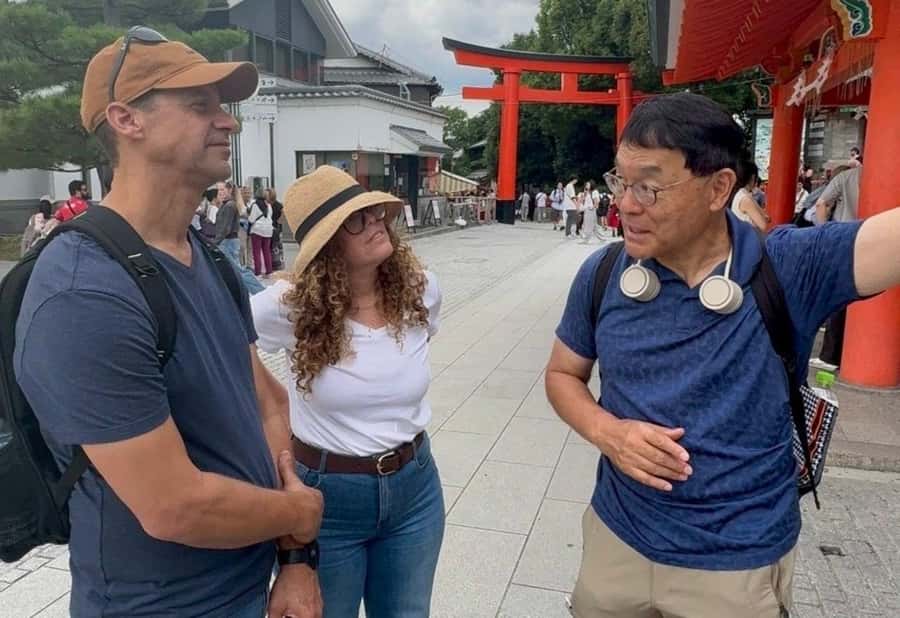
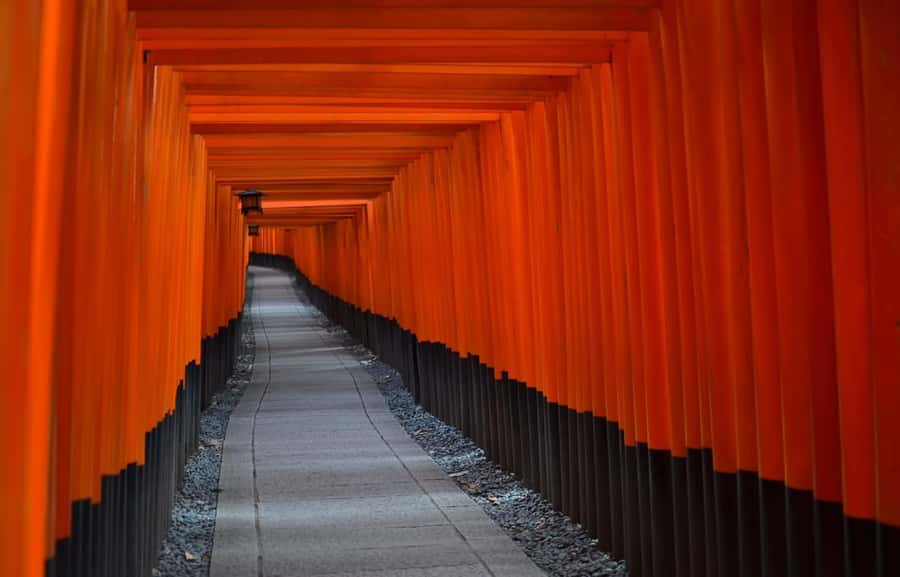
- Fushimi Inari: Best for atmosphere and photo moments
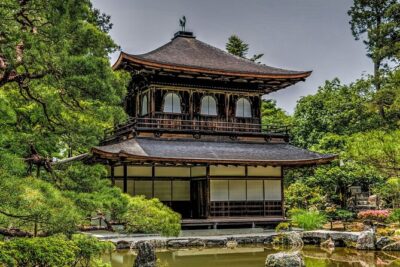
- Kinkakuji: Best when you want one big “wow” landmark
- Arashiyama Bamboo Forest: Best for a sensory Kyoto walk
- The Food Scene Angle: Fun, Social, and Still Your Choice
- Price and What You’re Really Paying For
- Practical Stuff That Makes the Day Smoother
- Who This Tour Fits Best
- Where You Might Feel Limited
- Should You Book This Flexible Kyoto Tour?
- FAQ
- What’s the duration of the Kyoto flexible tour?
- Where can I meet the guide for pickup?
- Where do I get dropped off after the tour?
- Can I choose where we go during the tour?
- Is this a private tour?
- What languages will the guide speak?
- Are entrance fees, food, and transportation included?
- Is the tour wheelchair accessible?
- What should I bring?
Key points to know before you go
- Choose 1–3 places and the guide will build the best plan around your interests
- English-speaking local guidance with added cultural context as you walk
- Pickup from Kyoto Station or Gion-Shijo Station, with drop-off at either spot
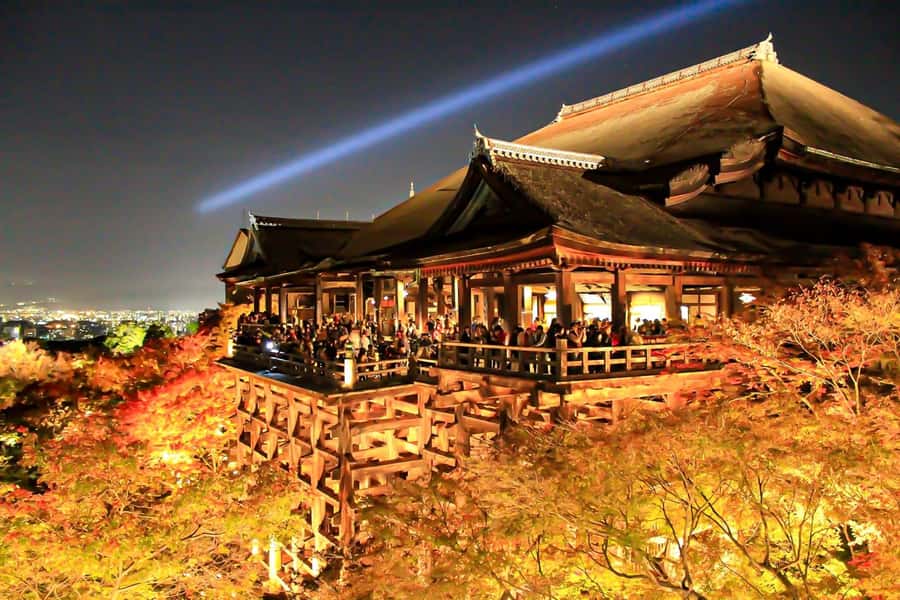
- Classic Kyoto options are on the table like Fushimi Inari, Kinkakuji, and Arashiyama Bamboo Forest
- Food scene time is part of the vibe, even though meals and snacks are not included
A Kyoto Tour That Actually Matches Your Day
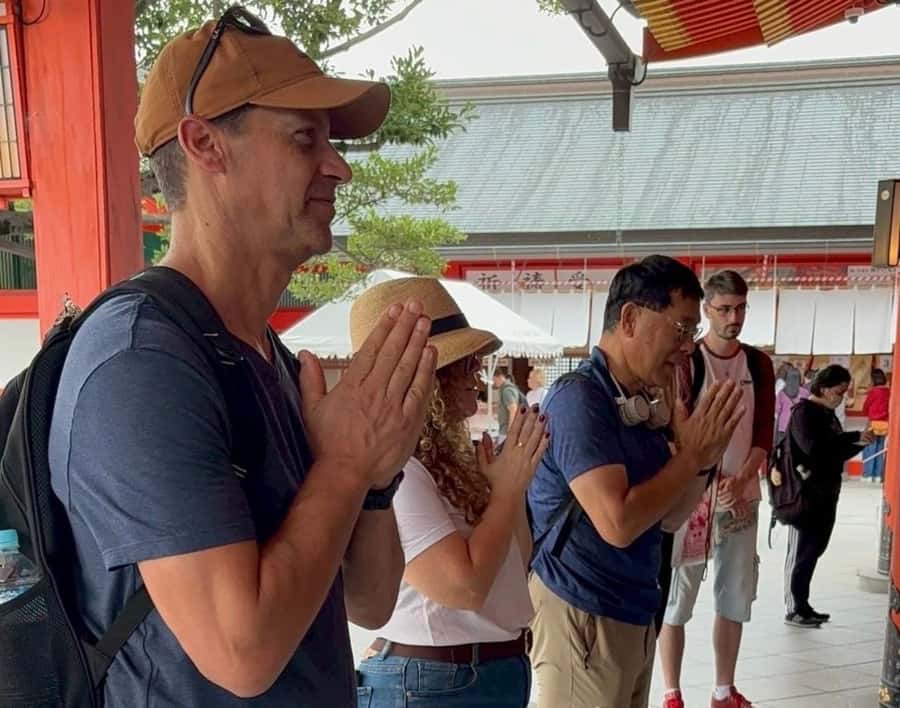
Kyoto is the kind of place where everyone has a different “must-see.” One person wants temple photos. Another wants neighborhood street energy and small food stops. The flexible format of this 3–4 hour tour is built for that reality.
Instead of forcing a fixed route, you tell your guide what you’re into ahead of time. If you already know where you want to go, you can pick 1–3 stops. If you don’t, you can describe what you like—light sightseeing, photos, culture, food areas—and the guide will suggest a route. That flexibility matters in Kyoto because plans change fast: weather, crowds, and even your own energy level.
Other Kyoto tours and experiences to compare

Picking Your Stops: From Icons to “Okay, Let’s Go There”
Here’s how the tour’s planning works in a way that feels practical. You select up to three places, and your local guide takes you there with a local perspective—what to look for, how to understand what you’re seeing, and how to experience it like someone who actually lives in Kyoto.
Common choices include:
- Fushimi Inari (famous shrine atmosphere)
- Kinkakuji (the temple many people travel for)
- Arashiyama Bamboo Forest (that iconic forest setting)
If you want a classic day, you can do it. If you’d rather stitch together two classics and one “surprise” stop, you can do that too. The biggest win is that the guide can help you avoid the tourist-only feeling. You’re not just passing landmarks—you’re getting context as you move.
What to tell your guide (so they can build the day fast)
To get the best results, send a clear message when you book. You don’t need long paragraphs. Just cover:
- What you want more of: temples, neighborhoods, viewpoints, food areas, photography, or walking-friendly stops
- Your rough pace: relaxed, moderate, or faster
- Anything you want to avoid (big crowds, lots of stairs, long transit)
The better your input, the more likely your route matches your day rather than forcing a generic checklist.
Meeting Points That Reduce Stress: Kyoto Station vs. Gion-Shijo
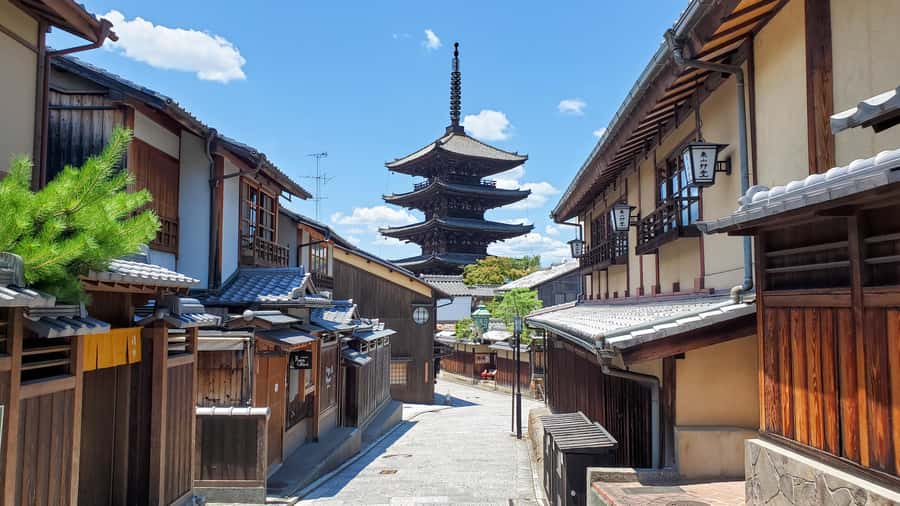
Kyoto can be a logistics puzzle. So I like that this tour gives you two clean starting options: Gion-Shijo Station or Kyoto Station. Then, you have two drop-off options as well—either Kyoto Station or Gion-Shijo Station.
That flexibility helps because Kyoto travelers often anchor their day to where their hotel or next activity is. It also makes it easier to connect the tour with:
- Train plans (arrivals and departures)
- Other timed reservations
- Dinner near Gion or around central Kyoto
Why this matters more than it sounds
When your tour ends near a major hub, you waste less time figuring out how to get back across town. On a short 3–4 hour outing, those transit minutes add up quickly.
Other Kyoto tours and experiences to compare


The Real Value: A Local Perspective You Can Ask Questions About
This tour is private, and it’s guided by a local person who speaks English (and Japanese as well). The guide doesn’t just point. They explain.
That’s also where the reviews shine. Guide names show up in the feedback, and the pattern is consistent: people felt the guide was both personable and genuinely engaged.
- Kimu is described as excellent, knowledgeable in a cultural sense, and passionate about sharing what Japan is like day to day, along with favorite places.
- Toshiki gets praised for being accommodating and informative, with a clear “highly recommended” tone.
- Mark is noted for being wonderful, knowledgeable, and enjoyable to spend the day with.
Even without knowing which guide you’ll get, the consistent theme is that you’re not stuck with a cold script. You get room for questions, and the guide’s local perspective changes what you notice.
How the Tour Feels During the 3–4 Hours
Think of this as a guided sightseeing block that’s long enough to make real progress but short enough to keep you flexible.
A typical flow looks like:
- Meet at your chosen location (pickup included)
- Set off to 1–3 selected stops
- Walk and learn along the way with cultural context
- Finish back near Kyoto Station or Gion-Shijo Station
Because food and entrance fees aren’t included, you stay in control of what you spend. The guide can still guide you toward food areas and local-style choices, but you decide what to buy.
Stop Planning: What Each Classic Stop Is Good For
Your itinerary might include one major stop, two stops, or a mix of big landmark + smaller local area. Here’s what each example is “for,” so you can choose intelligently.
Fushimi Inari: Best for atmosphere and photo moments
If you pick Fushimi Inari, you’re choosing an experience that’s built on atmosphere. You’ll likely spend time moving through the area and looking at details people sometimes miss—how it feels as you approach, what to notice, and how to pace yourself through busier sections.
This is a great pick if you want:
- Strong Kyoto identity
- Lots to look at
- A destination that feels memorable even in a short day
Kinkakuji: Best when you want one big “wow” landmark
Kinkakuji tends to be the classic single-stop anchor. If you want one major highlight without overthinking it, this fits. In a flexible itinerary, it also pairs well with another stop because the guide can help you structure timing so you don’t feel like you’re constantly rushing.
This works well when you want:
- A landmark-focused visit
- Less guessing, more guided context
Arashiyama Bamboo Forest: Best for a sensory Kyoto walk
Arashiyama Bamboo Forest is the kind of sight where the setting matters as much as the location. You’ll get the best experience by building it into a route where you don’t feel hurried.
If you’re choosing it, I’d treat it as a key moment in your day rather than something you “fit in.” The guide can help with pacing based on your preferences.
The Food Scene Angle: Fun, Social, and Still Your Choice
One of the tour highlights is the sense of a fun and social atmosphere as you explore Kyoto’s food scene. That doesn’t mean someone is handing you a pre-booked buffet. What it does mean is that your local guide can steer you toward areas where food is part of the local rhythm.
Since food and drinks aren’t included, this gives you flexibility:
- Snack lightly while you walk
- Decide if you want a quick bite or a proper meal
- Choose budget-friendly or slightly nicer options
If food is a major part of your Kyoto trip, this tour format can be a smart match because you can build around what you like rather than treating meals like an afterthought.
Price and What You’re Really Paying For
At $91 per person, this is priced as a guided experience for a half-day. The value comes from what you’re buying: a private, flexible itinerary with an English-speaking local person who will take you to 1–3 choices and explain what you’re seeing.
Here’s what can affect the total cost beyond the base price:
- Entrance fees for sights you choose
- Food and drinks
- Transportation fees
- Any other on-the-ground expenses during the tour (you cover tour-related expenses, including those for the guide)
So the math looks like this: you pay for the guide and the planning freedom, then you pay for whatever you actually choose to do on-site. If you’re the type who already plans to enter multiple paid attractions and eat well, the per-person price can feel fair. If you plan to only do free strolls and skip admissions, you may want to keep expectations aligned.
Practical Stuff That Makes the Day Smoother
A good guide can fix a lot. But you still want to show up ready.
Bring:
- Passport or ID card
- Comfortable shoes (Kyoto walking can be sneaky)
- Comfortable clothes
- Cash
One more practical detail: the tour is wheelchair accessible, which is great to see. Your route choices may still affect how easy things feel, especially if you choose stops with steps or uneven areas. If mobility is a concern, tell the guide what’s comfortable for you during planning.
Also note: there’s a chance of cancellation with last-minute bookings. If your schedule is tight, book earlier so you’re less exposed to timing risk.
Who This Tour Fits Best
This is a strong choice if:
- You want a guide but hate rigid “see everything in one day” pressure
- You want help choosing stops based on your interests
- You like asking questions and getting local context
- You want the convenience of central pickup/drop-off areas
It’s especially good for first-time Kyoto visitors who feel overwhelmed. It’s also great for repeat visitors who want a more personal day instead of another checklist.
Where You Might Feel Limited
There are two realistic constraints to keep in mind.
First, since food, entrance fees, and transportation aren’t included, you’ll need to budget for the day based on your chosen sights and how you eat.
Second, the tour says it won’t be conducted by a private car. That’s totally fine for most people, but it means your chosen route may involve transit and walking time. If you want to minimize movement, plan your 1–3 stops with that in mind.
Should You Book This Flexible Kyoto Tour?
If you want Kyoto with less stress and more control, I’d book it. The flexibility is the point: pick stops like Fushimi Inari, Kinkakuji, or Arashiyama, then shape the experience around what you care about. With past guides like Kimu, Toshiki, and Mark earning strong ratings for warmth and cultural sharing, the odds are good you’ll get a day that feels human and tailored.
I’d only think twice if you’re trying to keep the day strictly low-cost or you want a mostly sit-and-watch itinerary. In that case, you might end up paying for a guide while choosing fewer paid attractions and spending more time in transit on your own.
If your goal is a smart, guided half-day in Kyoto that adapts to you, this is an easy yes.
FAQ
What’s the duration of the Kyoto flexible tour?
The tour runs for 3 to 4 hours. Starting times depend on availability.
Where can I meet the guide for pickup?
You can meet the guide at Gion-Shijo Station or Kyoto Station.
Where do I get dropped off after the tour?
Drop-off options are Kyoto Station or Gion-Shijo Station.
Can I choose where we go during the tour?
Yes. You can pick 1 to 3 places you want to visit, such as Fushimi Inari, Kinkakuji, or Arashiyama Bamboo Forest. If you’re not sure, tell your guide your interests and they’ll plan accordingly.
Is this a private tour?
Yes. It’s listed as a private group.
What languages will the guide speak?
The guide offers English (and Japanese).
Are entrance fees, food, and transportation included?
No. Food and drink, entrance fees, and transportation fees are not included.
Is the tour wheelchair accessible?
The tour is listed as wheelchair accessible.
What should I bring?
Bring your passport or ID card, plus comfortable shoes and clothes, and cash.
More Guided in Kyoto
More Tours in Kyoto

More Tour Reviews in Kyoto
Just added: more Kyoto tours to browse




3-Hour Experiences, compared.
 ★ 5.03-Hour Kyoto Insider Sake Brewery Tour with Tastings & PairingsFrom $84917 reviews
 ★ 4.93-Hour Fushimi Inari Shrine Hidden Hiking TourFrom $72270 reviews
 ★ 4.5Kyoto Imperial Palace & Nijo Castle Guided Walking Tour – 3 HoursFrom $55106 reviews
 ★ 4.9Personalize, private tour (3h, 5h, 8h) [W/Car Option]From $7624 reviews
 ★ 5.03 Hours Kyoto Insider Sake Experience | Tasting KontekiFrom $9224 reviews
 ★ 5.0Private Flexible 3 hours tour with a local guideFrom $13118 reviews
 ★ 5.0Kyoto’s Arashiyama Bamboo Grove: 3-Hour Guided TourFrom $289 reviews
 ★ 5.0Private 3-hour Kyoto Arashiyama Rickshaw TourFrom $2365 reviews
Browse the lists this tour appears in