
Reviewed · ARASHIYAMA & BAMBOO GROVE TOURS
Private 3-hour Kyoto Arashiyama Rickshaw Tour
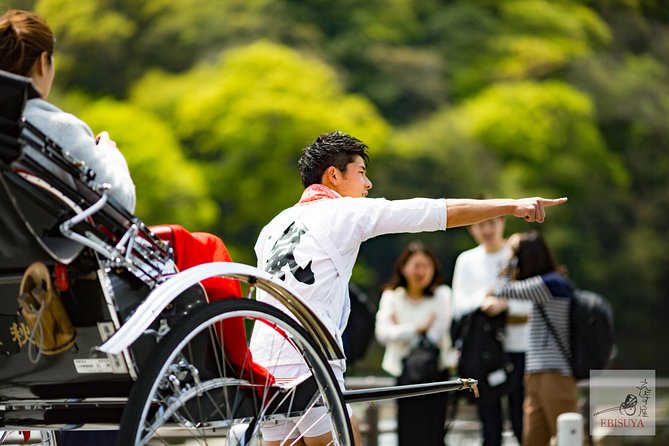
Bamboo vibes and mossy calm in Kyoto. This private 3-hour rickshaw tour makes Arashiyama feel slow and personal, with Gio-ji’s moss garden and hilltop temple views planned in a tight route. The one thing to plan around is that temple admission fees aren’t included, so you’ll want a little extra cash set aside.
I also like how the tour is built around shinryoku, that deep green feeling you get from leaves, shade, and moss. And based on what you’ll experience, the guide-led live commentary is the difference between just seeing temples and actually understanding why they matter. Do keep in mind it’s seasonal (late spring to early summer), and rickshaw riding isn’t allowed for expecting mothers in their first 16 weeks.
In This Review
- Key things I’d highlight before you book
- Why Arashiyama by rickshaw feels like Kyoto’s quieter side
- Meeting point and the 3-hour timing that actually works
- Stop 1: Arashiyama itself—why the neighborhood is the main character
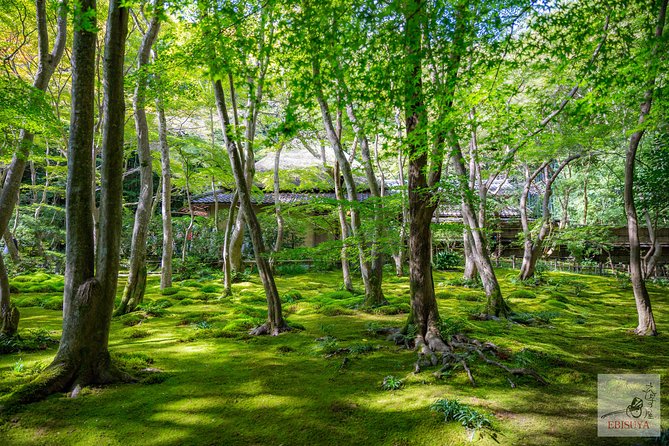
- Gio-ji moss garden: vivid green you can feel in your eyes
- Jojakkoji viewpoint: steps under trees and a city look
- The bamboo forest shrine and the matchmaking story
- Adashino Nenbutsu-ji: stone figurines with history behind them
- Otagi Nenbutsu-ji: the humorous figurines that kids tend to love
- Seiryoji: views plus a special Buddhist statue’s journey
- Hokyoin: a calm finish with a samurai connection
- Your rickshaw driver makes the day
- Price and value: what $236.44 per person really buys
- Comfort details: seat heater, blanket, and the reality check on riding
- Who this Arashiyama rickshaw tour fits best
- Should you book? My honest take
- FAQ
- Are temple admission fees included in the tour price?
- How long is the Arashiyama rickshaw tour?
- Is hotel pickup or drop-off included?
- Where do we meet for the tour?
- What’s included in the tour?
- What about children and pricing?
- Are there restrictions for pregnant travelers?
- How does the cancellation refund work?
Key things I’d highlight before you book
- Private tour, not a crowded shuffle: only your group, so you can move at a comfortable pace.
- Live English commentary: you’ll get context while you glide through Arashiyama.
- Moss garden + hilltop viewpoints: Gio-ji and Jojakkoji bring different kinds of green.
- Stone figurines with two very different moods: history at Adashino and humor at Otagi.
- Seasonal timing matters: late spring to early summer is when this tour runs best.
- Comfort details: warm blankets and even seat heating are part of the experience.
Why Arashiyama by rickshaw feels like Kyoto’s quieter side
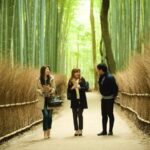
Arashiyama can be dramatic—bamboo, temple roofs, and that gentle sense of turning a corner into something older. But the rickshaw changes your rhythm fast. Instead of walking and weaving through crowds, you can sit, look, and take in shade, moss, and tree-lined lanes at a pace that doesn’t wreck your feet.
What I like most is that the tour doesn’t treat Arashiyama as one big highlight. It treats it like a series of small “green moments” tied together by context. Your guide will connect what you’re seeing to the idea of shinryoku, the deep green Japanese people actively appreciate—leaves, bushes, and the cool calm you feel under trees.
The temples are part of the experience, but so is the ride itself. This is the kind of route where motion helps you notice details you’d miss at walking speed: the way bamboo frames a path, how moss looks different in shade, and how the air changes as you rise toward a viewpoint.
Deeper into Arashiyama, past the bamboo and the Hozu river

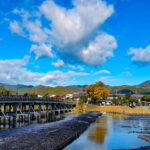
Meeting point and the 3-hour timing that actually works
The tour starts at 1-1 Sagatenryūji Susukinobabachō, Ukyo Ward, Kyoto. You’ll meet near public transportation, and you’ll end in a different location than where you started, so plan to stay flexible for your next stop.
The duration is about 3 hours, and the visit windows at key temples are short (around 20 minutes each). That may sound quick, but it works because you’re not trying to “do everything.” You’re there to see the key sights, enjoy the green atmosphere, and move on before you get tired.
One timing note that can matter: the selected starting time isn’t automatically guaranteed. You should expect your time to be confirmed by email within 24 hours of booking. If you’re pairing this with other timed plans that day, build in buffer time so you don’t feel rushed.
Stop 1: Arashiyama itself—why the neighborhood is the main character
Even though the ride has specific temple stops, Arashiyama is the real setting. You’re guided through the neighborhood with live commentary, which helps you understand what you’re looking at instead of just ticking off names.
This is a classic example of how rickshaws are practical in Kyoto. You can cover more ground than on foot, but you still experience the streets at human speed. For photos, that matters too—you’ll be able to stop and reposition without holding up a walking line.
The tour style is also ideal if you want nature and culture in the same morning. You won’t spend three hours only inside temple grounds; you’ll get street-level context and then the calm inside the gardens.
Gio-ji moss garden: vivid green you can feel in your eyes
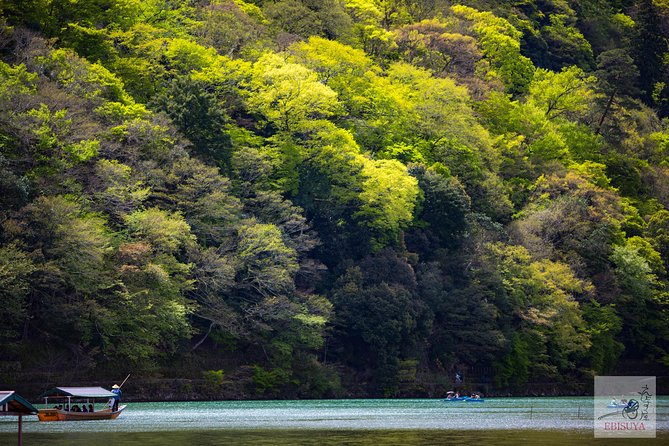
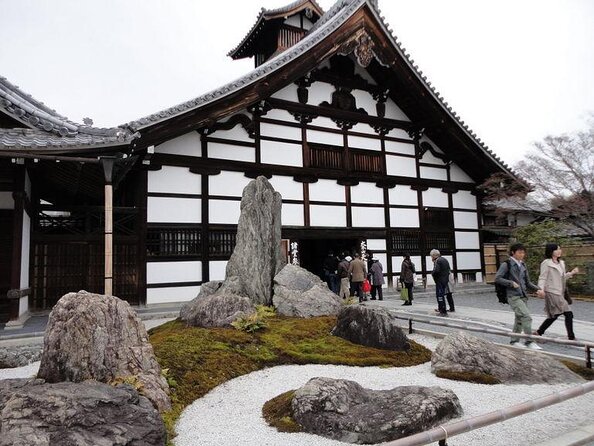
Gio-ji Temple is famous for its moss garden, including the way it looks in shade. Even if you’ve seen moss gardens elsewhere, the effect here is distinct: moss tends to “soften” a scene, turning stone and wood into something calmer and cooler.
Your time at Gio-ji is about 20 minutes. That’s long enough to take in the patterns, notice how the light hits different patches, and walk through at a relaxed pace. It’s also short enough that you won’t feel like you’re rushing when you realize you want to stare at a particular corner a little longer.
A practical tip: moss looks best when you slow down. Don’t treat it like a quick photo stop. Take a seat if there’s space, and let your eyes adjust to the texture.
Jojakkoji viewpoint: steps under trees and a city look
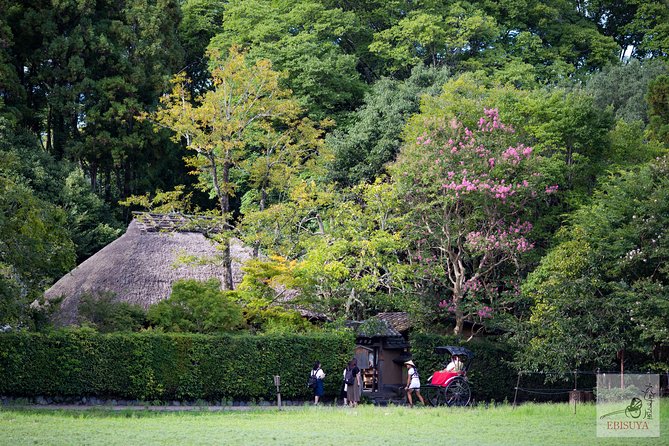
Jojakkoji is on a hill, and getting there involves many steps under trees. That’s a real tradeoff: if you love views, it’s worth it; if you’re seeking zero-stairs sightseeing, it may be more effort than you expected.
Once you reach the top, you get a glimpse over the city, and the contrast is part of the appeal. The tour’s theme is green, but the viewpoint reminds you that you’re in Kyoto—wide sky, rooftops, and the feeling of being above it all for a moment.
Because the stop is only 20 minutes, I’d treat it like this: walk up, pause where the view opens, and then head back down without trying to “do a second lap.” You’ll get better photos and you’ll keep the whole morning feeling light instead of tense.
More rickshaw runs through old Kyoto
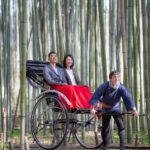

The bamboo forest shrine and the matchmaking story
One stop is a Shinto shrine nestled in the bamboo forest, with a dedication connected to the goddess of matchmaking. This is the kind of place where the environment does half the work. Bamboo makes everything quieter—sound changes, the light gets filtered, and you end up standing still longer than you intended.
It’s not the sort of stop that needs to be long to feel meaningful. Even in a short visit window, the bamboo setting plus the shrine’s theme gives you a different kind of Kyoto feeling: intimate, slightly mystical, and very atmospheric.
If you’re traveling with kids, this is also a good moment to let them stretch their legs a bit before the next temple.
Adashino Nenbutsu-ji: stone figurines with history behind them
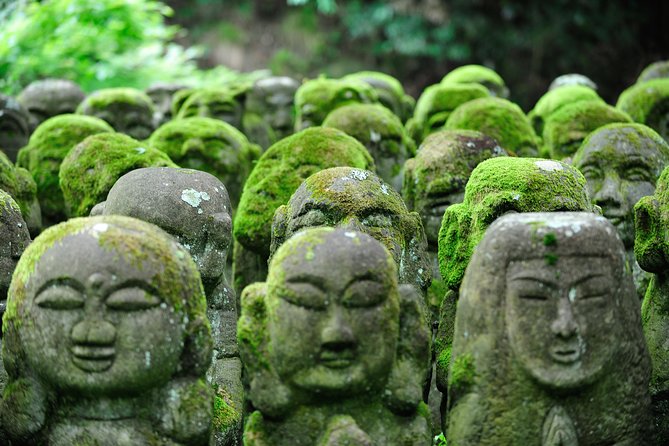
Adashino Nenbutsu-ji is known for its number of stone figurines, each tied to meaningful history. This stop is less about sweeping views and more about careful attention—walking through and noticing how the figurines create a unique sense of story and scale.
You’ll have about 20 minutes here. That’s enough time to see the overall arrangement, take a few slower looks, and read the atmosphere without getting mentally overloaded.
One consideration: figurine-heavy sights can feel repetitive if you’re tired. If you’re easily fatigued by small details, treat this stop as a “highlight moment”—pick one section, focus on it, and then move on.
Otagi Nenbutsu-ji: the humorous figurines that kids tend to love
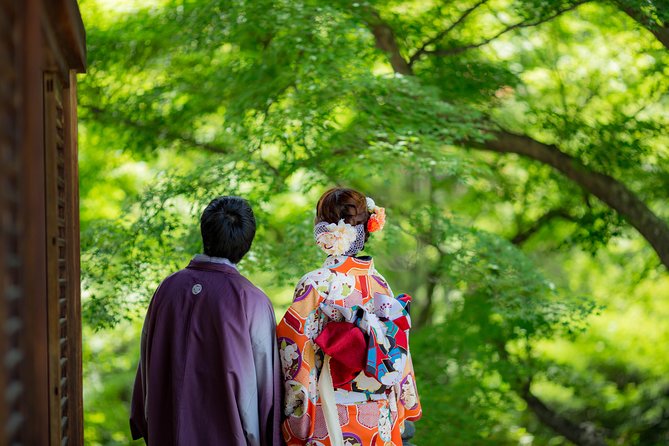
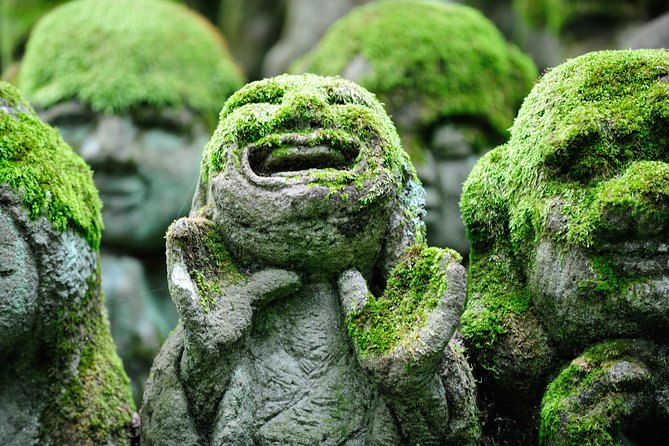
Otagi Nenbutsu-ji is also stone figurines, but the vibe is different. These are funny and humorous, and it’s a stop especially enjoyable for kids.
So you get two figurine temples back-to-back in spirit: Adashino for the historical meaning, and Otagi for the playful expressions. That contrast keeps the morning fresh. It’s a smart way to cover a theme without everything blending together.
For families, this is often where smiles happen. For adults, it’s a reminder that temple spaces can be joyful too, not only solemn.
Seiryoji: views plus a special Buddhist statue’s journey
Seiryoji Temple offers grand views alongside a story about an eventful journey involving a special Buddhist statue. You’re not just looking at the building—you’re learning why this statue matters and how it ended up where it is now.
You’ll get about 20 minutes. That’s enough time to appreciate the structure, then listen to the explanation and let it change how you see the place. This is one of those stops where commentary has real value because the statue’s story shapes your attention.
If you prefer stops that feel visually dramatic rather than detail-heavy, this is likely to land well.
Hokyoin: a calm finish with a samurai connection
Hokyoin Temple is described as both relaxing and connected to history. It’s also the resting place of two samurai with a unique connection, adding a personal, human layer to the setting.
The visit is about 20 minutes, which works well as a wrap-up. After walking around viewpoints and figurine areas, this kind of stop gives your mind a breather.
A practical idea: use this last segment to take things slower. You can pause, look around, and enjoy the quiet instead of trying to “finish” the tour like a checklist.
Your rickshaw driver makes the day
This is where the experience tends to rise above the basics. The tour includes a local English-speaking rickshaw driver/guide and live commentary, and the names you might hear can be part of what makes it memorable.
From past guests’ praise, you may ride with guides like Tai Tai, Yoppy, Akihisa, or Takeda. Across these guides, the common theme is consistent: friendly, attentive service with a strong ability to explain what you’re seeing in a way that feels easy to follow.
You’ll also want to pay attention to how the guide handles stops and photos. One review highlights that Akihisa would pull over at beautiful spots and offer a chance for photography, and that kind of flexibility really improves a morning. Another notes careful comfort touches like heaters and warm blankets.
If you want the best experience, come ready to engage—ask quick questions when something catches your eye. In a private tour, you’re not competing for attention.
Price and value: what $236.44 per person really buys
At $236.44 per person, this isn’t a budget activity. But it’s also not just “a ride in a chair.” You’re paying for:
- Private time with a local driver/guide
- The rickshaw ride itself
- Live English commentary across multiple Arashiyama areas
- A route that strings together nature + temples in a way that saves walking
Temple admission fees and gardens are not included, so you should mentally add that cost if you plan to visit all the stops fully. Also, food and drinks aren’t included, so you’ll likely want to grab breakfast or a snack before you start.
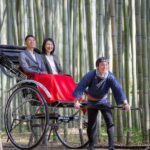
Still, if you compare what you get—three hours of structured guiding plus a comfortable ride—the price starts to make sense for couples and small families who want a smoother, less exhausting morning. It’s especially good value when you have two adults side by side, since the rickshaw can accommodate up to two adults side by side with seat width about 74 cm.
Comfort details: seat heater, blanket, and the reality check on riding
Comfort is a real selling point here. One guest specifically called out a warm blanket and a heater on the seat, which is the kind of practical detail that makes a big difference when Kyoto mornings are cool.
That said, it’s still a rickshaw, and that means you’ll be sitting. If you’re sensitive to sitting for long stretches, consider whether a 3-hour tour fits your comfort level. The route does include stops, but the ride time is a core part of the value.
There are also clear safety and suitability rules:
- Expecting mothers in their first 16 weeks aren’t permitted to ride a rickshaw.
- Most travelers can participate, but the rider restrictions are worth respecting.
- Children 6 and older need a seat and pay the same price as adults.
- Children 5 and under can ride for free if they sit on an adult’s lap (max 2 adults and 2 children per rickshaw).
If you’re traveling with kids, the Otagi figurines stop is likely to be the easiest win, while Jojakkoji steps are the most likely to feel physically challenging.
Who this Arashiyama rickshaw tour fits best
This tour is a great match if you want:
- A calmer Kyoto morning with nature and temples blended together
- An English-speaking guide to explain shinryoku, temple meaning, and what you’re seeing
- A private experience where you can take photos, pause for mood, and keep moving without stress
It may be less ideal if:
- You don’t want to handle steps at Jojakkoji
- You’d rather pay only for “walk-in” attractions and skip guided time
- You’re traveling outside late spring to early summer, since this is a seasonal tour
If you’re a couple wanting a romantic-feeling morning in Arashiyama, this is exactly the kind of guided comfort that makes Kyoto feel personal rather than crowded.
Should you book? My honest take
If your goal is an easy, scenic, guided Arashiyama morning with live commentary, this is a strong choice. The combination of moss at Gio-ji, a hilltop view at Jojakkoji, figurines at Adashino and Otagi, and the calmer finish at Hokyoin gives you variety without turning the day into a sprint.
I’d book it if you value comfort and context, especially because the experience includes rickshaw ride time and the guide effort that turns stops into stories. Just budget for temple admission fees and be realistic about Jojakkoji steps.
If you want, tell me your travel month and whether you’re traveling with kids or anyone with mobility limits. I can help you decide if the seasonal timing and the hilltop stop will fit your group.
FAQ
Are temple admission fees included in the tour price?
No. Admission fees to temples and gardens are not included, so you should plan for extra costs on top of the tour price.
How long is the Arashiyama rickshaw tour?
The tour is about 3 hours.
Is hotel pickup or drop-off included?
No. Hotel pickup and drop-off are not included.
Where do we meet for the tour?
You start at 1-1 Sagatenryūji Susukinobabachō, Ukyo Ward, Kyoto, 616-8385, Japan.
What’s included in the tour?
Included are an English-speaking rickshaw driver/guide, the rickshaw ride, and live commentary.
What about children and pricing?
Children 6 years and older require a seat and pay the same price as an adult. Children 5 years and under can ride for free if they sit on an adult’s lap.
Are there restrictions for pregnant travelers?
Yes. Expecting mothers in their first 16 weeks of pregnancy are not permitted to ride a rickshaw.
How does the cancellation refund work?
You can cancel up to 24 hours in advance for a full refund.
More Tour Reviews in Kyoto





More Rickshaw Rides in Kyoto
More of Arashiyama and Sagano
Just added: more Kyoto tours to browse








Arashiyama & Bamboo Grove Tours, compared.
 ★ 4.8Fushimi Inari, Kinkakuji, Bamboo Grove 1 Day Bus TourFrom $1224,316 reviews
 ★ 4.1Osaka/Kyoto:Kinkakuji,Arashiyama,FushimiInariShrine,NaraParkFrom $661,596 reviews
 ★ 4.7Kyoto/Osaka: Nara, Fushimi Inari Taisha, Arashiyama Bus TourFrom $521,275 reviews
 ★ 5.0Kyoto Arashiyama Walking Tour: Bamboo, Monkeys, Gardens & SecretsFrom $651,216 reviews
 ★ 4.8Arashiyama Bamboo, Temple, Monkeys, or Secret Sake BreweryFrom $87886 reviews
 ★ 5.0Arashiyama Bamboo Forest, Monkeys, Matcha & Temple TourFrom $53759 reviews
 ★ 4.4Osaka/Kyoto: Arashiyama, Nara & Fushimi Inari Shrine w/LunchFrom $61754 reviews
 ★ 5.0Nijo, Kinkaku-ji, Arashiyama, Kiyomizu & Fushimi InariFrom $51699 reviews
Browse the lists this tour appears in