
Reviewed · KYOTO TEA CEREMONIES
Traditional Tea Ceremony with Matcha and Sweets in Kyoto
Matcha, sweets, and Zen in one hour. In Kyoto’s Gion, you’ll get a hands-on matcha lesson and see the chanoyu rituals up close, in a format that feels welcoming instead of intimidating. I also love that you’re seated on chairs, so this is easier if floor seating is a deal-breaker for you.
You’ll spend about an hour learning the tea story, how Zen philosophy shapes the ceremony, then making your own bowl of matcha and tasting traditional sweets. The only real drawback is time: it’s a short session, so if you’re chasing a long, formal, multi-course tea experience, this may feel like a fast introduction rather than a full deep training day.
In This Review
- What Makes This Kyoto Tea Ceremony Feel Modern (Without Losing the Soul)
- Gion Meeting Point: Where the Experience Starts
- Chanoyu in Action: History, Zen, and Omotenashi Up Close
- The Chair-Friendly Twist That Makes It Actually Doable
- Making Your Own Matcha: The Part You’ll Remember
- Kyoto Sweets: Traditional Flavors That Match the Tea Mood
- Q&A After the Whisk: Turning a Lesson Into Understanding
- Who This Kyoto Tea Ceremony Is Best For
- Price and Value: Is $22.86 Worth It?
- Tips for Getting the Most Out of Your Hour
- Should You Book This Kyoto Tea Ceremony?
- FAQ
- How long is the Traditional Tea Ceremony with Matcha and Sweets in Kyoto?
- Where is the meeting point for the tea ceremony?
- What is the price per person?
- How big is the group?
- Do I sit on the floor during the tea ceremony?
- Can I cancel for a full refund?
What Makes This Kyoto Tea Ceremony Feel Modern (Without Losing the Soul)
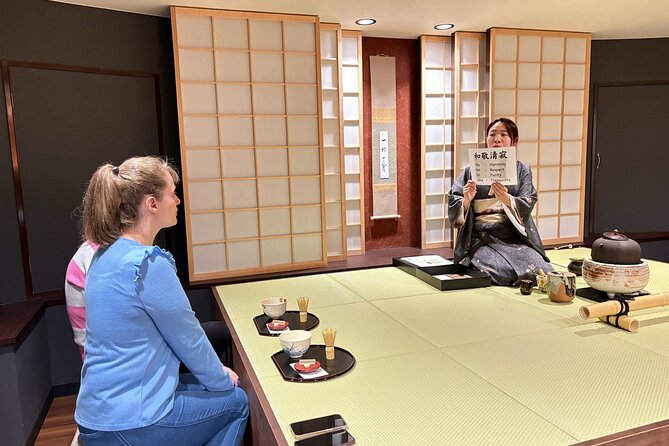
This tea ceremony takes one of Japan’s most recognizable cultural traditions—chanoyu, the art and mindset behind the tea ritual—and makes it practical for real travel schedules. The big difference is the teaching style: it’s described as welcoming and approachable, even though the tradition is often portrayed as serious and solemn. In practice, that means you’re not expected to already know the customs or have the “right” kind of posture and patience. You’ll sit comfortably on chairs, which is a surprisingly big deal in Kyoto, where traditional spaces often mean floor seating.
The other thing I like is the structure. The experience is split into two meaningful halves: first the tea ceremony itself (history, Zen influence, technique you watch up close), then the tasting and creation (sweets plus making matcha). That flow helps you understand why each step matters, instead of treating it like a quick photo stop.
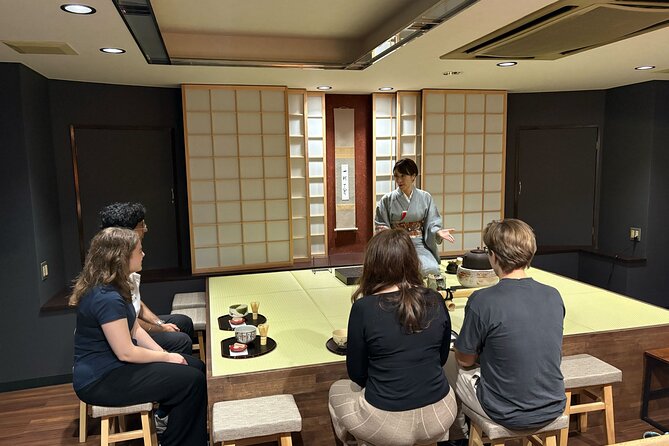
One more reason this works in Gion: small group size. The class caps at 13 travelers, so it doesn’t turn into a noisy show with a distant instructor. You can actually watch the details and follow along when it’s your turn.
Gion Meeting Point: Where the Experience Starts
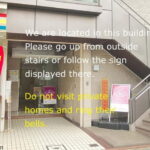
You meet in Higashiyama Ward in Kyoto’s Gion area, at Japan, 605-0802, Kyoto, Higashiyama Ward, Yamatochō, 1 祇園田中屋ビル. It’s set up to be easy to reach, described as near public transportation, and it ends back at the same meeting point.
That matters more than it sounds. If you’re staying in or near central Kyoto, Gion can be a maze of side streets and lantern-lit confusion, especially when you’re trying to get there right on time. A start point you can find again easily keeps this from turning into a stress test.
Also, the format uses a mobile ticket. So you’ll want to have your phone ready for check-in and plan for a little buffering time before the session begins, just to make sure you’re at the right building entrance.
Sit for another bowl of matcha in a Kyoto tea house


Chanoyu in Action: History, Zen, and Omotenashi Up Close
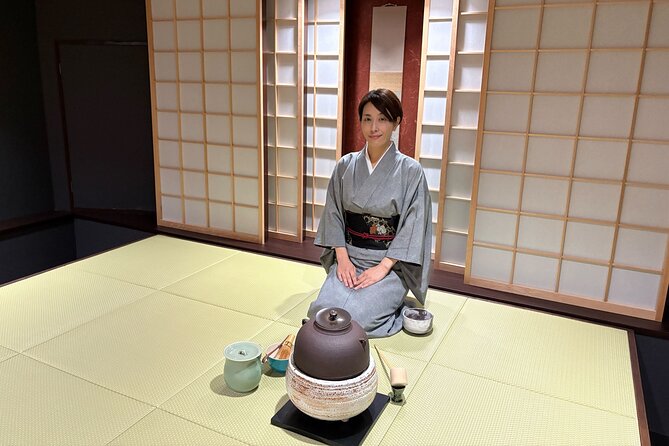
The heart of a Kyoto tea ceremony isn’t the drink—it’s the mindset and the choreography behind it. This experience explains that directly. You’ll explore the history of tea in Japan, and you’ll learn how Zen philosophy shaped what people look for in chanoyu: calm focus, attention to small details, and a kind of respectful quiet.
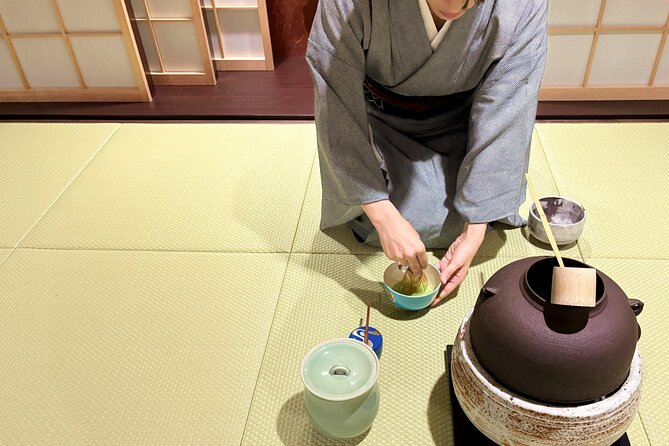
Then you watch a tea master perform authentic techniques up close. That’s where the experience earns its value. Watching from a distance turns tea ceremonies into a blur of gestures. Up close, you can notice the subtle timing and the way each movement supports the next step. If you’ve ever felt that Japanese rituals look simple but seem strangely precise, this is the kind of session that helps you see what you’re actually looking at.
You’ll also hear stories connected to omotenashi, hospitality. That word gets tossed around in Japan, but here it’s tied to the ceremony itself—how the host’s care shows up in how they prepare, present, and guide you through the experience. Even if you’re traveling solo or you’re new to Japanese culture, those explanations give you a framework that makes the ceremony feel less like performance and more like tradition with a purpose.
The Chair-Friendly Twist That Makes It Actually Doable
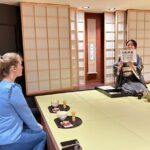
Traditional tea ceremonies are often portrayed with floor seating. That’s beautiful, but it’s not always practical for everyone. This experience explicitly uses chairs so anyone can participate comfortably, including people who may have limited mobility or simply don’t want to spend the hour fighting for a position.
I really appreciate how this changes the vibe. When your body is comfortable, your attention goes where it should: to the ritual, the meaning, and the sensory details. It also makes the session friendlier for first-timers who might otherwise feel awkward or self-conscious.
One more small practical upside: chairs keep things moving. A tea ceremony that starts on time and ends back at the meeting point is easier to fit into a Kyoto day that already includes temples, shrines, and long walking stretches.
Making Your Own Matcha: The Part You’ll Remember
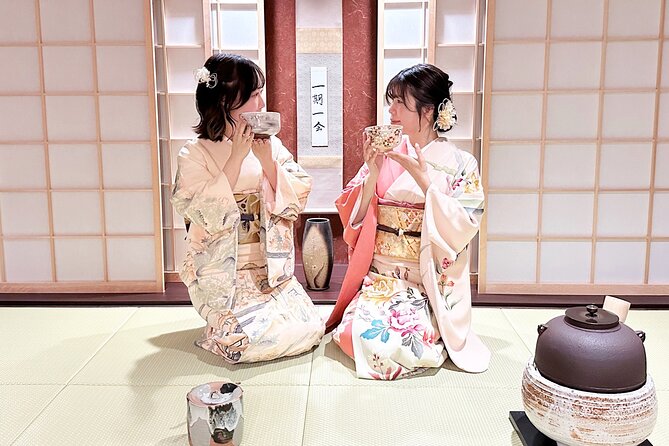
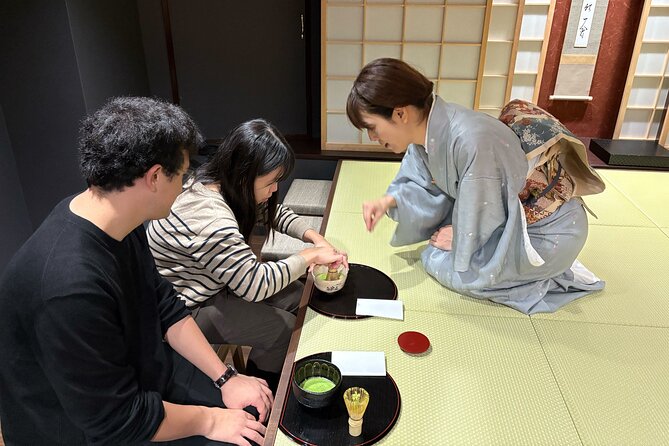
The second half is where you stop being a watcher and start being a participant. You’ll learn how to prepare matcha and then whisk your own bowl. The tea is described as premium, sourced from a family-run farm. That doesn’t just sound nice—it’s part of why the matcha tastes better than the powder you might buy later at home.
Matcha is one of those foods where technique changes the experience. When you whisk it, you’re not only mixing powder with water. You’re creating texture—aiming for a smooth, properly blended result that feels balanced rather than harsh. Having an instructor guide the process helps you avoid the common mistakes people make on their first attempt.
What I like here is the pacing. You get guidance during the ceremony elements, then you get your hands on it when it counts. So you finish with both understanding and a real skill you can use later (even if you’re not going to recreate Kyoto in your kitchen the same way).
And yes, the matcha is described as delicious in feedback, which is exactly what you want for the hands-on part. If the drink is just okay, you don’t feel the point. Here, it’s meant to land well.
Kyoto Sweets: Traditional Flavors That Match the Tea Mood
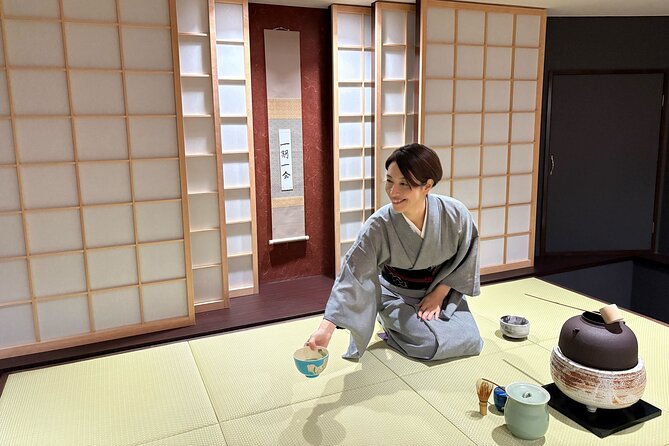
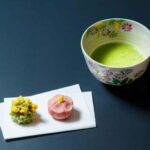
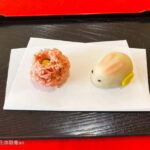
You’ll also enjoy carefully selected traditional sweets from long-established artisans. The ceremony isn’t only about matcha; it’s about contrast and balance. In many Japanese food traditions, sweets are part of the pacing—something offered to soften the bitterness of tea and create a pleasant rhythm before or alongside drinking.
Because the sweets are described as traditional and from established producers, they’re not random snacks. They’re chosen to fit the moment. You’ll also have the chance to savor them as part of the overall experience, rather than treating them like an afterthought.
This is one of those details that makes a tea ceremony feel like Kyoto instead of just a culinary demo. When the sweets and tea are matched in tone, you get a smoother sensory experience and a better sense of why the ritual works.
Other Kyoto tours and experiences to compare

Q&A After the Whisk: Turning a Lesson Into Understanding
At the end, you’ll have a Q&A session. This is one of the best parts of any cultural tour format, because it gives you permission to ask the questions you didn’t know you had at the start.
Maybe you want to understand the difference between the ceremonial approach and everyday tea drinking. Maybe you’re curious about why certain gestures and tools matter. Or maybe you just want a practical explanation of what you noticed during the demonstration.
The experience is designed to deepen your understanding so it’s not just a one-hour show you forget. A short Q&A helps connect the dots you might otherwise miss when you’re tired from a day of walking.
Who This Kyoto Tea Ceremony Is Best For
This is ideal if you want an introduction that feels authentic, not intimidating. The chair seating makes it a great option if floor seating is an issue. The small group size means you can actually see what’s happening and learn without being shoved into the background.
It’s also a strong fit for:
- First-time visitors to Japan who want a clean, human-scale cultural experience in a major Kyoto area
- Travelers who prefer hands-on learning over lecture-only tours
- Anyone who wants something calm that still has real structure and meaning
It may not be ideal if you’re looking for a long, highly formal, multi-course tea ceremony experience. This is closer to a thoughtful sampler: enough history and philosophy to give context, and enough practice to leave you confident that you did something real.
Price and Value: Is $22.86 Worth It?
At $22.86 per person for an experience around one hour, the value depends on what you want from a Kyoto activity.
Here’s what you’re getting for that price:
- A guided explanation of tea history and Zen philosophy behind chanoyu
- A tea master’s techniques performed up close
- Time to whisk and prepare your own matcha
- Traditional sweets from established artisans
- A Q&A to clarify what you just learned
- A small-group setting capped at 13 travelers
Compared with many “watch-and-photos” experiences, the inclusion of your own matcha-making and the structured teaching is what makes this feel fair. Compared with longer, more advanced tea instruction, it’s more of a short introduction—but reviews suggest that the short version is actually a plus for many people, especially when Kyoto days are packed.
In other words: if you want a meaningful taste of Japanese tea culture that fits into a travel schedule, this pricing makes sense.
Tips for Getting the Most Out of Your Hour
You don’t need special prep, but a few choices will help you get more out of the session:
- Arrive early enough to find the correct building entrance without rushing.
- Treat the first half as your “decoder ring.” Pay attention to the history and Zen explanations; they make the gestures feel less random later.
- When it’s your turn to whisk, focus on the texture and consistency you’re aiming for—not just finishing the step.
- During Q&A, ask one question about meaning (why) and one about technique (how). That combo turns the experience into something you can remember.
Also, if you’ve spent the day hopping between shrines, this class is intentionally calmer. Let it reset your pace.
Should You Book This Kyoto Tea Ceremony?
I’d book it if you want a short, well-taught Kyoto experience with real participation. The chair seating, small group size, and matcha-making component do a lot of heavy lifting here. You’ll leave with the feeling that you understood what you watched and produced—not just tasted something once.
I’d skip it if you already know tea ceremony basics and are specifically chasing a long-form, highly formal session with advanced instruction. In that case, you may want something longer and more traditional in format.
FAQ
How long is the Traditional Tea Ceremony with Matcha and Sweets in Kyoto?
The experience lasts about 1 hour.
Where is the meeting point for the tea ceremony?
You meet at 祇園田中屋ビル in Yamatochō, Higashiyama Ward, Kyoto 605-0802, Japan, and the activity ends back at the meeting point.
What is the price per person?
The price is $22.86 per person.
How big is the group?
The experience has a maximum of 13 travelers.
Do I sit on the floor during the tea ceremony?
No. Guests are seated on chairs, which makes the experience easier for people unfamiliar with floor seating or with limited mobility.
Can I cancel for a full refund?
Yes. You can cancel for a full refund if you cancel at least 24 hours before the experience’s start time (local time). Cancellation within 24 hours of the start time is not refundable.
More Dessert Tours in Kyoto
More Tour Reviews in Kyoto




One More Bowl of Matcha

Just added: more Kyoto tours to browse








Kyoto Tea Ceremonies, compared.
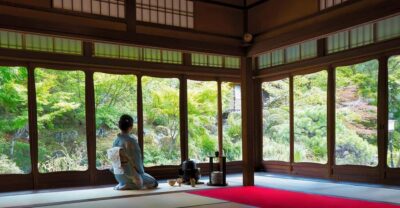 ★ 4.9Tea Ceremony in a Traditional Tea House in KiyomizuFrom $493,519 reviews
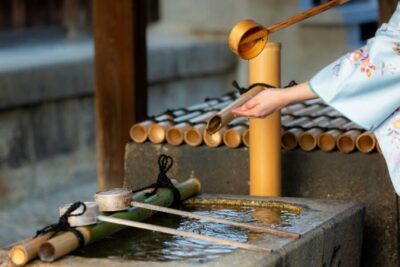 ★ 4.9Tea Ceremony Ju-An at Jotokuji TempleFrom $293,207 reviews
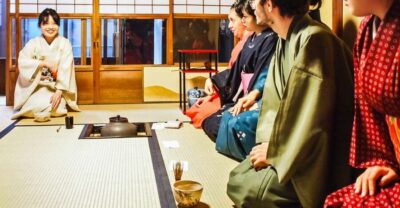 ★ 4.345-Minute Tea Ceremony Lesson ExperienceFrom $222,378 reviews
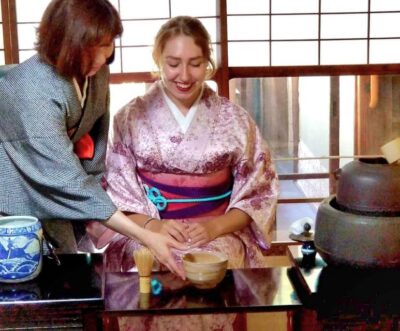 ★ 4.9Table-Style Tea Ceremony at a Kyo-MachiyaFrom $451,211 reviews
 ★ 5.0Kimono Tea Ceremony at Kyoto Maikoya, NISHIKIFrom $65911 reviews
 ★ 5.0Arashiyama Bamboo Forest, Monkeys, Matcha & Temple TourFrom $53759 reviews
 ★ 4.9Tea Museum Tickets and Matcha Grinding ExperienceFrom $23739 reviews
 ★ 4.9Kimono Tea Ceremony at Orizuruya GionFrom $49618 reviews
Browse the lists this tour appears in