
Reviewed · KYOTO TEA CEREMONIES
Kyoto: 45-Minute Tea Ceremony Lesson Experience
Kyoto can be loud, but this lesson is quiet on purpose. I especially love the Urasenke-licensed tea master angle and the hands-on chance to make tea using ceremonial rules. One small consideration: the whole thing runs tight at 45 minutes, so the flow can feel a bit rushed if you like long chat sessions.
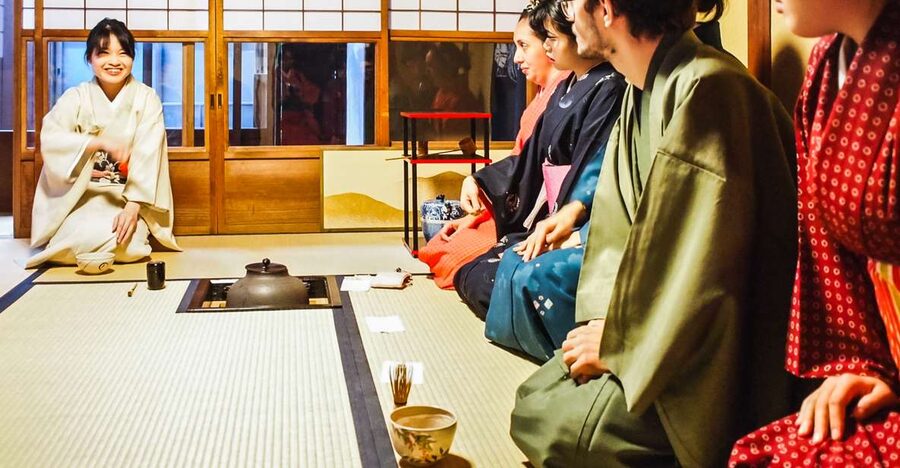
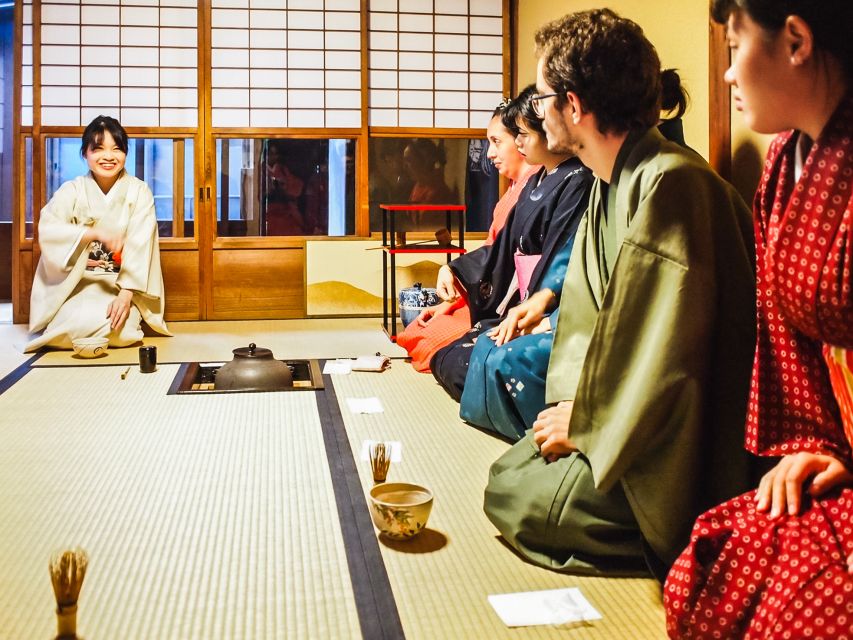
You’ll start seated on tatami, then watch the host do the ceremonial matcha prep. After that, you’ll try it yourself, with clear explanations of both the history and the spiritual side of the ceremony, plus how different tea-making methods change flavor. Then comes the part that always feels like a reward: traditional Japanese sweets.
There’s also a nice extra at the end—time for photos and a look at examples of kimonos and woven textiles from the Nishijin district. If you’re booking the kimono add-on, plan ahead because you need to arrive early.
In This Review
- Key things I’d circle on your Kyoto tea list
- Entering The Tea Ceremony Space Near Kinkakuji
- Your English-Speaking Tea Master From Urasenke
- Watch, Then Make Matcha the Ceremonial Way
- The History and Spiritual Role You Actually Use
- Sweets, Serving Etiquette, and Why the Room Feels Calm
- After the Ceremony: Photos, Kimonos, and Nishijin Textiles
- Public vs Private vs Candlelight: Pick Your Tea Mood
- Price and Value: Is $22 a Smart Use of Time?
- What to Know Before You Go (Without the Stress)
- Should You Book This Kyoto Tea Ceremony Lesson?
- FAQ
- How long is the Kyoto tea ceremony lesson?
- What exactly will I learn during the lesson?
- Is the host able to speak English?
- Does the experience include tea and snacks?
- Can I wear a kimono?
- If I book the kimono add-on, when should I arrive?
- Are photos or videos allowed?
- What if I can’t sit on the floor?
- Where is the meeting point?
- Is there a free cancellation option?
Key things I’d circle on your Kyoto tea list
- Tatami + matcha technique: you learn the real sequence, not a watered-down script
- Urasenke connection: the host is licensed from Urasenke, the biggest tea school in Japan
- Two flavors of green tea: you taste more than one style, then connect it to method
- Phone rules: no video recording, which helps keep the room respectful and focused
- Nishijin visuals afterward: kimonos and woven textiles give you a Kyoto souvenir you can see, not just buy
- Three atmosphere choices: public, private, or candlelight for old-Kyoto mood
Entering The Tea Ceremony Space Near Kinkakuji
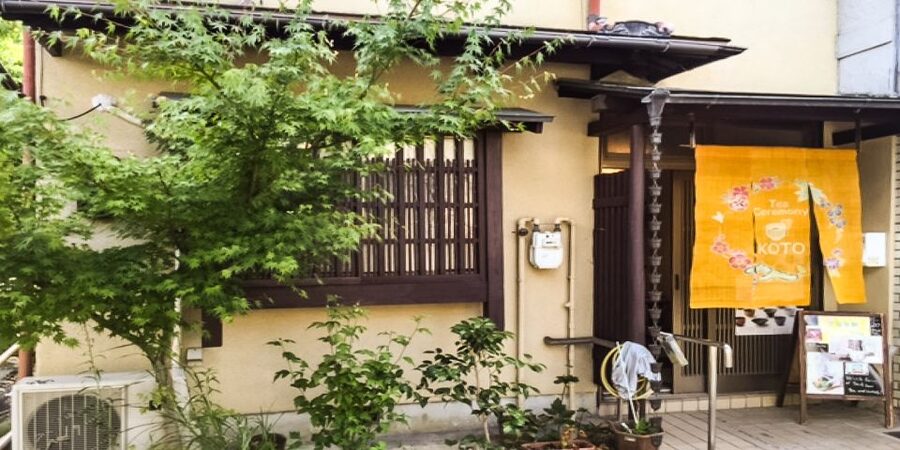
This experience is built around a classic Kyoto setting and a short, focused lesson. You’ll meet at a spot with easy landmarks: enter through the sliding door with the orange curtain, which helps you find the right room fast. The area is just a minute walk from the Kinkakuji-Michi bus stop, and it’s also close to the gate of Kinkakuji-temple. That matters because tea ceremony timing is strict. You don’t want to fight transit when the session is only 45 minutes.
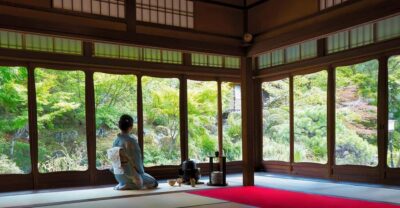
Inside, you’re guided to the tatami seating area. There’s no dress code, which is honestly a relief in Japan when you’re balancing temple stops and train rides. Still, the whole atmosphere is designed to slow you down: silence is part of the etiquette, and the room is meant for careful attention. One bonus detail: if floor sitting might be an issue for you, chairs are available if you tell the supplier ahead of time.
A practical note for timing: if you add a kimono, you must arrive 20 minutes early. That early arrival lets you change without panic, and it also keeps the ceremony on schedule for everyone else.
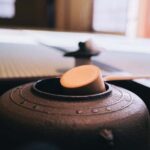
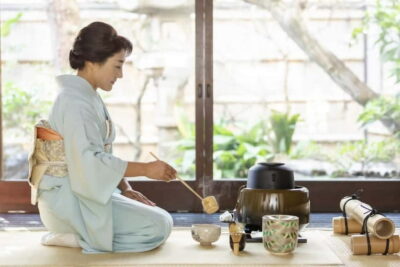
Sit for another bowl of matcha in a Kyoto tea house


Your English-Speaking Tea Master From Urasenke
The host is an English-speaking tea master, and the experience emphasizes a real lineage. The tea master is licensed from Urasenke, the largest school of tea ceremony in Japan. For you, that’s more than a credential—it usually means you get consistent technique and etiquette, not a performance aimed only at first-timers.
You’ll see the host carry out the ceremonial preparation of matcha, including how to handle tools and how to move with intention. Then it becomes interactive: you make tea yourself while the host explains the rules you need to follow.
Language-wise, you can expect English and Japanese support depending on the host. In practice, the lesson is built so you can understand what’s happening even if your Japanese is basic. A few of the descriptions also suggest the host teaches what to say and how to behave during the ceremony, not just how to whisk tea.
One tone consideration: most sessions read as warm and patient, but at least one experience described the host as a bit abrupt. If you’re someone who hates direct, fast instruction, you might want to mentally prepare for teaching that prioritizes accuracy over extra chat.
Watch, Then Make Matcha the Ceremonial Way
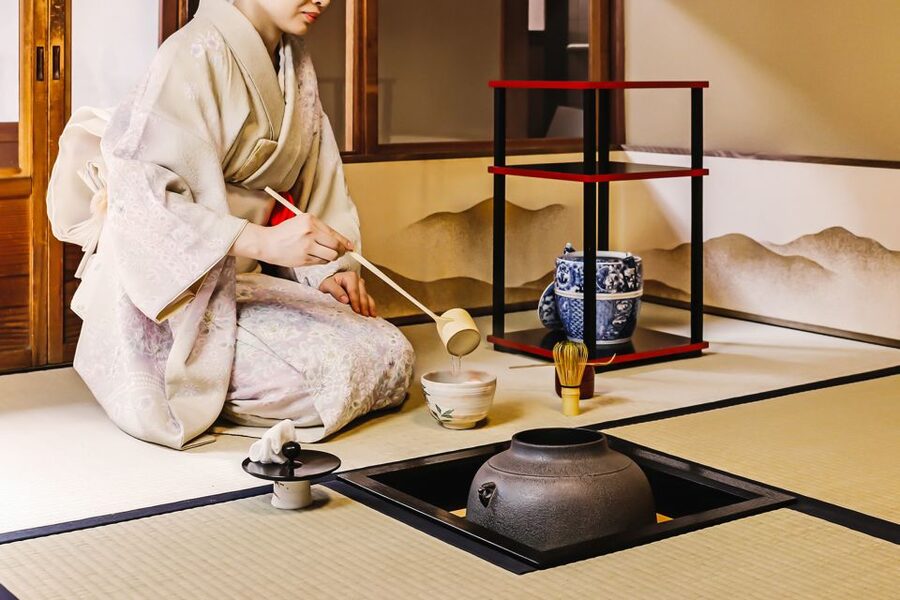
The pacing works like this: observe the ceremonial steps first, then switch roles and do the making yourself. That’s a smart way to learn in a short time window because your hands need a pattern. You’ll start on the basics of matcha preparation and then move into the actual serving steps.
A key detail here is that the experience aims to teach the ceremony as Japanese beginners learn it. It’s described as the full version of the thin tea ceremony, not a simplified version designed only for foreigners. For you, that means you’ll hear the “why” behind actions: why the order matters, why certain motions aren’t random, and why etiquette is part of the taste experience.
You also get a meaningful teaching hook: the host explains the effects each tea-making method has on flavor. That’s important because matcha can taste bitter or smooth depending on technique—water interaction, whisking style, and how the tea is handled all change what you perceive. When you taste two flavors of green tea, you’re not guessing. You’re connecting your cup to the method.
If you’re worried about matcha being too bitter, don’t assume this will be harsh. Several descriptions note that people who don’t usually love bitterness found the tea enjoyable, especially when it’s prepared carefully. Still, matcha is matcha. Expect a green-tea taste that’s more intense than most brewed teas.
The History and Spiritual Role You Actually Use
Tea ceremony is often sold as “culture,” but here the culture is functional. You’ll hear about the history and spirit role of tea ceremony from the tea master, and it’s tied to behavior in the room.
The practical value: you’ll understand why guests are expected to be respectful and why the movements are deliberate. That changes how you experience the lesson. Instead of thinking you’re watching a ritual, you’re participating in a set of manners with meaning.
You’ll also get specific rules ahead of time via short do’s and don’ts videos. That’s worth your effort. If you show up knowing what not to do, you’ll feel less awkward and you won’t accidentally break etiquette mid-lesson.
One thing I like about this approach is that it treats tea ceremony as a real discipline, not a checklist activity. Even in 45 minutes, the host’s focus is on proper steps, not just handing you a cup and sending you on your way.
Sweets, Serving Etiquette, and Why the Room Feels Calm
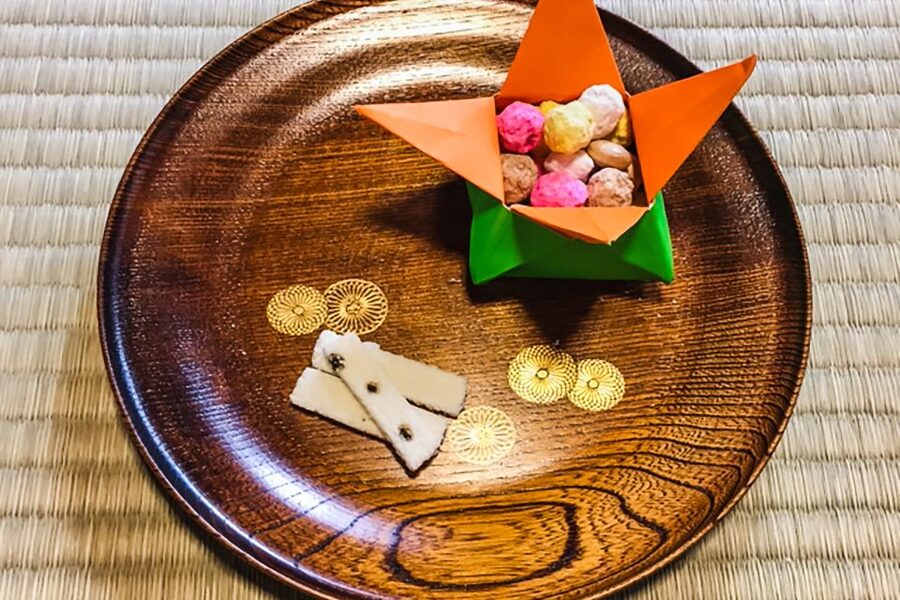
After the tea prep and tasting, you’ll be served traditional Japanese sweets. This isn’t random. In tea ceremony culture, the sweetness helps balance the overall flavor experience. It also gives your senses a break after matcha’s intensity.
The lesson also trains basic tea-drinking manners, like how you present yourself, how you handle the cup, and how you respond when tea is served. You won’t become a tea master, of course, but you’ll leave knowing how the ceremony wants you to behave.
That etiquette part is one of the biggest reasons the experience gets praised for being peaceful. You’re not bouncing between attractions. You’re practicing stillness, attention, and respectful interaction. Even if you’re a bit restless in real life, the structure nudges you into slower mode.
There’s also a “no distractions” element: no video recording is allowed. You can still take photos (including with a kimono option), but the video ban cuts down on the urge to treat the ceremony like a content shoot. It helps the room stay quiet in the way Kyoto often asks you to be quiet.
Other Kyoto tours and experiences to compare


After the Ceremony: Photos, Kimonos, and Nishijin Textiles
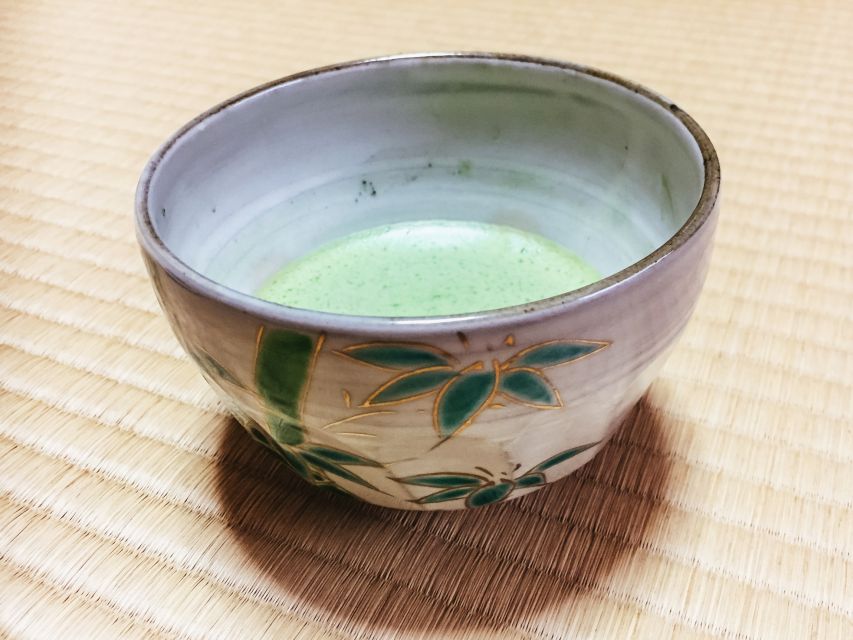
Once the ceremony ends, there’s time to take photos and look at examples related to Kyoto craftsmanship. You’ll see kimonos and beautiful woven textiles from the Nishijin district. For you, this is a smart add-on because it connects the ritual to the visual art of Kyoto. Tea ceremony isn’t just taste—it’s design, presentation, and materials.
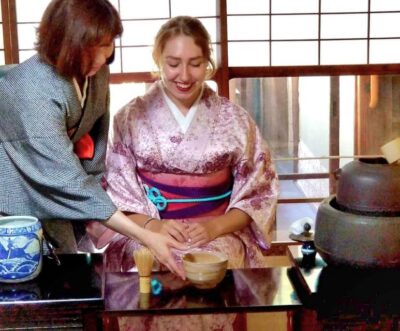
If you choose the kimono add-on, you’ll be able to wear it during the experience and take photos to remember it. The details that matter: the kimono option requires a reservation and you need that 20-minute early arrival. One practical tip: plan your route so you arrive with a cushion. Changing clothes plus keeping timing tidy is the difference between relaxed photos and frantic ones.
In at least some sessions, the hostess also helps with how to wear the kimono properly and may take pictures for you. That can be a big help if you’re traveling with family or if you want photos without asking strangers.
Public vs Private vs Candlelight: Pick Your Tea Mood
This is one of the few Kyoto activities where choosing the group style changes the vibe more than you’d expect.
Public ceremony option: You join a small group and learn together. It’s a good fit if you like a lively-but-still atmosphere and you don’t mind sharing the learning space. You’ll follow the host’s pace while other guests take part in the same rhythm.
Private ceremony option: This is quieter and more personal. It’s just you and your group, so you get closer attention from the tea master and you can move at a more comfortable pace. It’s a strong choice for couples, families, or anyone who wants calm without social interruptions.
Candlelight ceremony option: This one is for atmosphere lovers. Traditional candlelight recreates the peaceful mood of old Kyoto after sunset. If your trip schedule lets you do it in the evening, it’s a memorable way to end a day of temples and streets—especially because candlelight naturally slows people down.
In all three cases, the core lesson stays the same: matcha preparation, ceremonial rules, tasting, and sweets. The difference is how the room feels.
Price and Value: Is $22 a Smart Use of Time?
At $22 per person for 45 minutes, the price is surprisingly reasonable for what’s included. You’re paying for a licensed teacher, hands-on practice, and the structure of a real ceremonial sequence.
Here’s what you’re actually getting for your money:
- Two flavors of Japanese green tea (so it’s not just one sip and done)
- Traditional Japanese sweets
- A guided lesson that includes history, spiritual role, and technique-to-flavor explanation
- Optional but popular additions like kimono and extra photo moments
- A setting that encourages respectful focus, aided by the no video recording rule
Where you should think twice is fit. If you only want a quick, entertainment-style stop, tea ceremony can feel too serious and too quiet. Also, if you’re the type who needs lots of time to talk or take your time over details, remember that 45 minutes is tight. You get a lot, but it’s not a long-form class.
That said, if you’re in Kyoto and you want one activity that feels genuinely traditional, this is a high-value pick because it’s not just watching—it’s doing.
What to Know Before You Go (Without the Stress)
Before you arrive, there are a few things that will make the experience smooth:
- No video recording is allowed. Photos are fine, but keep your phone low-key during the ceremony.
- If you have trouble sitting on the floor, tell the supplier. Chairs can be provided.
- Don’t show up cold. Watch the short do’s and don’ts videos if you can. They’re there to prevent misunderstandings.
- Kimono add-on timing is strict. Arrive 20 minutes early if you reserve it.
- Calling a taxi right after can be tough because phone response can lag. There’s a big taxi stand in front, and it usually opens around 5:30 PM.
Also, this is located near a major Kyoto landmark. That’s good news for ease, but it also means you should aim for early arrival so you don’t feel rushed walking in.
Should You Book This Kyoto Tea Ceremony Lesson?
Book it if you want a traditional thin tea ceremony experience taught by a tea master connected to Urasenke, with hands-on matcha making and a calm, respectful atmosphere. It’s especially worth it if you’re the kind of traveler who likes learning how things work, not just collecting photos.
Skip it or rethink it if you hate quiet activities, dislike floor seating (and didn’t arrange chairs), or want something more casual and chatty. Also, keep in mind the 45-minute format can feel fast—your best move is to show up prepared and treat the lesson like a short, focused ritual.
If you choose your timing—public for social energy, private for closeness, candlelight for mood—and you’re willing to follow the rules, this is one of the best “one-stop” cultural experiences in Kyoto. The calm sticks with you long after the cup is empty.
FAQ
How long is the Kyoto tea ceremony lesson?
It runs for 45 minutes.
What exactly will I learn during the lesson?
You’ll learn how to make matcha according to ceremonial rules, hear about the history and spiritual role of the tea ceremony, and understand how different tea-making methods affect flavor.
Is the host able to speak English?
Yes. The instructor offers English (and Japanese).
Does the experience include tea and snacks?
Yes. You’ll enjoy two flavors of Japanese green tea and traditional Japanese sweets.
Can I wear a kimono?
You can add a kimono option during booking. It’s not included by default.
If I book the kimono add-on, when should I arrive?
You need to arrive 20 minutes early if you reserve the kimono add-on.
Are photos or videos allowed?
Video recording is not allowed. Photos are permitted.
What if I can’t sit on the floor?
If you might have difficulty sitting on the floor, inform the supplier. They can provide chairs.
Where is the meeting point?
Enter the building through the sliding door with the orange curtain. It’s about a 1-minute walk from the Kinkakuji-Michi city bus stop and near the gate of Kinkakuji-temple.
Is there a free cancellation option?
Yes, you can cancel up to 24 hours in advance for a full refund.
More Workshops in Kyoto
More Tour Reviews in Kyoto




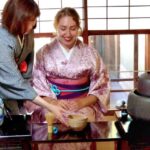
One More Bowl of Matcha

Just added: more Kyoto tours to browse








Kyoto Tea Ceremonies, compared.
 ★ 4.9Tea Ceremony in a Traditional Tea House in KiyomizuFrom $493,519 reviews
 ★ 4.9Tea Ceremony Ju-An at Jotokuji TempleFrom $293,207 reviews
 ★ 4.9Table-Style Tea Ceremony at a Kyo-MachiyaFrom $451,211 reviews
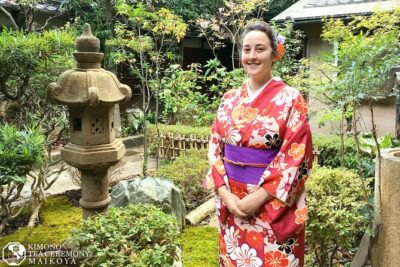 ★ 5.0Kimono Tea Ceremony at Kyoto Maikoya, NISHIKIFrom $65911 reviews
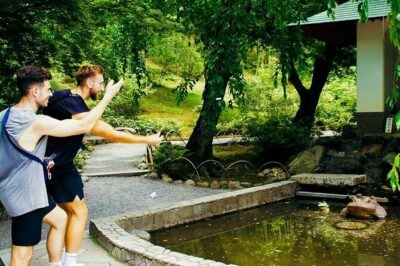 ★ 5.0Arashiyama Bamboo Forest, Monkeys, Matcha & Temple TourFrom $53759 reviews
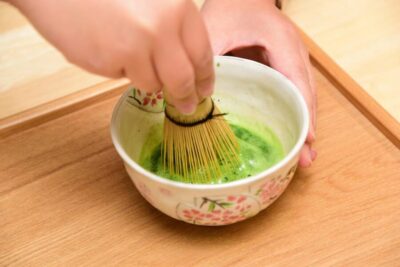 ★ 4.9Tea Museum Tickets and Matcha Grinding ExperienceFrom $23739 reviews
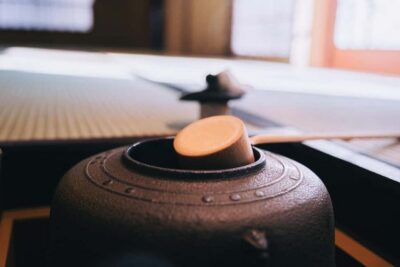 ★ 4.9Kimono Tea Ceremony at Orizuruya GionFrom $49618 reviews
 ★ 4.8Tea Ceremony in 100-year-old Kyo-Machiya TownhouseFrom $31546 reviews
Browse the lists this tour appears in