
Reviewed · KYOTO TEMPLE & SHRINE TOURS
Kyoto: Arashiyama Bamboo Forest, Monkeys, Matcha & Temple Tour
Kyoto can feel like nonstop crowds—until Arashiyama slows you down. This tour strings together Tenryu-ji Temple serenity, a famous bamboo forest walk, and a wild-macaque payoff in one focused outing. You’re not just seeing sights; you’re moving through them with a guide who keeps the story straight and the pace sane.
I love the combination of big-ticket moments (UNESCO Zen gardens and the monkey park views) with smaller, calmer stops like Nonomiya Shrine and a quick bridge photo break. I also really like the built-in cultural reset: an included stop for Uji matcha, so your day has a proper Kyotoslow beat, not just photos and footwork.
One consideration: the Monkey Park part includes an uphill climb, and that’s the segment that can feel tough if you’re not steady on hills.
In This Review
- Key things that make this tour work
- The “good value” logic: what you’re paying for
- Meeting point and route flow (so you don’t waste time)
- Tenryu-ji Temple: where the Zen gardens do the talking
- Arashiyama Bamboo Forest: the “quiet spell” you’ll actually feel
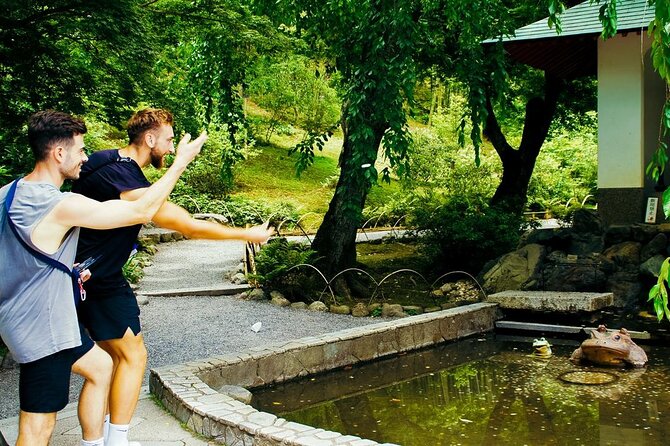
- Nonomiya Shrine: a mossy pause with a story behind it
- Togetsukyo Bridge: a classic Kyoto view, short and sweet
- Monkey Park Iwatayama: worth the climb, but plan your energy
- The matcha break: a small pause that makes the whole route feel Kyoto
- Guide quality: why names keep coming up
- Who should book this tour (and who should skip it)
- Price, logistics, and small practical notes
- Should you book this Kyoto Arashiyama Bamboo Forest, Monkeys, Matcha & Temple Tour?
- FAQ
- How long is the tour?
- What’s included in the price?
- Is a mobile ticket used?
- Where do I meet and where does it end?
- How big is the group?
- Do I need to pay for any attractions myself?
- Is the monkey park climb difficult?
Key things that make this tour work
- Tenryu-ji Temple timing: a focused visit that gives you time to actually notice the gardens.
- Arashiyama Bamboo Forest walk: short, atmospheric, and paced so you can enjoy it rather than sprint.
- Monkey Park Iwatayama hike: the best payoff comes after the climb, with panoramic views over Kyoto.
- Togetsukyo Bridge photo moment: a quick stop at a Kyoto symbol that’s easy to enjoy without feeling rushed.
- Nonomiya Shrine calm: a mossy, quieter Shinto pause between busier scenes.
- Uji matcha included: a real break built into the route, with Uji matcha as the included drink.
The “good value” logic: what you’re paying for
At about $53 per person for a 4–4.5 hour outing, the value here is mostly practical. You’re paying for a professional English-speaking guide, plus included admissions for Tenryu-ji and Monkey Park Iwatayama, and an included Uji matcha drink. Those pieces add up fast if you try to assemble them yourself while also figuring out timing and walking flow in Arashiyama.
This isn’t a day-trip that tries to cram in everything Kyoto is famous for. It concentrates on the Arashiyama highlights, which makes the price feel more reasonable than a long list of optional add-ons. Also, it caps at 15 travelers, which helps the group stay moving without turning the day into a shuffle contest.
And yes, you get a mobile ticket, which is one less thing to manage on your phone while you’re walking.
Deeper into Arashiyama, past the bamboo and the Hozu river
Meeting point and route flow (so you don’t waste time)
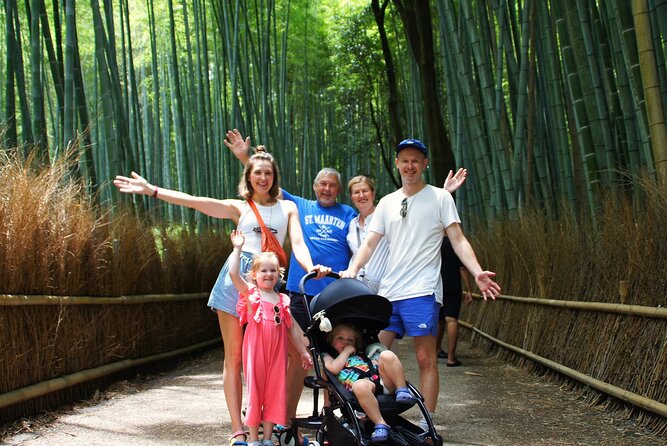
The tour starts at TULLY’S COFFEE Randen Arashiyama Station Shop 20-2 in Arashiyama, and it ends back at the same spot. That matters more than it sounds. In a place like Arashiyama, being able to return to the rail area keeps you from having to re-navigate the neighborhood after the hike and tea stop.
It also helps that the meeting point is near public transportation. If your Kyoto day has a plan, you can plug this in without turning it into a logistics project.
Route-wise, you’re walking a clear chain: bamboo forest → Tenryu-ji → Nonomiya Shrine → Togetsukyo Bridge → Monkey Park Iwatayama → back near where you started. The stops are short enough to keep energy up, but the overall day still adds up to real walking.
Tenryu-ji Temple: where the Zen gardens do the talking
Your day starts with Tenryu-ji Temple, a UNESCO Zen site and one of the top reasons people make the trip to Arashiyama. What makes it special is how the garden design controls your attention—water, stones, seasonal color cues, and sightlines that feel intentional even when you’re just wandering.
You get about 30 minutes here, and that’s a good window for a first pass: long enough to notice details, short enough that you’re not standing around waiting for others to catch up. The entry fee is included, so you don’t have to handle tickets mid-route.
A big plus: with a good guide, Tenryu-ji stops being just pretty scenery and becomes understandable. In groups I’ve seen, guides like Sofia, Tim, and Gabriele were praised for clear explanations that connect garden symbolism to the larger temple experience. Even if your Japanese is basically hello and thank you, the story makes the place easier to read.
Arashiyama Bamboo Forest: the “quiet spell” you’ll actually feel
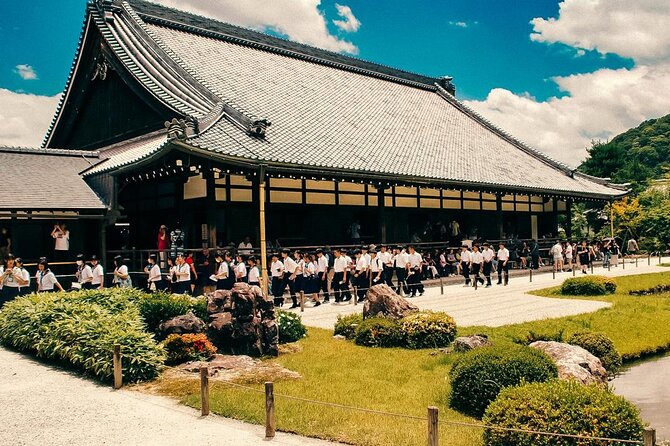
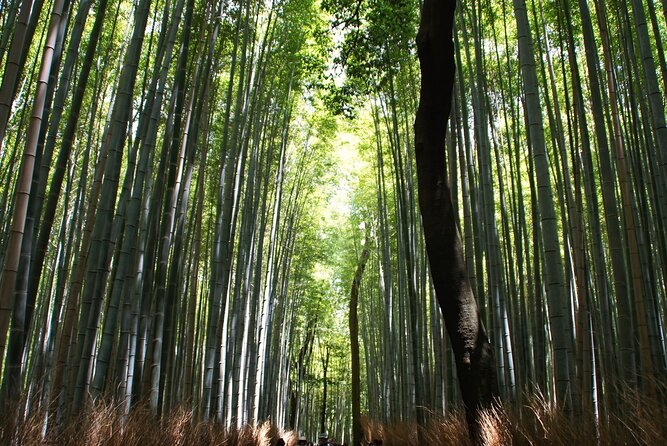
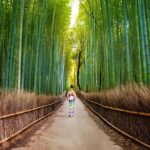
Then comes the Arashiyama Bamboo Forest walk. The effect is immediate: tall stalks overhead, light filtering through, and a gentle sway that makes the whole thing feel slightly dreamlike. Expect it to be popular, but the walking-through format still gives you moments to slow down and look up.
Your time here is around 30 minutes, and the listing notes that admission is free. That’s nice, but the bigger point is pacing. You don’t burn half your morning trapped in a crowd hoping for a perfect photo. Instead, you get a manageable window where the atmosphere does its job.
If you’re picky about photos: aim to pause for the vertical shots when you’re still in the denser section of bamboo. By the time you’re near the edges, the light changes and the “tower” effect gets less dramatic.
Nonomiya Shrine: a mossy pause with a story behind it
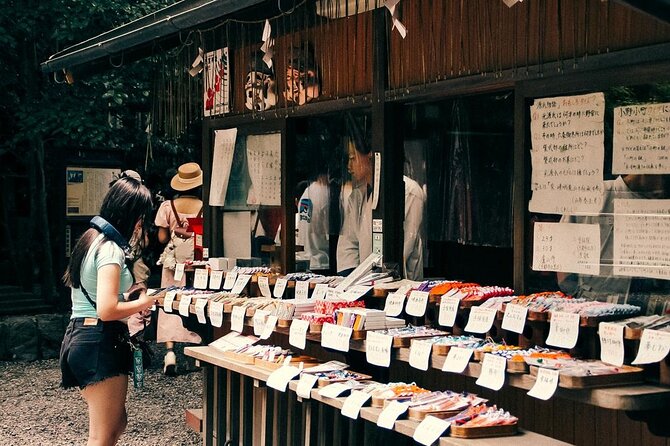
Next is Nonomiya Shrine, with about 15 minutes to take it in. It’s a calmer contrast to the bamboo and temple bustle, tucked into wooded surroundings where moss and shade set the tone.
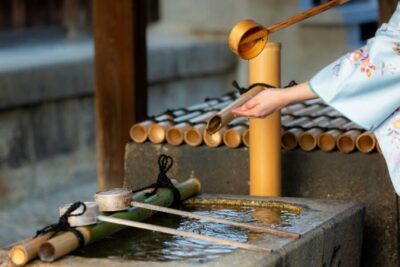
What I like about this stop is that it’s not just decoration. The shrine is associated with ancient purification rituals, so the guide can tie the quiet setting to the idea of cleansing and renewal. That context turns the stop into a meaningful breather, not a “we stood here” checkbox.
If you’re traveling on a tight schedule and you only care about the headline attractions, you might skip this. I wouldn’t. These smaller stops are where Arashiyama feels most like a lived-in place rather than a theme park.
More temples and shrines to slow down in across Kyoto

Togetsukyo Bridge: a classic Kyoto view, short and sweet
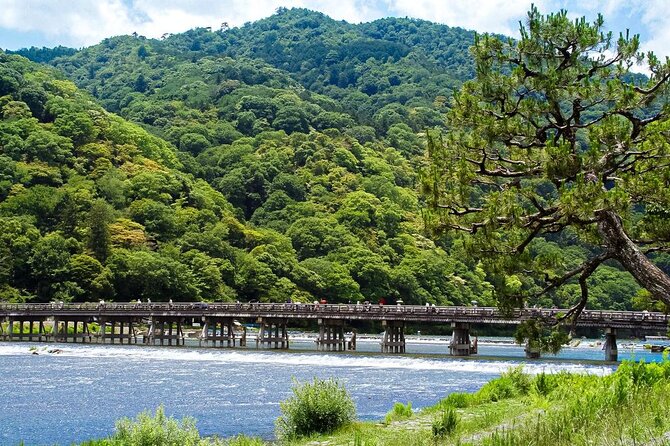
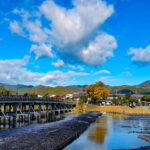
You’ll also stop at Togetsukyo Bridge, often called the Moon Crossing Bridge. It’s one of those Kyoto symbols where the scenery does half the work: river, mountains in the distance, and the bridge itself framing photos nicely.
Your stop is about 10 minutes, which is exactly right. You can grab photos and take in the view without burning energy you’ll need for the uphill part later. If you’ve ever watched crowds eat up time at famous bridges, you know why this matters.
Quick tip: if you care about the best river views, give yourself a minute to step to a side angle. Even with a short stop, small repositioning makes a noticeable difference.
Monkey Park Iwatayama: worth the climb, but plan your energy
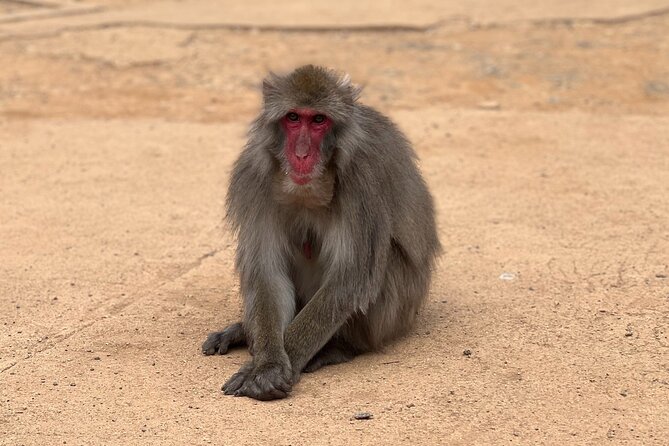
This is the main active piece of the tour: a short hike up to Monkey Park Iwatayama. The included admission and the guide support make the experience smoother, but you still should treat it as what it is—an uphill walk that can be harder in humid weather or if you’re not used to stairs and slopes.
Once you reach the top, you’ll meet a troop of wild Japanese macaques and get panoramic views over Kyoto. This is where the tour earns its “don’t miss it” reputation. The monkeys’ social behavior is entertaining, and the view helps you shift from “photo mode” to “wow, that’s Kyoto” mode.
One practical consideration from real-world experience: don’t expect the monkeys to behave like a zoo. They move, they react to people near feeding areas, and timing can vary. If you’re lucky, you’ll see babies and playful interactions. If not, you’ll still get the viewpoint, which is the reliable payoff.
If you have mobility limits, this is the segment to think about most. The tour notes that most travelers can participate, but people who aren’t up for uphill climbs may struggle here.
The matcha break: a small pause that makes the whole route feel Kyoto
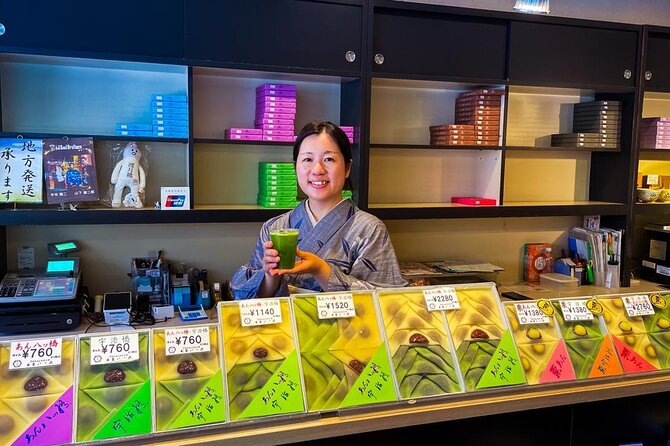
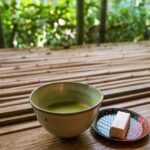
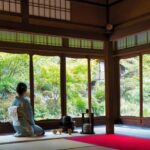
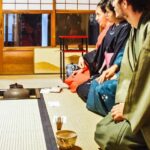
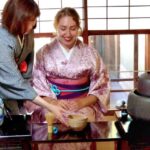
Some tours keep you moving until your brain turns into soup. This one gives you an included break for Uji matcha. It’s scheduled right in the middle of the day’s rhythm, so it works as a reset after temple-and-bamboo walking and before the final climb and viewpoints.
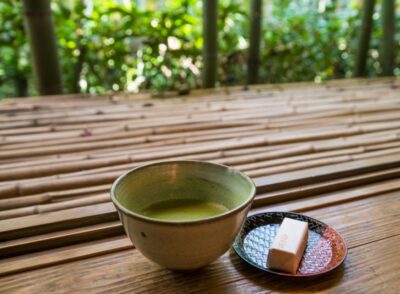
A good matcha stop isn’t just caffeine. It’s a cultural moment—how the drink tastes, how it’s served, and how it fits into the day’s flow. In one set of experiences, people even highlighted matcha ice cream as an added bonus during the stop, so the tea break may have options depending on the place you visit.
Either way, you’ll feel the difference. It’s the kind of stop that turns a sightseeing walk into an actual experience.
Guide quality: why names keep coming up
This tour’s standout strength is the guide component. Multiple guide names show up in praise—Nay, Tim, Sofia, Gabriele Cammisuli, Amy and Daniel, and Shin (with Maggie noted for training). The common theme: clear explanations, good pacing, and attention to the group.
That last part matters in Arashiyama. The route is simple on paper, but in real life, people get turned around, photo stops happen, and bathrooms are a thing. Good guides keep the day from turning into chaos, and they make sure you spend time where it counts.
If you’re the type who likes to understand what you’re seeing—why a garden is designed a certain way, what a shrine ritual means, or how the bridge got its name—this guide-led structure is a real advantage.
Who should book this tour (and who should skip it)
This tour is a good fit if you want a high-signal Arashiyama day: bamboo forest, a major temple, a shrine pause, a famous bridge, matcha, and monkey park views—all in about half a day.
It’s also a smart choice if you like walking but hate wasting hours trying to figure out the best order on your own. The included admissions reduce friction, and the short stop lengths help keep momentum.
You might choose a different option if:
- You don’t feel comfortable with uphill walking at the monkey park.
- You’re looking for a super slow, low-footprint cultural day. This is a walking tour, and the main active segment is real.
Price, logistics, and small practical notes
The listing notes a maximum of 15 travelers, which supports that “group but not crowded” feel. You still want comfortable shoes—this is Kyoto walking, not museum walking.
Admission is handled for Tenryu-ji and Monkey Park Iwatayama, and the bamboo forest and bridge stops are free while Nonomiya Shrine is also free. In other words, you’re not paying extra at multiple stops, and you’re not stuck arguing with ticket machines mid-day.
The tour uses a mobile ticket, which is helpful if you’re already juggling maps, transit apps, and photos. It keeps the start-to-finish experience simpler.
Should you book this Kyoto Arashiyama Bamboo Forest, Monkeys, Matcha & Temple Tour?
I’d book it if you want a tight, well-paced slice of Arashiyama with the important sights handled for you. The combination of Tenryu-ji, bamboo forest, Uji matcha, and Monkey Park Iwatayama is exactly the kind of route that makes a single afternoon feel like a proper Kyoto highlight.
I would hesitate only if the uphill climb is a dealbreaker for you. If you’re comfortable with hills and can keep a steady pace, this tour is a strong value at $53 for what’s included—especially with a guide that can explain what you’re seeing while keeping the day from dragging.
FAQ
How long is the tour?
It runs about 4 hours to 4 hours 30 minutes.
What’s included in the price?
The tour includes a professional English-speaking guide, entry to Tenryu-ji Temple, 1 Uji matcha drink, and entrance fee to Monkey Park Iwatayama.
Is a mobile ticket used?
Yes, the tour provides a mobile ticket.
Where do I meet and where does it end?
Meet at TULLY’S COFFEE Randen Arashiyama Station Shop20-2, 20-2 Sagatenryūji Tsukurimichichō, Ukyo Ward, Kyoto. The tour ends back at the meeting point.
How big is the group?
The tour has a maximum of 15 travelers.
Do I need to pay for any attractions myself?
The tour notes admission free for the bamboo forest and that entry is included for Tenryu-ji and Monkey Park Iwatayama. Nonomiya Shrine and Togetsukyo Bridge are also listed as free stops.
Is the monkey park climb difficult?
The tour is described as suitable for most travelers, but the hike to Monkey Park Iwatayama involves uphill walking, and people not in great health may struggle.
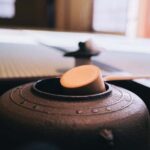
One More Bowl of Matcha
More Kyoto Temples and Shrines
More of Arashiyama and Sagano
Just added: more Kyoto tours to browse



Kyoto Temple & Shrine Tours, compared.
 ★ 4.9Tea Ceremony Ju-An at Jotokuji TempleFrom $293,207 reviews
 ★ 4.8Arashiyama Bamboo, Temple, Monkeys, or Secret Sake BreweryFrom $87886 reviews
 ★ 4.4Osaka/Kyoto: Arashiyama, Nara & Fushimi Inari Shrine w/LunchFrom $61754 reviews
 ★ 4.7Imperial Palace & Nijo Castle Guided Walking TourFrom $49453 reviews
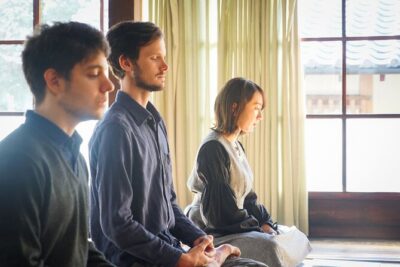 ★ 5.0Kyoto Zen Meditation & Garden Tour at a Zen Temple with LunchFrom $110441 reviews
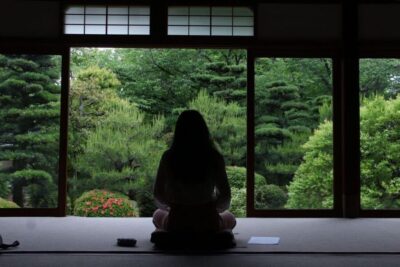 ★ 5.0Zen Experience in a Hidden TempleFrom $109437 reviews
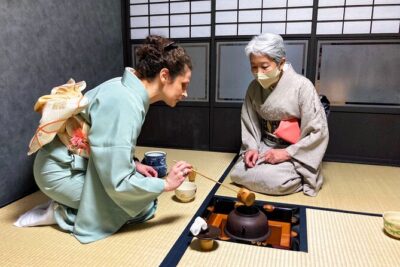 ★ 5.0KYOTO Tea Ceremony with kimono near by Imamiya Jinjya ShrineFrom $99343 reviews
Arashiyama Bamboo, Matcha, Monkeys & Temple TourFrom $51291 reviews
★ 5.0KYOTO Tea Ceremony with kimono near by Imamiya Jinjya ShrineFrom $99343 reviews
Arashiyama Bamboo, Matcha, Monkeys & Temple TourFrom $51291 reviews
Browse the lists this tour appears in