
Reviewed · KYOTO COOKING CLASSES
Kyoto: Wagashi (Japanese sweets) Cooking near Fushimiinari
Kyoto’s sweet-smelling when you’re in the kitchen. I love the chance to work hands-on in a true Japanese home room with a garden view, and I also love that it’s taught in clear English by licensed guide interpreters like Miho. One thing to consider: it’s not suitable for wheelchair users, and kids under 6 can’t join.
This is a 150-minute, small-group class (max 6) that feels less like a performance and more like being invited for tea. You relax first, then you help make about 3 wagashi yourself (after the instructor shows you the steps), and you finish by eating your sweets with matcha in a traditional tea room setting.
In This Review
- Key Things I’d Bookmark Before You Go
- Kyoto Wagashi Cooking Near Fushimi Inari: What the Experience Feels Like
- The First Room: How the Class Starts in a Real Japanese Home
- Cooking Wagashi Hands-On: Making About 3 Types of Japanese Sweets
- What You’ll Learn Besides the Recipe
- Matcha Tea Time in a Garden-View Room
- Veggie and Vegan-Friendly: How to Plan Your Diet Needs
- The Price ($84) and the Real Value
- Who This Class Is Best For (and Who Might Skip It)
- Practical Notes That Help You Enjoy the Class More
- Should You Book This Kyoto Wagashi Cooking Class?
- FAQ
- What’s the duration of the Kyoto wagashi cooking class?
- How many people are in the group?
- Is the class taught in English?
- What will I make during the lesson?
- Does the class include tea?
- Can vegetarians or vegans join?
- Is hotel pickup and drop-off included?
- Are there age restrictions?
- Is it wheelchair accessible?
- Can I take any sweets home?
Key Things I’d Bookmark Before You Go
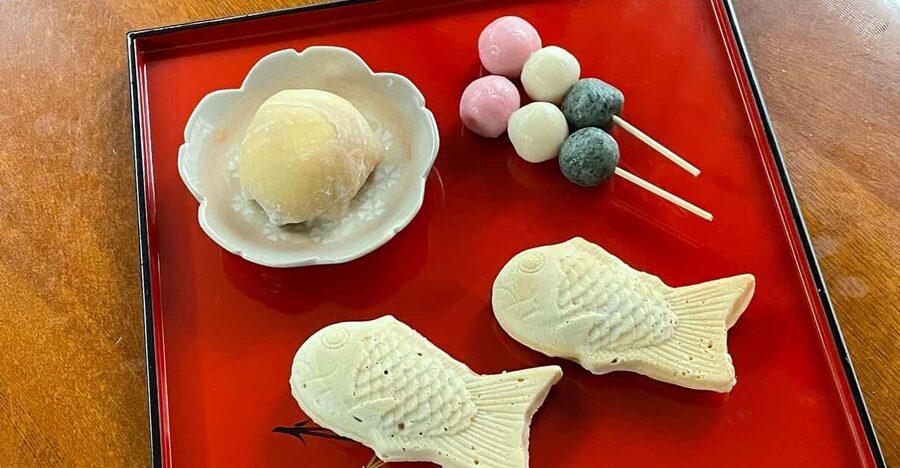
- Garden-view washitsu tea time: You sit down in a traditional Japanese room and enjoy your wagashi with matcha while looking out to the garden.
- Hands-on sweets, not just watching: You’ll prepare about 3 types of wagashi yourself, not only observe.
- English instruction that’s easy to follow: The class is run entirely in English, with licensed guide interpreters.
- Seasonal menu, flexible for diets: The menu may change by season, and it’s vegetarian-friendly and vegan-friendly—just tell them your needs.
- Small group = real pacing: With only up to 6 participants, you get time for questions and practical help.
Kyoto Wagashi Cooking Near Fushimi Inari: What the Experience Feels Like
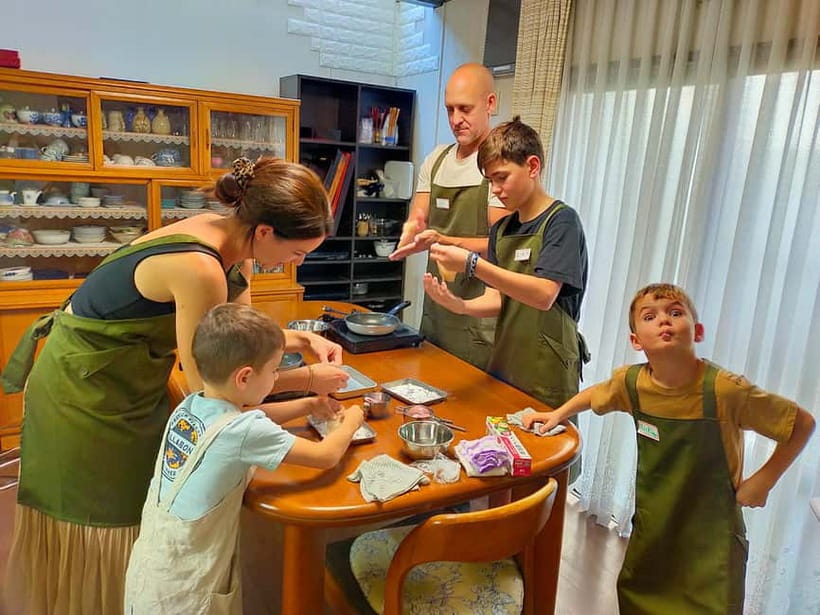
If your Kyoto trip list is heavy on temples (fair), add something edible and human-scale. This class hits that sweet spot: you’re learning Japanese sweets while sitting inside a real Japanese home setup, in a traditional room style that many people only see in photos.
What makes it genuinely appealing is the combination of setting and skill. The room makes you slow down—quiet, tidy, and focused. Then the cooking makes you hands-on: measuring, mixing, shaping, and assembling. By the time you take your first bite, you’re not just eating wagashi. You understand what goes into texture, sweetness, and presentation.
Also, you’re not stuck with a stiff classroom vibe. The best moments in the class are the practical ones: how to handle ingredients, how the instructor guides you as you work, and how matcha fits naturally into the sweet-making rhythm.
Roll up your sleeves for another Kyoto cooking class

The First Room: How the Class Starts in a Real Japanese Home
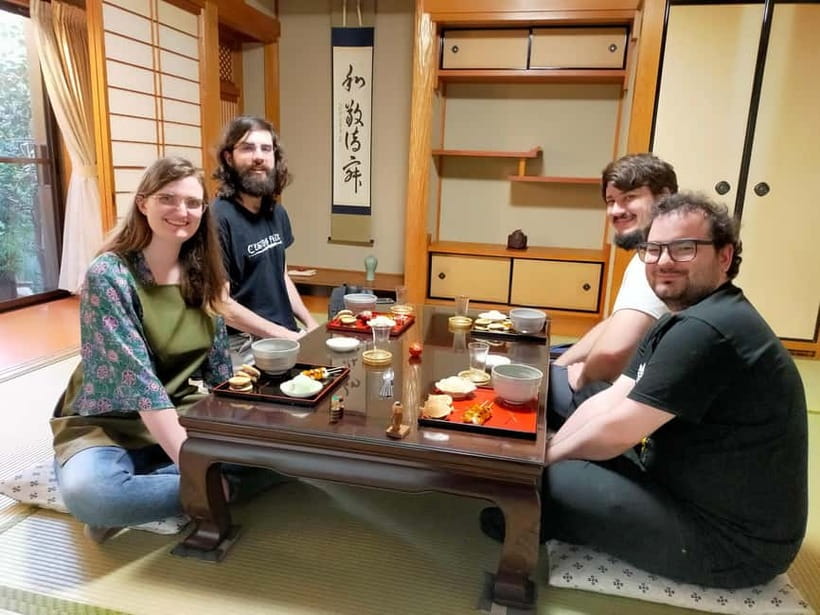
The lesson begins the moment you settle in. You’ll relax in a traditional Japanese room (a washitsu-style space), and the garden view is part of the atmosphere. This isn’t just decor; the setting helps you shift gears. You’re not rushing between stops. You’re arriving, getting comfortable, and then learning something with calm attention.
In many classes, tea is a side note. Here, tea is part of the structure. You’ll get matcha, and you’ll learn how it should taste and feel alongside the sweets you create.
This opening period matters because it sets expectations. Wagashi can look delicate and complicated from the outside. But once you’re in the room, the instructor’s approach becomes clear: step-by-step, with you actively doing the work.
Cooking Wagashi Hands-On: Making About 3 Types of Japanese Sweets
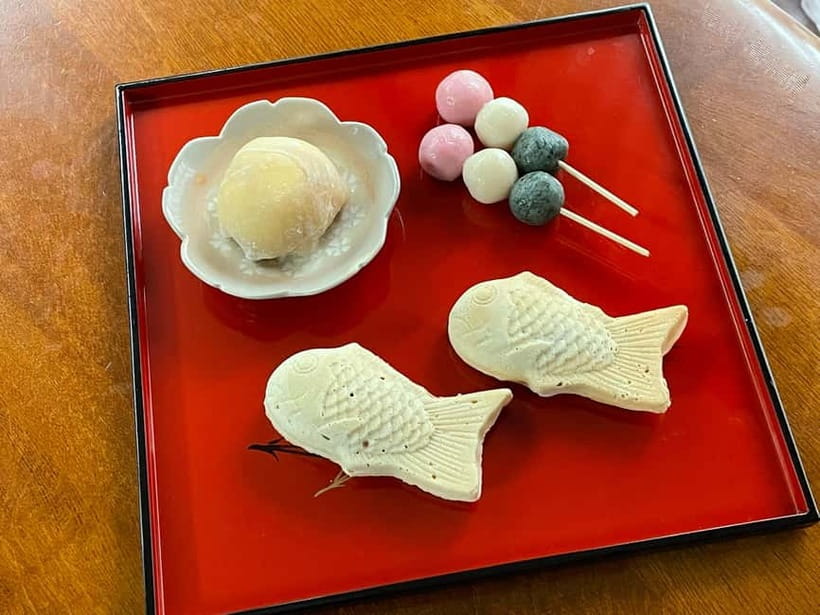
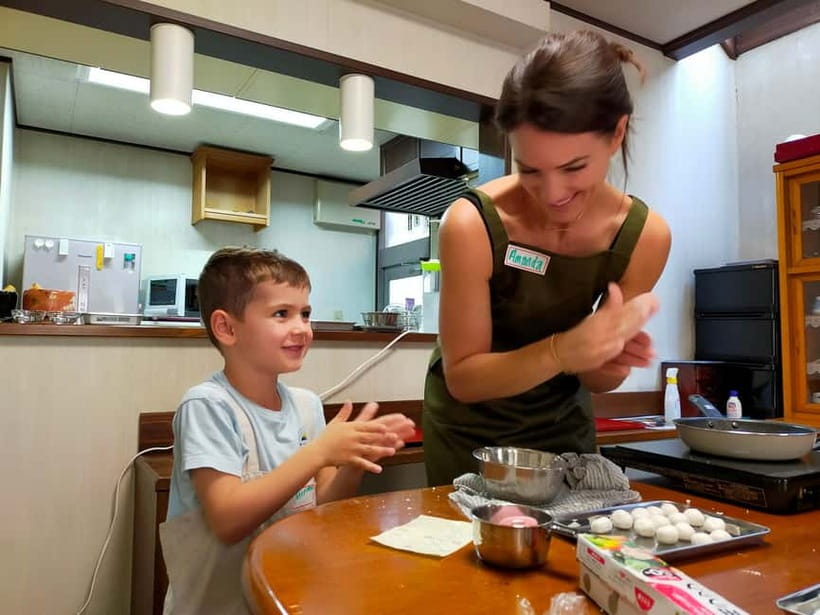
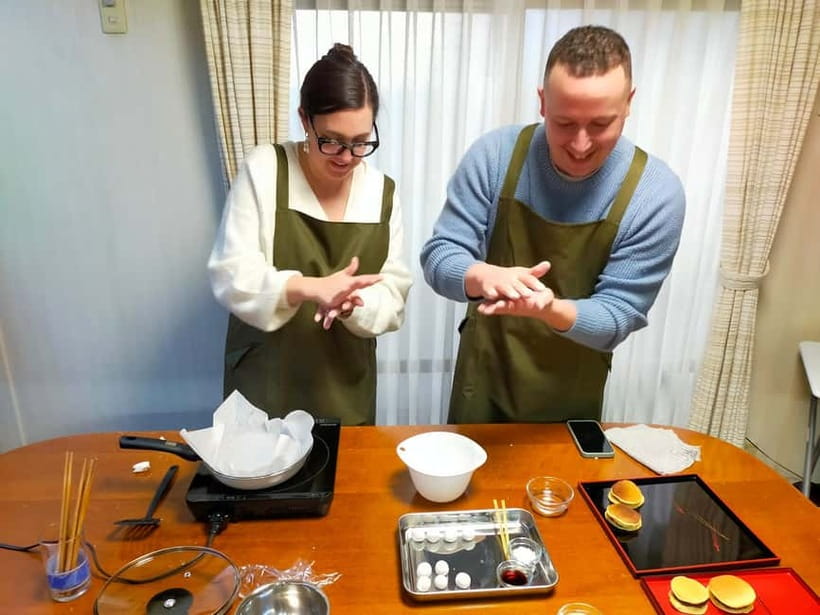
The core of the class is practical cooking. You’ll prepare about 3 different types of wagashi. The menu can vary depending on the season, so you should treat this as a flexible recipe-and-technique lesson rather than a single fixed menu.
Here’s the pattern you can expect:
- The instructor demonstrates key steps in front of you.
- Then you take over—mixing, shaping, assembling, and finishing each sweet with guidance as needed.
- You work with ingredients and seasonings provided by the studio, so you’re not trying to translate a shopping list from Japanese labels.
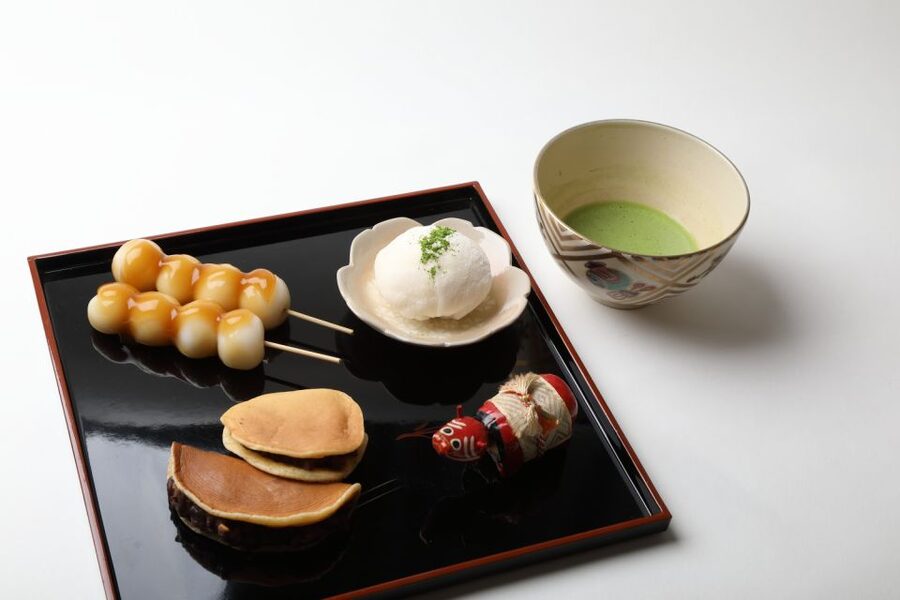
From past class outcomes, popular wagashi styles you might see include dango, mochi, and dorayaki, and there may be variations like mochi ice-cream. You may also see ingredients like sweet potato in the mix (again, this depends on season and the day’s menu).
A nice detail: the class format encourages you to learn methods, not memorize recipes. You’ll start understanding why some wagashi feel chewy, others soft, and others more pancake-like or dumpling-like. That “why” is what makes the recipes easier to repeat later.
What You’ll Learn Besides the Recipe
You’re not only making sweets. You’re getting mini lessons that make the food make sense:
- How ingredients behave during mixing and shaping
- Practical tips that help you avoid common texture issues
- Basic cultural context around wagashi and tea pairing
This is the part that turns a fun activity into a skill. When you can reproduce texture at home, you stop thinking of wagashi as fragile art and start thinking of it as craft.
Matcha Tea Time in a Garden-View Room
After cooking, you eat what you made. You’ll sit together in the traditional room and enjoy your wagashi with a cup of matcha.
That tea pairing isn’t random. Matcha is there to balance sweetness and to refresh your palate between bites. In wagashi, the flavor goal is usually subtle rather than loud. The matcha helps you taste the differences between the sweets instead of just tasting sugar.
You’ll likely also get some tea guidance while you’re in the flow of the lesson. Several participants have pointed out matcha preparation and the chance to understand how the tea should be made and served.
And yes—the garden view is part of the payoff. It’s one of those moments where you realize you paid for more than food instruction. You paid for an experience with atmosphere.
Other Kyoto tours and experiences to compare


Veggie and Vegan-Friendly: How to Plan Your Diet Needs
This class is vegetarian-friendly and vegan-friendly. That’s a big deal in Japan, where “plant-based” can be confusing unless someone tells you exactly what’s in each sweet.
What you should do: message your dietary restrictions ahead of time. Even when the class is accommodating, the safest path is clear communication so the ingredients and steps match your needs.
If you’re gluten-free or have allergies, the class data doesn’t list specifics beyond letting them know restrictions in advance. So treat this as: they can likely help, but you’ll want to confirm details before you go.
The Price ($84) and the Real Value
Let’s be practical. At $84 per person for 150 minutes, you’re not paying for a snack stand. You’re paying for:
- A small group (max 6)
- English-only teaching and interpretation
- Full ingredient and seasoning coverage
- Tea service
- A setup that includes a traditional Japanese room and garden-view time
Is it “cheap”? No. But it’s also not the kind of class where you get a quick demo and leave empty-handed. You make about 3 wagashi yourself. You eat them right away. And you leave with techniques you can actually use at home.
For me, the value comes from two things: hands-on learning and the setting. If you’ve ever taken a cooking class where you chop once and watch the rest, this won’t feel like that. The pace and group size help you participate.
Who This Class Is Best For (and Who Might Skip It)
This is a great fit if you:
- Love Japanese sweets or want a wagashi-focused Kyoto activity
- Prefer hands-on learning over watching
- Want a smaller, more personal experience near the Fushimi Inari area
- Enjoy matcha and tea culture as part of the food experience
- Travel with a vegetarian or vegan appetite (and want an activity that adapts)
You might skip it if:
- You need wheelchair accessibility (this class isn’t suitable for wheelchair users)
- You’re bringing very young kids—children under 6 can’t join, and children 12 and under need a guardian
- You’re looking for a fast, grab-and-go food stop (this is a seated, taught experience)
Practical Notes That Help You Enjoy the Class More
A few small things make a big difference here:
- Plan on being comfortable in a traditional room setting. You’ll relax and then work with cooking steps.
- Go with a curious mindset. Wagashi can look simple, but texture and technique are the game.
- If you have dietary restrictions, communicate early. The class invites that.
- Since hotel pickup and drop-off isn’t included, you’ll want to plan your own route to the studio.
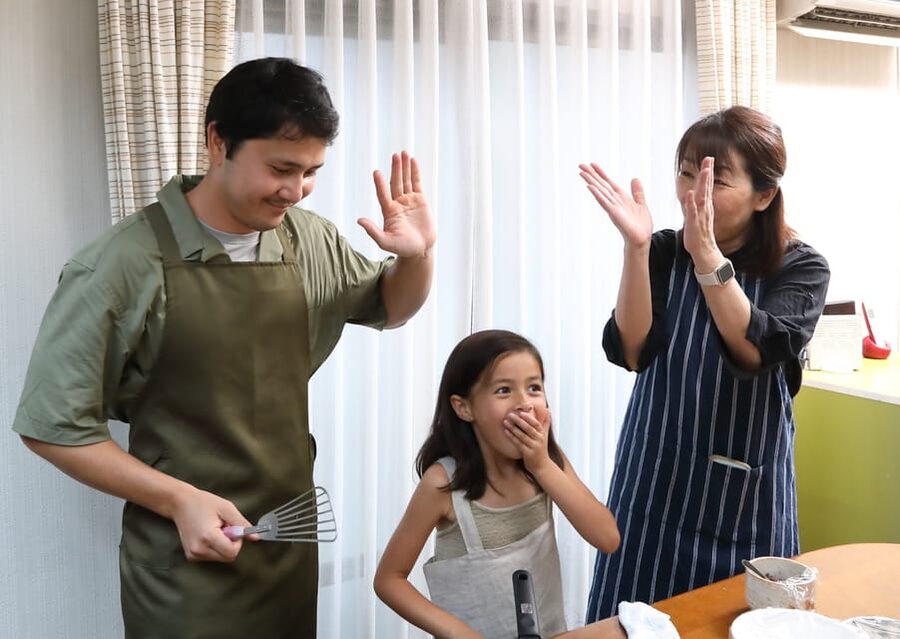
If you’re traveling with family, this can work well for older kids too. Several class experiences included children, and one parent noted that kids had a great time. Just follow the age/guardian rules.
Should You Book This Kyoto Wagashi Cooking Class?
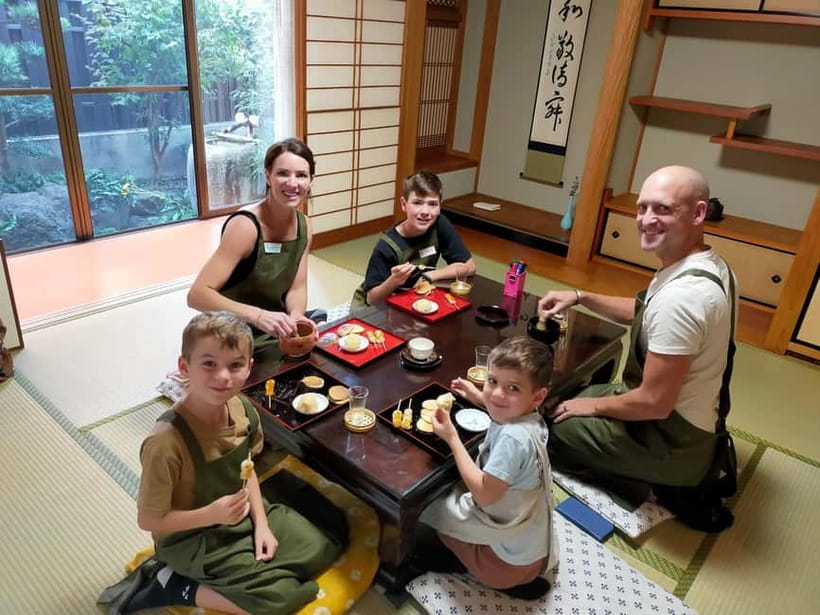
If you want a Kyoto experience that goes beyond the usual temple-photo-food loop, I think this one earns its spot. You’re getting a real Japanese home setting, a small-group class, English instruction, hands-on wagashi making, and tea time in a calm garden-view room.
Book it if you care about food craft and you’ll enjoy learning techniques you can repeat at home. Skip it if mobility access is an issue or if you want something shorter and more spontaneous.
Bottom line: this is one of those activities that makes Kyoto feel more personal. You’ll leave with sweets in your belly and a better sense of how wagashi is made—step by step.
FAQ
What’s the duration of the Kyoto wagashi cooking class?
The class lasts 150 minutes.
How many people are in the group?
It’s a small group limited to 6 participants.
Is the class taught in English?
Yes. The class is conducted entirely in English.
What will I make during the lesson?
You’ll prepare about 3 different types of wagashi. The exact menu may differ depending on the season.
Does the class include tea?
Yes, tea is included, and matcha is part of the experience.
Can vegetarians or vegans join?
Yes. The class is vegetarian-friendly and vegan-friendly. Let the provider know in advance about your food restrictions.
Is hotel pickup and drop-off included?
No. Hotel pickup and drop-off are not included.
Are there age restrictions?
Children under 6 can’t participate. Children aged 12 and below need to join with a guardian.
Is it wheelchair accessible?
No. It’s not suitable for wheelchair users.
Can I take any sweets home?
Some participants report taking some sweets away after the class. The amount may depend on what you make that day.
More Cooking Classes in Kyoto
More Tour Reviews in Kyoto






More Kyoto Cooking Classes

Just added: more Kyoto tours to browse








Kyoto Cooking Classes, compared.
 ★ 5.0Ramen Cooking Class at Ramen Factory in KyotoFrom $1311,937 reviews
 ★ 5.0Sushi Making in Kyoto! Same-day bookings welcome!From $53713 reviews
 ★ 4.9Ramen Cooking Class at a Ramen Factory with SouvenirFrom $127532 reviews
 ★ 5.0Ramen, Gyoza, and Onigiri Cooking ClassFrom $90445 reviews
 ★ 5.0The Original Small-Group Sushi Making Class in KyotoFrom $69436 reviews
 ★ 5.0Japanese Washoku Bento Small Group Cooking ClassFrom $58380 reviews
 ★ 5.0Kyoto Ramen and Gyoza Cooking Class with Professional ChefsFrom $86282 reviews
 ★ 4.9Afternoon Japanese Izakaya Cooking ClassFrom $67241 reviews
Browse the lists this tour appears in