
Reviewed · NISHIKI MARKET FOOD TOURS
Kimono Tea Ceremony at Kyoto Maikoya, NISHIKI
Kyoto slows down for matcha and manners. This kimono tea ceremony in the Nishiki area turns a classic ritual into a hands-on, small-group experience you can actually follow. I especially like the chance to wear a real kimono (they help you get it right) and the way you learn to make your own matcha step by step. One thing to plan for: there’s no hotel pickup, so you’ll need to get yourself to the Nishiki meeting point.
I also appreciate the calm pace. You sit on tatami, hear the meaning behind the tea customs, and finish by sipping your matcha with wagashi sweets. If you’re thinking about the timing, you can choose a morning or afternoon slot that fits your day in Kyoto.
In This Review
- Key Things I’d Prioritize Before You Go
- Nishiki Meeting Point: Getting to Maikoya Without Wasting Time
- Picking Your Kimono and Matching Your Hair
- The Tatami Tea Room: How the Ceremony Moves
- Making Matcha: The Practical Part You’ll Remember
- Wagashi Sweets: What to Expect With Your Tea
- Timing, Duration, and What It Feels Like in Real Life
- Price and Value: Is $65.66 Worth It?
- Who This Works Best For (and Who Might Think Twice)
- Quick Etiquette Tips for a Smoother Ceremony
- Should You Book the Kyoto Maikoya Nishiki Kimono Tea Ceremony?
- FAQ
- Where is the Kimono Tea Ceremony MAIKOYA Nishiki meeting point?
- How long does the tea ceremony take?
- What’s included in the price?
- How do I get there?
- Can children under 7 attend?
- What group size should I expect?
- Is there morning or afternoon availability?
Key Things I’d Prioritize Before You Go
- Real kimono, real help: You choose from a selection and get dressed properly on site.
- Simple hairstyle included: For ladies, they do a matching style.
- Hands-on matcha: You learn the steps and make your own tea using high-quality matcha powder.
- Utensils + guidance: They explain the tools and the why behind each motion.
- Small-group feel: Your booking is capped at 2 travelers, and the tea room stays intimate.
Nishiki Meeting Point: Getting to Maikoya Without Wasting Time
The experience starts at Kimono Tea Ceremony MAIKOYA Nishiki, at 329 Ebiyachō, Gokomachi-dori Sanjo sagaru, 329 海老屋町 中京区 京都市 京都府 604-8076, Japan. You end right back at the meeting point, so you’re not stuck navigating your way across town after you’ve had your tea and photos.
Practical tip: because transportation isn’t included, I’d give yourself extra margin. Kyoto can be great, but it can also be twisty. You’ll be walking, then entering a specific shopfront location, so arrive a little early to avoid that last-minute rush.
The good news: it’s described as near public transportation. In plain terms, it’s built for tourists who want to show up, check in, and start. Also, the booking uses a mobile ticket, so you won’t be fumbling for paper.
Sit for another bowl of matcha in a Kyoto tea house
Picking Your Kimono and Matching Your Hair
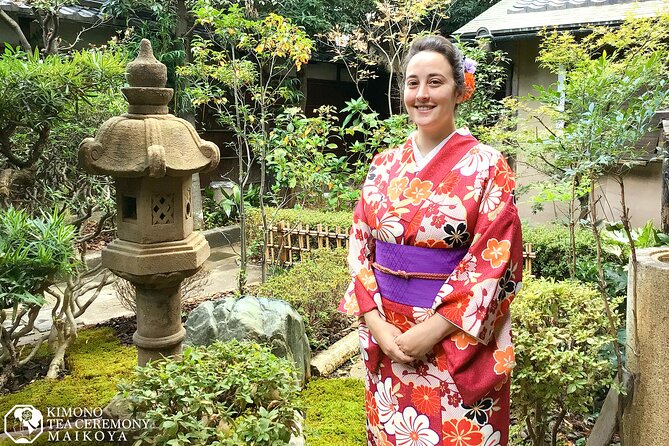
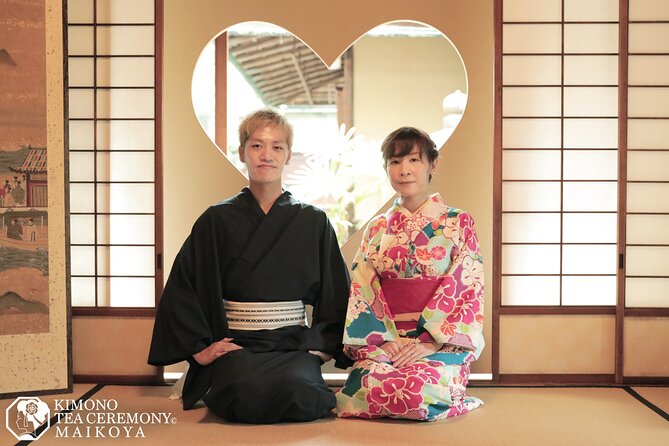
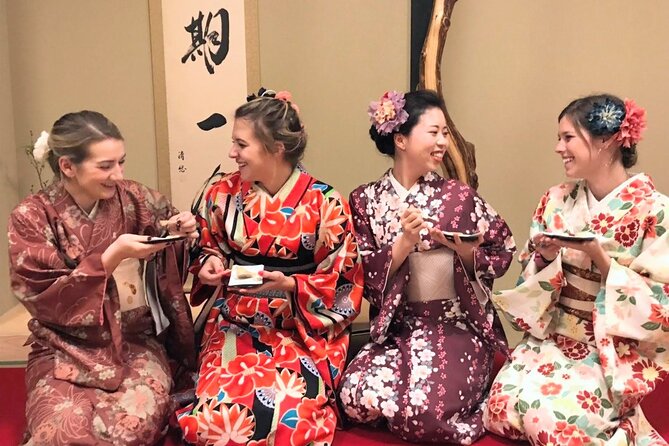
One of the biggest payoffs here is that the kimono part is handled for you. After you meet the tea master host and your small group, you’ll pick from a selection of kimonos and get dressed. Ladies also get simple hairstyling to match the kimono.
This is more than costumes for photos. A kimono doesn’t sit like regular clothes, and you don’t want to spend your one hour and a half wrestling fabric and trying to look dignified. The staff’s job is to get you comfortable enough to sit on tatami and participate in the tea steps.
A note from experience-style descriptions: people are usually offered help with valuables and end up with a convenient way to keep small items secure while they’re dressed. If you’re bringing a phone for photos (you will), keep other essentials minimal.
If you like details: some feedback mentions flower accessories and the fact that the kimono choices feel varied and well kept. Even if you’ve worn a kimono before, it’s the kind of setup that makes it less stressful and more enjoyable.
The Tatami Tea Room: How the Ceremony Moves
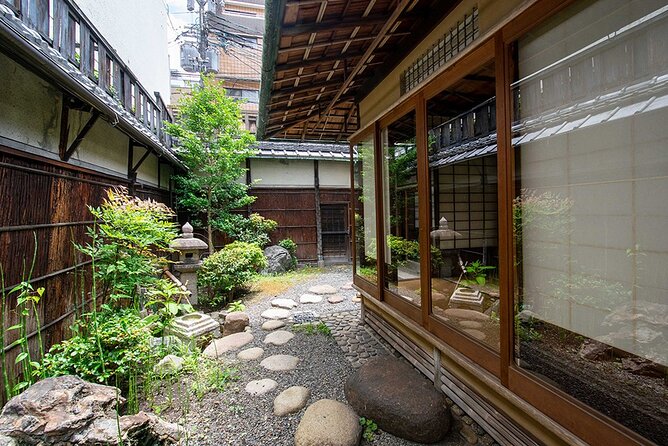
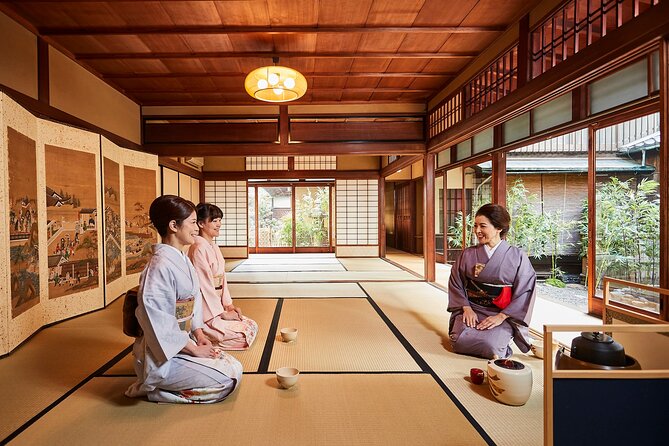
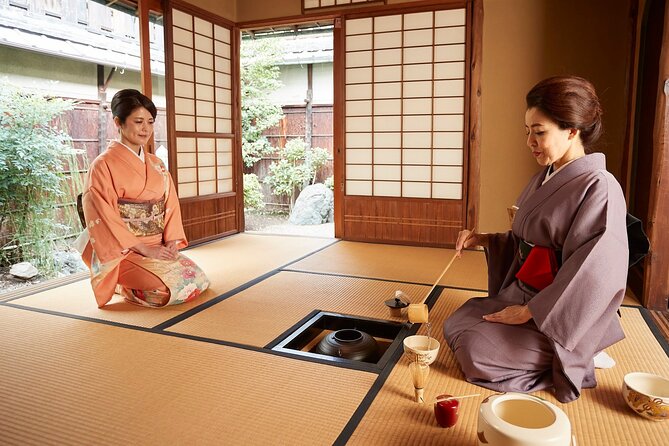
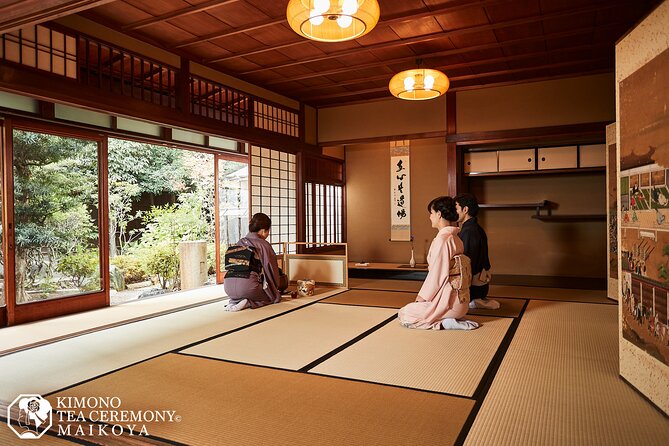
Once you’re ready, you sit Japanese-style on tatami and the host leads you through the ceremony. The host explains the history and significance of the tea ritual, then walks you through what each utensil is for and what each step is trying to accomplish.
This is one of those experiences where the order matters. You aren’t just watching someone pour tea. You’re learning the rhythm:
- listen to the meaning of a step
- observe how the host handles the utensils
- practice the motions yourself
- then slow down and drink what you made
The room is set up traditionally, and the tone tends to be calm. Some descriptions also mention a brief meditation-like moment. Even if your mind is busy, that short pause helps the whole thing feel like a ritual instead of a performance for tourists.
One more detail that matters: the ceremony doesn’t feel like a big public show. Even though your booking is capped at 2 travelers, you’ll still be part of a small group in the tea room. Based on session descriptions, the overall group can be around 8 or so, and on some days closer to 10–12. That range can slightly change the serenity level, but you’ll still be guided through the steps without feeling totally lost.
Also, if you’re worried about language: the host is described as friendly and clear. One name that comes up in explanations is Sono, called out for being easy to understand and very good at walking people through the process.
Making Matcha: The Practical Part You’ll Remember
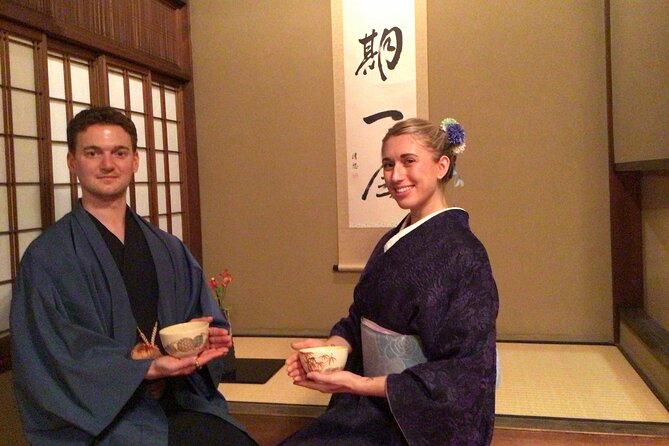
Here’s the core reason this experience earns high marks: you don’t just drink matcha, you make it.
You learn how to mix your matcha using high-quality matcha powder. That usually means understanding how the tea is prepared, then doing it yourself at the correct time in the ceremony flow. The host guides you through the steps, and the utensil explanations help you feel like you’re doing something real—not copying gestures.
When you’re making matcha in Kyoto, freshness and technique show up fast. You’ll taste the difference between matcha you can buy in stores and matcha that’s handled with care, measured properly, and served in a traditional sequence.
And yes, you get to enjoy it. You’ll sip your matcha at the end, after the explanation and the hands-on mixing. That arc matters because it turns the tasting into part of learning, not just a payoff plate.
Wagashi Sweets: What to Expect With Your Tea
Your matcha doesn’t arrive alone. You’ll end the ceremony sipping tea accompanied by wagashi sweets—Japanese sweets designed to pair with tea, not overpower it.
Wagashi are often made to match the season or the tea setting, and the point isn’t sugar overload. It’s balance: sweetness plus texture, meant to keep your palate engaged during the calm pacing of the ceremony.
This is also where you’ll feel the experience as a full package. If you’re only there for matcha, you might end up curious but a little unsatisfied. With wagashi included, you leave having tasted tea culture as it’s actually consumed.
Wander Kyoto in kimono a little longer

Timing, Duration, and What It Feels Like in Real Life
The ceremony runs about 1 hour 30 minutes. That’s a solid amount of time: long enough to get dressed, learn the basics, and practice matcha, but not so long that you’ll feel drained.
You can choose a morning or afternoon time slot. This helps if you’re building your Kyoto day around other sights. If you’re planning a temple-and-garden morning, a tea ceremony later can be a good calm reset. If you like quiet activities early, morning slots work well too.
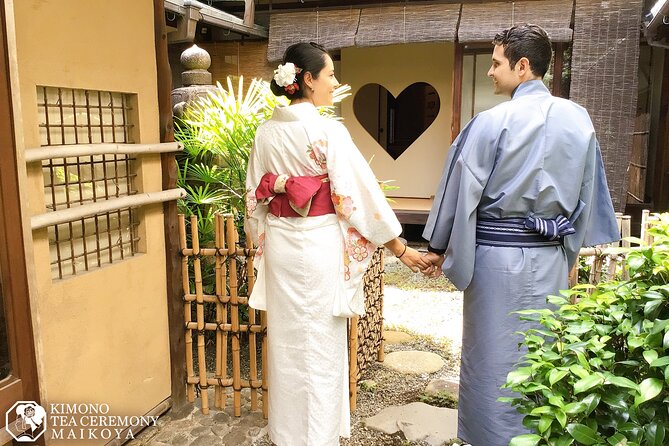
Photo time is built into the flow. Multiple descriptions mention time in a garden area for photos before the ceremony begins. That matters because it prevents the awkward scramble where you try to take photos while everyone is already seated. The staff also helps with timing so you can take pictures without feeling like you’re delaying the group.
Price and Value: Is $65.66 Worth It?
Let’s talk value in plain terms.
You’re paying $65.66 per person for about 1.5 hours, and the package includes:
- kimono costume
- green tea and the matcha experience
- utensils
- simple hairstyling (for ladies)
- snacks
- and the host-led instruction
Transportation isn’t included, so your total cost depends on how you get there. Still, compared to buying a casual tea experience plus renting a kimono separately, this is usually better value because the kimono logistics and the tea teaching are bundled.
Also, the fact that it’s guided and structured changes what you take home. A do-it-yourself matcha tutorial can teach technique, but it can’t replicate the ceremony pacing and explanation of customs. Here, you get the why behind the steps, not just the how.
One more detail: confirmation is received at booking time, and the experience uses a mobile ticket. That saves you from extra chores while you’re touring.
Who This Works Best For (and Who Might Think Twice)
This is a great fit if you want:
- a cultural experience that’s interactive (not just watching)
- a guided introduction to tea rituals and tea utensils
- the fun of wearing a kimono without hunting down a separate rental shop first
- a peaceful break in your Kyoto schedule
It may feel less ideal if:
- you rely on hotel pickup and don’t want to navigate to meeting points
- you’re traveling with kids under 7, because children under 7 cannot enter the venue
And if you’re the type who hates waiting or sitting still: the ceremony has you seated on tatami for a meaningful stretch. It’s calm, and it’s hands-on, but it’s still sitting.
Quick Etiquette Tips for a Smoother Ceremony
No need to obsess, but a couple choices help:
- Bring a bit of flexibility for dressing time. Kimono get-ons are part of the experience.
- Expect photos. Plan to look tidy while seated, and keep valuables secure as directed.
- Don’t rush the sip. The whole point is pace. Matcha and wagashi are meant to be tasted slowly.
If you’re on a tight schedule, keep your next activity at least some buffer time away. You’ll finish back at the meeting point, but you’ll still be in a kimono mood for a little while.
Should You Book the Kyoto Maikoya Nishiki Kimono Tea Ceremony?
If you want one Kyoto activity that blends culture, food, and a hands-on ritual, I’d book it. The strongest reasons are the combo: kimono dressing with real assistance plus learning to make matcha in a guided, step-by-step format. It’s also structured enough to feel authentic, without needing you to already know tea ceremony etiquette.
Book it especially if:
- you’re visiting central Kyoto and want a stop that’s easy to fit into a half-day
- you like experiences with clear instruction and a calm tone
- you want a souvenir that isn’t just a photo, but actual technique and taste
Skip it (or reconsider) if you hate transporting yourself to venues or you’re traveling with a child under 7.
FAQ
Where is the Kimono Tea Ceremony MAIKOYA Nishiki meeting point?
It starts at Kimono Tea Ceremony MAIKOYA Nishiki, 329 Ebiyachō, Gokomachi-dori Sanjo sagaru, 329 海老屋町 中京区 京都市 京都府 604-8076, Japan.
How long does the tea ceremony take?
The experience lasts about 1 hour 30 minutes.
What’s included in the price?
Included are the kimono costume, green tea, utensils, hairstyling (simple style) and snacks, plus the tea ceremony instruction.
How do I get there?
Transportation is not included, and hotel pickup and drop-off are not offered. You’ll make your own way to the Nishiki location.
Can children under 7 attend?
No. Children under 7 cannot enter the tea ceremony venue, so reservations can’t be made if a child under 7 is in your party.
What group size should I expect?
This activity will have a maximum of 2 travelers.
Is there morning or afternoon availability?
Yes, you can choose between morning or afternoon timings to suit your schedule.
More Bites Along Nishiki

More Kimono Days in Kyoto
One More Bowl of Matcha

Just added: more Kyoto tours to browse





Nishiki Market Food Tours, compared.
 ★ 5.0Nishiki Market Brunch Walking Tour (7 Tastings + Brunch)From $681,355 reviews
 ★ 5.0Kyoto Nishiki Market Food and Culture Walking TourFrom $80412 reviews
 ★ 4.8Nishiki Market Tea Ceremony with Koto PerformanceFrom $56294 reviews
 ★ 4.7Local Food Tasting Tour at the Nishiki MarketFrom $78135 reviews
 ★ 5.0Kimono Tea Ceremony Experience at Kyoto Oritzuruya, NishikiFrom $50116 reviews
 ★ 4.7Nishiki Market and Depachika Food Tour with a LocalFrom $4276 reviews
 ★ 4.5Nishiki Market Tour with a Local Foodie & TastingsFrom $6767 reviews
 ★ 5.0Nishiki Market Lunch TourFrom $7247 reviews
Browse the lists this tour appears in