
Reviewed · KYOTO TEA CEREMONIES
Kyoto: Japanese Traditional Sweets Making and Tea Ceremony
Sweets with flowers on your plate. This Kyoto traditional sweets making and tea ceremony experience is built around shaping nerikiri from colored bean paste, then tasting what you made with single-origin Uji matcha. I love that it feels hands-on without turning into a complicated class you have to study for.
You’ll also appreciate the focus on ingredients, especially the white/red bean paste from Kyoto’s long-established shops and the matcha they use for your tea. The main thing to keep in mind is that the tea part can feel fast if the room gets crowded or the session runs with other groups, so arrive early and don’t expect a slow, silent, all-day vibe.
In This Review
- Key Things You Should Know
- Why Kyoto’s Nerikiri and Uji Matcha Pair So Well
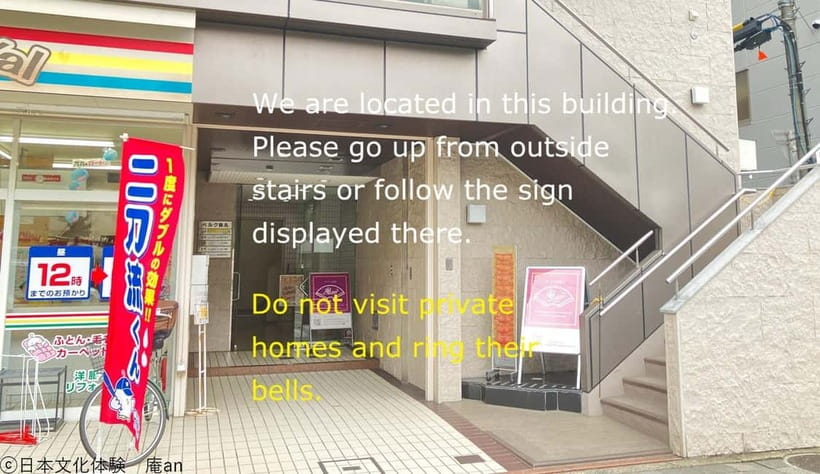
- Finding the Class Fast: Gojo Station to the Shop Door
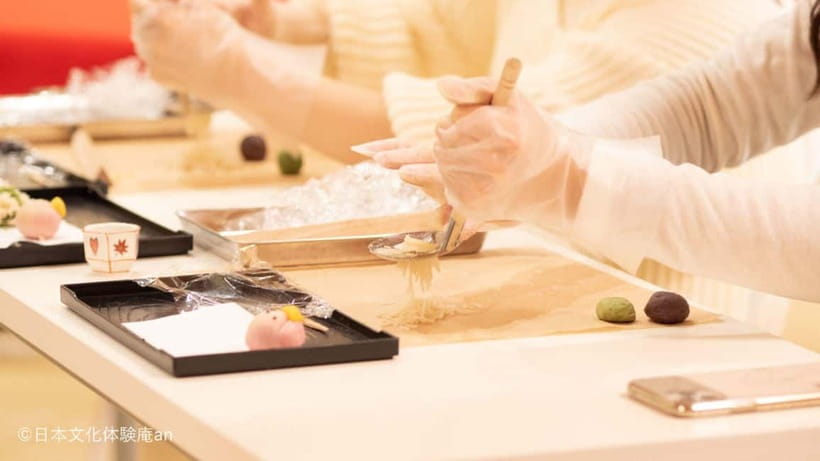
- Step One: Nerikiri Sweets Making Starts With Colored Bean Paste
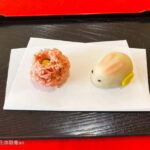
- Step Two: Shaping Two Seasonal Sweets You’ll Actually Eat
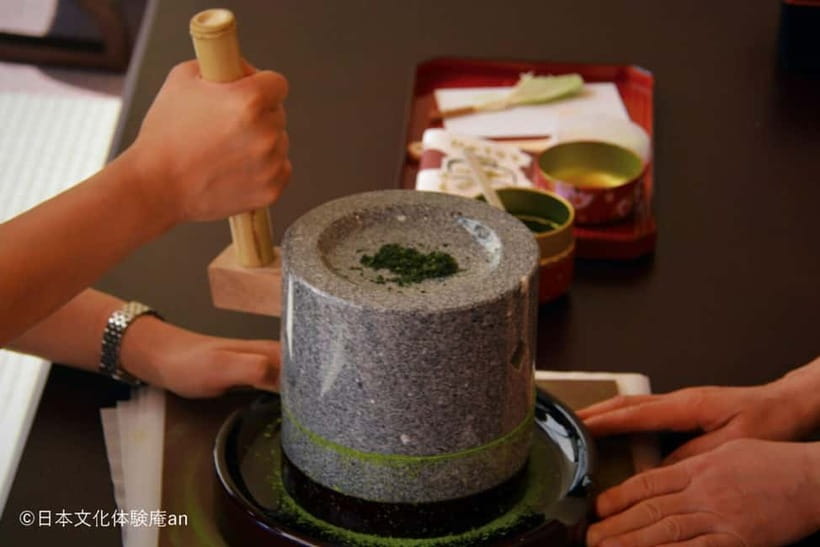
- Tea Ceremony Part: Prepare Your Own Uji Matcha
- What You’re Really Learning: The “Why” Behind Wagashi and Matcha
- Price and Value: Does $18 Add Up in Kyoto?
- Group Size, Language, and the Teaching Style You Should Expect
- Timing That Works: A 95-Minute Reset in Central Kyoto
- Who This Class Is Perfect For (and Who Might Skip)
- Should You Book This Kyoto Sweets and Tea Class?
- FAQ
- Where is the meeting point for this Kyoto experience?
- How long is the experience, and what does it cost?
- What sweets will I make during the class?
- What matcha do they use for the tea ceremony?
- What’s included in the price?
- Is there a take-out box or certificate option?
- What language support is available?
- Is the venue wheelchair accessible?
- What if I cancel or need to change my plans?
Key Things You Should Know
- Seasonal nerikiri shapes: you’ll make two sweets that match the time of year
- Coloring bean paste: you start with dyed white bean paste and work from there
- Single-origin Uji matcha: you’ll prepare your own tea to pair with your sweets
- Small-group feel, with possible mix-ins: group size can vary during the tea portion
- Good value for skill plus tasting: you leave with two edible sweets and a matcha lesson
Why Kyoto’s Nerikiri and Uji Matcha Pair So Well
Kyoto wagashi are all about seasonality. Nerikiri in particular isn’t just dessert, it’s a small edible work of art, often shaped like flowers and fruit that fit the calendar.
This class ties that idea to tea, because matcha in the traditional setting is meant to work with the sweetness and texture of the wagashi. When the maker understands the pairing, your tasting makes more sense, not just because it’s delicious, but because it’s intentional.
The menu is simple on paper: you make two sweets and you drink the matcha you prepare. In practice, that combination gives you a real snapshot of how Kyoto thinks about food, timing, and restraint.
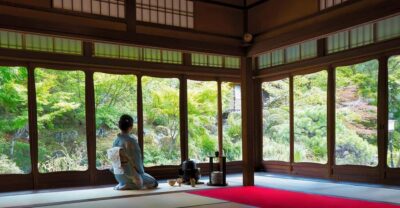
Sit for another bowl of matcha in a Kyoto tea house
Finding the Class Fast: Gojo Station to the Shop Door
Your meeting point is practical and central: it’s a one-minute walk from Exit 1 of the Karasuma Line Gojo Station. The store entrance faces Gojo-dori, which makes it easier to spot once you exit.
The coordinates are listed as 34.9964743, 135.7617429, so if you’re navigating with a map app, you can trust it. I’d still plan to arrive a few minutes early because the experience is not meant to wait for delays.
One more logistics note: the building is wheelchair accessible, but there is no elevator. You’ll need stairs to reach each venue, so if stairs are a concern, plan accordingly.
Step One: Nerikiri Sweets Making Starts With Colored Bean Paste
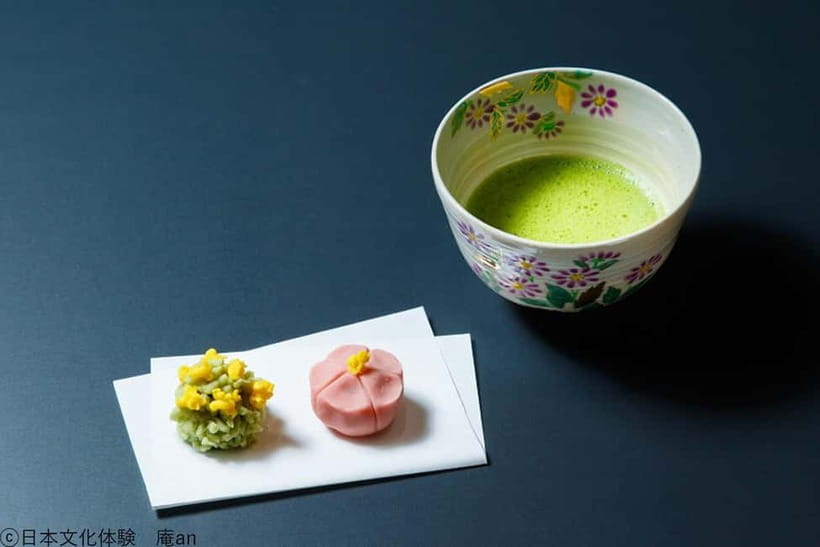
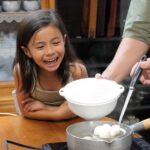
You begin by making nerikiri, a high-grade Japanese sweet made with colored bean paste. The process starts with coloring the white bean paste, and then you craft the shape into something seasonal.
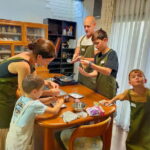
That first stage is where the experience becomes more than watching. You’re not just assembling something handed to you, you’re contributing to the look of the final sweet, which helps the class feel personal even if you’re sharing the bench with other people.
You also get to use bean paste produced by Kyoto’s long-established shops. That matters because nerikiri is very dependent on texture and sweetness balance, and cheaper bean paste can taste flat or overly sweet.
Step Two: Shaping Two Seasonal Sweets You’ll Actually Eat
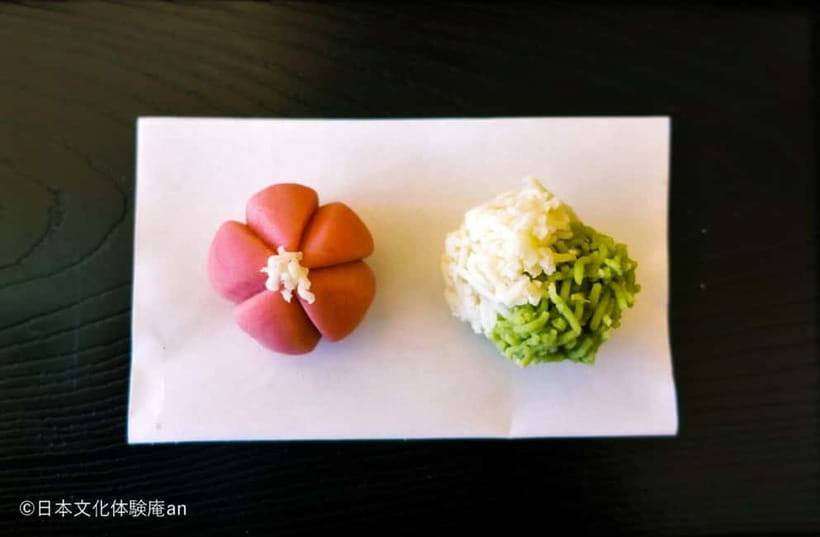
After the coloring step, you move into crafting. The goal is to make two Japanese sweets that match the season, so you don’t just repeat a single form.
Seasonal wagashi usually feel different depending on the time of year, and that’s part of why Kyoto’s food culture stands out. In this class, the season isn’t a decoration, it’s built into what you shape.
This is not advertised as a “scientific” workshop, and the pace is meant to be doable for a mixed group. Expect guided steps and a clear workflow rather than a long, deep technical training.
Tea Ceremony Part: Prepare Your Own Uji Matcha
Once your sweets are underway, the focus shifts to tea. You’ll do the matcha part using Uji Matcha, described as a single-origin special matcha.
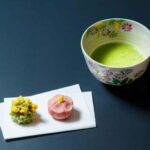
Then you get to prepare your tea and enjoy it with the nerikiri you made. The pairing is the point: good matcha can cut through sweetness, and quality bean paste helps the matcha taste smoother instead of harsh.
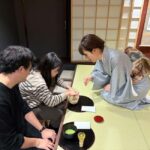
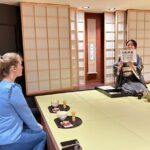
This portion is often where people decide if they wanted a full traditional tea ritual or a matcha drinking lesson. Some sessions can be more structured in etiquette than others, and in a bigger room the feel may be closer to a class than a quiet ceremony.
The most important practical thing is timing. You won’t be able to extend the session to catch up if you arrive late, so plan your transit and stay present during the instructions.
Other Kyoto tours and experiences to compare
What You’re Really Learning: The “Why” Behind Wagashi and Matcha
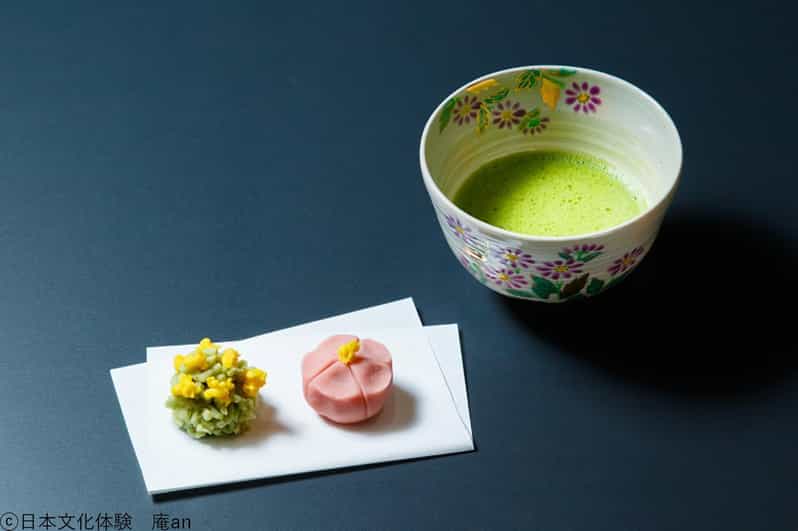
Here’s what makes this class valuable for a real trip, even if you’re not a hardcore foodie. You’re learning how Kyoto links dessert and tea through balance.
Nerikiri is typically sweet and often visually delicate, while matcha brings bitterness and vegetal depth. When the bean paste is high quality, the sweetness supports the matcha, instead of fighting it.
You also pick up the idea that wagashi aren’t made randomly. The seasonal shapes are a way of acknowledging the month you’re in, and they create conversation with the tea, not just with the palate.
If you’ve ever tried matcha in Kyoto and wondered why it tastes “cleaner” than elsewhere, this is one of the reasons. The spoonful rhythm and the pairing matter.
Price and Value: Does $18 Add Up in Kyoto?
At $18 per person for a 95-minute experience, the math works best if you want both a hands-on food lesson and a tea lesson. You’re paying for ingredient use, instruction, and a finished product you can eat on site.
It helps that you’re not just tasting pre-made snacks. You make two sweets from colored bean paste and you prepare your own matcha to drink with them.
Extras exist, but they’re optional. A take-out box is listed at 100 JPY, and an experience completion certificate is 300 JPY.
So the best value is for people who want to leave with food skills plus a sensory memory. If you’re only after a quiet tea moment and zero hands-on crafting, you might consider a more ceremony-focused option.
Group Size, Language, and the Teaching Style You Should Expect
Most of the teaching is Japanese, but English translation is provided as much as possible. If you want added English support, you’re told to contact the provider.
In real life, this usually means you’ll be watching hands, following steps, and getting explanations in English when needed. The class format seems built for that: action first, language second.
I also noticed a pattern in how the room can feel. Some people described the sweets and tea parts as smooth and well-paced, while others noted that the tea portion can be rushed or affected by noise if other groups enter and exit.
That doesn’t mean it’s bad. It just means you should treat this as a practical cultural experience, not a staged performance. If you want a calmer setting, pick a time when you’re not likely to be in a peak-flow slot.
Timing That Works: A 95-Minute Reset in Central Kyoto
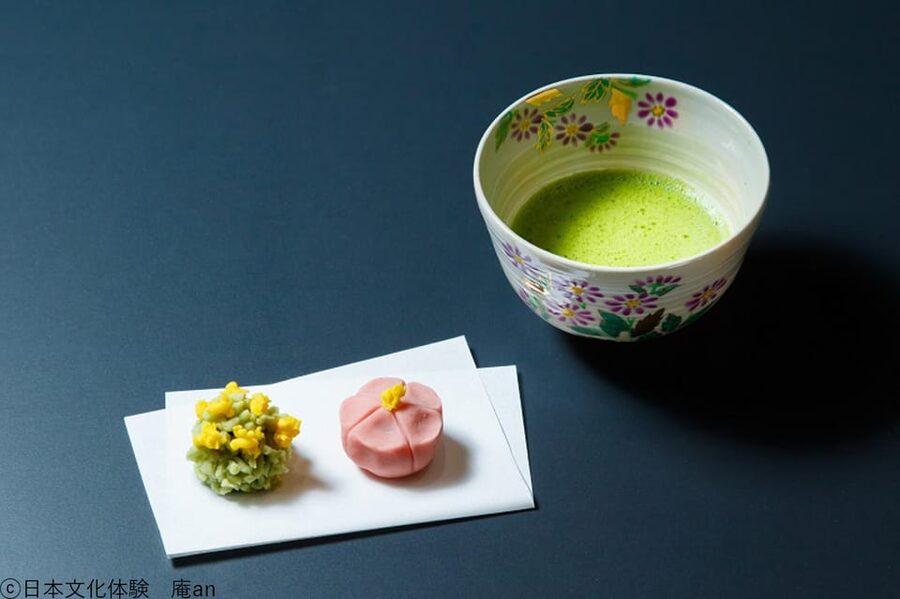
Ninety-five minutes is a sweet spot. It’s long enough for you to shape nerikiri and make matcha, but short enough to fit between temples, markets, and dinner reservations.
This is also a solid choice when Kyoto weather turns sideways. Several people liked it as a rainy-afternoon plan because it gives you a sheltered, air-conditioned break while still feeling distinctly Japanese.
Just remember: the class runs from 10:00 to 17:00. Reservations received after 17:00 are processed next day, so don’t plan on booking late evening for a same-day slot.
And the big rule is simple: they won’t hold the event to accommodate delays. Give yourself margin time around transit and finding the door.
Who This Class Is Perfect For (and Who Might Skip)
This works especially well if you want an authentic-feeling Kyoto food activity with a clear structure. I’d point you to it if you like making something with your hands, eating what you create, and learning how matcha connects to wagashi.
It’s also a good “family with older kids” activity. One parent mentioned the pace was manageable for a 10-year-old and a 14-year-old, which suggests the steps aren’t too technical.
If you’re traveling alone and want an experience that gives you interaction, this is also a strong bet. The class format naturally creates conversation, even when language differences exist.
If your priority is a slow, silent, deeply traditional tea ceremony experience only, you might find the tea part more instructional than ceremonial depending on the room. In that case, consider a more ceremony-centered option instead of a paired sweets-and-matcha class.
Should You Book This Kyoto Sweets and Tea Class?
Book it if you want a hands-on Kyoto lesson that ends with two seasonal sweets plus matcha you made yourself. For $18, the value is strongest when you care about learning the basics of nerikiri and taking home a clear sense of how matcha should taste alongside wagashi.
Skip it only if you’re mainly after a long, quiet, formal ceremony and you don’t want any busy bench-time crafting. Otherwise, this is a fun, practical way to experience Kyoto’s edible seasonal mindset in under two hours.
FAQ
Where is the meeting point for this Kyoto experience?
The meeting point is a one-minute walk from Exit 1 of the Karasuma Line Gojo Station. The store entrance faces Gojo-dori, and the coordinates are 34.9964743, 135.7617429.
How long is the experience, and what does it cost?
The duration is 95 minutes, and the price is $18 per person.
What sweets will I make during the class?
You will make two Japanese sweets matching the season. The class starts with nerikiri, and you’ll shape sweets using white/red bean paste.
What matcha do they use for the tea ceremony?
The tea uses Uji matcha described as single-origin special matcha. You’ll prepare your matcha during the session.
What’s included in the price?
The included part is a set of experiences of Japanese traditional sweets making and tea ceremony.
Is there a take-out box or certificate option?
Yes. A sweets take-out box costs 100 JPY, and an experience completion certificate costs 300 JPY.
What language support is available?
The instructor is Japanese, and English translation is provided as much as possible. If you want to add English support, you’re advised to contact the provider.
Is the venue wheelchair accessible?
The experience is listed as wheelchair accessible. However, there is no elevator, and you will need to take stairs to reach each venue.
What if I cancel or need to change my plans?
You can cancel up to 24 hours in advance for a full refund. If you cancel later, a cancellation fee may apply, and changes after a fee has been incurred may also require an additional specified fee.
More Dessert Tours in Kyoto
More Tour Reviews in Kyoto

One More Bowl of Matcha

Just added: more Kyoto tours to browse


Kyoto Tea Ceremonies, compared.
 ★ 4.9Tea Ceremony in a Traditional Tea House in KiyomizuFrom $493,519 reviews
 ★ 4.9Tea Ceremony Ju-An at Jotokuji TempleFrom $293,207 reviews
 ★ 4.345-Minute Tea Ceremony Lesson ExperienceFrom $222,378 reviews
 ★ 4.9Table-Style Tea Ceremony at a Kyo-MachiyaFrom $451,211 reviews
 ★ 5.0Kimono Tea Ceremony at Kyoto Maikoya, NISHIKIFrom $65911 reviews
 ★ 5.0Arashiyama Bamboo Forest, Monkeys, Matcha & Temple TourFrom $53759 reviews
 ★ 4.9Tea Museum Tickets and Matcha Grinding ExperienceFrom $23739 reviews
 ★ 4.9Kimono Tea Ceremony at Orizuruya GionFrom $49618 reviews
Browse the lists this tour appears in