
Reviewed · GION & GEISHA DISTRICT TOURS
Kyoto: Kimono Tea Ceremony at Orizuruya Gion
Turning tea into a skill feels good. In Kyoto’s Gion, Orizuruya Gion pairs kimono dressing with a hands-on matcha lesson so you can relax instead of worry about doing it wrong.
I especially like how everything is handled step-by-step: you pick from 200+ kimono designs, get your hair sorted, and then learn the ritual in plain English. Another big win is the value: for $49 you’re not just watching tea being made, you’re tasting your own bowl and learning techniques with the right tools. A possible drawback is that you’re spending most of the time in traditional dress, which can feel like a lot if you’re visiting in cold weather or you prefer lighter clothing.
In This Review
- Key Things That Make Orizuruya Gion Worth Your Time
- Gion Start: Where the Experience Begins (and How to Find It)
- Choosing a Kimono: 200+ Patterns, Real Help, No Guessing
- Tea Ceremony Time: How Matcha Learning Actually Feels
- The Utensils, the Sweets, and Your Own Bowl of Matcha
- Optional Japanese Calligraphy: A Different Kind of Focus
- How Long You’ll Spend, and What to Do With the Kimono Afterward
- Price and Value: Is $49 a Good Deal?
- Who This Fits Best in Your Kyoto Plan
- My Booking Advice: When to Choose Orizuruya Gion (and When Not To)
- FAQ
- FAQ
- How long is the kimono tea ceremony at Orizuruya Gion?
- What is the price per person?
- How big is the group?
- Is the instruction in English?
- What’s included with the kimono portion?
- Are tea ceremony utensils included?
- What does the calligraphy option add?
- Where is the meeting point, and how far is it from train stations?
- Can I keep wearing the kimono after the ceremony?
- Can I cancel, and is there a pay-later option?
- Should you book this tour?
Key Things That Make Orizuruya Gion Worth Your Time
- 200+ kimono choices and expert help dressing you so you can focus on the experience
- Small group (max 10) with English instruction, so questions stay easy
- Hands-on matcha prep using the traditional bamboo whisk and learning what changes the result
- Wagashi + matcha snacks paired during and after the ceremony
- Optional calligraphy if you want something active beyond the tea ritual
- Photo-friendly time in Gion after the ceremony, with many bookings noting kimono time through about 5pm
Gion Start: Where the Experience Begins (and How to Find It)
This takes place in Kyoto’s Gion area at Gion Oritsuruya, with an address of 572-7 Minamigawa, Gion-machi, Higashiyama-ku, Kyoto-shi, Kyoto. The location is handy because you’re already in the part of Kyoto most people want to see on foot.
Getting there is straightforward. Plan on about a 10-minute walk from Hankyu Kyoto-Kawaramachi Station or about a 7-minute walk from Keihan Gion-Shijo Station. You’ll handle your own transport to the meeting point, so build in a little walking buffer if you’re arriving during peak train times.
The vibe at the start matters here. Multiple bookings mention the staff are polite, patient, and very good at guiding first-timers, including people who weren’t sure they’d feel comfortable in a kimono. If you’ve ever been nervous about etiquette, this is the sort of setup that makes the ritual feel approachable instead of intimidating.
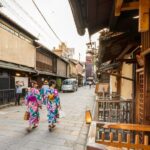
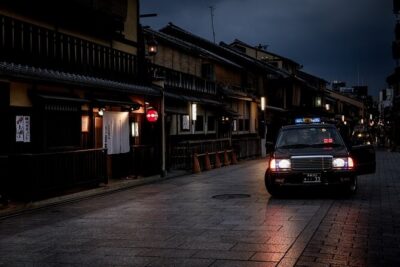
More evenings along the lantern-lit lanes of Gion

Choosing a Kimono: 200+ Patterns, Real Help, No Guessing
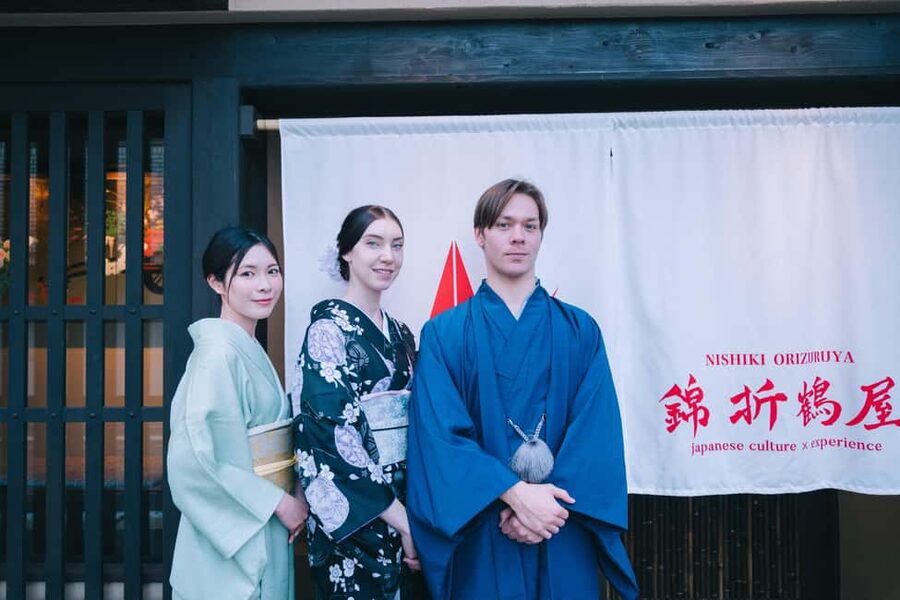
One of the most practical parts is that you don’t just get a standard outfit and hope for the best. You select your kimono from over 200 designs, which means you can choose based on color, pattern, or just what feels flattering for photos.
Then the staff do the important work: dressing you correctly. For women, complimentary hair styling is included (a simple style). Reviews repeatedly highlight that the dressing process feels professional and efficient, which is a big deal because it’s easy to waste time when clothing isn’t fitted well.
Here’s what to keep in mind so you’re comfortable:
- Kimonos aren’t warm like modern jackets, so think about layering for warmth before you go inside and plan what you can handle outdoors.
- You’ll likely want to wear easy-to-slip footwear if the schedule includes any walking afterward, since your feet will need to match the kimono look without slowing you down.
Tea Ceremony Time: How Matcha Learning Actually Feels
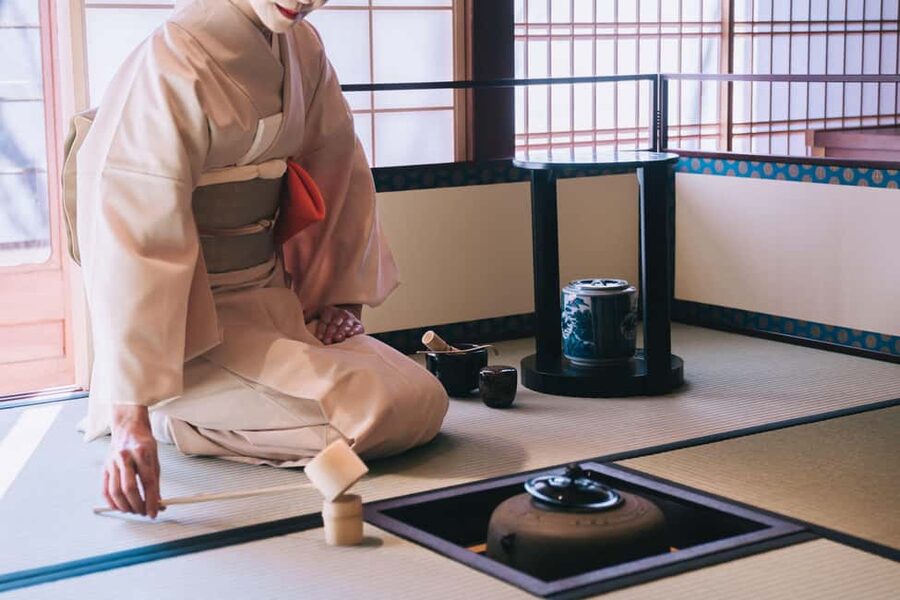
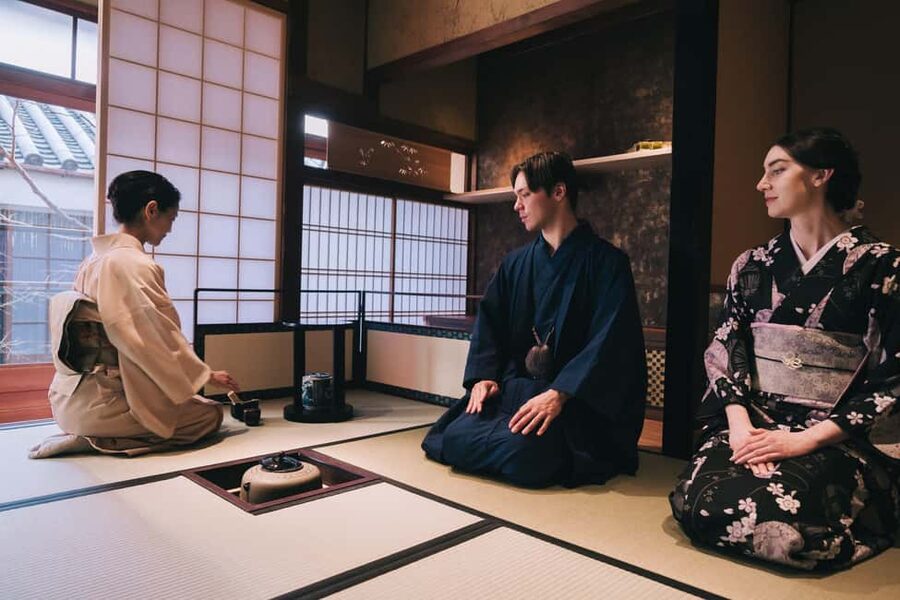
Once you’re dressed, you head into the tea room where an experienced instructor guides you through the ceremony. Instruction is in English, and the pace is designed for people who are new to it, which is exactly what you want in a skill-based activity like this.
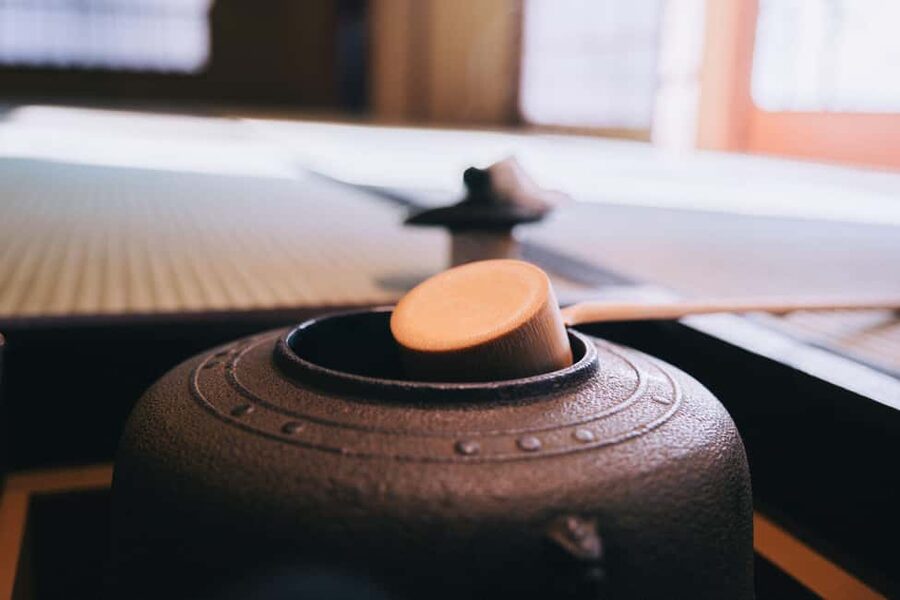
The heart of the lesson is matcha preparation. You learn the graceful techniques of making matcha with the traditional bamboo whisk (chasen), then you make your own bowl. That matters because matcha isn’t just a drink; it’s technique. If you’ve had matcha in cafes, you’ll start noticing why some bowls taste different.
Pay attention to the small details the instructor points out. Even when you’re not memorizing every step, those cues usually translate into a smoother whisking pattern and better flavor. Reviews also mention plenty of explanation, including history and meaning behind choices in the ritual, and that Q&A is welcome.
And yes, there’s a calm factor. Several people describe the ceremony as soothing and reflective. That doesn’t mean it’s silent or stiff. It usually means you’ll be focused on what you’re doing, not juggling directions and crowds.
The Utensils, the Sweets, and Your Own Bowl of Matcha
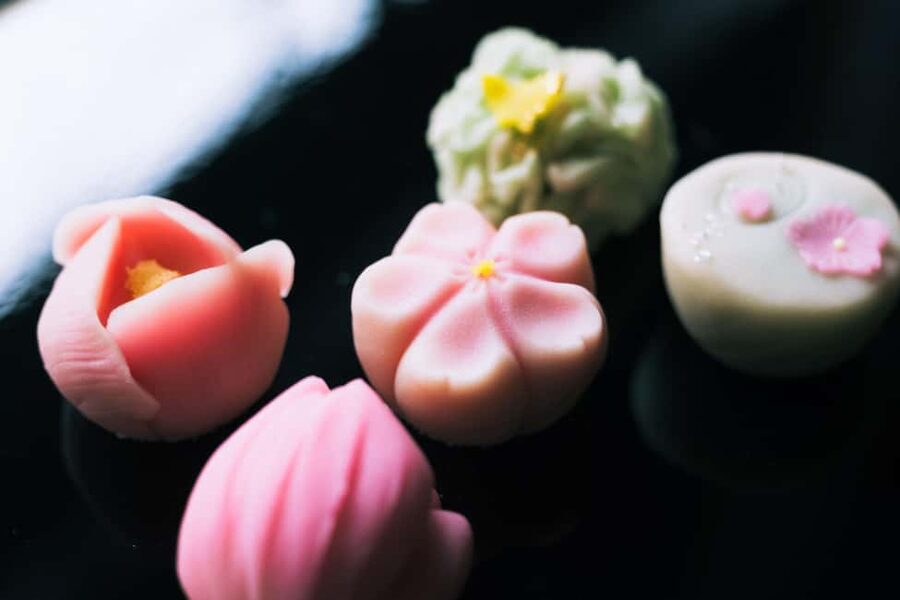
This experience includes tea ceremony utensil rental, so you don’t have to bring anything or figure out what tools are used. That’s part of the value. A lot of tea-related experiences end with a sip; this one ends with you practicing.
You’re also given a snack pairing with wagashi (Japanese sweets) and matcha. The description notes the sweets come from a century-old confectionery, which matches what you’d hope for in a Kyoto cultural activity: not just sugar, but sweets designed for flavor balance with tea.
When you taste your own matcha, you get immediate feedback. It’s not like a cooking class where your result depends on an oven or timing you don’t control. With matcha, your motion and method show up in the bowl right away. That’s why this feels like a skill you can take home in your head, even if you don’t start whisking daily.
Optional Japanese Calligraphy: A Different Kind of Focus

If you choose the Japanese Calligraphy Experience option, the time increases to about 2 hours, and you’ll also get a calligraphy set rental.
Calligraphy is often the moment people realize they’re not just there for photos. It’s active. Reviews mention the calligraphy session is especially enjoyable for people who want something more than tea and dressing, and that the teacher is patient and encouraging. Some even describe it as challenging but fun, which is the best kind of difficulty: you work, you learn, and you don’t feel judged.
There’s a practical reason calligraphy fits well with tea ceremony. Both are about attention and restraint. Tea is about controlled movement and mindful pace. Calligraphy is about controlled strokes. Doing them back-to-back makes your brain switch from sightseeing mode into practice mode.
If you want the most “Japan” feeling in a single booking, this option tends to deliver more than just one ritual. If you’re short on time or you’re worried you’ll feel clumsy with handwriting, it can still be manageable since the instruction is guided. It’s just not a passive activity.
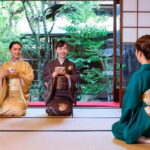
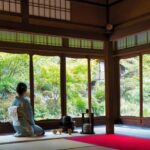
Sit for another bowl of matcha in a Kyoto tea house


How Long You’ll Spend, and What to Do With the Kimono Afterward
The core duration is 90 minutes to 2 hours, depending on whether you include calligraphy. That range is important because it changes how you plan the rest of your Kyoto day.
Several bookings mention that you can keep the kimono on after the ceremony for time around Gion, with multiple people noting it can extend to about 5pm. One review also mentions using that extra kimono time for a quick nearby shrine/temple stop, described as about a 10-minute walk.
This is one of the best practical advantages. You’re not only dressing up for the ceremony; you’re turning it into part of your Kyoto sightseeing. Just remember: walking in a kimono is doable, but it’s not like wearing sneakers. Give yourself enough time, go easy on long distances, and plan for occasional stops so you don’t end up rushing through your own photos.
Price and Value: Is $49 a Good Deal?
At $49 per person, this isn’t the kind of experience where you’re paying extra for window dressing. You’re paying for three things that are expensive in time and staff effort:
- Kimono set rental with expert dressing help
- Hair styling (simple style) for women
- Matcha lesson + utensils rental + snacks
Then you add the cultural interpretation: an English instructor who teaches the ritual instead of just letting you take a quick photo and leave. The small group size (max 10 participants) also matters because it usually improves attention and makes questions more likely to get answered clearly.
If you compare it to piecing together kimono rental on your own plus a separate tea experience, this bundle tends to be the more efficient way to do it. It’s also less stressful. You don’t have to manage the details of what to bring, where to go, or whether you’ll understand the steps.
Who This Fits Best in Your Kyoto Plan
This is a strong pick if you:
- Want a cultural activity that feels structured and beginner-friendly
- Like learning a real technique (not just watching)
- Want photos, yes, but also want meaning behind the outfit and ritual
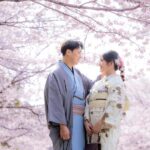
It’s also a good option for couples. One booking describes it as a special gift, and that matches the setup: you’re both dressed, both included in the instruction, and you’ll leave with a shared memory that doesn’t rely on luck.
What might be less ideal if you:
- Hate being in heavy clothing for an hour or two
- Are trying to do too much in one day and don’t want to slow down for a hands-on activity
- Prefer purely sightseeing with minimal rules or instruction
My Booking Advice: When to Choose Orizuruya Gion (and When Not To)
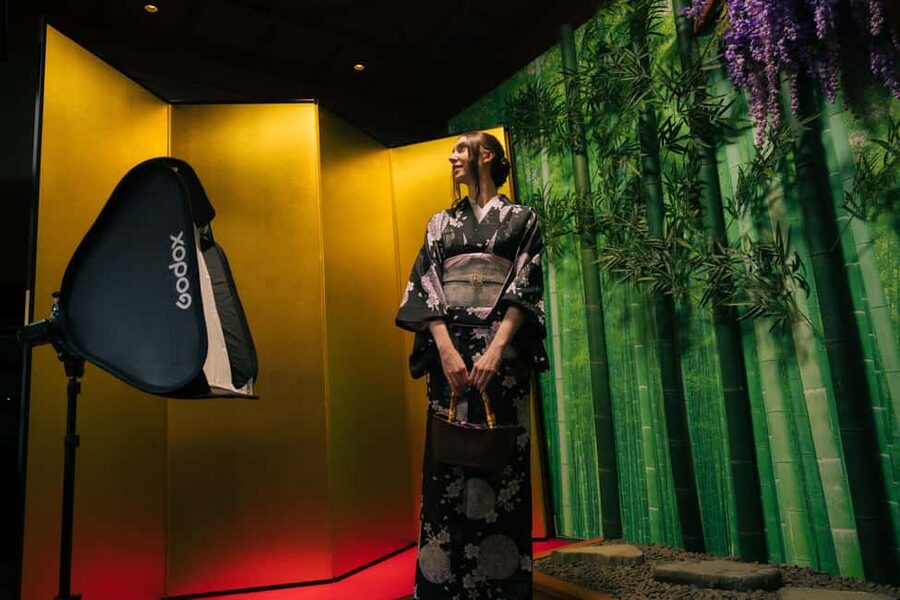
Book this if you want Kyoto in a way that’s not only scenic, but skill-based. If you’re nervous about etiquette, the structure helps. If you’re a matcha fan, the practical whisking lesson and tasting your own bowl is the main payoff.
Try to pair it with some Gion wandering afterward. The location is already right where you want to be, and the kimono time can turn the next part of your day into something more memorable than a standard stroll.
Consider skipping the calligraphy option if you already have a full schedule and don’t want extra pressure to perform. But if you like active learning or want an extra cultural skill to bring home, the calligraphy add-on is often the part that makes people feel they got more than they expected.
FAQ
FAQ
How long is the kimono tea ceremony at Orizuruya Gion?
The kimono tea ceremony experience is about 90 minutes to 2 hours, depending on which option you choose.
What is the price per person?
The price is $49 per person.
How big is the group?
The group is limited to a small group size, with a maximum of 10 participants.
Is the instruction in English?
Yes, the instructor provides instruction in English.
What’s included with the kimono portion?
You receive a kimono set rental, and for women there is complimentary hair styling (simple style).
Are tea ceremony utensils included?
Yes. Tea ceremony utensil rental is included.
What does the calligraphy option add?
If you choose the Japanese Calligraphy Experience option, calligraphy is included and a Japanese calligraphy set rental is provided. (It is only included with that option.)
Where is the meeting point, and how far is it from train stations?
The meeting point is Gion Oritsuruya at 572-7 Minamigawa, Gion-machi, Higashiyama-ku, Kyoto-shi, Kyoto. It’s about a 10-minute walk from Hankyu Kyoto-Kawaramachi Station and about a 7-minute walk from Keihan Gion-Shijo Station.
Can I keep wearing the kimono after the ceremony?
Many bookings mention that you can keep the kimono on for a later walk in the area, with some noting kimono time through about 5pm.
Can I cancel, and is there a pay-later option?
You can cancel up to 24 hours in advance for a full refund. You can also reserve now and pay later, meaning you can book without paying today.
Should you book this tour?
If you want a beginner-friendly matcha lesson plus kimono dressing in Kyoto’s Gion, this is one of the most complete cultural packages for the price. If you’re flexible about your timing and you want something more hands-on than sightseeing, it’s a very worthwhile booking.
More Kimono Days in Kyoto
One More Bowl of Matcha
Still in Gion? Keep Going

Just added: more Kyoto tours to browse






Gion & Geisha District Tours, compared.
 ★ 4.7Kyoto Geisha Walking Tour: Gion District & Hidden GemsFrom $253,273 reviews
 ★ 4.9Gion Magical Night Walking Tour with Geisha TriviaFrom $242,393 reviews
 ★ 4.7Gion Geisha District Walking Tour – Stories of GeishaFrom $202,187 reviews
 ★ 4.9Best of Kyoto: Gion, Geisha, Pagodas & CobblestonesFrom $242,058 reviews
 ★ 4.5Night Walk in Gion: Kyoto’s Geisha DistrictFrom $212,003 reviews
 ★ 5.0Kyoto Night Foodie Tour in Gion (9+ dishes + 6 Sake tastings)From $1631,762 reviews
 ★ 5.0Kyoto Gion Geisha District Walking Tour – The Stories of GeishaFrom $251,441 reviews
 ★ 5.0Kyoto Gion: 2-Hour Geisha Culture & History Walking TourFrom $231,186 reviews
Browse the lists this tour appears in