
Reviewed · KYOTO TEA CEREMONIES
Kyoto: Table-Style Tea Ceremony at a Kyo-Machiya
Sit for matcha in a Kyoto townhouse.
This table-style tea ceremony is built for comfort, with chairs instead of floor seating, plus a traditional garden moment with a purification basin. You also get to learn the tea ceremony’s manners and why each step matters, in English, inside a nostalgic home in southern Kyoto.
What I really like is the hands-on focus on matcha and the extra cultural add-ons like calligraphy and flower arranging. The other thing that wins points is the calm, patient way the hosts guide you through everything, including small details like how to handle tools and enjoy each drink. One possible drawback: there’s no hotel pickup, and the location is on the outskirts of Kyoto, so you’ll want a simple plan to get there by train.
In This Review
- Key highlights to look for
- Table-Style Tea Ceremony in a 100-Year-Old Kyoto Townhouse
- Finding Your Way: The Southern Kyoto Meeting Point
- Before Matcha: Garden Purification and Etiquette You Can Use
- Drinks and Sweets: Welcome Sip, Then the Ceremony Flow
- Making Matcha Yourself: The Bamboo Whisk Part
- Photos, Umbrellas, Fans, and a Katana Prop Moment
- Calligraphy of Your Name: Kanji or Hiragana on a Scroll
- Flower Arranging Experience: A Quiet Creative Bonus
- Kimono Option: What It Adds and When to Skip It
- How 90 Minutes Feels in Real Time
- Southern Kyoto as a Base: Pair It with Fushimi Inari, Uji, Osaka, or Nara
- Who This Fits Best (and Who Might Want Something Else)
- Should You Book This Table-Style Tea Ceremony?
- FAQ
- Is this tea ceremony done sitting on the floor?
- What is included in the experience?
- Do they offer kimono rental?
- What language is the instruction?
- Are there welcome drinks?
- Can I take photos or videos during the ceremony?
- Do I need hotel pickup?
- Is the location easy to reach by train?
- Is it wheelchair accessible?
Key highlights to look for
- Chair-based comfort so you can enjoy tea without the floor-kneeling workout
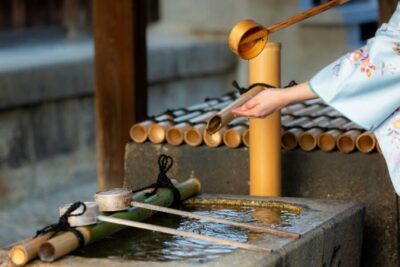
- Purification at a stone basin in the garden, shrine-style
- Creamy, frothy matcha you whisk yourself with a bamboo whisk
- Write your name in Japanese on a hanging scroll or envelope
- Photo time with props like umbrellas, folding fans, and a katana (for pictures)
- A full cultural package beyond tea: sweets, drinks, latte art, and flower arranging
Table-Style Tea Ceremony in a 100-Year-Old Kyoto Townhouse
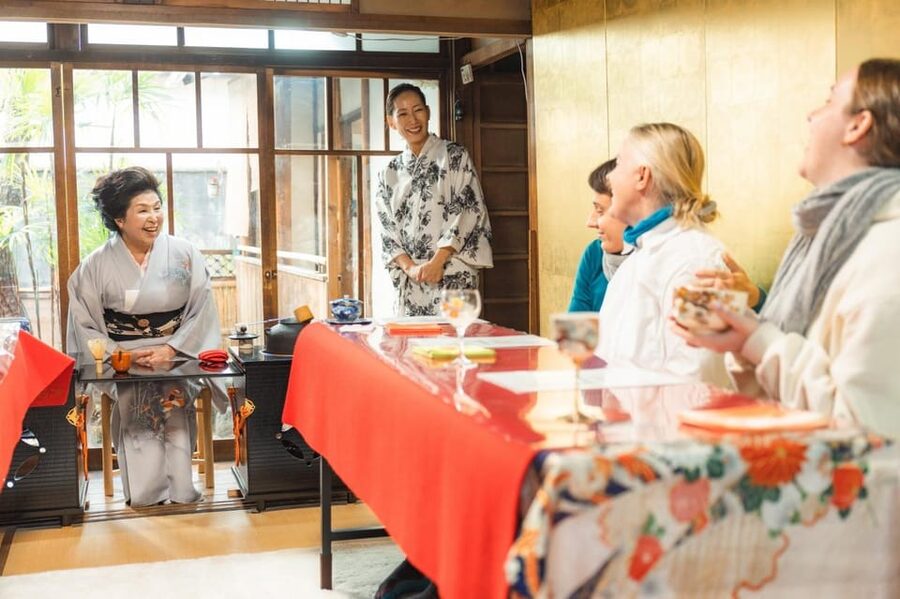
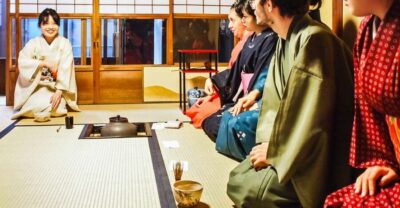
In Kyoto, tea ceremonies can feel either very traditional or very touristy. This one stays traditional in spirit, but it makes practical changes for real bodies. The biggest difference is that you sit at a table on a chair. No need to flex your knees into floor seating for 90 minutes. That one change makes the experience feel relaxed instead of stiff.
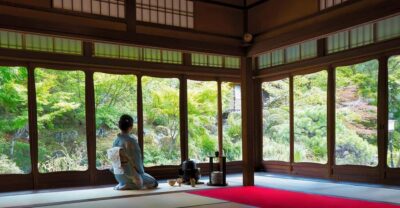
The setting matters, too. You’re not in a glassy studio. You’re in a traditional house that evokes Kyoto daily life, with the kind of architecture and atmosphere you notice the second you walk in. Expect a townhouse vibe, plus chances to look around: antiques, and even mention of old Buddhist and Shinto altars in the home during your stroll.
It’s also in English, which helps a lot. Tea ceremony is as much about manners and timing as it is about the drink, and having clear explanations makes what you’re doing feel meaningful instead of mysterious.
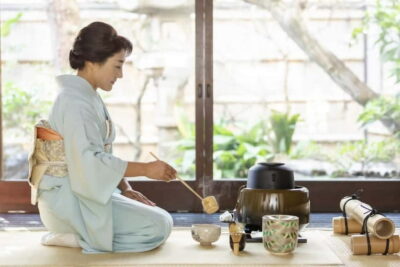
Sit for another bowl of matcha in a Kyoto tea house


Finding Your Way: The Southern Kyoto Meeting Point
This experience starts near the southern edge of Kyoto, about 20 minutes by train from the main tourist stations. The meeting point is on the outskirts, so it’s not a quick hop from a hotel that’s right in the center.
Here’s the simple route idea, depending on where you’re coming from:
- From Kintetsu Kyoto Station, take an express train about 15 minutes to Kintetsu Momoyama-Goryo-mae Station.
- From Keihan Gion-Shijo Station, get off at Fushimi-Momoyama Station.
- From Momoyama Station (JR), head north west, walk past a shrine on the right in about 300 meters, then continue along the Otesuji shopping arcade and turn right at the Mizuho Bank or the Rakuten mobile shop. About 2 minutes more and you’ll see the old Kyoto townhouse with a blue curtain.
When you arrive, guides in kimono will be there to greet you. If you’re doing the kimono option, arrive early. The guidance says 30 minutes before the start, which gives enough time for dressing and getting comfortable.
No hotel pickup is included, so treat this as a “get yourself to the station area” plan. Once you’re there, everything else runs smoothly.
Before Matcha: Garden Purification and Etiquette You Can Use
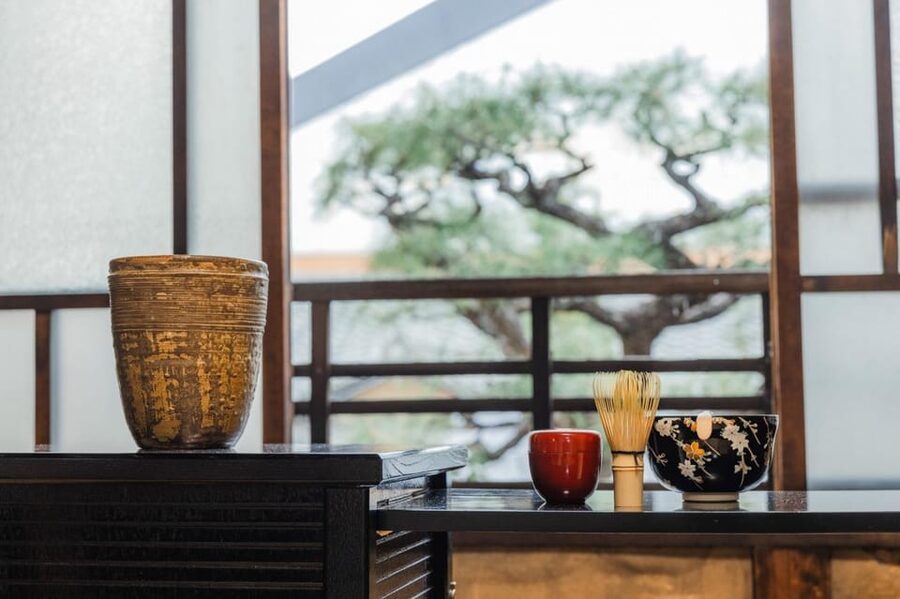
One of the most grounded moments is the purification step. You’ll purify yourself at a stone basin in the garden, shrine-style. It’s not just a photo stop. It frames the whole ceremony by reminding you this is a ritual, not a drink-making workshop.
After that, you’ll get a structured explanation of how the tea ceremony developed in Japan and what the spirit and manners are about. Part of this comes through presentations, including PowerPoint-style guidance. You’re not just told what to do. You’re shown why it exists and what you should pay attention to.
This is the kind of lesson that makes your matcha taste better, even if you’re not a “tea expert.” When you understand what you’re supposed to notice—temperature, pauses, the way you handle utensils—you stop treating it like a production line.
Drinks and Sweets: Welcome Sip, Then the Ceremony Flow
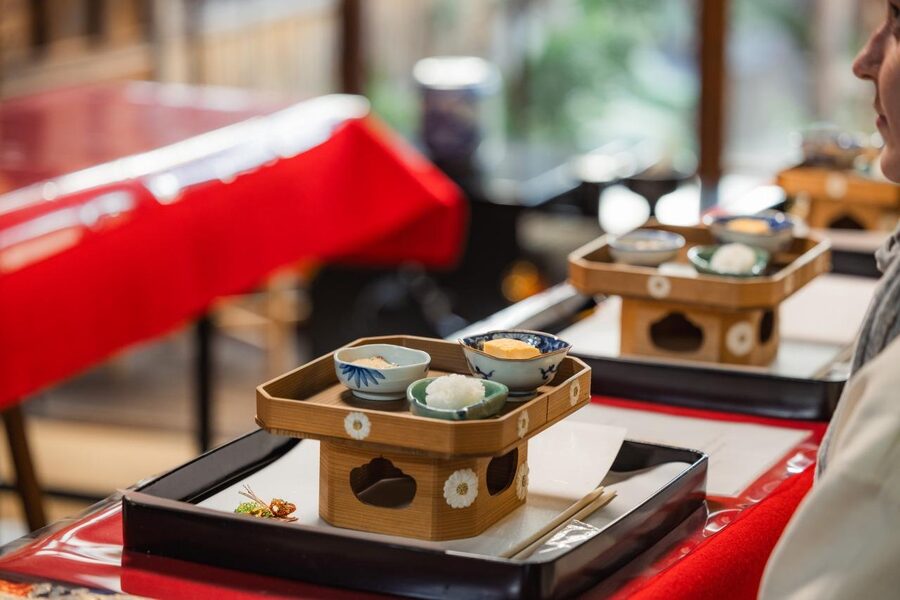
The ceremony begins with a welcome drink. You might get sake, juice, or Japanese tea, depending on what’s offered. You’re also served traditional sweets alongside the tea portion. These sweets help set the mood and they balance the flavor profile of matcha.
There’s also something a lot of people enjoy: latte art using thick tea. It’s not just a gimmick. It’s a way to show how texture and technique work, and it makes the presentation feel more lively while still staying within the ceremony setting.
If you’re the kind of person who wonders why everything has a place and a sequence, this part will satisfy you. You’ll see how the hosts shift from greeting to explanation to hands-on steps without rushing.
Making Matcha Yourself: The Bamboo Whisk Part
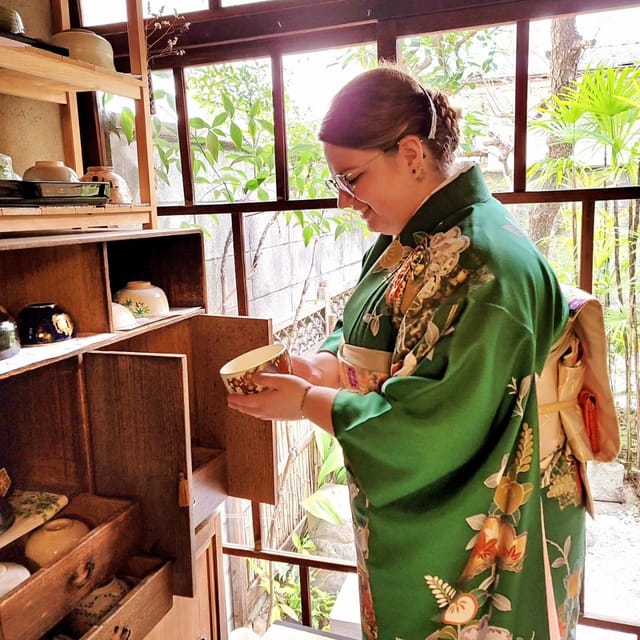
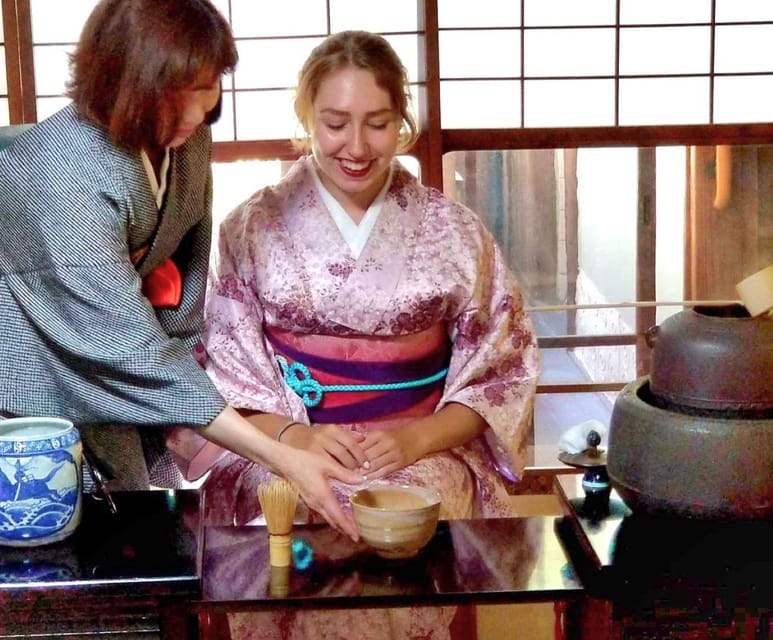
Here’s where the experience becomes yours. You make your own matcha, and the goal is a creamy, frothy result. You’ll use a bamboo whisk, and the hosts guide you through how to whisk and what good foam looks like.
This is more than just stirring powder in water. The consistency matters because it affects taste and the way the tea feels in your mouth. And because you physically do it, the lesson sticks.
This is also the moment that makes the price feel more justified. At $45 for a 90-minute class, you’re not only watching. You’re doing the core matcha step yourself, plus getting additional cultural activities like calligraphy and flower arranging.
When the tea comes out, you’ll also learn how to actually enjoy it. That sounds obvious, but it’s usually the missing piece in casual tasting. Here, the manners guide you toward a calmer, slower sip.




Photos, Umbrellas, Fans, and a Katana Prop Moment
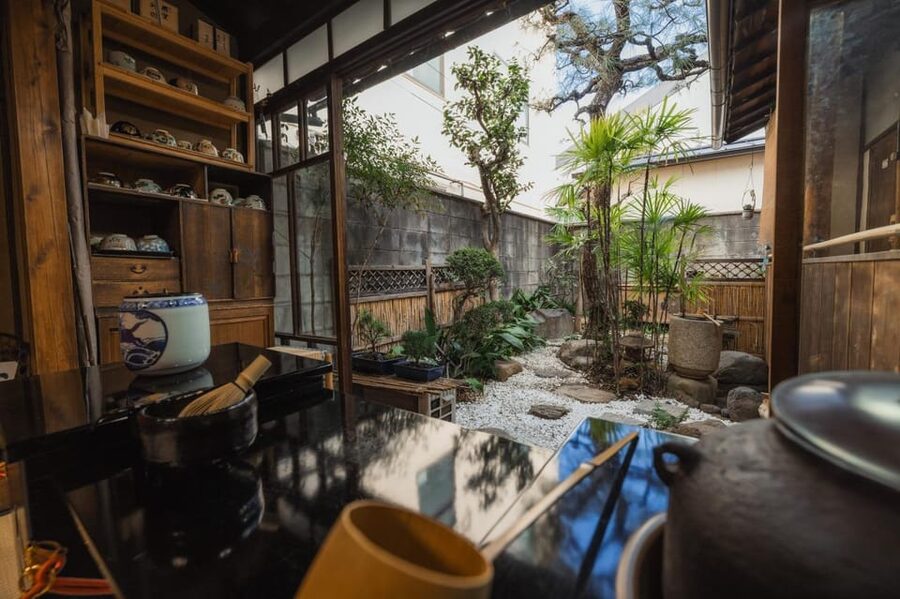
You’ll have photo and video time in a typical Kyoto garden or house setting. The experience even includes props that make pictures fun: umbrellas, folding fans, and a katana sword for photos.
This is one place where you should manage your expectations. This is clearly about photo style, not about sword training. You’re not learning combat. You’re dressing in the vibe and using the props as part of the cultural atmosphere.
The photos usually look better because the setting already feels old Kyoto. Add kimono (if you choose it), and you’ll get images that feel like more than a quick outfit rental.
Calligraphy of Your Name: Kanji or Hiragana on a Scroll
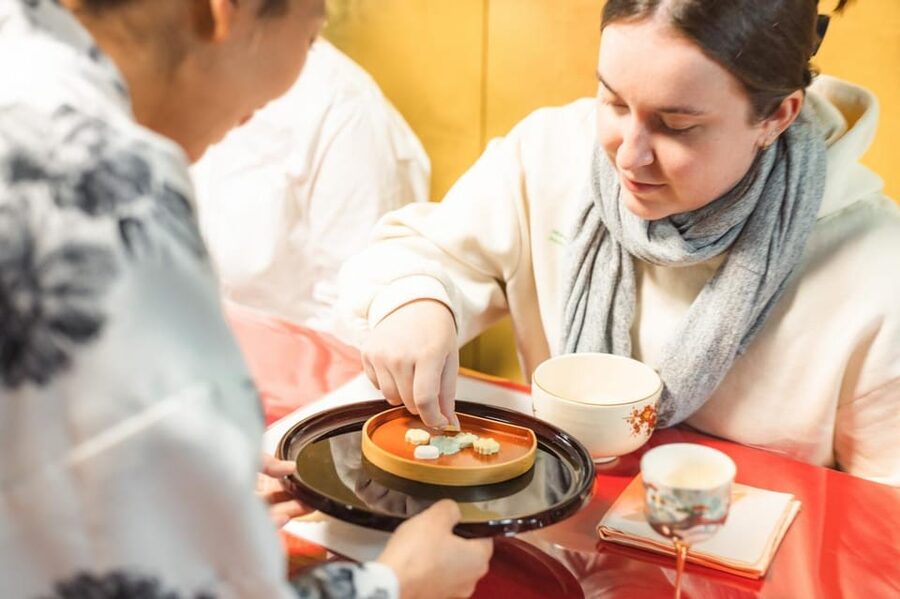
If you do only one “activity upgrade,” make it calligraphy. You’ll write your name in Japanese characters—either kanji or hiragana (and the experience includes calligraphy practice). When you finish, you receive a hanging scroll or an envelope with your name written in Japanese.
This is one of the most personal souvenirs you can get. Matcha powder is easy to buy later. A scroll with your own name is harder to replicate at home.
And because it’s guided, you’re not stuck guessing symbols. The instruction is structured enough that even if your Japanese writing is nonexistent, you can still produce something you’ll be happy to keep.
Flower Arranging Experience: A Quiet Creative Bonus
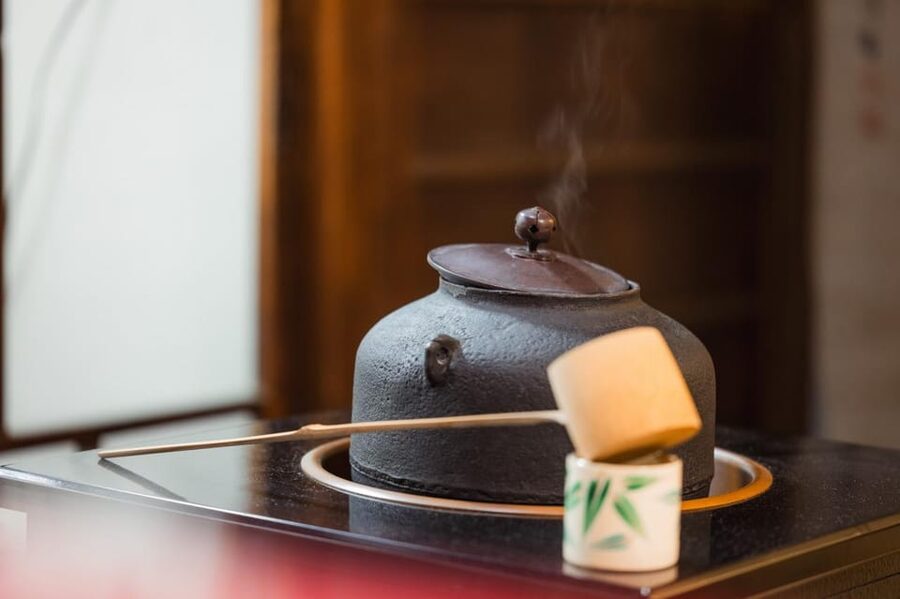
The package includes tea ceremony flower arranging. It’s a smaller segment than the matcha, calligraphy, or kimono photos, but it adds balance.
Tea ceremonies often feel visual and seasonal. Adding flower arranging helps you understand that the event isn’t just about taste. It’s also about atmosphere, shape, and timing.
If you like craft-style activities, this part gives you a second “I made this” moment.
Kimono Option: What It Adds and When to Skip It
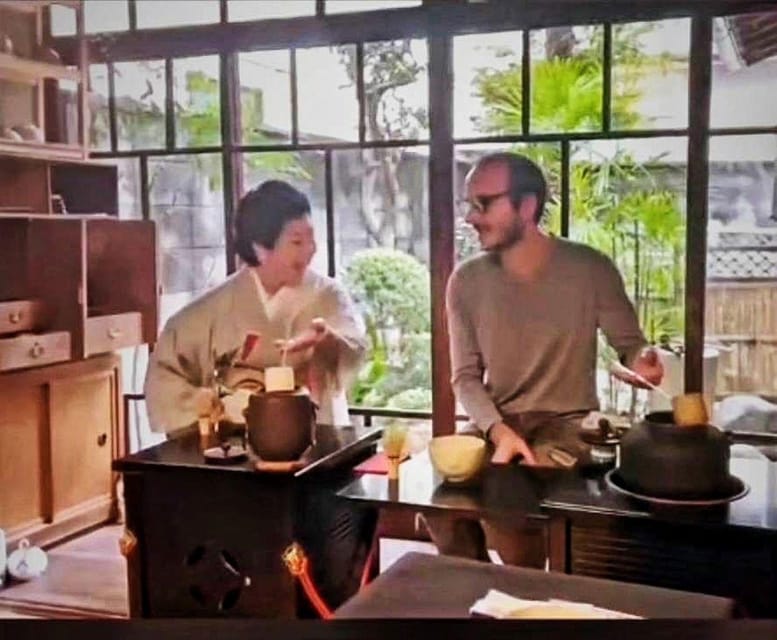
The kimono option is offered as an add-on, and it’s one of the biggest reasons people rate this experience so highly. Wearing kimono adds authenticity to the whole day. It also makes the house setting feel even more correct, like you’re stepping into Kyoto’s everyday past.
The hosts help with dressing, and they guide you through how to wear it comfortably enough for a full 90-minute program. There’s also time for kimono photos in the townhouse and garden area.
Important note: if you’re pregnant, the experience asks you to refrain from wearing a kimono for health and safety reasons. In that case, you can still do the tea ceremony without kimono.
If you’re deciding whether to upgrade, use this rule of thumb: if you want one memorable Kyoto “costume + culture” moment that doesn’t feel like a theme park, kimono is worth considering here.
How 90 Minutes Feels in Real Time
Ninety minutes is a sweet spot. Long enough to teach the ceremony properly and give you time to practice. Short enough that you won’t feel trapped.
A typical flow feels like this:
- Welcome drink and sweets
- Garden purification and introductions to manners
- Explanation of tea ceremony background and steps
- Hands-on matcha making
- Calligraphy practice at the end (with your name kept as a souvenir)
- Flower arranging included as part of the program
- Photo time with kimono and props
The pacing is designed so you can ask questions. Since it’s in English, you’re not stuck nodding politely while doing things you don’t fully understand.
Southern Kyoto as a Base: Pair It with Fushimi Inari, Uji, Osaka, or Nara
One underrated value here is location. Southern Kyoto is packed with easy add-ons.
You can combine this with:
- Fushimi Inari Shrine, which is about 15 minutes away by train from the Keihan Fushimi Inari area
- Uji, famous for tea, about 20 minutes by train
- Osaka, around 40 minutes by express train
- Nara, around 50 minutes by train
If your schedule is tight, this is a smart half-day slot. It’s easier to plan than a ceremony that takes place deep in crowded central Kyoto, and you’ll still get that old-house atmosphere.
Also, southern Kyoto is known for sake, so dining and shopping are close by before or after. That means you can make the tea ceremony the culture anchor, then go have a casual meal in the same area.
Who This Fits Best (and Who Might Want Something Else)
This is a great match if you want:
- Comfort-first tradition with chair seating
- A full culture package, not just one drink
- Clear English guidance
- Hands-on experiences: matcha whisking, calligraphy, flower arranging
- Fun photo opportunities in kimono with garden/townhouse backdrops
It’s not a match if you need wheelchair access. The activity notes it isn’t suitable for wheelchair users.
If you’re someone who loves small-group attention, the private or small group option is also a plus. People often comment on how warmly they’re treated, and small groups generally mean more time and patience during practice.
Should You Book This Table-Style Tea Ceremony?
Yes, if you want an authentic-feeling Kyoto tea ritual without the floor seating hassle, and you want more than just watching someone pour tea. The combination of chair-based comfort, hands-on matcha, calligraphy with a takeaway scroll or envelope, and flower arranging makes it feel like solid value at $45 for 90 minutes.
Skip or rethink the kimono option only if health or mobility concerns make it unwise for you. Otherwise, if you enjoy cultural dressing and photos that don’t look staged, this is one of the better ways to spend a couple hours in Kyoto.
FAQ
Is this tea ceremony done sitting on the floor?
No. This is a table-style tea ceremony, and you sit on a chair.
What is included in the experience?
You get the tea ceremony experience, traditional sweets, welcome drinks (sake or juice), latte art using thick tea, calligraphy experience, and a hanging scroll or envelope with your name written in Japanese kanji or hiragana. Kimono rental and tea flower arranging are included if you select those options.
Do they offer kimono rental?
Yes, kimono rental is available as an option. If you choose it, you should arrive 30 minutes before the start time.
What language is the instruction?
The instructor is English.
Are there welcome drinks?
Yes. Welcome drinks can include sake or juice (and Japanese tea is also mentioned as part of the drinks).
Can I take photos or videos during the ceremony?
Yes. There’s time for photos and videos, including props like umbrellas, folding fans, and a katana (for picture use).
Do I need hotel pickup?
No. Hotel pickup and drop-off are not included.
Is the location easy to reach by train?
It’s on the outskirts of southern Kyoto, about 20 minutes by train. The directions include routes from Kintetsu Kyoto Station and Keihan Gion-Shijo Station, and also from Momoyama Station (JR). There’s no pickup, so you’ll navigate there on your own.
Is it wheelchair accessible?
No. The activity is not suitable for wheelchair users.
More Tour Reviews in Kyoto
One More Bowl of Matcha

Just added: more Kyoto tours to browse








Kyoto Tea Ceremonies, compared.
 ★ 4.9Tea Ceremony in a Traditional Tea House in KiyomizuFrom $493,519 reviews
 ★ 4.9Tea Ceremony Ju-An at Jotokuji TempleFrom $293,207 reviews
 ★ 4.345-Minute Tea Ceremony Lesson ExperienceFrom $222,378 reviews
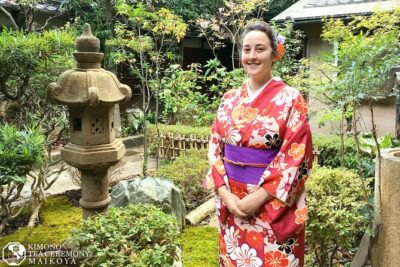 ★ 5.0Kimono Tea Ceremony at Kyoto Maikoya, NISHIKIFrom $65911 reviews
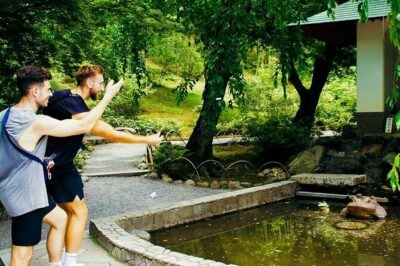 ★ 5.0Arashiyama Bamboo Forest, Monkeys, Matcha & Temple TourFrom $53759 reviews
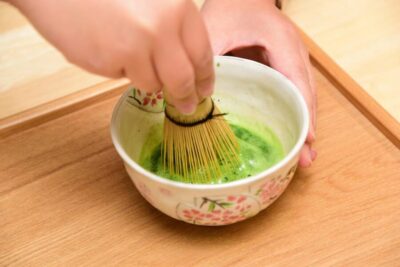 ★ 4.9Tea Museum Tickets and Matcha Grinding ExperienceFrom $23739 reviews
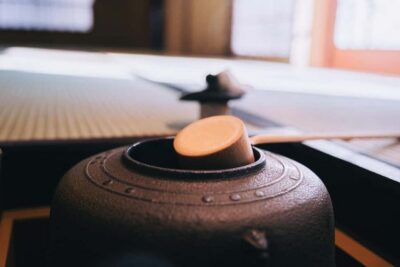 ★ 4.9Kimono Tea Ceremony at Orizuruya GionFrom $49618 reviews
 ★ 4.8Tea Ceremony in 100-year-old Kyo-Machiya TownhouseFrom $31546 reviews
Browse the lists this tour appears in