
Reviewed · KYOTO TEA CEREMONIES
2 Types of Japanese Sweets making and Tea Ceremony
A sweet class that teaches by doing. This workshop blends Ohigashi, Nerikiri, and matcha into one smooth 125-minute experience near Gojo Station, so you’re not just watching—you’re making. What I like most is the hands-on focus (three real activities, not a lecture) and the quality ingredients, including Kyoto bean paste and single-origin special matcha. One thing to consider: the tea portion can feel more like an instructional tea session than a fully formal, quiet ceremony.
If you’re coming for a warm instructor and clear English support, you’ll likely feel at ease fast. In my case, the presenter I worked with, Maiko, was attentive and enthusiastic, and the explanations were easy to follow. The main drawback you might notice is group energy: if the room gets noisy, it can cut down on that calm, intimate feeling some people expect from tea classes.
In This Review
- Key Highlights You’ll Care About
- Getting There From Gojo Station (And How the Timing Works)
- The $28 Value Story: What You Get for the Price
- Ohigashi With Wasanbon: Your First Sweet Starts Dry
- Nerikiri Flower-Shaping: Two Seasonal Sweets With Bean-Paste Craft
- Matcha Grinding and Tea Ceremony, Kept Casual
- Instructor and English Support: What to Expect
- Room Noise and Group Energy: A Real Consideration
- Who This Workshop Suits Best
- Quick FAQ Before You Book
- FAQ
- How many sweets will I make?
- Does the workshop include a tea ceremony?
- Where is the meeting point?
- What language is the instruction?
- Is there a way to add colors or take the sweets home?
- Is a certificate available?
- How long is the experience?
- What if I need wheelchair access?
- What is the cancellation policy?
- Should You Book This Sweet-and-Matcha Workshop?
Key Highlights You’ll Care About
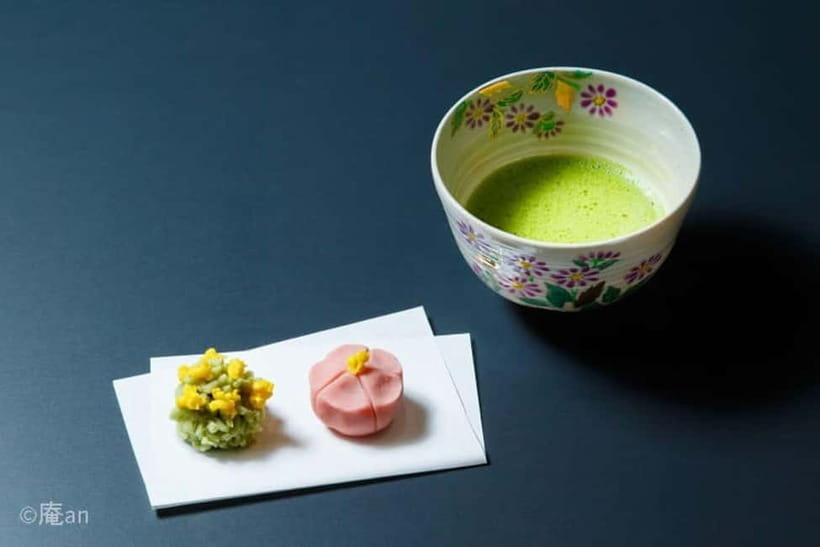
- Two seasonal Nerikiri sweets made with white/red bean paste, shaped to match the season
- Ohigashi using Wasanbon traditional Japanese sugar (the dried-style sweet start you actually get to make)
- Matcha grinding + your own cup, with a casual tea ceremony format
- Kyoto-linked ingredients: bean paste from long-established shops and single-origin special matcha
- Simple meeting point: about a 1-minute walk from Gojo Station Exit 1 on the Karasuma Line
Getting There From Gojo Station (And How the Timing Works)
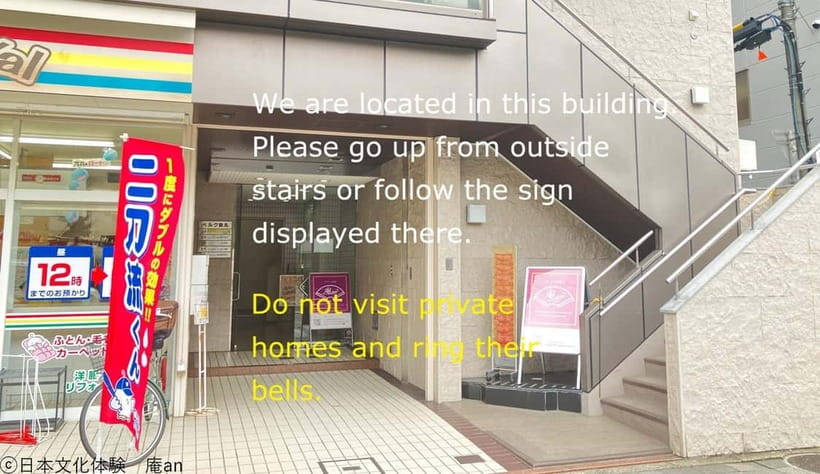
This is one of the nicer “easy logistics” workshops in Kyoto. You meet at a shop entrance facing Gojo-dori, just about a 1-minute walk from Gojo Station Exit 1 (Karasuma Line). That matters because you don’t want to waste your limited workshop time hunting streets.
Plan to arrive a few minutes early. The experience starts at the scheduled time, and the venue won’t be able to wait for delays. Once you’re inside, the program runs 125 minutes, with breaks built in between sweet-making stages.
Also note the physical setup. It’s wheelchair accessible, but there’s no elevator, so you’ll need stairs to reach the venues. If stairs are a problem for you, it’s worth checking in ahead of time so you’re not surprised on arrival.
Operations run from 10:00 to 17:00. If you book a start time after 17:00, it’s handled the next day, so pay attention when you pick your slot.
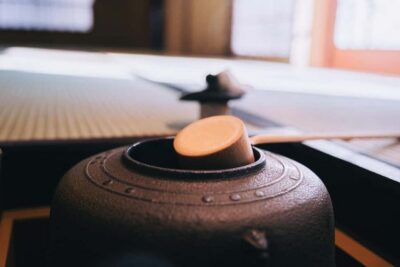
Sit for another bowl of matcha in a Kyoto tea house


The $28 Value Story: What You Get for the Price
At $28 per person for three linked experiences, this workshop is priced in the “make it worth your hands-on time” category. You’re not only tasting; you’re crafting two seasonal sweets (plus one additional dried-style sweet) and then making matcha yourself.
The value gets even better if you compare it to doing sweets shopping and a tea experience separately. Here, you get a guided pathway through Japanese sweets and matcha culture, which is hard to replicate solo in a short window.
There are a few optional extras if you want more:
- Adding color: 200 JPY
- Take-out box: 100 JPY
- Experience completion certificate: 300 JPY
If you’re traveling light and want to bring something home, the take-out box option can be worth considering. If you’re just there for the experience and don’t care about leftovers, you can keep costs simple.
One more practical point: English translation is provided as much as possible. If you want additional translation, you have to contact the provider. In plain terms: it’s not a silent “follow the gestures” class, but you should still expect some Japanese in the background.
Ohigashi With Wasanbon: Your First Sweet Starts Dry
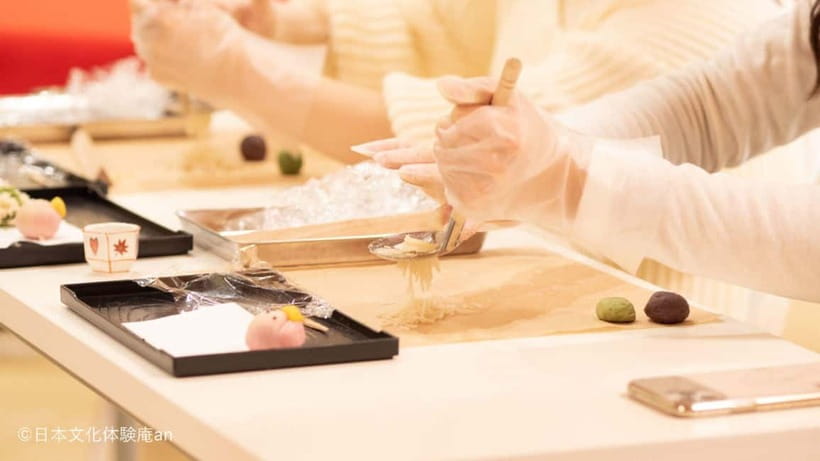
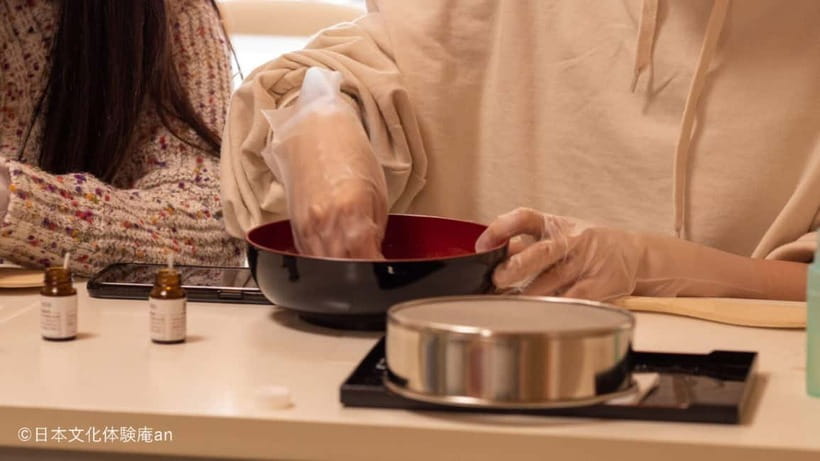
The program begins with a quick grounding in traditional Japanese sweets—what you’re making, why it’s made a certain way, and how it fits into Japanese seasonal food culture. Then you move into the first hands-on item: Ohigashi, a dried-type sweet made with traditional sugar called Wasanbon.
Ohigashi is a great “starter sweet” because it teaches the logic of shape and texture without requiring complicated technique from the start. Wasanbon is the star ingredient here, and the workshop uses it as the traditional base for your dried-style sweet-making.
What I like about this stage is that it sets the tone. You start learning the craft while your mind is still fresh, and you get something that feels distinctly Japanese rather than a generic dessert project. If you’ve never worked with Japanese confection methods, this first sweet is a low-stress entry point.
A small practical drawback: dried sweets can be a little time-sensitive. The workshop schedule includes short breaks, but you’ll still want to stay focused so your piece doesn’t drift out of the ideal working window.
Nerikiri Flower-Shaping: Two Seasonal Sweets With Bean-Paste Craft
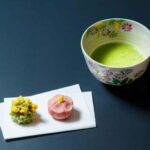
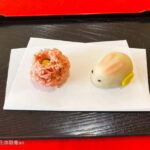
After Ohigashi, the workshop moves into its main creative segment: Nerikiri. This is where you get to make two seasonal Japanese sweets, using white/red bean paste sourced from Kyoto’s long-established shops. That Kyoto connection is meaningful because Nerikiri is often tied to regional traditions, and bean paste quality affects the final texture and taste.
You’ll shape your Nerikiri to match the season, and the workshop includes the style of flower-shaped Nerikiri as well as a specific type called Kinton Nerikiri. Even if your shaping isn’t perfect, you’ll learn the technique behind the look: how to handle sticky paste, how to keep the form while working, and how texture changes as you shape.
This stage is usually the biggest payoff for first-timers. Nerikiri is more delicate than many Western sweets, and making it teaches you why Japanese sweets can look like art. Plus, you’re not making just one piece. You’re making two, which means you’ll remember the process longer.
One thing to keep in mind: Nerikiri takes attention. Expect a workshop vibe where you’ll concentrate on small movements—press, shape, refine—more than on speed. If you want a frantic, action-packed activity, this isn’t that. If you like steady craft work with guidance, you’ll probably enjoy it.
Matcha Grinding and Tea Ceremony, Kept Casual
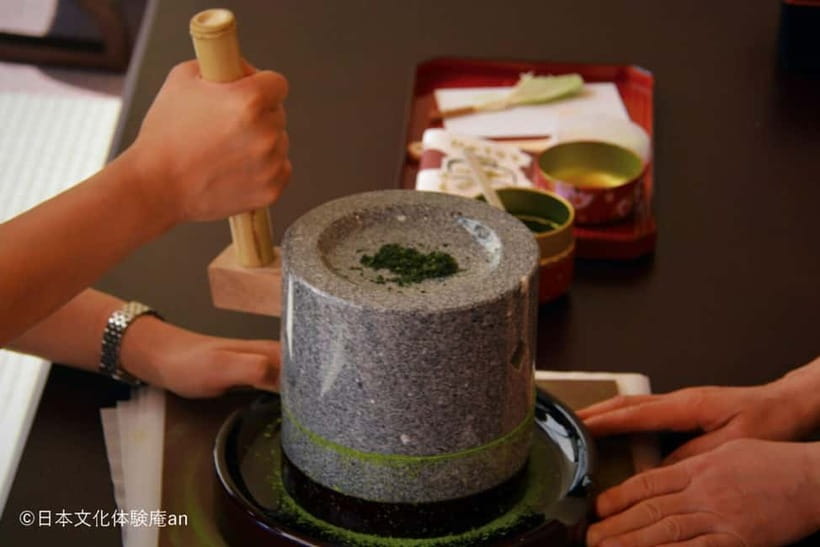
Then comes the matcha. The tea portion includes an explanation about Japanese tea, a matcha grinding demonstration, and then a tea ceremony experience. It’s not just tasting matcha from a cup someone else prepared. You get the chance to grind and make your own.
That hands-on matcha step is the moment many people remember. Grinding is sensory. You feel the change from dry powder to something smoother as the process continues, and the smell is a big part of why matcha feels special in Japan.
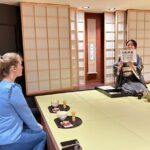
After grinding, you’ll do the tea experience in a more approachable way. Some people expect a fully formal, silent, ceremonial performance. Here, it’s described and experienced more like an instructional tea session, so you’ll likely have more talking and guidance than in the strictest version of a traditional tea ceremony.
You also get time for a picture moment, which is useful because your sweets and tea experience look great, and you’ll want proof later that you actually made them.
If you’re sensitive to noise, keep expectations realistic. Tea is calming by nature, but the workshop room can include many participants at once. A noisy room won’t ruin the activity, but it can affect how peaceful the tea feels.
Other Kyoto tours and experiences to compare
Instructor and English Support: What to Expect
The workshop uses an instructor team that’s Japanese, and English support is offered as much as possible. From experience reports, the translation quality is often a big reason people rate this high.
I also like that the explanations aren’t buried in jargon. The sweet steps make sense because you get context for what you’re doing, and you’re guided through the stages rather than left to guess.
In particular, Maiko-style instruction (friendly, attentive, informative) seems to be part of the strongest sessions. If you’re lucky enough to get an instructor with that energy, the class feels like a guided craft workshop, not a test you can fail.
If you do want extra help, contact the provider in advance to ask about adding English translation. That’s the clearest way to avoid misunderstandings.
Room Noise and Group Energy: A Real Consideration
One theme to be aware of is group behavior. In some sessions, the room can include a lot of tourists, which can turn the space loud. A craft class can survive noise, but tea rituals tend to depend on calm.
If you’re the type who wants a quiet, intimate experience, it helps to set your expectations early. Your skills and sweets will still be real, but the atmosphere may be more social than serene.
You can also reduce stress by choosing your time slot thoughtfully. If you have flexibility, I’d aim for earlier starts when possible, since you’re less likely to feel rushed by the day’s busiest arrivals.
Who This Workshop Suits Best
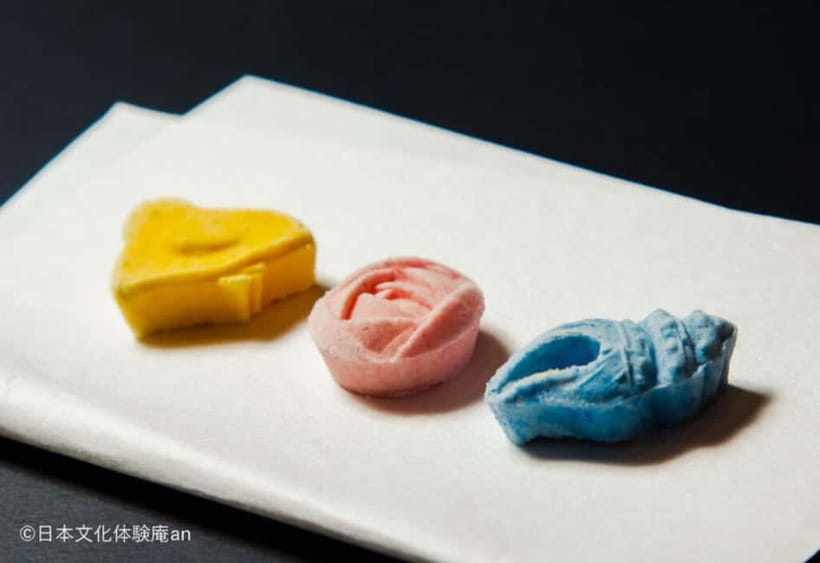
This is a good fit if you want:
- A hands-on intro to Japanese sweets beyond just buying them
- The chance to make two seasonal Nerikiri sweets plus an Ohigashi warm-up
- Learn about matcha through a demonstration and then making your own cup
It’s also a great option if you’re traveling solo or as a couple. The structure is clear, you’ll be busy during the main making parts, and you leave with edible results.
On the other hand, if you’re chasing a silent, high-formality tea ceremony experience, you might feel you wanted more ceremony and less instruction. The tea here is designed to be accessible, and that’s a plus for most people—but it can disappoint tea purists.
Families can consider it too. Kids who sit on their parents’ laps are free of charge if they’re under 2, but the program requires participation to enter. So don’t plan to bring a spectator who won’t join the experience.
Quick FAQ Before You Book
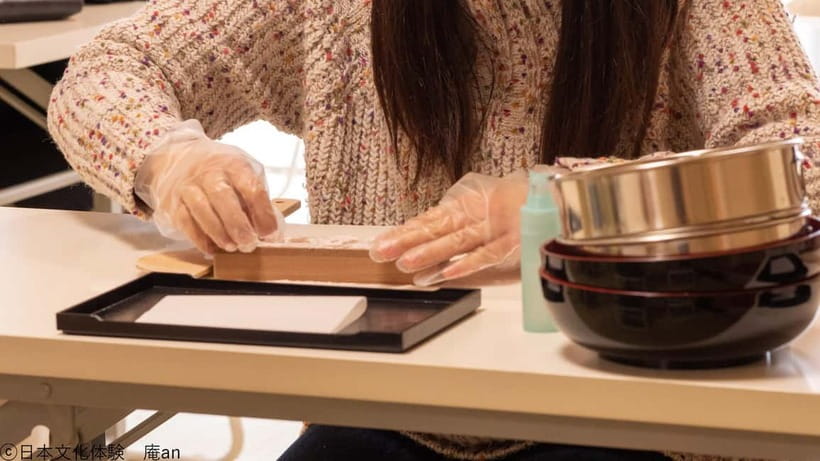
FAQ
How many sweets will I make?
You’ll make Ohigashi (dried-type sweet) and two seasonal Nerikiri sweets using white/red bean paste. You also participate in the matcha experience.
Does the workshop include a tea ceremony?
Yes. There’s a matcha explanation, a matcha grinding demonstration, and a tea ceremony experience, with you drinking the tea.
Where is the meeting point?
It’s about a 1-minute walk from Gojo Station Exit 1 on the Karasuma Line. The shop entrance faces Gojo-dori.
What language is the instruction?
The instructor is Japanese, and English translation is provided as much as possible. If you want to add English translation, contact the provider.
Is there a way to add colors or take the sweets home?
Yes. You can pay extra for adding color (200 JPY) and a sweets take-out box (100 JPY).
Is a certificate available?
Yes, an experience completion certificate is available for 300 JPY.
How long is the experience?
The total duration is 125 minutes.
What if I need wheelchair access?
The experience is listed as wheelchair accessible, but there is no elevator, and you’ll need to take stairs to reach each venue.
What is the cancellation policy?
You can cancel up to 24 hours in advance for a full refund.
Should You Book This Sweet-and-Matcha Workshop?
If you want a single Kyoto-area session where your hands make Japanese sweets and your cup is your own matcha, this is an easy yes. The combo of Ohigashi + two seasonal Nerikiri + matcha grinding and tea gives you real skills and real edible results, not just a short stop for photos.
I’d book it especially if you value clear guidance and friendly teaching, and if you’re okay with a more casual tea format. If you’re expecting a quiet, highly formal, one-family-at-a-time ceremony vibe, you may find the room can feel busy.
Given the price, ingredient quality, and the fact you leave with multiple sweets plus your matcha tea experience, it’s solid value for most visitors who want authentic culture through participation.
More Dessert Tours in Kyoto
More Tour Reviews in Kyoto



One More Bowl of Matcha
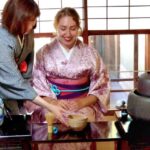
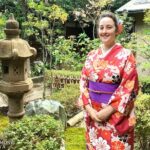

Just added: more Kyoto tours to browse








Kyoto Tea Ceremonies, compared.
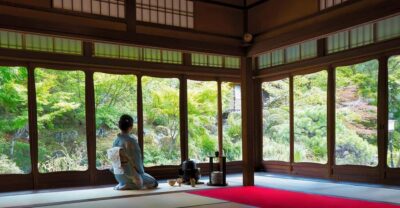 ★ 4.9Tea Ceremony in a Traditional Tea House in KiyomizuFrom $493,519 reviews
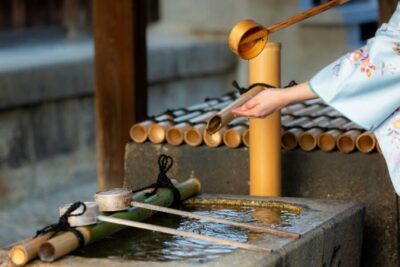 ★ 4.9Tea Ceremony Ju-An at Jotokuji TempleFrom $293,207 reviews
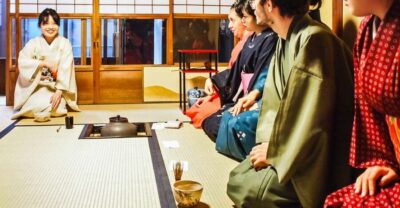 ★ 4.345-Minute Tea Ceremony Lesson ExperienceFrom $222,378 reviews
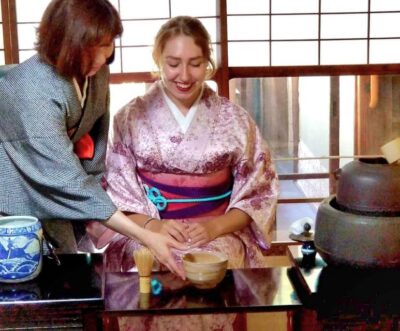 ★ 4.9Table-Style Tea Ceremony at a Kyo-MachiyaFrom $451,211 reviews
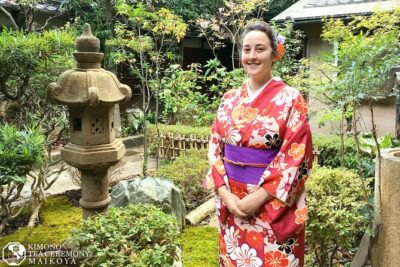 ★ 5.0Kimono Tea Ceremony at Kyoto Maikoya, NISHIKIFrom $65911 reviews
 ★ 5.0Arashiyama Bamboo Forest, Monkeys, Matcha & Temple TourFrom $53759 reviews
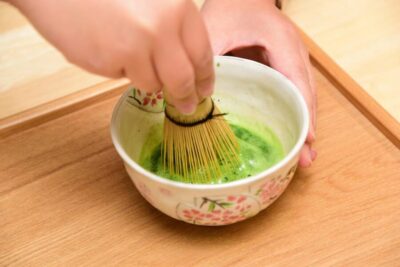 ★ 4.9Tea Museum Tickets and Matcha Grinding ExperienceFrom $23739 reviews
 ★ 4.9Kimono Tea Ceremony at Orizuruya GionFrom $49618 reviews
Browse the lists this tour appears in