
Reviewed · GION & GEISHA DISTRICT TOURS
Kyoto: Traditional Tea Ceremony with Matcha & Sweets in Gion
Matcha tastes better when you make it. In Kyoto’s historic Gion district, this tea ceremony pairs an elegant matcha ritual with chair seating, so you can enjoy the full experience without sitting on the floor. I also like that you watch the tea master up close before you whisk your own bowl, then finish with sweets and a Q&A. The main thing to consider is timing: you’ll want to arrive on time, especially if you add the kimono option.
What I like most is that the mood stays friendly and approachable, not stiff. You’ll learn the basics of tea and tea ceremony, plus the Zen ideas that shape the way the tea is made and served, and you’ll leave with a simple recipe you can actually use back home.
In This Review
- Key things to know before you go
- Kyoto’s Gion setting: tea feels calmer here
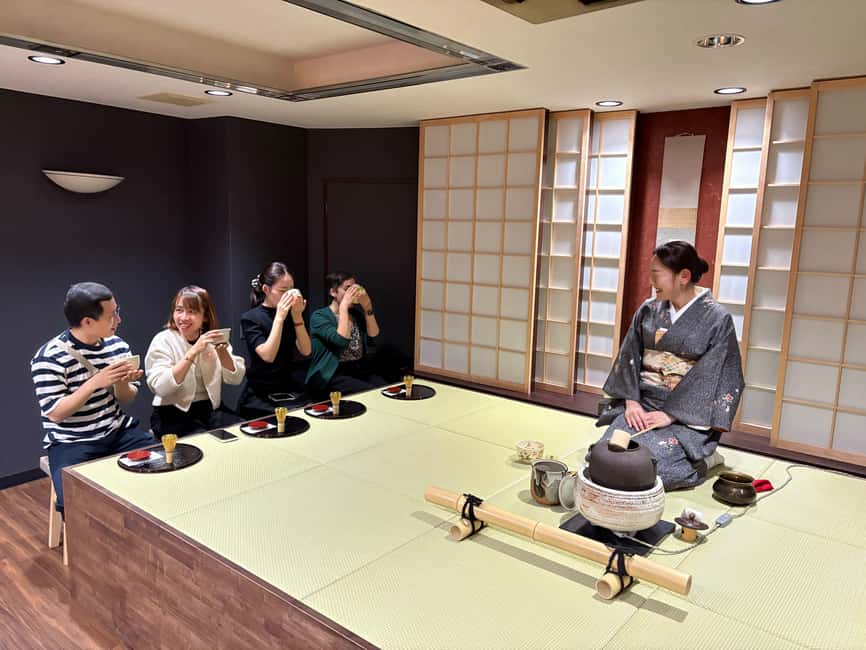
- Chair seating makes the ceremony truly approachable
- What happens during the session (step by step)
- 1) Settling in and learning the tea story
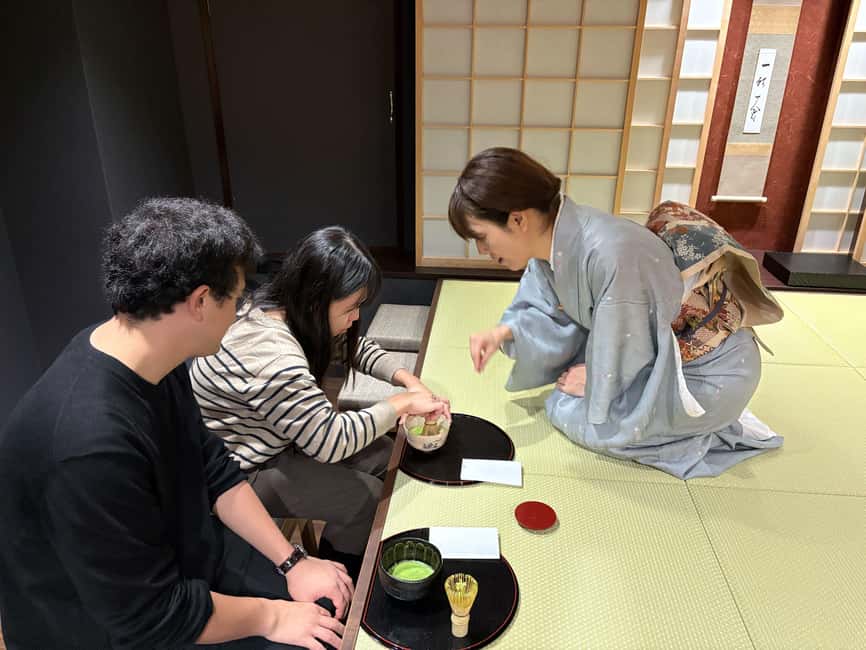
- 2) Watch the tea master up close
- 3) Taste sweets with your tea
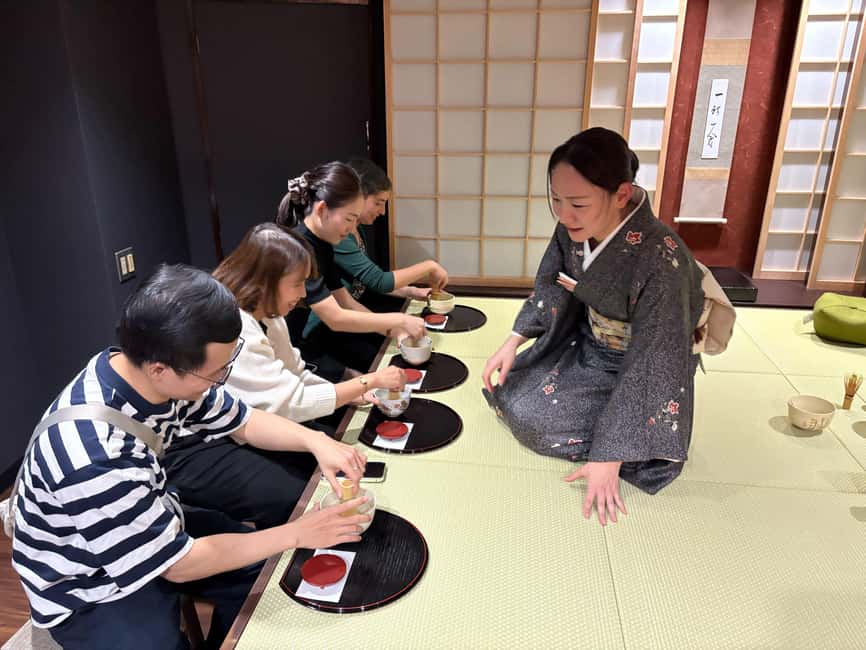
- 4) Make your own bowl of matcha
- 5) Q&A with the tea master
- Matcha from a family-run farm: how value shows up in flavor
- A simple recipe you can use at home
- The sweets: part of the ceremony, not a side snack
- Kimono option in Gion: timing can shift your tea slot
- Price and value: why $22 can make sense here
- Who should book this (and who should think twice)
- Should you book this tea ceremony in Gion?
- FAQ
- How long is the Kyoto Gion tea ceremony experience?
- Where does the activity take place?
- Is the tea ceremony done sitting on the floor?
- Is the instruction available in English?
- What is included in the price?
- Can I ask questions during the session?
- Is matcha suitable for children?
- If I choose the kimono option, how does the schedule work?
- What are the cancellation and payment options?
Key things to know before you go
- Chair seating keeps the ceremony comfortable and more inclusive
- Watch first, then do: you’ll observe the techniques up close before you make matcha
- Sweets with meaning: traditional Japanese sweets are included and chosen by the tea master
- English instruction makes it easy to understand the history and the steps
- Take-home recipe helps you recreate matcha after your Kyoto days are over
- Q&A time gives you chances to ask tea questions you’ve been carrying around
Kyoto’s Gion setting: tea feels calmer here
Gion is one of the best places in Kyoto to slow down. The streets feel older and quieter than many other areas, so even a short tea ceremony lands differently than it would in a busier part of town. This experience puts you right in that atmosphere, with a calm space where Japanese hospitality feels personal.
You’ll also appreciate the practical choice of a chair-based setup. Kyoto can be tough on knees and hips if you spend a lot of time sitting on the floor, so this format keeps the focus on the tea—not on endurance. For me, that alone makes this kind of cultural experience easier to enjoy fully.
More evenings along the lantern-lit lanes of Gion



Chair seating makes the ceremony truly approachable
Traditional tea ceremonies are often described as formal, slow, and very precise. This version keeps the respect for the craft, but it removes one common barrier: sitting on the floor. Instead, you use chairs, which means you can pay attention to what the tea master is doing and not spend half the session fighting your posture.
You’ll also get an English instructor, which matters more than you might think. Tea ceremony has lots of small steps, and a clear explanation helps you connect the movements to the philosophy—like why certain actions are done carefully, and why the pace is measured. When you understand the why, the ritual becomes more than just a performance.
One more practical bonus: the group stays small. That usually means you get more chances to see details close up, ask questions, and actually participate without feeling rushed.
What happens during the session (step by step)
This experience runs from about 1 hour up to around 150 minutes, depending on the starting time and how the session flows. Here’s the structure you can expect, in the same order the ceremony moves through.
1) Settling in and learning the tea story
You start with an introduction to tea and the tea ceremony, including the Zen philosophy that influences how everything unfolds. This is where the experience becomes more than tasting. You’ll hear the ideas behind the ritual and how matcha fits into that tradition, so when you’re later whisking and sipping, you’ll know what you’re looking at.
The tone is friendly. Instead of feeling like you’re being tested, you’re being taught. That’s important because a first-time matcha experience can feel intimidating—until someone explains the steps with patience.
2) Watch the tea master up close
Next comes the part that makes people lean forward: watching the techniques performed directly in front of you. You’ll see the careful way the tea is prepared and served, not from far away through a wall of distance. There’s a relaxing, sensory quality to it—hot water, utensils, and the calm tempo of someone who knows the routine deeply.
One highlight people talk about is the moment the water starts to heat (you might hear the pot whistle as the process begins). It sets the tone fast: quiet, warm, and focused on the next action.
Sit for another bowl of matcha in a Kyoto tea house

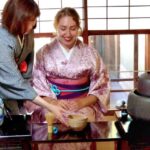

3) Taste sweets with your tea
After the ceremony begins, you’ll enjoy traditional Japanese sweets chosen specifically for this tea experience. These are not random snack pieces. They’re sweets that pair naturally with matcha, which helps you understand how flavors are balanced in a tea setting.
If you’re the type who usually skips desserts in favor of photos, this is where the sweets can win you over. Matcha can be a strong, grassy flavor, and the right sweetness and texture make the whole experience feel thoughtfully planned.
4) Make your own bowl of matcha
Then it’s your turn. You’ll make your own bowl of matcha with guidance, learning how to whisk properly. The goal is a smooth drink with the right texture, often described as getting matcha mixed into bubbles rather than leaving dry clumps.
You’ll also taste the difference between just having matcha and making it carefully. When you see the consistency change in the bowl, it clicks: good matcha is partly ingredient quality, and partly technique. Even if you don’t nail everything on your first try, you’ll walk away knowing what to aim for.
5) Q&A with the tea master
Finally, there’s time for questions. This is where you can ask what you actually want to know, like how to think about quality matcha, what to look for when mixing, or anything about tea culture you didn’t get answered earlier.
If you’re curious, this part can turn the experience into a mini lesson you can use during the rest of your Kyoto trip—like when you’re choosing matcha in shops and cafés.
Matcha from a family-run farm: how value shows up in flavor
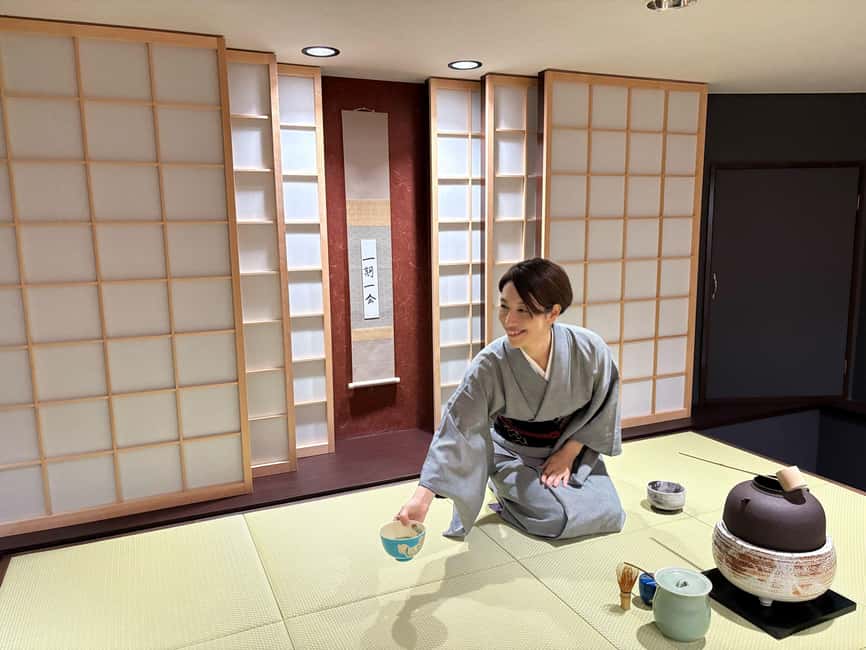
The matcha you drink and make isn’t treated like a generic add-on. You’re using matcha powder from a local tea farm, and the experience notes that the special tea is sourced directly from a family-run tea farm.
What that means for you: you’re learning with an ingredient that’s tied to a real source, not just a convenient packet. That matters because matcha quality can be wide-ranging. When the base is good, the technique feels rewarding instead of frustrating.
A simple recipe you can use at home
You don’t just get instructions in the moment. The experience includes a simple recipe so you can recreate matcha after your trip. You don’t need to turn your kitchen into a tea studio. The goal is repeatable basics—so the ceremony doesn’t fade the second you leave Kyoto.
The sweets: part of the ceremony, not a side snack
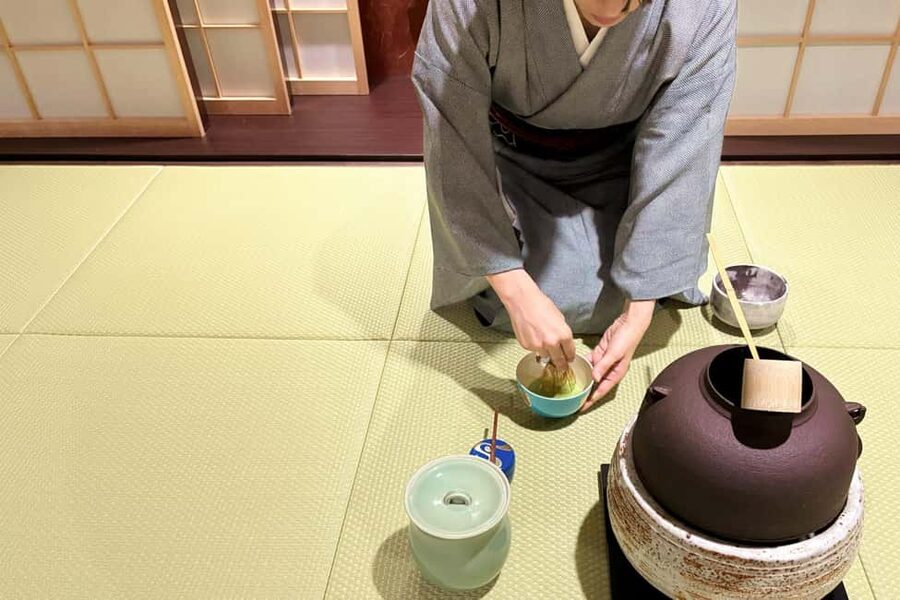
The Japanese sweets are selected by the tea master from long-established confectioners. That’s a meaningful detail. In a tea ceremony, sweetness isn’t just dessert. It’s part of the rhythm—timing, texture, and flavor balance that helps you appreciate matcha without it overwhelming your palate.
You’ll likely notice how the sweets change how the matcha tastes. When people leave impressed, it’s often because they expected matcha to be the whole event, then realized the sweets were doing real work to round out the experience.
Kimono option in Gion: timing can shift your tea slot
If you choose the kimono option, the session becomes a bit more schedule-driven. You’d go to the Kimono Rental Wargo Gion store, change first, then walk to the meeting point on your own.
Here’s the key timing you need to remember: your tea ceremony time is fixed based on your selected kimono start time. For example:
- If you pick 11:00 for kimono, you attend the tea ceremony at 12:30
- If you pick 12:00 for kimono, you attend the tea ceremony at 14:00
- If you pick 14:00 for kimono, you attend the tea ceremony at 15:30
After the tour, you’ll need to return the kimono by 5:30pm. If you like flexible plans, pick the ceremony time without kimono. If you want the classic Gion look, just be disciplined about the schedule.
Price and value: why $22 can make sense here
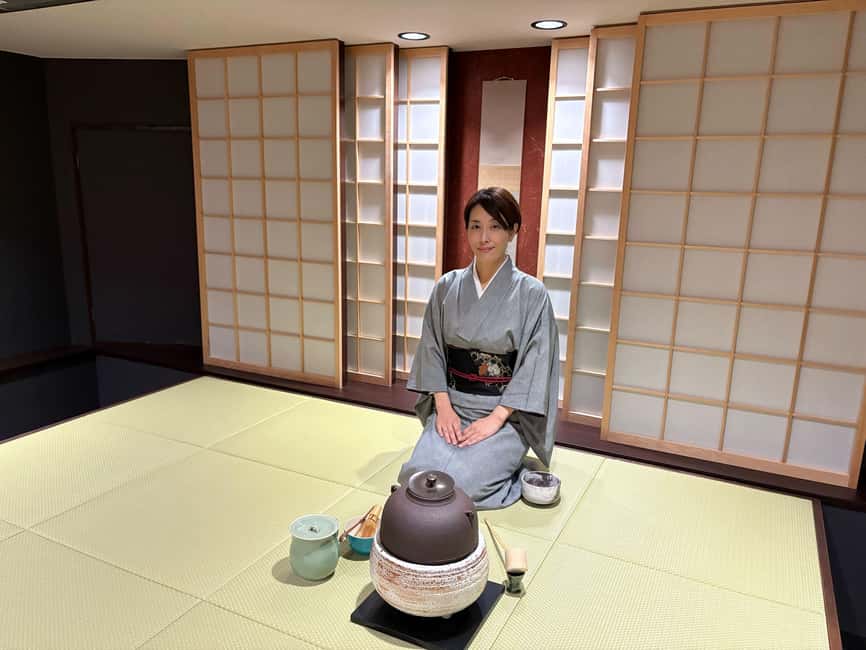
At $22 per person, this is priced for an experience that teaches and feeds you, not just for a quick demo. You’re getting:
- Matcha to drink, plus matcha you make yourself
- Guidance and history from an English instructor
- Traditional sweets
- A take-home matcha recipe
The chair seating also improves value. It reduces barriers so more people can actually enjoy the full session without worrying about comfort. When you compare it to activities that are cheaper but only offer a short photo moment, the teaching + hands-on element is what makes the cost feel reasonable.
If you’re trying to cover Kyoto experiences on a budget, this is one of those activities that feels small on time but big on meaning.
Who should book this (and who should think twice)
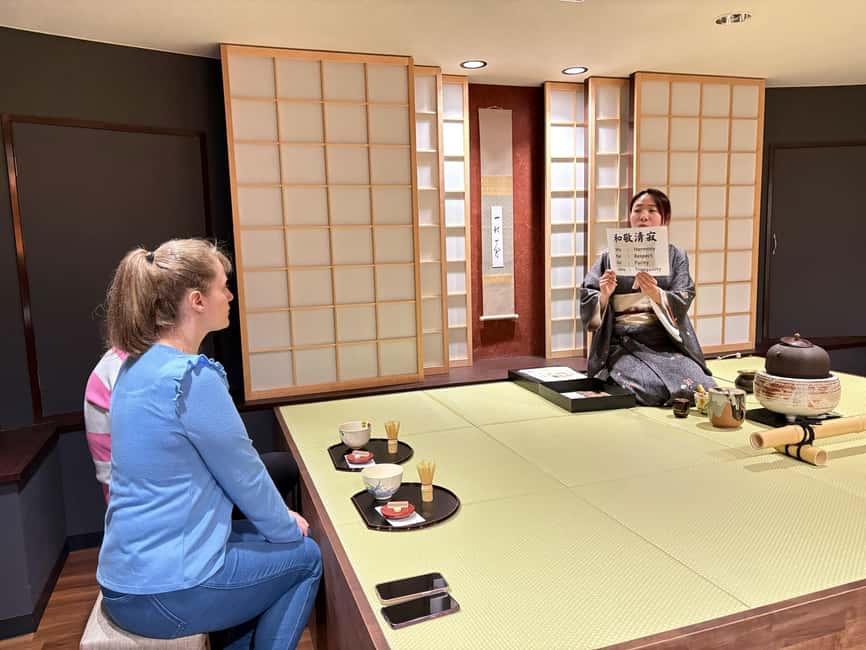
This tea ceremony is a strong fit if you:
- Want a structured introduction to matcha and tea culture
- Prefer hands-on learning instead of watching from the sidelines
- Appreciate a calmer, polite setting in Gion
- Need a chair-based format for comfort
It may not be the best fit if:
- You’re traveling with young kids who can’t handle caffeine (matcha is high in caffeine, and it’s not recommended for children under 5)
- You’re hoping for a long, performance-heavy show rather than a lesson with participation
Also note the child policy: infants and toddlers are free of charge, but if they want to try, they must use a parent’s matcha cup and won’t have their own matcha to make.
Should you book this tea ceremony in Gion?
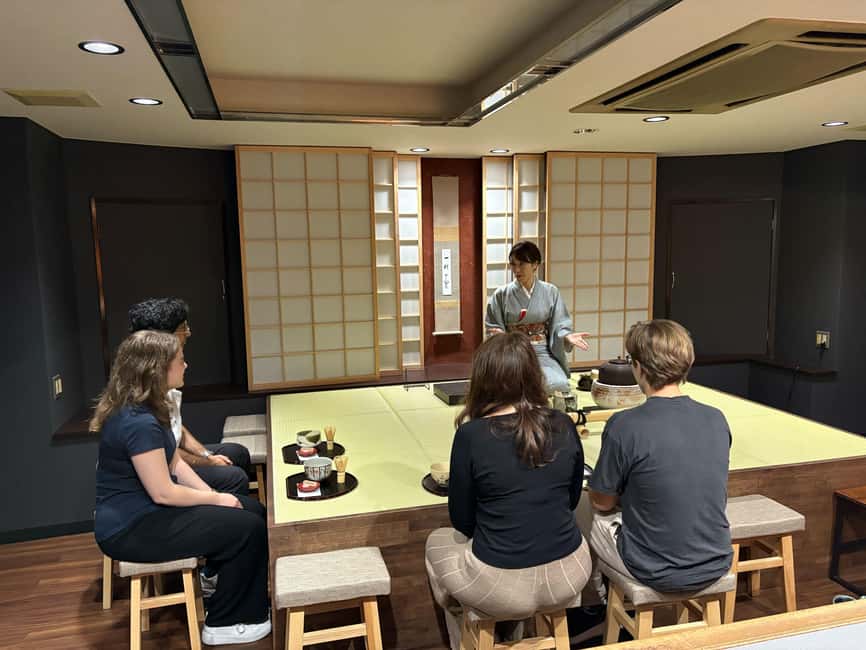
Yes, if you want a first-class introduction to matcha that feels comfortable and understandable. The combination of chair seating, hands-on whisking, included sweets, and a Q&A gives you more than a basic taste—it gives you context.
Skip it or choose carefully if your schedule is tight (especially with kimono) or if you’re traveling with very young children due to caffeine.
If you want one Kyoto experience that helps you connect with the culture using your senses, this is a smart pick.
FAQ
How long is the Kyoto Gion tea ceremony experience?
The duration is typically 1 hour to 150 minutes, depending on the session and start time.
Where does the activity take place?
It takes place in the heart of Kyoto’s historic Gion district.
Is the tea ceremony done sitting on the floor?
This experience offers chair seating, rather than sitting on the floor, to make it easier for more people to participate comfortably.
Is the instruction available in English?
Yes. The instructor speaks English.
What is included in the price?
You get a matcha drink, guidance to make matcha, Japanese traditional sweets, and a simple recipe to recreate matcha at home. A history explanation is also included with the tea master.
Can I ask questions during the session?
Yes, there is a Q&A time with the tea master at the end.
Is matcha suitable for children?
Matcha has a lot of caffeine and is not recommended for children under age 5. Infants and toddlers are free, but if they want to try, they use their parent or guardian’s matcha cup and won’t make their own.
If I choose the kimono option, how does the schedule work?
After changing at the Kimono Rental Wargo Gion store, you walk to the meeting point and must arrive about 10 minutes before the tea ceremony starts. The tea ceremony time is fixed based on your kimono start time (for example: 11:00 kimono leads to a 12:30 ceremony).
What are the cancellation and payment options?
You can cancel up to 24 hours in advance for a full refund. You can also reserve now and pay later.
If you’d like, tell me your travel dates and whether you’re considering the kimono option, and I’ll help you choose the best time slot in Gion.
More Tour Reviews in Kyoto


One More Bowl of Matcha
Still in Gion? Keep Going

Just added: more Kyoto tours to browse








Gion & Geisha District Tours, compared.
 ★ 4.7Kyoto Geisha Walking Tour: Gion District & Hidden GemsFrom $253,273 reviews
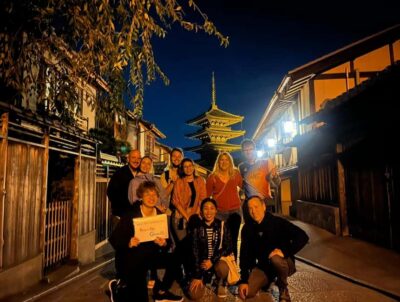 ★ 4.9Gion Magical Night Walking Tour with Geisha TriviaFrom $242,393 reviews
 ★ 4.7Gion Geisha District Walking Tour – Stories of GeishaFrom $202,187 reviews
 ★ 4.9Best of Kyoto: Gion, Geisha, Pagodas & CobblestonesFrom $242,058 reviews
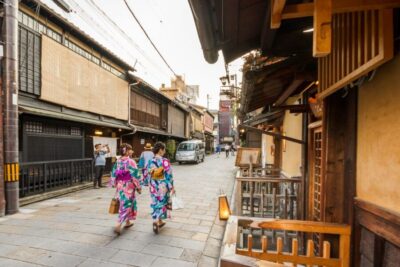 ★ 4.5Night Walk in Gion: Kyoto’s Geisha DistrictFrom $212,003 reviews
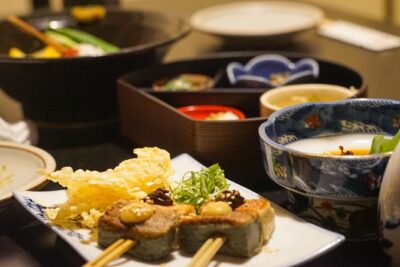 ★ 5.0Kyoto Night Foodie Tour in Gion (9+ dishes + 6 Sake tastings)From $1631,762 reviews
 ★ 5.0Kyoto Gion Geisha District Walking Tour – The Stories of GeishaFrom $251,441 reviews
 ★ 5.0Kyoto Gion: 2-Hour Geisha Culture & History Walking TourFrom $231,186 reviews
Browse the lists this tour appears in