
Reviewed · KYOTO COOKING CLASSES
Kyoto Wagashi(Japanese sweets) Cooking Class near Fushimiinari
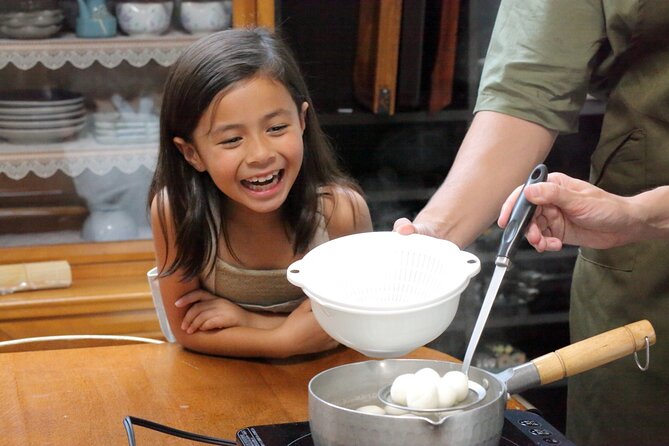
Wagashi making feels like a private Kyoto tea visit. In a traditional Japanese-style house near Fushimi Inari, you learn Kyoto-style sweets in a max-6 group, then eat what you make with matcha tea. I love the pace and attention you get because it stays small, and I love that you practice three wagashi step by step with friendly guidance from instructor Miho.
One catch: there’s no hotel pick-up, so you’ll want to plan how to reach the meeting address in Fushimi Ward by public transportation. The upside is that the class setup is built to be relaxed and easy to follow, even if you’re coming with only basic Japanese knowledge.
In This Review
- Key Highlights You’ll Actually Care About
- Entering a Kyoto Wagashi House Near Fushimi Inari
- How the Lesson Works: Making About Three Wagashi
- Macha and Dessert Time: Eating in a Traditional Room
- English Instruction and Licensed Interpreters
- Dietary Options: Vegetarian and Vegan Wagashi
- What’s Included in the Price (and What Isn’t)
- Practical Logistics Near Fushimi Inari
- Who This Class Is Best For
- Should You Book This Kyoto Wagashi Cooking Class?
- FAQ
- How long is the Kyoto wagashi cooking class?
- Is the class taught in English?
- What is included in the price?
- Can vegetarians or vegans join?
- How many people are in a group?
- Where is the meeting point?
Key Highlights You’ll Actually Care About
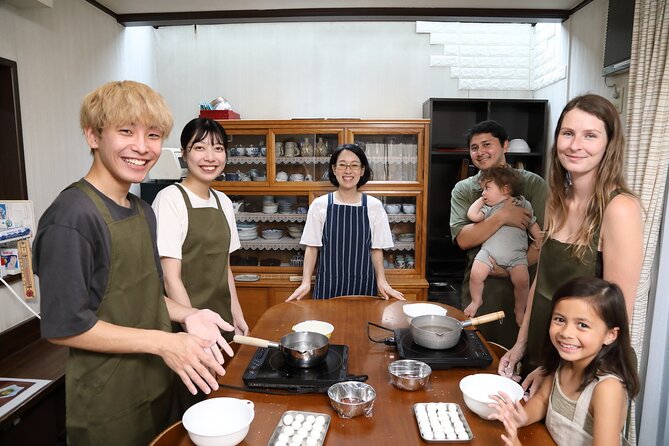
- A traditional Japanese house setting where you start in a tatami-style room and cook in an authentic space
- Small-group format (up to 6) so you’re not stuck watching while others handle the ingredients
- You make about 3 wagashi yourself, not just one quick dessert demo
- English instruction throughout, with licensed guide interpreters who can explain clearly for different language levels
- Dessert recipes to take home, so you can recreate the sweets for family and friends
- Vegetarian and vegan friendly, if you tell them your needs in advance
Entering a Kyoto Wagashi House Near Fushimi Inari
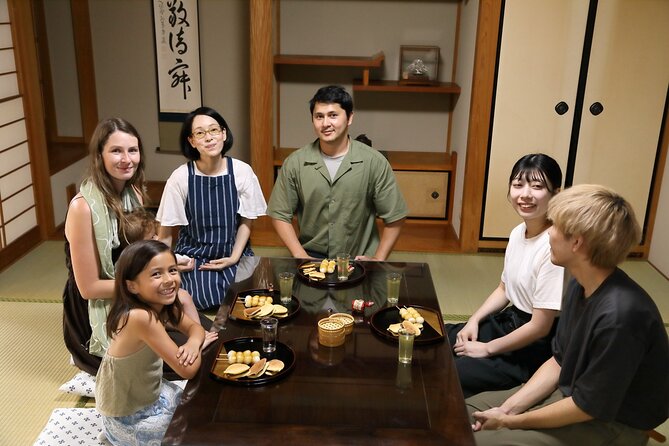
This cooking class is built around a simple idea: you should feel like you’ve been invited over for tea, not like you’re attending a factory-style workshop. The lesson happens in an authentic Japanese-style house, with traditional rooms and a calm rhythm that makes it feel more like a cultural visit than a tourist activity.
The location is in Kyoto’s Fushimi Ward, close enough to Fushimi Inari that you can pair this with time in that area. If you’re planning your day around walking the shrine streets, this is a great way to shift from crowds and camera stops into something slower and more hands-on.
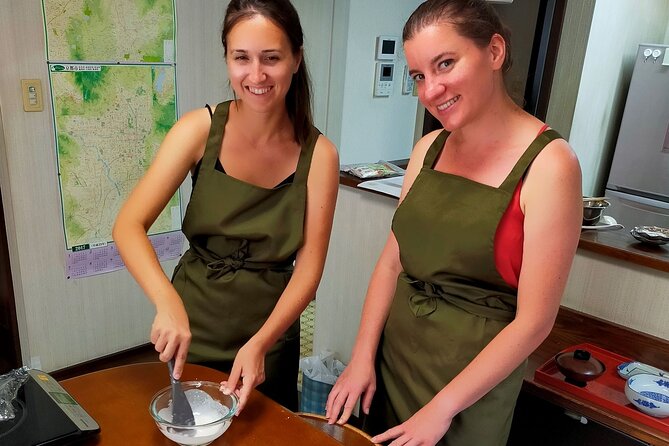
And yes, the group stays small. Maximum group size is six, which matters because wagashi techniques are easier to learn when you can ask questions and actually see what’s happening at your station. If you’ve ever felt lost in bigger cooking classes, this setup avoids that problem.
The instructor I’ll remember is Miho. Based on what people describe about her classes, she brings a friendly, organized energy, and that makes the learning curve feel gentle even if you’re not confident in the kitchen.
Roll up your sleeves for another Kyoto cooking class

How the Lesson Works: Making About Three Wagashi
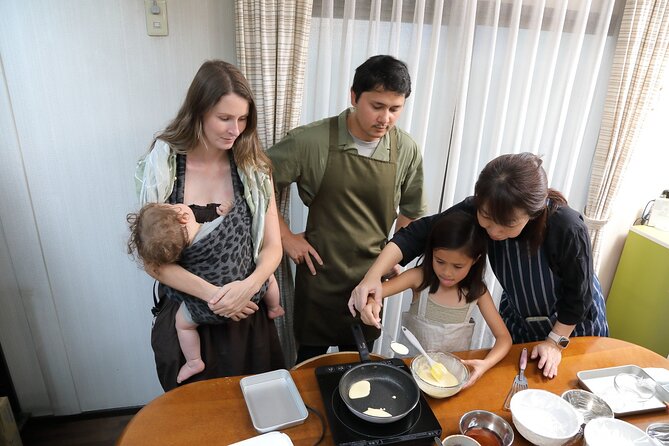
The core of the experience is straightforward: you’ll relax first, then you’ll cook. At the start, you spend time in a traditional Japanese room, getting a feel for the space. Then the class moves into the hands-on part.
You’ll prepare about three different types of wagashi, with instructor demos before you start cooking on your own. That order is smart. Seeing the steps first helps you understand texture, timing, and the small details that are hard to guess from a written recipe.
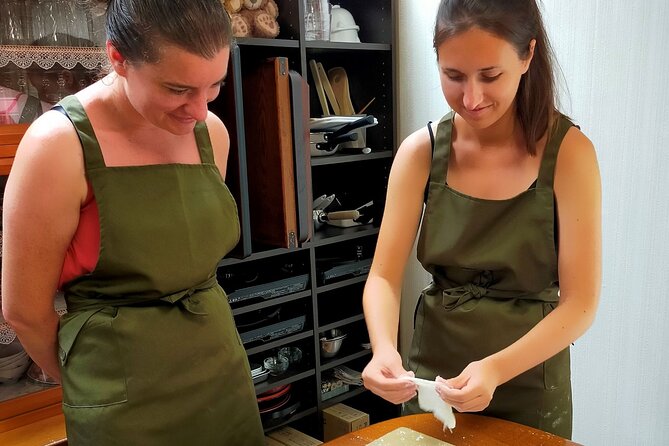
After the demonstration, you’ll work through the dessert-making yourself, either solo or with a partner depending on how the class is organized. That matters because wagashi is technique-heavy. Think about shaping, controlling sweetness, and getting the right consistency—not just following instructions.
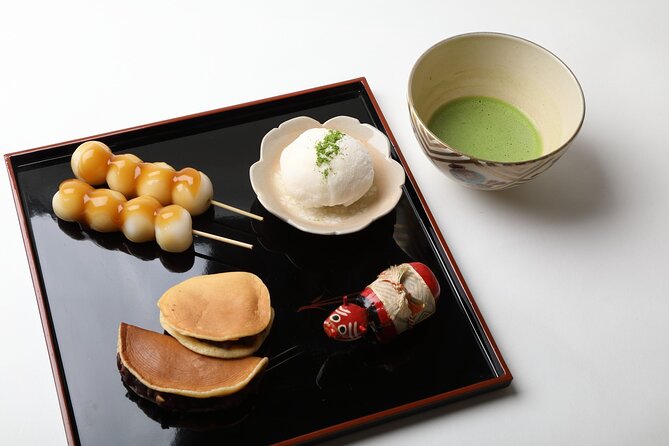
In past sessions led by Miho, the class has included sweets like black sesame mochi and mitarashi dango. Even if your exact three desserts differ, the teaching style stays consistent: you learn the reasoning behind the technique, not just the final look. You’ll also get tips that connect the dessert to Japanese food culture in a way that feels practical, not like a lecture.
This is also one of the most fun ways to connect wagashi to what you’ve seen in anime and manga. You’re not just eating a dessert that looks cute on screen. You’re handling the same ingredients and processes that create that look—so the reference clicks in your brain.
Macha and Dessert Time: Eating in a Traditional Room
Cooking gets most of the attention, but the sit-down part is what makes the experience feel complete. After you make the sweets, you and the group share a meal moment—enjoying your wagashi along with a cup of matcha.
You’ll eat inside the same traditional room style setting, and it comes with a garden view. That detail might sound minor, but it changes the whole experience. Instead of rushing out to your next sightseeing stop, you get a quiet pause. Kyoto is good at that: slowing you down without asking you to think too hard.
Also, this is the point where you see your work as more than a task. The desserts are fresh and made by you, so even if you don’t nail every texture, it still tastes like an accomplishment. And matcha gives you a classic balance—slightly bitter tea against sweet wagashi.
If you’re visiting Kyoto and trying to keep your day from turning into a checklist, this break is a strong reason to book. It turns the class into an actual memory, not just a meal you paid for.
English Instruction and Licensed Interpreters
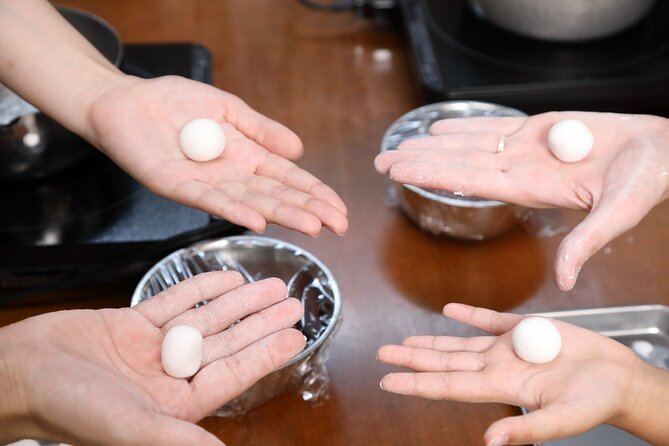
The class is conducted entirely in English, and that lowers the stress level for most visitors. There’s no need to decipher kitchen directions on the spot, and you can focus on technique and timing.
Even better, the instructors are licensed guide interpreters. That’s not just marketing language. It usually means the teaching is structured for clear understanding, so concepts like ingredient substitutions or texture targets don’t get lost in translation.
The class is designed to work for English and non-English speakers, so don’t assume you need fluent English to join. If you can follow simple explanations and watch hands-on demos, you’ll be fine.
If you’re someone who prefers guided structure while traveling, you’ll appreciate this. If you’re someone who likes fully independent experiences, you might find it a little teacher-led. But for wagashi, having someone guide you early is a big advantage.
Dietary Options: Vegetarian and Vegan Wagashi
This is one of the most practical parts of the offering: vegetarian and vegan friendly options are available, as long as you let them know in advance about dietary restrictions.
That matters because wagashi often uses ingredients that can be tricky for dietary rules. So telling the team ahead of time is your best move. If you’ve ever shown up to a class and then had your options reduced at the last minute, you’ll appreciate that this one asks for advance info.
If you’re traveling with family, this also makes planning easier. Teenagers and adults can join with confidence, and you’re not stuck guessing whether you’ll be able to eat what you make.
Other Kyoto tours and experiences to compare


What’s Included in the Price (and What Isn’t)
The price is $79.26 per person, and it covers a lot of the things that typically drive cooking class costs up. What’s included:
- All seasonings and ingredients for cooking
- English-speaking instructor
- All fees and taxes
- Coffee and/or tea
What’s not included:
- Gratuity
- Hotel pick-up and drop-off
When I think about value for a class like this, I look at two things: do you get real hands-on work, and do you get a lasting outcome. Here, you make multiple wagashi, not just one sample. Plus, you receive the recipes, which helps you recreate the desserts later instead of forgetting the steps after the trip.
A 2 hours 30 minutes duration also feels like the right length. It’s long enough to learn technique and finish three desserts, but not so long that you feel cooked by the end. That timing is also useful if your day includes other Kyoto highlights nearby.
One more small detail that helps: you get a mobile ticket. It’s one less thing to manage with paper confirmations.
Practical Logistics Near Fushimi Inari
The meeting point is at 38-4 Fukakusa Watamorichō, Fushimi Ward, Kyoto. The activity ends back at the meeting point, so you’re not dealing with a complicated route afterward.
Since there’s no hotel pick-up, treat this as a reach-it-yourself experience. The good news is that it’s near public transportation, so you’re not stuck arranging taxis if you prefer to keep your budget tight.
The class runs about 2 hours 30 minutes. That’s a helpful planning anchor. If you’re visiting Fushimi Inari earlier in the day, you’ll probably enjoy doing this class later, when you want a break from steep steps and big crowds.
There’s also a weather factor: the experience requires good weather and may be canceled due to poor weather. If Kyoto’s forecast is messy, have a flexible mindset. If it’s rescheduled, it’s still a good use of time because the class format doesn’t sound like it depends on being outdoors.
Finally, the class is capped at six people. That limit is part of why it works. In practice, it tends to make the room feel calmer, and it encourages questions instead of silence.
Who This Class Is Best For
This is a strong fit for:
- Food lovers who want something more personal than a tasting menu
- People who like Japanese culture details tied to everyday life
- Families and teens, since the pacing stays friendly and results are achievable
- Anyone who wants a souvenir that isn’t just edible today, but reproducible later
It’s also good if you’re traveling alone. The setup is designed so solo participants still get hands-on involvement and time to sit, talk, and enjoy the tea moment afterward.
If you’re on a tight schedule and only have time for one food experience in Kyoto, this is worth considering because it combines cooking, sitting down, and learning enough to repeat the sweets later.
The main limitation is simple: since it’s a max-6 class, it won’t feel like a high-energy party. If you want constant entertainment, choose a different tour style. But if you want a calm, authentic Kyoto afternoon, this hits the mark.
Should You Book This Kyoto Wagashi Cooking Class?
Book it if you want an experience that feels like Kyoto hospitality—tea first, cooking second, then a relaxed finish where you actually eat what you made. The combination of traditional house setting, small group size, English instruction, and recipes you can take home makes the price feel more like value than a typical add-on.
Skip it if you’re expecting a walking tour plus a full show, because this is primarily a cooking class experience in a Japanese-style interior setting. Also skip if you’re not comfortable handling your own travel to the meeting point since there’s no pick-up.
If your travel plan includes Fushimi Inari and you want one activity that connects Japanese sweets to real technique, this is a smart choice.
FAQ
How long is the Kyoto wagashi cooking class?
It lasts about 2 hours 30 minutes (approx.).
Is the class taught in English?
Yes. The class is conducted entirely in English, and the instructors are licensed guide interpreters.
What is included in the price?
The price includes all seasonings and ingredients, an English-speaking instructor, all fees and taxes, and coffee and/or tea.
Can vegetarians or vegans join?
Yes. Vegetarian are welcome, and it’s vegan friendly. You should let them know in advance about any dietary restrictions.
How many people are in a group?
The class has a maximum of 6 travelers.
Where is the meeting point?
The meeting point is at 38-4 Fukakusa Watamorichō, Fushimi Ward, Kyoto, 612-0022, Japan.
More Cooking Classes in Kyoto
More Tour Reviews in Kyoto





More Kyoto Cooking Classes

Just added: more Kyoto tours to browse








Kyoto Cooking Classes, compared.
 ★ 5.0Ramen Cooking Class at Ramen Factory in KyotoFrom $1311,937 reviews
 ★ 5.0Sushi Making in Kyoto! Same-day bookings welcome!From $53713 reviews
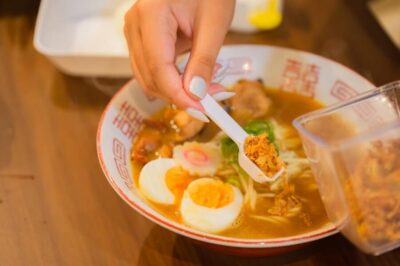 ★ 4.9Ramen Cooking Class at a Ramen Factory with SouvenirFrom $127532 reviews
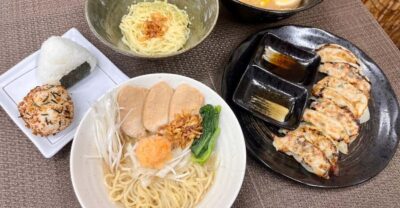 ★ 5.0Ramen, Gyoza, and Onigiri Cooking ClassFrom $90445 reviews
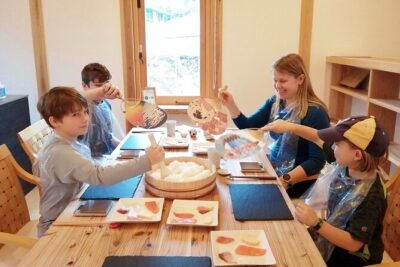 ★ 5.0The Original Small-Group Sushi Making Class in KyotoFrom $69436 reviews
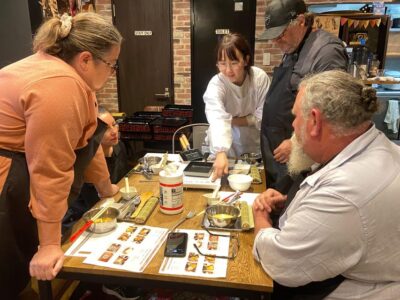 ★ 5.0Japanese Washoku Bento Small Group Cooking ClassFrom $58380 reviews
 ★ 5.0Kyoto Ramen and Gyoza Cooking Class with Professional ChefsFrom $86282 reviews
 ★ 4.9Afternoon Japanese Izakaya Cooking ClassFrom $67241 reviews
Browse the lists this tour appears in