
Reviewed · HISTORICAL TOURS
Secrets of Ninjas X Samurais: Private History Tour to Iga & Koka
Ninja lore turns real on this day trip. You’ll travel from Kyoto into the Iga and Koka regions, where the ninja story starts in mountains, castles, and old clan spaces rather than TV fantasy. I like that this tour is private and guided start to finish, so you can ask questions as you go instead of rushing on a group schedule.
Two things I really value here are the hands-on feel of the ninja house with hidden mechanisms and the way the route connects ninja and samurai history in the same afternoon. You’ll also get a smooth, comfortable ride in an air-conditioned vehicle while your guide explains what you’re seeing and why it mattered. The one possible drawback to plan around is timing: if any special demonstration or performance isn’t running during your visit window, you could miss that extra show.
In This Review
- Key Highlights You Should Know
- A Private 6-Hour Ninja and Samurai Route from Kyoto
- Getting to Iga and Koka: Mountain Drives with Comfortable Pickup
- Stop One: Iga-ryu Ninja Museum and the Origins Story
- Iga Ueno Castle: Samurai Power Meets Real-Era Context
- Shogunzuka Seiryuden Temple: A Kyoto Overlook with a Shogun Name
- Iga Town and Clan Spaces: How Ninja Life Fits Into a Real City
- Koka: Herbal-Mixing Ninja Skills and Forest Training
- Price and Logistics: What You Pay for the Private Experience
- The Guide Factor: Daiki Fukashi and the Storytelling Style
- What the Day Feels Like: Best Moments and How to Prepare
- Who Should Book This (and Who Might Choose Something Else)
- Should You Book Secrets of Ninjas X Samurais to Iga & Koka?
- FAQ
- How long is the Secrets of Ninjas X Samurais private history tour?
- What time does the tour start?
- Is pickup from my hotel included?
- What’s included in the price, and what are the extra entrance fees?
- Is the tour private or shared?
- Will I get a mobile ticket?
- Is it suitable for most people with walking ability?
- Can I cancel for a full refund?
Key Highlights You Should Know
- Private, air-conditioned van: door-to-door pickup and drop-off, with a small group up to 6
- Iga-ryu Ninja Museum: an approach rooted in the Iga ninja tradition
- Samurai castle stop: you’ll see historical-style armors and katana-sword context tied to the warring era
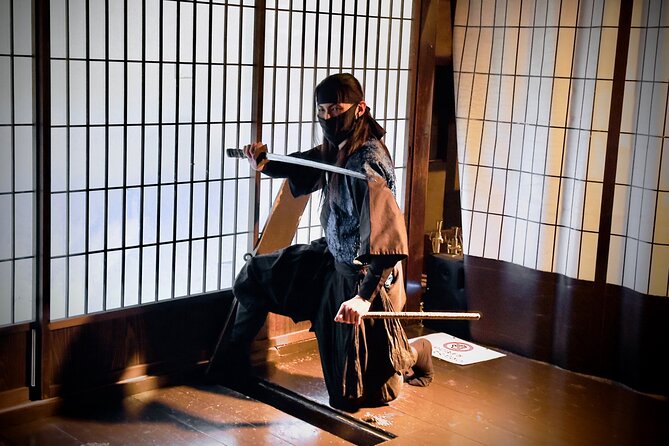
- Iga Ninja House: hidden tricks like flipping doors, secret passages, and concealed sword shelters
- Koka focus: herbal-mixing expertise and training tied to forests and survival skills
- Guide energy matters: fluent English and strong storytelling, with Daiki Fukashi specifically praised for it
A Private 6-Hour Ninja and Samurai Route from Kyoto
This is the kind of outing that works best when you want more than photos. The tour runs about 6 hours, starting at 1:00 pm, and it’s paced like a guided history walk inside real places. You’re not bouncing across unrelated attractions; you’re following one thread—how ninja culture formed, and how it coexisted with samurai power.
Because it’s private (your group only), you can lean in on the details you care about most. Want the weapons side? The samurai castle stop gives you that angle. Prefer the “how did they live and hide?” side? The ninja house and Iga area walk focus on practical stealth ideas.
Other Kyoto tours and experiences to compare

Getting to Iga and Koka: Mountain Drives with Comfortable Pickup
You’ll be picked up directly from your hotel (or anywhere), and you’ll ride in an air-conditioned private Nissan van (for small groups) or a Mini Cooper convertible if it’s just one guest. Parking, highway, and fuel are included, which matters on day trips from Kyoto where travel costs add up fast.
The ride is also part of the experience. Ninjas were linked to mountain regions in origin stories, and the drive routes you through scenery that changes by season—cherry blossoms in spring and maple trees in autumn. Your guide also uses the travel time well, explaining geography as you go rather than treating the car as dead time.
One practical note: you may encounter stairs and some rough ground at certain stops. It’s manageable for most people, but if you’re mobility-limited, ask your operator before booking.
Stop One: Iga-ryu Ninja Museum and the Origins Story
Your first major stop is the Iga-ryu Ninja Museum in Iga, reached by about an hour from Kyoto by car. The museum is presented as authentic to the Iga ninja tradition, and it’s described as having been built by a real ninja master connected with that style.
This stop sets the tone. Instead of starting with costumes or movie myths, you get a framework for understanding how ninja training and organization were tied to place and era. The museum ticket is not included, so expect an extra admission fee here.
If you’re coming with kids or teens, this is the spot that helps them switch from entertainment mode to context mode. You’ll hear enough background to make later stops—like the castle and clan areas—feel like chapters in one story.
Iga Ueno Castle: Samurai Power Meets Real-Era Context
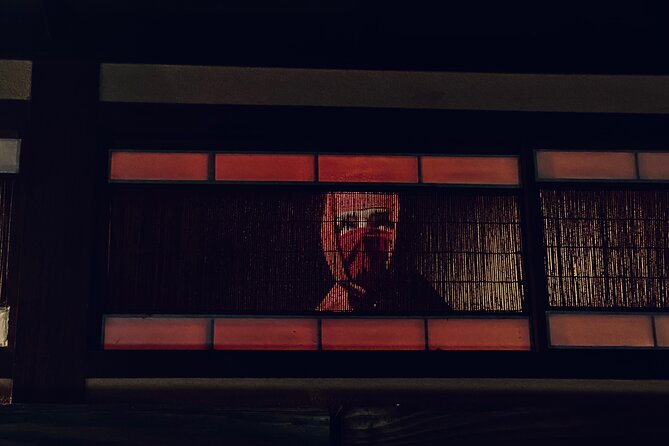
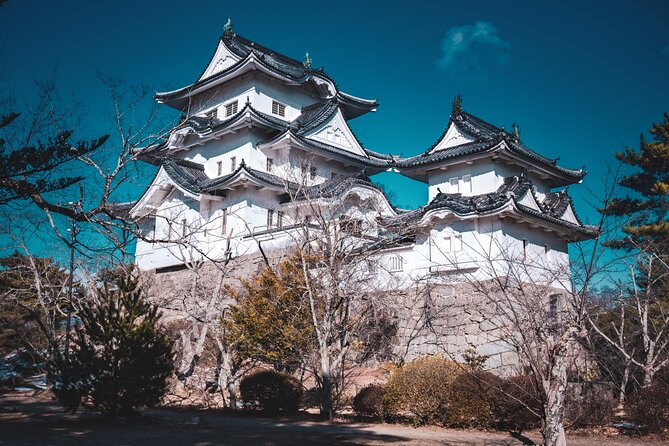
Next up is Iga Ueno Castle, perched on a hilltop in Ueno City. The castle traces back to 1585, during Japan’s warring-age era, when fort-castle design mattered for control and defense.
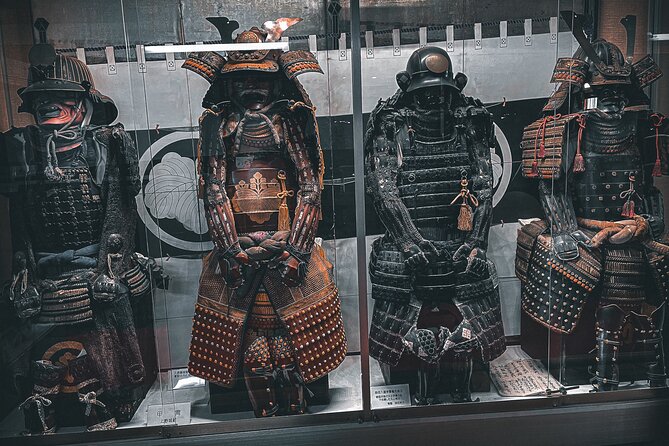
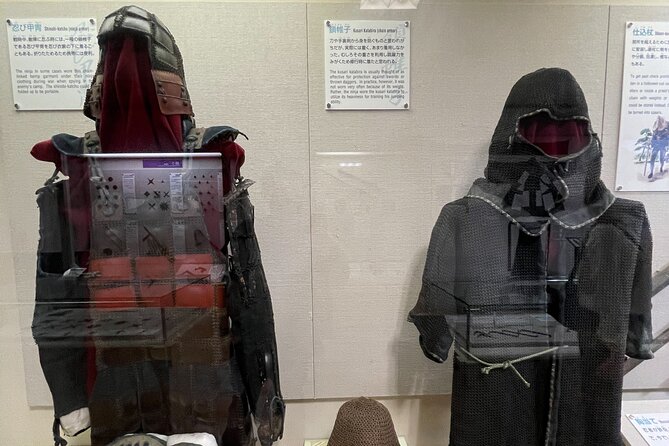
What makes this stop more than a pretty viewpoint is the “real artifacts” angle. The tour is designed to show armors and katana-swords used in shogun-era battles, with the goal of grounding samurai history in objects and warfare context rather than just names and dates. That’s exactly the kind of detail that’s hard to get from casual sightseeing.
The admission for Iga Ueno Castle is not included (listed as ¥600 per person). If you’re trying to budget tightly, consider this fee along with the ninja house cost later.
Shogunzuka Seiryuden Temple: A Kyoto Overlook with a Shogun Name
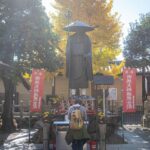
After the castle, the route includes Shogunzuka (Mound of Shogun) Seiryuden Temple. It’s located behind the mountains of Gion and is known locally as a viewpoint where you can see a wide view over Kyoto.
Historically, this place is tied to the shogun name, and today it also has a modern life—being popular with local young couples for the view. That mix is useful: you’re not just chasing history in a vacuum. You’re seeing how old places remain part of daily life.
Admission here is free, so it’s a nice “no extra ticket cost” stop. It also gives your feet a break between the longer sightseeing blocks.
Other Kyoto tours and experiences to compare
Iga Town and Clan Spaces: How Ninja Life Fits Into a Real City
The tour then moves into Iga, described as the world-famous area associated with ninja history. The key point here is the idea of place-based independence: Iga had an area that was independently run by the Iga ninja clan (伊賀衆).
Even though part of the city was destroyed by major earthquakes centuries later, the tour uses that reality to frame how ninja communities were shaped over time. This stop is mostly about atmosphere and context—seeing how the ninja story sits in an actual city footprint rather than in a recreated set.
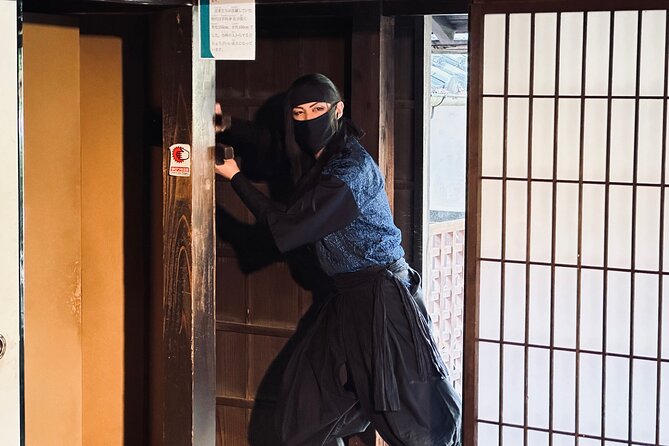
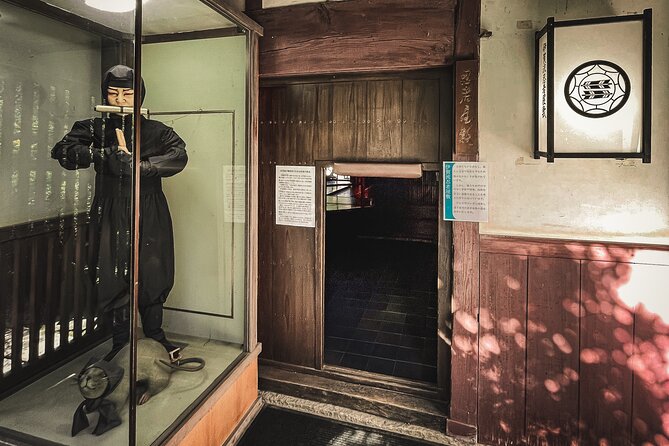
This is also where the tour’s ninja-house experience likely comes into play. The overall concept is that you’ll visit an authentic ninja house with hidden tricks such as flipping doors, secret passages, and hidden sword shelters. The entrance fee for the Iga Ninja House is ¥800 per person, and that cost is separate from the main tour price.
If you love practical design details, this is one of the strongest moments of the day. A movie ninja fights in choreography. A real ninja story is about architecture, concealment, and timing.
Koka: Herbal-Mixing Ninja Skills and Forest Training
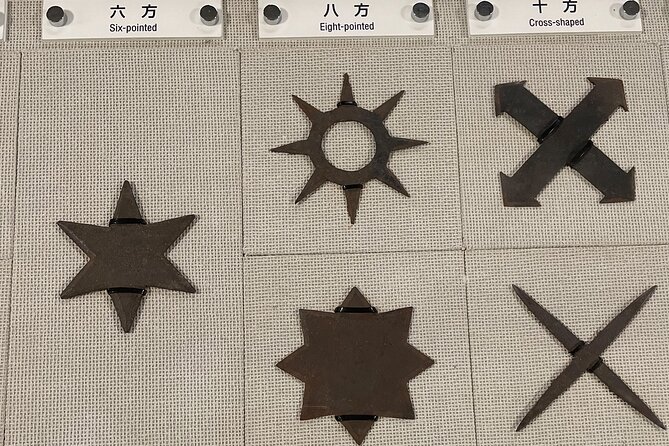
Your final historical focus is Koka, one of the two most famous ninja areas/clans in history. Here, the story leans into skills that weren’t just about weapons: Koka ninjas were known for expertise in herbal mixing, tying survival, preparation, and information gathering to materials and chemistry.
The tour includes time with a local expert, framed as an exploration of what training could look like for those ninjas—especially around deep forests and the kind of endurance required to operate away from easy roads.
The Koka stop is listed as 1 hour and the area admission is free, which makes it a good “value per minute” ending. By this point, you’ll probably notice the pattern the guide has been building all afternoon: ninja life isn’t presented as one single trick. It’s a system—place, concealment, preparation, and adaptation.
Price and Logistics: What You Pay for the Private Experience
The base price is $257.35 per group (up to 6), which can be excellent value if you’re splitting the cost with family or friends. A private van, pickup and drop-off, and a full-English guide for about 6 hours aren’t cheap elsewhere in Kyoto.
But there are extra admissions you should plan for:
- Iga Ueno Castle: ¥600 per person (not included)
- Iga Ninja House: ¥800 per person (not included)
- Iga-ryu Ninja Museum: admission ticket not included (price not listed)
So the best way to think about value is this: you’re paying for a guided private history thread plus comfortable transport, while the major site entries are paid separately. If your group is smaller (like 1–2 people), it’s still a good deal compared to hiring separate taxis, but budget for those on-site fees.
The Guide Factor: Daiki Fukashi and the Storytelling Style
The tour’s quality doesn’t just come from sites—it comes from how the information is delivered. One guide name you’ll see tied closely to great experiences is Mr. Daiki Fukashi. People praised him for being fluent in English, enthusiastic, and kind, and also for connecting ninja history to broader Japan beyond weapons and tactics.
That matters because ninja stories can turn into movie trivia fast. A strong guide keeps you anchored in real geography and daily life. In the Koka portion, for example, the herbal-mixing angle helps you see ninja as practical survival experts, not just stealth performers.
One more note for your expectations: an afternoon schedule can sometimes mean you miss a special ninja performance or demonstration. That wasn’t a deal-breaker for everyone, but it’s worth considering if you’re specifically hoping for live performances.
What the Day Feels Like: Best Moments and How to Prepare
This tour feels like a “history walk with transportation” more than a museum marathon. You’ll have structured stops, but you’ll also get time for sightseeing pacing—views from hilltop areas, village-scale walking, and a strong practical highlight in the ninja house.
Here’s what tends to land hardest:
- The ninja house mechanisms (doors, passages, concealed storage)
- Castle-era context that connects to samurai power and warfare
- Koka’s herbal-mixing focus, which makes the ninja story feel broader and more human
What helps you enjoy it more:
- Wear shoes you don’t mind on uneven ground and stairs
- If you’re sensitive to walking time, be clear when booking
- Bring curiosity. This tour rewards questions.
Who Should Book This (and Who Might Choose Something Else)
You’ll love this tour if you want a private, guided link between ninja and samurai in the same day—especially if you enjoy real places, architecture, and objects tied to history. It also fits well for families with teens, since the guide’s explanation style can connect complex topics to everyday understanding.
You might want a different option if live performances are a must for your trip and you’re flexible only on that. Also, if your ideal day is low-walking with minimal stairs, you’ll want to confirm stop-by-stop conditions ahead of time.
Should You Book Secrets of Ninjas X Samurais to Iga & Koka?
I’d book it if you like your history grounded: real city spaces, real castles, and a ninja house designed around concealment. The private format makes it easier to slow down and understand what you’re seeing, and the route naturally builds from origins (museum and Iga) to practice (ninja house) to specialty skills (Koka).
If you’re deciding between this and a more general Kyoto city tour, this one gives you a stronger “story end-to-end” experience. Just budget for the on-site admissions, plan for some walking on uneven ground, and keep your expectations flexible about any additional performance-style extras.
FAQ
How long is the Secrets of Ninjas X Samurais private history tour?
It runs about 6 hours (approx.).
What time does the tour start?
The start time is 1:00 pm.
Is pickup from my hotel included?
Yes. Direct pickup and drop-off from your hotel (or anywhere) is included (from the operator’s covered cities).
What’s included in the price, and what are the extra entrance fees?
Included are the private air-conditioned vehicle, a full-English guide experience with descriptions, and parking/highway/fuel fees. Not included are entrance fees for Iga Ueno Castle (¥600 per person) and Iga Ninja House (¥800 per person), plus the Iga-ryu Ninja Museum admission ticket.
Is the tour private or shared?
It’s private. Only your group participates.
Will I get a mobile ticket?
Yes, the tour includes a mobile ticket.
Is it suitable for most people with walking ability?
Most travelers can participate, but some locations have stairs and rougher ground, so it helps to be comfortable with short walks and uneven surfaces.
Can I cancel for a full refund?
Yes. You can cancel up to 24 hours in advance for a full refund.
More Private in Kyoto


More Tours in Kyoto


More Tour Reviews in Kyoto
Just added: more Kyoto tours to browse





Historical Tours, compared.
 ★ 5.0Kyoto Gion: 2-Hour Geisha Culture & History Walking TourFrom $231,186 reviews
 ★ 5.0Kyoto Gion Historical Walking TourFrom $40188 reviews
 ★ 5.0Historical Kyoto E-Bike TourFrom $99181 reviews
 ★ 5.0Nijo Castle World Heritage Guided Tour with AdmissionFrom $39128 reviews
 ★ 4.9Private 2.5 Hour Historical Walking TourFrom $80121 reviews
 ★ 4.8From Kyoto: Nara History Guided Half Day Bus Tour with LunchFrom $77114 reviews
 ★ 4.6Uji: UNESCO Heritage & Tea Ceremony Walking TourFrom $6654 reviews
 ★ 5.0Private car tour Let’s uncover secrets of majestic Kyoto historyFrom $10845 reviews
Browse the lists this tour appears in