
Reviewed · KYOTO TEA CEREMONIES
Japanese Traditional Sweets making with Tatedashi Matcha
Make wagashi, then sip matcha. This Kyoto-area class near Gojo Station is a hands-on way to shape Nerikiri sweets to the season, then taste them with Tatedashi matcha at the end.
I like that you work with white/red bean paste made by Kyoto’s long-established shops, not some mystery ingredient. I also like that you’ll make two different seasonal sweets and you can eat them on the spot.
One thing to consider: some classes run with a lot of people together, so if you like extra elbow room or quiet, plan your timing with that in mind.
In This Review
- Key highlights worth aiming for
- Kyoto’s Nerikiri class is tiny edible art
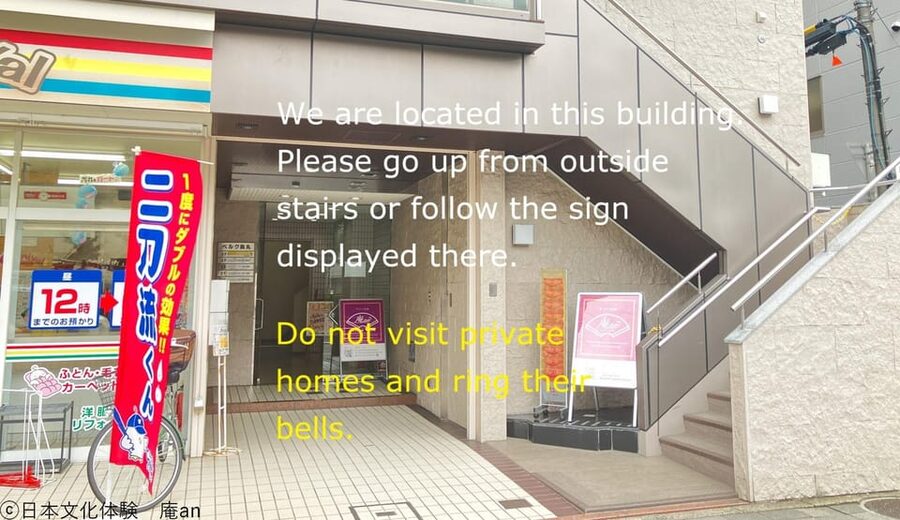
- Where you go: Gojo Station, Exit 1, and a simple walk
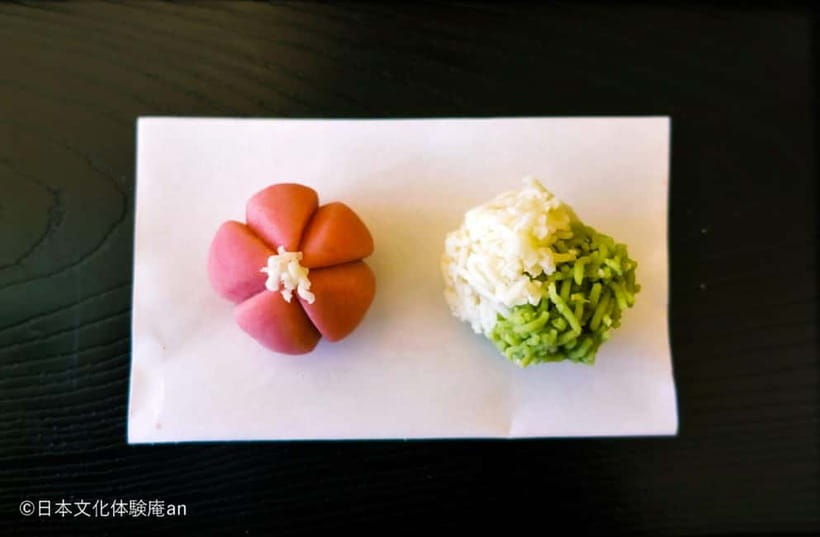
- What you actually make: flower Nerikiri and Kinton Nerikiri
- The bean paste ingredient is the quiet star
- The 65-minute flow, explained like a friend
- Tatedashi matcha and why the pairing works
- Instruction, language, and the real-world classroom feel
- Price and value: what $14 buys you in Kyoto
- Who this class suits (and who might want to skip it)
- Small logistics that can affect your time
- Should you book this Nerikiri and matcha class?
- FAQ
- Where is the meeting point?
- How long is the experience?
- What sweets will I make?
- Is the class including matcha?
- Can I eat the sweets during the class?
- What is the price?
- Is there an option to take the sweets home?
- Is there English support?
- End of review
Key highlights worth aiming for
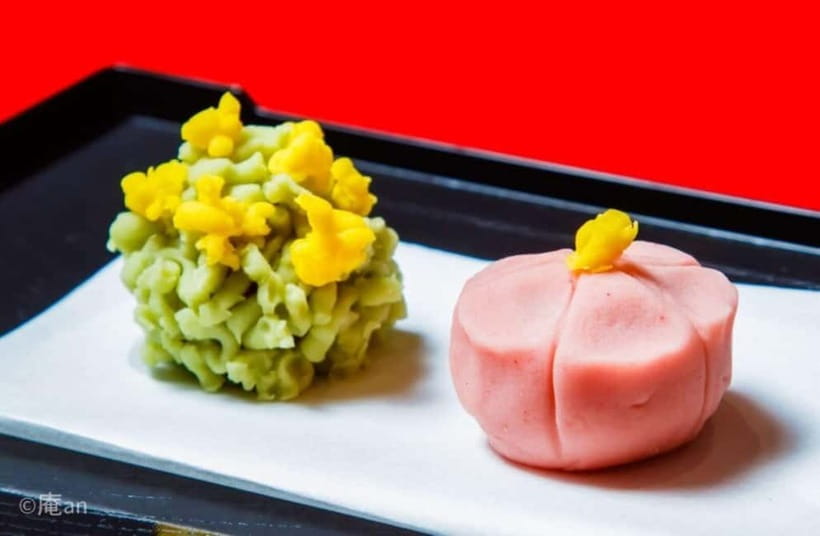
- Kyoto bean paste, white and red: you’re using established Kyoto shop ingredients, so the flavor story feels legit.
- Two seasonal Nerikiri per person: a flower-shaped one plus Kinton Nerikiri.
- You can eat your work immediately: no waiting, no “just for photos” vibe.
- Tatedashi matcha is included: you get a proper pairing, not just tea in a cup.
- Photo time at the finish: it’s built in, so plan to make your plate look good.
Kyoto’s Nerikiri class is tiny edible art
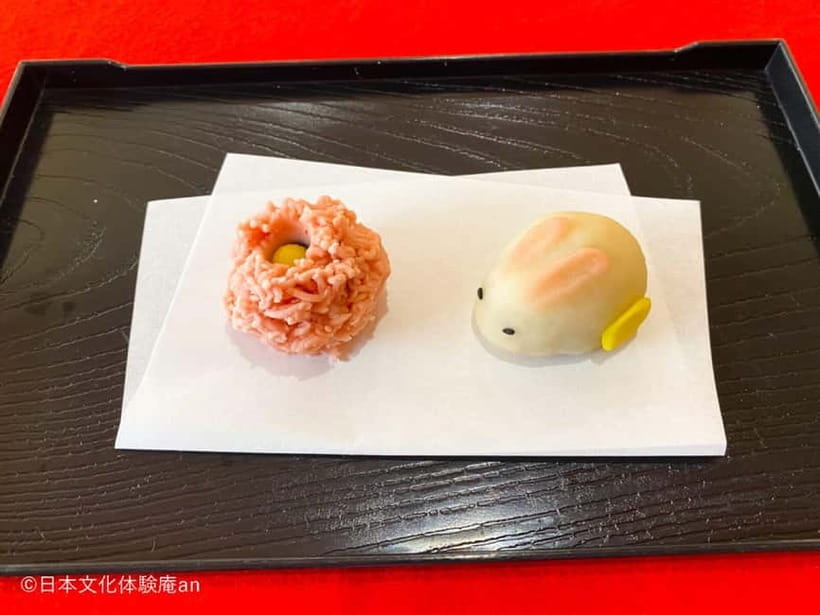
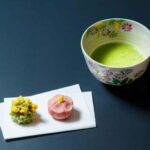
If you’ve ever looked at Japanese sweets and thought, how do they make that, this is the answer. Nerikiri is shaped from sweet bean paste, then formed into seasonal designs like flowers. In other words, you’re not just eating dessert later, you’re making the dessert as part of the fun.
The best part is how practical the experience feels. You’ll get step-by-step shaping guidance, then you’ll see the final result—two sweets—on your own plate. And yes, you get to taste them, which turns the whole session from craft time into a real snack break.
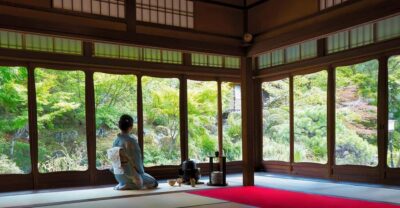
Sit for another bowl of matcha in a Kyoto tea house
Where you go: Gojo Station, Exit 1, and a simple walk
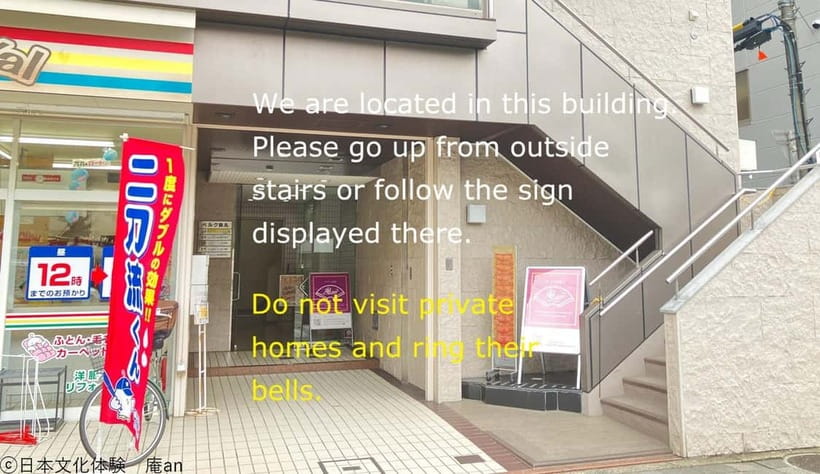
You meet about a 1-minute walk from Exit 1 of the Subway Karasuma Line Gojo Station. The store entrance faces the main street, Gojo-dori, so you’re not hunting through side alleys.
Having a clear meeting point matters in Kyoto. One wrong turn at the wrong time can steal time from your day, and this class runs on a tight schedule. If you’re also doing sightseeing before class, I’d give yourself a little buffer so you arrive ready to start.
What you actually make: flower Nerikiri and Kinton Nerikiri
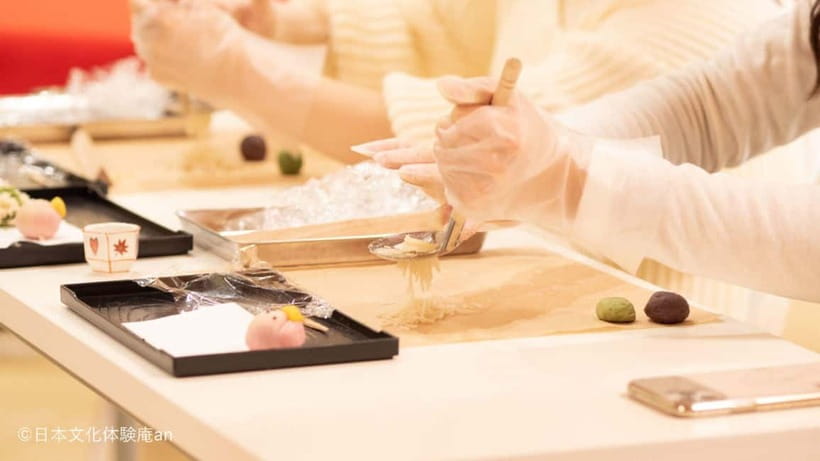
The class is designed around making two sweets that match the season.
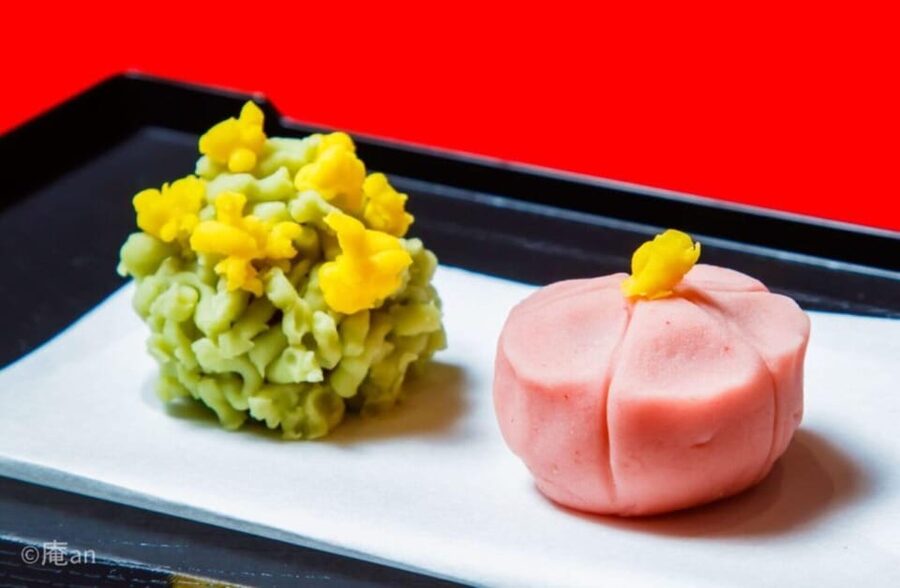
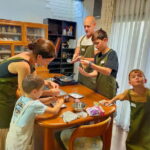
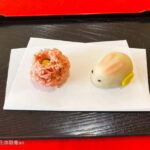
First up is a flower-shaped Nerikiri. You’ll shape the paste into a flower look, then refine the form so it sits nicely on a plate. This part is great for beginners because it’s visual: you can quickly tell if you’re on track.
Then you make Kinton Nerikiri. This one shifts from the “one simple shape” feeling to something a bit more structured. You’ll follow the same hands-on approach, but with a different design, so your plate ends up looking varied, not repetitive.
If you’re the type who likes to finish what you start, you’ll probably enjoy that the class ends with a built-in picture time around the halfway-late point of the session.
The bean paste ingredient is the quiet star
A big deal in Japanese sweets is the base ingredient. Here, you use white/red bean paste produced by Kyoto’s long-established shops. That matters because it shapes flavor more than people expect.
Sweet bean paste can taste different from one supplier to another—texture, sweetness level, and depth can vary. Starting with Kyoto-made paste gives you a better chance of tasting something that feels like the real deal, not just sweet dough.
Also, because it’s the bean paste driving the flavor, it helps if you enjoy that style of dessert. If you only like very fruit-forward sweets, nerikiri may feel more “bean-sweet” than “dessert-sweet.” But if you like classic Japanese flavors, this class is a solid match.
The 65-minute flow, explained like a friend
This is a short class, so every segment has a purpose. Here’s what the timing feels like in real life, step by step.
At the start, you get an explanation of Japanese traditional sweets and what you’re about to make. Then you begin with the flower-shaped Nerikiri.
Next comes the Kinton Nerikiri making. By this stage, you’ll have a sense of how the paste behaves—how it holds shape, how it responds as you press and adjust.
Around 55 minutes, the sweets-making part wraps up and there’s picture time. That timing is smart. You get to show off your plate while it’s still fresh and intact.
After that, you transition into the tasting portion. Tatedashi matcha is provided, then you get eating and drinking time until the full 65 minutes are done and it’s time to leave the room.
You’ll notice there isn’t much “free time” baked in. That’s normal for a class like this, and it’s also why it can be a good use of a travel day: you can slot it in without losing an entire afternoon.
Other Kyoto tours and experiences to compare

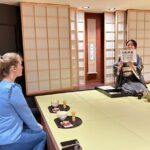
Tatedashi matcha and why the pairing works
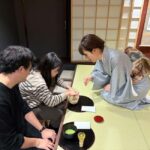
You’ll get Tatedashi matcha at the end, along with time to eat. Tasted alongside nerikiri, matcha is doing more than being a cute beverage.
Matcha’s bitterness and grassy flavor give contrast to sweet bean paste. It helps keep the dessert from feeling heavy. In a class where you’re also learning how the sweets look and feel, having the tasting right after you finish is one of the best ways to understand what you made.
In the reviews, people specifically called out that the instructor is great and that the sweets are tasty. That lines up with what you’re likely to experience: the final combo is meant to be enjoyable, not just ceremonial.
Instruction, language, and the real-world classroom feel
Instruction is in Japanese, but English translation is provided as much as possible. If you want extra help, you’ll need to contact the operator in advance.
Here’s my practical advice: don’t worry too much about understanding every single word. Watch the hand movements. For this type of craft, the visual cues carry a lot of the meaning. Still, if you’re hoping for deep explanations of what’s inside the paste or how everything is formulated, you might find the session more focused on making than on science. That’s something I’d flag based on a review that described it as more play-dough-like than informational.
One more classroom factor: some classes can feel crowded. One review called out that there were too many people in a single class. That doesn’t mean it’s bad, but it can affect how easily you can work and how much personal attention you get. If you prefer more space, look for times that tend to be less popular.
Price and value: what $14 buys you in Kyoto
The price is listed at $14 per person, and the big value point is that you’re not just tasting. You’re making two seasonal sweets, using real Kyoto bean paste, and you’re also getting Tatedashi matcha.
So you’re paying for:
- ingredient-based crafting time
- guided shaping of two sweets
- a real dessert-and-drink finish
Optional extras exist. If you want a take-out box, it costs 100 JPY. There’s also an optional experience completion certificate for 300 JPY.
Is it worth it? For most people who enjoy food crafts and want an authentic hands-on souvenir, yes. It’s a short class, it ends with something you eat, and the skills are the kind you can brag about without needing a degree in pastry.
Who this class suits (and who might want to skip it)
I think this class is a great fit if you want a break from planning and lines. One review even described it as an exciting break from the rush of the day, and I get that. You sit down, you focus, you make something, then you eat it. No waiting for the next attraction, no trying to decode menus.
It’s also ideal if you like seasonal food culture. Making sweets that match the season gives context you don’t always get from buying wagashi in a shop.
You might want to choose a different activity if you mainly want culinary history or ingredient education. Some people can come in expecting a more detailed explanation of what everything is made of, and the structure here is more about the hands-on making experience.
Small logistics that can affect your time
A few practical notes to keep things smooth.
The operation hours are 10:00 to 17:00. If you reserve after 17:00, it’s processed the next day. The class also won’t wait if you’re delayed, so arrive with buffer time.
The building is wheelchair accessible, but there’s no elevator and you’ll need to use stairs to reach each venue. If stairs are a concern, it’s worth factoring that into your decision.
Also, the class seems to require participation. Those who don’t participate aren’t allowed to enter, so treat this as an activity, not a drop-in viewing session.
Should you book this Nerikiri and matcha class?
Book it if you want a short, hands-on Kyoto food experience with real ingredients and a sweet finish. You’ll make two seasonal Nerikiri, sip Tatedashi matcha, and actually eat what you made, which is the kind of value that’s hard to fake.
Skip it or consider another option if you hate crowded group settings or you’re coming mainly for an ingredient lecture. With this format, the emphasis is on shaping and taste, not a long deep explanation.
If your goal is a memorable, snackable craft session that feels unmistakably Japanese, this is a very reasonable way to spend an hour on Honshu.
FAQ
Where is the meeting point?
You meet about a 1-minute walk from Exit 1 of the Subway Karasuma Line Gojo Station. The store entrance faces Gojo-dori, and it’s near the coordinates listed for the location.
How long is the experience?
The experience lasts 65 minutes.
What sweets will I make?
You will make two seasonal Japanese traditional sweets called Nerikiri.
Is the class including matcha?
Yes. Tatedashi matcha is provided, and there is an eating/drinking time at the end.
Can I eat the sweets during the class?
Yes. You can eat the sweets on the spot.
What is the price?
The price is listed as $14 per person.
Is there an option to take the sweets home?
Yes. A sweets take-out box is available for 100 JPY.
Is there English support?
English translation is provided as much as possible. If you would like to add it, you need to contact the provider.
End of review
More Dessert Tours in Kyoto
More Tour Reviews in Kyoto

One More Bowl of Matcha

Just added: more Kyoto tours to browse




Kyoto Tea Ceremonies, compared.
 ★ 4.9Tea Ceremony in a Traditional Tea House in KiyomizuFrom $493,519 reviews
 ★ 4.9Tea Ceremony Ju-An at Jotokuji TempleFrom $293,207 reviews
 ★ 4.345-Minute Tea Ceremony Lesson ExperienceFrom $222,378 reviews
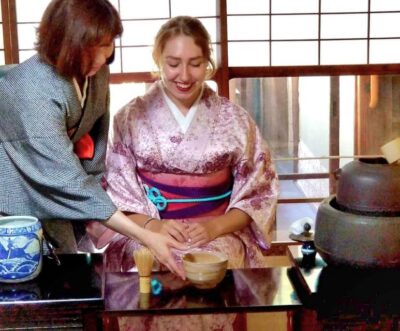 ★ 4.9Table-Style Tea Ceremony at a Kyo-MachiyaFrom $451,211 reviews
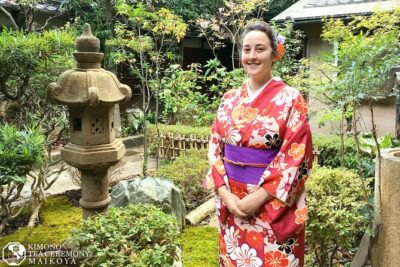 ★ 5.0Kimono Tea Ceremony at Kyoto Maikoya, NISHIKIFrom $65911 reviews
 ★ 5.0Arashiyama Bamboo Forest, Monkeys, Matcha & Temple TourFrom $53759 reviews
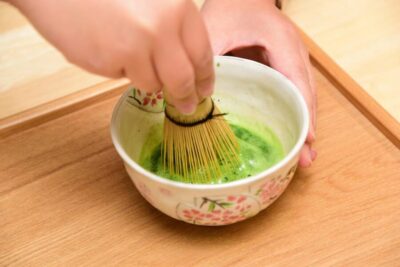 ★ 4.9Tea Museum Tickets and Matcha Grinding ExperienceFrom $23739 reviews
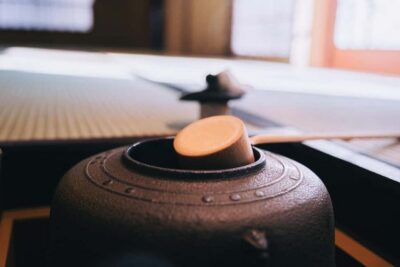 ★ 4.9Kimono Tea Ceremony at Orizuruya GionFrom $49618 reviews
Browse the lists this tour appears in