
Reviewed · ARASHIYAMA & BAMBOO GROVE TOURS
From Bamboo to Hidden Shrines: Kyoto’s Private Escape Tour by Car
Kyoto’s quiet corners are closer than you think. This private car tour threads you through Arashiyama and then north into the forest-country calm you don’t see on most quick day plans. I love the idea that the goal is quiet spirituality—mossy paths, shaded walks, and sacred spots known for silence more than fame.
My other big like is the pacing and comfort. You start in Arashiyama, but instead of fighting a bottleneck, you drive to a less busy area for the bamboo walk, then keep moving through smaller sites like Otagi Nenbutsu-ji and two mountain-and-forest shrines. One thing to plan for is entrance fees: except for the bamboo forest, temple and shrine admissions cost extra.
In This Review
- Quick hits before you go
- A private car route that gets you off Kyoto’s crowd path
- Arashiyama Bamboo Forest: how the 30 minutes stays peaceful
- Otagi Nenbutsu-ji: 1,000+ stone statues and a slower kind of fun
- Kuzu Shrine: free entry, forest silence, and a cultural-property main hall
- Keihokushuzancho: the car-only mountain stop that changes the day
- Price and value: what $95 buys you, and what to budget for
- Getting the most out of the day (without turning it into a chore)
- Who this tour fits best (and who might want something else)
- Should you book this Kyoto private escape tour?
- FAQ
- How long is the Kyoto private escape tour by car?
- What is included in the $95 per person price?
- Are temple and shrine entrance fees included?
- Is pickup available, and where does the tour start?
- Do I get a mobile ticket?
- Is this a private tour or shared with others?
- What if the weather is poor?
- Can I cancel for a full refund?
Quick hits before you go
- Drive deeper into Arashiyama’s bamboo to reduce crowd pressure during the bamboo-forest stroll.
- Otagi Nenbutsu-ji has 1,000+ stone statues, so the stop turns into a playful scavenger hunt with a respectful tone.
- Kuzu Shrine is free, and its main hall is a Registered Tangible Cultural Property you can see quietly up close.
- Keihokushuzancho is car-only and lightly marked, which is exactly why it feels different from the usual Kyoto checklist.
- Your guide (Katsu) sets the mood, with friendly, story-based context that keeps the experience from feeling rushed.
A private car route that gets you off Kyoto’s crowd path
Kyoto can be loud, even in temple-heavy neighborhoods. This tour works because it uses a private car to change your rhythm fast. You begin in Arashiyama for a classic Kyoto scene, then you get pulled away from the tourist map and into the greener north.
That matters more than it sounds. When you’re moving by car, you spend less time backtracking and more time actually walking where you want to be. You also avoid the “everyone arrives at once” feeling at the most famous photo stop. The bamboo forest still looks iconic, but your experience is calmer because you’re not starting from the exact same entrance as the biggest crowds.
The route also has an intentional theme: quiet spiritual places. You’re not only ticking off temples; you’re getting a sequence of sacred sites that feel like they belong together. One stop includes a tranquil garden where time feels slower, and another sacred place comes with its name deliberately kept secret, so you meet it without hype and just follow the moment.
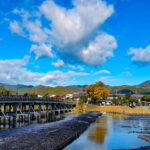
Deeper into Arashiyama, past the bamboo and the Hozu river

Arashiyama Bamboo Forest: how the 30 minutes stays peaceful
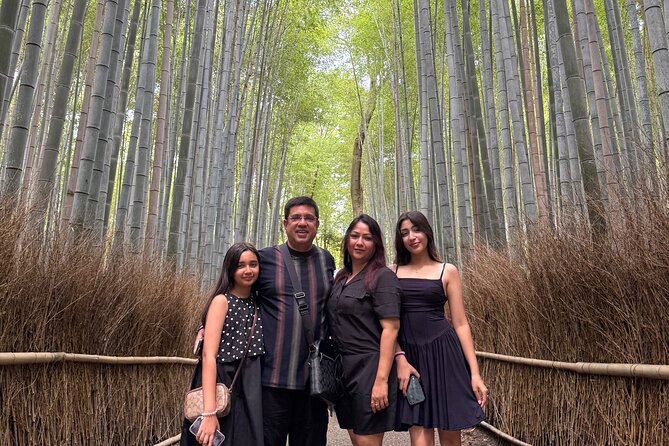
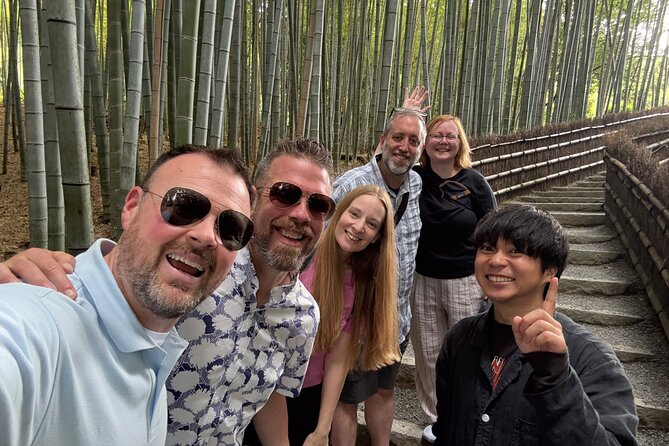
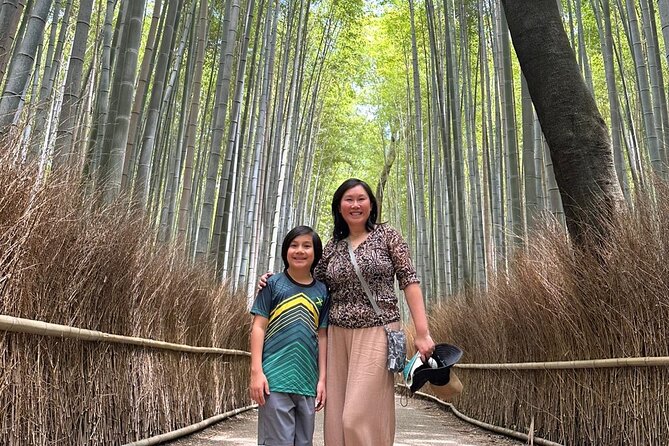
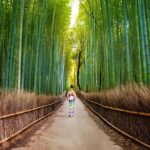
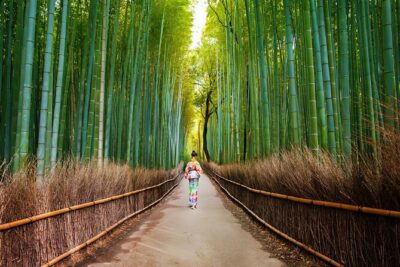
The Arashiyama Bamboo Forest stop is the classic opening—towering green stalks and that damp, plant-scent air you only get where things stay shaded. You get about 30 minutes, and the key detail is how you get there. The tour uses a car to reach a less crowded area deeper in the grove, so you spend less time inching and more time actually looking up and walking.
Entrance here is included, which I like because it keeps your budget simple at the start. Practically, this is a great time to set your expectations. The bamboo forest can be chaotic if you go at peak hours in a DIY way, but on this tour it’s treated as a calm opening, not a grind. Wear comfortable shoes. Even in “only” thirty minutes, bamboo paths can feel slippery or uneven depending on recent weather.
One more thing: this is a photo-friendly stop, but it’s also a good moment for quiet. The guide’s pacing helps you step around groups without making it a whole event. You can take photos, then shift back into observation.
Otagi Nenbutsu-ji: 1,000+ stone statues and a slower kind of fun
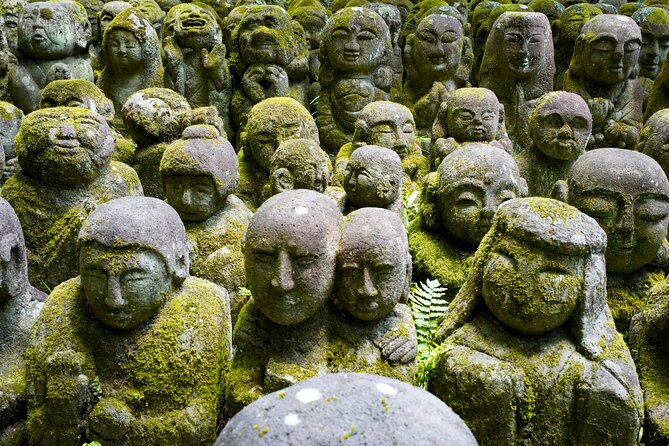
Next comes Otagi Nenbutsu-ji Temple, and it’s a very different vibe from the bamboo. Instead of tall stalks and a single famous view, you get a temple filled with over 1,000 expressive stone statues. It’s playful on the surface—people often look for one that resembles them—but the atmosphere stays respectful because you’re walking through a sacred space, not a theme park.
This stop is about 40 minutes. Admission is not included, so you’ll either pay on-site or budget for it as part of your overall temple/shrine costs. The listing indicates you should plan for about $6.50 per person for entrances for temples and shrines overall. In practice, Otagi Nenbutsu-ji is the kind of place where you don’t want to rush, because the fun is in noticing how the faces and poses vary.
What I like about this stop is that it breaks the “same Kyoto, different sign” feeling. You’ll leave with specific images: hundreds of stone expressions, a textured trail, and that in-between quiet that shows up in smaller temple spaces.
A small practical note: bring a phone or camera, but also give your eyes a job. Look at the details, not only the whole scene. When you do, it’s easier to feel present rather than just collecting pictures.
Kuzu Shrine: free entry, forest silence, and a cultural-property main hall
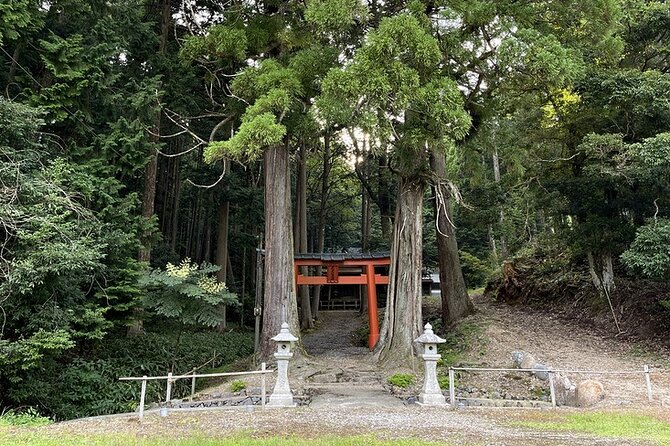
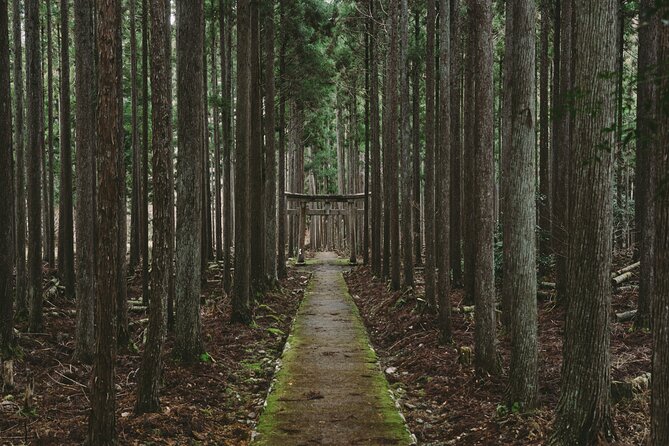
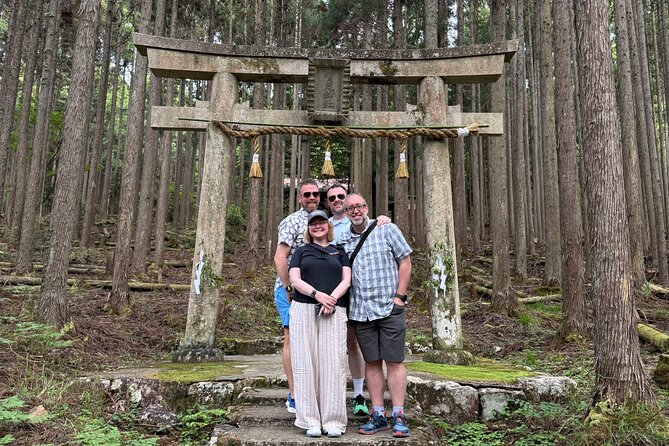
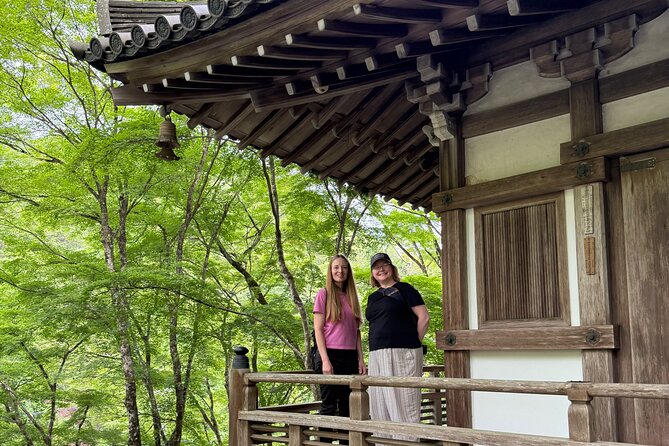
After Otagi, you shift into deeper forest territory with Kuzu Shrine. This is a 30-minute stop, and it’s free. That’s nice on its own, but the bigger value is the tone. This shrine sits tucked into trees, far from the usual tourist path.
Kuzu Shrine’s main hall is identified as a Registered Tangible Cultural Property, which is the kind of detail that’s worth paying attention to once you’re standing there. It’s not just “old”—it’s formally recognized, and you can see the care and age in the structure and surrounding setting.
Locals revere it as a true power spot, and the best way to experience that is to keep your pace gentle. This is the kind of place where you naturally lower your voice because the space asks you to. You’re also walking shaded paths, so it feels cooler and more grounded than the earlier bamboo stop.
Drawback to keep in mind: if you’re expecting dramatic, bustling shrine energy, this won’t be that. It’s about quiet presence. If you like that style, you’ll enjoy it a lot. If you want constant big sights and constant movement, you might find this section more contemplative than exciting.
Keihokushuzancho: the car-only mountain stop that changes the day
The tour’s next highlight is one you can’t really DIY easily. Keihokushuzancho is described as only accessible by car and far beyond Kyoto’s urban edge. It’s also not fully marked on maps, which is exactly why it can feel like stepping into a lesser-known Kyoto pocket.
You get around 30 minutes here, plus the advantage of being with a guide who knows where to go and how to time it with the rest of the route. The site is known as Kyoto’s last untouched sacred place, and the environment is mossy and forested, so your senses shift. Instead of shop streets and crowd noise, you get damp wood tones, stone underfoot, and long still moments.
This is also where the tour’s “private escape” idea becomes real. The quieter the setting, the more you notice the small things: the air, the sound of steps, and the way your attention changes when you’re not surrounded by people trying to film the perfect angle.
Because you visit multiple quiet stops back-to-back—bamboo first, then statues, then shrine forests—Keihokushuzancho lands with extra impact. It doesn’t feel like one more checklist item. It feels like the day’s emotional payoff.
Other Kyoto tours and experiences to compare
Price and value: what $95 buys you, and what to budget for
At $95 per person, this is not the cheapest way to see temples in Kyoto. But it’s also not trying to be. You’re paying for a private car, fuel and parking, and a focused route built around calm and accessibility to sites that are easier by vehicle than on foot.
Here’s what makes it good value for the right traveler: you’re buying time and stress reduction. The route gets you away from crowd patterns quickly, and you avoid the planning headache of how to reach car-only mountain shrines while still keeping your day smooth.
What you should budget on top: temple and shrine admission fees, listed at about $6.50 per person. Bamboo forest entrance is included, but the other religious stops may require extra payment. If you prefer knowing costs upfront, treat that $6.50 as part of the real total.
Also check the timing. The tour runs on specific weekdays and has seasonal date coverage listed. If you’re going during a busy season, the tour is often booked ahead (the average lead time is shown as about 95 days). If you want a quieter plan, it’s worth booking early.
There’s also a launch-style promo mentioned: 40% off for early guests. If that offer is still available when you book, it can turn an already fair value proposition into a clear win.
Getting the most out of the day (without turning it into a chore)
This itinerary works best if you treat it like a walk-with-breaks day rather than a marathon. You’re moving between sites, but each stop is short enough to keep your energy. Still, you should expect some walking on paths that can be damp or uneven, especially in forest areas.
I also recommend you pack for shade and mood. Kyoto’s trees can cool things down, and you’ll likely want a light layer. Bringing a small water bottle doesn’t hurt either, even if you’re not planning a long snack stop. The tour notes that snacks can be arranged on request, so you’re not stuck.
One more detail that matters: there’s a stop where the shrine name is deliberately kept secret. That can be unsettling if you hate surprises, but for this tour it’s part of the point. It encourages you to stay present rather than pre-judging the visit based on expectations or photos.
Finally, remember that these places are active spiritual spaces. You don’t need to act like a monk, but you do want your behavior to match the setting.
Who this tour fits best (and who might want something else)
This private escape tour is ideal if you fit at least one of these boxes:
- You want quiet temples and shrines, not just the most photographed spots.
- You’re happy with slower, reflective stops where the environment does half the work.
- You like the comfort of a private car route that lets you reach areas beyond the usual tourist flow.
It may not be the best match if you want a packed, action-heavy tour with constant big attractions. The day is intentionally calm. It’s spiritual quiet, not amusement-park intensity.
If you’re traveling as a family, this can be a good choice too because each stop has a natural “job” for kids and adults: look up in bamboo, spot statue faces at Otagi, then experience the forest stillness at the shrines. Still, keep in mind that the more you expect noise and crowds, the less satisfying the quieter stops can feel.
Should you book this Kyoto private escape tour?
If your Kyoto plan includes the usual Arashiyama hits but you’re tired of jostling, I’d strongly consider booking this. The private transportation turns your day into a series of calmer encounters: bamboo without the worst bottleneck, a statue temple that feels creative and human, then shrines that reward slow attention.
It’s also a great option if you like knowing that your guide, such as Katsu, can shape the day with clear context and a friendly presence. Reviews talk about how the guide’s personality made the experience feel like a real connection, not just a driver-and-script situation.
One final check: make sure you’re comfortable paying a bit extra for temple and shrine admissions, since not everything is included. If you can handle that and you want Kyoto’s quiet side, this tour is built for you.
FAQ
How long is the Kyoto private escape tour by car?
The tour runs about 2 to 4 hours.
What is included in the $95 per person price?
The price includes private transportation, fuel surcharge, and parking fees.
Are temple and shrine entrance fees included?
No. Entrance fees are listed as about $6.50 per person for temples and shrines, and bamboo forest entrance is included while other stops may not be.
Is pickup available, and where does the tour start?
Pickup is offered, and the listed meeting point is Kyoto Station (Higashishiokoji Kamadonocho, Shimogyo Ward, Kyoto). The tour ends back at the meeting point.
Do I get a mobile ticket?
Yes. The tour uses a mobile ticket.
Is this a private tour or shared with others?
It’s private. Only your group will participate.
What if the weather is poor?
The tour requires good weather. If it’s canceled due to poor weather, you’ll be offered a different date or a full refund.
Can I cancel for a full refund?
Yes. You can cancel up to 24 hours in advance for a full refund.
If you want, tell me your travel dates and whether you’d rather skip Otagi Nenbutsu-ji or keep all four stops, and I’ll suggest how to time this within a Kyoto day.
More Tours in Kyoto



More Tour Reviews in Kyoto


More of Arashiyama and Sagano
Just added: more Kyoto tours to browse








Arashiyama & Bamboo Grove Tours, compared.
 ★ 4.8Fushimi Inari, Kinkakuji, Bamboo Grove 1 Day Bus TourFrom $1224,316 reviews
 ★ 4.1Osaka/Kyoto:Kinkakuji,Arashiyama,FushimiInariShrine,NaraParkFrom $661,596 reviews
 ★ 4.7Kyoto/Osaka: Nara, Fushimi Inari Taisha, Arashiyama Bus TourFrom $521,275 reviews
 ★ 5.0Kyoto Arashiyama Walking Tour: Bamboo, Monkeys, Gardens & SecretsFrom $651,216 reviews
 ★ 4.8Arashiyama Bamboo, Temple, Monkeys, or Secret Sake BreweryFrom $87886 reviews
 ★ 5.0Arashiyama Bamboo Forest, Monkeys, Matcha & Temple TourFrom $53759 reviews
 ★ 4.4Osaka/Kyoto: Arashiyama, Nara & Fushimi Inari Shrine w/LunchFrom $61754 reviews
 ★ 5.0Nijo, Kinkaku-ji, Arashiyama, Kiyomizu & Fushimi InariFrom $51699 reviews
Browse the lists this tour appears in