
Reviewed · KYOTO TEMPLE & SHRINE TOURS
Arashiyama Bamboo, Temple, Monkeys, or Secret Sake Brewery
Bamboo in Kyoto hits different. This walking tour strings together three star sights that feel made for slow looking: the bamboo grove, the private Okochi Sanso Garden, and the view from Iwatayama Monkey Park. The one real drawback to plan for is that it is fully on foot, with a steep hill climb at the end.
If you get a guide like Karim, Francis, or Tom, you’re in good hands. These guides are praised for smart pacing, lots of photo help, and cultural storytelling that makes shrines and Zen gardens easier to read. Just remember: you’re not hopping in a bus. You’ll be moving, stopping, and walking some stairs and paths.
In This Review
- Quick hits
- Where Arashiyama starts: Saga-Arashiyama Station and your guide
- Bamboo Forest: the view you have to look up for
- Nonomiya Shrine stop: a calm breather before the gardens
- Okochi Sanso Garden tea break and the private-feeling space
- Tenryuji Temple: Zen atmosphere and the koi-pond moment
- Arashiyama shopping street, Kimono Forest, and Togetsukyo Bridge
- Option A vs Option B: shopping flow or Tanzan Brewery sake tasting
- Option A: shopping loop with famous bridge and photo beats
- Option B: a locals-forward interlude and Tanzan Brewery
- Iwatayama Monkey Park hike and the Katsura River payoff
- Cost and value: what $87 really covers in Arashiyama
- How to plan for weather, pace, and photos
- Who should book this Arashiyama tour, and who might skip
- Should you book this Arashiyama tour?
- FAQ
- Where do I meet the guide?
- How long is the tour, and where does it end?
- Is this a walking tour?
- Is the monkey park climb difficult?
- What’s included in the price?
- Can I cancel, and what languages are available?
Quick hits
- Bamboo Forest photo time with a guide who points out where to look up.
- Private Okochi Sanso Garden plus a free beverage break in a former tea house.
- Tenryuji Temple koi pond inside a Zen temple setting with time for self-guided exploring.
- Iwatayama Monkey Park hill views over the Katsura River at the finale.
- Two route choices after Tenryuji: a shopping-and-bridge loop or Tanzan Brewery with sake tasting.
Where Arashiyama starts: Saga-Arashiyama Station and your guide
You meet at Saga-Arashiyama Station on the north side of JR. Exit the train area, pass through the gates, then turn right and go downstairs. Meet near the map by the vending machines. Look for a guide wearing a red polo shirt or jacket with the company logo “JTA”.
That level of detail matters here because Arashiyama can feel like a maze when you’re on a schedule. And this tour is time-smart: you’ll want to be ready to move without delay. Plan to arrive 15 minutes early. If you show up late, you can miss the start and there’s no catch-up.
Guides on this route tend to keep things upbeat and practical. In group settings, people mention being treated as individuals rather than just bodies in a line, including photo tips and time to snack or rest.
Deeper into Arashiyama, past the bamboo and the Hozu river

Bamboo Forest: the view you have to look up for
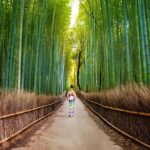
The first major stop is the Arashiyama Bamboo Forest, reached on foot. You’ll have a focused window to walk through the grove, take pictures, and absorb the scale. The trick here is simple: don’t just stroll forward. Pause and look up. When the bamboo thickens overhead, it creates that “Kyoto postcard” effect that you can’t fake in a photo.
This isn’t a long detour; it’s a purposeful introduction. That makes it perfect if you’re new to Kyoto and want one classic scene early, before the day turns into temple quiet and hill hikes.
Practical note: bamboo groves can get crowded fast. A guide helps you find calmer angles and better photo positions, so you spend less time fighting for shots and more time actually enjoying the place.
Nonomiya Shrine stop: a calm breather before the gardens
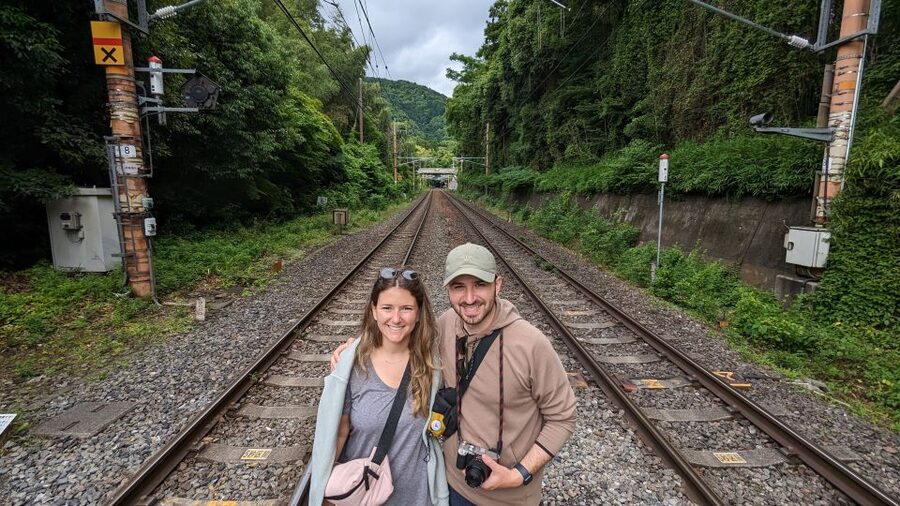
Next you’ll make a stop at Nonomiya Shrine. Expect a photo moment, a short visit, and sightseeing time. This is a nice reset between the tall-bamboo sensory hit and the more contemplative spaces that follow.
Shrines work best when you’re not rushing. With a guide, you’ll get just enough context to notice details you’d otherwise miss: the way people line up, what visitors tend to do, and how the space feels during quieter moments.
Even if shrines aren’t your main reason for coming to Arashiyama, this stop keeps the day from feeling like a theme-park route.
Okochi Sanso Garden tea break and the private-feeling space
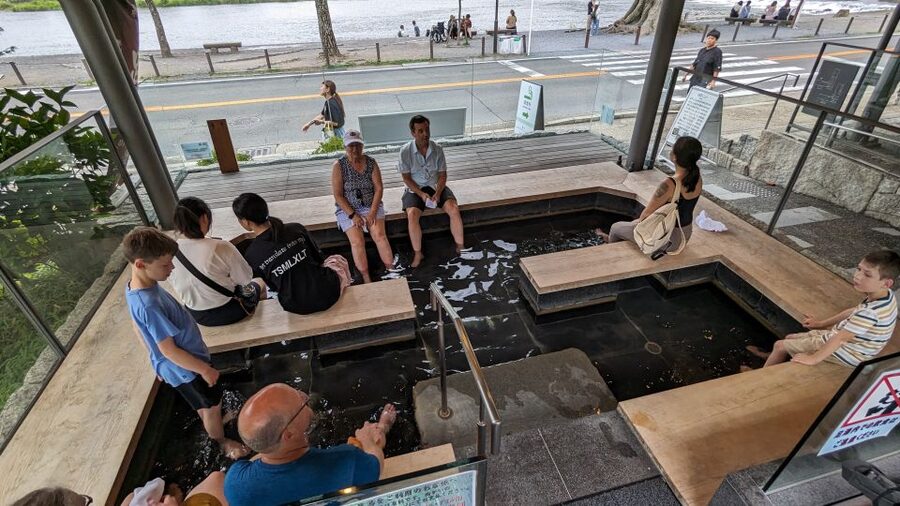
Now comes one of the standout reasons to book this specific mix of sights: Okochi Sanso Garden.
You get an entry ticket and a set time to explore the grounds. This is a garden that feels designed for unhurried viewing. You’ll also have a free beverage during the rest area break, and the venue is described as a former tea house—so it’s not just a drink stop. It’s a moment to cool down, catch your breath, and let the garden soak in.
You’ll likely notice that your best photos come after a few minutes of stillness. The garden layout encourages that. Instead of chasing one dramatic view, you get layers: paths, framed sightlines, and the kind of atmosphere that makes you lower your phone without trying.
If you love gardens, this is the part that can turn an “I saw it” day into an “I remember it” day.
Tenryuji Temple: Zen atmosphere and the koi-pond moment
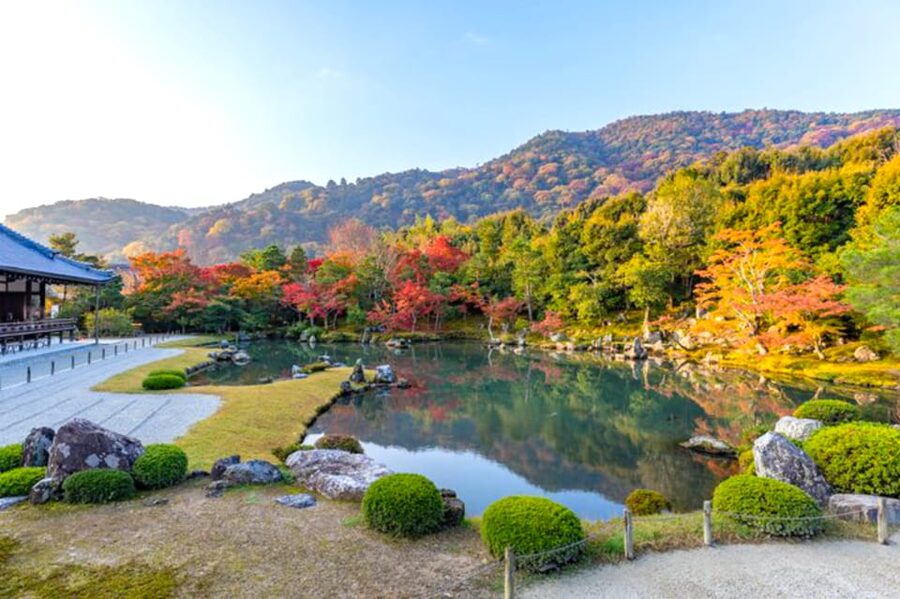
From the garden, you head to Tenryuji Temple. You’ll enter with a ticket included and spend time with both guided context and your own pace. One explicit highlight: admire the koi fish in the pond.
This is where the tour shifts gears. Bamboo and shopping give you motion. Tenryuji gives you rhythm. Even if you’ve visited Zen spaces before, the experience works because it’s paired with the earlier garden break. You’re not jumping from one “wow” to another without breathing room.
Also, Tenryuji is set up for self-guided strolling in the best way: you’re given time, and you can wander at your own speed instead of marching through every corridor. If your group has different interests, this stop lets people split into focus areas without losing the day.
More temples and shrines to slow down in across Kyoto


Arashiyama shopping street, Kimono Forest, and Togetsukyo Bridge
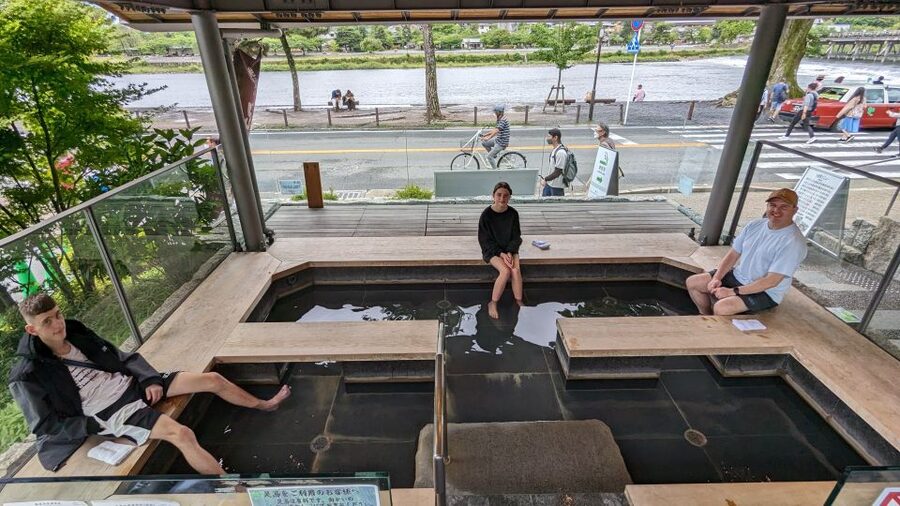
After Tenryuji, you’ll head toward Arashiyama’s shopping area and classic photo stops. This section is built for snacks, small browsing, and quick picture moments.
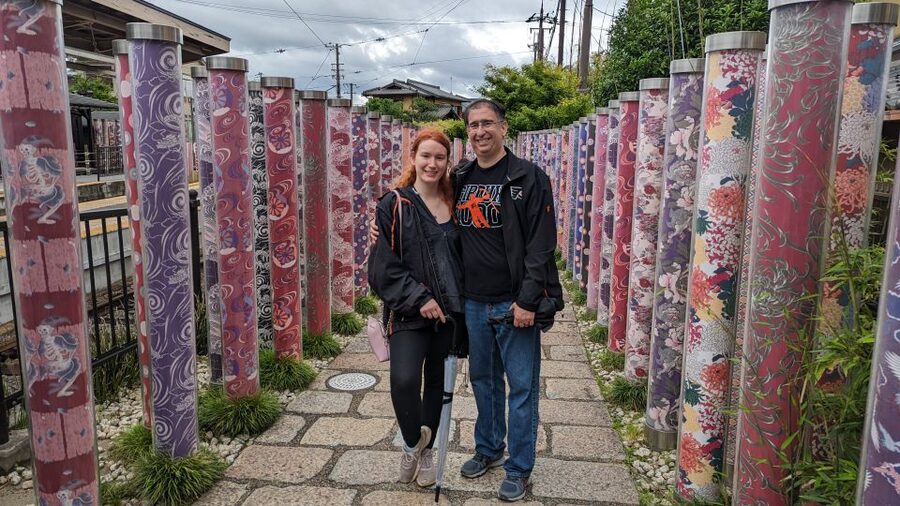
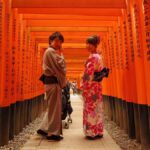
You may include sights like the Kimono Forest (a colorful photo stop) and the iconic Togetsukyo Bridge. Then you get scenic viewing time, which is key because the bridge moment is often the part people use to compare different seasons of Kyoto.
This is also where your guide’s “good instincts” show. In the feedback, guides like Francis and Kevin are praised for pointing people to solid food choices and helping you avoid wasting time in the wrong spots. You’ll get guidance, but you still get the freedom to pick what you want to eat and where you want to pause.
Option A vs Option B: shopping flow or Tanzan Brewery sake tasting
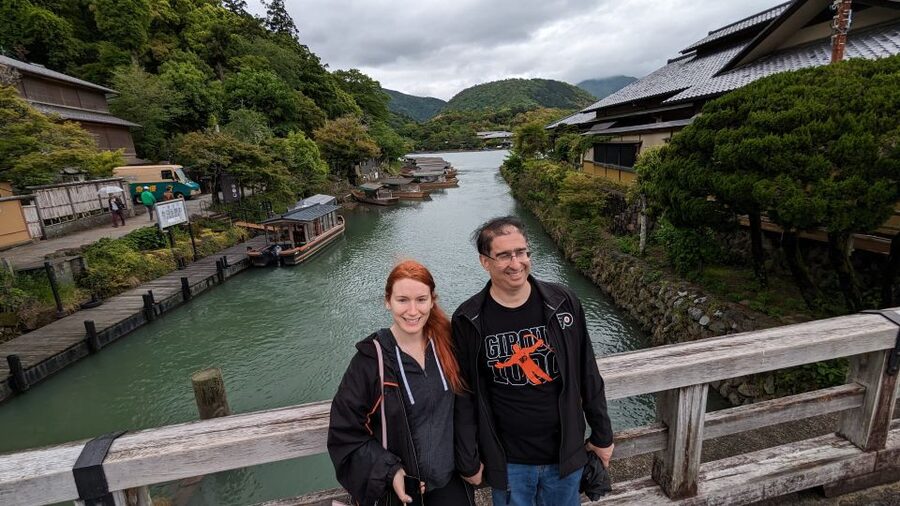
One of the most useful parts of this tour is that it offers a choice after Tenryuji.
Option A: shopping loop with famous bridge and photo beats
This route is geared toward the Arashiyama classic sights: shopping street time, a snack moment, the Kimono Forest photo stop, and crossing Togetsukyo Bridge with panoramic views on the way toward the monkey area.
Option B: a locals-forward interlude and Tanzan Brewery
If you prefer something a bit different from the main tourist stream, Option B adds a short train ride through the mountains, then an enjoyable lunch among locals with fewer crowds. It also includes Tanzan Brewery with sake tasting.
Both options are set up so you end with the real finale: the monkey park area. You’re not choosing one or the other and skipping the key ending—this is about swapping the middle portion so the day fits your mood.
If you want a day that feels like Kyoto-in-motion, choose Option A. If you want to mix in a food-and-drink moment that breaks up the sightseeing, choose Option B.
Iwatayama Monkey Park hike and the Katsura River payoff

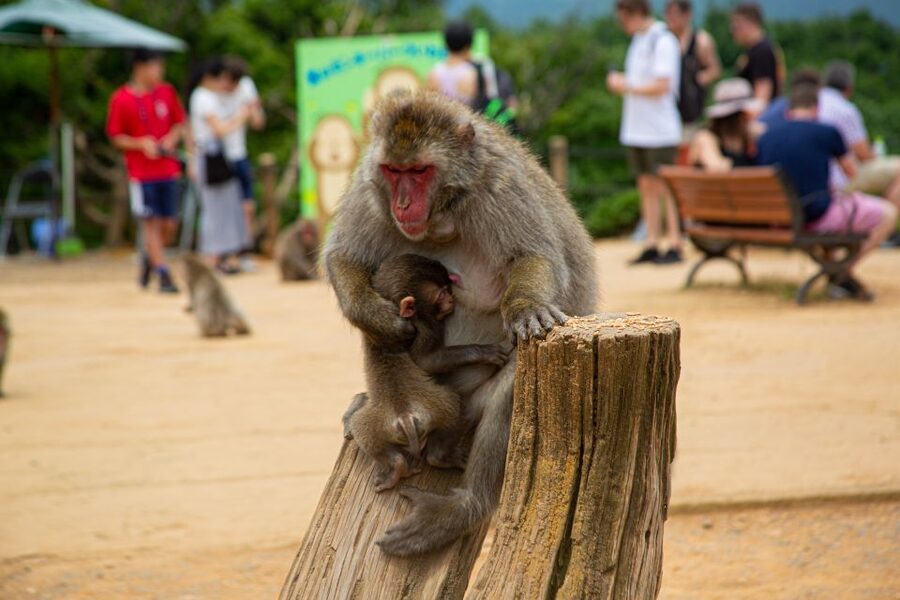
The day’s physical highlight is Iwatayama Monkey Park. The tour officially ends at the monkey park, and you can take your time. You’ll follow a short hike route that leads up to where you’ll see the famous macaque monkeys in their habitat, plus one of the better views over the Katsura River.
Here’s what you need to know in plain terms: the access to the top involves a 15–20 minute steep path. Comfortable shoes aren’t optional. If you’re not steady on hills or you don’t like stairs and slopes, this is the part to think hard about.
A lot of people still say it’s worth it, especially because you get two payoffs at once:
- Monkey viewing in an environment where they’re doing their own thing.
- A view that makes Arashiyama feel bigger than its bamboo streets.
This is also a good spot to remind yourself to pace. The rest of the tour sets up your stamina, but the hill is still the hill.
Cost and value: what $87 really covers in Arashiyama
At $87 per person for about 5 hours, this tour can feel fair or not, depending on what you like to do on a Kyoto day.
Here’s why the price makes sense for many people:
- You get entry tickets to Okochi Sanso Garden, Tenryuji Temple, and Monkey Park.
- You also get guide support through multiple key sites, which is hard to replicate solo without spending time figuring out routes and timing.
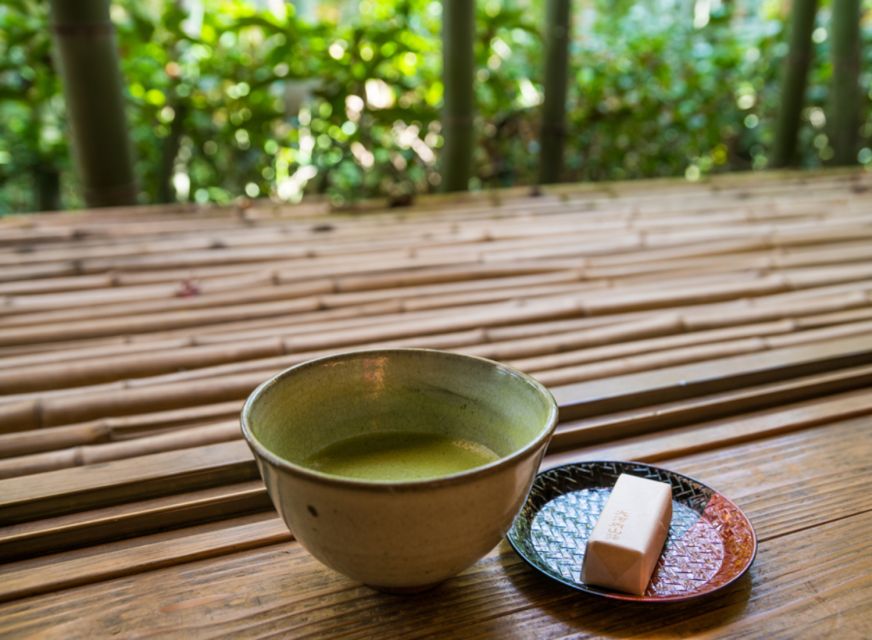
- Food-drink value is built in: green tea is included, and there’s a free beverage at the Okochi Sanso rest area.
- You’ll receive souvenir pictures, which helps offset some of the costs you’d otherwise cover yourself.
What’s not included is also clear: lunch, additional drinks, and souvenirs. If you’re doing Option A, you’ll likely spend on snacks during shopping street time. If you’re doing Option B, sake tasting is included, but lunch is still part of what you’ll budget (the option specifies lunch among locals, but the tour listing does not label lunch as included in the general “Included” list).
In other words: the ticketed sights + guide guidance are the value engine. If you were already planning to buy those tickets and spend a morning walking anyway, this is priced in a reasonable zone for that kind of day.
How to plan for weather, pace, and photos
This tour runs rain or shine, which is Kyoto in a nutshell. That means you should pack for comfort more than for perfect weather.
Your biggest “do this” list is simple:
- Comfortable shoes for steady footing on the hill path.
- Cash, since you may want drinks or snacks beyond what’s included.
- A light plan for heat if you’re visiting in summer. Guides are praised for adjusting pace and adding breaks in shade when needed.
Photo tips also matter more than you think. Many guides are singled out for knowing the best angles and helping you avoid awkward crowd positions. If you want crisp shots without turning your day into a sprint, this tour structure helps.
Also, remember: it’s a walking tour, not a bus tour. That’s part of the experience. You get to feel the neighborhood scale rather than just pass by it.
Who should book this Arashiyama tour, and who might skip
This tour fits you well if:
- You want a classic Arashiyama hit: bamboo, Zen gardens, and monkeys.
- You like guided context that makes shrines and temples easier to understand.
- You’re okay with a steady walking pace and some slopes.
You might think twice if:
- You have mobility limitations or don’t do well on steep climbs. The monkey park hill is specifically noted as challenging.
- Your travel style is mostly rest-first, because this is built around walking and timed stops.
Group size is often small in practice, and that’s part of why guides like Tom and Alice are praised for being able to answer questions and keep the pace comfortable.
Should you book this Arashiyama tour?
If your Kyoto day needs a strong balance—one iconic nature stop, one private garden experience, a Zen temple moment, and a hilltop monkey payoff—then yes, this is a smart choice. The included tickets alone reduce the planning headache, and the optional middle routes help you tailor the day to your interests.
Book it if you want a guided route that still gives you breathing room in the gardens and temple areas. Skip it if you’d rather do Arashiyama at a slower, totally flat pace. The monkey park hill is the deciding factor.
FAQ
Where do I meet the guide?
Meet by the map down the stairs on the north side of JR Saga-Arashiyama station. When you exit the train, pass the gates, turn right, go downstairs, and meet near the map next to the vending machines. Look for the guide wearing a red polo shirt or jacket with the JTA logo.
How long is the tour, and where does it end?
The tour runs about 5 hours (330 minutes). The tour officially ends at Iwatayama Monkey Park, though you can take all the time you need there and leave anytime. There are also two drop-off locations listed: the monkey park area and Saga-Arashiyama station.
Is this a walking tour?
Yes. This is a walking tour, not a bus tour. Expect time on foot between stops.
Is the monkey park climb difficult?
Access to the top of the Monkey Park involves a short hike of about 15–20 minutes through a steep path. Comfortable shoes are important, and you should be in a reasonable physical condition for the climb.
What’s included in the price?
Included: bilingual local guide, entry tickets to Okochi Sanso Garden, Tenryuji Temple, and the Monkey Park, green tea, and souvenir pictures. There is also a free beverage at the Okochi Sanso rest area.
Can I cancel, and what languages are available?
The tour offers free cancellation up to 24 hours in advance for a full refund. The guide can be English, and other languages like French, German, and Spanish may be available, but availability can’t be guaranteed on shared tours, so it’s best to confirm before booking.
The Fushimi Sake Trail, Continued


More Kyoto Temples and Shrines
More of Arashiyama and Sagano
Just added: more Kyoto tours to browse








Kyoto Temple & Shrine Tours, compared.
 ★ 4.9Tea Ceremony Ju-An at Jotokuji TempleFrom $293,207 reviews
 ★ 5.0Arashiyama Bamboo Forest, Monkeys, Matcha & Temple TourFrom $53759 reviews
 ★ 4.4Osaka/Kyoto: Arashiyama, Nara & Fushimi Inari Shrine w/LunchFrom $61754 reviews
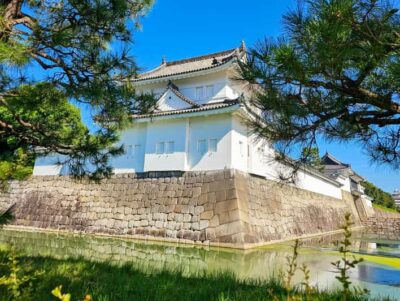 ★ 4.7Imperial Palace & Nijo Castle Guided Walking TourFrom $49453 reviews
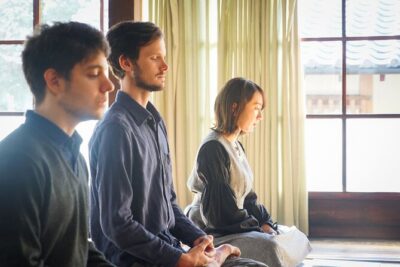 ★ 5.0Kyoto Zen Meditation & Garden Tour at a Zen Temple with LunchFrom $110441 reviews
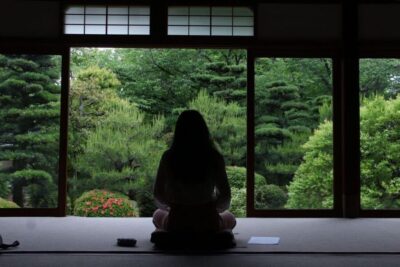 ★ 5.0Zen Experience in a Hidden TempleFrom $109437 reviews
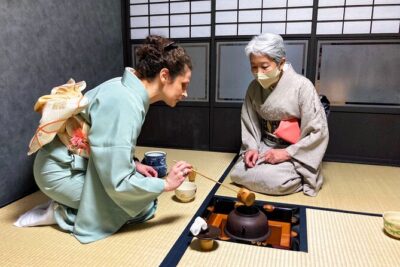 ★ 5.0KYOTO Tea Ceremony with kimono near by Imamiya Jinjya ShrineFrom $99343 reviews
Arashiyama Bamboo, Matcha, Monkeys & Temple TourFrom $51291 reviews
★ 5.0KYOTO Tea Ceremony with kimono near by Imamiya Jinjya ShrineFrom $99343 reviews
Arashiyama Bamboo, Matcha, Monkeys & Temple TourFrom $51291 reviews
Browse the lists this tour appears in