
Reviewed · FUSHIMI INARI SHRINE TOURS
Kyoto: Nijo, Kinkaku-ji, Arashiyama, Kiyomizu & Fushimi Inari
Kyoto in one day can feel like a sprint. This bus tour is built for exactly that, with a bilingual guide and planned stops at the big names: Arashiyama Bamboo Grove, Golden Pavilion, Nijo Castle, Kiyomizu-dera, and Fushimi Inari.
I like the time-saving route that strings the neighborhoods together with set travel blocks, so you’re not hopping between stations all morning. I also like that you can choose a ticketed option for the paid sights (Golden Pavilion, Nijo Castle, and Kiyomizu-dera) while two major stops—Arashiyama and Fushimi Inari—are free to enter.
One possible drawback: it’s a long day with limited downtime, and on very hot weather you’ll want to be proactive about water and pace, especially around Fushimi Inari’s uphill walking.
In This Review
- Key points before you go
- The idea: a Kyoto greatest-hits day, planned to reduce stress
- Price and what you actually get for $51.80
- Where the day starts: Hotel Keihan Kyoto Grande and a 7:00 am kick-off
- The bus route: efficient between-famous-sites, but expect a long stretch
- Arashiyama Bamboo Grove: your early access window is the whole game
- Kinkaku-ji Golden Pavilion: a ticket choice that can change your day
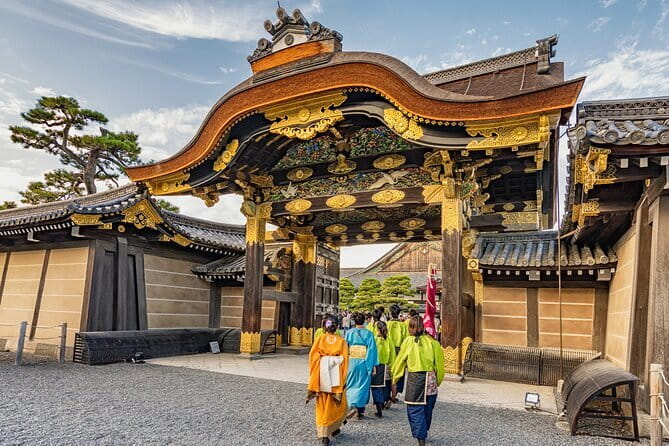
- Nijo Castle: UNESCO-level architecture with real walking time
- Kiyomizu-dera: hillside views, longer on-foot time, and more walking energy
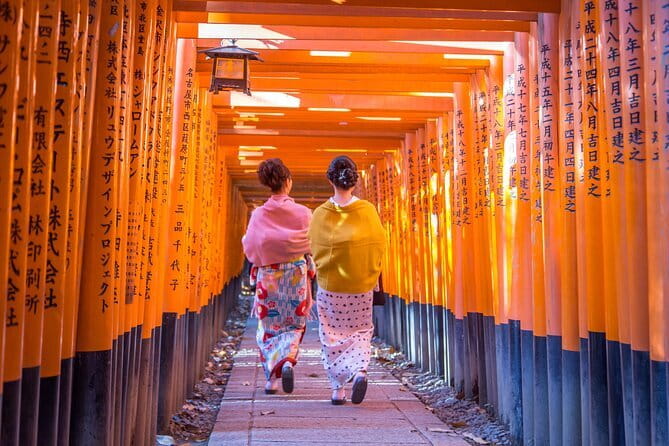
- Fushimi Inari Taisha: torii gates, uphill pace, and photo power
- Guide impact: bilingual commentary can make the stops click
- Organization, timing, and photo strategy (without burning out)
- Lunch and ticket options: the choice that affects comfort
- Who should book this Kyoto highlights bus tour
- Should you book this tour?
- FAQ
- What time does the Kyoto tour start?
- How long is the tour?
- Is lunch included?
- Are tickets for the Golden Pavilion included?
- Is Kiyomizu-dera included, and is its admission included?
- Where is the meeting point?
- Can I cancel for a full refund?
Key points before you go
- Start at 7:00 am for first-light momentum and less crowd pressure at Arashiyama
- Bilingual English/Spanish guide adds context as you ride between stops
- Ticket flexibility: Golden Pavilion, Nijo Castle, and Kiyomizu-dera depend on your selected option
- Small-ish group up to 30 people means easier listening and smoother logistics
- Mobile ticket keeps check-in simple once you’re at the meeting point
The idea: a Kyoto greatest-hits day, planned to reduce stress
If you only have one day in Kyoto, you face a real decision: either spend your precious hours planning transit and tickets, or accept that you’ll move around a lot and let someone else manage the flow. This tour is for the second mindset.
You’ll spend most of your day on a bus, but the stops are designed around high-demand sights that can be hard to string together smoothly on your own. I like that the itinerary is explicit about major landmarks, and the schedule gives you a clear sense of how the day unfolds.
The tour also leans into photo-friendly moments. Bamboo Grove is a clear win for photos, and Fushimi Inari is famous because it looks great from multiple angles as you walk the torii path.
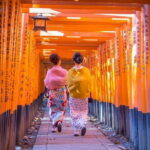
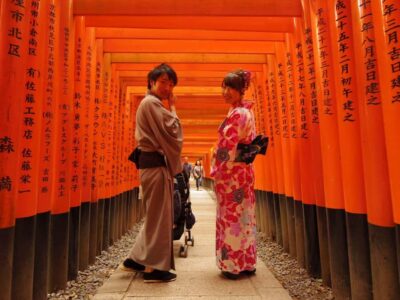
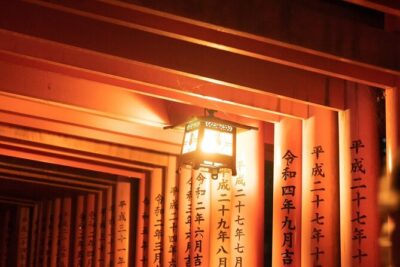
More walks up through the vermilion torii of Fushimi Inari

Price and what you actually get for $51.80
At $51.80 per person, the big value question is not the bus. It’s what’s included versus what depends on your option.
Here’s the practical breakdown:
- Arashiyama Bamboo Grove is free, and you get a dedicated time block there
- Fushimi Inari Taisha is free and is part of the day either way
- Kinkaku-ji (Golden Pavilion) is included only if you selected the ticket option
- Nijo Castle is included only if you selected the ticket option
- Kiyomizu-dera is included only if you selected the ticket option
- Lunch is included only in the Premium option (so check before assuming)
If your goal is to see the paid-ticket heavy hitters without extra line-planning, the ticket-inclusive option usually makes the day feel more effortless. If you’re happy to skip one or two paid sites, an option without admissions can still work because two major stops are free and built into the route.
Where the day starts: Hotel Keihan Kyoto Grande and a 7:00 am kick-off
Your meeting point is Hotel Keihan Kyoto Grande in Kyoto’s Minami Ward, with a start time of 7:00 am. That early start matters. It helps you arrive at Arashiyama Bamboo Grove before the hardest crowd surge, which makes a huge difference in how enjoyable that walk feels.
Because the meeting point is near public transportation, it’s also easier to get to if you’re staying somewhere central. The tour includes transportation from the meeting point, so once you’re there, you’re basically off the planning hook.
The tour ends back at the meeting point, which is convenient if you’re trying to keep your day tidy and predictable.
The bus route: efficient between-famous-sites, but expect a long stretch
The itinerary is structured like a chain. You ride between areas, then you get time on foot at each landmark. In other words, it’s not a slow museum crawl.
You’ll move roughly like this:
- About 40 minutes to Arashiyama Bamboo Grove
- Then onward with ride blocks of about 30 minutes between the major sites
- Final return ride back to your meeting area, about 30 minutes
That pacing is exactly why this works for people short on time. But it’s also why you should think like a realist: this day is not built for long naps, late breakfasts, or lingering indefinitely at each stop.
If you’re sensitive to heat, crowded walking, or long days, the best strategy is simple: plan your energy like you would for a hike day, not like a casual stroll day.
Arashiyama Bamboo Grove: your early access window is the whole game

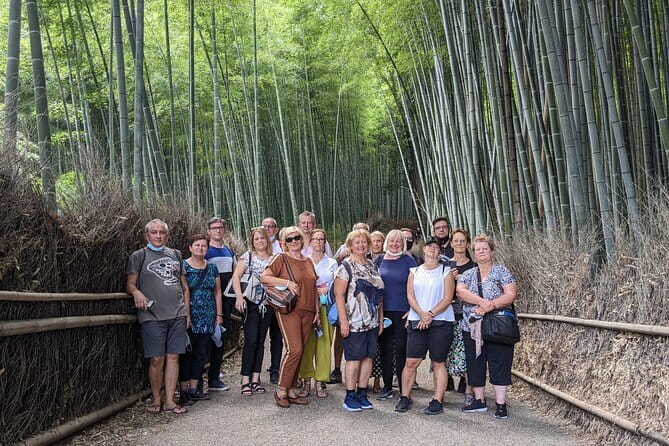
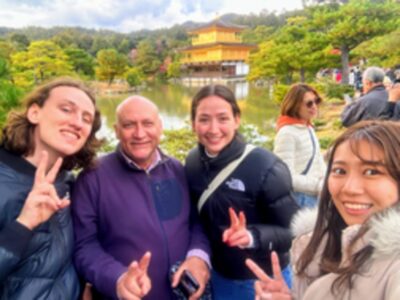
Your first major sightseeing stop is Arashiyama Bamboo Grove, with about 1 hour 20 minutes to explore. The tour positions this as early access before crowds arrive, and that’s the difference-maker.
What you’re really doing here is walking through an iconic bamboo corridor where the photo is almost guaranteed—but the experience is about more than the camera. When you arrive earlier, you spend less time dodging people and more time actually noticing the sound changes, the light filtering, and the calm feeling that bamboo creates even in a tourist-heavy area.
If you love photography, arrive with a simple plan: one calm walk for the atmosphere, and one slower pass for angles and framing. The grove is visually strong from many points, so moving at your own pace helps.
A practical consideration: this stop is outdoors. On sunny days, bring sun protection and hydrate like it’s part of the sightseeing plan, because the next stops keep coming.
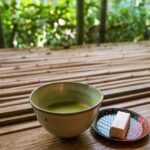
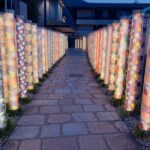
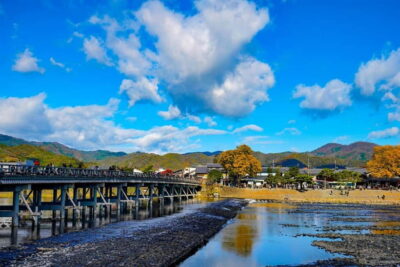
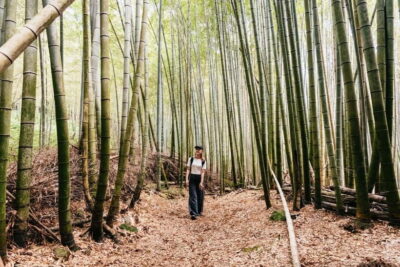
Deeper into Arashiyama, past the bamboo and the Hozu river

Kinkaku-ji Golden Pavilion: a ticket choice that can change your day
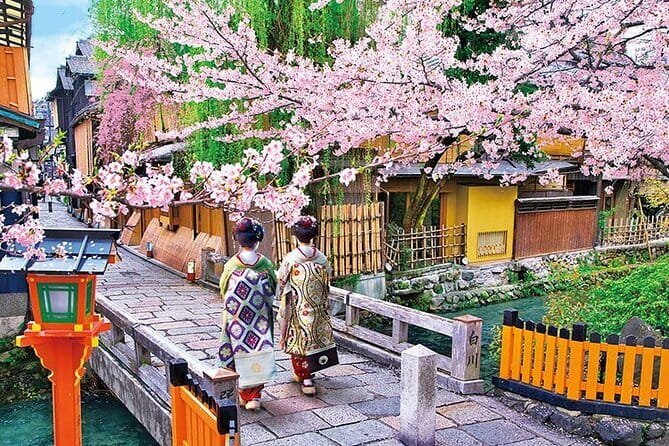
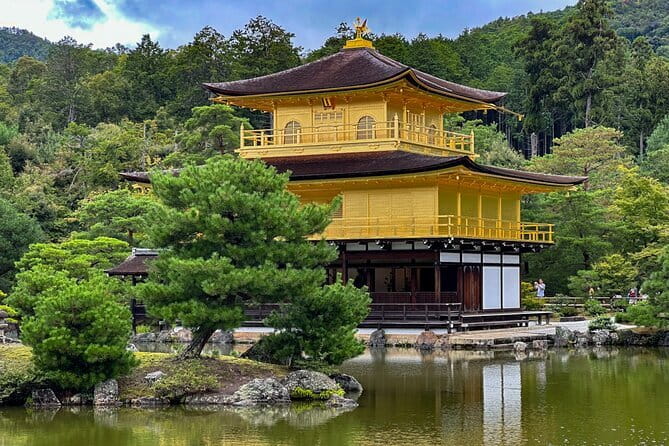
Next is Kinkaku-ji, the Golden Pavilion. You’ll have about 45 minutes there, and admission is not included unless your option includes the ticket.
This stop is short by design, which is smart for a one-day overview. Kinkaku-ji is visually dominant, so you don’t need hours to get what makes it special. You do, however, need enough time to step back, see the pavilion from different angles, and enjoy the garden setting around it.
If you selected the ticket-included option, you avoid the extra step of lining up separately on the day. If you didn’t, you’ll still be able to visit based on your own ticket arrangements, but you’ll want to allow time for that.
Nijo Castle: UNESCO-level architecture with real walking time
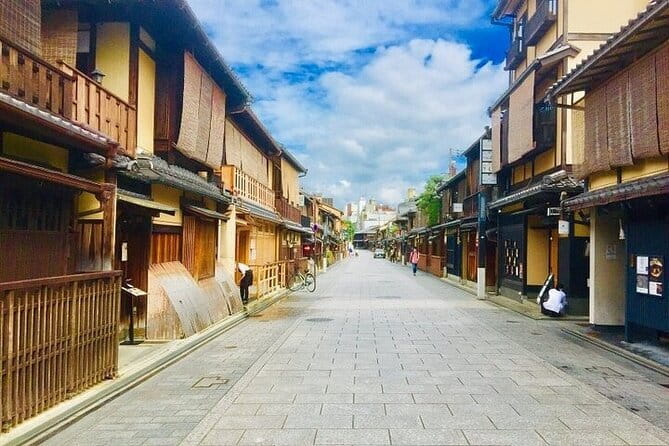
Then you move to Nijo Castle, a UNESCO World Heritage site known for architecture and gardens. Your time here is about 1 hour 30 minutes, and admission is again included only if your selected option includes it.
I like Nijo Castle for a different reason than the temples. Temples are spiritual spaces and views. Castles are design and structure—what power looked like, how a space was built to impress, and how gardens fit into the whole plan.
This is also one of the stops where you’ll benefit from your guide’s commentary. Even if you’re not a history person, it helps you look at details instead of just moving from highlight to highlight.
One caution: if your option does not include admission and you aren’t ready for extra steps, the day can feel more rushed. If Nijo Castle is a priority for you, ticket-inclusive is a safer bet.
Kiyomizu-dera: hillside views, longer on-foot time, and more walking energy

Kiyomizu-dera comes next, with about 2 hours 30 minutes on the ground. Admission is included only if you selected the ticket option.
This is your longer stop that blends temple atmosphere with a hillside setting. The main draw is the view and the way the complex sits above the city. Since your time is longer here than at Kinkaku-ji, you have room to:
- take in the key viewpoints
- walk through the complex at an unhurried pace
- step back for wide shots before you move on
Because it’s longer, it’s also a good time to reset. If the morning felt hot or hectic, this is your chance to slow down and come back to your normal walking rhythm.
Fushimi Inari Taisha: torii gates, uphill pace, and photo power
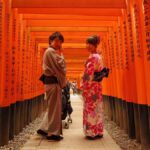
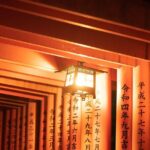
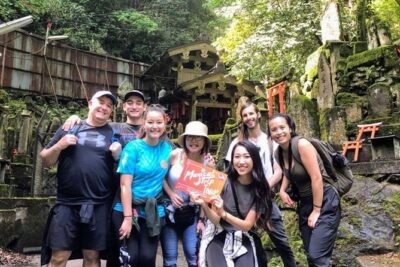
The final big stop is Fushimi Inari Taisha, famous for its thousands of vermillion torii gates leading along a mountain pathway. You get about 1 hour 30 minutes, and admission is free.
This is where the day shifts from “temple highlight” to “walking loop.” Even if you don’t go all the way up, you’ll still be walking among torii gates, and that walking is the experience. It’s also where you’ll feel your pace and energy the most.
I love Fushimi Inari because every turn looks slightly different. One photo looks deep and tunnel-like; another looks like a bright orange corridor over steps and greenery. If your phone camera lives for symmetry, you’ll have fun here.
The one practical consideration: it can get hot and can feel strenuous depending on how far you choose to go. Plan your turnaround point early, not late.
Guide impact: bilingual commentary can make the stops click
The tour includes a bilingual English/Spanish guide, and that matters because these places are more than postcard views. Good guides help you notice what you’d otherwise walk past.
I’ve seen names come up for this tour such as Ángeles, Cesar, and Paula, along with drivers like Nishimura-san, plus another team described with Alan and Pastor. Different guides can mean different styles, but the consistent theme is that strong guides mix explanation with breathing room so you can explore on your own.
Two real-world cautions from the style of bilingual touring:
- When language switches happen, some people find it harder to focus on the details they want
- If your group is noisy, hearing commentary can be tougher than you’d expect in a packed outdoor setting
The good news: the group size max of 30 generally keeps things manageable, and several stops build in time for self-paced wandering.
Organization, timing, and photo strategy (without burning out)
This tour is designed to cover major Kyoto landmarks in one day, and most people will feel that structure when they step off the bus. The best way to make it work is to protect your stamina and your attention.
Here’s my practical approach for days like this:
- Pick one stop where you go slow for atmosphere (often Arashiyama or Kiyomizu-dera)
- Pick one stop where you go camera-first and don’t overthink (usually bamboo or Fushimi Inari)
- At everything else, move efficiently and use your guide’s commentary as a map for what to notice
It’s also smart to keep an eye on the weather. The itinerary is subject to changes due to weather, traffic, or road closures, so flexible expectations help.
If you hit extreme heat, treat hydration as part of the plan. The day is long enough that you don’t want to wait until you feel bad to start addressing it.
Lunch and ticket options: the choice that affects comfort
Lunch is included only in the Premium option, so if you choose a basic option, expect to manage food on your own. That can be fine, but you should avoid making lunch a surprise moment.
If lunch is included for your package, it usually helps you stay in “tour rhythm,” which is valuable on a 10-hour-plus schedule. If it’s not included, I’d recommend planning where you’ll eat near the stop times so you don’t lose your momentum to last-minute searching.
Tickets are the other major choice. Because Kinkaku-ji, Nijo Castle, and Kiyomizu-dera require admission depending on your option, you should decide upfront whether you want a smooth day or a more DIY-feeling day.
Who should book this Kyoto highlights bus tour
This fits you best if:
- you have one day and want a broad overview of Kyoto’s most famous sights
- you prefer guided routing over figure-it-out logistics
- you like photo stops but also want context from a guide
- you’re comfortable with a long day and don’t need endless time at each site
It’s less ideal if:
- you hate long schedules and frequent riding between places
- you need lots of downtime and don’t want walking to stack up
- you’re very sensitive to heat and aren’t ready to manage hydration
Should you book this tour?
I think you should book it if your goal is a fast, organized Kyoto highlights day and you’re choosing the option that matches your priorities. If Kinkaku-ji, Nijo Castle, and Kiyomizu-dera are all must-sees, picking the ticket-inclusive package usually makes the day feel smoother.
I’d hesitate only if you’re hoping for a relaxed pace or you know you struggle with long outdoor walking. In that case, you might enjoy fewer stops with more time per place more than a packed circuit.
FAQ
What time does the Kyoto tour start?
It starts at 7:00 am.
How long is the tour?
The duration is about 10 hours 45 minutes.
Is lunch included?
Lunch is included only if you select the Premium option. In other options, lunch is not included.
Are tickets for the Golden Pavilion included?
Admission to the Golden Pavilion (Kinkaku-ji) is included only if you selected the attraction ticket option.
Is Kiyomizu-dera included, and is its admission included?
Kiyomizu-dera is on the itinerary, and admission is included only if your option includes it.
Where is the meeting point?
The meeting point is Hotel Keihan Kyoto Grande in Kyoto, near public transportation.
Can I cancel for a full refund?
Yes. You can cancel for a full refund if you cancel at least 24 hours before the experience start time.
More Along the Higashiyama Slopes

More of Arashiyama and Sagano
Fushimi Inari, a Few More Ways
Just added: more Kyoto tours to browse








Fushimi Inari Shrine Tours, compared.
 ★ 4.8Fushimi Inari, Kinkakuji, Bamboo Grove 1 Day Bus TourFrom $1224,316 reviews
 ★ 5.0Fushimi Inari Hidden Hiking Tour (Private Option Available)From $631,750 reviews
 ★ 4.7Kyoto/Osaka: Nara, Fushimi Inari Taisha, Arashiyama Bus TourFrom $521,275 reviews
 ★ 4.4Osaka/Kyoto: Arashiyama, Nara & Fushimi Inari Shrine w/LunchFrom $61754 reviews
 ★ 4.7Nijo Castle, Kiyomizu & Fushimi Inari Guided TourFrom $54700 reviews
 ★ 5.0Kyoto Fushimi-Inari Night Walking TourFrom $43320 reviews
 ★ 4.93-Hour Fushimi Inari Shrine Hidden Hiking TourFrom $72270 reviews
 ★ 5.0Kyoto Early Bird English Tour: Fushimi-Inari and ArashiyamaFrom $96198 reviews