
Reviewed · KINKAKU-JI & GOLDEN PAVILION TOURS
Osaka/Kyoto:Kinkakuji,Arashiyama,FushimiInariShrine,NaraPark
Japan in one packed day can work. You’ll run from Nara Park to UNESCO temples, then finish at Fushimi Inari under a sea of torii. It’s the kind of route that saves you hours of figuring out trains and transfers, while still giving you real time on the ground at each famous stop.
I especially like the way the day includes two big UNESCO hits: Kinkaku-ji and Todai-ji. I also love that your schedule adapts based on your lunch choice, so you’re not forced into a single rushed option. The main drawback is simple: it’s a long day on a bus with tight windows at each place, and late arrivals can mean you miss the tour entirely.
In This Review
- Key highlights before you go
- A one-day hit list from Osaka or Kyoto
- Price and value: what $66 buys you
- VIP lounge start and the timing you should respect
- Nara Park first: deer encounters without the stress
- Todai-ji Temple: UNESCO’s Great Buddha (15 meters)
- Arashiyama Bamboo Grove: time blocks that match your style
- Kinkaku-ji Golden Pavilion: reflections and included entry
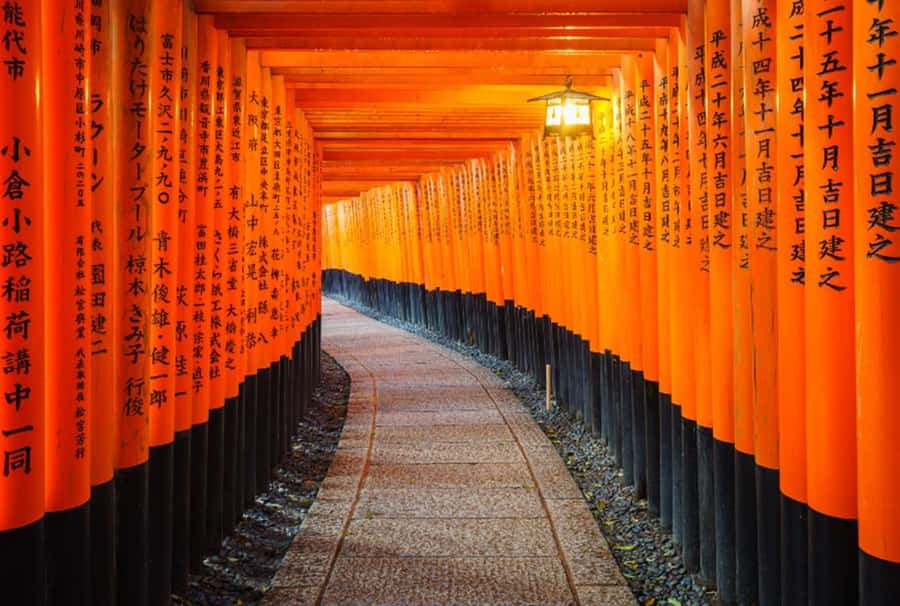
- Fushimi Inari Taisha: walking 1,000 torii gates up Mount Inari
- Lunch upgrade: Kobe Beef Shabu-Shabu, plus optional aburi sushi
- Guides on this route: what the day feels like with a pro
- Who should book this tour, and who should not
- Should you book this Osaka/Kyoto day trip?
- FAQ
- How long is this tour?
- Where does the tour start and end?
- Is lunch included?
- Do I pay for Todai-ji?
- What sights are included in the day?
- What languages is the guide?
- Are the deer in Nara Park safe?
Key highlights before you go
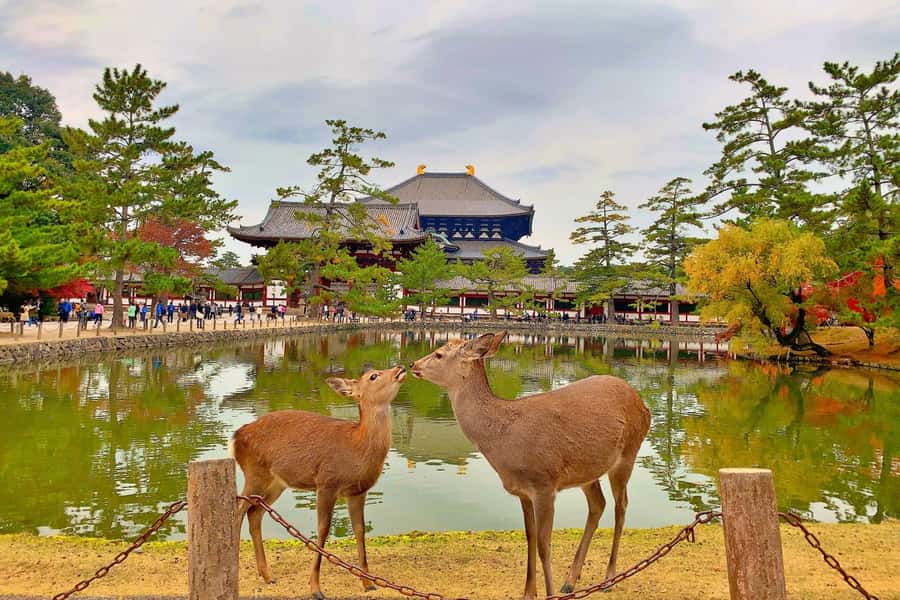
- Deer at Nara Park: free-roaming and symbolic, with clear guidance to not disturb them
- Todai-ji’s Great Buddha (15 meters): UNESCO awe in one stop
- Arashiyama Bamboo Grove time: 60 minutes if you do lunch, or 120 minutes if you don’t
- Kinkaku-ji Golden Pavilion: gold-leaf exterior plus included entrance
- Fushimi Inari’s 1,000 torii gates: a long, winding walk up Mount Inari
A one-day hit list from Osaka or Kyoto
This is a guided day that strings together five major experiences: Nara Park, Todai-ji, Arashiyama, Kinkaku-ji, and Fushimi Inari Taisha. If you’re visiting Japan with limited time, this format is practical: you get the icons without turning your day into a logistics project.
Starting from either Osaka or Kyoto also helps you fit it into your itinerary. You’ll meet at a set point (it can vary by the option you book), board an air-conditioned vehicle, and return to your meeting point at the end. The tour runs about 9 hours, though traffic and timing can stretch things.
The day is structured so you move efficiently: park time for Nara, temple time for Todai-ji, a bamboo-focused block for Arashiyama, then a temple-and-shrine finish with Kinkaku-ji and Fushimi Inari. It’s sightseeing with purpose, not sightseeing that drifts.
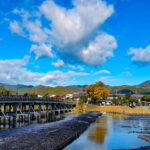
Deeper into Arashiyama, past the bamboo and the Hozu river

Price and value: what $66 buys you
At $66 per person, you’re paying for more than the attractions. You’re paying for a guide, entrance to Kinkaku-ji, and an air-conditioned vehicle that handles the travel between cities and stops. That matters because moving between Nara, Kyoto sights, and back by public transit can eat up your day.
A second value point is language support. The tour provides an English or Chinese-speaking guide, and depending on group size, commentary may run in both languages. That’s a big deal if you want context and signage “translation” without hunting for it yourself.
One cost to plan for: Todai-ji entrance is not included. You’ll still visit it, but you’ll need to cover the ticket on your own. Also, lunch is optional and depends on where you start from. So the base price is strong, then you decide how you want to spend on meals and any extra food like Kobe beef aburi sushi.
VIP lounge start and the timing you should respect
Your day begins from a VIP Lounge in Osaka or Kyoto, then the bus runs the route. The operator is clear that the bus departs promptly, and they can’t wait for late arrivals. In plain terms: be early, then relax, because the schedule is built around moving as a group.
There’s also an important meeting-point rule: your assigned bus and guide are based on your specific starting location. If you show up at the wrong place, you risk missing the tour and not getting a refund. If your plans are messy that morning, give yourself extra buffer and confirm your meeting point the day before.
On the road, you get commentary during transit and clear instructions at each stop. In the real world, these group tours can feel long, but organization helps. Many people end up doing a lot of walking, so pack for it: comfortable shoes and a water plan.
Nara Park first: deer encounters without the stress
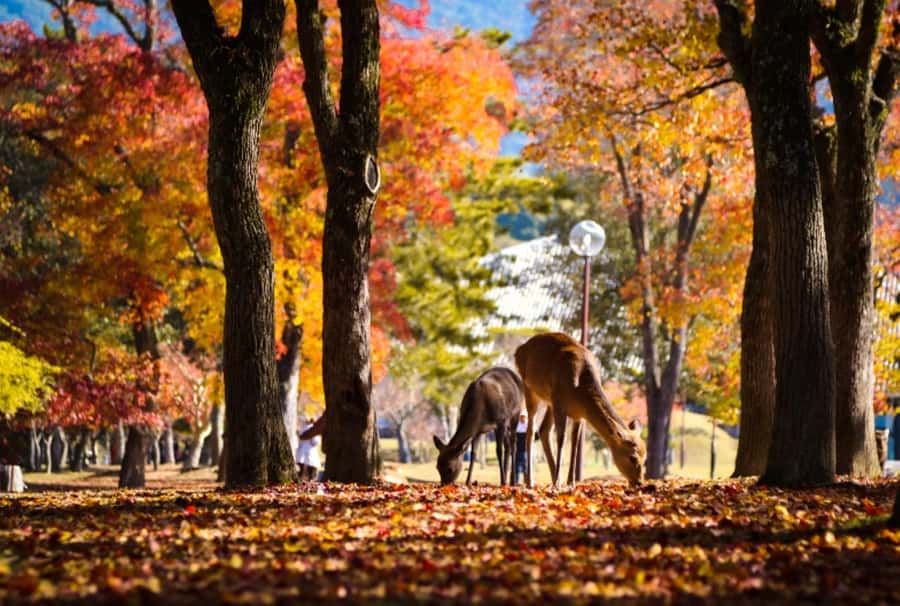
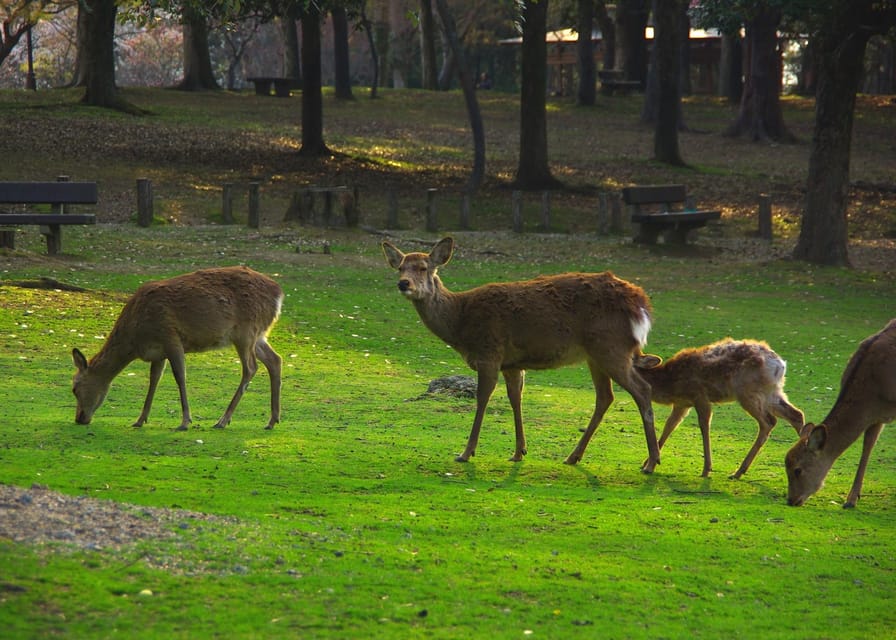
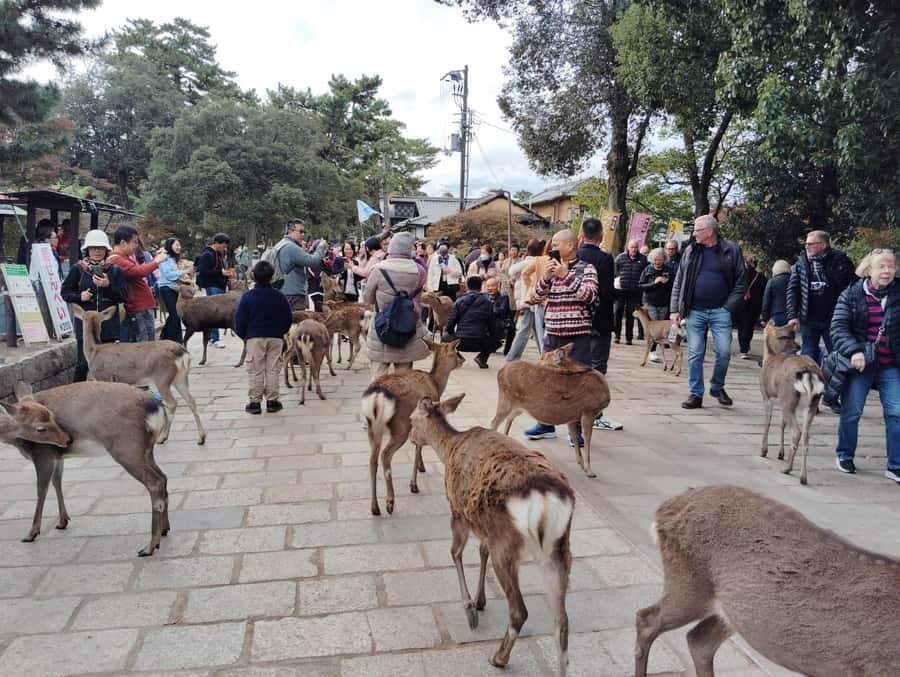
Nara Park is famous for one reason: the deer. They’re wild animals and they roam freely through the park, not zoo-style in an enclosure. The best way to enjoy this stop is to watch how the deer move around you, keep a respectful distance, and follow the guidance to not disturb them.
This is also one of the reasons the tour schedule works. The day includes Nara Park early enough that you can get your deer moment without it turning into a nonstop crowd crush. Even with that advantage, expect close quarters and lots of photo-taking.
What I’d do if you’re prioritizing photos: pause, let the deer approach on their own, and avoid waving things around. You’ll get calmer behavior and better shots. Also, set your expectations that this stop is playful but not “hands-on.” The goal is respect plus memorable encounters.
Todai-ji Temple: UNESCO’s Great Buddha (15 meters)
After Nara, you head to Todai-ji, a UNESCO World Heritage site. This is the temple with the scale that stops people mid-sentence. The key feature here is the Great Buddha statue, listed as 15 meters tall, inside a massive wooden structure noted as the largest wooden building in the world.
Why this stop is worth including in a one-day format: it’s architecture and cultural meaning in the same place. You’re not just looking at a building; you’re seeing why this temple mattered historically, and you’re standing near the physical size that makes it famous.
A practical note: Todai-ji entrance fee is not included. That’s not a dealbreaker, but it does affect your total day cost. Plan a bit of cash or card readiness for this ticket.
Also, treat Todai-ji like a “slow moment” on a fast day. Look around before you rush toward the main view. The scale hits harder when you let your eyes adjust to the hall.
More gilded pavilions and raked gardens around Kyoto

Arashiyama Bamboo Grove: time blocks that match your style
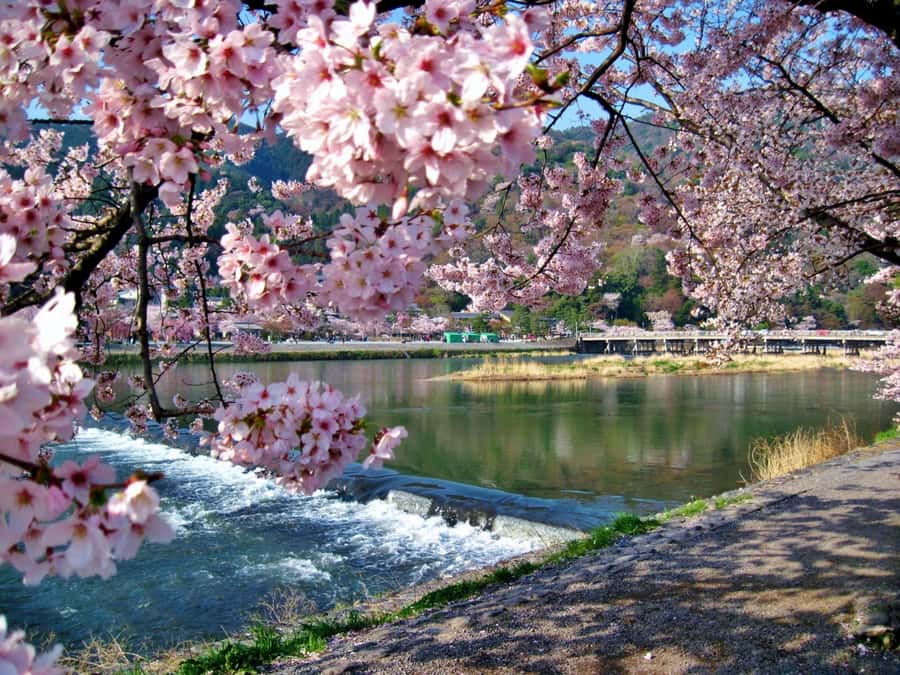
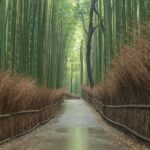
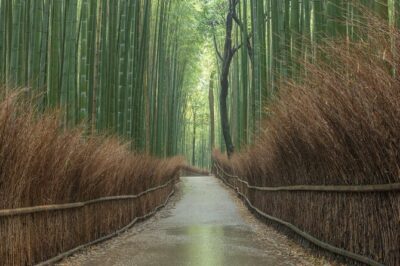
Next comes Arashiyama, centered on the Bamboo Grove. This is the part of the day that many people picture before they arrive: tall stalks, a narrow path, and sunlight filtering down. It’s calm in a way that feels different from the shrines and temple crowds.
Here’s the big decision driver: your Arashiyama time changes depending on lunch choice.
- With the lunch option: you get 60 minutes in Arashiyama after lunch.
- Without lunch: you get 120 minutes in Arashiyama, including time to handle lunch on your own.
If you care about strolling at your own pace, choosing no lunch upgrade is often the better trade. It gives you extra room for detours, snack breaks, and wandering around the grove edges. If you prefer having food handled and don’t want to plan, the lunch option keeps the day smooth.
Crowds can be real here. If you go during busy hours, your goal shouldn’t be “perfect solitude,” it should be “a good walk through the bamboo plus a few standout photo angles.” Move with the flow for a while, then step aside when you see space.
Kinkaku-ji Golden Pavilion: reflections and included entry
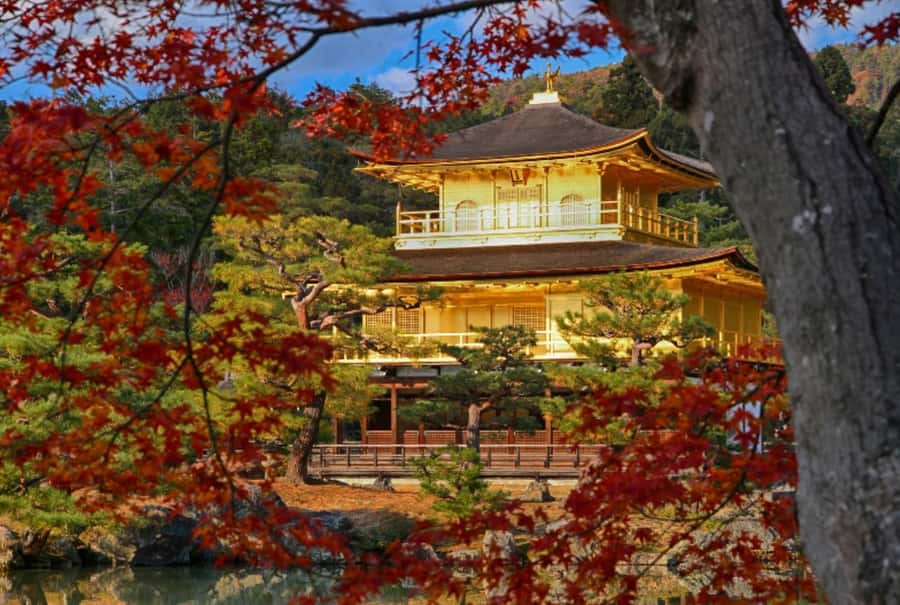
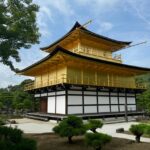
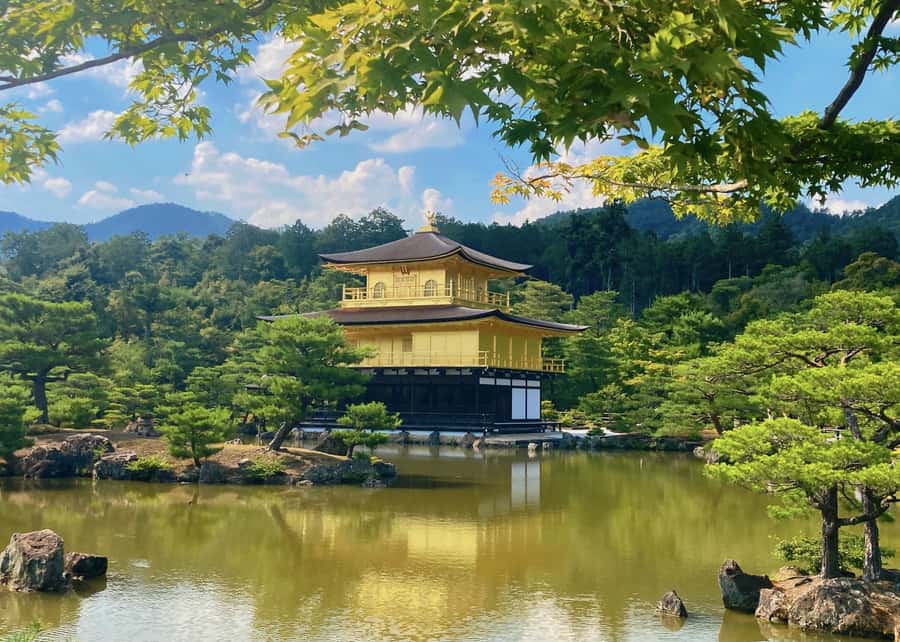
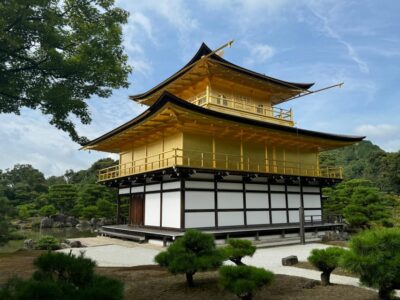
After Arashiyama, you reach Kinkaku-ji, also known as the Golden Pavilion. It’s UNESCO-listed and famous for its gold-leaf exterior and peaceful gardens. The setup also gives you one of Japan’s best “look twice” moments: the pavilion’s reflection on the surrounding pond.
Kinkaku-ji is one of the stops that benefits from a guided format. Your guide can point you toward the best viewpoints and keep the pace moving so you don’t end up stuck at an overcrowded edge.
Good news for your budget: entrance fee to Kinkaku-ji is included. That makes this stop feel less like an add-on and more like part of what you paid for.
This is also a good moment to slow down and take it in. Even if your feet are tired, spend time with the reflections—gold and water look different from each angle, and it’s worth moving a few steps rather than rushing one view.
Fushimi Inari Taisha: walking 1,000 torii gates up Mount Inari
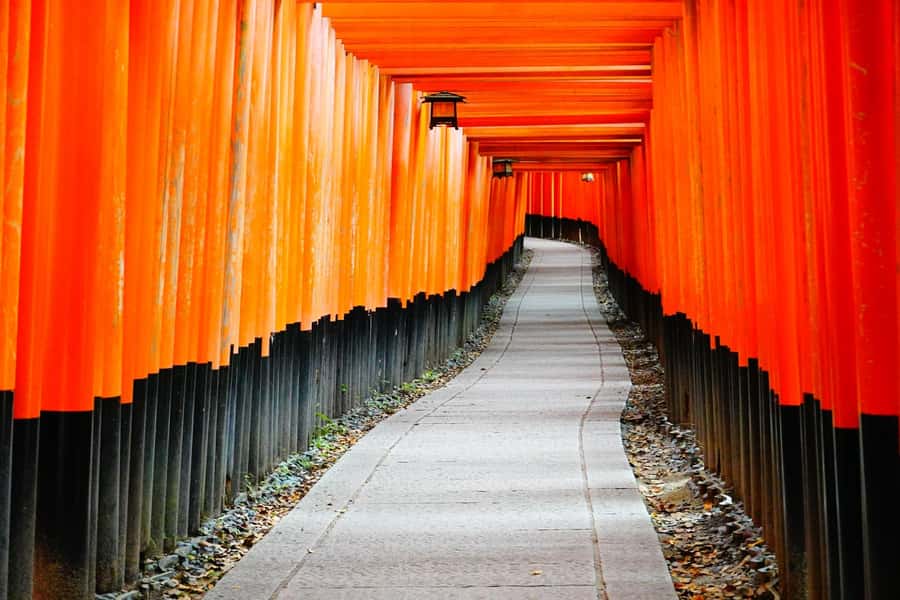
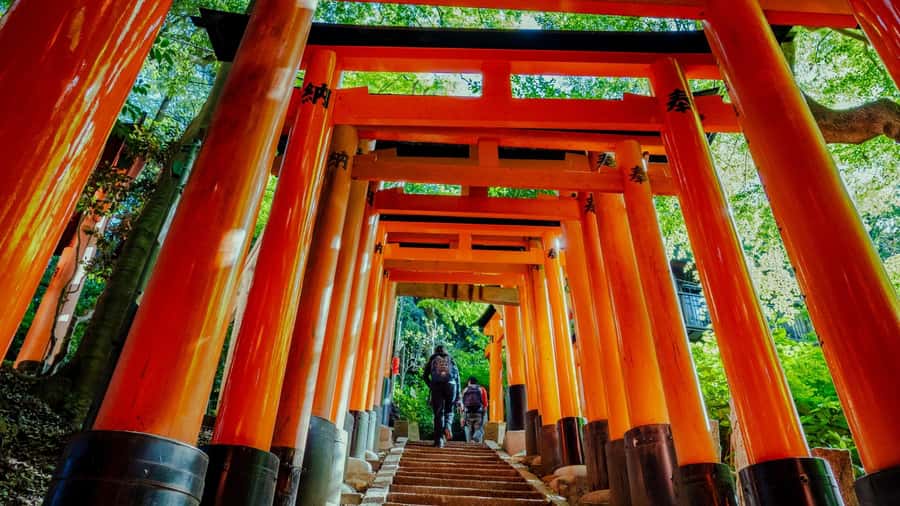
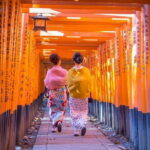
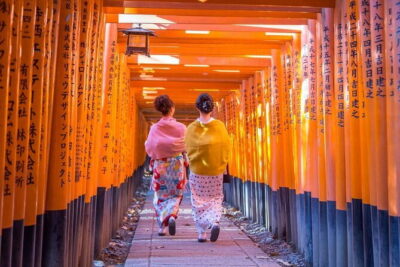
Then you finish at Fushimi Inari Taisha, one of the most recognizable shrines in Japan. The headline is the 1,000 vermilion torii gates, which form a tunnel-like route that winds up Mount Inari. Each gate is tied to prayers and offerings connected to Inari Okami, including prosperity, household safety, and success.
What you feel here is the “continuation effect.” You start seeing the next gate around every bend, which keeps you moving. If you like getting good walking views, this is a strong end-of-day stop because the scenery builds step by step.
Practical tip: wear shoes you can trust. The walk up the torii path can add up, especially after already walking through Nara and Arashiyama. Bring energy snacks if you need them, since your day is packed.
Also remember that this is a functioning Shinto shrine area. Treat it with the same respect you’d use anywhere you see worship happening: don’t block paths, and keep your pace steady.
Lunch upgrade: Kobe Beef Shabu-Shabu, plus optional aburi sushi
If you’re leaving from Osaka only, there’s an optional Kobe Beef Shabu-Shabu lunch. This is a real upgrade worth considering if you want one meal that feels like a special highlight, not just a quick stop.
The lunch option comes with an explanation of Kobe beef and what makes it stand out among the three major Wagyu breeds. The description focuses on marbling—how that fine fat texture cooks down so the meat becomes tender and velvety.
Timing matters. With lunch included, you’ll have 50 minutes for lunch and then 60 minutes in Arashiyama. If you choose the no lunch option, you keep more time in Arashiyama for food on your own.
There’s also a Kobe beef aburi sushi option available for additional on-site orders. If you’re a “yes to one extra” eater, keep that in mind while you’re there.
Guides on this route: what the day feels like with a pro
This tour works because a guide keeps the day flowing and tells you what to do next. Based on real experience patterns on this route, guides can be quite strong at storytelling and timing. Names I’ve seen linked with this kind of day include Harry, Gary, Ben, Nick, Mike, Tracy, Eric, Panda, Chi, and Mimi. Your exact guide varies, but the job is consistent: explain the places while keeping everyone on schedule.
The tour also uses clear meeting instructions after each stop, which is crucial when you’re moving through crowded sites. You may hear English only, or English plus Chinese commentary depending on group size.
Expect a bus that handles the travel, then a series of walking segments. If you hate rushing, this can still work because the guide helps you pick what to see and when to move. But be honest: you’ll be busy all day, not lightly strolling.
Who should book this tour, and who should not
This is a great pick if you want the big Kyoto icons plus Nara in a single day and you don’t want to manage transfers. It’s especially helpful when your schedule is tight and you’d rather spend your energy looking at temples than studying train maps.
It also suits people who like structure. A guided format means you’re not guessing how long each place should take or where to stand for the best angles.
It may not suit you if you:
- Need lots of quiet time at each stop
- Get stressed by tight meeting windows
- Can’t handle a long day on your feet
Even with guides doing their best, it’s still a packed route. You’ll likely rack up serious walking distance—one example from this route mentioned around 21,000 steps in a day.
Should you book this Osaka/Kyoto day trip?
If you’re looking for value, convenience, and Japan’s signature sights in one organized run, I think this is a smart booking. The included Kinkaku-ji entrance, plus the combination of Todai-ji, Arashiyama bamboo, Nara deer, and Fushimi Inari, makes it efficient in both time and effort.
Book it if you’re the type who wants to see the icons and you’re okay with a busy pace. Choose the no lunch option if you want more Arashiyama time to wander and snack. Choose the Kobe beef lunch upgrade if you’d rather lock in a special meal and keep the day guided.
Skip it or consider an alternative if you hate group pacing. The tour is clear about prompt departures and meeting-point rules, and late arrivals can cost you the day. If you show up early and keep comfortable shoes on your feet, this route can be a highlight of your Japan trip.
FAQ
How long is this tour?
The tour is approximately 9 hours, but it may vary due to traffic or unforeseen conditions. Extra stops might be made to cover all sights.
Where does the tour start and end?
You begin from a VIP Lounge in Osaka or Kyoto, depending on your selected option. The tour ends back at the meeting point, with an option to finish in Kyoto or Osaka based on your preference.
Is lunch included?
Kobe Beef Shabu-Shabu is an optional lunch upgrade for departures from Osaka only. If you choose the no lunch option, you have free time for lunch in Arashiyama.
Do I pay for Todai-ji?
Todai-ji entrance fee is not included. You’ll need to pay the entrance fee separately.
What sights are included in the day?
The day covers Nara Park, Todai-ji, Arashiyama (including the Bamboo Grove), Kinkaku-ji, and Fushimi Inari Shrine.
What languages is the guide?
The guide offers English or Chinese-speaking commentary. Depending on group size, commentary may be in both languages.
Are the deer in Nara Park safe?
The deer are wild animals. You should not disturb them and follow the guidance provided during the visit.
More Tour Reviews in Kyoto





More Golden Pavilion and Temple Tours
More of Arashiyama and Sagano

Just added: more Kyoto tours to browse








Kinkaku-ji & Golden Pavilion Tours, compared.
 ★ 4.8Fushimi Inari, Kinkakuji, Bamboo Grove 1 Day Bus TourFrom $1224,316 reviews
 ★ 5.0Nijo, Kinkaku-ji, Arashiyama, Kiyomizu & Fushimi InariFrom $51699 reviews
 ★ 4.9Best of Kyoto: Ginkakuji & Path of Philosophy E-Bike TourFrom $6979 reviews
 ★ 4.7Kinkakuji, Golden Pavilion Guided TourFrom $6471 reviews
 ★ 5.0Kyoto top must-see Golden pavilion and Bamboo forest half-day Private tourFrom $12252 reviews
 ★ 5.0Kyoto Bamboo Forest & Golden Pavilion E-Bike TourFrom $9950 reviews
 ★ 4.6Osaka/Kyoto: Katsuoji, Kinkakuji, Arashiyama 1-Day Bus TourFrom $5633 reviews
 ★ 5.0Golden Pavilion, Nijo Castle, & Nishiki Market Half day tourFrom $9029 reviews
Browse the lists this tour appears in