
Reviewed · KYOTO CRAFT & CALLIGRAPHY WORKSHOPS
Sekka Cotton Furoshiki Class
A scarf you dye yourself feels different. This Sekka Cotton Furoshiki Class lets you make a Kyoto cotton wrapping cloth using the sekka shibori method, then spend time browsing the Kyoto Shibori Museum.
I really like two things here. First, it’s truly private for your party, so the folding and dyeing instructions fit your pace. Second, you don’t just watch—you choose colors, fold the fabric in a set pattern, dye it, and end up with a ready-to-use furoshiki souvenir.
One thing to consider: the hands-on dyeing step can feel fairly structured and straightforward, so if you’re hoping for a long, highly customized craft session, this may be a bit short.
In This Review
- Key highlights to know before you go
- Why this Kyoto Shibori class is more than a quick craft
- Getting started at the Kyoto Shibori Museum (and what you’ll do first)
- How the sekka shibori dyeing works: fold, board, dye
- The drying wait: museum time that actually adds value
- What you take home: your completed cotton furoshiki
- Price and value: what $43.35 really buys you
- How long it takes and how to fit it into your day
- Is it worth it for families, teens, or beginners?
- Practical tips so your furoshiki souvenir arrives safely
- Should you book the Sekka Cotton Furoshiki Class?
- FAQ
- Where is the class meeting point?
- How long does the Sekka Cotton Furoshiki class take?
- What size furoshiki will I dye?
- Is this a private lesson?
- Will I have time to visit the museum during the workshop?
- Is there a museum shop?
- What’s the cancellation policy?
Key highlights to know before you go
- Private lesson for your party at the Kyoto Shibori Museum, not a crowded group class
- Learn the sekka shibori method for a cotton furoshiki you’ll take home
- You fold the fabric, place it between boards, then dye it in a guided process
- While your cloth dries, you get time for the museum exhibition and displays
- The workshop ends with a shopping opportunity in the museum shop if you want more textiles
- The session runs about 1 hour total, so it fits easily into a Kyoto day
Why this Kyoto Shibori class is more than a quick craft
If you’ve done the usual Kyoto souvenir run, this feels like the opposite. The point isn’t shopping first—it’s learning how the dye pattern happens, step by step, and walking out with something practical and personal: a cotton furoshiki.
The best part is that the class is built around the actual shibori workflow. You’ll work with folding, then dye, then wait for drying, and that waiting time isn’t wasted—it becomes museum time. That makes the workshop feel like a real “you made it” experience, not a one-and-done demo.
And because it’s private, the experience can feel calmer than big workshops. You can ask questions, adjust at your pace, and generally spend less mental energy translating the process.
Make something by hand in a Kyoto workshop
Getting started at the Kyoto Shibori Museum (and what you’ll do first)
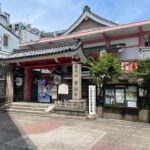
The class starts at the Kyoto Shibori Museum at 135-5 Shikiamichō, Nakagyo Ward, Kyoto, 604-8261, Japan. It’s listed as near public transportation, which matters in Kyoto where travel time can sneak up on you.
Once you’re in, the lesson centers on dyeing a specific item: an 86cm x 89cm cotton furoshiki. That size is great because it’s big enough to wrap gifts or use for carrying, not just a small sample cloth.
From there, you’ll begin with color choice and folding. You’re not picking random techniques and hoping for results—you’re following a method that the museum teaches so the final pattern looks like sekka shibori.
How the sekka shibori dyeing works: fold, board, dye
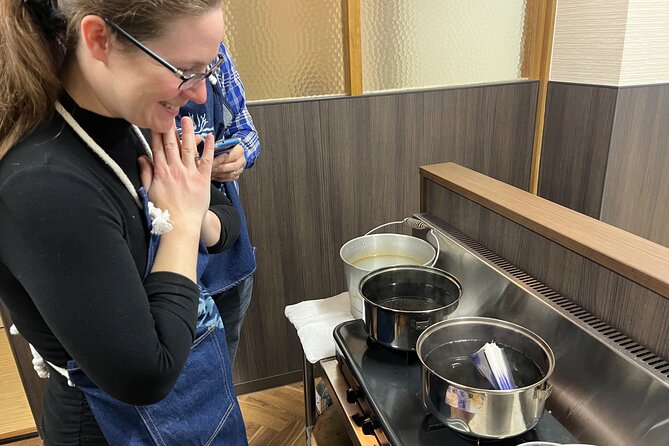
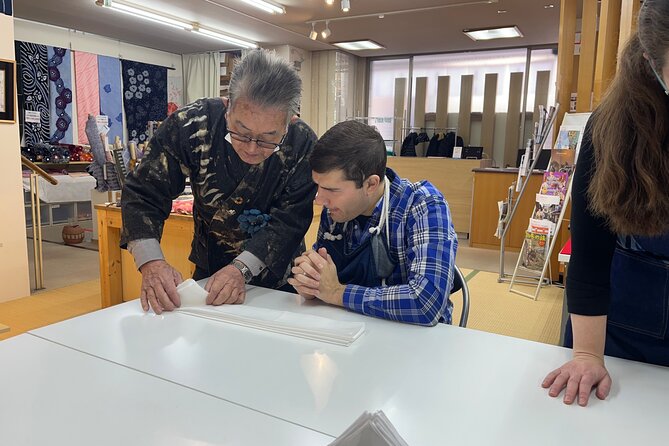
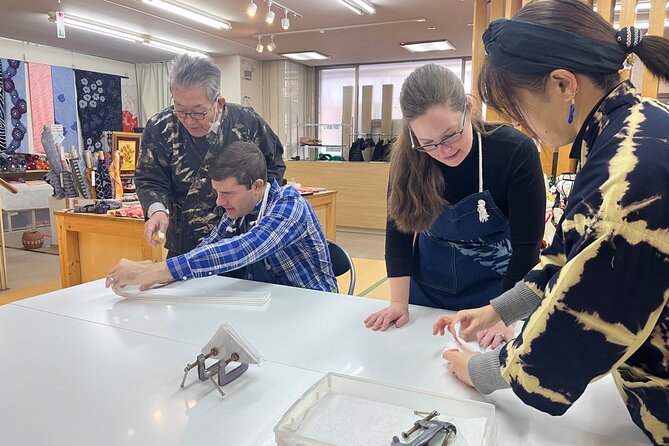
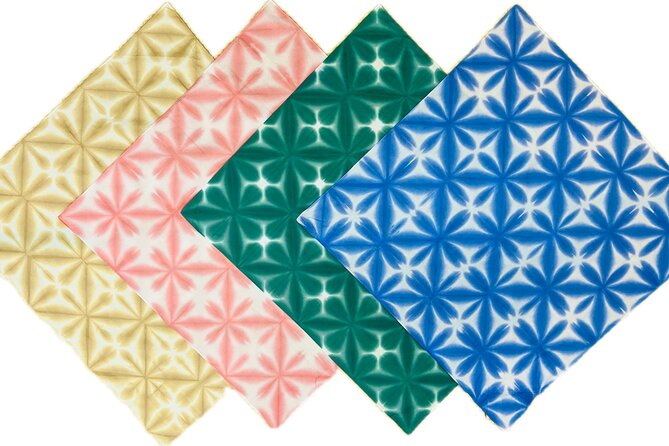
Here’s the workflow in plain terms. You’ll choose your favorite color, then learn how to fold the cotton furoshiki in a particular way. The folding isn’t just for show; it’s how the shibori pattern forms once dye hits the fabric.
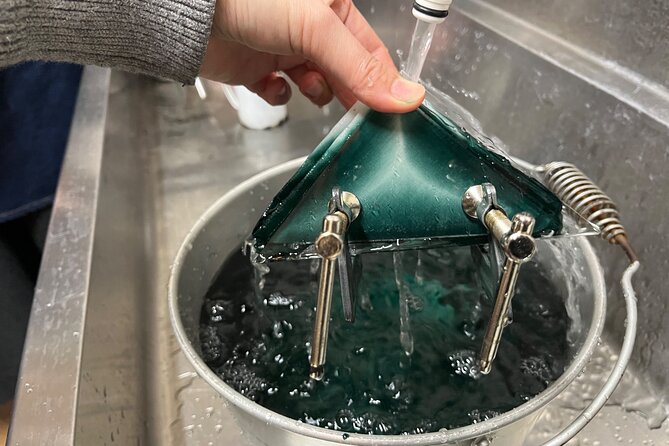
Next comes the key step: the folded fabric goes between two boards. This part is simple in motion, but important in result. The boards help shape where dye can and can’t reach, which is what creates the final patterned look you’ll see after dyeing and drying.
After that, the dyeing is done with your guide walking you through the process. The class is designed so you can finish within about 30 to 60 minutes for the crafting portion, depending on timing and questions.
Practical tip: If you’re sensitive to hands getting stained, plan for it. This is dye work on cotton, so expect the process to leave traces. I like to wear something I don’t mind getting a little messy.
The drying wait: museum time that actually adds value
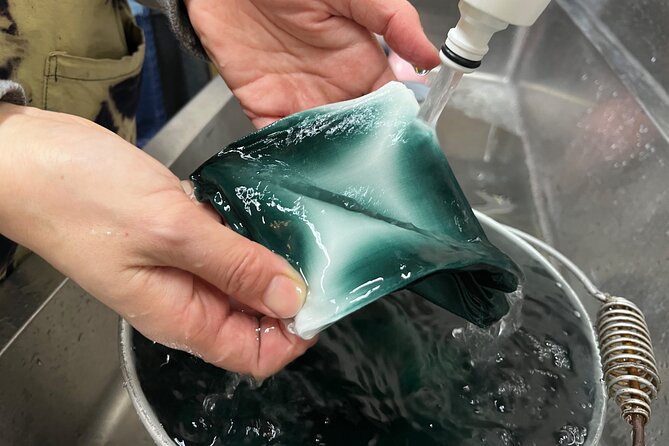
You’ll spend about 30 minutes drying your dyed fabric. Instead of sitting around, you’ll use that time to explore the Kyoto Shibori Museum.
This is where the experience becomes more meaningful. The museum has art pieces, tools, and samples on display, so you can connect what you just did with how shibori is practiced and appreciated beyond your own piece. If you like understanding the craft, this is a smart design choice.
In addition, there’s browsing time so you can look at textiles and techniques at your own pace. Some of the exhibits include displays created by many artisans over long periods, which helps you see shibori as a craft tradition, not just a weekend activity.
If you also enjoy museum shopping, keep in mind the museum shop sells shibori items, fabrics, and souvenirs. I’d budget a little extra if you like the look of what you see on the walls.
What you take home: your completed cotton furoshiki
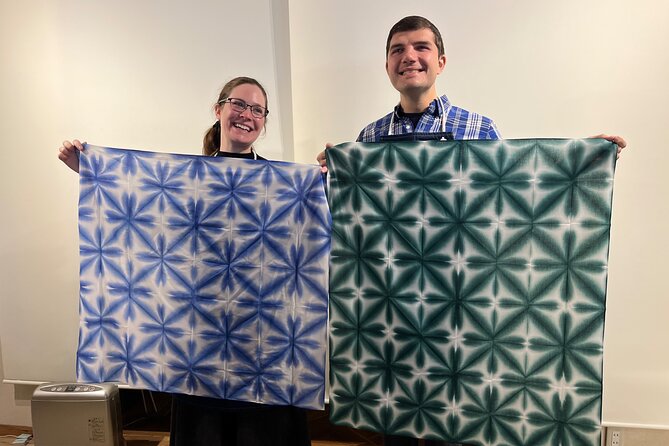
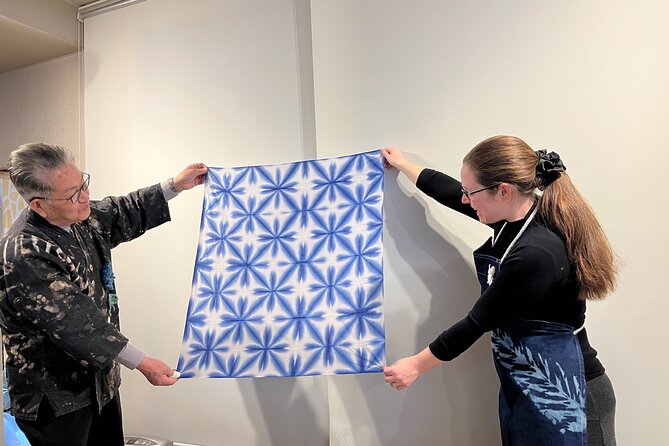
The end product is a completed cotton furoshiki you’ll carry home as a souvenir. Because you make it yourself through sekka shibori dyeing, it’s not like buying something ready-made and moving on.
It also helps that the item is practical. A furoshiki is meant to wrap, carry, and gift. So even if it’s your first shibori piece, it has daily-life potential instead of becoming “just decor.”
One more plus: because the class is structured around an end result (a large furoshiki), you’re not stuck wondering whether you picked the wrong technique. You follow the method, and the lesson is built to get you to a finished souvenir within the session.
Other Kyoto tours and experiences to compare
Price and value: what $43.35 really buys you
At $43.35 per person, this isn’t trying to be the cheapest thing in Kyoto. But it does include the core value pieces: instruction, the dyeing process, and your final cotton furoshiki.
Here’s why that matters. In many craft activities, you pay for the time but then still need to buy the materials separately. This class is framed around producing a souvenir cloth in the dyeing method, which makes the price feel more like tuition plus a tangible take-home item.
It’s also priced in a way that can work for couples or families because it’s private. A private setup often costs more in Kyoto, so if your group wants a quieter, more tailored workshop, this can feel like a good use of time rather than a splurge.
How long it takes and how to fit it into your day
The overall duration is listed as about 1 hour, and the class structure supports that. You’ll spend time dyeing (often 30–60 minutes), then you’ll have roughly 30 minutes while it dries for museum viewing.
That timing makes it easy to schedule between Kyoto sights. You don’t need a half-day block. Just don’t plan your next stop for the exact end time with zero buffer—Kyoto is full of small waits, transit delays, and walking detours.
If you want a smooth day, I suggest pairing this with a museum-style visit or an indoor activity nearby, especially if it’s hot or rainy. Dyeing and museum time are a good combo when the weather doesn’t cooperate.
Is it worth it for families, teens, or beginners?
Yes—this is one of those Kyoto activities that works even if you don’t have a craft background. The process is guided, and it’s designed so you can participate as long as you’re comfortable following folding and dyeing steps.
It also tends to fit families well because it’s hands-on and interactive, and it’s not limited to advanced craft skills. Teens usually like it too, since it’s creative but still grounded in technique. And because it’s private, you don’t have to worry about your group slowing down the schedule.
For true beginners, the biggest advantage is that you’re not thrown into a complex craft system. You’re taught how this specific method works so you can produce a real result.
The only group I’d hesitate for is someone who wants a long, detailed artisan experience lasting several hours. This is about getting you through the full process efficiently.
Practical tips so your furoshiki souvenir arrives safely
This part can make the difference between a great souvenir and a frustrating one.
- Bring something to protect the cloth after dyeing. The class ends back at the meeting point, so plan how you’ll carry the finished item on your walk and transit.
- Wear clothing that’s okay if it gets dye on it. You’re working with dye and fabric, so accidental smudges can happen.
- If you’re planning to shop in the museum, leave a little space in your bag for additional textiles. The shop sells fabrics and shibori items, and it’s easy to get tempted once you see the finished work.
If you’re flying home soon, also think about how you’ll pack textiles to avoid wrinkles or damage.
Should you book the Sekka Cotton Furoshiki Class?
I’d book it if you want a Kyoto experience that’s hands-on, personal, and tied directly to a craft museum. The mix of making your own sekka shibori furoshiki plus a museum visit while the fabric dries is a smart use of an hour. You’ll leave with something you can use, not just a postcard.
I’d skip it if you want a long workshop with lots of branching options, or if you mainly want to collect shopping souvenirs. This class is about one method, one finished cloth, and learning how the pattern forms.
If you’re curious about Japanese textiles, enjoy making things with your hands, and like the idea of a practical souvenir, this is a strong choice for a Kyoto day.
FAQ
Where is the class meeting point?
The meeting point is Kyoto Shibori Museum, 135-5 Shikiamichō, Nakagyo Ward, Kyoto, 604-8261, Japan.
How long does the Sekka Cotton Furoshiki class take?
It’s listed as about 1 hour. The dyeing class portion is usually 30 to 60 minutes per class, with drying time of about 30 minutes.
What size furoshiki will I dye?
You’ll dye a cotton furoshiki sized 86cm x 89cm.
Is this a private lesson?
Yes. It’s a private tour/activity, and only your group participates.
Will I have time to visit the museum during the workshop?
Yes. While your fabric is drying (about 30 minutes), you can explore the museum exhibits, tools, and samples.
Is there a museum shop?
Yes. The museum shop sells shibori items, souvenirs, and fabrics.
What’s the cancellation policy?
You can cancel for a full refund up to 24 hours before the experience’s start time.
More Workshops in Kyoto
More Tour Reviews in Kyoto
More Kyoto Workshops to Try
Just added: more Kyoto tours to browse

Kyoto Craft & Calligraphy Workshops, compared.
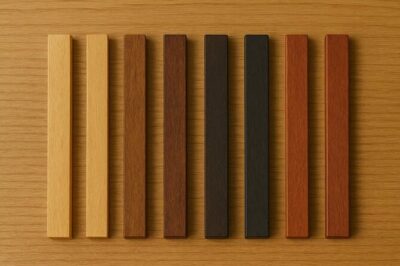 ★ 5.0Chopsticks Making Workshop in Gion with Engraving OptionFrom $15958 reviews
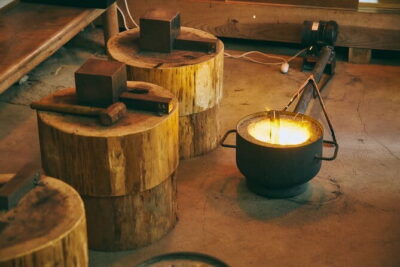 ★ 4.8Authentic knife making experience at a blacksmith in KyotoFrom $154350 reviews
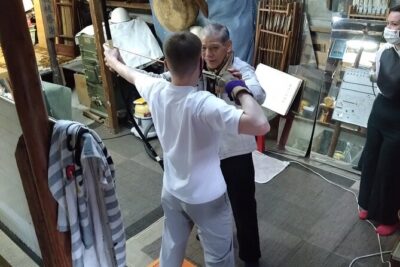 ★ 5.01-Hour Japanese Archery Experience in KyotoFrom $46176 reviews
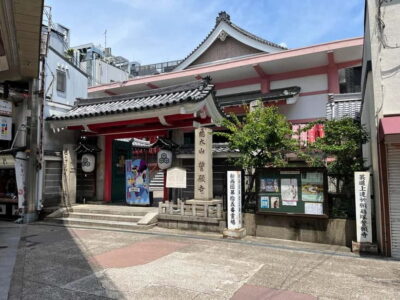 ★ 5.0Calligraphy class at Buddhist temple in city centerFrom $55167 reviews
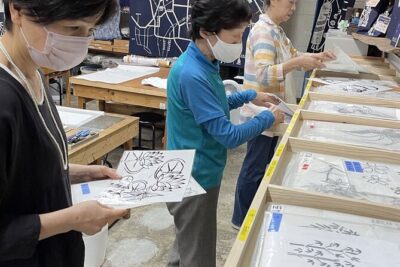 ★ 5.0Roketsu dyeing experience: M course Roketsu Dyeing ExperienceFrom $25163 reviews
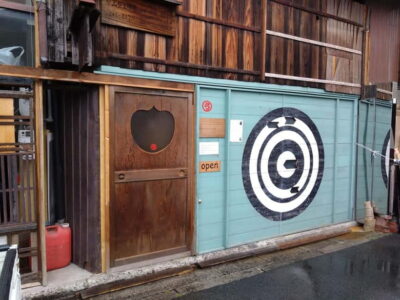 ★ 4.9Japanese Archery Workshop with Experienced InstructorFrom $38132 reviews
 ★ 4.8Japanese Calligraphy ClassFrom $5189 reviews
 ★ 5.0TAIKO, Japanese Drum Experience from KyotoFrom $11586 reviews
Browse the lists this tour appears in