
Reviewed · KYOTO CRAFT & CALLIGRAPHY WORKSHOPS
Kyoto: Japanese Archery Workshop with Experienced Instructor
Kyudo turns effort into calm. In one hour, you get hands-on Kyudo basics from Master Yamaguchi, a long-practicing instructor with Kyudo Kyoshi (6th grade) credentials. I especially liked how you learn by doing right away, and how the session stays respectful and practical rather than turning into a quick photo stop. The main catch to plan around: the instructor speaks Japanese, so you’ll rely on an assistant and English materials to keep you on track.
This is also one of the easier “traditional Japan” activities to enjoy because it’s built for beginners, with a small group capped at four. You’ll move from posture and bow hold into the real feel of shooting, and you’ll get enough coaching to improve during the session. A second thing I liked: the tone is relaxing, with lots of encouragement when your first attempt feels awkward.
You’ll need comfortable clothes and a bit of patience with a sport that’s harder than it looks. Kyudo is not about brute strength; it’s about form, control, and rhythm, and you’ll learn that quickly—then try to put it together.
In This Review
- Key highlights at a glance
- Finding からくり弓道体験場: the side entrance matters
- Meet Master Yamaguchi: what you’re really learning in Kyudo
- The bow, the form, and why it feels different right away
- Shooting attempts in a four-person group: how coaching works
- English support that actually helps you progress
- What makes this Kyoto experience worth the $38
- Who should book, and who might want a different activity
- Should you book the Kyoto Kyudo workshop?
- FAQ
- How long is the Kyoto Kyudo workshop?
- How much does it cost?
- How many people are in a group?
- What language is used during the lesson?
- Do I need to bring Kyudo equipment?
- Is hotel pickup or drop-off provided?
Key highlights at a glance
- Master Yamaguchi’s 6th-grade Kyudo Kyoshi instruction means you get serious technique, not a gimmick
- Small-group coaching (up to 4 people) so you aren’t waiting your turn too long
- English support via an assistant and English materials helps beginners follow along
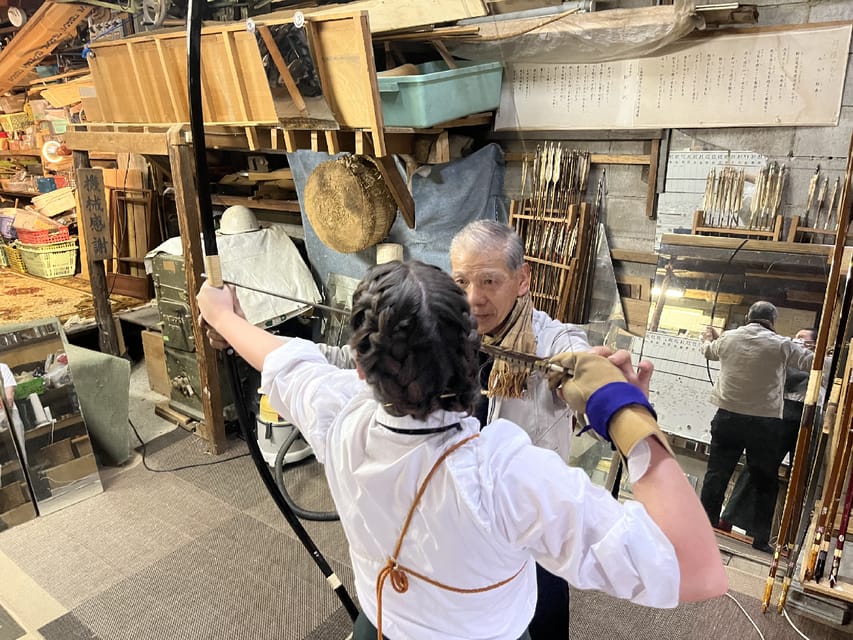
- Hands-on corrections for stance and bow hold, using direct guidance
- A calmer, more meditative approach to archery than most shooting experiences
Finding からくり弓道体験場: the side entrance matters
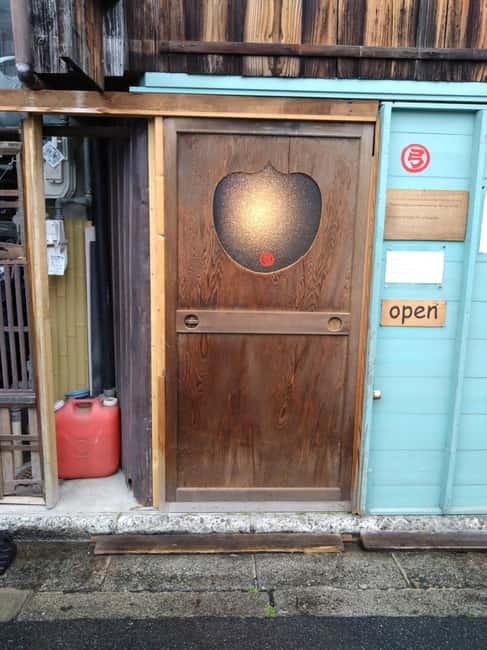
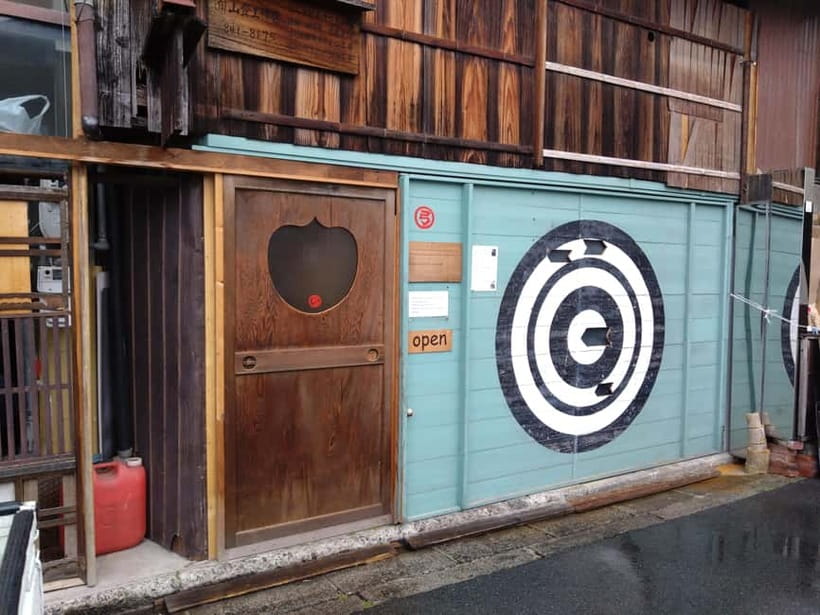
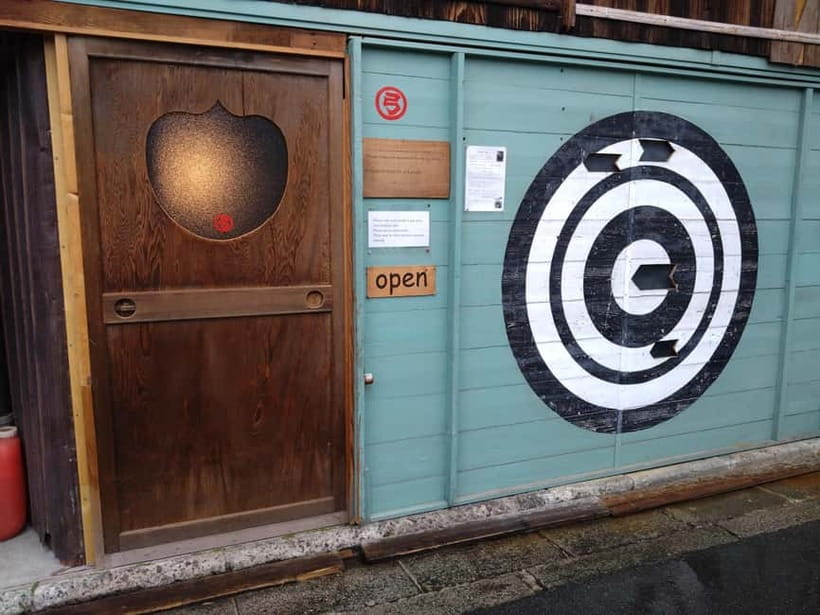
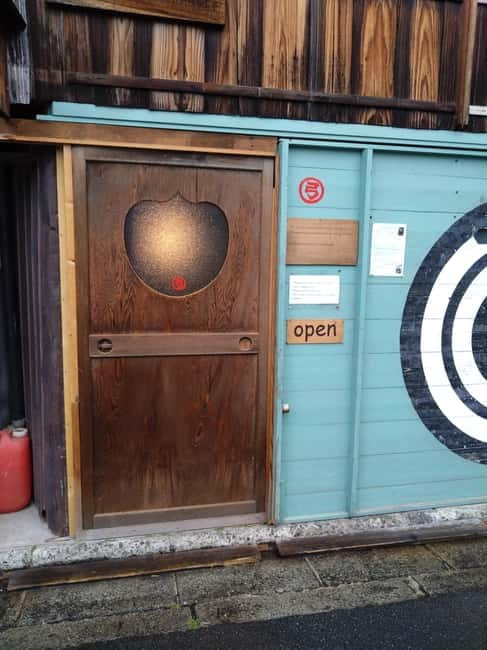
Your biggest logistics win here is arriving at the right entrance. At からくり弓道体験場, there are no door bells, and the entrance is on the side of the building, opposite a small parking lot. Don’t try other doors. If you arrive flustered, it’s easy to waste the first few minutes.
If you’re using Google Maps, search for the Japanese name からくり弓道体験場 or “Kyudo Experience Kyoto.” Then cross-check with the address in your confirmation. On foot, you’re about a 10-minute walk from JR Tambaguchi / Hankyu Omiya / Randen Shijo-Omiya station.
By taxi, tell the driver Mibugawa-street, Takatsuji-street. This is one of those Kyoto details that keeps things smooth: drivers don’t always work from the same address format you’re seeing on your app.
Once you’re inside, remember the space is limited. The session is meant for participants only, so don’t plan on bringing extra spectators to fill seats.
Make something by hand in a Kyoto workshop
Meet Master Yamaguchi: what you’re really learning in Kyudo
You’re not signing up for casual target practice. This workshop is about Kyudo, Japanese archery as a discipline of posture, intention, and technique. Master Yamaguchi has practiced for decades, and he teaches in a way that blends instruction with atmosphere: calm, clear, and focused on doing it correctly.
Expect the session to start with fundamentals. You’ll learn:
- the proper stance
- how to hold the bow correctly
- the basic sequence of movements leading up to shooting
Hands-on guidance is a key part of this experience. The teacher physically demonstrates and helps you adjust where it matters. That’s not just for correctness; it helps you avoid building habits you’d struggle to fix later.
One more real-world point: the instructor may not speak flawless English. That doesn’t mean you’ll be lost. The assistant and the English materials are there to translate the meaning behind each movement and keep you progressing.
If you strongly prefer a different style of instruction, you should let them know in advance. The workshop explicitly notes they can adapt for different instruction preferences.
The bow, the form, and why it feels different right away
Kyudo bows can look tall and elegant, but the first shock is how different they feel in your hands. The bow you use may feel heavier than what you’ve tried in other countries, and that can change your whole shooting experience. I’d plan for that and keep your expectations realistic for day one.
The workshop focuses on form over force. So when you feel your arms getting tired early, don’t panic. The training is built to steer your attention toward:
- posture that supports your movement
- controlled bow hold
- timing and smooth motion rather than yanking or over-releasing
What makes this valuable for you is that you’ll leave understanding Kyudo’s mindset, not just collecting a few arrow pulls. You’ll also get explanations for the history and cultural or spiritual reasons behind the steps. This matters because Kyudo isn’t treated as “sport only” in Japan. It’s taught as practice—almost like a moving ritual.
And yes, you’ll feel a “martial arts” rhythm to it. People often describe the early steps as kata-like: repeated motions, controlled structure, and learning through careful repetition. That structure is exactly why a beginner can improve during a single session.
Shooting attempts in a four-person group: how coaching works
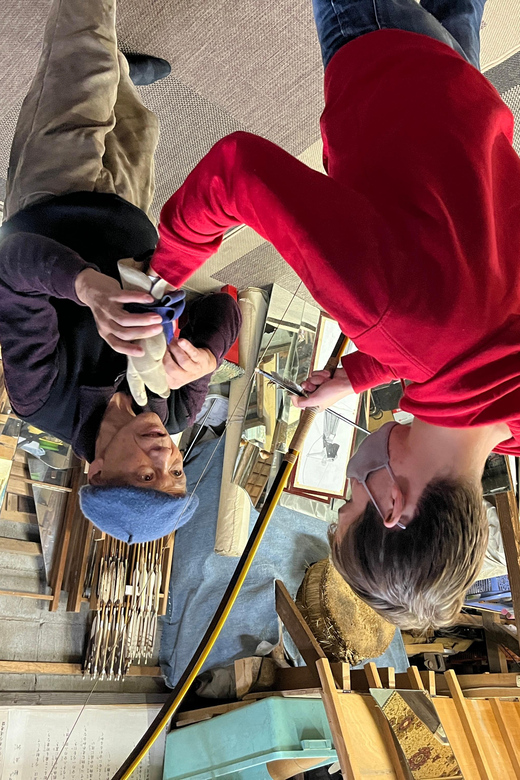
You’ll be in a small group of up to 4 participants, and that size changes everything. In a big class, you might only shoot a little. Here, you get more chances because the teacher can watch you closely and correct the details that actually affect your shot.
In practical terms, you can expect:
- coaching that happens while you’re in position
- encouragement when you miss your first try
- time to practice the sequence until it feels more natural
The session moves in a beginner-friendly way. You don’t spend the full hour only listening. Instruction and shooting happen early enough that you feel like you’re participating, not just observing.
One thing to note: Kyudo takes patience. It can feel tricky at first because the form is specific and the motion sequence matters. But the atmosphere is supportive, not harsh. If you’ve ever tried a new sport and felt clumsy, you’ll probably appreciate how calmly this is taught.
Also, because the group is small, you’re more likely to get personal fixes. That’s the difference between copying a movement and actually learning it.
English support that actually helps you progress
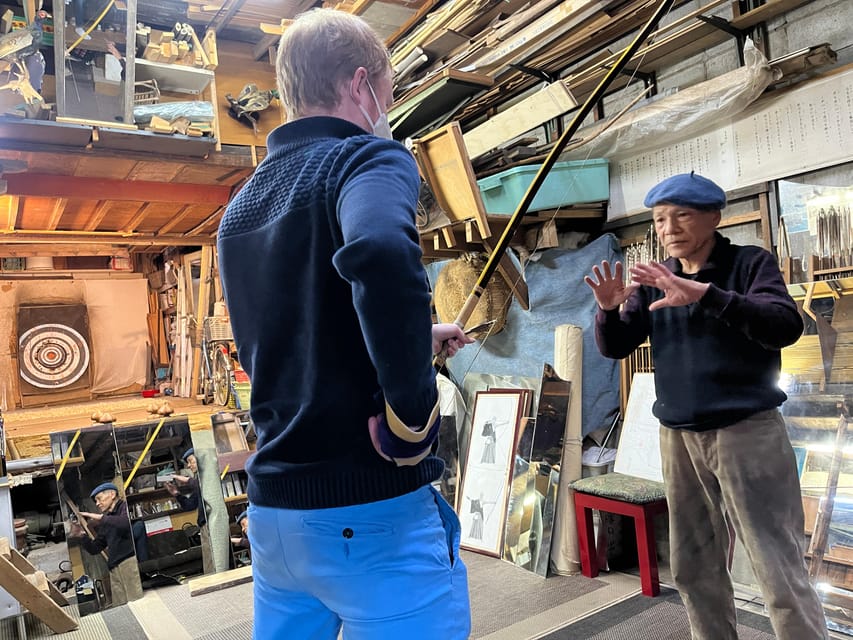
In many “international-friendly” cultural activities, translation is an afterthought. Here, English support is built into the experience. You’ll have:
- English materials related to Kyudo
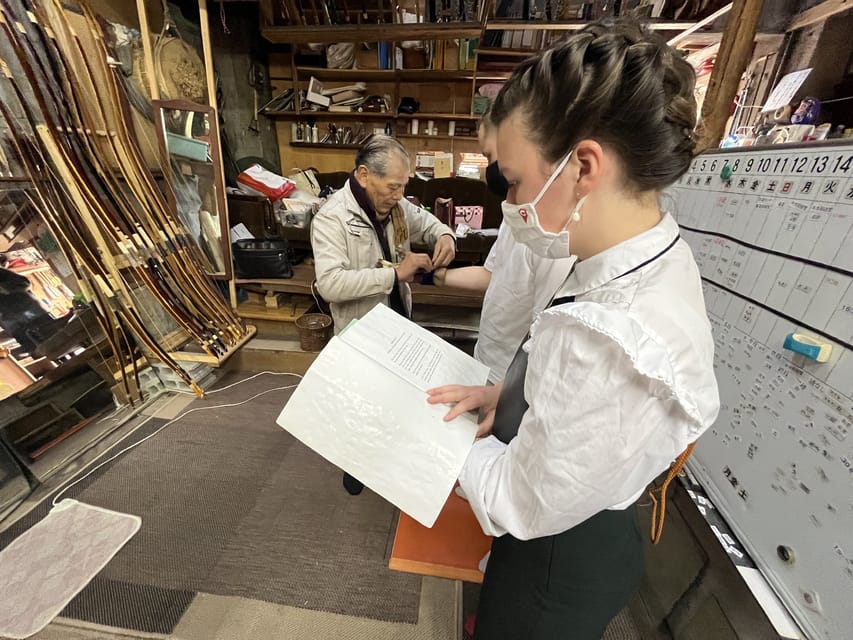
- an assistant who interprets and explains during the lesson
This matters because Kyudo isn’t just mechanics. You’re learning the meaning behind the steps too—history, ethos, and why the practice is treated as more than archery. With translation, you’re able to connect the spiritual and cultural reasons to what you’re doing with your body.
From what you can expect in this kind of teaching style, the assistant doesn’t just translate words. They help you understand what to focus on so you can correct yourself quickly. And because the teacher is very hands-on, the assistant’s role is often to keep you moving forward rather than freezing you with confusion.
So if you’re worried about the language barrier, don’t. The session structure is set up so your learning doesn’t stall.
Other Kyoto tours and experiences to compare


What makes this Kyoto experience worth the $38
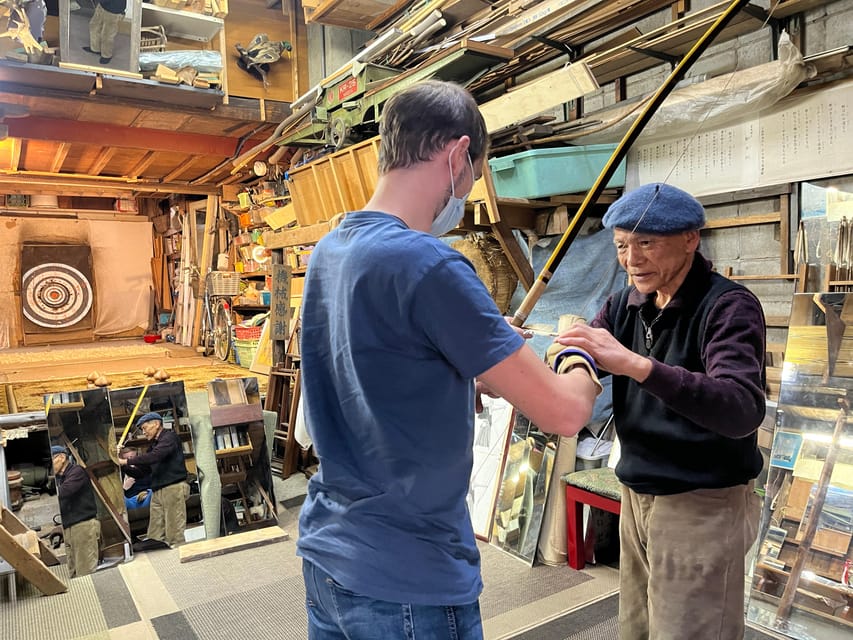
At $38 per person for a 1-hour workshop, you’re paying for serious instruction time, equipment, and a teacher with high-level credentials. In value terms, it’s not a “cheap souvenir.” But it’s also not priced like a private lesson. The small-group limit keeps costs down while preserving coaching quality.
Here’s where the price feels fair: the instructor isn’t running a generic demo. You’re in the session, practicing the form and getting corrected as you go. Plus, they provide the required Kyudo equipment, so you don’t waste time or money renting gear.
You also aren’t paying for transportation logistics. Hotel pickup and drop-off aren’t included, so plan to get yourself to the meeting point on your own. The walk from the nearby stations makes that easy.
The best way to think about the $38: you’re buying access to a tradition practiced with discipline, taught with direct coaching, in a format you can actually learn from in one sitting.
Who should book, and who might want a different activity
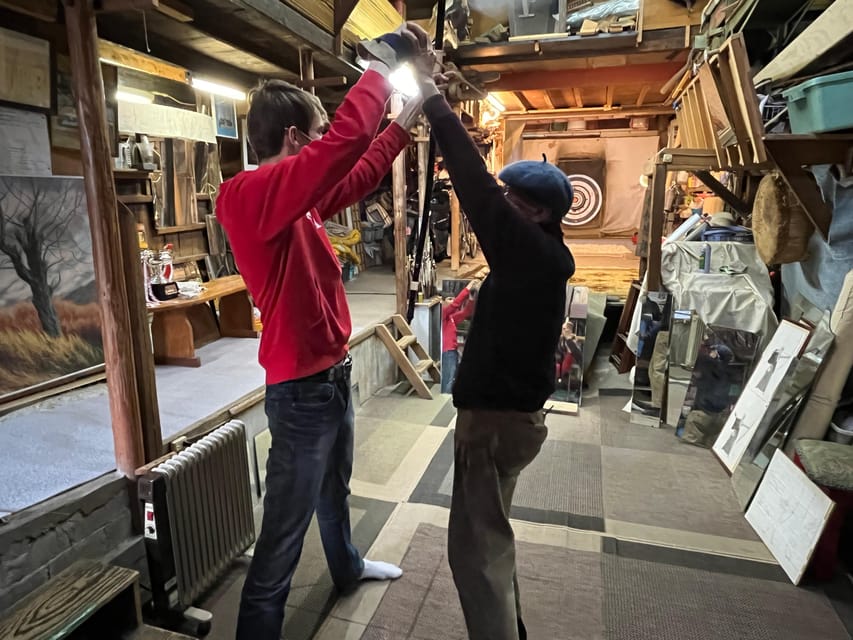
This Kyudo workshop fits best if you want:
- a hands-on cultural experience rather than a lecture
- structured instruction that helps you shoot and not just watch
- a calmer, reflective tone to your travel day
It’s also a strong choice if you like learning skills with a clear physical method. Even if you’re not athletic, Kyudo’s basics are learnable with guidance and repetition.
You might want to consider your expectations if you’re looking for a fast, action-heavy activity. Kyudo improves through controlled movement, not frantic effort. You will shoot, but the pace is deliberate.
And if you’re sensitive to physical effort: yes, Kyudo can be demanding because the bows can be heavier than you expect. Comfortable clothes and relaxed energy help a lot.
Should you book the Kyoto Kyudo workshop?
If you want one memorable skill in Kyoto that’s genuinely traditional, I’d book this. The best reason is the combination of a high-credential instructor, hands-on coaching, and a small group size that lets you practice rather than hover at the edge.
It’s also easy to fit into your day because it’s just one hour, and the meeting point is walkable from multiple stations. Bring comfortable clothes, arrive at the side entrance, and be ready to learn a sport that’s more about calm control than strength.
If your dream Kyoto day includes quiet focus and a skill you can point to later and say I learned that, this is a great match.
FAQ
How long is the Kyoto Kyudo workshop?
The session lasts 1 hour.
How much does it cost?
It’s $38 per person.
How many people are in a group?
The experience is a small group limited to 4 participants.
What language is used during the lesson?
The instructor’s language is Japanese, but you’ll also get English materials and an assistant who helps communicate.
Do I need to bring Kyudo equipment?
No. All required Kyudo equipment is included.
Is hotel pickup or drop-off provided?
No, hotel pickup and drop-off are not included. You’ll meet at からくり弓道体験場 (side entrance, no door bells).
More Workshops in Kyoto
More Tour Reviews in Kyoto






More Kyoto Workshops to Try

Just added: more Kyoto tours to browse








Kyoto Craft & Calligraphy Workshops, compared.
 ★ 5.0Chopsticks Making Workshop in Gion with Engraving OptionFrom $15958 reviews
 ★ 4.8Authentic knife making experience at a blacksmith in KyotoFrom $154350 reviews
 ★ 5.01-Hour Japanese Archery Experience in KyotoFrom $46176 reviews
 ★ 5.0Calligraphy class at Buddhist temple in city centerFrom $55167 reviews
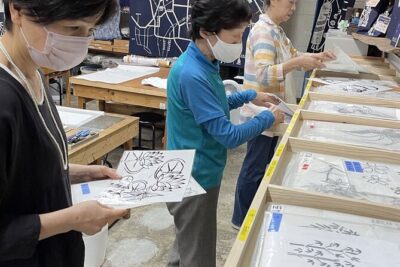 ★ 5.0Roketsu dyeing experience: M course Roketsu Dyeing ExperienceFrom $25163 reviews
 ★ 4.8Japanese Calligraphy ClassFrom $5189 reviews
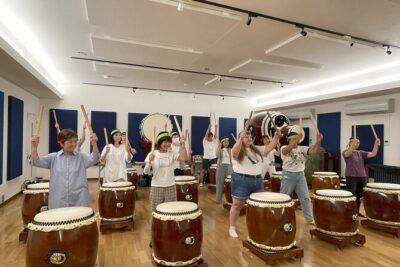 ★ 5.0TAIKO, Japanese Drum Experience from KyotoFrom $11586 reviews
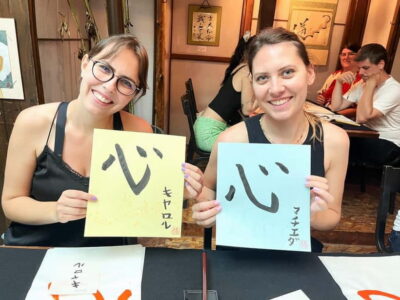 ★ 4.7Japanese Calligraphy WorkshopFrom $3284 reviews
Browse the lists this tour appears in