
Reviewed · GION & GEISHA DISTRICT TOURS
Kyoto : Chopsticks Making Workshop in Gion with Engraving Option
Carving chopsticks sounds simple. It is, but it also feels oddly calming. In a Kyoto Gion workshop, you turn raw wood into usable hashi with a traditional kanna hand plane, then finish them so they feel great in hand.
What I like most is the hands-on teaching: you shape, smooth, and oil your own pair step by step. I also love the souvenir angle—especially the optional engraving in Japanese or your native language.
One thing to consider: the experience can feel a bit structured, and your wood choices depend on what’s available that day (even though you pick from a curated set).
In This Review
- Key highlights in the ZEN Gion chopsticks workshop
- Where you’ll make Kyoto chopsticks in Gion (and why the setting matters)
- Price and value: what $15.25 gets you
- Step-by-step making: from raw blanks to shaped hashis
- Choosing your wood: color, grain, and the included options
- The kanna technique: the real hands-on magic
- Finishing like a craft shop: sanding and natural oil
- Engraving option: making it personal in Japanese (or your own language)
- How long will it take, and how the flow feels in real life
- Who this is best for (and who might want to skip)
- Tips to get the most out of your chopsticks workshop
- Getting there and fitting it into a Kyoto day
- Should you book this Kyoto chopsticks workshop?
- Bottom line
- FAQ
- How long is the Kyoto chopsticks workshop?
- Where is the meeting point for the workshop?
- How do I get my ticket?
- Is this workshop suitable for beginners?
- Can I choose the type of wood for my chopsticks?
- Do you offer an engraving option?
- What tools will I use to make the chopsticks?
- What is the price per person?
- What is the cancellation policy?
Key highlights in the ZEN Gion chopsticks workshop
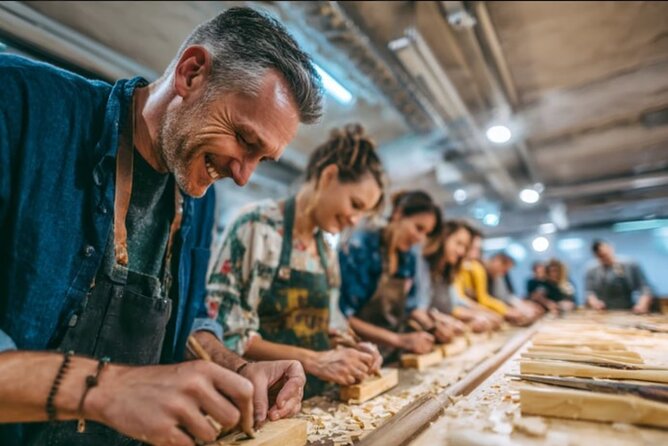
- Traditional kanna carving: you learn the motion and how to work with the grain
- Pick Japanese wood: two wood types are included, with premium upgrades offered
- Comfort finishing: sanding plus a coat of natural oil
- Optional name engraving: Japanese or your native language, for a one-of-a-kind keepsake
- Beginner-friendly pace: clear instruction even if you have zero woodworking experience
- Small group limit: up to 32 people, with English-speaking staff on hand
Where you’ll make Kyoto chopsticks in Gion (and why the setting matters)
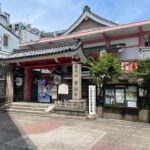
You meet at ZEN Chopsticks Making Workshop in Gion, at Yasaka Koji South, machi-71-13 Tamamizu, Higashiyama Ward (Kyoto 605-0851). That matters because Gion is the part of Kyoto most people come to see—old lanes, traditional atmosphere, and easy walking. Even though the workshop is indoors, the location keeps the day feeling like Kyoto, not just another stop.
The workshop runs about 1 hour, and you get a mobile ticket. That’s a good format if your Kyoto schedule already feels full. It’s short enough to fit between temple time and dinner, and long enough that you actually leave with something you made—not just a quick craft demo.
It’s also near public transportation, which is helpful. Kyoto has traffic and walking time can surprise you, so being able to hop on a transit line without a long detour is real value.
More evenings along the lantern-lit lanes of Gion



Price and value: what $15.25 gets you
At $15.25 per person, this is a budget-friendly “do-it-yourself Japan” experience. The reason it feels like good value is that it includes the core making process: you carve, sand, and oil your chopsticks, and you take them home.
The pricing structure also matters. You choose from a curated selection of Japanese woods, and two wood types are included with your workshop price. Premium woods are available as an optional upgrade if you want something extra special (color, texture, aroma—those are all part of the pitch).
So you’re not just paying for a tool-and-smile photo. You’re paying for guided hand skills and finished chopsticks that are actually meant for use.
Step-by-step making: from raw blanks to shaped hashis
The workshop starts with your raw wooden blanks. The idea is that you begin with something plain and rough, then transform it into two chopsticks that match. If you’re worried about technical skill, don’t. The process is designed for first-timers, and the instruction is taught clearly and patiently.
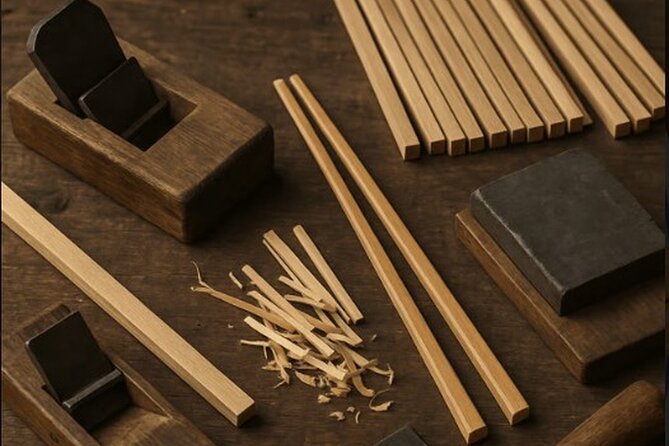
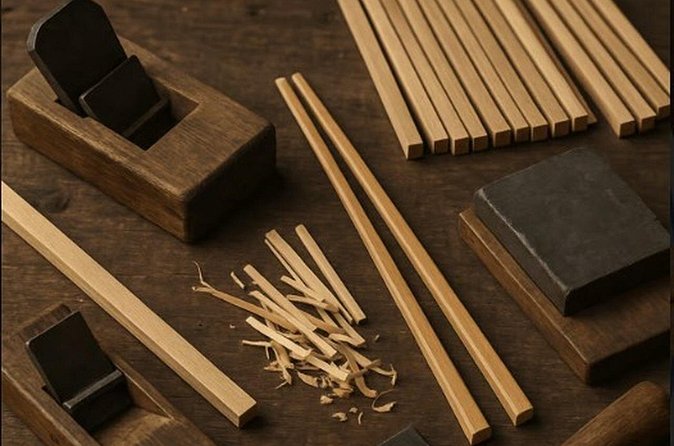
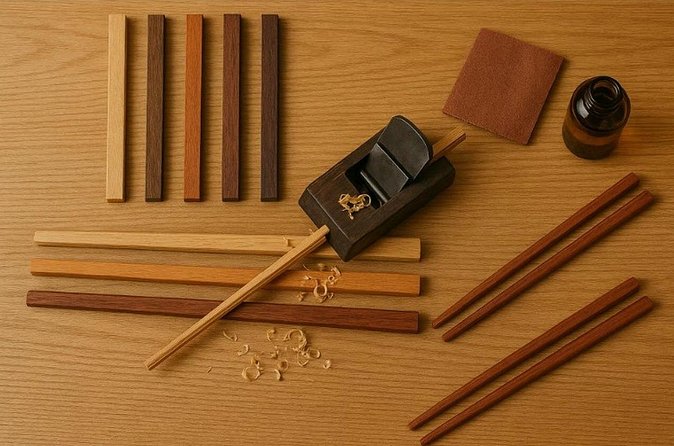
You’ll work with a traditional hand plane (kanna). This isn’t about speed. It’s about control: shaving thin layers, keeping your carving consistent, and learning how the wood behaves. Once you start feeling the grain under the blade, the whole thing clicks in a satisfying way.
Then comes the middle part most people underestimate: smoothing and edge finishing. You don’t stop at the carved shape. You move to sandpaper to refine the surface and edges so the chopsticks feel comfortable—not sharp, not scratchy, just right.
A lot of craft activities stop at decoration. This one aims for function. That’s why you leave with chopsticks that feel ready for the table.
Choosing your wood: color, grain, and the included options
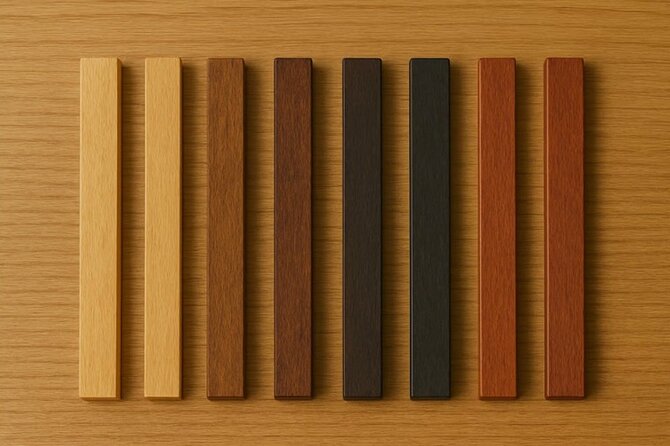
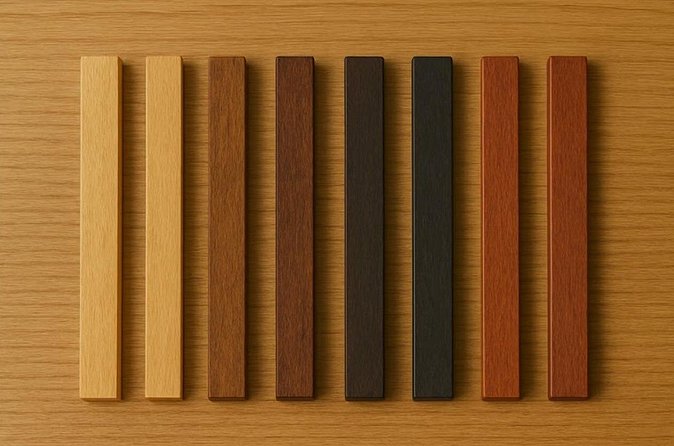
Before you carve, you get to choose your wood. The workshop frames it as more than looks, and that’s fair. Different woods can mean different color tones, visible grain patterns, and even a distinct aroma.
You’re given two included wood types at no extra cost, plus the option to upgrade to premium woods. I like how this lets you make a decision without feeling like everything costs more money. It also helps you pick based on what you want to keep as a memory: lighter and softer-looking chopsticks, darker and more dramatic tones, or something in between.
One practical consideration: wood availability can vary. Even though you choose from a menu of options, what’s actually on hand that day can affect your final selection. If you have your heart set on a specific look, keep your expectations flexible.
The kanna technique: the real hands-on magic
The best part of this workshop is the carving stage with the traditional kanna. It’s hands-on, slower than you’d expect, and it forces you to pay attention in a good way. You’re shaping the chopsticks gradually, which means you can correct as you go.
You also get taught how to carve the shape from rough form to a more refined body. The goal isn’t perfect factory precision. It’s understanding the steps: plane, check the shape, plane again, then refine.
This is exactly why it works for beginners. You’re not expected to know woodworking. You’re expected to follow the rhythm of an instructor and learn how pressure and angle affect the wood.
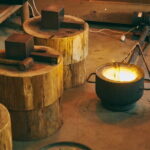
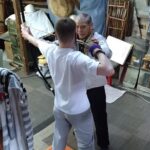
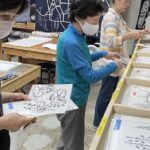
Make something by hand in a Kyoto workshop


Finishing like a craft shop: sanding and natural oil
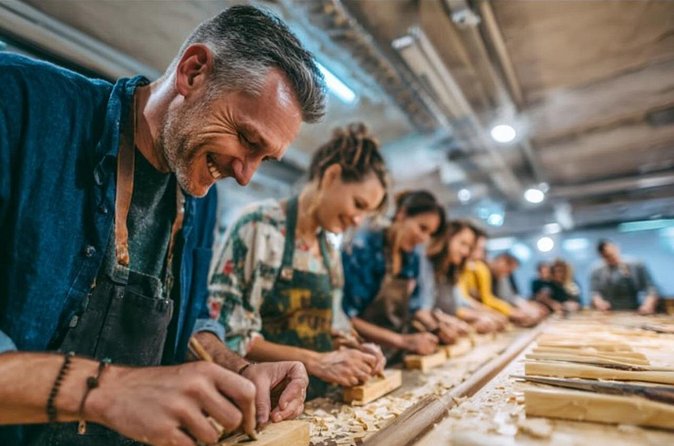
After shaping, you move to sanding. This is where your chopsticks stop looking homemade and start feeling polished. It’s also where comfort matters most. Even if your carving looks fine, the edges and surface need that final smoothing so they’re pleasant to hold and safe to use.
Then you apply a coat of natural oil. That step isn’t just cosmetic. The oil helps protect the wood and brings out its natural character—color depth, grain definition, and that warm feel you can’t fake with store-bought blanks.
When you finish, you’re not just taking a souvenir. You’re taking something you can actually use at home. And if you’re the sort of person who loves the first meal after a craft—this is the kind of activity where you can.
Engraving option: making it personal in Japanese (or your own language)
The optional final touch is name engraving. You can have your name engraved in Japanese or your native language, which is a smart way to make the chopsticks feel tied to your trip.
From a practical standpoint, engraving also adds meaning beyond the wood choice. You can choose a simple name style, or whatever makes the chopsticks feel like yours. It’s a small step, but it’s the part that turns a craft item into a keep.
There’s also something neat about doing it in the same place you made the chopsticks. The finished pair doesn’t feel like a generic workshop product. It feels like your work, plus your identity on the details.
How long will it take, and how the flow feels in real life
This is about 1 hour, and that timing shapes everything. The workshop moves you through a complete cycle: select wood, carve the shape, sand, oil, and—if you choose it—engrave.
Because the time is tight, the experience can feel like a guided workflow. It’s not a long studio immersion. It’s more like a focused lesson with real output at the end. That’s not bad—it’s part of why it’s affordable and easy to schedule.
The staff are English-speaking and around to help. That matters because your success depends on small adjustments. If something feels awkward, you don’t have to struggle in silence.
Who this is best for (and who might want to skip)
This workshop is great for:
- People who want a hands-on Kyoto activity that produces a usable souvenir
- Beginners who like calm, step-by-step instruction
- Families, since it’s described as engaging and supportive for different ages
- Anyone shopping for meaningful gifts that aren’t just trinkets
It might be less ideal if:
- You need total control over every detail and you hate structured group formats
- You only want one specific wood type and would be disappointed if that option isn’t available
- You’re looking for a long, multi-hour deep skill program (this is short by design)
Tips to get the most out of your chopsticks workshop
A few small choices make a big difference:
- Pick wood based on what you want to live with. Look at the grain and tone before carving starts.
- If you’re choosing engraving, decide in advance what you want on it. Your name in Japanese or your native language can change how the chopsticks feel as a gift.
- Watch your instructor’s hand position and pressure. With a hand plane, tiny adjustments matter.
- Don’t rush the sanding. That’s where comfort comes from, and it’s the difference between nice-looking and truly usable.
Also, think about what you’ll do with them after. If you plan to use them soon after the workshop, you’ll appreciate the natural oil finish more than you expect.
Getting there and fitting it into a Kyoto day
You’ll be based in Gion, near public transportation. That makes it easier to pair with classic Kyoto sights like walking time through Gion lanes and then heading toward dinner.
Because the workshop is about an hour, you don’t need to build your whole day around it. I like treating it as a mid-day creative break. It’s also a good afternoon option if the morning feels too chaotic and you want something calmer.
The meeting point is very specific: ZEN Chopsticks Making Workshop, Yasaka Koji South, machi-71-13 Tamamizu. If you’re using maps, double-check you’re aiming for that exact address so you don’t lose time in the maze of nearby lanes.
Should you book this Kyoto chopsticks workshop?
If you want a real craft experience in Kyoto that’s beginner-friendly, this is an easy yes. The price is reasonable for what you get: guided carving with a traditional hand plane, finishing with sanding and natural oil, and a take-home souvenir you’ll actually be proud of.
Book it if you like hands-on learning, want something tactile to remember your trip, or you’d enjoy adding a personal engraving in Japanese or your own language. If you’re someone who gets frustrated by any sense of workflow or limited availability in chosen options, go in with flexibility on the wood selection.
Bottom line
For a short, meaningful Kyoto activity in Gion, this chopsticks workshop hits the sweet spot: calm, guided, and very likely to leave you with a souvenir you’ll use.
FAQ
How long is the Kyoto chopsticks workshop?
The workshop lasts about 1 hour.
Where is the meeting point for the workshop?
You meet at ZEN Chopsticks Making Workshop, Gion Kyoto, Yasaka Koji South, machi-71-13 Tamamizu, Higashiyama Ward, Kyoto 605-0851, Japan.
How do I get my ticket?
You receive a mobile ticket.
Is this workshop suitable for beginners?
Yes. It is designed to be beginner-friendly with clear, patient instruction, and most people can participate.
Can I choose the type of wood for my chopsticks?
Yes. You can choose from a curated selection of Japanese woods. Two wood types are included, and premium woods are available as an optional upgrade.
Do you offer an engraving option?
Yes. You can add optional engraving of your name in Japanese or your native language.
What tools will I use to make the chopsticks?
You’ll use a traditional kanna (Japanese hand plane) to carve the chopsticks.
What is the price per person?
The price is $15.25 per person.
What is the cancellation policy?
You can cancel for a full refund if you do it at least 24 hours before the experience starts. If you cancel less than 24 hours before, the amount paid is not refunded.
More Tour Reviews in Kyoto



More Kyoto Workshops to Try
Still in Gion? Keep Going

Just added: more Kyoto tours to browse








Gion & Geisha District Tours, compared.
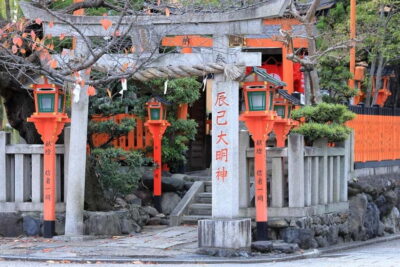 ★ 4.7Kyoto Geisha Walking Tour: Gion District & Hidden GemsFrom $253,273 reviews
 ★ 4.9Gion Magical Night Walking Tour with Geisha TriviaFrom $242,393 reviews
 ★ 4.7Gion Geisha District Walking Tour – Stories of GeishaFrom $202,187 reviews
 ★ 4.9Best of Kyoto: Gion, Geisha, Pagodas & CobblestonesFrom $242,058 reviews
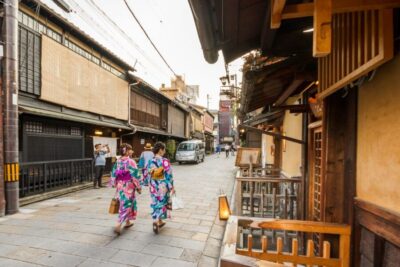 ★ 4.5Night Walk in Gion: Kyoto’s Geisha DistrictFrom $212,003 reviews
 ★ 5.0Kyoto Night Foodie Tour in Gion (9+ dishes + 6 Sake tastings)From $1631,762 reviews
 ★ 5.0Kyoto Gion Geisha District Walking Tour – The Stories of GeishaFrom $251,441 reviews
 ★ 5.0Kyoto Gion: 2-Hour Geisha Culture & History Walking TourFrom $231,186 reviews
Browse the lists this tour appears in