
Reviewed · KYOTO COOKING CLASSES
Kyoto: Ramen Cooking Class at a Ramen Factory with Souvenir
Kyoto ramen has a reputation for being fast and addictive. This class turns that craving into a skill you can repeat, starting with flour-to-noodles hands-on work. I especially loved how the teachers keep it fun and clear, and how you build your bowl by choosing your own soup, sauces, and toppings. One thing to consider: you’ll feel the station-location details, since the entrance is in the basement and can be easy to miss on first pass.
The vibe at the Ramen Factory is part cooking school, part ramen-house energy. If you’re lucky enough to get instructors like Sakura, Fuku, or Moeka, the pacing stays lively and you get lots of personal help while you make your noodles and season your chicken. The only real drawback is time: 90 minutes flies, so you have to focus through every step to get noodles that cook right.
In This Review
- Key things I’d watch for before you go
- Finding the Ramen Factory Kyoto basement (near Demachiyanagi)
- The 90-minute flow: from chicken and noodles to your finished bowl
- The noodle-making grind (and why it’s worth it)
- Flavor building: choosing soup base and mixing miso, salt, and soy
- Your bowl assembly: toppings, egg, and condiments the way you want
- Eating what you made: satisfaction hits faster than you expect
- Souvenirs and the recipe for cooking at home
- Dietary options: what you should do before the class starts
- Who this ramen class suits best (and who might want a different plan)
- Price and value: what $127 gets you in Kyoto time
- Media filming notice: a quick heads-up before you go
- Should you book this Kyoto ramen cooking class?
- FAQ
- Where is the meeting point and how do I enter?
- How long is the ramen cooking class?
- What’s included in the class price?
- What languages do instructors speak?
- Do they offer dietary options?
- Will I get anything to take home besides food?
- Will I be filmed or photographed during the visit?
Key things I’d watch for before you go
- Basement-meeting-point reality check: it’s a 5-minute walk from Demachiyanagi, then down the stairs to the basement floor.
- Flour-to-noodles practice: you make your noodles completely from flour, including a long dough-handling routine (yes, folding over and over).
- Sauce mixing customization: you taste and mix miso, salt, and soy featured sauces for your final bowl.
- Your broth and oil choices matter: you pick the soup base and oils, then pair them with your sauce.
- You eat what you make: you finish by enjoying your ramen during/after the prep, not later that day.
- A souvenir and a recipe for home: you take something with you, and you also get the recipe sent so you can cook again.
Finding the Ramen Factory Kyoto basement (near Demachiyanagi)
This is one of those Kyoto activities that’s easy to fit between sightseeing stops. The meeting point is just a five-minute walk from Demachiyanagi on the Keihan line. When you arrive, don’t hunt for a street-level storefront. You’ll go to the staircase to the right of the supermarket, then head down to the basement floor.
Here’s the practical caution I’d take seriously: the entrance location doesn’t always match what you see on maps. Plan to look for the set of stairs on the street side behind the bus stop area, then go down. If you show up a few minutes early, you’ll calm down fast.
Once you’re inside, it’s the kind of tight, organized space that works well for a cooking class. You’re not wandering around looking for stations. The flow is designed so you can move from dough prep to flavoring to assembly without feeling lost.
Roll up your sleeves for another Kyoto cooking class

The 90-minute flow: from chicken and noodles to your finished bowl
You’ll be doing real cooking work, not just watching someone else. The full Chef Course runs about 90 minutes, and the key idea is that you make your ramen from scratch in a structured sequence.
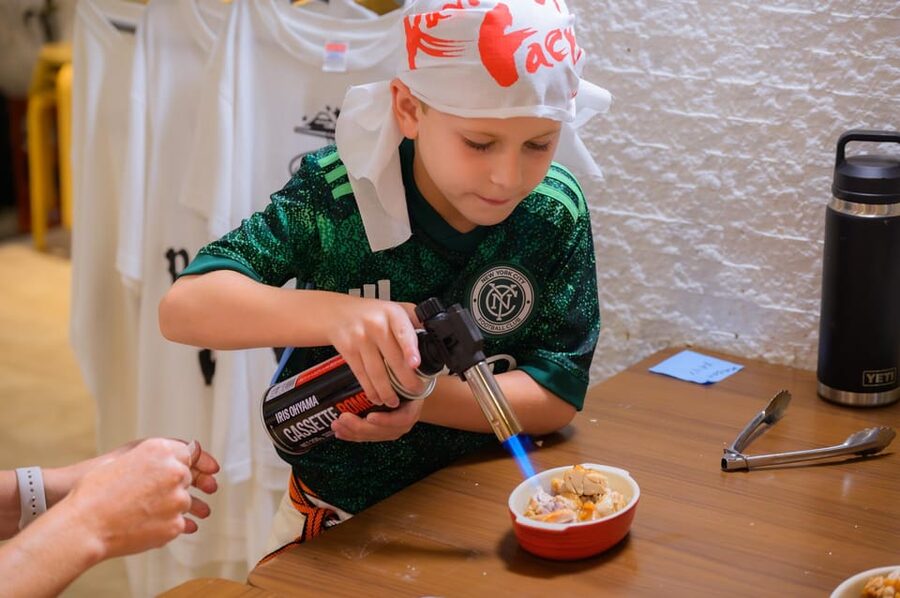
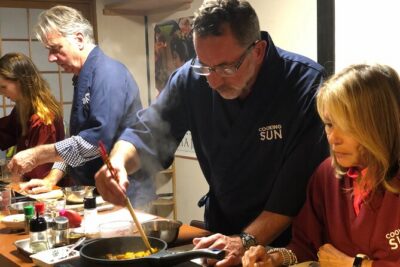
The class starts with you gearing up: you wear a ramen apron and headscarf. Then you watch an overview video about the process. After that, the hands-on work begins.
Here’s the arc of your time:
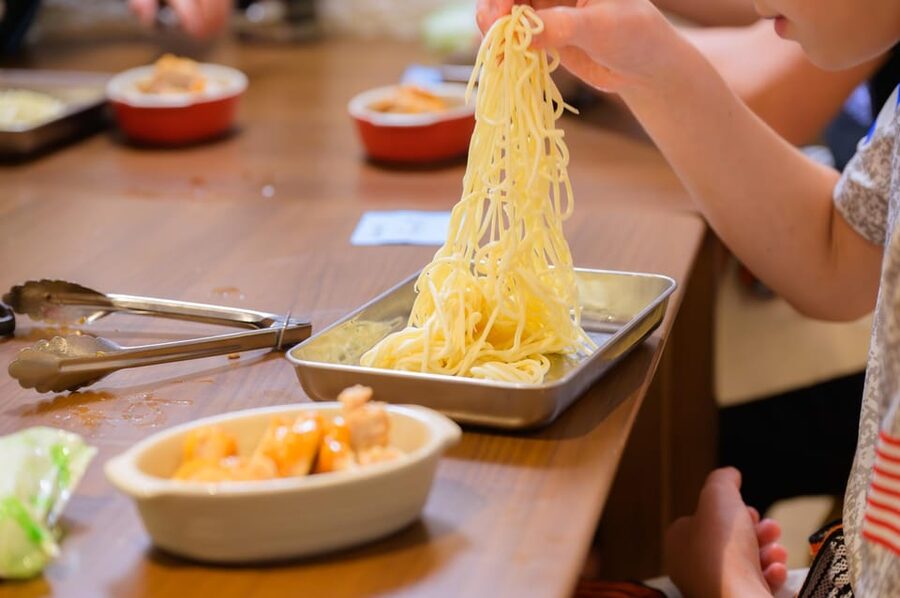
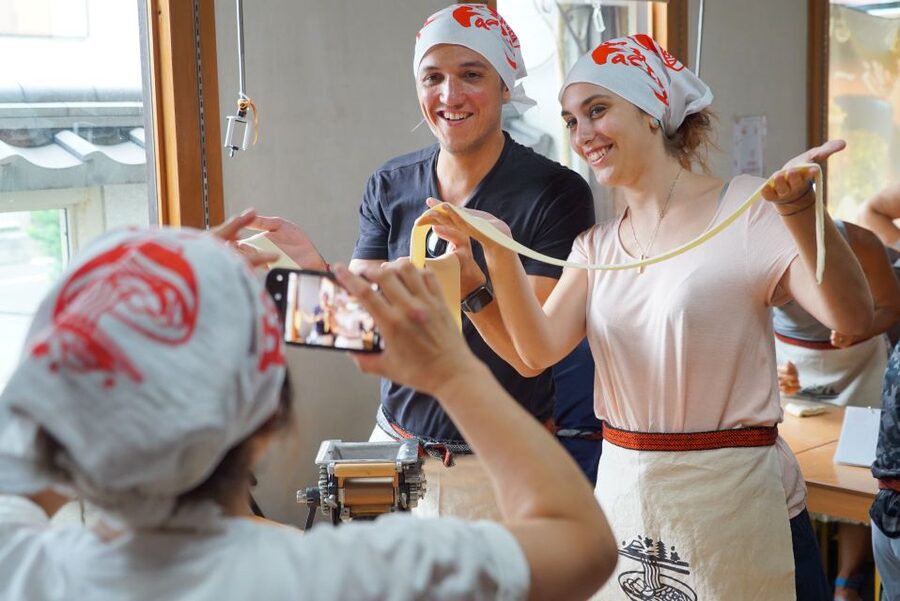
First, you flavor and prepare the chicken with seasonings. That part matters because it sets the savory backbone for the bowl. Then you move to the most memorable section: making the noodles. You’ll mix, punch, knead, drain, and shake—turning flour into dough and finishing into noodles through the steps the school teaches.
Once your noodles are ready, you shift into building flavor. You choose your soup and sauce combination, then you layer your toppings: egg plus condiments, arranged exactly how you like. When it’s done, you eat the ramen you created.
The class ends with two big takeaways: a souvenir you select, and a home recipe you can use later. For a lot of people, that combo is the difference between a fun hour and an activity that keeps paying off after the trip.
The noodle-making grind (and why it’s worth it)
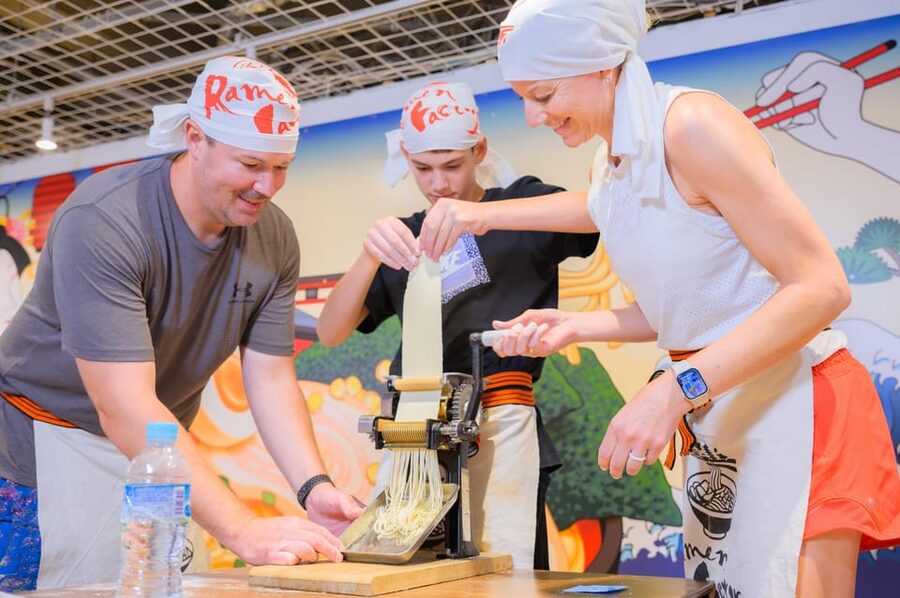
Making ramen noodles sounds simple until you start doing it. The class leans into the real process, including the meticulous work of folding the noodle dough over 100 times. That’s not there to impress you. It’s there to create the right texture and handling for noodles.
You’ll handle the dough repeatedly—mixing it, punching it, kneading it, then using the class’s specific techniques to drain and shake. The point is consistency. When teachers guide you step-by-step, it becomes less like a cooking challenge and more like learning a technique.
This is where the class tends to shine for beginners. People often worry they’ll mess up flour and dough. What helps here is that instructions are clear, and the staff stays on top of the process. Even when someone is doing this for the first time, the setup is designed so you can succeed without prior ramen skills.
Also, the work is short enough to be satisfying. You’re not stuck in a long kitchen marathon. You just do the steps, learn what each stage feels like, and then you get to enjoy the result.
Flavor building: choosing soup base and mixing miso, salt, and soy
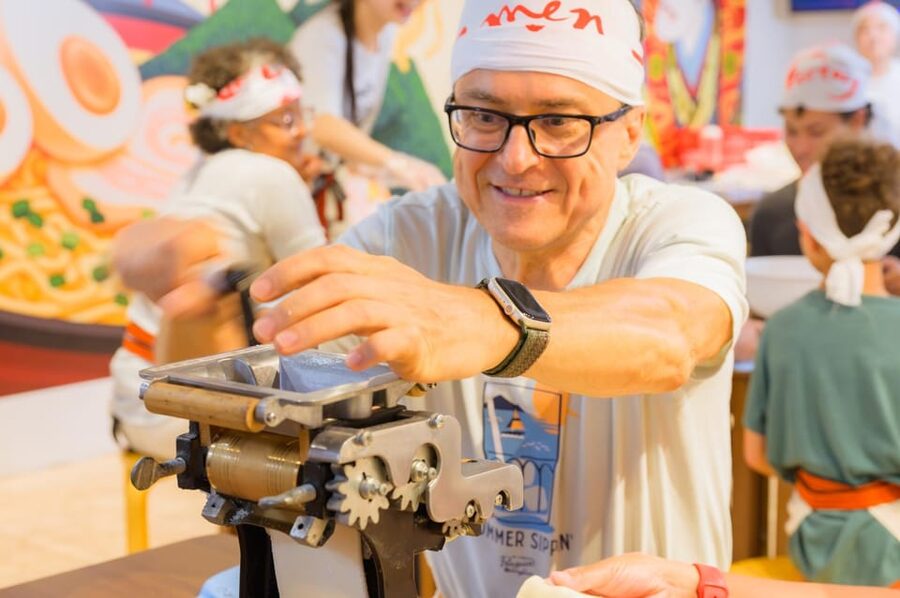
Your bowl doesn’t just come from a menu. You customize it. The class has you choose the soup base and oils, then it brings you through the sauce side of ramen flavor.
A standout part is that you taste and mix three featured sauces: Miso, Salt, and Soy. That trio gives you a crash course in how different ramen flavors shift the whole experience. Miso brings a deeper, rounder savoriness. Salt tends to feel cleaner and more focused. Soy adds a classic depth that’s easy to recognize.
Then you pair that with your selected soup base and oils. The staff guides the logic, so you’re not guessing wildly. You’re making choices that match what you like in the bowl, then putting it together in your own order.
For me, the value here is the learning. Ramen can feel like a black box when you’re only buying it. In this class, you see the levers: base, oil, sauce, and toppings. Once you understand those, cooking at home stops being intimidating.
Your bowl assembly: toppings, egg, and condiments the way you want
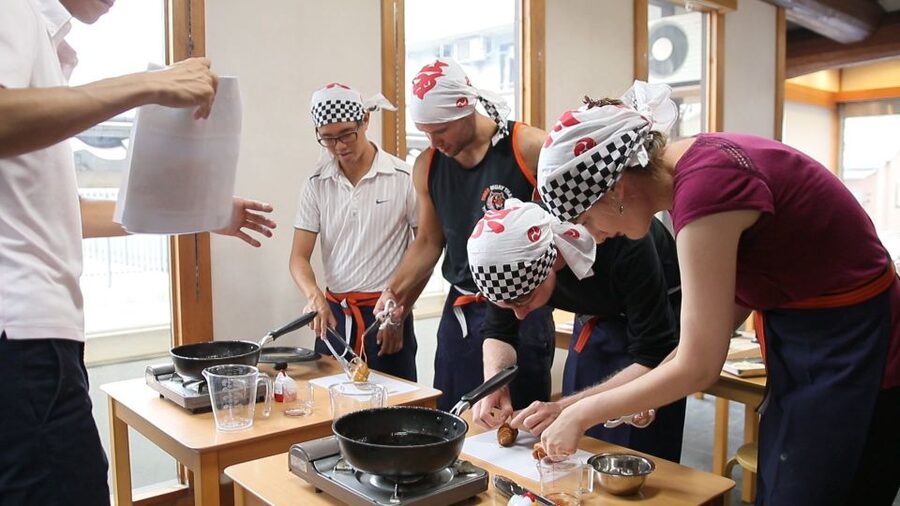
This is where ramen becomes personal.
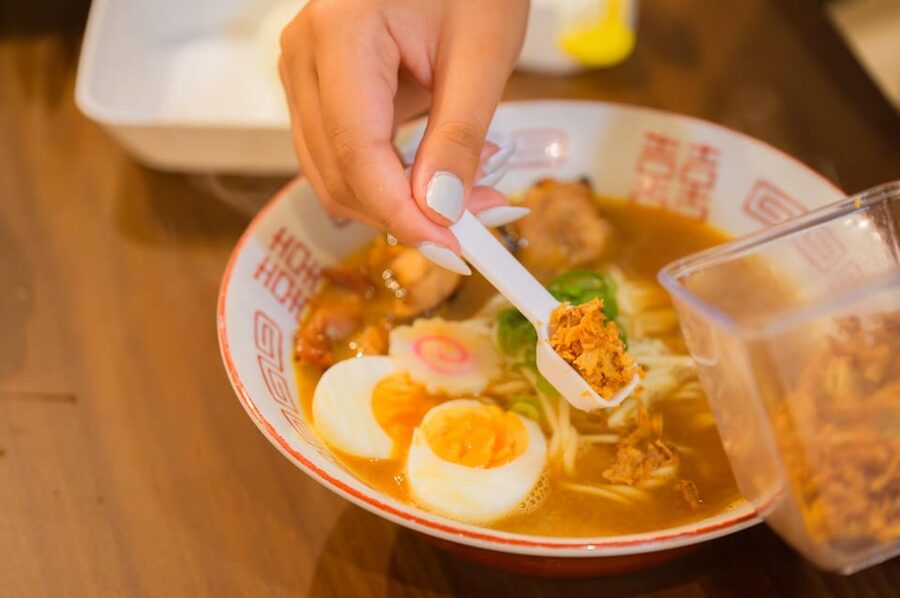
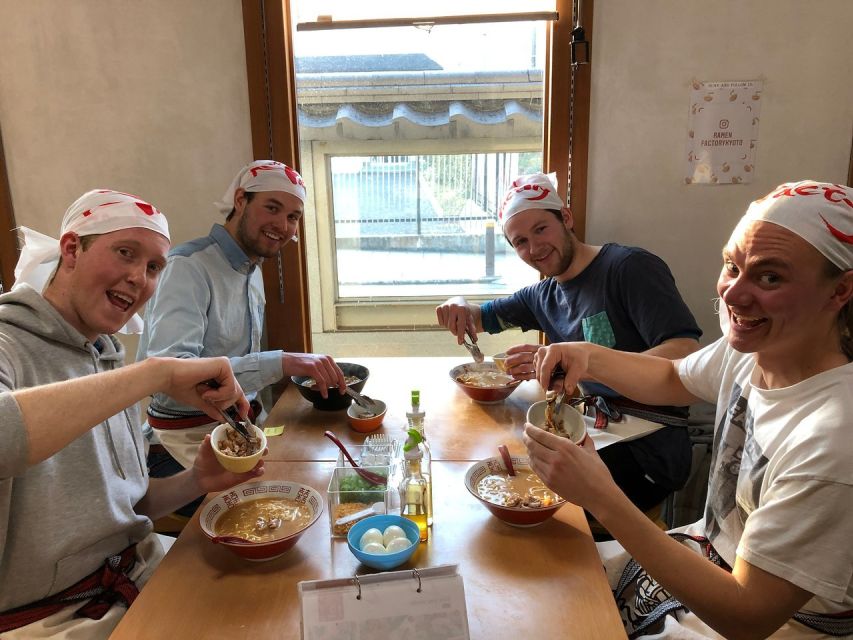
After noodle prep and sauce selection, you assemble your bowl with your chosen combination. You also add egg and condiments according to your tastes. That might sound like a small detail, but it’s actually one of the best learning moments. You’re training your palate to think like a ramen cook: how much of each element, what goes with what, and how the bowl should feel when you take a bite.
You’ll also get the chance to display your ramen bowl with toppings laid out in your preferred style before you sit down to eat. If you like photos, you’ll find plenty of staff support for capturing the process and the final bowl.
One more note that comes up in real life: people are asked to make food fast, but the class still works at a human pace. It doesn’t feel like you’re rushed into the final product. The team is set up to keep you moving and guided.
Other Kyoto tours and experiences to compare



Eating what you made: satisfaction hits faster than you expect
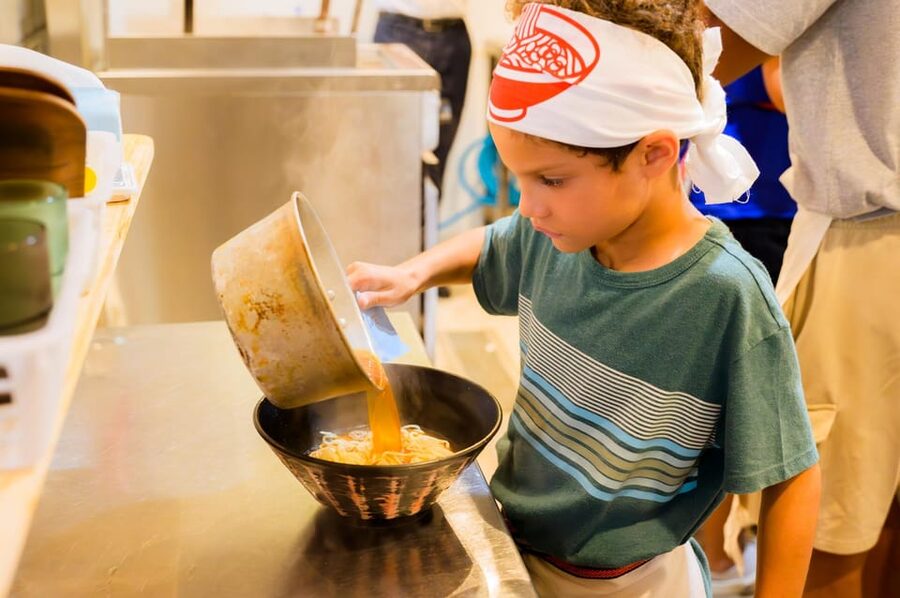
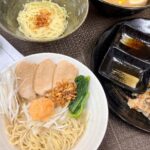
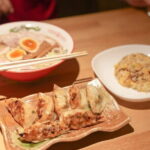
You finish by enjoying the ramen you made while you look back on the experience during preparation. That phrasing is simple, but the effect is not. You don’t just smell the outcome and leave. You eat it while the memory is still fresh, so the taste locks into your brain.
This is also where the hands-on work pays off. If your noodles turned out well, you notice it right away. If your sauce balance is on point, the bowl tastes like yours, not like a generic sample.
Many people come in expecting this to be a fun activity. The surprising part is that the bowl tends to be genuinely delicious. When you make noodles yourself, even your most basic bowl becomes more satisfying.
Souvenirs and the recipe for cooking at home
A lot of cooking classes give you a “certificate and good luck.” This one tries harder.
First, you choose from four different souvenir types to take home. The class includes a selected souvenir, so you don’t leave empty-handed. If you care about bringing a small piece of Kyoto back with you, this is a nice perk that doesn’t feel random.
Second, you get the full recipe sent via email to cook ramen at home. That’s the part that really multiplies the value. If you want to recreate the flavors after you get home, you’ll have a path that goes beyond memory.
Some participants also mention recipes accessed via QR code, so you may see the recipe delivered digitally in more than one format. Either way, the goal is clear: you leave with enough detail to try again.
Dietary options: what you should do before the class starts
If you need a dietary accommodation, plan ahead. The class specifically says to get in touch with the local supplier after booking if you want a dietary option.
In at least one case, a pescatarian participant was offered tofu and fish broth, which is a helpful sign that they can adapt ingredients instead of just telling you no. There’s also mention of vegan accommodation in the feedback you provided, which suggests they take dietary requests seriously when you communicate early.
My advice: message ahead with the exact diet and what you avoid. Keep it simple and direct. The sooner they know, the easier it is for them to set your bowl and ingredients up correctly.
Who this ramen class suits best (and who might want a different plan)

This is a great pick if you want a hands-on Kyoto activity that doesn’t demand a whole day.
It fits especially well for:
- You want a fun, filling experience that’s not just another temple stop.
- You like food learning that leads to an edible result.
- You travel with kids, teens, or a group who benefits from structure and clear steps.
- You like customizing your meal and learning why flavor choices matter.
It may be less ideal if:
- You’re looking for a quiet, sit-down tasting only. This is a cooking class with active steps.
- You get stressed by short time windows. The routine is efficient, so you’ll want to stay focused.
If you’re in Kyoto for a few days and want one “do something” day that ends with lunch or dinner in your hands, this class is built for that role.
Price and value: what $127 gets you in Kyoto time
At $127 per person for 90 minutes, this isn’t the cheapest way to eat in Kyoto. But it also isn’t just a meal.
You’re paying for:
- A guided chef course that takes you through ramen noodle making from flour.
- Ingredient handling and instruction that helps you actually succeed.
- Flavor-building time, including tasting and mixing featured sauces.
- Your finished bowl plus a souvenir choice.
- A recipe sent so you can cook again later.
That’s the value equation: you’re not just consuming ramen; you’re buying the process and the skills. For many people, that’s worth more than another bowl at a shop, because the learning stays with you.
Also, drinks and transportation aren’t included. If you’re budgeting, add those costs. But the core experience is self-contained and designed to work within the 90-minute window.
Media filming notice: a quick heads-up before you go
One practical detail people sometimes forget: during your visit, you may be filmed or photographed as part of professional video or photo productions. Media can be used in coverage and promotions worldwide. If that would make you uncomfortable, you may want to mention it upon arrival or choose not to stand in filming zones.
It doesn’t automatically change the experience. It’s just good to know so you aren’t surprised.
Should you book this Kyoto ramen cooking class?
I think it’s a strong choice if you want an activity that’s genuinely hands-on and ends with a bowl you helped create. The best part is the learning-to-eating loop: you make the noodles, you mix the sauces, you choose your broth and oils, and you eat the result in the same visit.
Book it if:
- You want ramen technique, not just ramen.
- You like customization (miso, salt, soy, plus your toppings).
- You’d enjoy taking a souvenir and a recipe home.
Skip it if:
- You prefer a low-effort food experience.
- You hate being in a shared class environment, even if it’s well organized.
If your goal is one memorable, practical Kyoto food day, this one fits.
FAQ
Where is the meeting point and how do I enter?
It’s about a five-minute walk from Demachiyanagi Station on the Keihan line. The location is on the basement floor. When you arrive, take the staircase to the right of the supermarket and go down to the basement.
How long is the ramen cooking class?
The experience lasts about 90 minutes.
What’s included in the class price?
The class includes the 90-minute Chef Course ramen making and a selective souvenir. Drinks are not included.
What languages do instructors speak?
The instructor speaks English and Japanese.
Do they offer dietary options?
You’re asked to contact the local supplier after booking if you want a dietary option. The experience can accommodate dietary needs when you request them in advance.
Will I get anything to take home besides food?
Yes. You choose a souvenir during the class, and you also get the full recipe sent via email so you can cook ramen at home.
Will I be filmed or photographed during the visit?
You may be filmed or photographed as part of professional video/photo or 360-degree recordings, and the images or videos can be used worldwide in media coverage and promotions.
More Cooking Classes in Kyoto
More Tour Reviews in Kyoto






More Kyoto Cooking Classes

Just added: more Kyoto tours to browse








Kyoto Cooking Classes, compared.
 ★ 5.0Ramen Cooking Class at Ramen Factory in KyotoFrom $1311,937 reviews
 ★ 5.0Sushi Making in Kyoto! Same-day bookings welcome!From $53713 reviews
 ★ 5.0Ramen, Gyoza, and Onigiri Cooking ClassFrom $90445 reviews
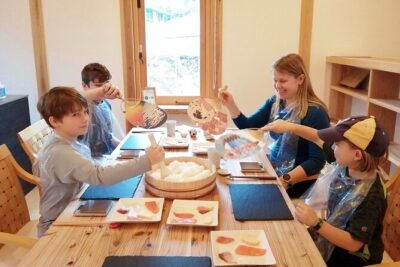 ★ 5.0The Original Small-Group Sushi Making Class in KyotoFrom $69436 reviews
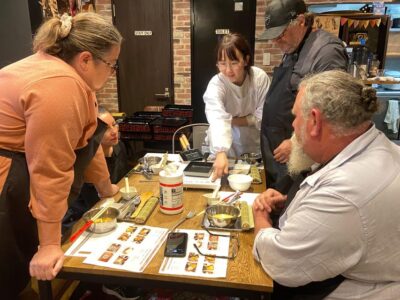 ★ 5.0Japanese Washoku Bento Small Group Cooking ClassFrom $58380 reviews
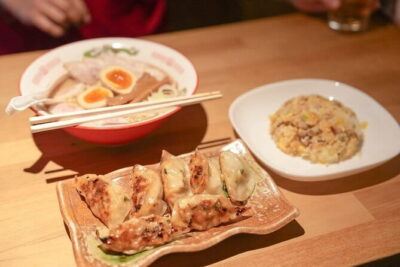 ★ 5.0Kyoto Ramen and Gyoza Cooking Class with Professional ChefsFrom $86282 reviews
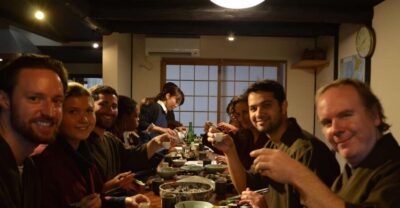 ★ 4.9Afternoon Japanese Izakaya Cooking ClassFrom $67241 reviews
 ★ 5.0Izakaya Style Cooking ClassFrom $71219 reviews
Browse the lists this tour appears in